
The Evolution of Indian Classical Dance: A Journey Through Cultural Influences

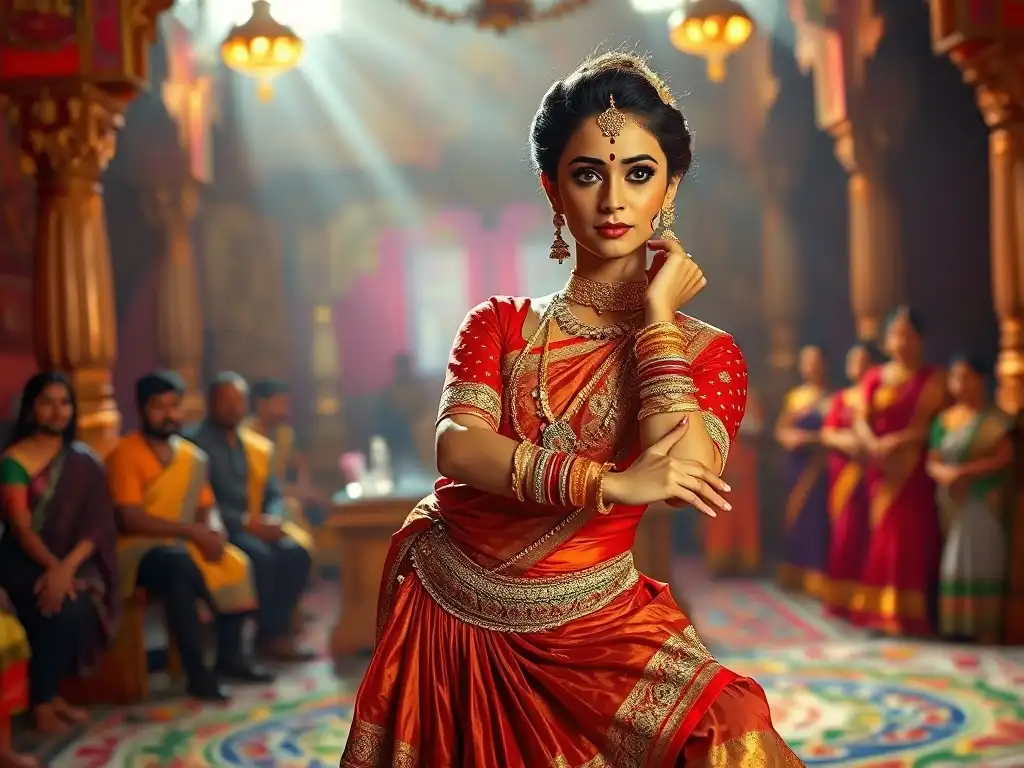
Welcome to Ancient India History, where we embark on a captivating journey through the rich tapestry of ancient Indian civilizations. As we delve into the evolution of Indian classical dance, you'll uncover the profound cultural exchanges and influences that have shaped this exquisite art form. From the rhythmic elegance of the Indus Valley to the sophisticated expressions of the Gupta Empire, the story of classical dance is a mirror reflecting the vibrant history and diverse traditions of India.
Prepare to be intrigued as we explore how these influences intertwine, inviting you to discover the deeper narratives that continue to resonate today. Let's dance through history together!
Introduction to Classical Dance History in India
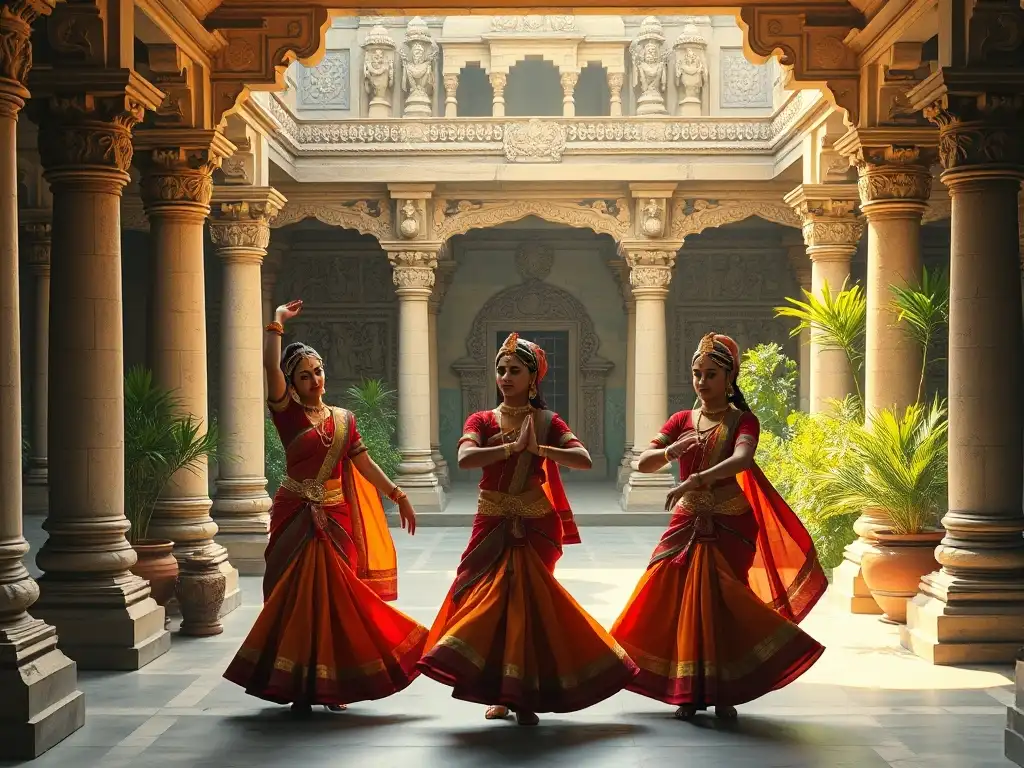
The history of classical dance in India is a vibrant tapestry woven with threads of cultural influences, spiritual beliefs, and artistic expressions that have evolved over centuries. This journey through classical dance history in India showcases not only the exquisite performances that have graced the stages of ancient temples and royal courts but also reflects the socio-political dynamics and intercultural exchanges that have shaped these art forms. From the rhythmic footwork of Bharatanatyam to the graceful movements of Odissi, each dance style tells a story of tradition and innovation, embodying the ethos of the civilization it represents.
As we explore this evolution, it is essential to appreciate how ancient texts, literature, and local folklore have contributed to the rich diversity of dance forms. The intricate relationship between dance and music, along with the dialogue between the divine and the earthly, has played a crucial role in the development of these classical styles. This article aims to illuminate the evolution of Indian classical dance, highlighting the myriad influences that have fostered a unique artistic heritage.
Overview of Classical Dance Forms in India
Indian classical dance encompasses a variety of distinct styles, each with its own unique characteristics, techniques, and historical significance. Here’s an overview of some of the major classical dance forms:
- Bharatanatyam: Originating from Tamil Nadu, this dance form is known for its fixed upper torso, bent legs, intricate footwork, and expressive hand gestures (mudras).
- Kathak: Hailing from North India, Kathak is characterized by its intricate footwork, spins, and expressiveness, often depicting stories from Hindu mythology.
- Odissi: This dance form from Odisha is recognized for its fluid movements and sculptural poses, often representing themes of devotion and love.
- Kathakali: Known for its elaborate costumes and makeup, Kathakali from Kerala is a storytelling dance that incorporates facial expressions and hand gestures.
- Manipuri: Originating from Manipur, this dance emphasizes graceful movements and is often performed in a circle, reflecting the community aspect of its cultural roots.
- Mohiniyattam: A classical dance form for women from Kerala, known for its graceful movements and feminine charm.
These diverse forms not only showcase the artistic richness of India but also illustrate the cultural syncretism that has occurred throughout history.
Importance of Cultural Influences on Dance Evolution
The evolution of Indian classical dance cannot be understood without acknowledging the various cultural influences that have shaped its development. These influences include:
- Religious Traditions: Many dance forms are deeply rooted in religious practices, serving as a medium for storytelling and devotion. The integration of dance into temple rituals and festivals reflects the sacred nature of these art forms.
- Historical Events: The patronage of royal courts and the impact of social movements have influenced the styles, techniques, and themes of classical dance.
- Intercultural Exchanges: The interaction between different regions of India and external cultures has led to the borrowing and blending of artistic elements, enriching the dance forms.
Recognizing these influences is essential for understanding how classical dance has not only preserved its traditional roots but has also adapted and evolved over time, reflecting the changing dynamics of Indian society.
Historical Background of Indian Classical Dance
Ancient Roots: Indus Valley and Early Dance Traditions
The origins of Indian classical dance can be traced back to the ancient Indus Valley Civilization, where archaeological findings suggest that dance was an integral part of ritualistic practices. Seals depicting figures in dance poses indicate that movement and expression were likely celebrated. As we delve deeper into history, we find references to dance in ancient texts like the Natya Shastra, attributed to Bharata Muni, which serves as a crucial guide for understanding the principles of dance, drama, and music in ancient India.
Influence of Religion and Spirituality on Dance Forms
Religion has played a pivotal role in shaping Indian classical dance. The intertwining of dance with spiritual practices can be seen in various traditions:
- Hinduism: Many classical dance forms are rooted in Hindu mythology, often depicting stories from epics like the Ramayana and Mahabharata. The performances serve as a medium for spiritual expression and devotion.
- Buddhism and Jainism: These religions also contributed to the evolution of dance, emphasizing themes of compassion and enlightenment.
The sacredness associated with dance has ensured its preservation and continued relevance in contemporary society, making it a vibrant expression of Indian culture.
In this article, we will further explore the intricate details of these themes and how they have contributed to the rich legacy of Indian classical dance.
Major Classical Dance Forms and Their Cultural Contexts
Indian classical dance is a vibrant tapestry woven with threads of tradition, spirituality, and cultural exchange. Each dance form reflects the unique socio-cultural contexts of its region, embodying local narratives, religious beliefs, and historical influences. The evolution of these dance styles is a testament to India's rich artistic heritage, showcasing how various historical events, religious movements, and royal patronage have shaped their development. From the sacred temples of the South to the royal courts of the North, classical dance forms have served as both a means of worship and an expression of artistic prowess.
Bharatanatyam: The Southern Gem of Classical Dance
Bharatanatyam, originating in Tamil Nadu, is one of the oldest classical dance forms in India, with roots that trace back over 2,000 years. Initially performed by Devadasis in temples as a form of worship, this dance has evolved into a celebrated art form that combines expressive hand gestures (mudras), intricate footwork, and emotive facial expressions (abhinaya). The dance is often accompanied by Carnatic music, which enhances its lyrical beauty.
The cultural context of Bharatanatyam is deeply intertwined with spirituality and devotion. The narratives often draw from Hindu mythology, portraying stories of gods and goddesses, with the dancer embodying the characters. The revival of Bharatanatyam in the early 20th century, spearheaded by figures such as Rukmini Devi Arundale, transformed it into a more mainstream performance art, bridging its temple origins with contemporary stage presentation.
Kathak: The Dance of Storytelling
Kathak, recognized for its intricate footwork and expressive gestures, hails from North India and has strong ties to both Hindu and Mughal traditions. This dance form primarily evolved as a narrative art, where dancers would tell stories from epics like the Mahabharata and Ramayana, often portraying divine love and devotion.
The cultural context of Kathak is marked by its adaptability, reflecting the influences of the courts of the Mughal emperors, where dance became a sophisticated form of entertainment. The incorporation of Persian aesthetics into Kathak during this period added layers of complexity to its movements and themes. The dance is characterized by its swift spins, intricate footwork (tatkar), and expressive storytelling, making it a dynamic form that captures the audience's imagination.
Odissi: The Temple Dance of Odisha
Odissi, one of the oldest surviving classical dance forms, originates from the temples of Odisha, where it was performed as a ritualistic offering to the deities. This dance form is distinguished by its fluid movements and sculptural poses, often depicting themes of love and devotion, particularly towards Lord Krishna.
The cultural context of Odissi is heavily influenced by the religious practices of the region, with its origins rooted in the ancient scriptures known as the Natya Shastra. The revival of Odissi in the 20th century, led by dancers like Kelucharan Mohapatra, transformed it from a temple art to a recognized classical dance form on stages worldwide. The intricate footwork, graceful movements, and expressive hand gestures (mudras) combine to create a visual spectacle that tells a story steeped in tradition.
Kathakali: The Dramatic Dance of Kerala
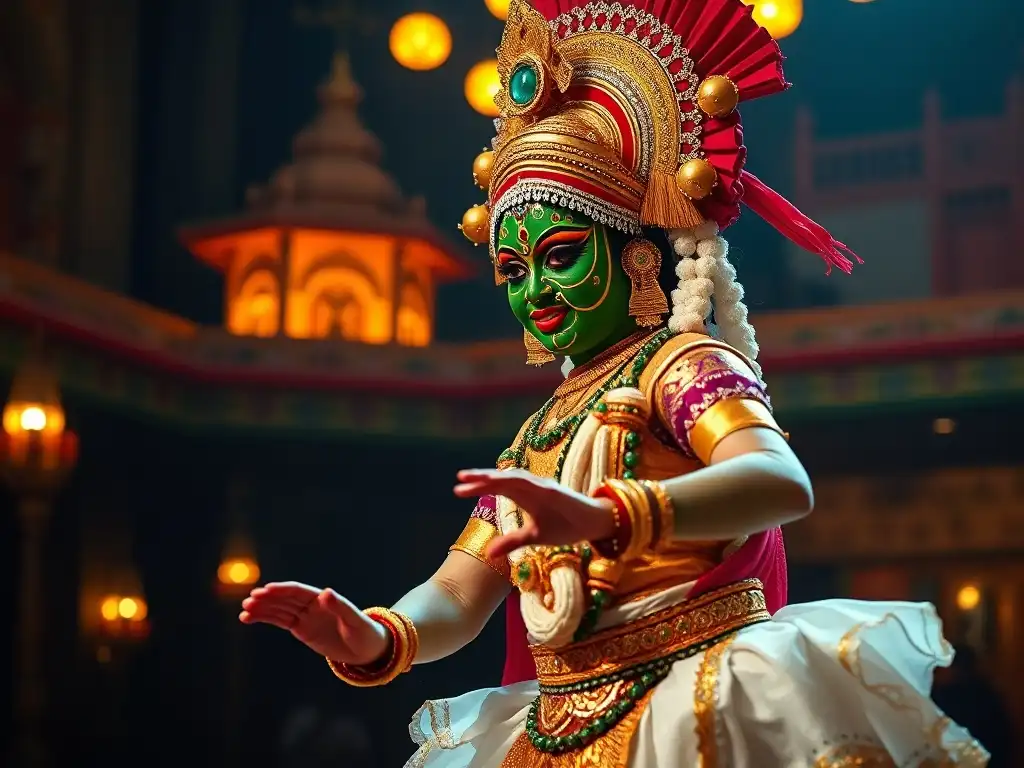
Kathakali is a highly stylized dance-drama that originated in Kerala, known for its elaborate costumes, intricate makeup, and vibrant storytelling. This art form combines dance, drama, music, and ritual, presenting stories from Hindu epics, particularly the Ramayana and Mahabharata.
The cultural context of Kathakali is unique, as it serves both as entertainment and spiritual expression. The performances often take place in temples and are closely linked to religious festivals. The use of expressive facial expressions (mudras) and dramatic movements allows performers to convey complex characters and emotions, captivating audiences with its visual and narrative richness.
The Role of Royal Patronage in Shaping Dance History
Royal patronage has played a pivotal role in the development and preservation of classical dance forms in India. Kings and dynasties often supported artists and dancers, providing them with platforms to showcase their talents. This patronage not only facilitated the growth of various dance styles but also contributed to their evolution by blending regional influences.
Influence of Kings and Dynasties on Classical Dance
Throughout history, numerous kings and dynasties have significantly influenced classical dance forms by providing financial support, establishing dance schools, and commissioning performances. For instance, the Mughal emperors in North India contributed to the evolution of Kathak, encouraging a fusion of Persian and Indian artistic styles. Similarly, the Chola dynasty in South India played a crucial role in the promotion of Bharatanatyam, integrating it into temple rituals and royal courts.
These royal endorsements helped elevate dance from a folk practice to a respected art form, ensuring its transmission across generations. The patronage led to the codification of dance techniques and the establishment of formal training institutions, further enriching the dance landscape in India.
Cultural Syncretism in Court Dances
Cultural syncretism in court dances reflects the blending of different artistic traditions, resulting in unique dance forms that embody the richness of India's diverse heritage. The courts often became melting pots of cultural influences, where various dance styles merged to create new forms of expression.
For example, the influence of Persian art on Kathak during the Mughal era introduced new rhythms and vocabularies, while the patronage of Hindu kings promoted the revival of traditional dance forms. This interchange of ideas and aesthetics not only diversified the repertoire of classical dance but also fostered a sense of unity amidst diversity, making Indian classical dance a true representation of cultural harmony.
Modern Influences on Classical Dance Forms
The evolution of Indian classical dance forms has been significantly shaped by modern influences, which include changes in social structures, technological advancements, and the globalization of culture. As the dynamics of society shifted, so did the performance styles, themes, and audiences of these traditional art forms.
One notable influence is the integration of contemporary themes that resonate with today's society. Dancers and choreographers have begun to explore issues such as gender equality, environmental awareness, and social justice within the framework of classical dance. This not only keeps the art form relevant but also invites a new generation of audiences to engage with the traditions.
Additionally, the advent of technology has transformed the way dance is taught and performed. Online platforms have made classical dance education more accessible, allowing students from different parts of the world to learn from eminent gurus and artists. Furthermore, the use of multimedia in performances has enriched the storytelling aspect, enhancing the visual and emotional experience for audiences.
Revival Movements in the 20th Century
The 20th century marked a significant revival of Indian classical dance, particularly after the British colonial period, when many art forms faced decline. Pioneers such as Rukmini Devi Arundale played a crucial role in revitalizing Bharatanatyam, which had been relegated to temple performances and associated with the devadasi system. Through her efforts, Bharatanatyam was redefined, promoted, and presented as a respectable art form suitable for the stage.
The revival was not limited to Bharatanatyam; other forms like Kathak and Odissi also experienced rejuvenation during this period. Dance festivals, institutional support, and the establishment of schools dedicated to classical dance further fueled this renaissance. These movements were not merely about preserving the past; they were about reinterpreting and reshaping the dances to fit contemporary sensibilities while maintaining their core essence.
Globalization and Its Impact on Indian Classical Dance
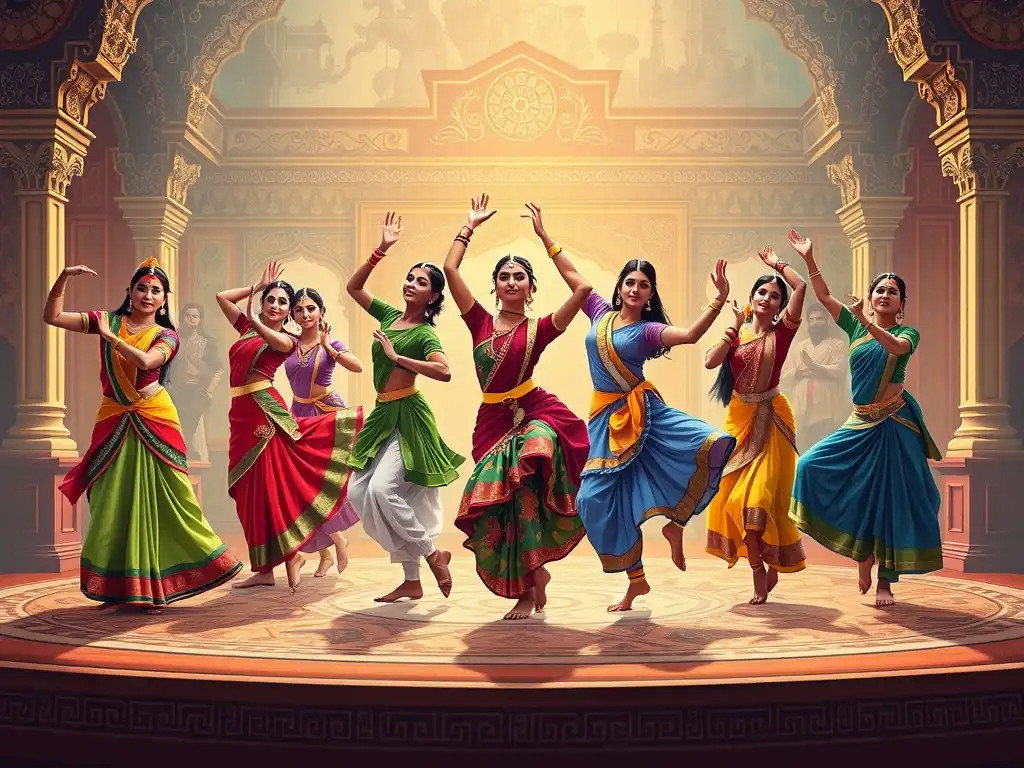
Globalization has had a profound impact on Indian classical dance, introducing it to international audiences and facilitating cross-cultural exchanges. The increasing interest in world arts has led to collaborations between Indian classical dancers and artists from various genres, including ballet, contemporary dance, and theater. This fusion has resulted in innovative performances that blend traditional techniques with modern narratives and aesthetics.
Moreover, Indian classical dance forms have found new platforms beyond traditional venues. Dance festivals, cultural exchanges, and international workshops have allowed these art forms to reach diverse audiences, fostering appreciation and understanding of their cultural significance. However, while globalization presents opportunities for growth, it also poses challenges, such as the risk of dilution or misrepresentation of traditional practices.
Conclusion: The Ongoing Journey of Classical Dance in India
The journey of Indian classical dance continues to evolve, influenced by historical legacies, cultural exchanges, and modern interpretations. As these art forms adapt to the changing socio-cultural landscape, they remain a vital expression of India's rich heritage. The resilience of classical dance is evident in its ability to embrace change while honoring tradition, ensuring its relevance in contemporary society.
Reflections on Cultural Syncretism and Artistic Evolution
Cultural syncretism has played an essential role in the evolution of Indian classical dance. The intermingling of various cultural influences—ranging from regional folk traditions to global artistic trends—has enriched the dance forms, allowing them to grow and adapt. This blending often results in unique styles and narratives that reflect the diversity of India's cultural tapestry.
Artistic evolution in classical dance is not just about stylistic changes; it also encompasses the themes, music, and choreography. Dancers today are not only practitioners of tradition but also innovators who reinterpret classical forms to tell contemporary stories. This ongoing dialogue between past and present fosters a vibrant art scene that continues to engage audiences.
The Future of Classical Dance in Contemporary India
Looking ahead, the future of classical dance in contemporary India appears promising, yet it comes with its own set of challenges and opportunities. As society evolves, so will the themes and methods of expression within classical dance. The focus on inclusivity and diversity in representation is likely to shape the narratives explored in performances.
Moreover, the role of technology will continue to be significant, with potential advancements in virtual reality and augmented reality offering immersive experiences for audiences. As classical dance adapts to these innovations, it will remain a dynamic and living art form, reflecting the complexities of modern Indian identity while preserving its rich heritage.
Indian classical dance stands at the intersection of tradition and modernity, poised to thrive as it embraces new influences while staying true to its roots.
References and Further Reading on Classical Dance History in India
The study of classical dance history in India is enriched by a plethora of resources that provide insight into its evolution, styles, and cultural significance. For those interested in delving deeper into this vibrant aspect of Indian culture, a well-curated collection of books, articles, and institutional resources is essential. Below are some suggested readings and notable performers that can enhance your understanding of classical dance in India.
Suggested Books and Articles
-
"Indian Classical Dance: Tradition in Transition" by Aditi Mangaldas
This book explores the various forms of Indian classical dance, tracing their historical evolution and the influences that have shaped them over time. Aditi Mangaldas provides a comprehensive overview of the techniques, styles, and the cultural context in which these dances developed.
-
"The Art of Indian Classical Dance" by Ranjana Ghosh
Ghosh's work offers an in-depth analysis of the major classical dance forms in India, including Bharatanatyam, Kathak, Odissi, and others. The book discusses the historical roots and the socio-political influences that contributed to the development of these dance forms.
-
"Dance in Indian Culture" by Shovana Narayan
This book is a blend of history and personal narrative, where Narayan reflects on her own experiences as a dancer while providing historical context to the evolution of dance in India. It also addresses contemporary issues facing classical dance today.
-
"Classical Dance of India" by K. S. Rajasekhara Sarma
A detailed exploration of various dance forms, this book discusses their origins, techniques, and the unique characteristics that define each style. It serves as a valuable resource for both practitioners and enthusiasts.
-
Scholarly Articles
Journals such as the Journal of the Indian Academy of Sciences and Asian Theatre Journal frequently publish articles on the history of classical dance in India. These academic papers often provide insights into specific aspects of dance history, theory, and practice, making them a great addition to your reading list.
Notable Performers and Institutions to Explore
-
Uday Shankar
Often regarded as the father of modern dance in India, Uday Shankar was instrumental in integrating Indian classical dance with contemporary forms. His performances and choreography have had a lasting impact on the dance landscape in India.
-
Kalakshetra Foundation
Founded by Rukmini Devi Arundale in 1936, Kalakshetra is a premier institution dedicated to the preservation and promotion of Indian classical arts. It offers training in various dance forms and has played a crucial role in the revival of Bharatanatyam.
-
Sanjukta Sinha
An acclaimed Bharatanatyam dancer, Sanjukta Sinha is known for her innovative interpretations and performances that blend traditional and contemporary styles. Her work is a testament to the evolving nature of classical dance.
-
Nrityagram
Established in 1990 by the dancer Protima Gauri, Nrityagram is a unique dance village in India that focuses on traditional dance forms. It serves as a hub for dance training and performances, fostering a deep connection between dancers and the rich heritage of Indian classical art.
-
Sangeet Natak Akademi
This national academy of music, dance, and drama in India plays a significant role in promoting and preserving classical dance traditions. The Akademi organizes festivals, workshops, and awards, supporting both established and emerging artists in the field.
By engaging with these resources and performers, one can gain a comprehensive understanding of the rich tapestry of classical dance history in India, exploring its artistic and cultural syncretism through the ages.
- Introduction to Classical Dance History in India
- Historical Background of Indian Classical Dance
- Major Classical Dance Forms and Their Cultural Contexts
- Bharatanatyam: The Southern Gem of Classical Dance
- Kathak: The Dance of Storytelling
- Odissi: The Temple Dance of Odisha
- Kathakali: The Dramatic Dance of Kerala
- The Role of Royal Patronage in Shaping Dance History
- Influence of Kings and Dynasties on Classical Dance
- Cultural Syncretism in Court Dances
- Modern Influences on Classical Dance Forms
- Revival Movements in the 20th Century
- Globalization and Its Impact on Indian Classical Dance
- Conclusion: The Ongoing Journey of Classical Dance in India
- Reflections on Cultural Syncretism and Artistic Evolution
- The Future of Classical Dance in Contemporary India
- References and Further Reading on Classical Dance History in India
Frequently Asked Questions
What are the main types of Indian classical dance?
Indian classical dance includes several styles, such as Bharatanatyam, Kathak, Odissi, Manipuri, and Kuchipudi, each with its own unique techniques and stories.
How has cultural influence shaped Indian classical dance?
Cultural influences from various regions, religions, and historical events have enriched Indian classical dance, reflecting mythological themes, local traditions, and societal values over centuries.
What is the significance of storytelling in Indian classical dance?
Storytelling is a fundamental aspect of Indian classical dance, as it conveys narratives from ancient texts, allowing dancers to express emotions and characters through their movements and expressions.
How did the Gupta Empire contribute to classical dance?
During the Gupta Empire, classical dance flourished, leading to the documentation of dance forms and the establishment of dance schools, which helped preserve and promote these art forms.
What role does spirituality play in Indian classical dance?
Spirituality is deeply intertwined with Indian classical dance, where performances often serve as a form of devotion, expressing reverence to deities and connecting the dancer with the divine.
Final Reflection: Embracing the Rhythms of Cultural Heritage
The evolution of Indian classical dance is not just a historical account; it is a vibrant tapestry woven from the threads of tradition, spirituality, and artistic expression. Today, as we witness a resurgence of interest in cultural roots and heritage, the significance of understanding classical dance history in India becomes even more profound. It serves as a reminder of our shared identity and the power of art to transcend time and connect generations.
Classical dance has profoundly shaped the cultural landscape of India, influencing not only the arts but also social norms and community bonds. The intricate movements and emotive storytelling of these dance forms reflect the rich diversity of Indian society, allowing us to appreciate the nuances of our heritage. As noted by renowned dancer Mallika Sarabhai, Dance is the hidden language of the soul.
This sentiment resonates deeply, highlighting how classical dance continues to be a vital medium for self-expression and cultural dialogue in contemporary society.
As we conclude this exploration of Indian classical dance, I invite you to reflect on your own relationship with culture and art. Consider how the lessons from this rich history can inspire you to embrace your own heritage and contribute to the ongoing narrative of cultural evolution. Whether through dance, music, or any other form of artistic expression, let us honor the past while actively shaping the future, ensuring that the rhythms of our cultural heritage continue to resonate for generations to come.
Embrace the Rhythm of Tradition!
Thank you for exploring the fascinating journey of Indian classical dance with us! We hope you’ve gained a deeper appreciation for the rich cultural influences that shape these art forms. Now, it’s time to let this knowledge inspire you!
Here are some exciting ways for you to engage further:
- Dive into a local dance workshop to experience the beauty of Indian classical dance firsthand.
- Share your thoughts! Join our community by leaving a comment on how these dances have impacted your understanding of culture.
- Explore more: Check out additional articles on our site to uncover the stories behind various dance styles and their significance in Indian history.
What unique experiences have you had with Indian classical dance, and how have they influenced your view of culture? Let's start a meaningful conversation!