
The Role of Indian Trade Goods in Shaping Southeast Asian Economies

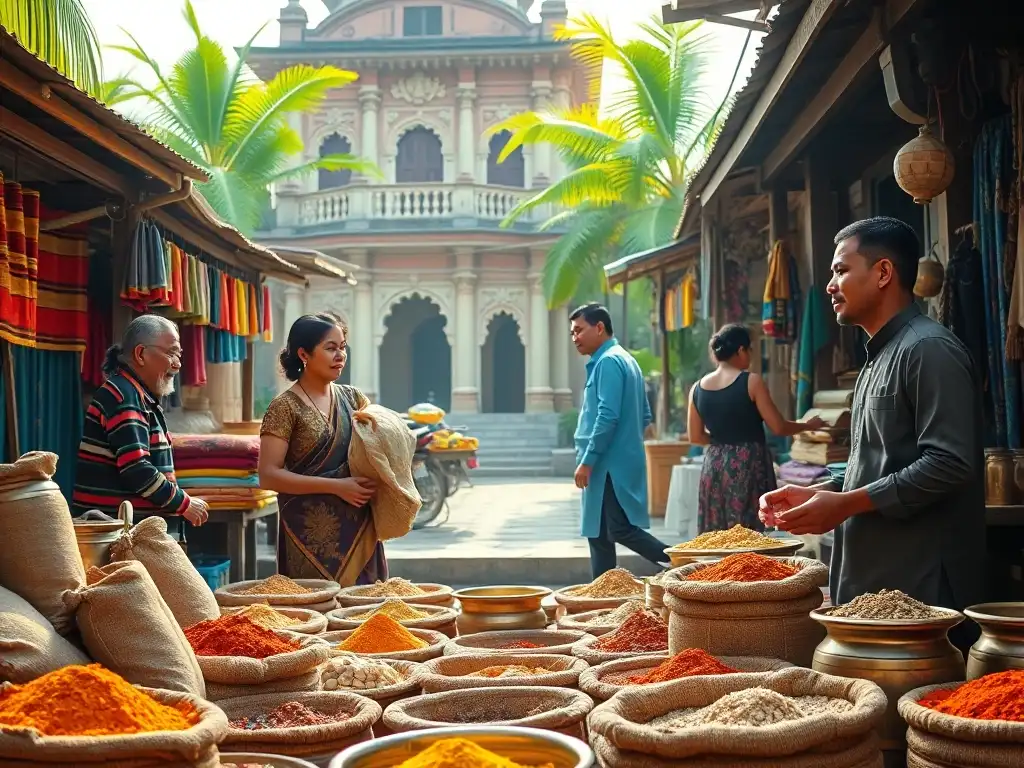
Welcome to Ancient India History, where we embark on a journey through the rich tapestry of India's past. Delve into the fascinating world of Indian trade goods and their profound impact on Southeast Asian economies. This exploration reveals not only the vibrant exchanges of goods but also the cultural influences that shaped societies across the region.
Are you curious about how the legacy of ancient Indian trade continues to resonate today? Join us as we uncover the stories behind these historical connections and their lasting significance. Read on to discover how the threads of commerce and culture wove together the destinies of nations!
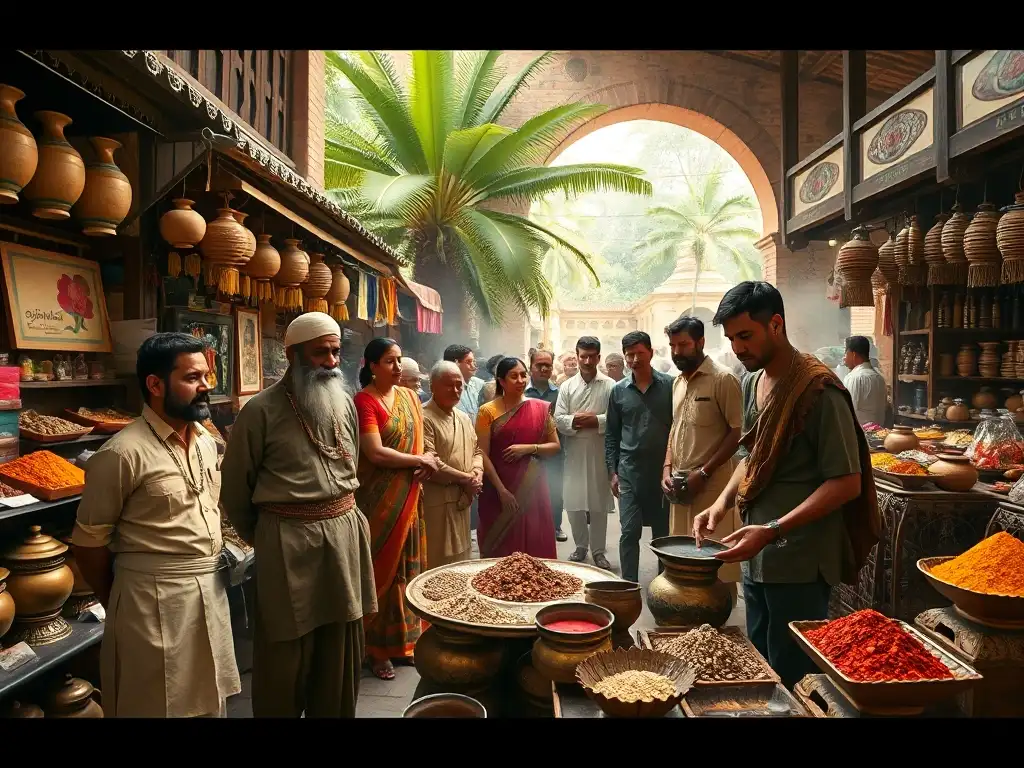
Introduction to Indian Trade Goods in Southeast Asia
The historical connection between India and Southeast Asia is a testament to the deep-rooted cultural and economic exchanges that shaped the region's civilizations. From the early maritime routes to the bustling trade hubs, Indian trade goods played a pivotal role in influencing the economies, societies, and cultures of Southeast Asian nations.
The exchange of goods such as spices, textiles, and precious metals not only facilitated economic growth but also fostered a rich tapestry of cultural interactions that resonated through art, religion, and daily life. Understanding the impact of Indian trade goods in Southeast Asia provides valuable insights into how these exchanges laid the foundations for enduring relationships that continue to influence the region today.
Overview of Trade Relations between India and Southeast Asia
The trade relations between India and Southeast Asia date back to ancient times, significantly during the early centuries CE. The maritime routes across the Indian Ocean enabled merchants to transport various goods, establishing bustling trade networks. Notably, ports in India, such as those in Gujarat and Coromandel, served as vital gateways for the exchange of goods with Southeast Asian kingdoms, including Srivijaya and Majapahit.
- Key Elements of Trade Relations:
- Maritime Trade: Ships laden with goods traversed the Indian Ocean, connecting diverse cultures.
- Cultural Exchange: Trade routes facilitated not just the transfer of goods, but also ideas, religions, and customs.
- Economic Interdependence: Southeast Asian economies began to rely on Indian goods, significantly impacting their development.
Significance of Indian Trade Goods in Historical Context
Indian trade goods held immense significance in the historical context of Southeast Asia. The presence of these goods influenced not only the economies of the region but also the sociopolitical structures that emerged. As Indian merchants established trade relationships, they introduced new technologies and agricultural practices, enhancing local production capabilities.
- Influence on Local Economies:
- Indian trade goods spurred local industries, leading to the growth of markets and urban centers.
- The demand for Indian products often led to the establishment of trade alliances and political relationships.
The legacy of these interactions is evident in the shared cultural practices and economic frameworks that characterize Southeast Asian societies today.
Major Indian Trade Goods that Influenced Southeast Asian Economies
Spices: The Backbone of Trade
Spices were among the most sought-after Indian trade goods, and their allure extended far beyond the shores of India. The unique flavors and preservation qualities of spices such as black pepper, cardamom, and cloves made them invaluable in both culinary and medicinal contexts.
- Economic Impact:
- The spice trade significantly contributed to the wealth of Southeast Asian economies, leading to the establishment of spice markets.
- Indian spices became integral to local cuisines, blending with indigenous flavors and cooking methods.
Textiles: Weaving Cultural Ties
Indian textiles, particularly cotton and silk fabrics, were highly prized in Southeast Asia. The intricate designs and vibrant colors captured the fascination of local populations, leading to a flourishing textile trade.
- Cultural Exchange:
- The introduction of Indian textiles influenced local weaving traditions, inspiring new patterns and styles.
- Textiles also played a role in ceremonial and religious contexts, further intertwining cultural identities.
Precious Metals and Gems: Economic Impact
The trade in precious metals and gems, such as gold and rubies, was another crucial aspect of Indian trade goods. These items not only symbolized wealth but also served as mediums of exchange in local markets.
- Market Dynamics:
- The influx of Indian precious metals bolstered local economies and contributed to the rise of powerful trade kingdoms.
- Gemstones became central to local craftsmanship, enhancing the artistry of jewelry and decorative items.
Other Goods: Pottery, Glassware, and More
In addition to spices, textiles, and precious metals, Indian trade introduced various other goods to Southeast Asia. Pottery, glassware, and decorative items enriched local craftsmanship, leading to new artistic expressions.
- Cultural Enrichment:
- The introduction of Indian pottery techniques influenced local artisans, leading to unique styles and innovations.
- Glassware became a symbol of status, reflecting the interconnectedness of trade and culture.
Through these various goods, Indian trade played a significant role in shaping the economies and cultures of Southeast Asia, leaving a lasting legacy that continues to be felt today.
The Economic Impact of Indian Trade Goods on Southeast Asian Markets
The economic impact of Indian trade goods on Southeast Asian markets has been profound and multifaceted. From the early centuries of the Common Era, Indian merchants and traders introduced a variety of goods, including textiles, spices, precious stones, and metalwork, which significantly shaped the economic landscape of Southeast Asia. These trade goods not only enhanced local economies but also facilitated extensive trade networks connecting various regions.
The influx of Indian goods led to the establishment of trade hubs in major Southeast Asian port cities, such as Srivijaya and Funan. As these cities became bustling centers of commerce, they attracted traders from distant lands, fostering a vibrant economy that relied heavily on the exchange of Indian products. The demand for Indian textiles, for example, spurred local industries to produce similar goods, thereby stimulating economic growth and encouraging innovation.
Moreover, Indian trade goods contributed to the rise of a merchant class in Southeast Asia, which played a crucial role in local economies. This merchant class became instrumental in the exchange of goods and cultural ideas, enhancing social and economic ties between India and Southeast Asia.
Changes in Local Economies due to Indian Goods
The introduction of Indian trade goods led to significant changes in local economies throughout Southeast Asia. One of the primary changes was the diversification of local markets. Prior to the arrival of Indian goods, many Southeast Asian economies were primarily agrarian, focusing on subsistence farming. With the influx of Indian products, local economies began to expand into trade and commerce.
For instance, the availability of high-quality Indian textiles transformed local clothing industries. Southeast Asian communities began to incorporate Indian styles and designs, which not only elevated local craftsmanship but also increased trade with Indian merchants. Similarly, spices and aromatic plants introduced by Indian traders influenced local culinary practices, leading to the development of new markets for both local and imported goods.
Additionally, the import of Indian metalwork and tools improved agricultural productivity. The adoption of advanced farming tools enabled Southeast Asian farmers to enhance their yields, contributing to surplus production and trade. Consequently, this surplus allowed for the growth of urban centers as populations migrated towards these economic hubs in search of better opportunities.
The Role of Indian Trade Goods in Urban Development
Indian trade goods played a pivotal role in urban development across Southeast Asia. As trade routes expanded and Indian goods flooded into the region, cities began to emerge as significant urban centers, often strategically located near coastlines or riverbanks to facilitate trade.
The economic prosperity brought about by Indian trade led to urbanization, with cities like Angkor and Palembang evolving into vibrant metropolises. These urban centers became melting pots of culture, where people from various backgrounds interacted, leading to the exchange of ideas, customs, and innovations. The establishment of marketplaces and trade guilds further reinforced the urban economy, creating jobs and fostering community development.
Moreover, the influx of wealth from Indian goods allowed for the construction of monumental architecture and infrastructure, such as temples and roads. These developments not only reflected the increasing importance of trade but also showcased the cultural and religious influences brought by Indian merchants.
Influence on Agricultural Practices and Products
The influence of Indian trade goods extended significantly into agricultural practices and products in Southeast Asia. Indian agricultural techniques, including irrigation systems and crop rotation methods, were introduced through trade interactions, resulting in improved farming practices. These innovations allowed Southeast Asian farmers to cultivate a wider variety of crops, enhancing food security and economic stability.
Additionally, the introduction of new agricultural products, such as rice varieties and spices like black pepper and cardamom, transformed local diets and agricultural outputs. The cultivation of these high-demand crops facilitated trade, as they became key exports for Southeast Asian regions.
The exchange of agricultural knowledge also fostered cooperation among local farmers, leading to the establishment of cooperative farming practices. This not only improved productivity but also strengthened social ties within communities, allowing for a more integrated and resilient agricultural economy.
Cultural Exchanges Driven by Indian Trade Goods
The trade of Indian goods fostered extensive cultural exchanges between India and Southeast Asia, with profound impacts on local societies. As merchants traveled along trade routes, they brought with them not only goods but also cultural practices, traditions, and ideas that would shape the social fabric of Southeast Asian civilizations.
Introduction of Indian Cultural Practices through Trade
Through trade, various Indian cultural practices were introduced to Southeast Asia, influencing customs, art forms, and social structures. The arrival of Indian textiles, for instance, led to the adoption of new clothing styles and weaving techniques, which became integral to local identities.
Moreover, Indian culinary practices made their way into Southeast Asian kitchens, introducing spices and cooking methods that enriched local gastronomy. Festivals and rituals associated with Indian culture also found their place in Southeast Asian societies, blending with indigenous practices to create a unique cultural tapestry.
The impact of Indian trade goods on local art forms is also noteworthy. The intricate designs and motifs found in Indian art inspired local artisans, leading to the development of regional styles that incorporated Indian aesthetics while maintaining local themes and narratives.
Spread of Religion: Hinduism and Buddhism via Trade Routes
The trade routes established for the exchange of Indian goods also served as conduits for the spread of religion in Southeast Asia. Hinduism and Buddhism, both originating from India, found fertile ground in Southeast Asian societies through the interactions of traders and local populations.
As Indian traders settled in various regions, they brought their religious beliefs and practices with them. The establishment of Hindu and Buddhist temples in places like Indonesia and Cambodia serves as a testament to the profound influence of Indian spirituality on Southeast Asian cultures. These temples became centers for worship, education, and community gatherings, further embedding these religions into the local fabric.
The spread of religious texts and teachings also accompanied the trade of goods, enabling the dissemination of philosophical ideas and cultural values. This exchange contributed to the development of rich spiritual landscapes in Southeast Asia, where Hindu and Buddhist practices flourished alongside indigenous beliefs.
Language and Literature Influences from Indian Trade Goods
The interaction between Indian traders and Southeast Asian societies also led to significant linguistic and literary influences. Many Southeast Asian languages incorporated Sanskrit and Pali vocabulary, particularly in the fields of governance, religion, and literature. This linguistic borrowing reflects the deep cultural connections forged through trade.
Additionally, Indian literary works, including epics like the Ramayana and Mahabharata, were introduced to Southeast Asia, influencing local storytelling traditions. These texts inspired adaptations and retellings, leading to the development of a rich literary heritage that blended Indian narratives with local themes and contexts.
The resulting literary culture not only enriched Southeast Asia's artistic expressions but also facilitated the preservation and transmission of cultural knowledge across generations. This interplay between Indian literature and local traditions has left an indelible mark on the cultural landscape of Southeast Asia, showcasing the enduring legacy of Indian trade goods.
Comparative Analysis of Indian Trade Goods and Local Products

The trade between India and Southeast Asia has been a crucial factor in shaping the economies and cultures of the region. By examining the comparative analysis of Indian trade goods and local products, we can understand how these interactions have influenced local industries and consumption patterns. Indian trade goods were not only diverse in nature but also varied in their applications, making them highly sought after in Southeast Asia.
Indian Goods vs. Local Southeast Asian Products
Indian goods such as spices, textiles, metals, and precious stones played a significant role in the trade dynamics of Southeast Asia. Spices like black pepper, cardamom, and cinnamon were particularly valued for their flavor and preservative qualities, while Indian textiles—especially silk and cotton—found a ready market due to their superior quality and intricate designs.
In contrast, local Southeast Asian products included agricultural goods like rice, tropical fruits, and raw materials such as timber and rubber. While these local products were essential for sustenance and local economies, they often lacked the exotic appeal of Indian goods. This led to a symbiotic relationship where Indian products complemented local offerings, creating a diverse marketplace that catered to various consumer needs.
The Integration of Indian Goods into Local Economies
The integration of Indian trade goods into local economies was facilitated through established trade routes and the establishment of ports along the coastlines of Southeast Asia. These goods were not only consumed locally but also adapted to fit regional tastes and preferences. For instance, Indian textiles influenced local weaving techniques, merging with indigenous styles to create unique hybrid products.
This integration had a profound impact on local economies, fostering growth in trade and commerce. As Indian goods became more prevalent, local artisans began to produce goods that reflected both Indian and local traditions, enhancing cultural exchange and economic interdependence. This dynamic contributed to the emergence of vibrant trading hubs that connected various regions within Southeast Asia.
Case Studies of Specific Southeast Asian Regions
The influence of Indian trade goods can be observed in specific regions of Southeast Asia, each with its unique interaction with Indian commerce. By examining these case studies, we can gain insights into the transformative effects of Indian trade on local economies.
The Impact of Indian Trade on the Malay Archipelago
The Malay Archipelago serves as a significant case study in understanding the impact of Indian trade. The region's strategic location along the maritime trade routes facilitated the exchange of goods, ideas, and cultures. Indian merchants introduced not only trade goods but also religious and cultural influences, such as Hinduism and Buddhism, which became deeply rooted in the local societies.
The influx of Indian spices and textiles led to the establishment of powerful trading kingdoms within the archipelago, which thrived on the export of these goods to various markets, including China and the Middle East. The economic prosperity generated by this trade attracted further Indian merchants, leading to a continuous cycle of cultural and economic exchange.
Indian Trade Goods in the Kingdom of Srivijaya
The Kingdom of Srivijaya, located in present-day Indonesia, exemplifies the profound impact of Indian trade goods on Southeast Asian economies. As a dominant maritime power, Srivijaya controlled key trade routes, facilitating the flow of Indian goods into the region. The kingdom became a melting pot of cultures, integrating Indian trade products such as spices, textiles, and metalwork into its economy.
The presence of Indian merchants also contributed to the spread of Hindu and Buddhist ideologies, which were influential in shaping the cultural landscape of Srivijaya. The kingdom's prosperity, primarily driven by Indian trade, allowed it to become a major regional player, fostering connections with other Southeast Asian states.
Influence in the Khmer Empire: A Historical Perspective
The Khmer Empire, known for its architectural marvels like Angkor Wat, also benefitted significantly from Indian trade goods. The empire’s economy was bolstered by the import of various Indian commodities, including rice, textiles, and jewelry, which were highly valued by the Khmer elite.
Indian trade influenced not only the economy but also the cultural and religious practices of the Khmer people. The adoption of Hinduism and later Buddhism can be traced back to Indian traders and monks who traveled to the region, further embedding Indian cultural elements into Khmer society. This historical interplay between trade and culture highlights the lasting legacy of Indian trade goods on the economies and civilizations of Southeast Asia.
Conclusion: Lasting Legacy of Indian Trade Goods in Southeast Asia
The influence of Indian trade goods on Southeast Asian economies has left a profound and lasting legacy that continues to be felt today. The intricate web of commerce established between ancient India and Southeast Asia facilitated not only the exchange of goods but also ideas, religions, and cultural practices. The commodities that flowed from Indian markets—such as textiles, spices, and precious stones—were instrumental in shaping the economic landscapes of Southeast Asian societies. This interaction fostered the growth of bustling trade hubs, urbanization, and the accumulation of wealth, significantly altering the course of local economies and cultures.
The arrival of Indian goods also paved the way for the spread of Hinduism and Buddhism throughout Southeast Asia, influencing local belief systems and artistic expressions. Temples, sculptures, and inscriptions from this period reflect a blend of Indian and indigenous styles, highlighting the syncretic nature of cultural exchanges. As a result, the legacy of Indian trade goods extends beyond mere economic impact; it weaves an intricate tapestry of shared heritage and interconnected histories that enrich the cultural fabric of Southeast Asia.
Summary of Economic and Cultural Contributions
The economic contributions of Indian trade goods to Southeast Asia are multifaceted. Initially, Indian merchants introduced a variety of products that met local demands and transformed local economies. For instance, the importation of spices such as black pepper and cardamom not only satisfied local culinary preferences but also established Southeast Asia as a critical player in the global spice trade. In addition, textiles from India, renowned for their quality and craftsmanship, became valuable commodities that enhanced local markets and stimulated textile production within Southeast Asia itself.
On the cultural front, the exchange of goods was paralleled by the exchange of ideas and beliefs. Indian trade routes served as conduits for the spread of religious practices, particularly Hinduism and Buddhism. This is evident in the establishment of influential kingdoms, such as Srivijaya and Majapahit, which embraced Indian cultural elements and integrated them into their own traditions. The result was a rich cultural amalgamation that can still be observed in the art, architecture, and religious practices found throughout the region.
Future Directions for Research on Indian Trade Goods and Southeast Asia
Future research on Indian trade goods and their impact on Southeast Asian economies should explore several key areas. Firstly, a more detailed examination of the specific trade routes and the role of various merchant groups could provide insights into the mechanics of trade and the scale of economic interactions. Additionally, interdisciplinary studies that incorporate archaeology, anthropology, and historical linguistics may yield a deeper understanding of the cultural exchanges that occurred alongside economic transactions.
Moreover, exploring the role of lesser-known commodities and their local adaptations could illuminate the diverse ways in which Indian goods were integrated into Southeast Asian societies. Understanding the socio-political context of trade during different historical periods will also enrich our comprehension of how Indian trade goods influenced local governance and societal structures. Overall, a multi-faceted approach will enhance the narrative of Indian trade goods and their significant role in shaping Southeast Asian economies.
References for Further Reading on Indian Trade Goods and Southeast Asian Economies
Suggested Books and Articles on Trade History
- "Trade and Traders in the Early Indian Ocean World" by Richard B. Allen
- "Indian Ocean Trade: A Historical Perspective": by K.N. Chaudhuri
- "Southeast Asia in the Age of Commerce, 1450–1680" by Anthony Reid
- "The Ancient Indian Maritime Trade: A Study of Commercial Contacts": by K. M. Suresh
- "The Spice Trade of the Roman Empire" by Joseph A. McGowan
Online Resources for Exploring Indian Influence in Southeast Asia
- The Asia Society: Offers a collection of articles and resources on the history of trade in Asia.
- The British Museum: Features online exhibitions that highlight the artifacts related to Indian trade and cultural exchanges in Southeast Asia.
- The Digital South Asia Library: A resource for primary sources, including maps and texts related to Indian trade.
- The Southeast Asian Studies Program at the University of Hawaii: Provides access to research papers and publications on the historical interactions between India and Southeast Asia.
These resources will facilitate further exploration of the complex dynamics of trade and cultural exchanges between ancient India and Southeast Asia, deepening our understanding of their shared history.
- Introduction to Indian Trade Goods in Southeast Asia
- Major Indian Trade Goods that Influenced Southeast Asian Economies
- The Economic Impact of Indian Trade Goods on Southeast Asian Markets
- Cultural Exchanges Driven by Indian Trade Goods
- Comparative Analysis of Indian Trade Goods and Local Products
- Case Studies of Specific Southeast Asian Regions
- Conclusion: Lasting Legacy of Indian Trade Goods in Southeast Asia
- References for Further Reading on Indian Trade Goods and Southeast Asian Economies
- What were the main Indian trade goods exported to Southeast Asia?
- How did Indian trade goods influence the economies of Southeast Asia?
- What role did the Indian ocean trade play in connecting India and Southeast Asia?
- How did cultural exchanges occur through trade between India and Southeast Asia?
- What impact did the Gupta Empire have on trade with Southeast Asia?
Frequently Asked Questions
What were the main Indian trade goods exported to Southeast Asia?
Indian traders exported a variety of goods, including spices, textiles, and precious stones, which were highly sought after in Southeast Asian markets.
How did Indian trade goods influence the economies of Southeast Asia?
The influx of Indian trade goods significantly boosted local economies by enhancing trade networks, facilitating cultural exchange, and introducing new commodities and technologies.
What role did the Indian ocean trade play in connecting India and Southeast Asia?
The Indian ocean trade served as a crucial link, allowing for the exchange of goods, ideas, and cultures, thus fostering closer ties between Indian and Southeast Asian civilizations.
How did cultural exchanges occur through trade between India and Southeast Asia?
Trade not only involved goods but also the movement of ideas, languages, and religions, such as Hinduism and Buddhism, which were spread through merchant interactions.
What impact did the Gupta Empire have on trade with Southeast Asia?
The Gupta Empire enhanced trade relations by providing stability and promoting economic prosperity, which encouraged the flow of Indian trade goods into Southeast Asian markets.
Final Reflection: The Enduring Legacy of Indian Trade Goods in Southeast Asia
The intricate web of trade that connected India and Southeast Asia has not only shaped economies but also forged cultural ties that resonate today. The exchange of Indian trade goods, from spices to textiles, has left an indelible mark on the economic landscapes of Southeast Asia, illustrating how commerce can transcend mere transactions to foster relationships and shared identities. The relevance of this historical connection is profound, reminding us that trade is a powerful catalyst for unity and growth.
The influence of Indian trade goods extends far beyond the historical context; it continues to shape the cultural and social fabric of Southeast Asia. From culinary traditions to artistic expressions, the legacy of these goods is woven into the daily lives of millions. As we reflect on this ongoing influence, we can appreciate the words of historian Sanjay Subrahmanyam: Trade is not just about goods; it is about the movement of ideas and cultures.
This perspective invites us to consider how the past informs our present and future, emphasizing the importance of understanding these connections in a globalized world.
As we conclude, I invite you to reflect on the lessons learned from the historical interplay of Indian trade goods and Southeast Asian economies. Consider how the principles of trade, collaboration, and cultural exchange can guide your own interactions in today's interconnected society. Let this exploration inspire you to seek out opportunities for connection and understanding, fostering a spirit of cooperation that honors the rich tapestry of our shared histories.
Unveil the Power of Trade – Take Action Now!
Thank you for diving into the fascinating world of Indian trade goods and their influence on Southeast Asian economies! By exploring this rich history, you've gained valuable insights into how trade has shaped civilizations and cultures. Now, let's harness this knowledge and put it into action!
Here are a few exciting steps you can take to deepen your understanding and engage with this topic:
- Join a local history group or online forum to discuss your thoughts and findings about Indian trade and its impact on Southeast Asia. Sharing ideas enriches our perspectives!
- Research and try your hand at recreating traditional Indian recipes that have traveled through trade routes to Southeast Asia. Discover the flavors that have shaped these regions!
- Connect with a museum or cultural organization that focuses on trade history—volunteer or attend events to enrich your experience and meet like-minded enthusiasts.
What aspect of Indian trade goods do you find most intriguing, and how do you think they could influence modern economies today?