
Crafting Identity: How Traditional Textiles Define Regional Cultures in India

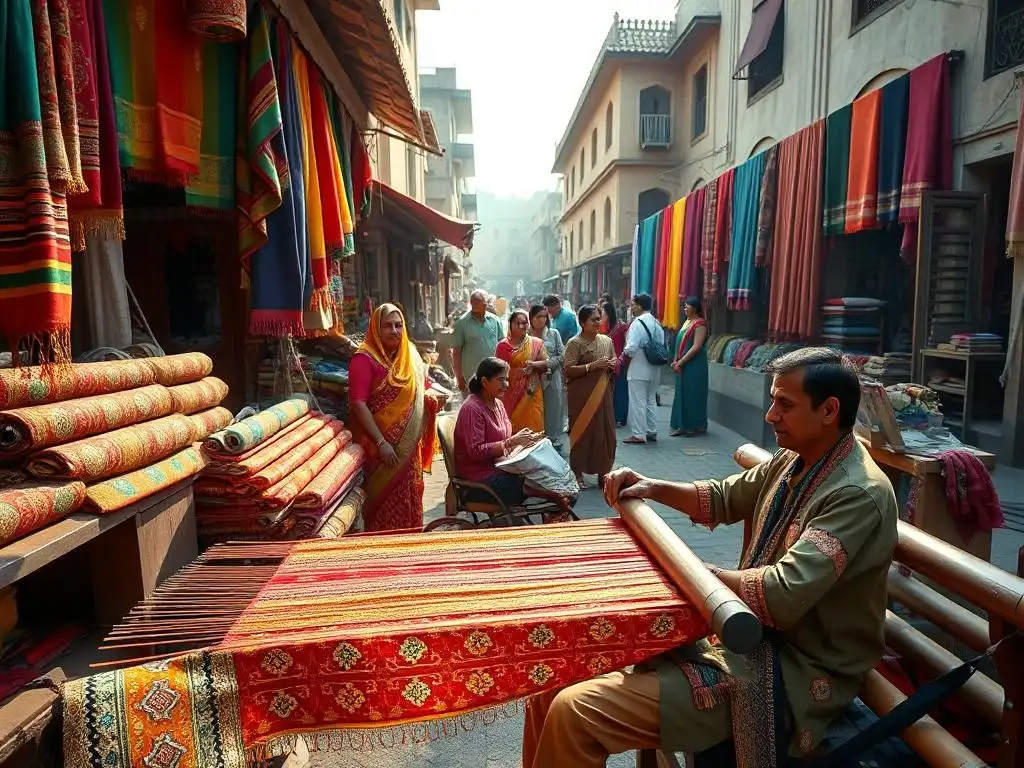
Welcome to Ancient India History, where we embark on a fascinating journey through the rich tapestry of India's past. In our featured article, Crafting Identity: How Traditional Textiles Define Regional Cultures in India, we delve into the intricate world of traditional textiles—a vibrant reflection of the diverse cultures and histories that have shaped this remarkable land. Discover how these textiles are not just fabric but a narrative woven with heritage, artistry, and identity.
Join us as we unveil the stories behind the patterns and colors that have adorned generations, inviting you to explore the profound connections between culture and craft. Get ready to unravel the threads of history!
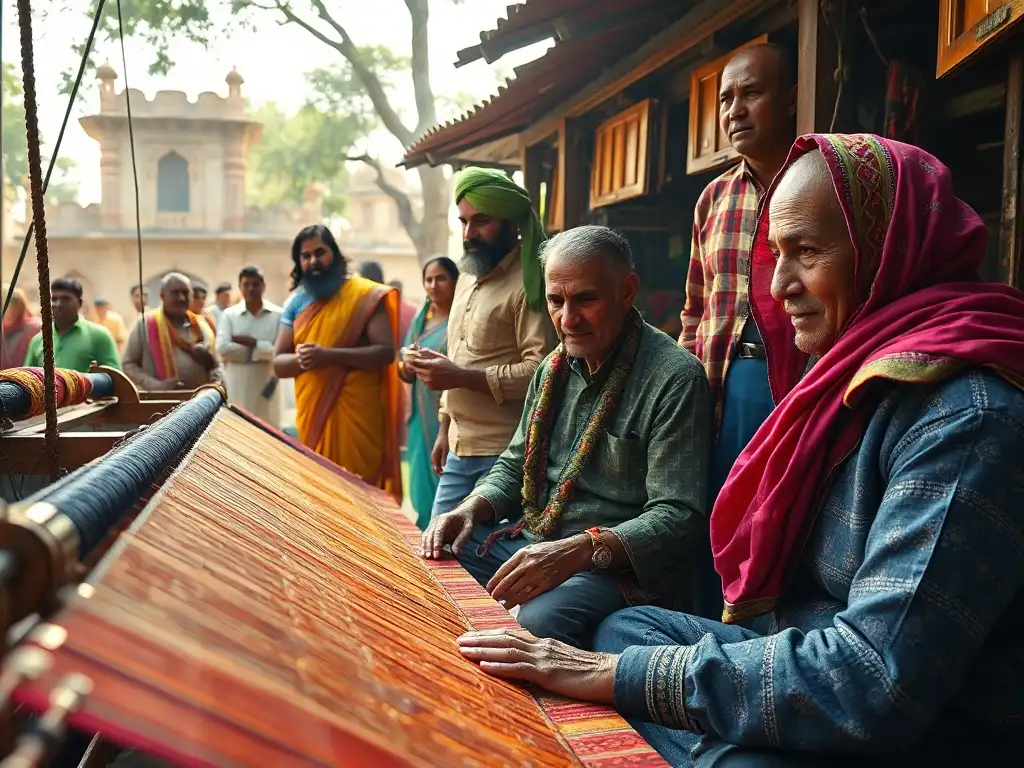
The vibrant tapestry of India is intricately woven with the threads of its traditional textiles, which not only showcase the artistry and craftsmanship of the region but also represent the cultural identity of its diverse communities. From the intricate patterns of handwoven saris to the colorful motifs of tribal shawls, traditional textiles in India serve as a reflection of the rich heritage and history of various regions.
These textiles are more than just fabric; they are a medium of expression that encapsulates the stories, beliefs, and traditions of the people who create and wear them. As we explore the significance of traditional textiles, we uncover how they contribute to regional identities, foster community ties, and preserve ancient techniques that have been passed down through generations.
Introduction to Traditional Textiles in India
The legacy of traditional textiles in India is vast and multifaceted, encompassing a wide range of materials, techniques, and designs that vary significantly from one region to another. Each textile tells a unique story, often linked to the geographical, social, and economic contexts in which it was produced. Major textile-producing states such as Gujarat, Rajasthan, and West Bengal are renowned for their distinctive styles, which include techniques like block printing, weaving, and embroidery.
Key Aspects of Traditional Textiles Include:
- Regional Variations: Each region's textiles have distinct characteristics, influenced by local traditions and resources.
- Cultural Significance: Textiles often play a crucial role in rituals, festivals, and daily life, reflecting the values and beliefs of the community.
- Artisanal Techniques: Many textiles are produced using age-old techniques that highlight the craftsmanship of local artisans.
The importance of these textiles extends beyond aesthetics; they are integral to the identity of communities, often used to convey social status, cultural belonging, and even spiritual significance.
Historical Context of Traditional Textiles in India
The history of traditional textiles in India dates back thousands of years, with evidence of sophisticated weaving techniques and textile production found in ancient civilizations such as the Indus Valley. Archaeological discoveries reveal that textiles were not only a vital aspect of daily life but also played a role in trade and commerce, connecting India with distant lands.
Historical Milestones:
- Indus Valley Civilization (c. 3300–1300 BCE): Evidence of cotton cultivation and weaving techniques.
- Mauryan Empire (c. 322–185 BCE): The flourishing of silk and textile trade routes, promoting cultural exchange.
- Gupta Period (c. 240–550 CE): Advancements in dyeing and embroidery techniques, leading to the creation of luxurious textiles.
Throughout history, traditional textiles have evolved, influenced by invasions, trade, and cultural exchanges with various civilizations. Each era contributed to the richness and diversity of the textile landscape in India, making it a significant aspect of the country's cultural heritage. As we delve deeper into the world of traditional textiles, we will uncover the intricate connections between fabric, identity, and the vibrant tapestry of Indian culture.
Exploring Regional Variations in Traditional Textiles
Traditional textiles in India serve as a vibrant tapestry of culture, history, and identity, with each region contributing its unique styles and techniques. The diversity in traditional textiles reflects the geographical, cultural, and social nuances of different states. From the intricately woven shawls of the north to the colorful sarees of the south, each textile tells a story of its origins, craftsmanship, and the communities that sustain these age-old traditions.
Northern India: The Elegance of Kashmiri Shawls
Kashmiri shawls are synonymous with luxury and elegance. Crafted from fine wool, pashmina, or a blend of both, these shawls are renowned for their intricate embroidery and exquisite patterns. The art of shawl weaving in Kashmir dates back to the 15th century and has evolved over centuries, showcasing motifs inspired by nature, Mughal art, and Persian influences.
The most famous among Kashmiri shawls are the Pashmina shawls, characterized by their softness and warmth. Traditionally, these shawls are handwoven using techniques passed down through generations, with artisans often spending months to create a single piece. The use of vibrant colors and delicate patterns makes each shawl a unique work of art, reflecting the rich cultural heritage of the region. This craftsmanship not only supports the local economy but also plays a crucial role in the identity of Kashmiri culture.
Western India: The Vibrant Bandhani and Patola
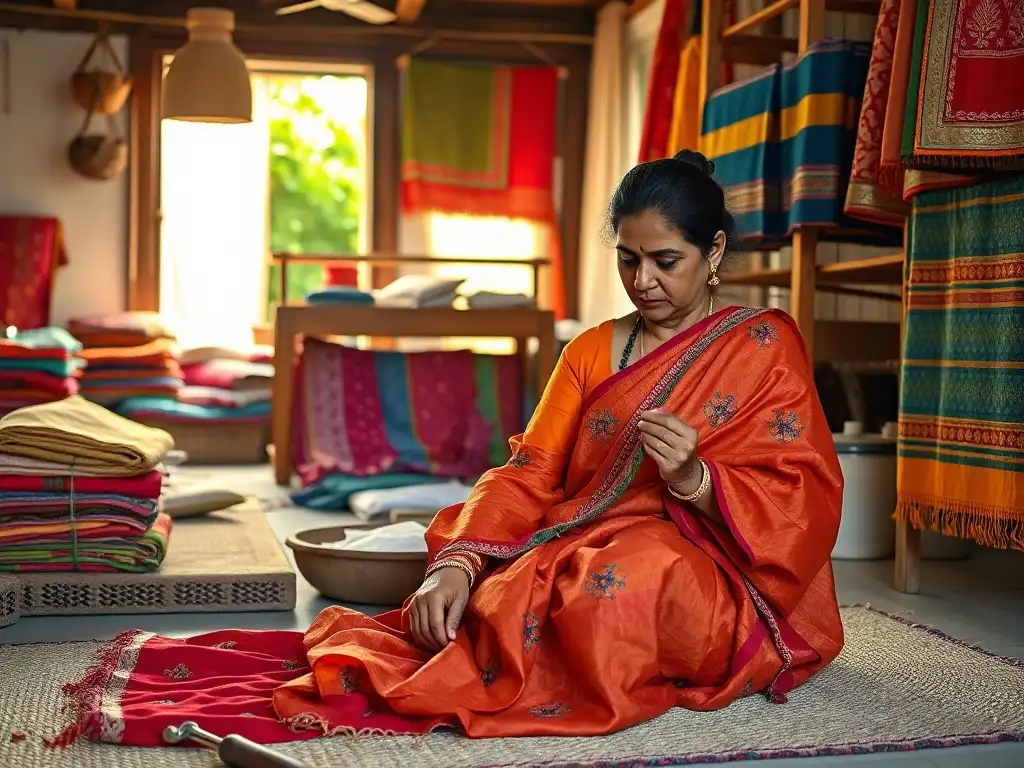
Western India is home to a plethora of traditional textiles, with Bandhani and Patola being two of the most celebrated. Bandhani, or tie-dye, is particularly popular in Gujarat and Rajasthan. This technique involves tying small portions of fabric with threads before dyeing, creating intricate patterns that can be both bold and delicate. Bandhani textiles are often used in sarees, dupattas, and turbans, showcasing bright colors and designs that reflect the festive spirit of the region.
On the other hand, Patola sarees, also originating from Gujarat, are known for their double ikat technique, where both the warp and weft threads are dyed before weaving. This meticulous process results in stunning geometric patterns that are reversible and highly prized in Indian households. The vibrant colors and rich symbolism behind Patola designs make them an integral part of the cultural identity of Western India, often worn during special occasions and celebrations.
Southern India: The Art of Kanjivaram and Ikat
In Southern India, textiles such as Kanjivaram and Ikat are cherished for their craftsmanship and cultural significance. Kanjivaram sarees, originating from Tamil Nadu, are renowned for their luxurious silk and vibrant colors. These sarees are characterized by their heavy borders and intricate zari work, often depicting traditional motifs like temples, peacocks, and flowers. The weaving process involves skilled artisans who use traditional looms, and each saree takes several days to complete, symbolizing the region's rich textile heritage.
Ikat, another noteworthy textile from the south, utilizes a unique dyeing technique that creates blurred patterns on the fabric. The process involves resist dyeing the yarns before weaving, resulting in striking designs that are highly sought after. Regions like Andhra Pradesh and Telangana are famous for their Ikat textiles, which are used in sarees, dress materials, and furnishings. Both Kanjivaram and Ikat embody the artistic legacy of Southern India, playing a vital role in the identity of its people.
Eastern India: The Heritage of Bengal Weaves
Eastern India, particularly Bengal, is known for its rich textile traditions, with Muslin and Baluchari sarees being prominent examples. Muslin, once considered the finest cotton fabric in the world, has a history dating back to ancient times. It is characterized by its lightweight and sheer quality, making it a favored fabric for the royalty of the past. Although the original craft has diminished, efforts are being made to revive this heritage.
Baluchari sarees, on the other hand, are known for their elaborate pallu designs depicting mythological stories and scenes from Indian epics. Originating from West Bengal, these sarees are woven using silk and are adorned with intricate weaving techniques that require immense skill and patience. The rich colors and detailed designs not only showcase the artistic talent of the weavers but also reflect the cultural narratives of the region, establishing a strong sense of identity among the Bengalis.
The Role of Traditional Textiles in Identity Formation
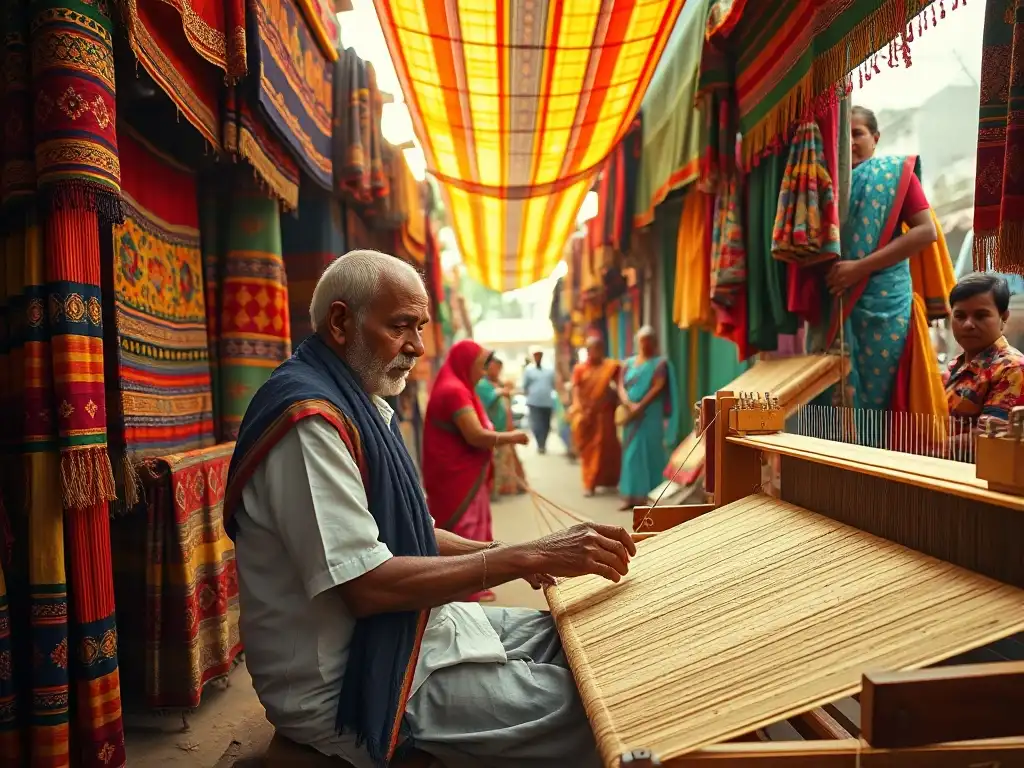
Traditional textiles in India do more than serve as clothing; they play a pivotal role in the formation and expression of regional identities. Each textile reflects the values, beliefs, and historical narratives of its community, acting as a symbol of pride and cultural heritage. Wearing specific textiles can signify belonging to a particular region, community, or social status, making them vital to personal and collective identities.
Furthermore, traditional textiles often serve as a medium for storytelling, with patterns and motifs conveying cultural significance and historical events. Festivals and rituals frequently incorporate these textiles, reinforcing their importance in cultural practices. The preservation of textile traditions supports not only the local economy but also the continuity of cultural identities in a rapidly changing world.
The interplay between traditional textiles and regional identities in India is profound. As they continue to evolve, these textiles remain a testament to the rich cultural tapestry of the nation, bridging the past with the present while fostering a sense of belonging and pride among communities.
Contemporary Relevance of Traditional Textiles
The significance of traditional textiles in India extends far beyond mere aesthetics. In contemporary society, these textiles serve as vital symbols of cultural heritage, identity, and community. Many regions in India have their unique textile practices that reflect local histories, social structures, and environmental resources. For instance, the handloom fabrics from Varanasi, known for their intricate brocades, continue to be sought after for weddings and ceremonial occasions, reinforcing their status as markers of cultural pride.
In recent years, there has been a resurgence in the appreciation of traditional textiles, spurred by a growing global interest in sustainable and ethical fashion. Consumers are increasingly drawn to handmade textiles, which not only support local artisans but also promote environmentally friendly practices. Brands that incorporate traditional Indian textiles into their collections often highlight the stories behind the fabric, creating a deeper connection between the consumer and the artisan. This trend is crucial for the survival of traditional textile crafts, ensuring they remain relevant in a rapidly modernizing world.
Moreover, contemporary artists and designers are merging traditional techniques with modern aesthetics, leading to innovative creations that appeal to younger generations. Collaborative efforts between artisans and designers foster a platform for dialogue and creativity, resulting in textiles that honor tradition while embracing contemporary styles. This blending of old and new is essential for the evolution of traditional textiles, allowing them to adapt to changing consumer preferences while retaining their cultural significance.
Challenges Facing Traditional Textile Artisans
Despite the contemporary relevance and growing appreciation for traditional textiles, artisans face significant challenges that threaten their livelihoods and the preservation of their crafts. One of the primary issues is the competition from machine-made textiles, which are often cheaper and more readily available. This influx of mass-produced textiles diminishes the demand for handmade goods, pushing many artisans into a struggle for economic survival.
Additionally, the lack of adequate infrastructure and marketing support hampers the ability of artisans to reach broader markets. Many artisans work in isolation, with limited access to platforms that can showcase their work to potential buyers. Without proper training in business and marketing strategies, they often remain unaware of how to effectively promote their products, leading to underemployment and loss of traditional skills.
Moreover, cultural shifts and the migration of younger generations to urban areas in search of better opportunities pose another challenge. As traditional skills risk being lost, there is an urgent need for initiatives that encourage younger artisans to engage with their heritage. Educational programs that focus on traditional textile techniques, along with financial assistance and government support, can help sustain these crafts and empower artisans to thrive in a changing economy.
Conclusion: The Future of Traditional Textiles in India
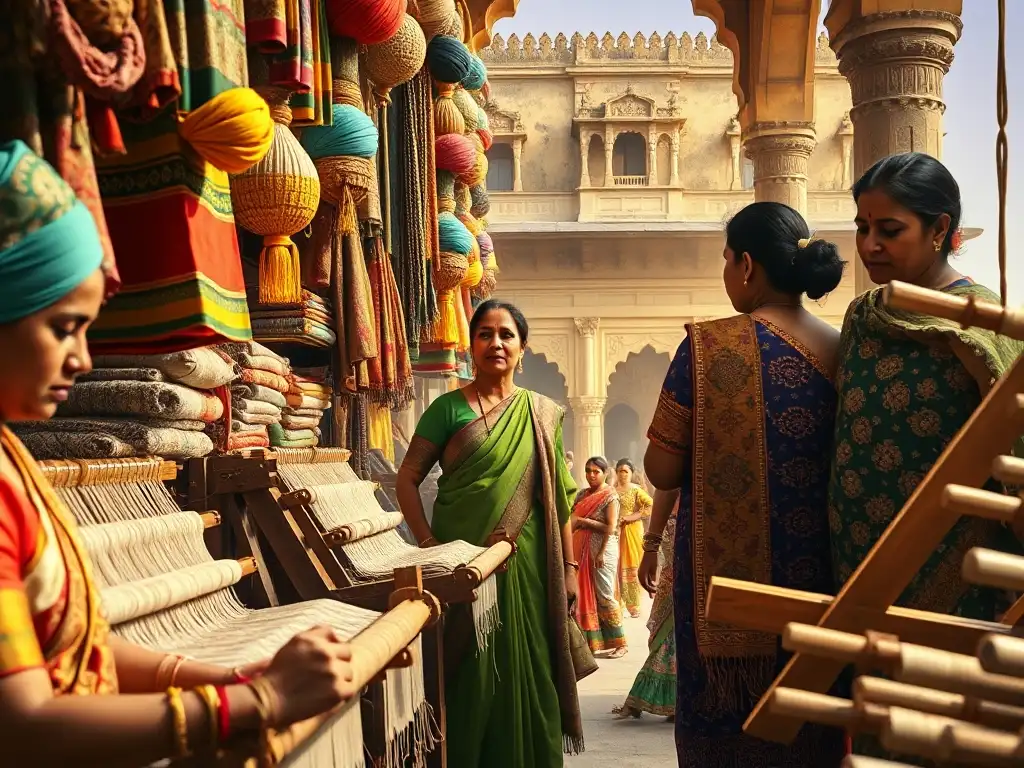
The future of traditional textiles in India hinges on the balance between preserving age-old techniques and adapting to modern demands. As global interest in sustainable fashion grows, traditional textiles have the potential to carve out a significant niche in the market. By leveraging their unique heritage, artisans can attract consumers who value authenticity and craftsmanship.
To secure this future, it is essential to address the challenges faced by textile artisans. Collaborative efforts between government bodies, NGOs, and private sector stakeholders can create a supportive ecosystem that empowers artisans through training, marketing, and sustainable production practices. Initiatives that promote traditional textiles as a valuable cultural asset can also foster a greater appreciation within India itself, encouraging local consumers to support their artisans.
Traditional textiles in India are not just remnants of the past; they are living expressions of cultural identity and creativity. By investing in their future, we can ensure that these textiles continue to tell the stories of their regions and the artisans who create them, enriching the cultural fabric of India for generations to come.
Call to Action: Explore and Support Traditional Textiles
The vibrant world of traditional textiles in India is not just a feast for the eyes; it is a living testament to the rich cultural heritage and artisanal skills that have been passed down through generations. As you delve into the intricate patterns, vibrant colors, and unique weaving techniques, consider taking action to support and promote these traditional crafts. Here’s how you can contribute:
- Visit Local Markets: Explore local markets and fairs that showcase traditional textiles. Purchasing directly from artisans helps sustain their livelihoods and promotes the continuation of these age-old practices.
- Support Artisans: Engage with artisans through workshops or community initiatives. This not only provides them with a platform to showcase their skills but also allows you to learn more about the craftsmanship involved.
- Spread Awareness: Share your knowledge and experiences regarding traditional textiles on social media or through community discussions. Raising awareness about the significance of these textiles can help garner interest and support for the artisans.
- Choose Sustainable Fashion: When shopping for clothing, opt for garments made from traditional textiles. This conscious choice not only benefits the environment but also preserves cultural identities embedded in these fabrics.
By actively engaging in the preservation and promotion of traditional textiles in India, you can become a steward of cultural heritage, ensuring that these beautiful and meaningful crafts continue to thrive for future generations.
References and Further Reading
To deepen your understanding of traditional textiles in India and their cultural significance, consider exploring the following resources:
- Books:
- Textiles and Textile Technology in Ancient India by R. S. Sharma
- Indian Textiles: 5000 Years of Art and Craft by John Gillow
- Articles:
- "The Art of Indian Textiles: A Journey Through Time" - A scholarly article detailing the evolution and impact of textiles in Indian history.
- "Weaving Stories: The Cultural Significance of Indian Handlooms" - An analysis of how textiles reflect regional identities.
- Documentaries:
- Threads of India - A documentary showcasing the various traditional textile practices across different regions of India.
- The Weavers of India - A visual exploration of the artisans behind India’s rich tapestry of textiles.
These resources provide insight into the history, techniques, and ongoing relevance of traditional textiles in defining regional cultures in India. Engage with them to enhance your appreciation and understanding of this intricate art form.
- Introduction to Traditional Textiles in India
- Historical Context of Traditional Textiles in India
- Exploring Regional Variations in Traditional Textiles
- Northern India: The Elegance of Kashmiri Shawls
- Western India: The Vibrant Bandhani and Patola
- Southern India: The Art of Kanjivaram and Ikat
- Eastern India: The Heritage of Bengal Weaves
- The Role of Traditional Textiles in Identity Formation
- Contemporary Relevance of Traditional Textiles
- Challenges Facing Traditional Textile Artisans
- Conclusion: The Future of Traditional Textiles in India
- Call to Action: Explore and Support Traditional Textiles
- References and Further Reading
Frequently Asked Questions
What are traditional textiles in India?
Traditional textiles in India are handcrafted fabrics that reflect the diverse cultures and regional identities of the country. They include various techniques like weaving, dyeing, and embroidery, each with unique styles and materials.
How do traditional textiles influence cultural identity?
Traditional textiles play a crucial role in defining regional cultures by showcasing local craftsmanship and heritage. They often carry symbolic meanings and are used in rituals, festivals, and everyday life, reinforcing a sense of belonging.
What are some famous traditional textiles from India?
Some notable traditional textiles include Banarasi silk, Kanjivaram sarees, Pochampally ikat, and Kutch embroidery. Each of these textiles is known for its distinctive patterns, weaving techniques, and cultural significance.
How have traditional textiles evolved over time?
Traditional textiles have evolved to incorporate modern influences while still preserving their heritage. Today, artisans blend traditional techniques with contemporary designs, making these textiles relevant for current fashion trends.
Why are traditional textiles important for the economy?
Traditional textiles contribute significantly to the economy by creating employment opportunities for artisans and supporting local industries. They attract tourism and promote cultural heritage, making them vital for sustainable development.
Final Reflection: The Enduring Legacy of Traditional Textiles in India
The intricate relationship between traditional textiles in India and regional identity is more relevant today than ever. As globalization continues to shape our world, the unique narratives woven into these textiles serve as a powerful reminder of cultural heritage and community. The resurgence of interest in sustainable fashion and local craftsmanship highlights the importance of preserving these age-old traditions, making it clear that the stories behind these fabrics are not just relics of the past but vital threads in the fabric of contemporary society.
Traditional textiles are not merely decorative; they are a living testament to the diverse cultures and histories of India. Each piece carries with it the artistry and skill of generations, influencing not only fashion but also social dynamics and economic opportunities within communities. As we witness a growing appreciation for these textiles, we are reminded of the words of Mahatma Gandhi: The best way to find yourself is to lose yourself in the service of others.
This sentiment resonates deeply as we engage with the artisans and their crafts, fostering a sense of connection and responsibility towards preserving these invaluable traditions.
As you reflect on the significance of traditional textiles in India, consider how you can contribute to their preservation and celebration in your own life. Embrace the stories behind the fabrics you wear, support local artisans, and advocate for sustainable practices in fashion. By doing so, you not only honor the rich cultural tapestry of India but also become a part of a movement that values heritage, creativity, and community. Let us weave our own narratives into the ongoing story of traditional textiles, ensuring that these vibrant expressions of identity continue to thrive for generations to come.
Unveil the Threads of Heritage!
Thank you for diving into the rich tapestry of traditional textiles and their role in shaping India's vibrant cultures. Your interest not only highlights the deep connection between crafts and identity but also enhances your understanding of India's diverse heritage. Now, it's time to translate that knowledge into action!
Here’s how you can further explore and appreciate this fascinating topic:
- Discover Local Artisans: Visit nearby artisan fairs or cultural festivals to experience traditional textiles up close and support local craftspeople.
- Share Your Passion: Engage friends and family by sharing this article or starting a conversation about how textiles shape identities in your community.
- Join a Workshop: Find a local workshop to learn about textile crafting techniques or weaving traditions. You might even create your own piece of cultural art!
What impact do you believe traditional textiles have on modern identity and community cohesion?