
Culinary Journeys: Experience India’s Vibrant Food Markets on Tours

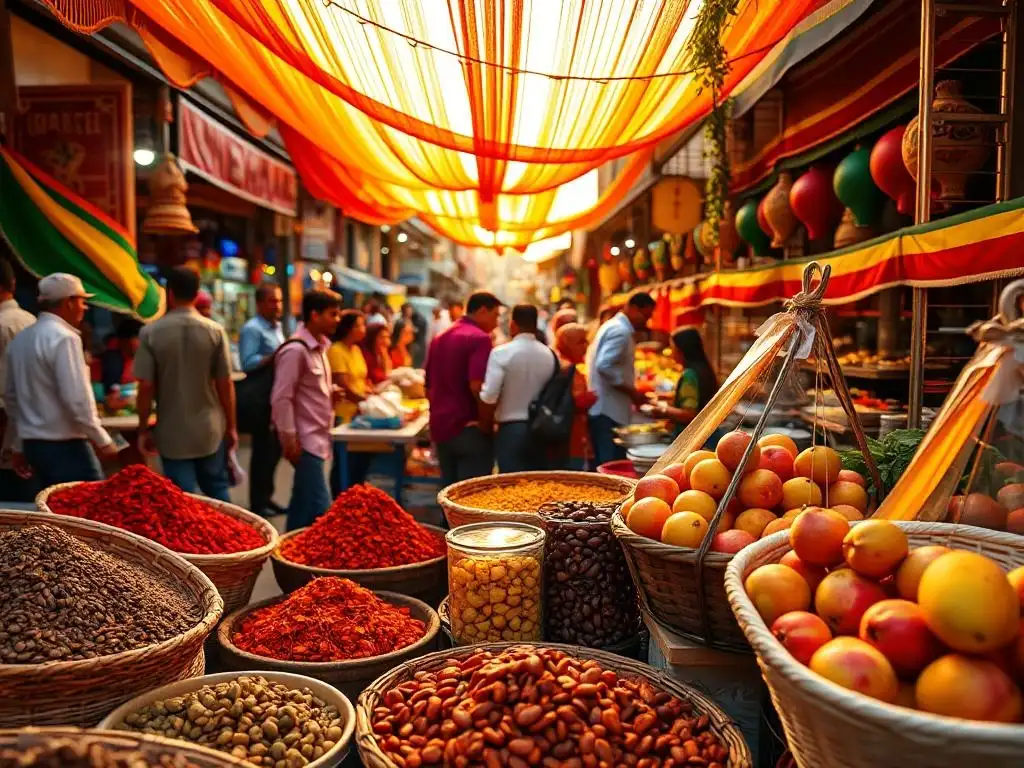
Welcome to Ancient India History, where we dive deep into the rich tapestry of India’s past, celebrating the remarkable civilizations that have shaped its culture. Today, we invite you to embark on a sensory adventure with our article on “Indian food markets tour.” Discover the vibrant flavors and aromas that fill the bustling streets of India, as we unveil the culinary treasures that have been passed down through generations.
Are you ready to explore the heart of India’s food culture? Join us as we take you through the lively markets that are not just places to eat, but gateways to understanding a civilization!
- Exploring Indian Food Markets Tours: A Culinary Journey Through History
- The Rich Tapestry of Indian Cuisine
- Top Indian Food Markets to Experience on Tours
- Planning Your Indian Food Markets Tour
- Culinary Tours: Recommended Packages for Food Market Experiences
- Additional Resources for Culinary Tourism in India
- Frequently Asked Questions
- Final Reflection: Embracing the Flavors of India’s Food Markets
- Dive Into India’s Culinary Treasures Today!
Exploring Indian Food Markets Tours: A Culinary Journey Through History
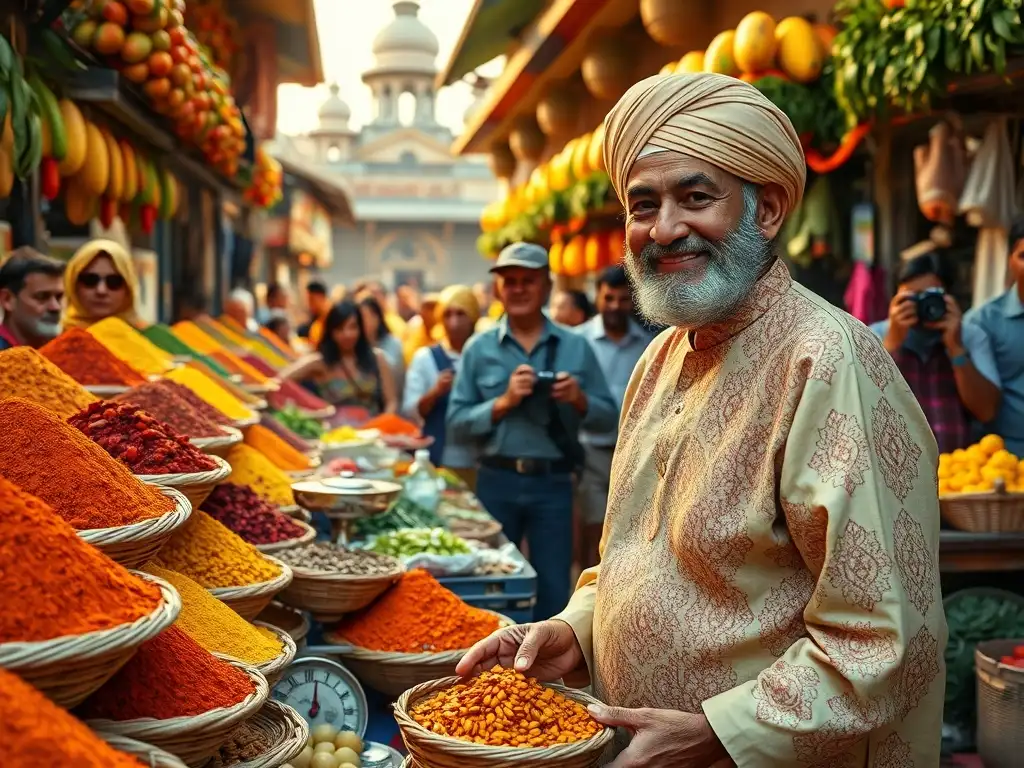
India's culinary landscape is a vibrant tapestry woven from centuries of tradition, regional diversity, and cultural influences. One of the most immersive ways to experience this rich heritage is through Indian food markets tours, which offer a unique glimpse into the heart of local cuisine. These tours not only tantalize the taste buds but also provide a sensory exploration of the bustling markets where spices, fresh produce, and street foods come together in a colorful display of life.
From the aromatic spices of the Indus Valley to the sophisticated flavors of the Gupta Empire, Indian food markets are a reflection of the country's historical evolution and its ongoing culinary narrative. Visitors can expect to engage with local vendors, learn about traditional cooking methods, and savor dishes that have been passed down through generations. As we embark on this culinary journey, we will delve deeper into the significance of these markets, the experiences they offer, and how they contribute to the broader context of Indian cuisine and culinary tourism.
Introduction to Indian Food Markets Tours
Indian food markets are not just places for shopping; they are vibrant hubs of culture and community. Each market tells its own story, reflecting the local customs and culinary practices that define the region. Here are some key aspects to consider when exploring these bustling food markets:
- Cultural Significance: Each market is a living museum of culinary heritage, showcasing the ingredients and dishes specific to its locale.
- Diverse Offerings: From fresh fruits and vegetables to artisanal spices and street food delicacies, the variety of offerings is astounding.
- Local Interaction: Tours often include interactions with local vendors, providing insights into traditional practices and recipes.
- Hands-On Experience: Many tours offer cooking classes or demonstrations, allowing participants to learn how to prepare authentic Indian dishes.
Exploring Indian food markets on tours is not just about indulging in delicious food; it's about understanding the cultural context behind it and appreciating the rich history that shapes Indian cuisine today. As we venture further into the world of Indian food markets, we will uncover the best culinary tours available, highlight must-visit markets, and share tips for making the most of your culinary adventure.
The Rich Tapestry of Indian Cuisine
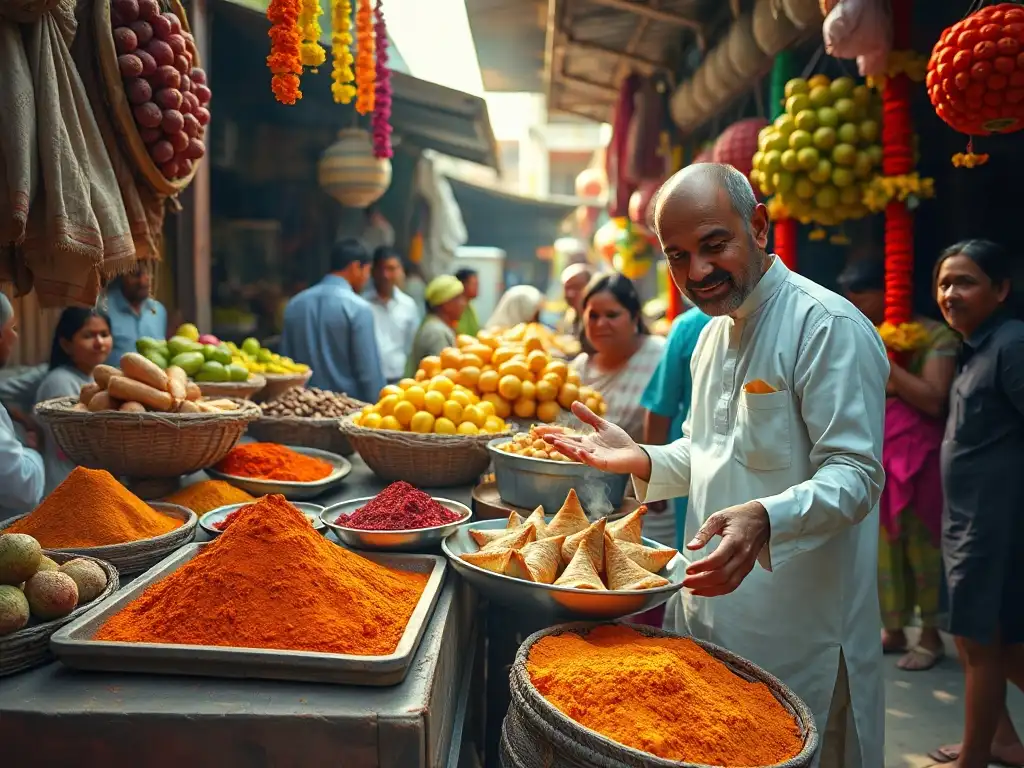
Indian cuisine is renowned for its vibrant flavors, diverse ingredients, and rich history. The culinary practices in India reflect the country's complex socio-cultural fabric shaped by various historical influences, regional variations, and religious customs. From the intricate spice blends of North India to the coconut-infused dishes of the South, each region offers a unique gastronomic experience.
Understanding Indian Cuisine: A Historical Perspective
Indian cuisine has evolved over thousands of years, influenced by invasions, trade, and cultural exchanges. The Indus Valley Civilization (circa 2500-1500 BCE) laid the foundation for agricultural practices, with evidence of wheat, barley, and legumes being cultivated. Ancient texts like the Manusmriti and Mahabharata provide insights into the dietary habits and cooking methods of early Indian societies.
- Spice Trade: The spice trade played a crucial role in shaping Indian cuisine. Indian spices such as cardamom, cinnamon, and black pepper attracted traders from around the world, leading to the exchange of culinary techniques and flavors.
- Cultural Influences: Various empires, including the Mughals and the British, brought their culinary traditions, which fused with local practices. Mughal cuisine, for example, introduced rich gravies and biryanis, while British colonial rule saw the introduction of ingredients like potatoes and tomatoes into Indian cooking.
The result is a diverse culinary landscape where regional specialties thrive. For instance, Rajasthani cuisine is known for its use of dried ingredients and spices, while Bengali cuisine is celebrated for its fish dishes and sweet treats.
The Role of Food Markets in Indian Culture
Food markets are integral to the cultural identity of India, serving not just as places to buy fresh produce but as vibrant hubs of social interaction and community life. These markets, often bustling with activity, reflect the diversity of Indian cuisine and provide insights into local culinary practices.
-
Community and Social Interaction: Food markets are gathering places for locals, fostering a sense of community. Here, people share recipes, cooking tips, and experiences, creating a rich tapestry of culinary knowledge passed down through generations.
-
Diverse Offerings: A typical Indian food market showcases an array of ingredients, from spices and vegetables to street food delicacies. For instance, the Chandni Chowk market in Delhi is famous for its street food, including parathas, jalebis, and chole bhature.
Ingredient Type Common Examples Typical Markets Spices Turmeric, Cumin, Cardamom Spice Markets (e.g., Khari Baoli) Vegetables Okra, Eggplant, Spinach Local Vegetable Markets (e.g., Crawford Market) Street Foods Vada Pav, Bhel Puri Street Food Stalls (e.g., Juhu Beach) -
Culinary Tours: An Indian food markets tour provides an immersive experience, allowing tourists to explore the local culture through its culinary offerings. Visitors can taste traditional dishes, learn about the origins of spices, and engage with local vendors, making the experience both educational and enjoyable.
The rich tapestry of Indian cuisine is deeply intertwined with its history and culture. Food markets play a pivotal role in maintaining this connection, offering a vibrant space for culinary exploration and community engagement. Whether you're a food enthusiast or a casual traveler, an Indian food markets tour promises to be a delightful journey through the flavors of India.
Top Indian Food Markets to Experience on Tours
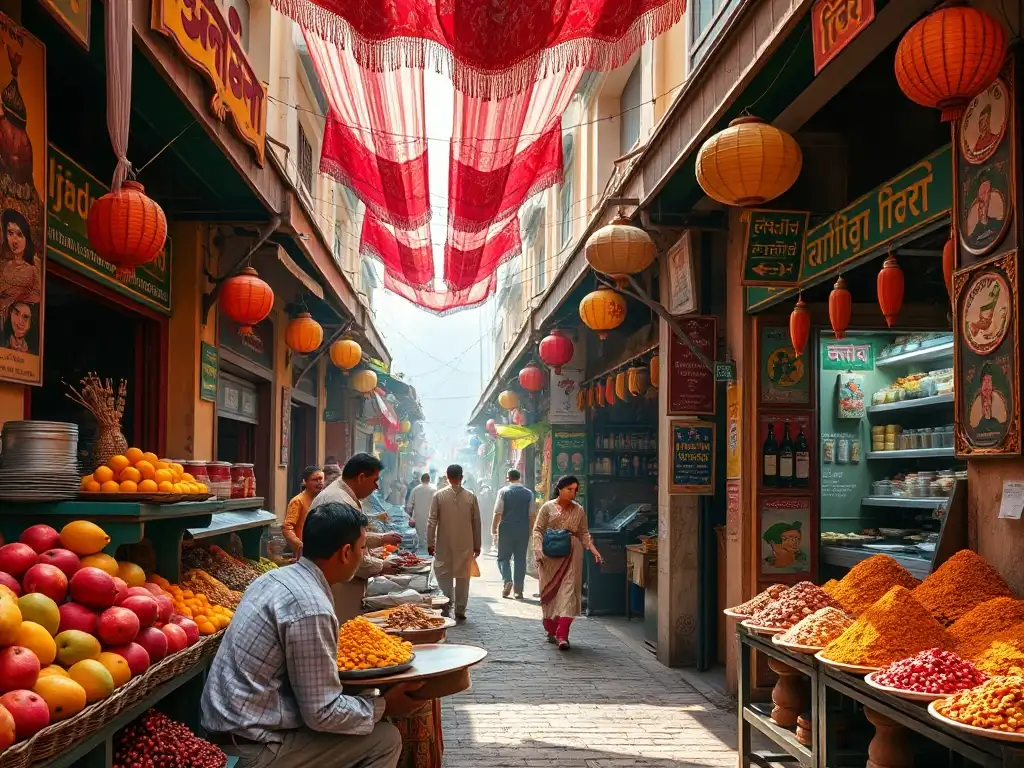
1. Chandni Chowk: A Foodie's Paradise
Chandni Chowk, one of the oldest and busiest markets in Old Delhi, is a must-visit destination for food enthusiasts. Established in the 17th century, this vibrant market is renowned for its diverse culinary offerings that reflect the rich history and culture of Indian cuisine. As you stroll through its narrow lanes, you can indulge in a variety of street foods that have stood the test of time.
Culinary Highlights:
- Paranthe Wali Gali: Famous for its stuffed parathas, this alley boasts numerous shops where you can savor a variety of flavors, from potato and cauliflower to more exotic fillings like banana and nuts.
- Jalebis: The crispy, spiral-shaped sweets soaked in sugar syrup are a must-try. Vendors prepare them fresh throughout the day, ensuring that you get a warm, delightful experience.
- Kachoris: These deep-fried pastries filled with spicy lentils are a popular snack that pairs perfectly with tangy tamarind chutney.
Chandni Chowk is not just about food; it’s about the experience. The bustling atmosphere, the aroma of spices, and the vibrant colors of the market create a sensory feast that leaves a lasting impression on every visitor.
2. Crawford Market: A Blend of Tradition and Modernity
Located in the heart of Mumbai, Crawford Market is another iconic destination that showcases the essence of Indian food markets. Established in 1869, this market is known for its eclectic mix of traditional Indian fare and modern culinary delights.
Culinary Highlights:
- Fresh Produce: The market is famous for its array of fresh fruits and vegetables, which are sourced from local farms. The vibrant displays are a feast for the eyes and provide a glimpse into the agricultural diversity of India.
- Seafood Stalls: With Mumbai being a coastal city, Crawford Market offers an impressive selection of seafood. From fresh fish to prawns and crabs, seafood lovers will find plenty to indulge in.
- Spice Shops: The aroma of spices fills the air as you navigate through the market. Here, you can purchase a variety of spices, herbs, and blends that are essential to Indian cooking.
Crawford Market's unique blend of the old and new makes it an exciting culinary destination. The market's architecture, with its British colonial influences, adds to its charm, making it a perfect spot for those looking to explore Mumbai's vibrant food scene.
3. Johari Bazaar: The Jewel of Jaipur's Culinary Scene
Johari Bazaar, located in the heart of Jaipur, is famed for its rich heritage and vibrant atmosphere. While it is primarily known for its jewelry, the culinary offerings here are equally impressive, making it a hidden gem for food lovers.
Culinary Highlights:
- Rajasthani Delicacies: The market is a great place to sample local dishes such as Dal Baati Churma and Gatte Ki Sabzi, which showcase the rich flavors of Rajasthani cuisine.
- Sweets and Snacks: Don't miss out on trying Ghevar and Pyaaz Kachori. These traditional snacks are perfect for those looking to experience the authentic taste of Jaipur.
- Street Food Stalls: As you wander through Johari Bazaar, you’ll find numerous stalls selling chaat, samosas, and other popular street foods that encapsulate the essence of Indian snacking culture.
Visiting Johari Bazaar provides not only a culinary journey but also a cultural experience. The vibrant colors, the bustling crowds, and the delicious aromas create an unforgettable atmosphere that perfectly captures the spirit of Jaipur.
Through these vibrant food markets, an Indian food markets tour offers a unique opportunity to experience the rich culinary heritage of India, immersing yourself in the flavors, traditions, and stories that each market has to offer.
Planning Your Indian Food Markets Tour
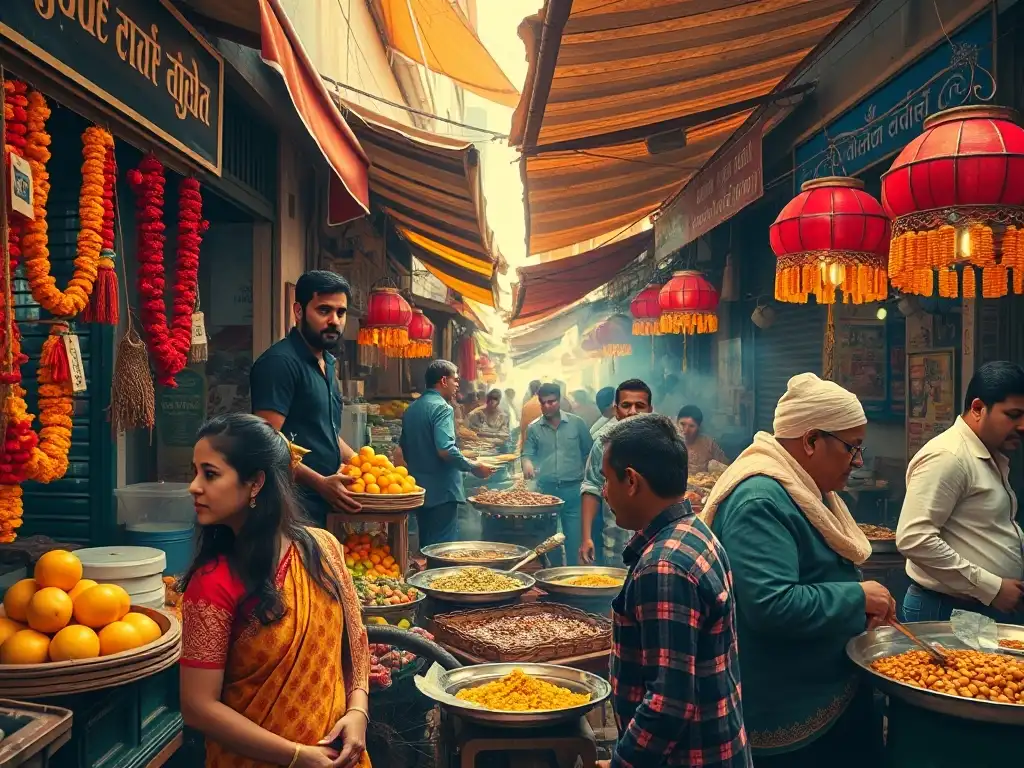
Planning an Indian food markets tour requires thorough preparation to ensure a memorable and fulfilling culinary experience. Here are some essential aspects to consider when organizing your journey through the vibrant food markets of India.
Key Factors to Consider for an Optimal Experience
- Choose Your Destinations Wisely
- India boasts a multitude of food markets, each offering unique flavors and specialties.
- Popular destinations include:
- Delhi: Renowned for its street food, such as chaat and parathas.
- Mumbai: Famous for its vada pav and seafood.
- Chennai: Known for its traditional South Indian dishes like dosa and idli.
- Kolkata: Celebrated for its sweets and fish curry.
- Timing Your Visit
- Market activity can vary significantly throughout the day.
- Early mornings are ideal for fresh produce, while evenings are bustling with street food vendors.
- Consider local festivals, as these can enhance your culinary experience with unique dishes and local delicacies.
- Health and Safety Considerations
- Staying hydrated is crucial, especially in warm climates. Carry bottled water.
- Be mindful of food hygiene; look for busy stalls with a high turnover of customers, as these are usually safer.
- Consider dietary restrictions and inform your tour guide or hosts about any allergies.
- Engaging Local Guides
- Hiring a knowledgeable local guide can enrich your experience. They can provide insights into the cultural significance of various dishes and help you navigate the market effectively.
- Look for guides who are passionate about food and can introduce you to hidden gems.
- Cultural Etiquette
- Familiarize yourself with local customs and etiquette.
- For instance, in many markets, it’s customary to eat with your right hand, and sharing food with locals can foster goodwill.
- Start with a Plan:
- Make a list of must-try dishes and stalls based on research or recommendations from locals. This ensures you don’t miss out on key culinary experiences.
- Stay Open-Minded:
- Be willing to try new ingredients and flavors. Indian cuisine is diverse, and you might discover unexpected favorites.
- Use All Your Senses:
- Engage with the sights, sounds, and smells of the market. The vibrant colors of spices, the aroma of freshly cooked food, and the lively chatter of vendors create an immersive experience.
- Take Notes and Photos:
- Document your culinary adventures. This not only helps you remember dishes but also allows you to share your experiences with others.
- Bargain Respectfully:
- Haggling is common in Indian markets, but it’s important to do so respectfully. Start with a friendly conversation and negotiate a fair price.
- Stay Aware of Your Surroundings:
- Markets can be crowded, so keep an eye on your belongings. Use a crossbody bag for safety and convenience.
- Enjoy Small Plates:
- Many markets offer small portions, allowing you to sample a variety of dishes without overindulging. This is a great way to explore different flavors.
- Connect with Locals:
- Don’t hesitate to strike up conversations with vendors or fellow shoppers. They can offer personal recommendations and insights into the culinary culture.
Embarking on an Indian food markets tour is an exhilarating way to immerse yourself in the country's rich culinary heritage. By planning effectively and keeping these tips in mind, you can ensure that your experience is not only delicious but also culturally enriching.
Culinary Tours: Recommended Packages for Food Market Experiences
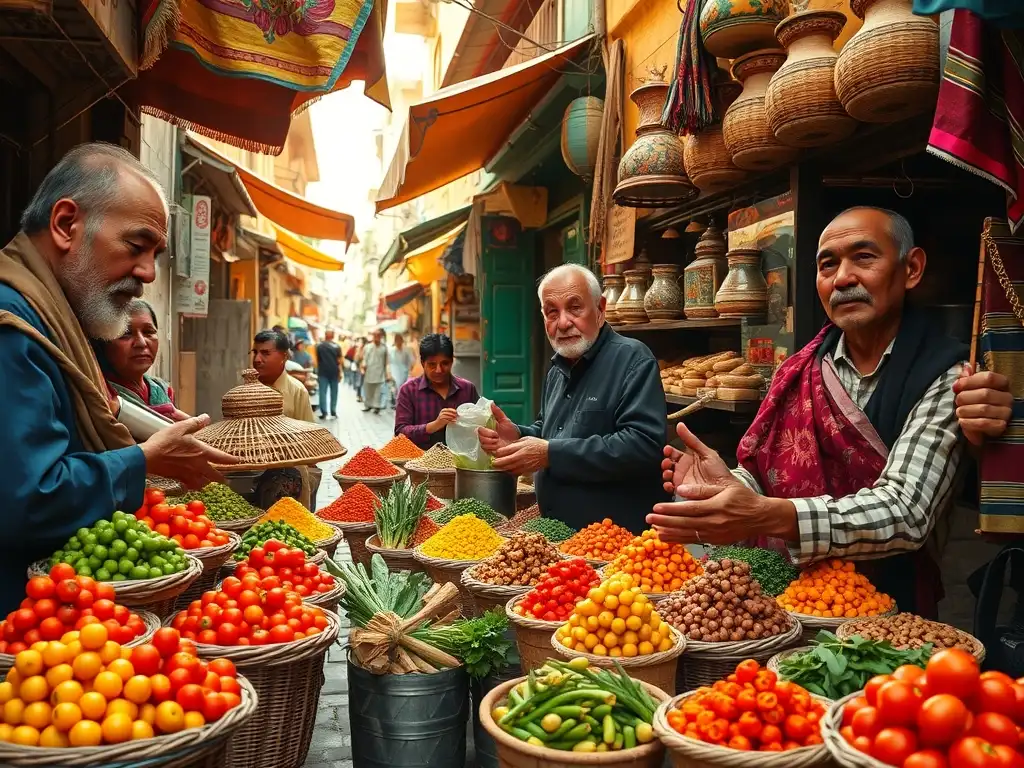
1. Guided Culinary Tour of Delhi’s Food Markets
Delhi, the capital of India, is a melting pot of cultures and cuisines, making it a prime location for an unforgettable Indian food markets tour. This guided culinary tour immerses participants in the vibrant and bustling atmosphere of Delhi's famed food markets, such as Chandni Chowk and Old Delhi.
Highlights of the Tour:
- Exploration of Chandni Chowk: Participants navigate through narrow lanes filled with food stalls, sampling iconic dishes like parathas, jalebis, and chaat.
- Culinary Workshops: Hands-on experiences where tourists learn to prepare traditional dishes from local chefs, deepening their connection to Indian culinary practices.
- Historical Context: Guides provide insights into the historical significance of various dishes and the cultural fusion that shapes Delhi's food scene.
The tour typically lasts around 4-6 hours and is recommended for both food enthusiasts and casual travelers looking to savor the local flavors.
2. Jaipur Food Market Exploration
Jaipur, known as the Pink City, offers a unique culinary experience that reflects its rich royal heritage. The Jaipur Food Market Exploration tour invites participants to discover local delicacies through a guided journey.
Key Features of the Tour:
- Local Market Visits: Tourists visit prominent markets like Johari Bazaar and Bapu Bazaar, where they can taste traditional dal baati churma and ghevar.
- Cultural Immersion: Experience the customs and rituals surrounding food, including special occasions and local festivals that influence market offerings.
- Interaction with Local Vendors: Tour participants have the opportunity to engage with local merchants, learning about their crafts and the history behind their culinary specialties.
This tour not only tantalizes the taste buds but also provides an enriching understanding of Jaipur's culinary landscape, lasting approximately 3-5 hours.
3. Mumbai Street Food and Market Tour
Mumbai, the financial capital of India, is renowned for its eclectic street food scene. The Mumbai Street Food and Market Tour offers participants a chance to explore the city’s vibrant food markets and taste its signature dishes.
Tour Highlights:
- Diverse Street Food Sampling: From vada pav to bhel puri, participants enjoy a wide array of street foods, each with its unique flavor profile.
- Visit to Iconic Markets: The tour includes stops at famous locations like Crawford Market and Mohammed Ali Road, allowing tourists to witness the hustle and bustle of Mumbai’s culinary world.
- Culinary Stories: Guides share fascinating anecdotes about the city’s history and the evolution of its food culture, enhancing the overall experience.
This immersive tour typically spans 4-5 hours and is ideal for food lovers eager to experience the fast-paced energy and diverse flavors of Mumbai’s street food scene.
These culinary tours not only highlight the best of India’s food markets but also weave together the rich tapestries of culture, tradition, and community that define Indian cuisine. Whether it's Delhi, Jaipur, or Mumbai, each tour offers a unique glimpse into the heart of India's culinary heritage, making them a must-try for any food enthusiast.
Additional Resources for Culinary Tourism in India
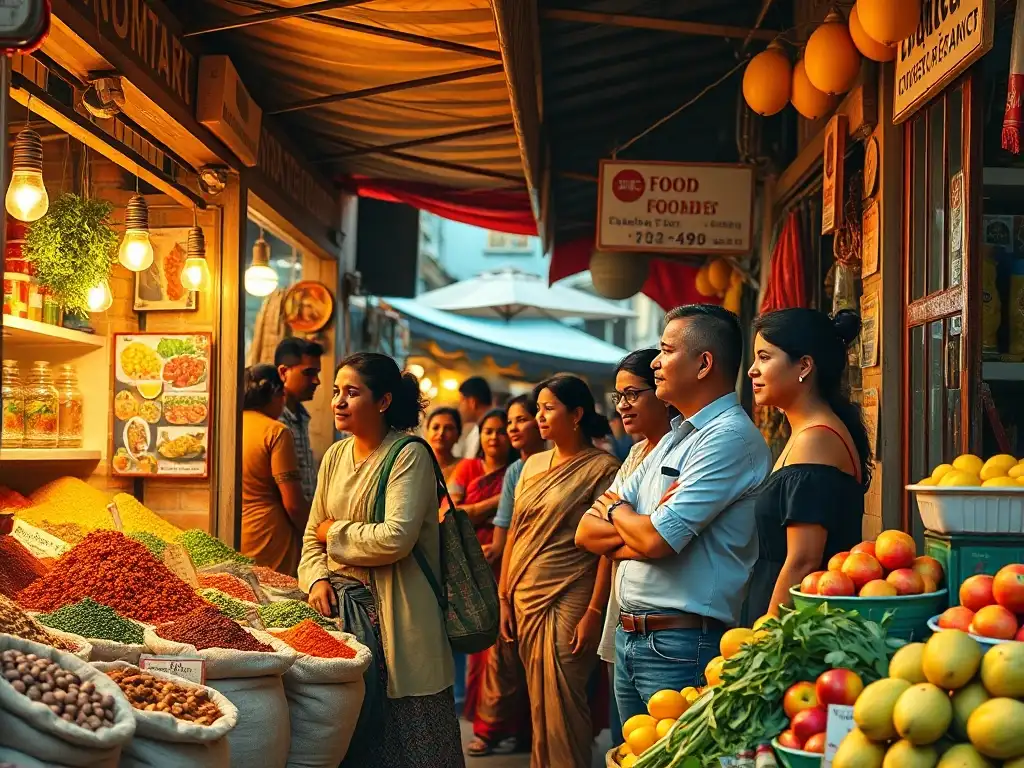
Recommended Reading and Guides
Exploring Indian food markets is not just about tasting delicious dishes; it also involves understanding the rich cultural context and historical significance of these culinary spaces. Here are some recommended readings and guides that can enhance your experience on an Indian food markets tour:
-
"The Spice Route: A History" by John Keay
This book provides an insightful historical overview of the spice trade that shaped Indian cuisine and influenced culinary practices across the globe. Understanding the origins of spices will add depth to your market visits.
-
"Indian Food: A Historical Companion" by K.T. Achaya
A comprehensive guide that delves into the evolution of Indian cuisine, this book highlights regional specialties and the impact of geography on food production. It is a great resource for understanding the diverse offerings in various food markets.
-
"Curry: A Tale of Cooks and Conquerors" by Lizzie Collingham
This engaging narrative explores the history of curry in Indian cuisine, tracing its roots and adaptations through time. It offers culinary enthusiasts a vibrant perspective that will enrich their market exploration.
-
"The Art of Indian Cuisine" by Sanjeev Kapoor
Renowned chef Sanjeev Kapoor shares recipes and culinary techniques that reflect the diverse flavors of Indian food. This guide serves as a practical companion for those interested in replicating market delights at home.
Useful Websites and Platforms for Booking Tours
To make the most of your Indian food markets tour, several online resources can help you plan and book your culinary adventures effectively. Here are some useful websites and platforms:
-
Viator
Viator offers a wide range of culinary tours across India, including market visits and cooking classes. You can browse user reviews and choose tours that suit your interests and budget.
-
Airbnb Experiences
This platform features unique culinary experiences hosted by locals, such as market tours, home-cooked meals, and cooking classes. Engaging with locals provides an authentic perspective on the food culture.
-
GetYourGuide
With a variety of culinary tours available, GetYourGuide allows users to book food market tours, street food tastings, and specialized cooking workshops in cities like Delhi, Mumbai, and Jaipur.
-
Culinary Tours India
This specialized website focuses exclusively on culinary tourism in India, offering tailored tours that include visits to local markets, food tastings, and hands-on cooking experiences.
-
Local Travel Agencies
Many local travel agencies offer customized culinary tours that include food market visits. Researching and contacting agencies in the specific region you plan to visit can yield unique opportunities tailored to your preferences.
By utilizing these resources, you can deepen your understanding of Indian cuisine and ensure a memorable culinary journey through the vibrant food markets of India.
Frequently Asked Questions
What can I expect on an Indian food markets tour?
On an Indian food markets tour, you will experience the vibrant atmosphere of local markets, sample diverse cuisines, and learn about the cultural significance of various dishes.
Are there specific regions in India known for their food markets?
Yes, regions like Delhi, Mumbai, and Kolkata are famous for their bustling food markets, each offering a unique array of local delicacies and traditional snacks.
How do tours enhance the experience of visiting food markets?
Tours often include guided experiences, providing insights into the history and preparation of dishes, which enriches your understanding and appreciation of the culinary heritage.
Is it safe to try street food during these tours?
Generally, yes! However, it's advisable to follow your guide's recommendations and choose vendors that are popular and maintain cleanliness to ensure a safe experience.
Can I customize my food market tour based on dietary preferences?
Absolutely! Many tour providers allow for customization, ensuring that your dietary needs, such as vegetarian or vegan options, are accommodated during the tour.
Final Reflection: Embracing the Flavors of India’s Food Markets
The vibrant tapestry of Indian food markets is not just a feast for the senses; it is a profound reflection of the country's rich cultural heritage and communal spirit. As we navigate through bustling stalls filled with aromatic spices, fresh produce, and colorful street food, we are reminded of the essential role that food plays in connecting people and traditions. Today, as global interest in culinary tourism surges, the allure of an Indian food markets tour offers an unparalleled opportunity to experience the heart and soul of India through its diverse culinary landscape.
Culinary experiences shape our understanding of culture, and India's food markets are a living testament to this truth. Each market tells a story—of generations of families, of local farmers, and of the intricate relationships that bind communities together. The sights, sounds, and flavors found in these markets resonate far beyond their physical locations, influencing global culinary trends and inspiring chefs and home cooks alike. Food is our common ground, a universal experience.
— James Beard. This quote encapsulates how food markets serve as a bridge between cultures, inviting us to explore and appreciate the nuances of Indian cuisine.
As you reflect on the insights gained from this article, I invite you to consider how you can incorporate the lessons of India’s food markets into your own culinary adventures. Whether you embark on a journey to explore these vibrant markets firsthand or seek to recreate their flavors in your kitchen, let the spirit of exploration guide you. Embrace the diversity of ingredients, the stories behind each dish, and the connections forged through shared meals. In doing so, you not only enrich your own life but also contribute to the celebration of cultural heritage that food embodies.
Dive Into India’s Culinary Treasures Today!
Thank you for taking the time to explore the vibrant food markets of India through our article. We hope you feel inspired to embark on a flavorful adventure that enriches your understanding of this remarkable culture. Now, let's turn that inspiration into action!
- Start your culinary journey by booking a local food tour in your favorite Indian city. Experience the sights, sounds, and tastes firsthand!
- Share your own culinary experiences with friends and family— host a themed dinner featuring dishes you discovered during your exploration.
- Join online food forums or social media groups to connect with fellow food enthusiasts who share your passion for Indian cuisine and culture.
Which captivating dish from the Indian markets are you most eager to try next, and how will you incorporate that experience into your everyday life?