
Exploring Indian Cuisine: Top Culinary Tours for the Curious Foodie

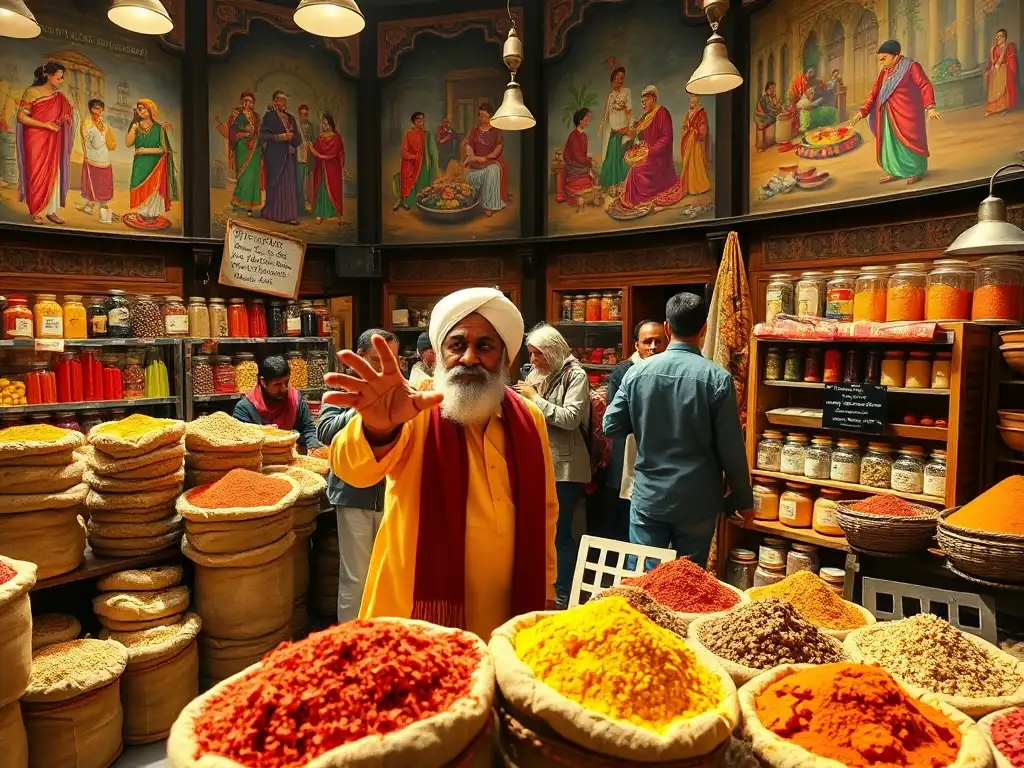
Welcome to Ancient India History, where we delve into the fascinating tapestry of India's past! Here, you'll uncover the rich and diverse narratives that shaped civilizations, from the majestic Indus Valley to the illustrious Gupta Empire. In our featured article, “Exploring Indian Cuisine: Top Culinary Tours for the Curious Foodie,” we invite you to embark on a tantalizing journey through the history of Indian culinary tours. Discover how flavors, traditions, and vibrant cultures intertwine to create unforgettable culinary experiences. Are you ready to savor the stories behind every spice? Let's begin your exploration!
-
Exploring Indian Culinary Tours History: A Journey Through Flavor and Tradition
- Introduction to Indian Culinary Tours History
- The Rich Tapestry of Indian Cuisine
- Top Culinary Tours for the Curious Foodie
- The Role of Ancient Indian Ingredients in Culinary Tours
- Culinary Workshops: Learning from the Masters
- Sustainable Culinary Tourism in India
- Conclusion: Embracing the Journey of Indian Culinary Tours History
- Call to Action: Plan Your Indian Culinary Tour Today!
-
Frequently Asked Questions
- What are some popular culinary tours in India?
- How does ancient Indian history influence modern Indian cuisine?
- What key regions are highlighted in Indian culinary tours?
- Are there any specific dishes that represent ancient Indian culinary traditions?
- Can you recommend a good resource for learning about Indian culinary history?
- Final Reflection: The Timeless Journey of Indian Culinary Tours
- Savor the Flavor: Unleash Your Inner Foodie!
Exploring Indian Culinary Tours History: A Journey Through Flavor and Tradition
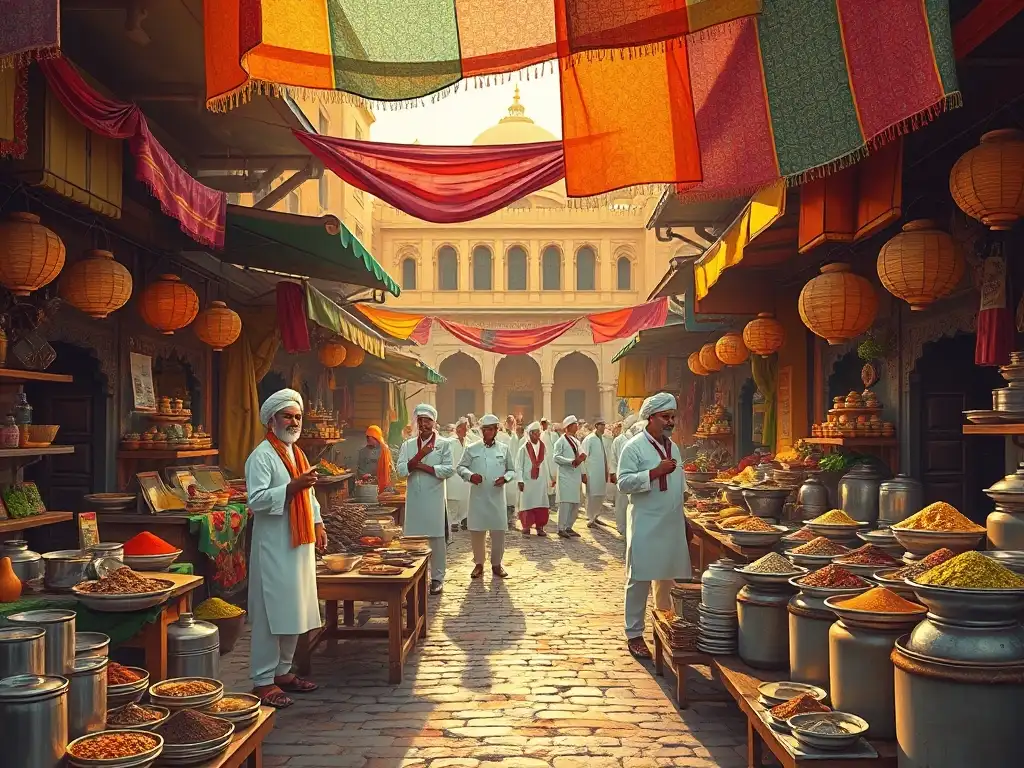
Introduction to Indian Culinary Tours History
Indian cuisine is a vibrant tapestry woven from centuries of cultural exchanges, regional variations, and historical influences. As food lovers increasingly seek authentic experiences, Indian culinary tours offer a unique opportunity to explore the diverse flavors and rich traditions that define this extraordinary cuisine.
From the ancient recipes of the Indus Valley civilization to the royal kitchens of the Mughal Empire, the history of Indian culinary tours is as rich as the dishes themselves. These tours not only provide a feast for the palate but also serve as a gateway to understanding the cultural heritage of India, highlighting local ingredients, cooking techniques, and culinary philosophies that have evolved over millennia.
The Rich Tapestry of Indian Cuisine
India is often referred to as a land of diverse tastes and aromatic spices, where each region boasts its own distinct culinary identity. This diversity can be attributed to several factors, including geography, climate, and the myriad of cultures that have influenced Indian society over the ages. Let's delve deeper into these aspects to appreciate the historical significance behind the culinary traditions we see today.
Overview of Indian Culinary Diversity
- Regional Specialties: Indian cuisine is characterized by its vast regional differences. For example:
- North India: Known for its rich gravies, bread like naan and parathas, and dishes such as butter chicken and biryani.
- South India: Famous for its rice-based dishes, dosas, idlis, and a variety of chutneys.
- East India: Renowned for sweets like rasgulla and fish-based dishes, particularly in Bengal.
- West India: Offers a variety of spicy dishes, including the famous curries of Maharashtra and the sweet treats of Gujarat.
- Cultural Influences: Over centuries, foreign invaders and traders have brought their culinary practices, which have been absorbed and transformed into local dishes. For instance:
- The Mughals introduced rich, creamy gravies and the art of cooking with spices.
- The Portuguese influenced Goan cuisine, incorporating ingredients like coconut and vinegar.
- Festivals and Rituals: Indian culinary traditions are closely tied to festivals and rituals. Specific dishes are prepared during celebrations, reflecting the region's cultural heritage and communal values.
As we embark on this exploration of Indian culinary tours history, we will uncover how these tours not only celebrate food but also connect travelers to the stories, traditions, and communities that have shaped India’s culinary landscape. Each bite is a chapter in the ongoing saga of Indian cuisine, waiting to be savored and understood.
Top Culinary Tours for the Curious Foodie
India's vast culinary landscape is a tapestry woven with regional flavors, historical influences, and unique traditions. For food enthusiasts eager to delve into the heart of Indian cuisine, culinary tours offer a remarkable opportunity to explore the rich history and diverse flavors. Each tour is a journey that not only tantalizes the taste buds but also provides insights into the cultural and historical significance of the dishes. Here are some of the top culinary tours that capture the essence of Indian food history.
1. Rajasthan Culinary Tour: A Taste of Royalty
The Rajasthan Culinary Tour is a captivating experience that highlights the royal heritage of India's largest state. This tour often begins in Jaipur, where travelers can sample the famed Dal Baati Churma, a dish that has its roots in the valorous history of Rajasthan's warriors. Visitors can explore opulent palaces and forts while savoring traditional dishes like Gatte ki Sabzi and Laal Maas, each with a story that reflects the region's culinary evolution.
Rajasthan's cuisine is characterized by its use of ghee, a variety of spices, and the incorporation of local ingredients, making it a significant part of the state's culture. Cooking classes in local homes often accompany the tours, allowing participants to learn the art of preparing royal dishes, gaining firsthand experience of the intricate cooking techniques passed down through generations.
2. Delhi Street Food Tour: A Historical Journey
A Delhi Street Food Tour is an adventure through the bustling streets of the capital city, where historical influences blend seamlessly with culinary innovation. This tour showcases iconic dishes such as Chaat, Parathas, and Kebabs, each telling a tale of Delhi's rich history as a melting pot of cultures.
Participants can visit famous food hubs like Chandni Chowk, where vendors have been serving mouthwatering delicacies for centuries. The tour often includes stops at historical landmarks, allowing travelers to appreciate the heritage and traditions that have influenced Delhi's street food scene. The vibrant flavors and aromas provide an unforgettable sensory experience, making history deliciously accessible.
3. South Indian Cuisine Tour: Flavors of Tradition
The South Indian Cuisine Tour takes participants on a flavorful journey through the southern states of India, known for their distinctive culinary practices and ingredients. From the tangy sambar to the rich coconut chutneys, this tour allows foodies to experience the complexity of flavors that define South Indian cuisine.
Travelers can explore the bustling markets of Chennai, indulge in a traditional banana leaf meal in Kerala, or participate in a cooking class to learn about the use of rice and lentils in everyday meals. The emphasis on fresh ingredients and traditional cooking methods reflects the cultural heritage of the region, making it an enriching experience for anyone interested in culinary history.
4. Coastal Cuisine Tour: Seafood and Spices
The Coastal Cuisine Tour offers a unique perspective on Indian culinary diversity, focusing on the coastal regions known for their seafood and spice-rich dishes. Participants can enjoy the flavors of Goa, Kerala, and the Konkan coast, where the fusion of spices and fresh catches from the sea creates a vibrant culinary scene.
This tour often includes visits to local fish markets, where travelers can witness the bustling trade of seafood, and cooking demonstrations that highlight the use of regional spices like kokum and curry leaves. Exploring traditional coastal dishes such as fish curry and prawn balchão provides insights into how geography influences culinary practices, making this tour a delightful exploration of India's coastal flavors.
The Role of Ancient Indian Ingredients in Culinary Tours
India's culinary history is deeply intertwined with its ancient agricultural practices and the diverse ingredients that have been cultivated over millennia. These ingredients not only define the flavors of Indian cuisine but also tell the story of the country's rich agricultural heritage. As culinary tours explore different regions, they reveal the pivotal role played by traditional ingredients such as grains, legumes, and spices.
Exploring Traditional Spices: A Historical Perspective
Spices are the backbone of Indian cuisine, and their historical significance is profound. From ancient trade routes to modern culinary applications, spices like turmeric, cumin, and cardamom have shaped the flavors of Indian dishes for centuries. Culinary tours often emphasize the importance of these spices, showcasing their origins and uses in traditional recipes.
Visitors can engage in spice tours that take them through local markets and spice plantations, providing a sensory journey through the vibrant colors and aromas of these essential ingredients. Learning about the medicinal properties and cultural importance of spices enhances the overall culinary experience, allowing participants to appreciate not only the taste but also the historical context behind India’s rich culinary traditions.
Culinary Workshops: Learning from the Masters
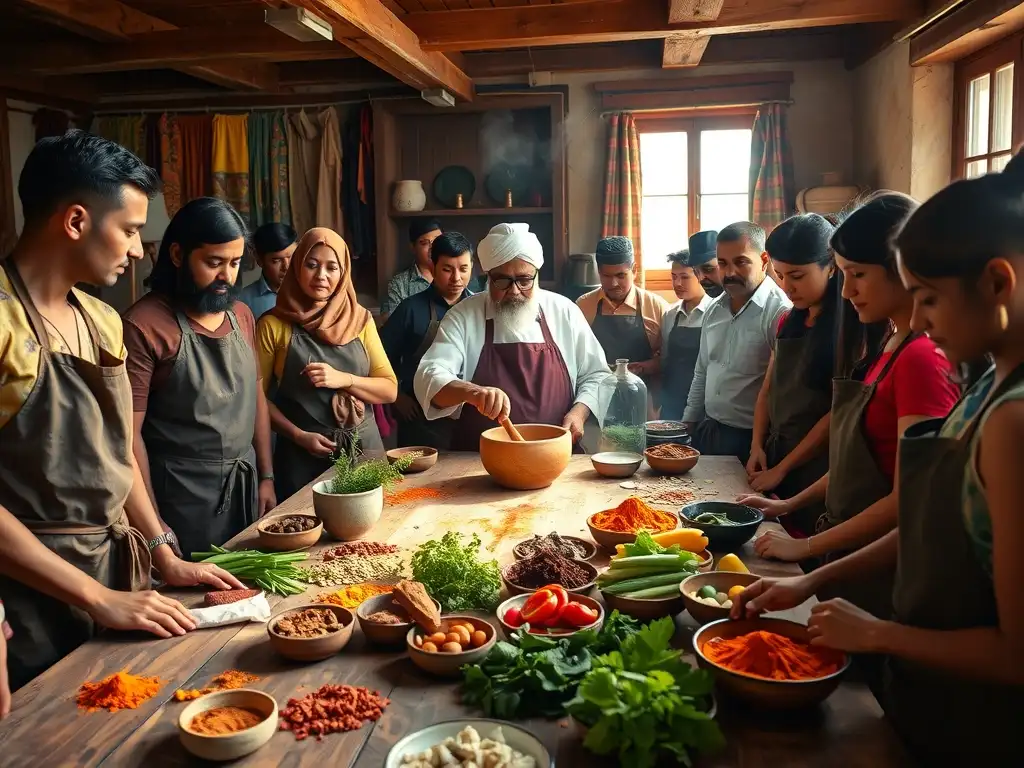
Culinary workshops in India provide a unique opportunity for food enthusiasts to immerse themselves in the vibrant tapestry of Indian cuisine. These workshops are often led by seasoned chefs or local home cooks who possess a deep understanding of their culinary heritage. Participants not only learn about traditional cooking techniques but also delve into the rich history and cultural significance of the dishes they prepare.
In these workshops, attendees can explore regional variations of Indian cuisine, from the spicy curries of the South to the rich gravies of the North. The hands-on experience allows participants to engage with the ingredients, such as fragrant spices, fresh herbs, and locally sourced vegetables, which are integral to the dishes. Often, these workshops incorporate storytelling elements, where the chefs share anecdotes about family recipes, historical influences, and the evolution of various culinary practices over time.
Moreover, these workshops often culminate in communal meals, fostering a sense of community and appreciation for Indian hospitality. Through this interactive learning experience, participants gain not only cooking skills but also a deeper appreciation for the cultural heritage that shapes Indian cuisine.
Hands-On Experiences in Indian Cooking
Hands-on experiences in Indian cooking are essential components of culinary workshops, as they allow participants to actively engage in the cooking process. From kneading dough for fresh naan to grinding spices in a traditional stone mortar, these activities provide insights into the techniques that have been passed down through generations.
Participants often start with a brief introduction to the ingredients and their origins. For example, they might learn about the significance of turmeric in Ayurvedic medicine or how mustard oil is a staple in Bengali kitchens. Following this, they dive into the cooking process, guided by expert chefs who emphasize the importance of flavor balancing and presentation.
Many workshops also include a focus on vegetarian dishes, reflecting the dietary practices of a significant portion of the Indian population. This hands-on approach not only empowers participants to recreate these dishes in their own kitchens but also helps them understand the philosophical and cultural underpinnings of Indian culinary traditions.
Sustainable Culinary Tourism in India
Sustainable culinary tourism is gaining traction in India, as travelers increasingly seek authentic experiences that benefit local communities and the environment. This approach emphasizes the importance of sourcing ingredients sustainably, supporting local farmers, and promoting traditional farming practices. Culinary tours that prioritize sustainability often include visits to organic farms, where participants can learn about the cultivation of indigenous crops and the significance of biodiversity.
Additionally, sustainable culinary tourism in India encourages the use of eco-friendly practices during cooking classes and culinary workshops. Many tour operators now advocate for minimal waste strategies, such as composting food scraps, using reusable tools, and selecting seasonal produce. This not only reduces the environmental impact but also connects travelers with the rhythms of local agricultural cycles.
By participating in these sustainable culinary tours, travelers contribute to the preservation of traditional practices and the empowerment of local communities. They gain a deeper understanding of the connection between food, culture, and sustainability, which enriches their overall travel experience.
The Impact of Culinary Tours on Local Communities
Culinary tours significantly impact local communities in various positive ways. Firstly, they provide an economic boost by creating jobs and encouraging entrepreneurship in the food sector. Local chefs, cooks, and farmers benefit directly from the influx of tourists interested in authentic culinary experiences. This can lead to the establishment of small businesses, such as cooking schools, farm tours, and artisanal food production.
Moreover, culinary tours foster cultural exchange, allowing local communities to share their culinary heritage with visitors. This interaction not only helps preserve traditional cooking methods but also raises awareness about the importance of regional ingredients and dishes. As travelers engage with local cultures, they often gain a deeper appreciation for the history and stories behind the food, fostering mutual respect and understanding.
Lastly, culinary tours can play a vital role in sustainable development by promoting local products and encouraging tourists to support local markets. As visitors purchase handmade goods, spices, and food products, they help sustain local economies and encourage the continuation of traditional crafts and farming practices. This holistic approach ensures that the benefits of culinary tourism are felt by all members of the community, creating a more sustainable and enriching experience for both travelers and locals alike.
Conclusion: Embracing the Journey of Indian Culinary Tours History
Indian culinary tours offer a unique opportunity to delve into the rich tapestry of flavors, traditions, and stories that have shaped the subcontinent's cuisine over millennia. By exploring the historical influences on Indian food, from ancient trade routes bringing spices to the subcontinent to the cultural amalgamation during various empires, these tours allow food enthusiasts to appreciate not just the dishes they savor but also the intricate history behind them.
As travelers embark on their culinary journeys, they engage with local chefs, farmers, and artisans, learning about time-honored techniques and the use of indigenous ingredients. This hands-on experience fosters a deeper connection to the land and its heritage, transforming a meal into a memorable experience steeped in history.
Furthermore, these culinary explorations highlight the importance of preserving traditional cooking methods and regional specialties, ensuring that the legacy of Indian cuisine continues to thrive for future generations. Embracing the journey of Indian culinary tours is about more than just tasting; it is about understanding the narratives that accompany each dish, making it a fulfilling experience for every curious foodie.
Call to Action: Plan Your Indian Culinary Tour Today!
Are you ready to embark on an unforgettable culinary adventure? Planning your Indian culinary tour today can open the door to a world of flavors, aromas, and rich cultural experiences. Whether you are drawn to the vibrant streets of Delhi, the coastal delights of Kerala, or the royal kitchens of Rajasthan, there is a culinary journey waiting for you.
- Research the best tours: Look for reputable culinary tours that offer authentic experiences led by knowledgeable guides.
- Customize your experience: Many tours can be tailored to your interests, whether you want to focus on street food, traditional cooking classes, or gourmet dining.
- Engage with locals: Seek out tours that emphasize interaction with local chefs and food producers to gain insight into the culinary heritage of the region.
Don't miss the chance to explore the history and flavors of Indian cuisine firsthand. Start planning your Indian culinary tour today and embrace a journey that promises to tantalize your taste buds while enriching your understanding of one of the world's most diverse culinary traditions! 🌍✨
Frequently Asked Questions
What are some popular culinary tours in India?
Popular culinary tours include trips to Delhi, Mumbai, and Jaipur, where participants can experience local markets, cooking classes, and traditional meals that showcase the region's culinary diversity.
How does ancient Indian history influence modern Indian cuisine?
Ancient Indian history has greatly influenced Indian cuisine through the introduction of various spices, cooking techniques, and regional ingredients, reflecting the cultural exchanges that occurred over centuries.
What key regions are highlighted in Indian culinary tours?
Indian culinary tours often highlight key regions such as the Indus Valley, South India, and West Bengal, each known for their unique flavors and traditional dishes that tell the story of India's rich culinary heritage.
Are there any specific dishes that represent ancient Indian culinary traditions?
Yes, dishes like biryani, dal, and samosas are often linked to ancient Indian culinary traditions, showcasing the use of spices and cooking methods that have been passed down through generations.
Can you recommend a good resource for learning about Indian culinary history?
A great resource for exploring Indian culinary history is "Ancient India History", which delves into the cultural contributions and evolution of cuisine from ancient times to modern-day India.
Final Reflection: The Timeless Journey of Indian Culinary Tours
The exploration of Indian cuisine is not just about savoring flavors; it is a profound journey through history, culture, and tradition. Today, as global interest in diverse culinary experiences grows, the significance of Indian culinary tours has never been more pronounced. These tours offer a unique lens through which we can appreciate the rich tapestry of India's culinary heritage, reminding us that food is a powerful storyteller of our past.
Culinary tours in India have a remarkable ability to bridge generations, connecting us to the stories and traditions that define our cultural identity. The vibrant markets, bustling kitchens, and the warmth of local chefs create an immersive experience that transcends mere dining. As we engage with the history behind each dish, we are reminded of the words of food writer Michael Pollan: Eating is an agricultural act.
This sentiment resonates deeply as we recognize that every meal is a reflection of the land, the people, and the history that shaped it.
As you reflect on the insights shared in this article, I invite you to consider how you can embark on your own culinary journey. Whether it's exploring local Indian restaurants, participating in cooking classes, or even planning a trip to India, each step you take can deepen your appreciation for the art of cooking and the stories it tells. Embrace the flavors, the history, and the connections that food fosters, and let your curiosity guide you to new culinary adventures that celebrate the essence of Indian cuisine.
Savor the Flavor: Unleash Your Inner Foodie!
Thank you for diving into the rich, vibrant world of Indian cuisine with us! We hope you found inspiration in exploring the culinary wonders that define this beautiful culture. Now, it’s time to turn your curiosity into action!
Here are a few ways to immerse yourself in Indian food culture:
- Join a culinary tour in your area or plan a trip to India to experience authentic cooking classes and food tastings. Discover regional flavors that will excite your palate!
- Share your culinary adventures on social media! Connect with fellow food enthusiasts by using relevant hashtags.
- Experiment at home by trying out a new Indian recipe this weekend. Don’t forget to invite friends and make it a memorable cooking party!
What unique dish or culinary experience are you most excited to try on your gastronomic journey?