
The Legacy of the Maurya Empire on Indian Cuisine: Influences That Last

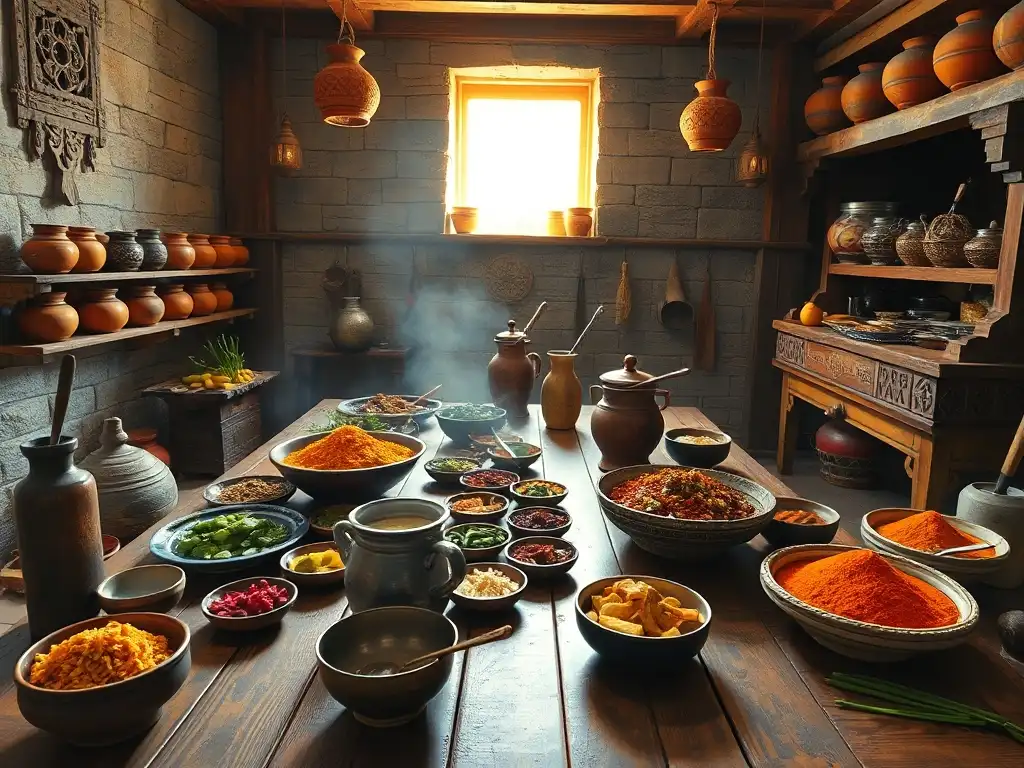
Welcome to Ancient India History, where we embark on a fascinating journey through the rich tapestry of India's past. In this exploration, we unravel the profound influence of the Maurya Empire on Indian cuisine, revealing how this ancient civilization shaped culinary practices that continue to delight our palates today. From the spices that define our dishes to the traditions that accompany them, the legacy of the Maurya Empire is a feast for the senses.
Curious to discover how these historical influences have transcended time? Dive into our latest article and savor the flavors of history that still resonate in modern Indian cuisine!
- Introduction to the Maurya Empire Influence on Cuisine
- The Maurya Empire's Culinary Landscape
- Historical Influences on Indian Cuisine during the Maurya Period
- Signature Dishes of the Maurya Empire
- Legacy of the Maurya Empire on Indian Culinary Traditions
- The Role of the Maurya Empire in Promoting Culinary Tourism
- Conclusion: Reflecting on the Maurya Empire's Enduring Impact on Cuisine
-
Frequently Asked Questions
- What was the Maurya Empire's impact on Indian cuisine?
- How did the Maurya Empire contribute to the spread of culinary traditions?
- Are there specific dishes that originated during the Maurya Empire?
- What role did religion play in the cuisine during the Maurya Empire?
- How does the legacy of the Maurya Empire continue to affect modern Indian cuisine?
- Final Reflection: The Enduring Influence of the Maurya Empire on Indian Cuisine
- Uncover the Flavors of History!
Introduction to the Maurya Empire Influence on Cuisine
The Maurya Empire, which flourished from approximately 322 to 185 BCE, stands as a monumental chapter in ancient Indian history. Renowned for its extensive territorial reach and remarkable governance, this empire not only shaped political landscapes but also left an indelible mark on the culinary practices of the Indian subcontinent.
As we delve into the Maurya Empire influence on cuisine, we uncover how the empire's trade networks, cultural exchanges, and imperial patronage contributed to the evolution of food traditions that resonate even today. This exploration reveals the intricate tapestry of flavors and cooking techniques that emerged during this period, highlighting a legacy that continues to enrich Indian gastronomy.
Overview of the Maurya Empire's Historical Context
The Maurya Empire was established by Chandragupta Maurya, who, with the guidance of his mentor Chanakya, unified a vast territory that included much of present-day India. The empire reached its zenith under the rule of Ashoka the Great, whose reign (268-232 BCE) is notable for its embrace of Buddhism and efforts towards social welfare. This period was characterized by significant advancements in administration, art, and trade, which collectively fostered an environment conducive to the flourishing of diverse culinary practices.
- Key Features of the Maurya Empire:
- Territorial Expansion: The empire stretched from the Indus River in the west to the Bengal region in the east.
- Cultural Syncretism: The amalgamation of various regional traditions and influences.
- Trade Routes: The establishment of extensive trade networks facilitated the exchange of goods, including spices, grains, and cooking techniques.
The interactions with other cultures through trade not only introduced new ingredients but also led to the amalgamation of different culinary methods, setting the stage for an evolved Indian cuisine.
Importance of Culinary Traditions in Ancient India
Culinary traditions in ancient India held more than just nutritional value; they were deeply interwoven with cultural, religious, and social practices. Food was a critical aspect of rituals, festivals, and communal gatherings, often symbolizing prosperity and unity. During the Maurya Empire, the importance of cuisine was amplified by several factors:
- Royal Patronage: The emperors promoted a rich culinary culture, establishing kitchens that experimented with diverse recipes and ingredients.
- Religious Influences: The spread of Buddhism under Ashoka encouraged vegetarianism, which significantly influenced dietary habits of the time.
- Cultural Exchanges: With the influx of traders and travelers, new cooking styles and ingredients were introduced, enriching the existing culinary repertoire.
The legacy of the Maurya Empire on Indian cuisine is an essential aspect of understanding the broader historical and cultural context of ancient India. This rich tapestry of flavors and traditions continues to inspire modern culinary practices, inviting us to explore the depth of its historical significance.
The Maurya Empire's Culinary Landscape
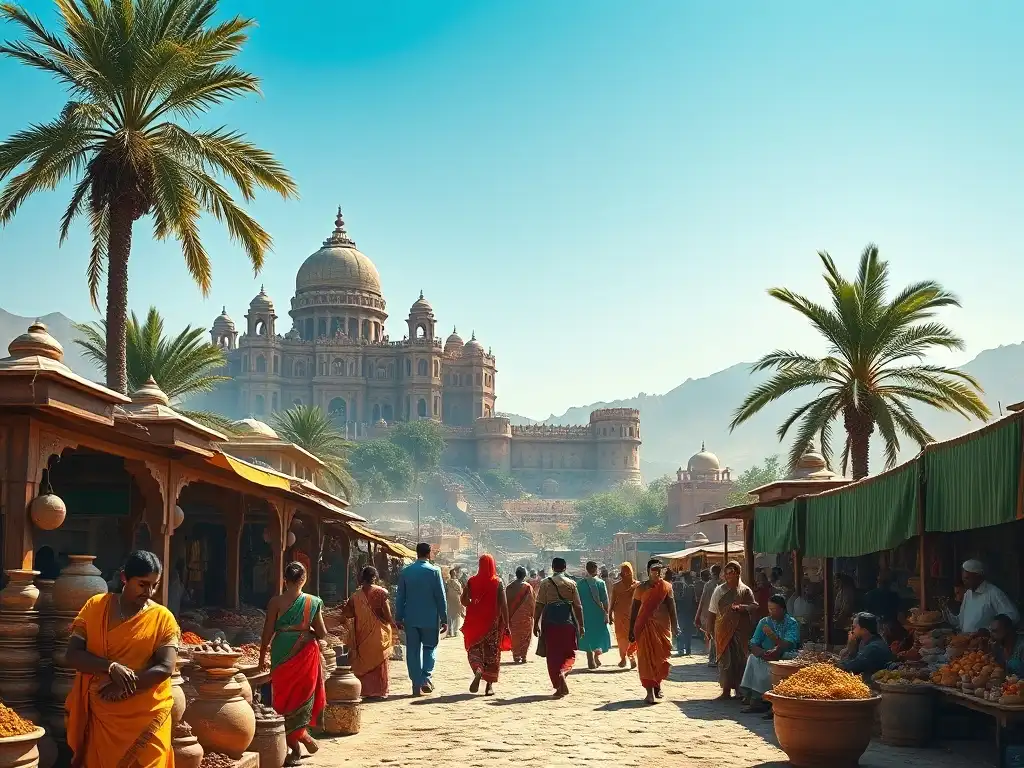
The Maurya Empire, which flourished from 322 to 185 BCE, is renowned not only for its political and military achievements but also for its significant contributions to the culinary landscape of ancient India. During this era, the fusion of various cultural influences and regional ingredients laid the groundwork for many culinary traditions that persist today. The empire's vast geography encompassed diverse regions, each contributing unique flavors and cooking techniques.
Key Features of Mauryan Cuisine
Mauryan cuisine is characterized by a blend of simplicity and sophistication, reflecting the empire's rich cultural tapestry. Here are some key features:
- Regional Diversity:
- The Maurya Empire spanned much of the Indian subcontinent, leading to a variety of regional cooking styles. From the rich, spiced dishes of the Gangetic plains to the lighter fare of the Deccan plateau, each region contributed distinct flavors and techniques.
- Use of Spices:
- Spices were integral to Mauryan cuisine, both for flavor and preservation. Popular spices included:
- Turmeric: Known for its color and health benefits.
- Coriander: Used in both seed and leaf forms, enhancing the freshness of dishes.
- Black Pepper: A prized spice that added heat and depth to meals.
- Spices were integral to Mauryan cuisine, both for flavor and preservation. Popular spices included:
- Cooking Techniques:
- The Mauryans employed various cooking methods, including:
- Boiling and Steaming: Common for grains and legumes, promoting health and digestibility.
- Grilling and Roasting: Used for meats and vegetables, infusing them with smoky flavors.
- Fermentation: Techniques like making yogurt (dahi) were prevalent, showcasing the understanding of food preservation.
- The Mauryans employed various cooking methods, including:
- Social and Religious Influences:
- The Maurya Empire was marked by the influence of Buddhism and Jainism, which emphasized vegetarianism. As a result, vegetarian dishes became staples, with lentils, beans, and seasonal vegetables forming the core of daily meals.
Ingredients Commonly Used in Mauryan Cooking
The ingredients used in Mauryan cuisine reflect the agricultural practices and trade networks of the time. Here are some commonly utilized ingredients:
- Grains:
- Rice: A staple food, often paired with lentils or vegetables.
- Wheat: Used for making flatbreads like chapati and paratha.
- Legumes:
- Pulses: Such as lentils (masoor), chickpeas (chana), and mung beans, were essential sources of protein.
- Vegetables:
- Seasonal Vegetables: Including gourds, root vegetables, and leafy greens, were widely consumed and often used in stews and curries.
- Fruits:
- Tropical Fruits: Such as mangoes, bananas, and coconuts, were enjoyed fresh or in desserts.
- Dairy Products:
- Milk, Butter, and Ghee: These were significant in cooking, adding richness and flavor to various dishes.
- Nuts and Seeds:
- Walnuts, Almonds, and Sesame Seeds: Used for garnishing and enriching dishes with texture and flavor.
The culinary practices of the Maurya Empire set the stage for subsequent Indian cuisines, with influences that can still be seen in modern culinary traditions. The legacy of this empire not only shaped the food of its time but also laid a foundation for the rich tapestry of flavors and ingredients that characterize Indian cuisine today.
Historical Influences on Indian Cuisine during the Maurya Period
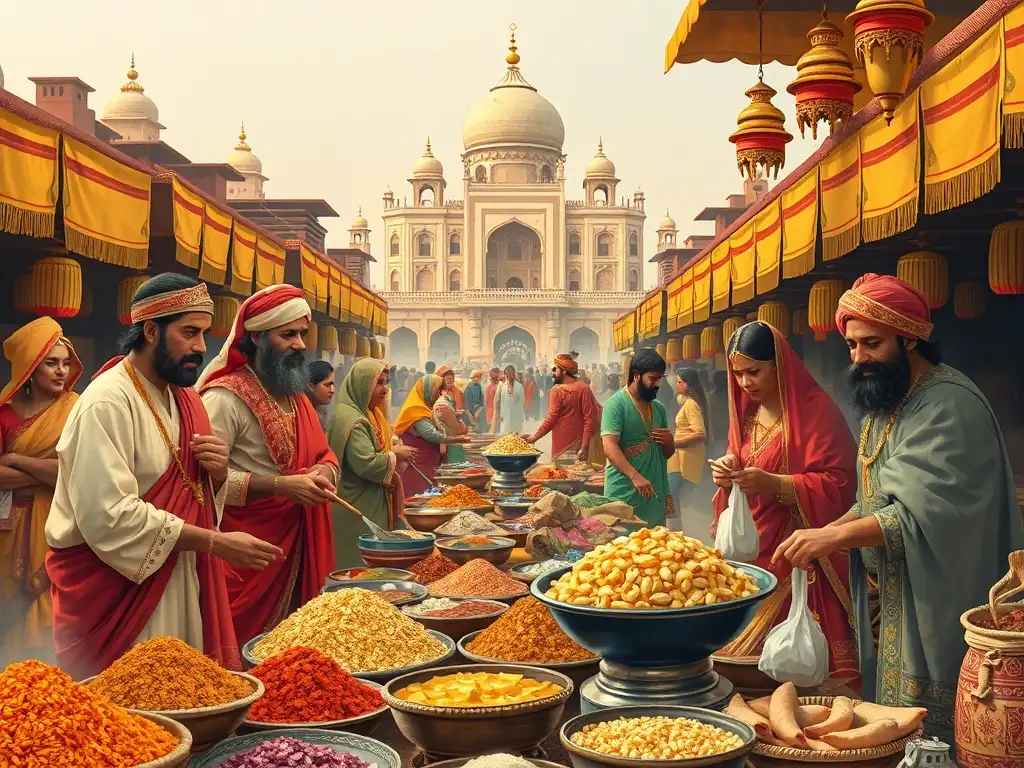
The Maurya Empire, which thrived from approximately 322 to 185 BCE, is recognized not only for its political and military prowess but also for its significant influence on various aspects of Indian culture, including cuisine. This period marked a transformative phase in culinary practices, driven by an intricate web of trade, cultural exchanges, and religious influences that reshaped Indian food traditions.
Trade Routes and Their Role in Culinary Exchange
The Maurya Empire was strategically located along vital trade routes that facilitated the movement of goods, ideas, and culinary practices.
- Silk Road Connections: The Mauryan influence extended towards the Silk Road, where spices, textiles, and food items were exchanged. Spices such as black pepper, cardamom, and saffron began to gain prominence in Indian kitchens, as they were traded extensively with Central Asian and Mediterranean regions.
- Maritime Trade: The Mauryas also engaged in maritime trade with Southeast Asia, which introduced new ingredients and cooking techniques. For instance, the use of coconut and various tropical fruits became more prevalent in Indian cuisine due to these interactions.
- Local Markets: The establishment of local markets and trade centers during the Maurya period encouraged the exchange of regional food items. This led to the incorporation of diverse ingredients from various parts of the subcontinent, enriching the culinary landscape.
The fusion of these trade influences resulted in a more complex and vibrant cuisine, characterized by a variety of flavors, textures, and cooking methods.
Cultural Interactions: Influences from Neighboring Regions
The Maurya Empire was not isolated; it was a melting pot of cultures due to its vast expanse and interactions with neighboring regions.
- Persian and Hellenistic Influences: The conquests of Alexander the Great opened up avenues for cultural exchanges between Indian and Hellenistic societies. This resulted in the introduction of new cooking techniques and ingredients. For example, the use of yogurt in cooking and the practice of marinating meats can be traced back to these interactions.
- Regional Diversity: The diverse populations within the Mauryan Empire, including various tribal communities, influenced local cuisines. Ingredients like millet and various legumes were integrated into daily diets, contributing to the rich tapestry of Indian food.
- Festivals and Culinary Practices: Cultural celebrations and festivals also played a crucial role in shaping food traditions. The Maurya period saw the establishment of elaborate feasts and rituals that incorporated a variety of dishes, reflecting the empire's cultural diversity.
The blending of these various influences enriched the Indian culinary heritage, resulting in a distinctive culinary identity that is still celebrated today.
The Impact of Religion on Food Practices
Religion played a pivotal role in shaping food practices during the Maurya Empire, impacting dietary restrictions and culinary traditions.
- Buddhism and Jainism: The rise of Buddhism and Jainism during this period emphasized vegetarianism and non-violence, leading to a significant shift in food practices. This encouraged the consumption of plant-based foods, which became integral to Indian cuisine.
- Royal Patronage: The patronage of emperors like Ashoka, who promoted Buddhist values, further popularized vegetarianism. This shift not only influenced royal kitchens but also permeated into the broader society, leading to an increase in vegetarian dishes.
- Festivals and Rituals: Religious festivals often dictated the types of food prepared and consumed. Offerings to deities and the preparation of special dishes for festivals reflected the spiritual significance of food in daily life.
The influence of religion on food practices during the Maurya Empire laid the foundation for many culinary traditions that continue to thrive in Indian culture today. The intertwining of faith and food created a rich and diverse culinary legacy that is still celebrated in contemporary Indian cuisine.
Signature Dishes of the Maurya Empire
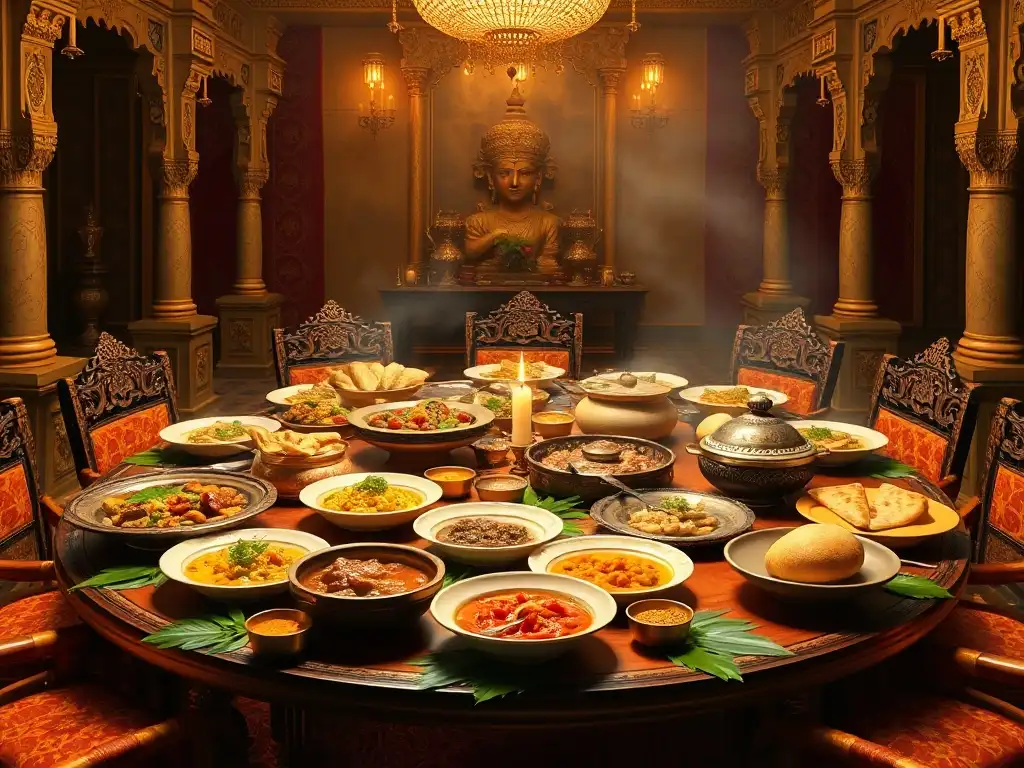
The Maurya Empire, which flourished from 322 to 185 BCE, left an indelible mark on Indian cuisine through its signature dishes. The culinary practices of this era were not only influenced by the diverse geography of the empire but also by the vibrant cultural exchanges that occurred along trade routes. The Mauryan court, known for its lavish feasts, showcased a variety of dishes that highlighted the ingredients and flavors of the time, many of which still resonate within modern Indian cuisine.
Popular Mauryan Dishes and Their Ingredients
The culinary repertoire of the Maurya Empire included an array of dishes that were both simple and sophisticated. Some of the most popular dishes included:
- Kheer (Rice Pudding): A sweet dish made from rice, milk, and sugar, often flavored with cardamom and garnished with nuts.
- Vegetable Curries: A variety of seasonal vegetables were used, typically prepared with spices like turmeric, cumin, and coriander.
- Flatbreads (Roti): Made from whole grain flours, these breads were a staple accompaniment to many meals.
- Meat Dishes: Game meat, such as deer and boar, was often roasted and seasoned with aromatic spices, reflecting the era's royal feasting culture.
The ingredients used in these dishes were sourced from local agriculture and trade. Spices like black pepper, ginger, and asafoetida were common, along with a variety of lentils and legumes that provided protein.
Cooking Techniques Used in Ancient Mauryan Kitchens
Cooking techniques during the Maurya Empire were quite advanced for their time, incorporating methods that enhanced flavors and preserved food. Key techniques included:
- Slow Cooking: Dishes were often simmered over low heat, allowing flavors to meld beautifully over time.
- Spice Grinding: Spices were ground into pastes using stone mortars, which released essential oils and intensified their flavors.
- Tandoor Cooking: Although the clay oven became more prominent in later periods, early forms of this cooking method were utilized to create breads and roasted meats.
- Fermentation: Techniques such as fermenting lentils to make dishes like idli (steamed rice cakes) began to emerge, reflecting a sophisticated understanding of food preservation.
These cooking methods laid foundation stones for various contemporary Indian culinary practices, emphasizing the importance of flavor development and ingredient integrity.
How These Dishes Shape Modern Indian Cuisine
The influence of the Maurya Empire on modern Indian cuisine is both profound and enduring. Many of the dishes and cooking techniques established during this period continue to be staples in Indian households today. For instance, the use of spices and the concept of paired dishes are prevalent throughout Indian culinary traditions.
- Culinary Diversity: The Mauryan emphasis on using local produce and diverse ingredients contributed to the rich tapestry of regional cuisines in India. This diversity is reflected in the myriad of flavors and cooking styles across the country today.
- Festive Feasts: Many modern Indian festivals celebrate dishes that hark back to Mauryan cuisine, with kheer and various curries often gracing tables during celebrations.
- Health and Nutrition: The use of legumes, whole grains, and spices for both flavor and health benefits established principles that are still valued in contemporary Indian cooking.
The legacy of the Maurya Empire is not merely historical; it is woven into the very fabric of Indian culinary identity, influencing how food is prepared, enjoyed, and celebrated across generations.
Legacy of the Maurya Empire on Indian Culinary Traditions
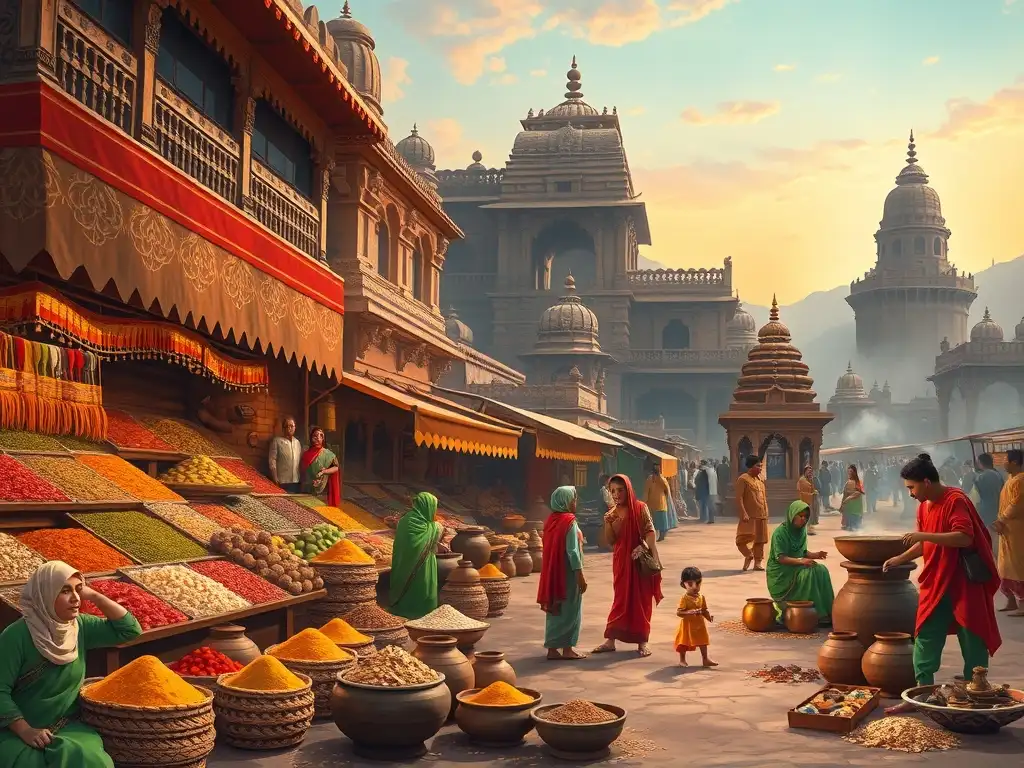
The Maurya Empire, which flourished from approximately 322 to 185 BCE, left a profound mark on many aspects of Indian life, including its culinary traditions. This ancient empire not only expanded its territories but also facilitated the exchange of ideas, cultures, and cuisines across vast regions. The Mauryan influence on cuisine can be observed in various elements such as the introduction of new ingredients, cooking techniques, and the establishment of trade routes that enabled the movement of spices and food items.
The Maurya period is characterized by a rich tapestry of flavors and practices, with emperors like Ashoka promoting vegetarianism influenced by Buddhism. This advocacy not only shaped dietary practices but also influenced regional cuisines that incorporated vegetarian recipes while highlighting the use of spices, herbs, and local produce. The cultural and culinary diversity during this era laid the groundwork for what would evolve into the complex and varied cuisines of modern India.
Lasting Influences on Regional Cuisines across India
The Maurya Empire's extensive reach resulted in a fusion of culinary traditions from various regions of India. This cross-pollination of flavors and techniques has left a lasting impact on regional cuisines, evident in the following ways:
- Spice Trade: The Mauryan Empire was pivotal in establishing trade routes that facilitated the exchange of spices. Spices such as turmeric, cumin, and black pepper became staples in many regional dishes.
- Vegetarianism: The promotion of vegetarianism, especially under Ashoka's reign, led to the incorporation of lentils, legumes, and vegetables into local diets, enriching regional culinary practices.
- Cooking Techniques: The Mauryans introduced various cooking techniques, such as steaming and frying, which have been adapted and evolved into modern methods prevalent in Indian kitchens today.
For instance, the use of ghee (clarified butter) in cooking can be traced back to the Maurya period, influencing North Indian dishes such as dal makhani and paneer tikka. Similarly, the use of intricate spice blends, known as masalas, can be observed in both traditional and contemporary Indian cuisine, showcasing the enduring legacy of Mauryan influence.
Preservation of Ancient Recipes: A Cultural Heritage
The preservation of ancient recipes from the Maurya Empire plays a crucial role in maintaining India's culinary heritage. Many traditional recipes have been passed down through generations, often accompanied by regional modifications. These ancient dishes embody the flavors and techniques that were prevalent during the Mauryan era.
- Manuscripts and Texts: Historical texts, such as the Arthashastra by Kautilya (Chanakya), provide insights into the dietary preferences and culinary practices of the time. Such documents serve as a foundation for understanding the ingredients and methods used in ancient cooking.
- Festivals and Rituals: Many traditional dishes have been preserved through festivals and rituals, where recipes are meticulously followed to honor cultural practices. For example, special sweets made during harvest festivals often reflect ancient cooking techniques and Mauryan influences.
Adaptations and Transformations of Mauryan Dishes in Contemporary Cooking
As Indian cuisine has evolved, many dishes originating from the Maurya Empire have undergone adaptations and transformations, reflecting the changing tastes and availability of ingredients. This evolution is evident in a variety of ways:
- Fusion Cuisine: Contemporary chefs often experiment with ancient recipes, blending traditional Mauryan dishes with modern ingredients and cooking styles. For example, the classic khichdi, a dish made from rice and lentils, has been reimagined with gourmet twists, incorporating exotic spices and flavors.
- Health Consciousness: With a growing awareness of health and nutrition, many traditional Mauryan-inspired dishes are being revisited and modified to feature healthier ingredients, such as whole grains and organic produce. The emphasis on vegetarianism continues to resonate in modern cooking, aligning with today's dietary preferences.
- Global Influence: The diaspora of Indian communities worldwide has led to the globalization of Indian cuisine. Mauryan-inspired dishes have been adapted to meet diverse palates, often resulting in unique culinary interpretations that retain the essence of their origins.
The Maurya Empire's influence on Indian cuisine is both profound and enduring. Its legacy is reflected in regional cuisines, the preservation of ancient recipes, and the ongoing adaptations seen in contemporary cooking. This rich culinary heritage continues to thrive, showcasing the dynamic nature of Indian food traditions while honoring the past.
The Role of the Maurya Empire in Promoting Culinary Tourism
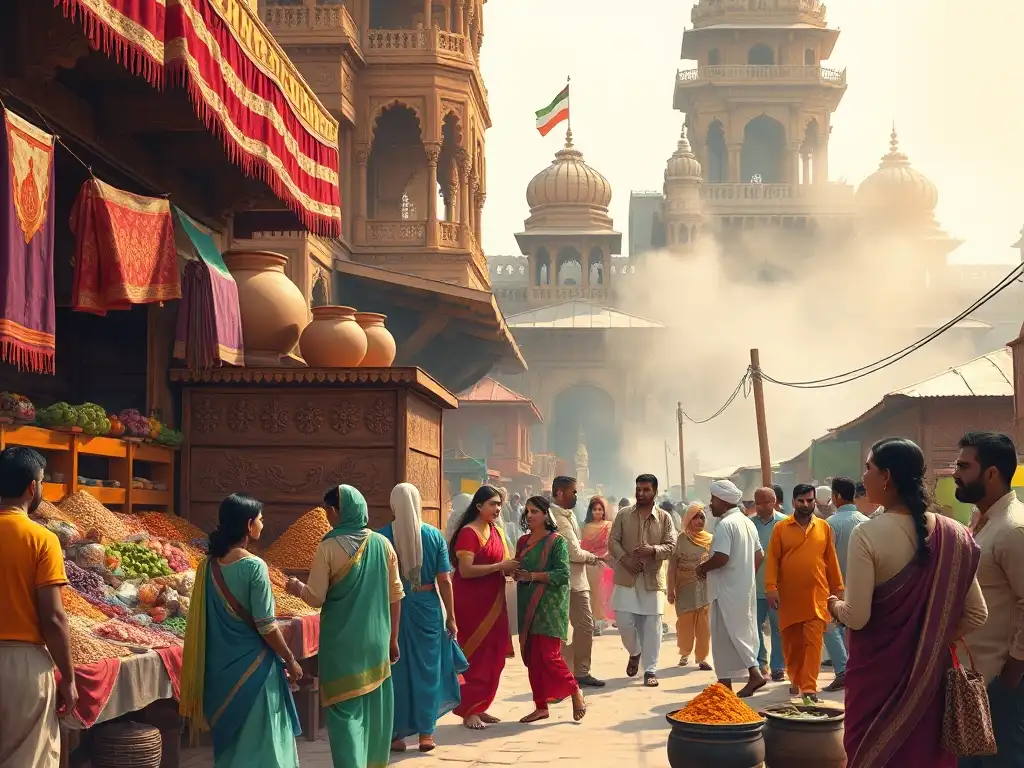
The Maurya Empire, which flourished from 322 to 185 BCE, has left an indelible mark on various aspects of Indian culture, including its cuisine. This ancient empire not only facilitated the exchange of culinary practices through trade and conquests but also established a framework for culinary tourism that resonates with modern-day experiences. The legacy of the Maurya Empire serves as a foundation for exploring the rich tapestry of Indian food traditions, making it a significant focal point for culinary enthusiasts and travelers alike.
Historical Sites and Their Culinary Significance
The Maurya Empire is associated with several historical sites that offer a glimpse into the culinary practices of the time. Notable among these are:
- Pataliputra: The capital city, known for its vibrant markets and diverse culinary offerings, including rice, lentils, and various spices. Archaeological findings suggest that the Mauryan kitchens utilized advanced techniques for cooking, preserving, and serving food.
- Taxila: An ancient hub of learning and trade, Taxila's influence on cuisine was significant due to its cosmopolitan population. Spices and flavors from various regions converged here, leading to the development of unique culinary fusions.
- Nalanda: As a renowned center of education, Nalanda attracted scholars from across the world. This exchange of cultures also influenced local food practices, incorporating elements from Central Asian and Mediterranean cuisines.
The significance of these sites extends beyond their historical value; they serve as reminders of the culinary innovations that emerged during the Maurya Empire, showcasing a blend of local ingredients and foreign influences. Visitors to these sites can engage in guided tours that highlight traditional cooking methods, regional specialties, and the historical context of the dishes served.
Modern-Day Culinary Experiences Inspired by Mauryan Cuisine
Today, the influence of the Maurya Empire on Indian cuisine is evident in various culinary experiences that celebrate its rich heritage. Chefs and food historians are increasingly drawing upon ancient recipes and techniques to create modern interpretations of Mauryan dishes. Some key aspects include:
- Gastronomic Festivals: Events like the "Maha Utsav" celebrate the culinary diversity rooted in ancient Indian traditions. These festivals often feature dishes inspired by the Mauryan era, such as spiced lentil curries and flatbreads cooked on traditional clay ovens.
- Workshops and Cooking Classes: Culinary schools and local artisans offer classes that focus on ancient cooking techniques, including the use of earthenware pots and traditional grinding methods for spices. Participants can learn about the significance of these techniques in preserving flavors and nutrients.
- Restaurant Menus: Several restaurants in India now curate menus that reflect the culinary heritage of the Maurya Empire, showcasing dishes made with locally sourced ingredients and traditional spices. These eateries aim to recreate the flavors of ancient India while providing a contemporary dining experience.
Through these modern culinary experiences, the legacy of the Maurya Empire continues to thrive, attracting food lovers and historians alike who seek to immerse themselves in the flavors of ancient India.
Recommendations for Culinary Tours Exploring Ancient Indian Food Traditions
For those eager to delve deeper into the culinary traditions influenced by the Maurya Empire, several culinary tours offer unique opportunities to explore this rich heritage:
- Culinary Trails of Bihar: This tour includes visits to key historical sites such as Pataliputra and Nalanda, along with immersive cooking experiences in local homes. Participants can learn to prepare traditional Mauryan dishes using ancient techniques.
- Spice Routes of India: This tour focuses on the spices that were traded during the Maurya Empire, highlighting their historical significance and culinary uses. Participants will visit spice markets, participate in tastings, and enjoy meals prepared with these spices.
- Cultural Heritage Tours: Combining history and gastronomy, these tours provide insights into ancient Indian food practices while exploring archaeological sites. Guides often share stories about the impact of the Maurya Empire on local cuisines, enhancing the overall experience.
The Maurya Empire's influence on cuisine continues to be a source of fascination and exploration. By engaging in culinary tourism that celebrates this legacy, travelers can gain a deeper appreciation for the rich and diverse food traditions of ancient India.
Conclusion: Reflecting on the Maurya Empire's Enduring Impact on Cuisine
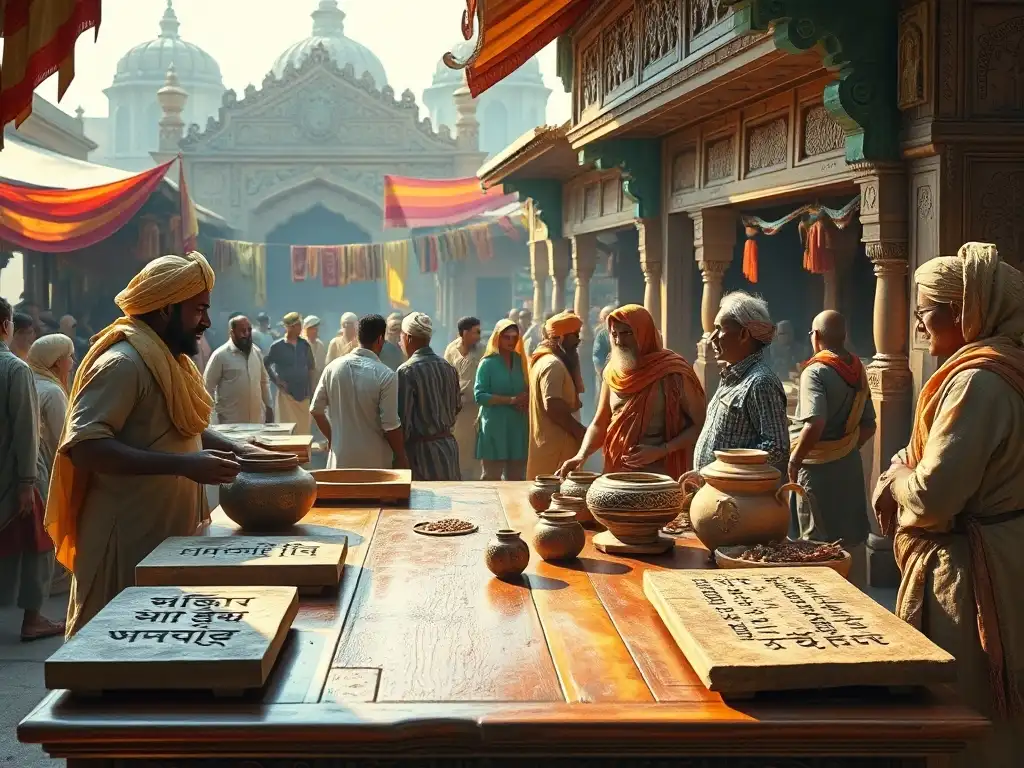
The legacy of the Maurya Empire is deeply intertwined with the evolution of Indian cuisine, showcasing a rich tapestry of influences that continue to resonate today. This ancient empire not only shaped political and social structures but also left an indelible mark on culinary practices, ingredients, and traditions. The integration of diverse regional flavors, the introduction of various cooking techniques, and the emphasis on communal dining during the Maurya period laid the groundwork for what we consider modern Indian cuisine.
Summary of Key Influences and Their Relevance Today
The Maurya Empire's influence on cuisine can be summarized through several key aspects:
- Diverse Ingredients:
- The empire facilitated trade routes that brought a variety of spices, grains, and vegetables from different regions. This diversity enriched local diets and promoted the use of ingredients like rice, lentils, and various spices that are staples in Indian cooking today.
- Culinary Techniques:
- Techniques such as fermenting, pickling, and slow-cooking were popularized during this era. These methods not only enhanced flavors but also contributed to food preservation, which is still a significant aspect of Indian culinary traditions.
- Social Structure and Dining Practices:
- The Mauryan emphasis on communal meals and feasting fostered a culture of sharing food. This practice is evident in modern Indian dining, where meals are often enjoyed with family and friends, signifying unity and hospitality.
- Religious and Cultural Influences:
- The Maurya Empire was marked by a blend of religions, including Buddhism and Jainism, which influenced dietary restrictions and vegetarianism. This has led to a significant vegetarian tradition in India, making it one of the largest vegetarian populations in the world.
- Royal Patronage of Cuisine:
- The Mauryan rulers supported culinary arts, leading to the development of elaborate dishes and the use of royal kitchens. This patronage encouraged the refinement of recipes that have been passed down through generations.
The enduring impact of these influences can be observed in contemporary Indian cuisine, where traditional recipes are often a fusion of ancient practices and modern tastes.
Call to Explore and Appreciate Ancient Indian Food Heritage
As we reflect on the Maurya Empire's influence on cuisine, it is essential to recognize and celebrate this rich culinary heritage. Exploring ancient food traditions not only offers insight into the past but also deepens our appreciation of the diverse flavors and practices that characterize Indian cuisine today.
By engaging with historical recipes, visiting cultural festivals, or participating in culinary workshops, individuals can gain a greater understanding of how the legacy of the Maurya Empire continues to shape our dining experiences. Whether through the aromatic spices of a traditional curry or the communal joy of sharing a meal, the echoes of the Maurya Empire are present in every bite, inviting us to savor the richness of our ancient food heritage.
Join us in this journey of culinary discovery, as we honor the past and its lasting impact on the flavors we cherish today!
Frequently Asked Questions
What was the Maurya Empire's impact on Indian cuisine?
The Maurya Empire significantly influenced Indian cuisine by introducing a variety of spices and cooking methods that enriched the culinary landscape.
How did the Maurya Empire contribute to the spread of culinary traditions?
The Maurya Empire facilitated trade and cultural exchange, which allowed cooking techniques and ingredients to spread across regions, shaping diverse culinary practices.
Are there specific dishes that originated during the Maurya Empire?
Yes, many traditional dishes can trace their roots back to the Maurya Empire, particularly those that incorporate spices like turmeric and cumin.
What role did religion play in the cuisine during the Maurya Empire?
Religious customs in the Maurya Empire influenced dietary practices, with many people adhering to vegetarianism due to the teachings of Buddhism and Jainism.
How does the legacy of the Maurya Empire continue to affect modern Indian cuisine?
The culinary techniques and flavors established during the Maurya Empire remain integral to modern Indian cuisine, showcasing a rich heritage that endures today.
Final Reflection: The Enduring Influence of the Maurya Empire on Indian Cuisine
The legacy of the Maurya Empire continues to resonate in contemporary Indian cuisine, illustrating how historical empires shape cultural identities. The culinary practices established during this era not only laid the foundation for regional flavors but also fostered a rich tapestry of diverse ingredients and cooking techniques that we still cherish today. As we savor the spices and dishes that define Indian cuisine, we are reminded of the profound impact that the Maurya Empire had on our palates and culinary traditions.
The Maurya Empire's influence on cuisine is a testament to the power of cultural exchange and adaptation. From the introduction of new spices to the fusion of regional cooking styles, the culinary landscape of India has been shaped by the legacies of its past. This ongoing evolution reflects the dynamic nature of food as a cultural artifact. As noted by culinary historian Vikram Seth, Food is not just sustenance; it is a narrative of our history, our migrations, and our identities.
This quote encapsulates the essence of how the Maurya Empire's contributions have woven themselves into the very fabric of Indian society.
As we reflect on the rich history of the Maurya Empire and its lasting impact on Indian cuisine, I invite you to explore your own culinary heritage. Consider the dishes that have been passed down through generations in your family and how they connect to broader cultural narratives. Embrace the flavors of the past while looking forward to the future of cuisine, where innovation and tradition can coexist harmoniously. Let us celebrate the legacy of the Maurya Empire by honoring our diverse culinary practices and continuing to share the stories behind our food.
Uncover the Flavors of History!
Thank you for diving into the rich heritage of the Maurya Empire and its impact on Indian cuisine! Through your exploration, you've gained insights into how ancient influences still tantalize our taste buds today. Now, let's take the next step to savor these traditions and share this delicious legacy with others!
- Experiment with a Mauryan-inspired recipe: Try your hand at preparing a dish that reflects the flavors of the era, such as a classic lentil curry or aromatic spiced rice. Share your culinary creation on social media and tag us!
- Join a local cooking class: Look for classes that focus on traditional Indian cooking techniques. It's a fantastic way to immerse yourself in this flavorful journey and connect with fellow food enthusiasts.
- Start a community potluck: Gather friends and family to share dishes inspired by Mauryan cuisine. This not only encourages a deeper exploration of history but also fosters connections through the joy of food.
What aspect of Mauryan cuisine are you most excited to explore in your own cooking? We invite you to share your thoughts with us in the comments!