
The Influence of Ancient Indian Scripts on Modern Languages

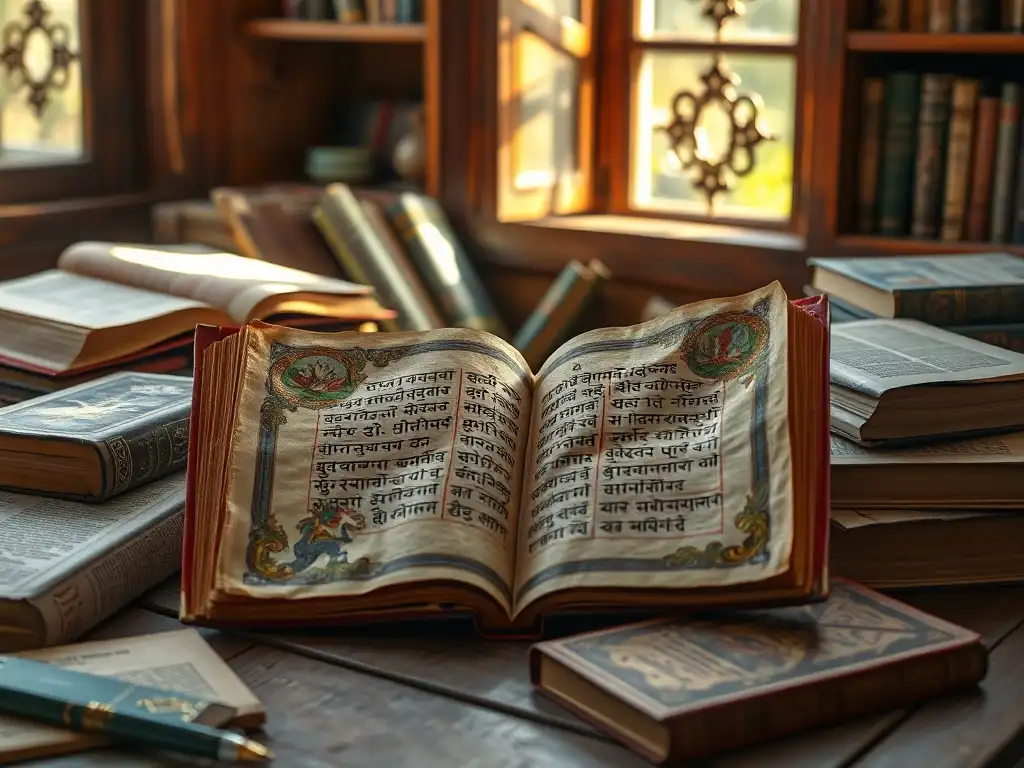
Welcome to Ancient India History, where we embark on an enchanting journey through the rich tapestry of India's ancient civilizations. Dive deep into the captivating world of ancient Indian scripts influence, as we unravel how these remarkable writings have shaped modern languages and cultures. From the intricate inscriptions of the Indus Valley to the scholarly achievements of the Gupta Empire, each artifact tells a story waiting to be discovered. Join us as we explore the profound impact of these scripts and unveil the secrets they hold—your adventure into the past begins now!
Introduction to Ancient Indian Scripts Influence
The influence of ancient Indian scripts on modern languages is a profound testament to the rich heritage and cultural legacy of Indian civilization. These scripts, which served as the backbone of communication and literature in ancient times, have played a pivotal role in shaping not only the languages of the Indian subcontinent but also those of neighboring regions.
By studying these scripts, we gain insight into the evolution of language, the transmission of knowledge, and the interconnectedness of cultures throughout history. This article explores the various dimensions of ancient Indian scripts, their historical context, and their enduring impact on contemporary languages.
Overview of Ancient Indian Scripts
Ancient Indian scripts are a collection of writing systems that emerged in the Indian subcontinent, each reflecting the diverse linguistic and cultural landscape of the region. Among the most notable scripts are:
- Brahmi: Often considered the mother of many Indian scripts, Brahmi dates back to the 3rd century BCE and is known for its syllabic nature.
- Kharosthi: Used primarily in the northwest regions of India, this script was contemporaneous with Brahmi and is characterized by its unique right-to-left writing style.
- Tamil Script: Evolving from the Brahmi script, this script has a long history and is still used today, showcasing the continuity of ancient traditions.
These scripts not only facilitated the documentation of language but also played a crucial role in the dissemination of religious and philosophical texts.
Importance of Studying Ancient Scripts
Studying ancient Indian scripts is vital for several reasons:
- Cultural Preservation: They serve as a window into the beliefs, practices, and social structures of ancient civilizations.
- Linguistic Insights: Understanding these scripts allows linguists to trace the evolution of modern languages, revealing the roots of vocabulary and grammar.
- Historical Context: Ancient scripts provide context for historical events, trade relationships, and migrations, enriching our understanding of ancient Indian history.
Historical Context of Ancient Indian Scripts
Origins of Ancient Indian Scripts
The origins of ancient Indian scripts can be traced back to the early forms of writing that appeared around the 3rd century BCE. The Brahmi script, in particular, is believed to have evolved from the Proto-Sinaitic script, which was influenced by Semitic writing systems. This script was pivotal in recording inscriptions, edicts, and literary works, thus laying the foundation for subsequent scripts.
Evolution of Scripts Through Different Periods
Over the centuries, ancient Indian scripts underwent significant transformations due to various factors, including cultural exchange, regional influences, and the rise and fall of empires. Key phases in their evolution include:
- Early Period (3rd century BCE - 5th century CE): The emergence of Brahmi and Kharosthi, laying the groundwork for later scripts.
- Classical Period (5th century CE - 12th century CE): The proliferation of regional scripts, such as Gupta and Nagari, reflecting linguistic diversity.
- Medieval Period (12th century CE - 18th century CE): The development of scripts like Devanagari, which became widely used for Sanskrit and several modern languages.
Key Ancient Indian Scripts and Their Characteristics
Several ancient Indian scripts have left a lasting legacy, each with distinctive characteristics:
| Script | Time Period | Characteristics |
|---|---|---|
| Brahmi | 3rd century BCE | Syllabic, left to right, influenced many Indian scripts. |
| Kharosthi | 3rd century BCE | Right to left, used primarily in northwest India. |
| Gupta | 4th - 6th centuries CE | More rounded forms, influenced by Brahmi, precursor to many modern scripts. |
| Devanagari | 7th century CE onwards | Vertical line at the top, used for Sanskrit and several modern languages. |
The study of these scripts is essential for understanding the linguistic heritage of India and its influence on modern languages, showcasing the enduring legacy of ancient Indian civilization.
The Influence of Ancient Indian Scripts on Modern Languages
The influence of ancient Indian scripts on modern languages is profound, reflecting a rich tapestry of cultural exchange and intellectual evolution. Ancient scripts such as Brahmi and Kharosthi not only served as vehicles for the written expression of early Indian thought but also laid the foundations for many contemporary South Asian languages. This impact extends beyond mere alphabetic representation; it encompasses linguistic structures, phonetics, and even vocabulary that have been absorbed into numerous regional languages.
The historical journeys of these scripts, often intertwined with trade routes and migrations, demonstrate how ancient Indian civilization contributed to the linguistic heritage of neighboring regions. As we delve into this topic, it becomes clear that ancient Indian scripts are not just relics of the past but living influences that continue to shape language development today.
Direct Influence on Regional Languages
The direct influence of ancient Indian scripts on regional languages can be observed prominently in languages such as Hindi, Bengali, Punjabi, and Tamil. These languages, which have evolved over centuries, retain significant phonetic and syntactic features derived from their ancient predecessors.
- Brahmi Script: Considered one of the earliest scripts, Brahmi is the ancestor of many modern scripts, including Devanagari, used for Hindi and Sanskrit. The structural organization of Brahmi has influenced how these languages are written and pronounced.
- Tamil Script: The Tamil script, which has its roots in the ancient Tamil Brahmi, showcases how phonetic representations have persisted over time, maintaining a connection to their historical origins.
- Bengali and Assamese Scripts: Both scripts evolved from the Eastern variant of Brahmi, illustrating the shared linguistic heritage and phonetic characteristics influenced by ancient writing systems.
These languages not only inherit script forms but also adapt their linguistic features, reflecting the historical significance of ancient scripts in shaping their grammar and syntax.
The Spread of Scripts Beyond India
The spread of ancient Indian scripts beyond the geographical boundaries of India is a testament to the cultural and intellectual exchanges that occurred throughout history. Through trade, conquest, and the spread of Buddhism, scripts like Brahmi and Kharosthi traveled across Asia, influencing various languages and scripts.
- Southeast Asia: The Brahmi script laid the groundwork for the development of scripts in Southeast Asian countries, such as Thailand and Myanmar. The Pali language, used in Buddhist texts, was also disseminated in these regions, further embedding Indian scriptural influence.
- Central Asia: The Kharosthi script, used primarily in the northwest of India, found its way into Central Asia and contributed to the development of local scripts. The historical Silk Road facilitated this exchange, promoting the integration of linguistic elements across cultures.
This diffusion not only enriched the local languages but also fostered a sense of shared heritage among diverse cultures.
Mechanisms of Influence: How Ancient Scripts Shaped Modern Languages
Understanding how ancient scripts influenced modern languages involves examining several mechanisms through which linguistic features were adopted and adapted. These mechanisms include direct borrowing of elements, structural influences, and the integration of vocabulary.
Linguistic Features Borrowed from Ancient Scripts
Ancient Indian scripts introduced various linguistic features that have been assimilated into modern languages. These include:
- Alphabetic Systems: The transition from syllabic to alphabetic writing systems facilitated the development of more efficient scripts in regional languages, allowing for greater expression and complexity in written forms.
- Diacritics: The use of diacritics in scripts like Devanagari has influenced modern languages to adopt similar markings to denote phonetic nuances, enhancing pronunciation and comprehension.
These features exemplify how ancient scripts have left an indelible mark on the structural aspects of contemporary languages.
Phonetic and Grammatical Contributions
Ancient Indian scripts have also contributed significantly to the phonetic and grammatical frameworks of modern languages. This influence can be summarized as follows:
- Phonetic Representation: The phonetic systems established in ancient scripts have been preserved in languages like Hindi and Bengali, ensuring that the sounds of the original languages are maintained in modern speech.
- Grammatical Structures: The grammatical nuances, such as the use of gender and case endings in Sanskrit, have influenced the grammatical constructs of many regional languages, shaping their syntax and morphology.
The retention of these features is a clear indicator of the scripts' long-lasting impact.
Vocabulary Enrichment Through Ancient Scripts
Vocabulary enrichment is another critical area where ancient Indian scripts have influenced modern languages. The incorporation of terms from Sanskrit and Prakrit into regional languages has expanded their lexicons, particularly in the realms of literature, philosophy, and science.
- Loanwords: Many modern Indian languages contain loanwords derived from Sanskrit, which were transmitted through ancient texts and manuscripts. These terms often pertain to cultural, religious, and philosophical concepts.
- Literary Traditions: The rich literary traditions established by ancient Indian texts have inspired modern writers, leading to the adoption of stylistic and thematic elements that echo the past.
This continuous flow of vocabulary demonstrates the enduring legacy of ancient scripts in enriching contemporary language use.
Case Studies of Specific Languages Influenced by Ancient Indian Scripts

The influence of ancient Indian scripts on modern languages is profound and multifaceted. Notably, languages such as Hindi, Bengali, and Tamil exhibit direct connections to ancient scripts like Brahmi and its derivatives. This section delves into specific case studies that illustrate how these ancient scripts have shaped contemporary linguistic landscapes.
Hindi: A Modern Language Rooted in Ancient Traditions
Hindi, one of the most widely spoken languages in India today, has its roots deeply embedded in ancient Indian traditions. The Devanagari script, which is used to write Hindi, evolved from the Brahmi script, one of the oldest writing systems in the Indian subcontinent. The transition from Brahmi to Devanagari involved several phonetic changes and adaptations, reflecting the linguistic evolution over centuries.
The influence of ancient Indian scripts is evident in the extensive vocabulary of Hindi, which incorporates a significant number of words derived from Sanskrit. For example, terms related to philosophy, religion, and governance showcase this connection. The preservation of Sanskritic elements in Hindi underscores the script's role in maintaining cultural and historical continuity.
Moreover, the script's phonetic structure allows for the accurate representation of sounds, making Hindi accessible to diverse speakers across northern India. This adaptability has facilitated the language's growth and its ability to absorb influences from other languages, further enriching its lexicon.
Bengali: The Influence of Brahmi Script
Bengali, spoken primarily in the eastern part of India and Bangladesh, has been significantly influenced by the Brahmi script. The Bengali script is derived from the Eastern Nagari script, which itself has roots in Brahmi. This lineage is crucial in understanding how ancient scripts have shaped the written form of the Bengali language.
The evolution of the Bengali script from Brahmi is characterized by distinctive features such as rounded shapes and the use of conjunct consonants. These adaptations were not merely aesthetic; they facilitated the representation of the unique phonetic qualities of the Bengali language, allowing for a more accurate reflection of its sounds.
Additionally, the cultural and literary heritage of Bengal, exemplified by the works of poets like Rabindranath Tagore, demonstrates how the script has served as a vehicle for expression and identity. The rich literary tradition that emerged from this script illustrates the enduring impact of ancient writing systems on modern languages.
Tamil: The Legacy of Ancient Scripts in Dravidian Languages
Tamil, one of the oldest living languages in the world, showcases a unique relationship with ancient scripts. The Tamil script has its origins in the Brahmi script, but it has evolved independently, resulting in distinctive characteristics that set it apart from other Indian scripts. The Tamil script's development reflects the language's Dravidian roots and its historical context.
The influence of ancient scripts is evident in Tamil's extensive literary tradition, which dates back over two millennia. Classical works such as the Tolkāppiyam and the Sangam literature highlight the richness of Tamil, preserved through its script. The connection to ancient writings reinforces the cultural identity of Tamil speakers and their historical continuity.
Moreover, the Tamil script's phonetic nature allows for precise representation of sounds, which is particularly important in maintaining the language's lyrical qualities. The legacy of ancient scripts in Tamil emphasizes the importance of preserving linguistic heritage, as it is an integral part of the broader narrative of Indian civilization.
Challenges in Tracing the Influence of Ancient Indian Scripts
While the influence of ancient Indian scripts on modern languages is evident, several challenges exist in tracing and understanding this influence comprehensively. These challenges arise from a variety of factors, including historical documentation, linguistic interactions, and prevailing misconceptions.
Limitations of Historical Documentation
One of the primary challenges in tracing the influence of ancient Indian scripts is the limitations of historical documentation. Many ancient texts have not survived the test of time, and those that have often exist in fragmented forms. This scarcity of primary sources makes it difficult to establish clear connections between ancient scripts and their modern counterparts.
Additionally, the lack of standardized documentation practices in ancient times means that variations in script usage can lead to ambiguities. Scholars often face hurdles in interpreting inscriptions, which complicates efforts to understand the full extent of ancient scripts' influence on languages.
Complex Interactions Between Languages
The interactions between languages in ancient India were complex and dynamic, further complicating the tracing of influence. Languages often borrowed elements from one another due to trade, migration, and cultural exchange, leading to a rich tapestry of linguistic evolution. This intermingling can make it challenging to pinpoint the origins of specific words or script features.
For example, while Sanskrit has significantly influenced many modern languages, the paths of influence are often intertwined with regional dialects and local languages, resulting in a multifaceted linguistic landscape. Understanding these interactions requires a nuanced approach that considers historical context and sociolinguistic factors.
Misinterpretations and Misconceptions
Misinterpretations and misconceptions surrounding ancient Indian scripts can also hinder efforts to trace their influence. Popular narratives may oversimplify the relationships between scripts and languages, leading to generalized assumptions that do not accurately reflect the complexities involved.
For instance, the assumption that all Indian languages derive directly from a single ancient script can overlook the unique developments and adaptations that have occurred over time. Such misconceptions can skew research and understanding, emphasizing the need for careful analysis and scholarly rigor when studying ancient scripts and their modern implications.
Conclusion: The Lasting Impact of Ancient Indian Scripts on Language Development
The influence of ancient Indian scripts on modern languages is profound and multifaceted. These scripts, such as Brahmi and Kharosthi, have not only shaped the linguistic landscape of South Asia but have also left their mark on languages beyond the Indian subcontinent. The evolution from these ancient scripts into various regional scripts, such as Devanagari, Bengali, and Tamil, illustrates the adaptation and continuity of language.
The spread of these scripts through trade routes, cultural exchanges, and religious dissemination highlights their role in fostering communication and literacy. Additionally, the influence of ancient Indian scripts can be observed in the way they have contributed to the phonetic and syntactic structures of modern languages. As languages evolve, they carry with them the imprints of their historical scripts, showcasing a rich tapestry of linguistic heritage.
The study of ancient Indian scripts continues to reveal new insights into the development of languages, providing a deeper understanding of how writing systems evolve and influence modern communication. It is evident that the legacy of these scripts is not only historical but also vital in shaping contemporary linguistic practices.
Summary of Key Points
- Historical Significance: Ancient Indian scripts such as Brahmi and Kharosthi played a crucial role in the development of writing in South Asia.
- Cultural Transmission: The scripts facilitated the spread of ideas, culture, and religion across regions, influencing neighboring languages.
- Evolution of Modern Scripts: Many modern scripts in India and surrounding areas are derived from ancient Indian scripts, demonstrating their lasting impact.
- Linguistic Influence: Ancient scripts have contributed to the phonetic and grammatical structures of contemporary languages, enriching linguistic diversity.
- Interdisciplinary Studies: The exploration of these scripts benefits from interdisciplinary approaches, combining linguistics, archaeology, and history.
Future Research Directions in Ancient Scripts Influence
Future research on ancient Indian scripts can explore several promising directions:
- Comparative Linguistics: Investigating the similarities and differences between ancient Indian scripts and other contemporaneous scripts across the world can provide insights into cultural exchanges.
- Digital Humanities: Utilizing technology to digitize, analyze, and visualize ancient inscriptions can enhance accessibility and understanding.
- Cognitive Linguistics: Researching how ancient scripts influenced cognitive processes related to language acquisition and usage.
- Sociolinguistic Studies: Examining how the historical context of these scripts influenced language usage within various communities can shed light on social dynamics.
- Evolving Language Practices: Monitoring how modern languages continue to evolve under the influence of their ancient scripts can offer insights into contemporary linguistic trends.
References and Further Reading
Recommended Literature on Ancient Indian Scripts
- "Brahmi: The Script of Ancient India": - This book explores the origins and evolution of the Brahmi script, detailing its significance in historical linguistics.
- "The History of Indian Literature" by Jan Gonda - A comprehensive overview of the development of literature in India, including discussions on script evolution.
- "Indian Epigraphy" by D.C. Sircar - This work provides a detailed examination of inscriptions in ancient Indian scripts, focusing on their historical context and implications.
Online Resources for Exploring Ancient Scripts and Languages
- Digital South Asia Library - A resource offering access to texts and images related to South Asian history, including ancient scripts.
- The Ancient India and Iran Trust - An organization that provides resources and publications focused on the study of ancient Indian languages and scripts.
- The International Journal of South Asian Studies - A scholarly journal that publishes research articles on various aspects of South Asian studies, including linguistics and epigraphy.
- Introduction to Ancient Indian Scripts Influence
- Historical Context of Ancient Indian Scripts
- The Influence of Ancient Indian Scripts on Modern Languages
- Mechanisms of Influence: How Ancient Scripts Shaped Modern Languages
- Case Studies of Specific Languages Influenced by Ancient Indian Scripts
- Challenges in Tracing the Influence of Ancient Indian Scripts
- Conclusion: The Lasting Impact of Ancient Indian Scripts on Language Development
- References and Further Reading
- What are ancient Indian scripts?
- How did ancient Indian scripts influence modern languages?
- What is the significance of Brahmi script in history?
- Are there any regional variations in ancient Indian scripts?
- How does the study of ancient Indian scripts contribute to our understanding of cultural exchange?
Frequently Asked Questions
What are ancient Indian scripts?
Ancient Indian scripts refer to the writing systems developed in India, such as Brahmi and Kharosthi, which played a crucial role in the documentation of languages and cultures.
How did ancient Indian scripts influence modern languages?
These scripts laid the foundation for many modern writing systems in South and Southeast Asia, impacting languages like Hindi, Bengali, and Tamil through their phonetic structures.
What is the significance of Brahmi script in history?
The Brahmi script is one of the earliest known writing systems in India, serving as a precursor to many subsequent scripts and contributing significantly to the development of literacy in the region.
Are there any regional variations in ancient Indian scripts?
Yes, ancient Indian scripts had various regional adaptations that influenced local languages and dialects, resulting in unique scripts such as Devanagari and Tamil script.
How does the study of ancient Indian scripts contribute to our understanding of cultural exchange?
Studying these scripts reveals insights into historical trade routes, migration patterns, and cultural interactions, showcasing how ancient Indian civilizations influenced neighboring cultures and languages.
Final Reflection: The Enduring Legacy of Ancient Indian Scripts
The influence of ancient Indian scripts on modern languages is not merely a historical curiosity; it is a vibrant thread woven into the fabric of contemporary communication. As we navigate a world increasingly shaped by globalization and technological advancement, the echoes of these ancient scripts remind us of the profound connections that transcend time and geography. The evolution of language is a testament to our shared human experience, and understanding these influences enriches our appreciation for the diversity and depth of modern linguistic landscapes.
The impact of ancient Indian scripts extends beyond mere letters and symbols; it shapes cultural identities and social narratives. Today, we witness a resurgence of interest in these scripts, as scholars, linguists, and enthusiasts alike strive to preserve and celebrate their legacy. This ongoing dialogue between the past and present underscores the importance of recognizing our roots in shaping our future. Languages are the most powerful instruments of preserving and developing our tangible and intangible heritage.
- Kofi Annan. This quote encapsulates the essence of how ancient scripts continue to inform and inspire our modern linguistic practices.
As we reflect on the lessons drawn from the influence of ancient Indian scripts, let us embrace the opportunity to explore our own linguistic heritage and its impact on our identities. I invite you to delve into the stories behind the words you use every day, to appreciate the rich tapestry of language that connects us all. By acknowledging and celebrating these influences, we not only honor the past but also empower ourselves to shape a more inclusive and understanding future.
Unveil the Rich Legacy of Ancient Scripts!
Thank you for taking the time to explore the profound influence of ancient Indian scripts on modern languages. Your curiosity not only enriches your knowledge but also bridges the past with the present, showcasing the timeless nature of language evolution.
Now, let's take the insights from this article and translate them into action! Here’s how you can dive deeper and continue your journey of exploration:
- Join a local or online workshop on ancient languages and their modern counterparts. Engaging with experts can enhance your understanding and appreciation.
- Share your favorite insights from this article with friends or on social media. Spark a conversation about the enduring impact of ancient languages in today’s world!
- Explore further by reading books or visiting museums dedicated to ancient scripts, revealing the stories and cultures that shaped our languages.
What aspect of ancient Indian scripts fascinates you the most, and how do you think it can shape the future of modern languages? Let's discuss!