
The Role of Archaeology in Uncovering Ancient Epigraphy

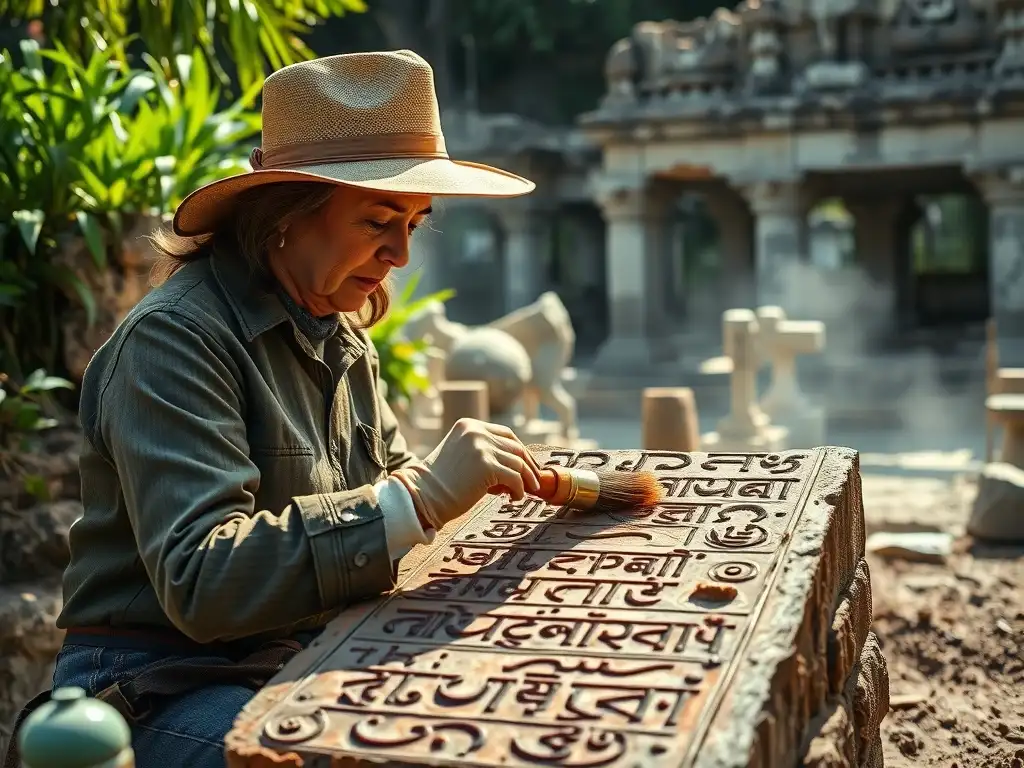
Welcome to Ancient India History, where we embark on a captivating journey through the rich tapestry of ancient Indian civilizations! Delve into the fascinating world of ancient Indian epigraphy archaeology, a field that unlocks the secrets of the past through inscriptions that tell the stories of our ancestors. In our featured article, "The Role of Archaeology in Uncovering Ancient Epigraphy," we invite you to discover how these invaluable artifacts illuminate the cultural and historical significance of ancient India.
Prepare to be intrigued as we explore the remarkable contributions of the past and their lasting impact on our present. Dive in to uncover the mysteries waiting to be revealed!
Introduction to Ancient Indian Epigraphy and Archaeology
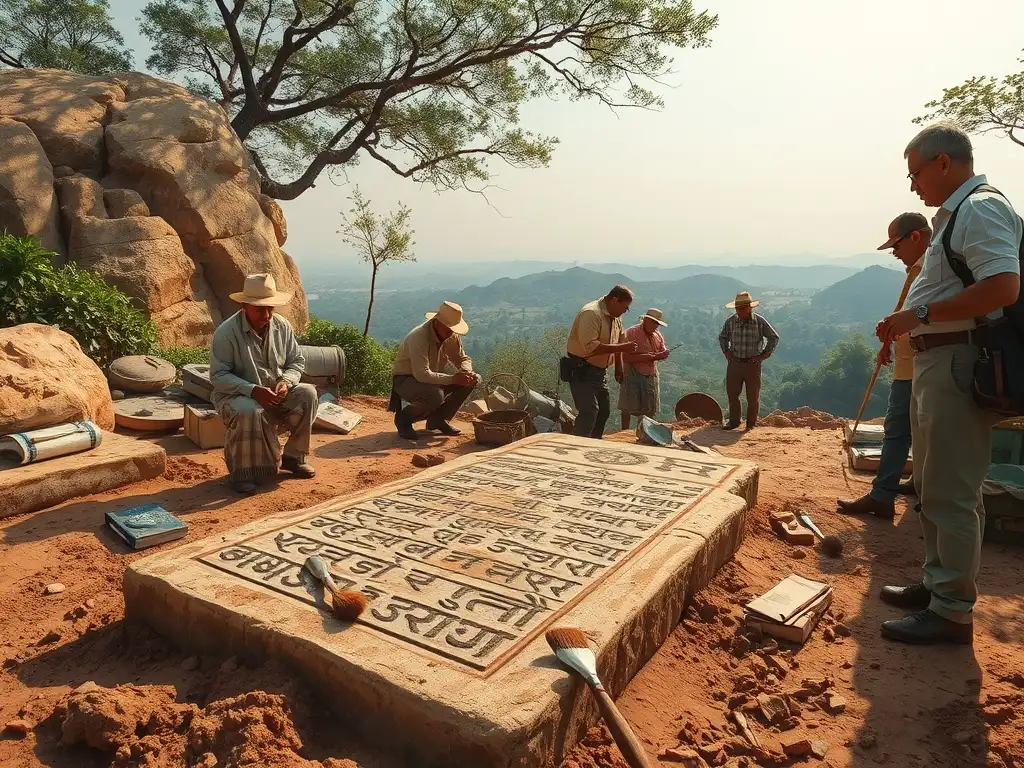
The study of ancient Indian epigraphy plays a crucial role in understanding the rich tapestry of India's past. Epigraphy, the study of inscriptions or written texts from ancient times, provides invaluable insights into the culture, language, and societal structures of ancient civilizations. It serves as a vital link between the present and the past, allowing historians and archaeologists to piece together the narratives that shaped ancient Indian society. The field of archaeology complements this study by uncovering the physical contexts in which these inscriptions were created and used, thus enriching our knowledge of ancient Indian life.
Ancient Indian epigraphy encompasses a wide array of inscriptions found on stone, metal, pottery, and other materials, ranging from the early Indus Valley civilization to the sophisticated Gupta Empire. Each inscription is a fragment of history, often revealing information about rulers, religious practices, trade, and daily life. The integration of archaeological findings with epigraphic studies not only helps in deciphering these ancient scripts but also contextualizes them within the larger framework of historical developments.
Definition of Ancient Indian Epigraphy
Ancient Indian epigraphy refers to the study of inscriptions created during various periods of India's history, primarily from the 3rd century BCE to the 12th century CE. These inscriptions are written in several ancient scripts such as Brahmi, Kharosthi, and various regional scripts, each reflecting the linguistic diversity of the subcontinent.
- Key Characteristics:
- Material: Inscriptions can be found on a variety of materials including stone tablets, copper plates, and pottery.
- Content: They often document royal decrees, religious texts, land grants, and commemorative inscriptions.
- Language: Many inscriptions are in Sanskrit, Prakrit, and Tamil, showcasing the evolution of language over time.
Importance of Archaeology in Epigraphy Studies
Archaeology plays an indispensable role in the study of ancient Indian epigraphy by providing the physical context and evidence necessary for understanding inscriptions. Here’s why archaeology is vital:
- Contextualization: Archaeological excavations help locate inscriptions in situ, offering insights into their use and significance within their original environments.
- Dating and Authenticity: Artifacts unearthed alongside inscriptions can help date them more accurately, enhancing our comprehension of historical timelines.
- Cultural Insights: Archaeological findings often reveal the cultural practices, trade routes, and interactions between different civilizations, illuminating the broader historical narratives that inscriptions alone cannot provide.
Historical Context of Ancient Indian Epigraphy
To appreciate the significance of ancient Indian epigraphy, it is essential to understand the historical context in which these inscriptions were created.
Overview of Major Ancient Indian Civilizations
Ancient India was home to several major civilizations, each contributing uniquely to the development of epigraphy:
- Indus Valley Civilization (c. 3300–1300 BCE): Known for its advanced urban planning and script, though still undeciphered, this civilization laid foundational aspects of writing in India.
- Maurya Empire (c. 322–185 BCE): The reign of Ashoka is marked by the proliferation of inscriptions that promote Buddhism and ethical governance.
- Gupta Empire (c. 240–550 CE): This period is renowned for its advancements in arts and sciences, and inscriptions from this era reflect the socio-political landscape and achievements.
Key Discoveries in Ancient Indian Epigraphy Through Archaeology
Several archaeological discoveries have significantly advanced our understanding of ancient Indian epigraphy:
- Ashoka's Edicts: Discovered at various sites, these rock edicts provide insights into Ashoka's policies and the spread of Buddhism.
- Inscriptions from the Gupta Period: Numerous copper plates and temple inscriptions reveal the patronage of art and religion during the Gupta rule.
- Regional Variations: Archaeological findings in South India, such as inscriptions in Tamil, highlight the linguistic diversity and local governance systems.
Through these discoveries, the intricate relationship between archaeology and epigraphy continues to unfold, offering a deeper understanding of ancient Indian civilizations and their legacies.
Methods of Archaeological Investigation in Epigraphy
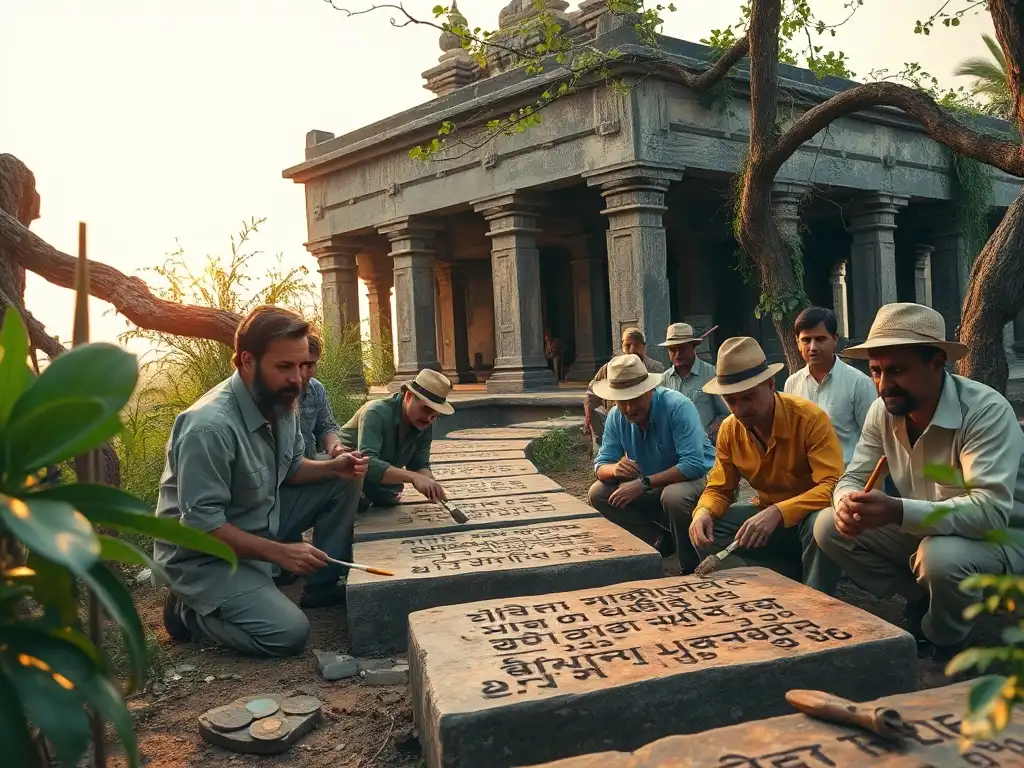
Archaeological investigation in the field of epigraphy involves a systematic approach that combines traditional archaeology with advanced technological methods. The primary goal is to uncover, analyze, and interpret inscriptions that provide valuable insights into ancient cultures, languages, and historical contexts. Various methods are employed, including:
- Field Surveys: Archaeologists conduct systematic surveys of potential epigraphic sites, documenting surface inscriptions and identifying locations for further excavation.
- Excavation: Targeted excavations are performed at sites where inscriptions are believed to be buried, allowing for the recovery of artifacts and inscriptions in situ.
- Documentation: Detailed recording of inscriptions is crucial. This involves photography, sketching, and transcription to preserve the original context and appearance of the inscriptions.
- Conservation: Preservation techniques are applied to protect discovered inscriptions from deterioration, employing methods that stabilize and restore them to their original form.
- Analysis: Once inscriptions are recovered, they undergo linguistic and contextual analysis to decode their meanings and understand their historical significance.
These methods collectively enhance the understanding of ancient Indian epigraphy and its role in the broader narrative of Indian history.
Excavation Techniques Used in Ancient Epigraphy
Excavation techniques in ancient epigraphy are tailored to address the unique challenges posed by inscribed materials. These techniques include:
- Stratigraphic Excavation: This method involves digging in layers to understand the chronological sequence of habitation and artifact deposition. By carefully stratifying layers, archaeologists can ascertain the date and context of inscriptions.
- Vertical Excavation: Focused on specific areas, this technique allows for a concentrated study of particular inscriptions or features, often revealing the relationship between different layers of artifacts and inscriptions.
- Remote Sensing: Technologies like ground-penetrating radar (GPR) and LiDAR can reveal buried structures and inscriptions without invasive digging, allowing archaeologists to plan their excavations more effectively.
- Micro-excavation: This meticulous technique is employed for delicate inscriptions, utilizing fine tools to excavate around fragile materials without damaging them, ensuring the integrity of the findings.
These excavation techniques are vital to recovering inscriptions accurately and preserving their historical context, enabling a deeper understanding of ancient civilizations.
Technologies Enhancing Archaeological Epigraphy Research
Technological advancements have revolutionized archaeological epigraphy research, providing tools that enhance the discovery and analysis of ancient inscriptions. Some key technologies include:
- 3D Scanning and Modeling: This technology creates precise digital replicas of inscriptions, enabling researchers to analyze them in detail without physical contact. 3D models can also help in visualizing inscriptions in their original contexts.
- Photogrammetry: Utilizing photographs taken from multiple angles, photogrammetry reconstructs three-dimensional images of inscriptions, aiding in their analysis and interpretation.
- Chemical Analysis: Techniques such as X-ray fluorescence (XRF) and Raman spectroscopy are employed to analyze the composition of materials used in inscriptions, offering insights into their origins and dating.
- Artificial Intelligence: AI and machine learning algorithms are increasingly being used to assist in the deciphering of ancient scripts, comparing known inscriptions with new findings to identify patterns and potential meanings.
These technologies significantly enhance the capabilities of archaeologists and epigraphers, allowing for more thorough investigations and a deeper understanding of ancient Indian epigraphy.
Case Studies of Archaeological Discoveries in Ancient Indian Epigraphy
Case studies of archaeological discoveries provide concrete examples of how epigraphy has enriched our understanding of ancient Indian civilizations. Notable findings include the inscriptions from the Indus Valley Civilization and the Gupta Empire.
The Indus Valley Civilization: Inscriptions and Findings
The Indus Valley Civilization (IVC), one of the world's earliest urban cultures, produced various inscriptions that have intrigued researchers for decades. These inscriptions are primarily found on seals, pottery, and other artifacts, showcasing a script that remains undeciphered. Key findings include:
- Seals: The famous IVC seals, often made of steatite, feature intricate carvings, including animals and symbols. Some seals contain short inscriptions that suggest a form of writing, possibly used for trade or administrative purposes.
- Script Analysis: Despite extensive research, the Indus script's meaning remains elusive. However, archaeologists have identified patterns and recurring symbols, indicating a complex system of communication that may have facilitated trade across the region.
- Cultural Insights: The inscriptions offer glimpses into the socio-economic structure of the IVC, suggesting organized trade networks and possibly religious or ceremonial practices.
These findings underscore the significance of inscriptions in understanding the IVC's complexities and contributions to early Indian civilization.
Gupta Empire Epigraphs: Insights from Archaeological Excavations
The Gupta Empire, often referred to as the "Golden Age of India," is renowned for its advancements in art, science, and literature, and its epigraphs play a crucial role in documenting this era. Noteworthy discoveries include:
- Ashoka Pillars: Although primarily associated with the Mauryan Empire, Ashoka's inscriptions continued to influence Gupta rulers. Archaeological excavations have uncovered pillars bearing edicts that reflect the values of governance and ethics during the Gupta period.
- Temple Inscriptions: Numerous temple inscriptions from the Gupta era have been discovered, providing insights into the patronage of art and architecture. These inscriptions often commemorate the deeds of rulers and the contributions of various artisans.
- Literary References: The inscriptions also reference literary works and scholars of the time, highlighting the cultural and intellectual achievements of the Gupta Empire. This helps establish a timeline of historical events and cultural developments.
The epigraphs from the Gupta Empire not only reflect its grandeur but also serve as vital historical documents that enrich our understanding of ancient Indian society and its contributions to global civilization.
Challenges Faced in Ancient Indian Epigraphy Archaeology
The field of ancient Indian epigraphy archaeology is fraught with numerous challenges that hinder the complete understanding and appreciation of historical inscriptions. These challenges stem from various factors, including preservation issues, the complexities of interpreting ancient languages, and contextual difficulties in archaeological sites. Addressing these challenges is crucial for archaeologists and historians who seek to reconstruct the rich cultural heritage of ancient India through its epigraphic records.
Preservation Issues of Ancient Epigraphs
Preservation is one of the foremost challenges faced in ancient Indian epigraphy archaeology. Many epigraphs have suffered from exposure to the elements, pollution, and human activity over centuries. The materials used for inscriptions, such as stone, metal, and clay, have varying degrees of durability. While stone inscriptions may endure for millennia, softer materials like clay tablets are often more susceptible to degradation.
- Environmental Factors: Weathering due to rain, wind, and temperature fluctuations can erode inscriptions, making them difficult to read. For instance, inscriptions found in coastal areas may be affected by saltwater corrosion.
- Human Impact: Activities such as urban development, mining, and agriculture can lead to the destruction of potential archaeological sites, resulting in the loss of invaluable epigraphic evidence.
- Technological Limitations: Although modern technology, such as 3D scanning and photogrammetry, aids in the preservation and analysis of inscriptions, many sites remain under-researched or poorly documented due to a lack of funding and resources.
Interpretation Difficulties in Archaeological Contexts
Interpreting ancient Indian epigraphy poses significant challenges, particularly in understanding the context in which these inscriptions were created.
- Linguistic Variations: Ancient Indian languages, including Sanskrit, Prakrit, and Tamil, encompass a wide range of dialects and scripts. The evolution of language over time complicates the interpretation of inscriptions, as meanings may shift or become obscure.
- Cultural Context: Inscriptions often reflect the sociopolitical and religious contexts of their time. Without a comprehensive understanding of the historical backdrop, scholars may misinterpret the significance of certain phrases or symbols.
- Fragmentary Evidence: In many cases, only partial inscriptions are discovered, leading to gaps in knowledge. This fragmentary evidence requires archaeologists to piece together incomplete narratives, which can lead to varied interpretations.
The Impact of Archaeology on Understanding Ancient Scripts
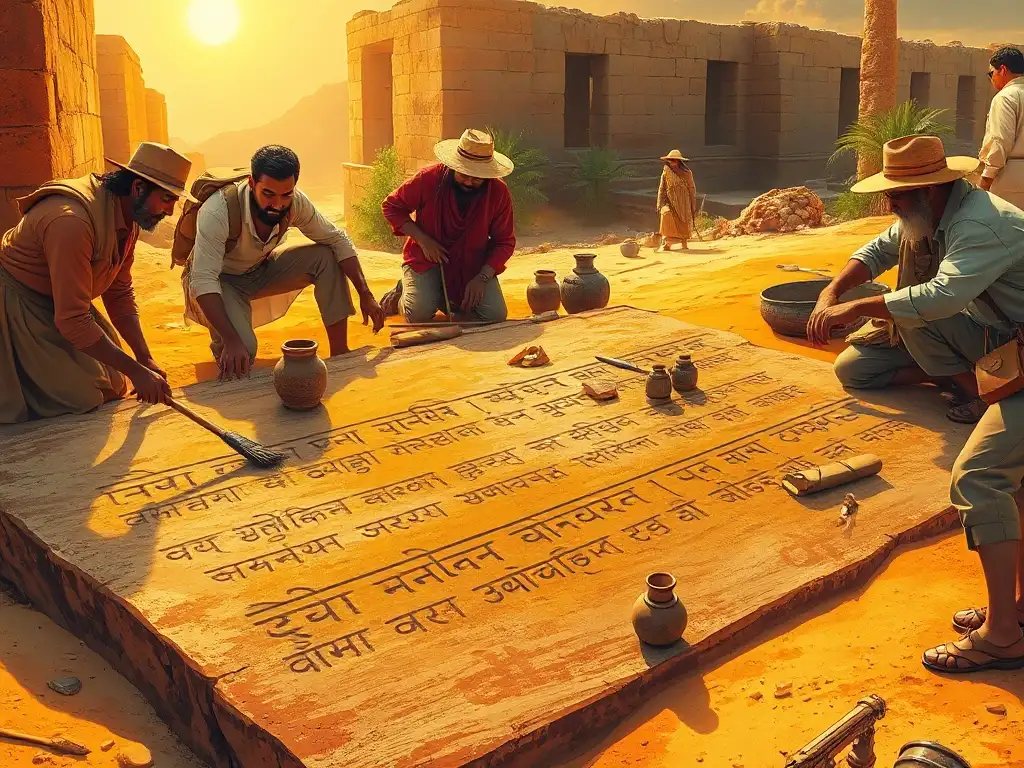
Archaeology plays a pivotal role in enhancing our understanding of ancient scripts and languages in India. Through systematic excavations and careful analysis of artifacts, archaeologists have uncovered a wealth of information that contributes to the deciphering of ancient Indian epigraphy.
How Archaeological Findings Illuminate Ancient Languages
Archaeological findings provide critical insights into the languages and scripts used in ancient India.
- Discovery of Inscriptions: The discovery of inscriptions at sites such as the Indus Valley Civilization has revealed early forms of writing, offering glimpses into the linguistic capabilities of ancient cultures.
- Cultural Interactions: Artefacts that showcase bilingual inscriptions or inscriptions in multiple scripts help scholars understand the interactions between different cultures and languages over time. For example, the presence of Brahmi and Kharosthi scripts in various regions indicates the spread of ideas and linguistic evolution.
- Contextual Analysis: By correlating inscriptions with other archaeological evidence, such as pottery, tools, and architectural styles, archaeologists can reconstruct the linguistic landscape of ancient societies and their communication practices.
The Role of Archaeology in Deciphering Ancient Scripts
The collaborative efforts between archaeology and epigraphy have significantly advanced the deciphering of ancient scripts.
- Contextual Clues: Archaeological contexts provide essential clues about the use and purpose of inscriptions. Understanding where an inscription was found—such as in a temple, grave, or public space—can inform its intended message and audience.
- Interdisciplinary Approaches: The integration of disciplines such as linguistics, anthropology, and history enriches the analysis of inscriptions. Archaeologists often work alongside linguists to decode scripts, leading to more accurate interpretations.
- Preservation Techniques: Advances in preservation techniques, including chemical treatments and digital imaging, have made it possible to recover and analyze inscriptions that were previously unreadable or severely damaged, thus expanding the corpus of ancient Indian epigraphy.
While challenges abound in ancient Indian epigraphy archaeology, the field continues to evolve. By addressing preservation issues and interpretation difficulties, and leveraging archaeological findings, scholars can gain deeper insights into the languages and cultures of ancient India.
Future Directions in Ancient Indian Epigraphy Archaeology
The future of ancient Indian epigraphy archaeology holds tremendous promise, driven by advancements in technology and a growing understanding of the cultural significance of inscriptions. Researchers are increasingly focusing on interdisciplinary approaches to enhance the study of ancient scripts, combining archaeology with linguistics, history, and digital humanities. This collaborative framework aims to uncover deeper insights into the social, political, and religious contexts of ancient inscriptions.
Moreover, there is a concerted effort to explore less-studied regions and lesser-known inscriptions, expanding the geographical scope of epigraphic research. This includes using modern survey techniques and geographic information systems (GIS) to map ancient sites and inscriptions more accurately, potentially leading to new discoveries. As scholars continue to engage with local communities, the integration of indigenous knowledge and perspectives will also play a pivotal role in the future of epigraphic studies.
Emerging Technologies in Epigraphy Research
Emerging technologies are revolutionizing the field of ancient Indian epigraphy archaeology. Techniques such as 3D scanning, photogrammetry, and digital imaging are allowing researchers to capture detailed images of inscriptions without causing damage to the artifacts. These high-resolution images facilitate virtual analysis, enabling scholars to examine inscriptions from various angles and under different lighting conditions, revealing details that may be invisible to the naked eye.
Additionally, machine learning and artificial intelligence are being leveraged to assist in deciphering ancient scripts. Algorithms can analyze patterns in inscriptions, compare them with known scripts, and suggest potential translations. Such advancements not only speed up the research process but also enhance the accuracy of interpretations. As these technologies continue to evolve, they promise to unlock previously inaccessible knowledge from ancient texts.
The Role of Collaborative Efforts in Advancing Epigraphy Studies
Collaborative efforts are crucial for the advancement of ancient Indian epigraphy studies. Interdisciplinary teams comprising archaeologists, historians, linguists, and computer scientists are working together to tackle complex questions surrounding ancient inscriptions. This cooperative approach fosters the sharing of expertise and resources, leading to more comprehensive research outcomes.
Furthermore, partnerships between academic institutions and local archaeological organizations can enhance fieldwork and data collection. Engaging local communities in the preservation and study of their cultural heritage not only enriches the research process but also promotes a sense of ownership and responsibility towards ancient sites. By fostering collaboration on multiple fronts, the field of epigraphy can make significant strides in understanding the rich tapestry of ancient Indian civilizations.
Conclusion: The Significance of Archaeology in Uncovering Ancient Epigraphy
The role of archaeology in uncovering ancient epigraphy is invaluable. Archaeological excavations often lead to the discovery of inscriptions that provide critical insights into the social, political, and cultural dynamics of ancient Indian societies. These inscriptions serve as primary sources, offering direct evidence of historical events, linguistic evolution, and the practices of ancient peoples.
Summary of Key Contributions of Archaeology to Epigraphy
Archaeology contributes to epigraphy in several key ways:
- Discovery of Inscriptions: Excavations often reveal inscriptions in situ, providing context that enhances their interpretation.
- Preservation of Artifacts: Archaeologists play a vital role in conserving inscriptions and the sites where they are found, ensuring their longevity for future study.
- Contextual Analysis: The spatial and material context of inscriptions aids in understanding their significance within the broader framework of ancient societies.
These contributions highlight the symbiotic relationship between archaeology and epigraphy, underscoring the importance of both fields in reconstructing ancient histories.
The Ongoing Importance of Archaeology in Preserving Ancient Indian Heritage
The ongoing importance of archaeology in preserving ancient Indian heritage cannot be overstated. As modern development and urbanization threaten ancient sites, archaeological efforts are essential in safeguarding these cultural treasures. Strategies such as site management plans, public awareness campaigns, and community engagement initiatives are critical in promoting the preservation of ancient inscriptions and their contexts.
Moreover, the documentation and analysis of inscriptions through archaeology ensure that the knowledge embedded within them is not lost to time. As researchers continue to uncover and interpret ancient texts, they contribute to a richer understanding of India's historical narrative, fostering appreciation for the nation's diverse heritage. Ultimately, the interplay between archaeology and epigraphy will continue to illuminate the complexities of ancient Indian civilizations, ensuring that their stories endure for future generations.
- Introduction to Ancient Indian Epigraphy and Archaeology
- Definition of Ancient Indian Epigraphy
- Importance of Archaeology in Epigraphy Studies
- Historical Context of Ancient Indian Epigraphy
- Methods of Archaeological Investigation in Epigraphy
- Case Studies of Archaeological Discoveries in Ancient Indian Epigraphy
- Challenges Faced in Ancient Indian Epigraphy Archaeology
- The Impact of Archaeology on Understanding Ancient Scripts
- Future Directions in Ancient Indian Epigraphy Archaeology
- Conclusion: The Significance of Archaeology in Uncovering Ancient Epigraphy
Frequently Asked Questions
What is ancient Indian epigraphy?
Ancient Indian epigraphy refers to the study of inscriptions and writings from ancient Indian civilizations, which provide valuable insights into their languages, cultures, and historical events.
How does archaeology contribute to understanding ancient epigraphy?
Archaeology plays a crucial role in uncovering artifacts and inscriptions, allowing researchers to analyze the context of ancient texts and understand the historical significance of these findings.
What are some key discoveries in ancient Indian epigraphy?
Significant discoveries include the Ashoka Edicts, which reveal the philosophy and administrative practices of Emperor Ashoka, and inscriptions from the Gupta period that highlight advancements in literature and science.
Why is ancient Indian epigraphy important for historians?
Ancient Indian epigraphy is essential for historians as it provides primary sources that help reconstruct the social, political, and economic landscape of ancient India, thus offering a clearer understanding of its civilizations.
What challenges do archaeologists face in studying ancient epigraphy?
Archaeologists often encounter challenges such as weathering, damage to inscriptions, and the deterioration of materials, which can complicate the interpretation and preservation of ancient epigraphic evidence.
Final Reflection: Unveiling the Past Through Ancient Indian Epigraphy
The exploration of ancient Indian epigraphy through archaeology is not just a scholarly pursuit; it is a vital key to understanding our shared human heritage. As we delve into the inscriptions left behind by our ancestors, we uncover stories, beliefs, and practices that shaped civilizations. This connection to the past is more relevant today than ever, as we navigate a world increasingly disconnected from its roots. The significance of ancient epigraphy lies in its ability to bridge the gap between history and modernity, reminding us that our identities are deeply intertwined with those who came before us.
The impact of ancient Indian epigraphy on our cultural landscape is profound and enduring. It serves as a testament to the rich tapestry of human experience, revealing the complexities of language, governance, and societal values in ancient times. The ongoing discoveries in archaeology not only enrich our understanding but also inspire a sense of pride in our heritage.
As historian Romila Thapar aptly stated, "> The past is not a dead weight; it is a living force that shapes our present and future." This perspective encourages us to view ancient inscriptions not merely as relics but as vibrant narratives that continue to influence our cultural identity.
As we reflect on the lessons gleaned from the study of ancient Indian epigraphy, I invite you to consider how these insights can be applied in your own life. Embrace the stories of the past as a source of inspiration and guidance for the future.
Whether through supporting archaeological efforts, engaging with historical texts, or simply fostering a deeper appreciation for cultural heritage, each of us has a role to play in preserving and celebrating our shared history. Let us honor the voices of the past and ensure that they resonate in our actions and choices today, paving the way for a more informed and connected tomorrow.
Unveil the Secrets of Ancient Epigraphy Today!
Thank you for diving into the fascinating world of archaeology and its vital role in revealing ancient scripts. Your interest helps preserve our rich history! Now, let's take the next step together. Here are some exciting ways you can engage further with the topic:
- Explore local archaeological sites or visit virtual museums to see ancient inscriptions in person or online.
- Join a community forum focused on archaeology to share insights and learn from fellow enthusiasts.
- Volunteer for archaeological digs or initiatives to experience unearthed history firsthand.
What inscription or ancient script has sparked your curiosity the most? We would love to hear your thoughts in the comments below!