
Inscriptions as Historical Evidence: Validating Ancient Indian Narratives


Welcome to Ancient India History, where we embark on a captivating journey through the rich tapestry of time that shaped one of the world's oldest civilizations. Here, we delve into the ancient Indian inscriptions history, uncovering the stories etched in stone that validate the narratives of our ancestors. These inscriptions are more than mere artifacts; they are the keys to understanding the culture, beliefs, and advancements of ancient Indian societies.
As you explore our latest article, “Inscriptions as Historical Evidence: Validating Ancient Indian Narratives,” prepare to be intrigued by the hidden messages of the past and the profound insights they offer into the vibrant life of ancient India. Join us as we unlock the mysteries of history and celebrate the legacy of our ancestors!
The study of ancient Indian inscriptions offers a remarkable window into the myriad narratives that define the subcontinent's rich history. From the sophisticated urban planning of the Indus Valley Civilization to the flourishing arts and sciences during the Gupta Empire, inscriptions serve as crucial artifacts that validate historical accounts and cultural achievements. These engraved records, often inscribed on stone, metal, and pottery, provide invaluable insights into the political, social, and religious life of ancient India, revealing the complexities of its civilizations.
As scholars delve into the ancient Indian inscriptions history, they uncover not only the linguistic and artistic expressions of the time but also the socio-political contexts in which these inscriptions were created. This exploration allows historians to piece together a more comprehensive understanding of ancient Indian societies. In this article, we will explore various aspects of inscriptions, their historical significance, and how they contribute to validating ancient narratives, ultimately illuminating the incredible tapestry of ancient Indian culture and heritage.
The Role of Inscriptions in Historical Research
Inscriptions play a pivotal role in the field of historical research, particularly concerning ancient civilizations. They serve as primary sources that offer direct evidence of the thoughts, beliefs, and events of the time. Here are some key aspects of their importance:
- Authenticity: Inscriptions provide firsthand accounts that can confirm or challenge existing historical narratives.
- Chronology: They often carry date references, helping to establish timelines for various events and reigns.
- Cultural Insights: Inscriptions reveal the languages, scripts, and artistic styles prevalent in different eras, shedding light on cultural evolution.
Types of Ancient Indian Inscriptions
Ancient Indian inscriptions can be categorized based on their content and purpose. Understanding these types is essential for comprehending their historical significance:
- Royal Inscriptions: Often commissioned by rulers, these inscriptions commemorate victories, donations, and important events in a king's reign.
- Religious Inscriptions: These include edicts and prayers inscribed in temples and other religious sites, showing the spiritual beliefs of the people.
- Personal Inscriptions: Commemorative stones or plaques dedicated to individuals, often detailing their achievements and lineage.
Key Examples of Ancient Indian Inscriptions
Several inscriptions have left a lasting impact on our understanding of ancient Indian history. Here are a few notable examples:
- Ashoka's Edicts: The inscriptions of Emperor Ashoka, found across the Indian subcontinent, highlight his policies on governance and Buddhism.
- The Allahabad Pillar Inscription: This inscription provides a detailed account of the achievements of Emperor Samudragupta, showcasing the political landscape of his reign.
- The Junagadh Rock Edicts: These inscriptions give insight into the administrative practices and religious policies of ancient rulers.
Conclusion
Ancient Indian inscriptions are not merely relics of the past; they are vital components of historical evidence that enrich our understanding of ancient Indian narratives. By investigating these inscriptions, historians can piece together a more authentic picture of the rich tapestry that constitutes ancient India. As we continue to explore this field, the value of inscriptions will undoubtedly remain central to the study of ancient Indian history.
- The Role of Inscriptions in Historical Research
- Types of Ancient Indian Inscriptions
- Key Examples of Ancient Indian Inscriptions
- Conclusion
- What are ancient Indian inscriptions?
- Why are inscriptions important for understanding Indian history?
- How do inscriptions contribute to the study of ancient Indian civilizations?
- What are some notable examples of ancient Indian inscriptions?
- How has the study of inscriptions evolved in recent years?
Understanding Ancient Indian Inscriptions History
Definition and Importance of Inscriptions in Ancient India
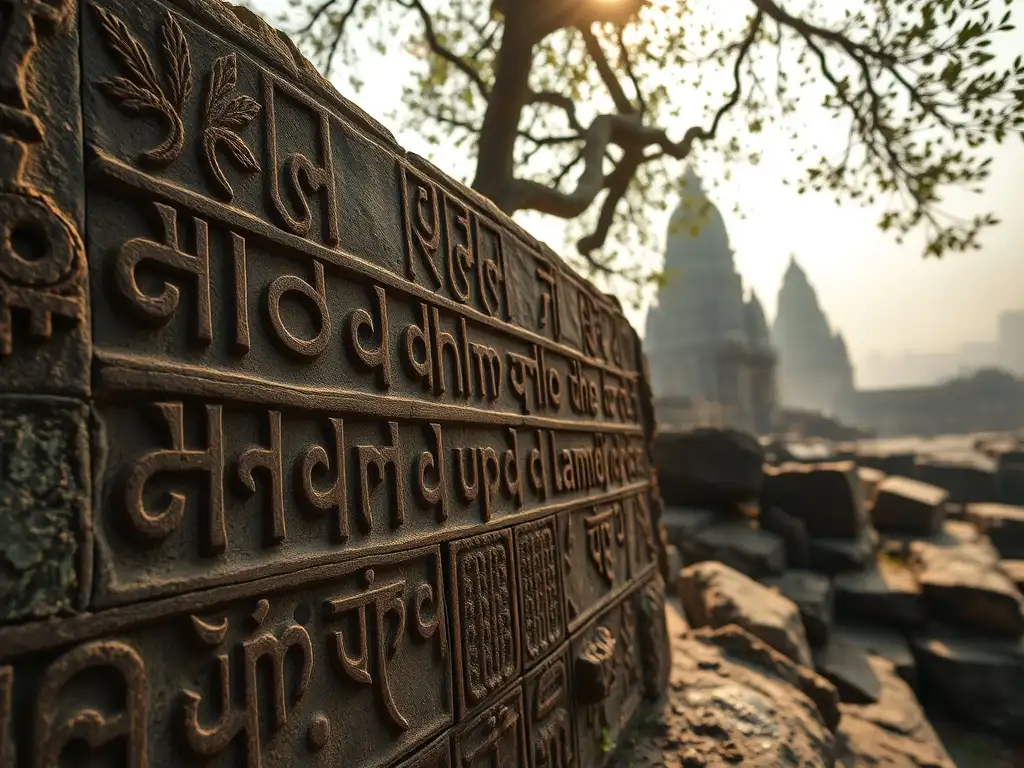
Ancient Indian inscriptions are textual records engraved on various materials such as stone, metal, and pottery, providing invaluable insights into the socio-political, cultural, and religious life of ancient Indian civilizations. These inscriptions serve as primary sources that validate historical narratives, offering a glimpse into the governance, economy, and societal norms of the past.
The importance of inscriptions cannot be overstated. They are often the only remaining evidence of historical events, rulers, and cultures that might otherwise be forgotten. Through epigraphy—the study of inscriptions—scholars can decode languages, understand regional dialects, and trace the evolution of scripts over time. Inscriptions also play a critical role in establishing chronological frameworks for historical events, thereby assisting in the construction of a coherent timeline of ancient Indian history.
Key aspects of inscriptions include:
- Cultural Reflection: They reveal the values, beliefs, and practices of ancient societies.
- Political Documentation: Inscriptions often commemorate royal achievements, territorial conquests, and dynastic claims.
- Religious Insights: Many inscriptions are dedicated to deities or describe rituals, showcasing the spiritual life of the time.
Overview of Major Inscriptions from Ancient Indian Civilizations
Ancient India is rich in inscriptions that date back to various periods and regions. Some of the most notable inscriptions include:
- Edicts of Ashoka:
- These inscriptions, carved on pillars and rocks during the reign of Emperor Ashoka (268-232 BCE), promote Buddhist values and moral governance. They are significant for their ethical teachings and are considered some of the earliest examples of written history in India.
- Heliodorus Pillar:
- Erected around 150 BCE by Heliodorus, a Greek ambassador, this pillar is inscribed with a dedication to the god Vasudeva. It highlights the cultural exchanges between India and Hellenistic influences.
- Iron Pillar of Delhi:
- Dating back to the 4th century CE, this pillar inscribed with Sanskrit verses reflects the metallurgical skills of ancient Indian craftsmen and serves as a testament to the Gupta Empire's technological advancements.
- Brahmi Inscriptions:
- The Brahmi script is one of the earliest writing systems in India. Inscriptions found in various locations, such as the cave temples of Ajanta and Ellora, provide insights into the art and architecture of ancient India.
- Chola Inscriptions:
- The Chola dynasty (9th-13th century CE) left behind numerous inscriptions detailing administrative practices, temple construction, and land grants, which are crucial for understanding the region's governance and economy.
The Role of Inscriptions in Historical Research
Inscriptions play a pivotal role in historical research, acting as a bridge between the past and present. They offer concrete evidence that helps historians reconstruct events and understand the complexities of ancient societies. The following points highlight their significance in research:
- Chronological Framework: Inscriptions often include dates or events that help establish timelines for historical incidents. For example, the date inscribed on the Edicts of Ashoka allows researchers to situate his reign within a broader historical context.
- Cultural Continuity: By analyzing the language and style of inscriptions over time, researchers can trace cultural changes and continuities, shedding light on the evolution of societal norms and practices.
- Local Histories: Inscriptions often contain localized information, providing details about regional rulers, dynasties, and communities. This localized focus helps in constructing a more nuanced understanding of India’s diverse historical landscape.
- Language Evolution: The study of inscriptions aids in understanding the development of languages in ancient India, including the transition from Brahmi to other scripts. This linguistic analysis is essential for scholars working in historical linguistics.
- Interdisciplinary Insights: Inscriptions intersect with various fields such as archaeology, anthropology, and art history, enabling a multi-faceted approach to understanding ancient civilizations.
The study of ancient Indian inscriptions history is essential for comprehensively understanding the rich tapestry of India’s past. These inscriptions not only validate historical narratives but also enrich our knowledge of the diverse cultures and societies that have flourished on the subcontinent.
Types of Ancient Indian Inscriptions

Ancient Indian inscriptions serve as crucial artifacts that provide insights into the socio-political, economic, and religious landscapes of historical periods. These inscriptions can be classified into several categories, each offering unique perspectives on the civilizations that flourished in the Indian subcontinent. Here, we explore three prominent types of ancient Indian inscriptions: rock edicts, inscriptions on coins, and temple inscriptions.
Rock Edicts: The Legacy of Ashoka
Rock edicts, primarily associated with Emperor Ashoka (c. 268–232 BCE), represent some of the most significant inscriptions in ancient Indian history. These edicts are carved on rocks and pillars across the Indian subcontinent, and they communicate Ashoka's policies, ethical guidelines, and moral teachings.
- Content and Purpose: Ashoka's rock edicts encompass a range of subjects, including:
- Dhamma (moral law): Promoting non-violence, tolerance, and compassion.
- Social welfare: Encouraging the establishment of hospitals, veterinary clinics, and the planting of trees for shade and food.
- Religious tolerance: Advocating respect for all religious sects.
- Geographical Spread: The edicts are found in various locations, including:
- Lumbini: The birthplace of Buddha.
- Sarnath: The site of Buddha's first sermon.
- Kalinga: Where Ashoka's transformative battle led to his adoption of Buddhism.
- Significance: The rock edicts not only document the shift in Ashoka’s governance from militarism to a focus on moral and ethical leadership but also serve as some of the earliest examples of written communication in India. They reflect the emperor's commitment to social harmony and the propagation of Buddhism, influencing subsequent Indian rulers and their policies.
Inscriptions on Coins: Economic Narratives of Ancient India
Inscriptions on coins represent another vital aspect of ancient Indian history, revealing insights into the economic conditions, trade practices, and political authority of various dynasties.
- Historical Context: Coins began to be minted in India around the 6th century BCE, with the introduction of punch-marked coins. Over time, coins became a medium for expressing political legitimacy and economic transactions.
- Types of Inscriptions:
- Royal Titles: Many coins bore the names and titles of rulers, such as "Maharaja" or "Satyavrata," indicating the authority and legitimacy of the issuer.
- Religious Symbols: Some coins also featured deities or religious symbols, reflecting the intertwining of commerce with spiritual beliefs.
- Economic Insights: The inscriptions on coins provide critical information about:
- Trade Networks: They reflect the extent of trade relations with regions such as the Mediterranean and Southeast Asia.
- Currency Standardization: The evolution of coinage signifies advancements in trade practices and economic organization.
- Case Study: The coins of the Mauryan Empire, for instance, exhibit a mixture of local and foreign influences, indicating a vibrant trade culture. The inscriptions often emphasized the integrity and stability of the economy, contributing to our understanding of ancient Indian economic systems.
Temple Inscriptions: Religious and Cultural Insights
Temple inscriptions offer a rich tapestry of religious, cultural, and artistic developments in ancient India. These inscriptions were often inscribed on temple walls, pillars, and statues, serving both devotional and commemorative purposes.
- Religious Context: Temples were central to the spiritual life of ancient Indian society, and inscriptions often detailed:
- Donations: Records of donations made by patrons, which highlight the socio-economic dynamics of temple patronage.
- Deity Worship: Descriptions of rituals and festivals associated with specific deities, reflecting the religious diversity and practices of the time.
- Cultural Significance:
- Art and Architecture: Many inscriptions provide insights into the artistic styles and architectural advancements of different periods, such as the Gupta period’s intricate carvings.
- Historical Narratives: Some inscriptions recount historical events, victories, or lineage, connecting religious practice with the socio-political narrative of the time.
- Examples: The inscriptions found in the Brihadeeswarar Temple in Thanjavur (11th century CE) document the patronage of the Chola dynasty and their contributions to temple architecture and culture.
Ancient Indian inscriptions are invaluable to historians and archaeologists, providing a wealth of information about the rich tapestry of India's past. The study of these inscriptions not only validates historical narratives but also enhances our understanding of the complex interplay between culture, economy, and religion in ancient Indian civilizations.
The Process of Deciphering Ancient Indian Inscriptions
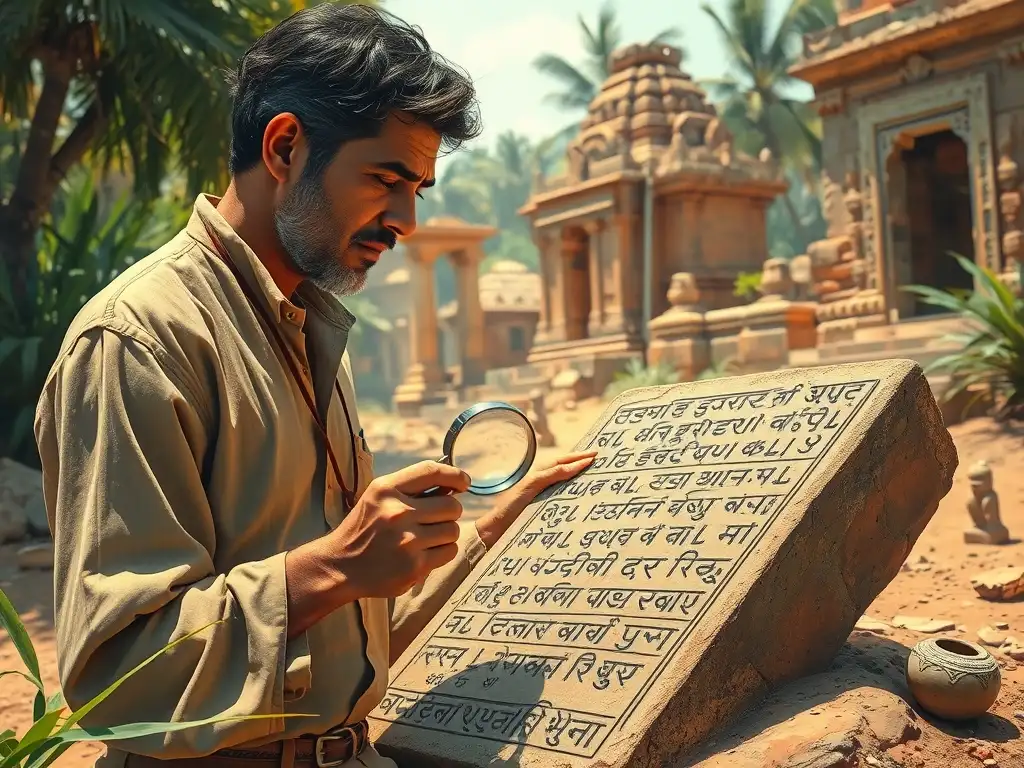
Deciphering ancient Indian inscriptions is a meticulous process that demands a combination of linguistic expertise, historical knowledge, and sometimes, a bit of luck. This process not only involves reading the inscriptions but also understanding the context in which they were created. The study of inscriptions, known as epigraphy, plays a crucial role in unraveling the rich tapestry of ancient Indian history.
Techniques Used in Epigraphy
Epigraphy employs various techniques to decode inscriptions effectively. Some of the most notable methods include:
- Palaeography: This technique involves studying ancient scripts and their evolution over time. By comparing the shapes and styles of letters, epigraphists can determine the likely period during which an inscription was created.
- Linguistic Analysis: Understanding the language used in inscriptions is vital. Scholars often need to be well-versed in ancient languages such as Sanskrit, Prakrit, and Tamil to accurately interpret the text.
- Contextual Analysis: Evaluating the historical and cultural context in which an inscription was made is essential. This includes understanding the political, religious, and social dynamics of the time, which can provide insight into the inscription’s meaning.
- Material Analysis: The medium on which the inscription is inscribed, whether stone, metal, or pottery, can influence its preservation and readability. Techniques like petrography help in understanding the material used, which can provide clues about its origin.
- Digital Technology: Modern advancements, such as 3D imaging and digital photography, allow for enhanced visibility of inscriptions that may be faded or weathered. These technologies can uncover details that are not easily discernible with the naked eye.
Challenges Faced in Interpreting Inscriptions
Despite the advancements in techniques, deciphering ancient Indian inscriptions is fraught with challenges. Some of the primary obstacles include:
- Faded Texts: Many inscriptions have suffered from erosion and weathering over centuries, making them difficult to read. In some cases, only fragments remain, complicating the deciphering process.
- Ambiguous Language: Ancient languages often contain idiomatic expressions or terms that may not have direct equivalents in modern languages. This ambiguity can lead to multiple interpretations of the same inscription.
- Cultural Context: The lack of comprehensive historical records can hinder understanding. Scholars may lack sufficient context about the social or political circumstances that influenced the creation of an inscription.
- Diverse Scripts: Ancient India was home to a variety of scripts, including Brahmi, Kharosthi, and Tamil-Brahmi. The use of multiple scripts across different regions adds to the complexity of interpretation.
- Fragmentary Evidence: Many inscriptions are incomplete, resulting in gaps in the narrative. Scholars must piece together information from various sources, which can lead to uncertainties.
Case Studies of Successful Deciphering of Ancient Texts
Numerous successful deciphering efforts have contributed significantly to our understanding of ancient Indian history. Some notable case studies include:
- The Edicts of Ashoka: Discovered in the 19th century, these inscriptions were pivotal in understanding the Mauryan Empire. The use of the Brahmi script and the dissemination of Buddhist philosophy helped historians reconstruct Ashoka's reign and his commitment to non-violence and dharma.
- The Tamil Inscriptions of the Chola Dynasty: These inscriptions, found in temples across Tamil Nadu, provided insights into the administrative practices, trade relations, and cultural life during the Chola period. Their deciphering revealed a sophisticated understanding of governance and public welfare.
- The Allahabad Pillar Inscription: This inscription, which commemorates the achievements of Samudragupta, is a key source for understanding the Gupta Empire's political landscape. It highlights the military conquests and cultural patronage of the Gupta rulers, illuminating their impact on Indian civilization.
These case studies not only underscore the importance of ancient Indian inscriptions in historical research but also exemplify the ongoing efforts of epigraphists to bridge gaps in our understanding of the past. By studying these texts, we gain invaluable insights into the complexities of ancient Indian society, culture, and governance.
Historical Context of Ancient Indian Inscriptions
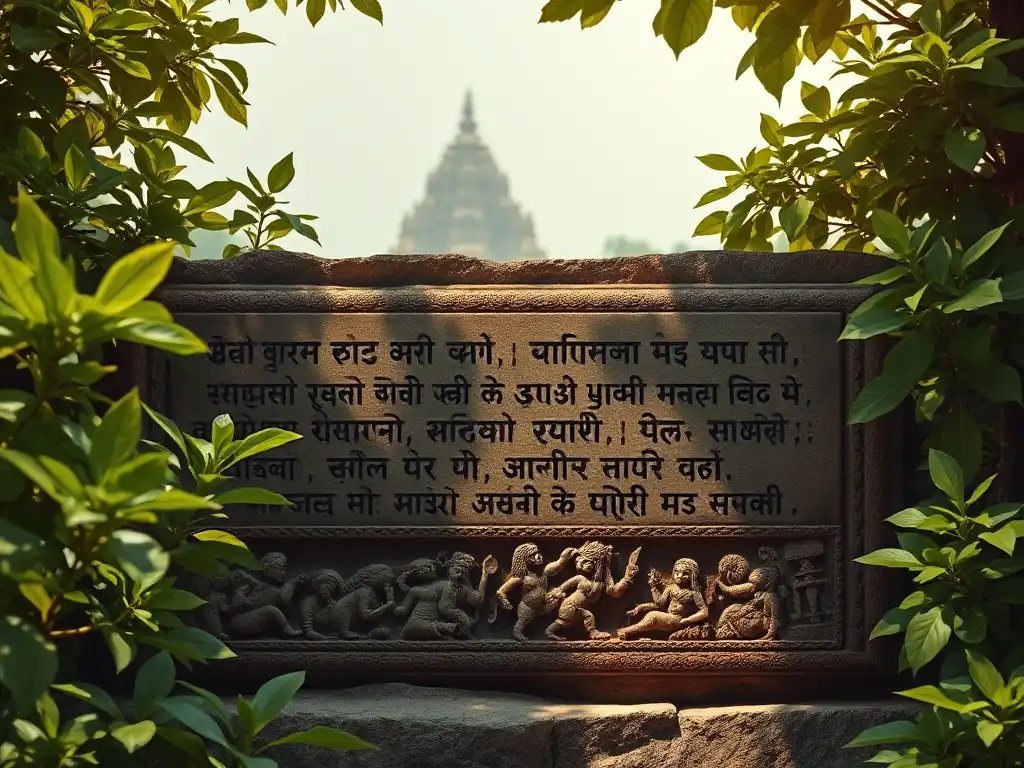
Inscriptions from ancient India serve as crucial historical artifacts that offer a glimpse into the socio-political and cultural landscape of the time. These inscriptions, often carved on stone, copper plates, or other durable materials, date back to various periods, including the Indus Valley Civilization, the Mauryan Empire, and the Gupta Empire. They are instrumental in validating historical narratives, providing not just dates and events but also insights into the lives and beliefs of ancient peoples.
The study of ancient Indian inscriptions history encompasses a variety of scripts, including Brahmi, Kharosthi, and later, Nagari. These scripts evolved over time, reflecting the linguistic diversity and the regional variances of ancient India. The inscriptions reveal not only the languages spoken but also the transitions in governance, trade, and societal norms throughout different eras.
The context in which these inscriptions were created is paramount. They were often commissioned by rulers or religious figures, serving as a means of propaganda or as records for posterity. Understanding the historical backdrop against which these inscriptions were erected provides richer insights into their significance and impact.
Political Narratives Reflected in Inscriptions
Political narratives in ancient Indian inscriptions often depict the achievements and legacies of rulers. For instance, the Edicts of Ashoka, inscribed during the reign of Emperor Ashoka in the 3rd century BCE, highlight his conversion to Buddhism and his policies promoting non-violence and welfare. These inscriptions served not only as records of his governance but also as a means to propagate his moral and ethical ideals across his vast empire.
Inscriptions also frequently document military victories and conquests. The Prakrit inscriptions found in various locations often celebrate victories in battle, detailing the territories acquired and the enemies defeated. These records were crucial for establishing legitimacy and authority, as they communicated a ruler's prowess and the divine favor they claimed to possess.
Furthermore, inscriptions provide insights into administrative practices. For example, inscriptions detailing land grants or donations to religious institutions often reflect the political strategy of appeasing local elites or securing loyalty from influential figures. The presence of such records indicates an organized administrative system that managed resources and maintained control over diverse populations.
Ancient Indian inscriptions are invaluable in revealing the social structures and cultural practices of their times. They often reference various social classes, including the varna system, detailing the roles and responsibilities assigned to each group. Inscriptions from temples, such as those found in Tamil Nadu, often highlight the contributions of different communities, showcasing their roles in temple construction and maintenance.
Cultural practices, including festivals, rituals, and artistic expressions, are also documented in these inscriptions. For instance, the Siddha inscriptions not only record the names of benefactors but also elucidate the cultural significance of festivals celebrated, thereby acting as a lens into the daily lives and beliefs of ancient peoples.
Additionally, inscriptions reflecting trade practices reveal the economic interactions between different regions. They often include details about trade routes, goods exchanged, and the roles of merchant guilds. This information is critical for understanding the economic landscape and the social dynamics that accompanied ancient commerce.
The Influence of Religion on Inscription Content
Religion profoundly influenced the content of ancient Indian inscriptions. Many inscriptions were dedicated to deities or religious institutions, reflecting the pervasive role of spirituality in public life. The Brahmi inscriptions found at various Buddhist sites include teachings of the Buddha, emphasizing the significance of religious doctrine in shaping societal values.
Furthermore, inscriptions often served as tools for religious patronage. Rulers would commission inscriptions to commemorate their donations to temples or to promote particular sects, thereby solidifying their power and influence. The Kannada inscriptions of the Rashtrakutas, for example, highlight their devotion to Jainism and the construction of temples, showcasing how religion intertwined with political identity.
Inscriptions also trace the evolution of religious thought and practice. The transition from Vedic rituals to the more inclusive practices of Buddhism and Jainism can be traced through the inscriptions, which reflect changing ideologies and the emergence of new religious movements.
Ancient Indian inscriptions are not merely historical records; they are vital documents that illuminate the complexities of political narratives, social structures, cultural practices, and religious influences throughout history. Their study enhances our understanding of ancient Indian inscriptions history, providing a comprehensive view of the rich tapestry of ancient Indian civilization.
Validating Historical Narratives through Inscriptions
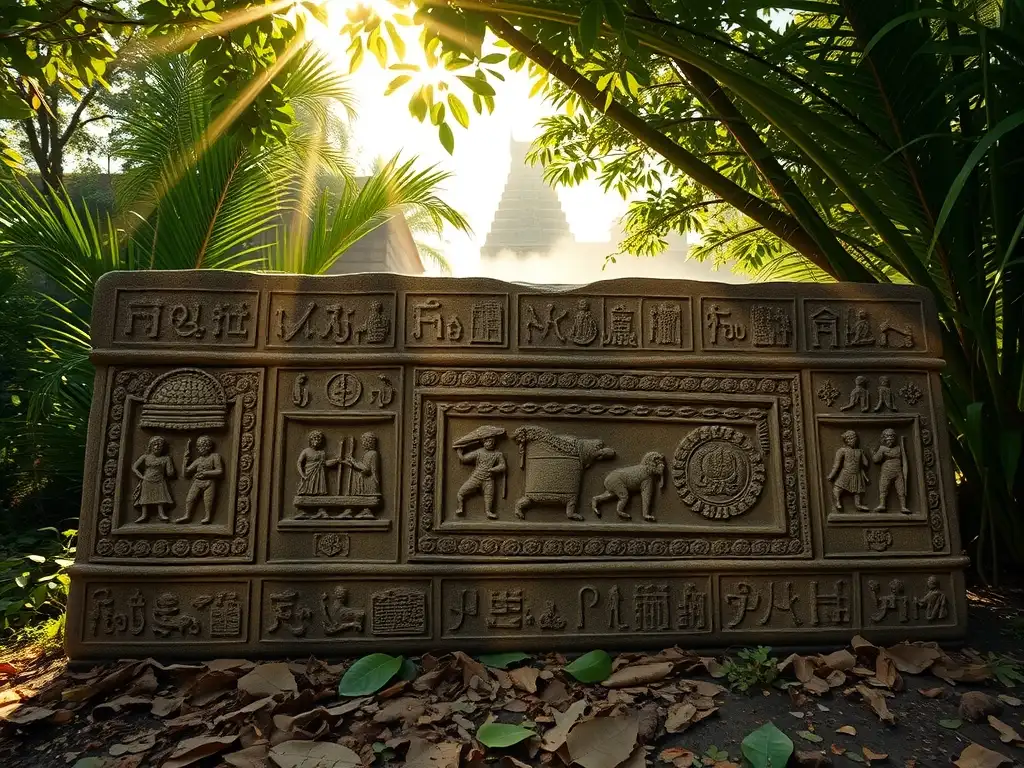
Inscriptions serve as vital artifacts in the study of ancient Indian history, providing a tangible link to the past. They are not mere relics; they are essential narratives that validate and enrich our understanding of historical events, figures, and societal structures. By examining inscriptions, historians can corroborate oral traditions and literary accounts, offering a multi-dimensional view of ancient Indian civilizations.
One of the remarkable aspects of ancient Indian inscriptions is their ability to reflect the sociopolitical context of their time. They often document events such as royal decrees, territorial conquests, and significant cultural practices, serving as a primary source of information. This direct form of evidence allows historians to piece together timelines, understand governance, and evaluate the cultural exchanges that occurred across the subcontinent.
Corroborating Events and Figures from Ancient Indian History
Ancient Indian inscriptions provide invaluable insights into pivotal events and notable figures that shaped the course of history. For instance, the Ashoka Edicts are a collection of inscriptions attributed to Emperor Ashoka, who ruled the Maurya Dynasty in the 3rd century BCE. These edicts not only outline Ashoka's policies on governance and ethics but also affirm his commitment to Dharma (righteousness) and non-violence after the Kalinga War.
| Inscriptions | Significant Events/ Figures | Historical Impact |
|---|---|---|
| Ashoka Edicts | Emperor Ashoka's reign and reforms | Spread of Buddhism and ethical governance |
| Allahabad Pillar Inscription | Samudragupta’s military conquests | Establishment of the Gupta Empire's dominance |
| Nasik Cave Inscriptions | The life of Gautam Buddha and early Buddhist practices | Insight into early Buddhist communities |
The inscriptions from the Gupta Empire also highlight the achievements of rulers like Samudragupta. The Allahabad Pillar inscription narrates his military conquests and political strategies, helping historians establish a clearer understanding of his reign and its implications on the subsequent cultural and political landscape of India.
Inscriptions as Primary Sources for Historical Accuracy
Inscriptions are regarded as primary sources, offering a direct glimpse into the past that is often more reliable than secondary accounts. Their authenticity stems from their physical presence and the fact that they were inscribed during the time of the events they describe. For example, the Sarnath Pillar not only commemorates Buddha’s first sermon but is also a testament to the art and architecture of the period, revealing details about the craftsmanship and cultural values of ancient Indian society.
Moreover, inscriptions often include details such as dates, names, and locations that can be cross-referenced with archaeological evidence and other historical texts. This cross-verification strengthens their credibility, making inscriptions a cornerstone of historiographical research. For instance, the use of epigraphy to date events, like the construction of temples or the establishment of trade routes, is crucial for understanding the chronology of ancient Indian civilization.
The Impact of Inscriptions on Understanding Ancient Indian Civilizations
The impact of inscriptions on our understanding of ancient Indian civilizations is profound. They not only document historical events but also provide insight into the social, economic, and cultural dynamics of the time. For instance, the ** inscriptions found in the Indus Valley Civilization** offer clues about urban planning, trade practices, and social hierarchies, revealing the complexities of one of the earliest urban cultures in the world.
Furthermore, inscriptions underscore the linguistic diversity and evolution of languages in ancient India. The use of Sanskrit, Prakrit, and regional dialects in inscriptions illustrates the rich tapestry of communication and exchange between different communities. This linguistic evidence helps trace the development of languages and their influence on literature and philosophy throughout Indian history.
Ancient Indian inscriptions are not just historical artifacts; they are foundational texts that validate historical narratives, enhancing our comprehension of past civilizations. Their study continues to illuminate the intricacies of ancient Indian history, contributing significantly to our knowledge of cultural and societal evolution over millennia.
The Contribution of Inscriptions to Modern Historiography
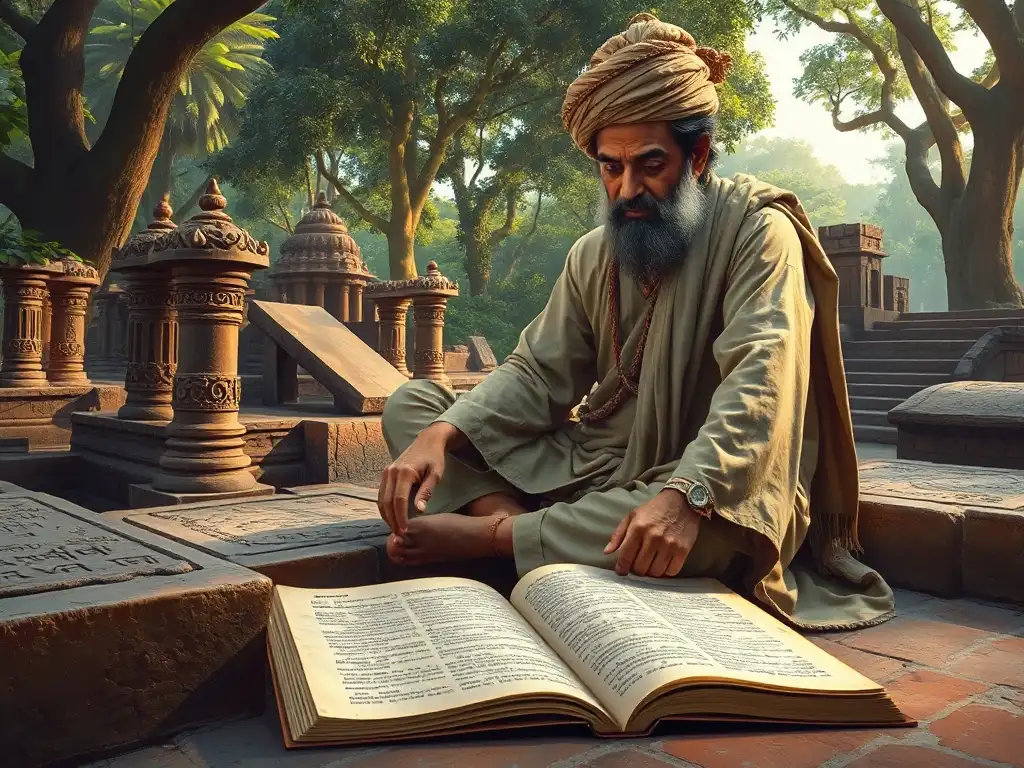
Inscriptions and the Development of Historical Methodology
Inscriptions have played a pivotal role in the development of historical methodology, particularly in the context of ancient Indian inscriptions history. They serve as primary sources of information that provide insights into the political, social, and cultural dynamics of ancient Indian civilizations. The study of these inscriptions has led historians to refine their methodologies, emphasizing critical analysis and interdisciplinary approaches that combine epigraphy, archaeology, and linguistic studies.
- Primary Source Verification: Inscriptions are invaluable as primary sources that can corroborate or contradict historical narratives found in literary texts. By analyzing the language, script, and context of inscriptions, historians can establish timelines and authentic events that shape our understanding of ancient India.
- Contextual Analysis: The context in which inscriptions are discovered significantly impacts their interpretation. Historians utilize archaeological methods to analyze the stratigraphy and spatial relationships of inscriptions found at excavation sites, leading to a more nuanced understanding of the societies that produced them.
- Interdisciplinary Approaches: The integration of various disciplines, such as anthropology, linguistics, and art history, has enriched the study of inscriptions. For instance, the analysis of script styles and iconography in inscriptions offers insights into the cultural exchanges between different regions and periods in ancient India.
The Role of Archaeologists and Historians in Studying Inscriptions
The collaboration between archaeologists and historians has been essential in the study of ancient Indian inscriptions. Each discipline brings unique expertise that enhances the understanding of historical contexts.
- Archaeological Excavations: Archaeologists often lead excavations that uncover inscriptions within their original contexts. Their expertise in stratigraphy and site analysis allows for the reconstruction of historical timelines and the identification of cultural practices related to the inscriptions.
- Historical Interpretation: Historians analyze the content of inscriptions, focusing on language, grammar, and socio-political implications. They interpret the inscriptions within broader historical narratives, addressing questions of governance, religion, and trade relations in ancient India.
- Preservation and Documentation: Both archaeologists and historians play vital roles in the preservation and documentation of inscriptions. The systematic cataloging of inscriptions aids in creating comprehensive databases that facilitate further research and comparative studies across regions and time periods.
Future Research Directions in Ancient Indian Inscriptions History
As the field of ancient Indian inscriptions history continues to evolve, several promising research directions are emerging that could further enhance our understanding of this crucial aspect of historiography.
- Digital Epigraphy: The advent of digital technology opens new avenues for the study of inscriptions. Digital epigraphy, through techniques such as 3D scanning and photogrammetry, allows for detailed documentation and analysis of inscriptions, enabling scholars to study them without the risks associated with handling fragile artifacts.
- Multilingual Studies: The multilingual nature of ancient Indian inscriptions presents an opportunity for comparative linguistic studies. Future research can explore the interactions between different languages and dialects as reflected in inscriptions, revealing patterns of cultural diffusion and exchange.
- Social and Economic Contexts: Expanding the focus from purely political narratives to include social and economic contexts within inscriptions can provide a fuller picture of ancient Indian life. Research into land grants, trade agreements, and community inscriptions can shed light on the everyday realities of diverse populations in ancient India.
The study of ancient Indian inscriptions is a dynamic field that holds immense potential for future discoveries. By bridging the gap between archaeology and historiography, we can gain deeper insights into the complexities of ancient Indian civilizations and their enduring legacies.
Conclusion: The Significance of Inscriptions in Understanding Ancient India
The significance of inscriptions in the context of ancient Indian history cannot be overstated. These artifacts serve as vital historical evidence that illuminate the complex narratives of civilizations that thrived on the Indian subcontinent. Inscriptions, ranging from those found in the Indus Valley to the decrees of the Gupta Empire, provide unique insights into political structures, social customs, religious beliefs, and economic conditions of ancient societies. Their multifaceted role in validating historical accounts contributes significantly to our understanding of ancient India’s rich cultural heritage.
Summarizing the Impact of Inscriptions on Historical Narratives
Inscriptions have played a transformative role in shaping our comprehension of ancient Indian narratives. They provide direct evidence of historical events, rulers, and societal changes, functioning as a bridge connecting contemporary scholars with the past. Some key impacts include:
- Chronological Framework: Inscriptions often contain dates or references that allow historians to establish a chronological framework for events, helping in the reconstruction of timelines for various dynasties.
- Cultural Insights: The language, script, and content of inscriptions reveal the socio-cultural context of the time, offering glimpses into practices, rituals, and daily life.
- Political History: Many inscriptions document edicts and proclamations by rulers, providing a clearer understanding of governance, territorial expansion, and administrative practices. For instance, the Ashoka Edicts highlight the Mauryan Empire's emphasis on Dharma and moral governance.
- Economic Evidence: Inscriptions can also include references to trade, taxation, and land grants, which are crucial for understanding the economic landscapes of ancient societies.
Inscriptions are indispensable to reconstructing historical narratives, as they provide a tangible link to the past, enriching our understanding of ancient Indian civilizations.
The Ongoing Relevance of Ancient Indian Inscriptions in Modern Scholarship
The study of ancient Indian inscriptions continues to hold immense relevance in modern scholarship. Researchers and historians are increasingly turning to epigraphy to uncover new facets of history that may have been overlooked in traditional historical texts. Key aspects of this ongoing relevance include:
- Interdisciplinary Approaches: Modern scholarship often employs interdisciplinary methods, integrating archaeology, linguistics, and anthropology to analyze inscriptions in greater depth. This holistic approach enhances our understanding of the complexities of ancient Indian civilizations.
- Digital Epigraphy: The advent of technology has transformed the study of inscriptions. Digital tools allow for better preservation, analysis, and dissemination of inscription data, making it accessible to a broader audience. Projects like the Digital Epigraphy Project are invaluable for scholars worldwide.
- Cultural Heritage Preservation: Inscriptions serve as crucial elements in the preservation of cultural heritage. Efforts to document and study these artifacts help safeguard the narratives of ancient India against the passage of time and the potential for loss.
- Reevaluation of Historical Narratives: As new inscriptions are discovered and analyzed, there is a continual reevaluation of established historical narratives. This dynamic process fosters a deeper understanding of the diverse and rich history of ancient India.
The exploration of ancient Indian inscriptions remains a vital area of study that not only enriches historical narratives but also preserves the legacy of ancient civilizations for future generations. The keyword "ancient Indian inscriptions history" encapsulates the essence of this ongoing scholarly journey, underscoring the importance of these historical artifacts in understanding the multifaceted past of India.
Frequently Asked Questions
What are ancient Indian inscriptions?
Ancient Indian inscriptions are texts carved on materials such as stone, metal, and pottery, serving as primary sources of historical information.
Why are inscriptions important for understanding Indian history?
Inscriptions provide valuable insights into the political, social, and cultural aspects of ancient civilizations, helping to validate historical narratives and events.
How do inscriptions contribute to the study of ancient Indian civilizations?
They serve as evidence of language, administration, trade, and religion, reflecting the diverse cultures and practices of ancient Indian societies.
What are some notable examples of ancient Indian inscriptions?
Famous inscriptions include the Ashoka Edicts, which promote Buddhism, and the Junagadh rock inscription, which documents the history of the Maurya Empire.
How has the study of inscriptions evolved in recent years?
Recent advancements in technology and archaeology have enhanced the methods of interpreting inscriptions, leading to new discoveries in the field of ancient Indian history.
Final Reflection: The Enduring Legacy of Ancient Indian Inscriptions
In a world increasingly driven by digital narratives and fleeting information, the significance of ancient Indian inscriptions as historical evidence remains profoundly relevant today. These inscriptions not only serve as a bridge to our past but also challenge us to reconsider the narratives we accept as truth. They remind us that history is not merely a collection of dates and events but a tapestry woven from the voices of those who came before us, urging us to listen closely to their stories.
The exploration of ancient Indian inscriptions has profoundly influenced our understanding of cultural and social dynamics throughout history. These inscriptions are not just relics; they are living documents that continue to shape our identity and heritage. As we delve into their meanings, we uncover insights into the values, beliefs, and practices of ancient societies. History is not a burden on the memory but an illumination of the soul.
This quote encapsulates the essence of how these inscriptions illuminate our understanding of human experience, enriching our cultural landscape and fostering a deeper connection to our roots.
As we reflect on the lessons embedded in these ancient texts, I invite you to consider how you can engage with history in your own life. Take a moment to explore your own heritage, seek out stories that resonate with you, and recognize the power of narratives in shaping our present and future. By doing so, you not only honor the voices of the past but also contribute to the ongoing dialogue of human experience, ensuring that the lessons of history are not lost but celebrated and passed on to future generations.
Unveil the Stories of Ancient India!
Thank you for diving into the fascinating world of ancient Indian inscriptions with us! You've uncovered the significant role these artifacts play in validating historical narratives. Now, let's take action together to keep this journey alive and thriving!
- Explore more historical inscriptions by visiting local museums or cultural exhibitions in your area.
- Share what you’ve learned with friends and family—start a conversation about how ancient narratives shape our understanding of history!
- Join our community by subscribing to our newsletter for deeper insights and exclusive content on India’s rich past.
Which ancient narrative or inscription has inspired you the most, and how might it influence our perspective on history today?