
The Language of Inscriptions: Understanding Ancient Indian Dialects Through Epigraphy

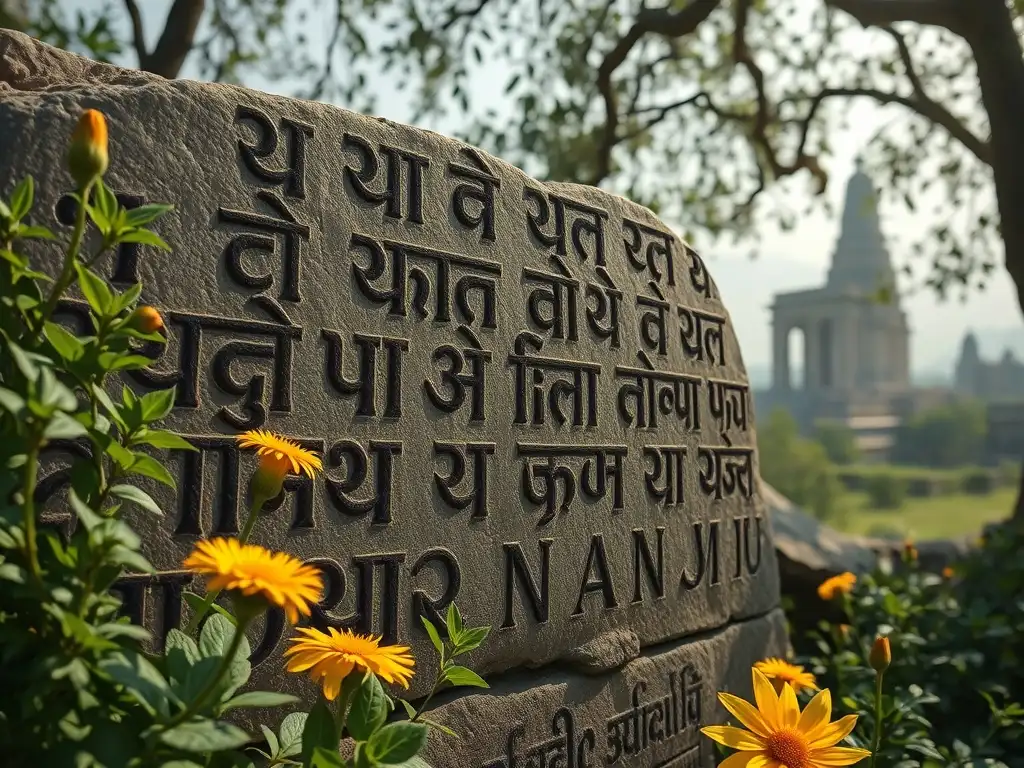
Welcome to Ancient India History, where we embark on a fascinating journey through time, uncovering the vibrant tapestry of ancient Indian civilizations. In this exploration, we delve into the intricate world of Ancient Indian dialects and epigraphy, revealing how these languages shaped the cultural and historical landscape of India.
Our featured article, "The Language of Inscriptions: Understanding Ancient Indian Dialects Through Epigraphy," invites you to discover the stories etched in stone and the significance of these dialects in understanding our past. Prepare to uncover the secrets of ancient scripts as you dive deeper into the rich heritage that awaits you!
Introduction to Ancient Indian Dialects and Epigraphy
The exploration of ancient Indian dialects and epigraphy reveals a fascinating tapestry of languages and scripts that shaped the cultural and historical landscape of India. From the Indus Valley Civilization to the Gupta Empire, inscriptions serve as vital records that provide insights into the linguistic diversity and evolution of communication in ancient times.
This article delves into the significance of epigraphy—the study of inscriptions—and how it aids in understanding the intricate web of dialects that flourished across the Indian subcontinent. By examining the languages represented in inscriptions, researchers can unearth not only the linguistic patterns of the era but also the sociopolitical dynamics and cultural exchanges that characterized ancient Indian civilizations.
Overview of Epigraphy in Ancient India
Epigraphy plays a crucial role in reconstructing the linguistic history of ancient India. It encompasses the analysis and interpretation of inscriptions found on various materials, including stone, metal, and pottery. These inscriptions often include royal edicts, religious texts, and commemorative messages, serving as windows into the thoughts, beliefs, and practices of the time.
Some key points about epigraphy in ancient India include:
- Diverse Scripts: Inscriptions were written in numerous scripts, such as Brahmi, Kharosthi, and Tamil, reflecting the linguistic diversity of the region.
- Chronological Span: The study of epigraphy covers a broad chronological range, from the early inscriptions of the Mauryan period (circa 3rd century BCE) to those from the Medieval era.
- Cultural Significance: Inscriptions often provide context about societal norms, governance, trade, and religious practices, offering a comprehensive view of ancient Indian life.
Importance of Studying Ancient Indian Dialects
Understanding ancient Indian dialects is essential for several reasons:
- Cultural Identity: Language is a core component of cultural identity. By studying dialects, we gain insight into the various ethnic groups and their interactions.
- Linguistic Evolution: The analysis of dialects allows linguists to trace the evolution of languages in India, contributing to the broader study of Indo-European languages.
- Historical Context: Dialects found in inscriptions provide historical context, revealing how different communities communicated and exchanged ideas.
The Role of Inscriptions in Deciphering Ancient Indian Languages
Inscriptions serve as primary sources for understanding ancient Indian languages. They provide concrete examples of how these languages were used in various contexts, thereby aiding scholars in their efforts to decipher and interpret them.
Types of Inscriptions Found in Ancient India
Inscriptions can be categorized based on their content and purpose:
- Royal Edicts: Often issued by kings, these inscriptions declare laws, policies, and achievements.
- Religious Texts: Many inscriptions are devoted to religious themes, including prayers, hymns, and temple records.
- Commemorative Inscriptions: These honor individuals or events, preserving the memory of significant occurrences.
Key Locations of Epigraphic Discoveries
Several notable sites across India have yielded significant epigraphic finds, including:
- Ashoka's Edicts: Discovered throughout the Indian subcontinent, these inscriptions provide insights into the policies of Emperor Ashoka and the spread of Buddhism.
- Ellora and Ajanta Caves: These UNESCO World Heritage Sites contain inscriptions that reflect the artistic and religious fervor of ancient India.
- Tamil Nadu Temples: Numerous temples in Tamil Nadu house inscriptions that reveal the linguistic richness of the region and its historical significance.
The Process of Deciphering Inscriptions
The deciphering of ancient inscriptions involves a multi-step process:
- Fieldwork: Archaeologists and epigraphists conduct field studies to locate and document inscriptions in their original context.
- Photographic Analysis: High-quality photographs are taken to capture details that may not be visible to the naked eye.
- Linguistic Analysis: Scholars analyze the language, script, and grammar used in the inscriptions, often comparing them to known languages and dialects.
- Interpretation: The final step involves interpreting the content of the inscriptions, considering historical and cultural contexts to provide a comprehensive understanding.
The study of ancient Indian dialects through epigraphy not only enriches our knowledge of language but also sheds light on the complex interplay of culture, governance, and society in ancient India. As further discoveries are made, the richness of India's historical narrative continues to unfold, offering new avenues for exploration and understanding.
Major Ancient Indian Dialects Reflected in Inscriptions
The study of ancient Indian dialects through epigraphy reveals a rich tapestry of linguistic diversity that flourished across the subcontinent. Among the most notable dialects found in inscriptions are Sanskrit, Prakrit, and Tamil. Each of these dialects not only served as a medium for communication but also reflected the sociopolitical and cultural nuances of their respective eras.
- Sanskrit: Often regarded as the liturgical language of Hinduism, Sanskrit inscriptions date back to the Vedic period. The Ashoka Edicts, inscribed in the 3rd century BCE, are prime examples showcasing the use of Sanskrit in administrative and moral contexts. These inscriptions reveal how Sanskrit served as a unifying force across various regions of ancient India.
- Prakrit: This dialect evolved as a vernacular form of communication and was widely used in inscriptions throughout the Mauryan and post-Mauryan periods. The Gandhari script and inscriptions from the Mathura region highlight the usage of Prakrit in Buddhist contexts, reflecting the cultural and religious shifts during these periods. Prakrit inscriptions often illustrate the daily lives, beliefs, and practices of the common people.
- Tamil: As one of the oldest continuously spoken languages, Tamil inscriptions provide significant insights into the Dravidian culture and its contributions to ancient Indian civilization. The Tamil-Brahmi inscriptions from the early centuries CE reveal a linguistic evolution that is closely tied to the region's trade, governance, and cultural exchanges with other societies.
These dialects, captured through the lens of epigraphy, not only enhance our understanding of ancient communication but also offer invaluable insights into the socio-cultural dynamics of their time.
Overview of Prominent Dialects in Ancient India
Ancient India was a melting pot of languages and dialects, each with its unique characteristics and historical significance. The prominent dialects include:
- Sanskrit:
- Usage: Primarily used in religious, philosophical, and administrative contexts.
- Notable Inscriptions: Ashoka Edicts, Gupta inscriptions.
- Cultural Significance: Represents the intellectual and spiritual heritage of ancient India.
- Prakrit:
- Usage: Served as a vernacular language; widely spoken among the populace.
- Notable Inscriptions: Inscriptions from the Mauryan period and the Jain texts.
- Cultural Significance: Reflects the everyday life and practices of the common people.
- Tamil:
- Usage: Commonly used in the southern regions, especially in Tamil Nadu.
- Notable Inscriptions: Tamil-Brahmi inscriptions, inscriptions from the Chola and Pandya dynasties.
- Cultural Significance: Highlights the legacy of Dravidian culture and literature.
- Other Regional Dialects:
- Examples: Kannada, Telugu, and Bengali, each with their own inscriptions that reveal the historical narratives of their regions.
These dialects, preserved through inscriptions, are crucial for understanding the linguistic evolution and cultural diversity of ancient India.
Historical Context of Inscriptions
The historical context of inscriptions in ancient India is multifaceted, intertwining with the political, cultural, and religious frameworks of the time. Inscriptions served not only as a means of communication but also as tools for governance, propaganda, and cultural preservation. The usage of inscriptions can be traced back to several significant periods:
- Indus Valley Civilization (c. 3300–1300 BCE): The earliest forms of writing, including seals and symbols, suggest a sophisticated system of record-keeping, although the exact languages remain undeciphered.
- Mauryan Empire (c. 322–185 BCE): This period marked a significant advancement in the use of inscriptions, particularly under Emperor Ashoka. His edicts, inscribed on rocks and pillars, emphasized moral governance and Buddhist teachings, showcasing the state's commitment to dharma.
- Gupta Empire (c. 240–550 CE): The Gupta period is often referred to as the Golden Age of India, during which Sanskrit flourished in inscriptions, reflecting advancements in arts, science, and literature.
These inscriptions provide a window into the past, chronicling the evolution of language and revealing the complexities of societal structures throughout ancient Indian history.
Evolution of Language Through Different Eras
The evolution of language in ancient India is a reflection of its dynamic and diverse cultural landscape. Each era brought about significant changes in dialects and their usage, influenced by various socio-political and religious factors.
- Early Periods (Indus Valley to Vedic Age):
- Language: Proto-Indo-Aryan and early forms of script.
- Characteristics: Limited decipherable inscriptions, primarily symbolic.
- Mauryan Period:
- Language: Emergence of Prakrit and Sanskrit.
- Characteristics: Inscriptions became more systematic, with the adoption of Brahmi and Kharosthi scripts. The focus was on governance and moral edicts.
- Post-Mauryan to Gupta Period:
- Language: Flourishing of Sanskrit, alongside regional languages.
- Characteristics: Inscriptions began to reflect literary prowess, with poetry and prose becoming prominent in royal edicts and commemorative inscriptions.
- Medieval Period:
- Language: Increased regional dialects, including early forms of Tamil, Kannada, and others.
- Characteristics: Inscriptions became more localized, often reflecting regional power dynamics and cultural narratives.
Overall, the evolution of language through inscriptions not only highlights the linguistic transitions but also underscores the rich historical tapestry of ancient Indian civilization, its rulers, and its people.
Case Studies in Ancient Indian Epigraphy
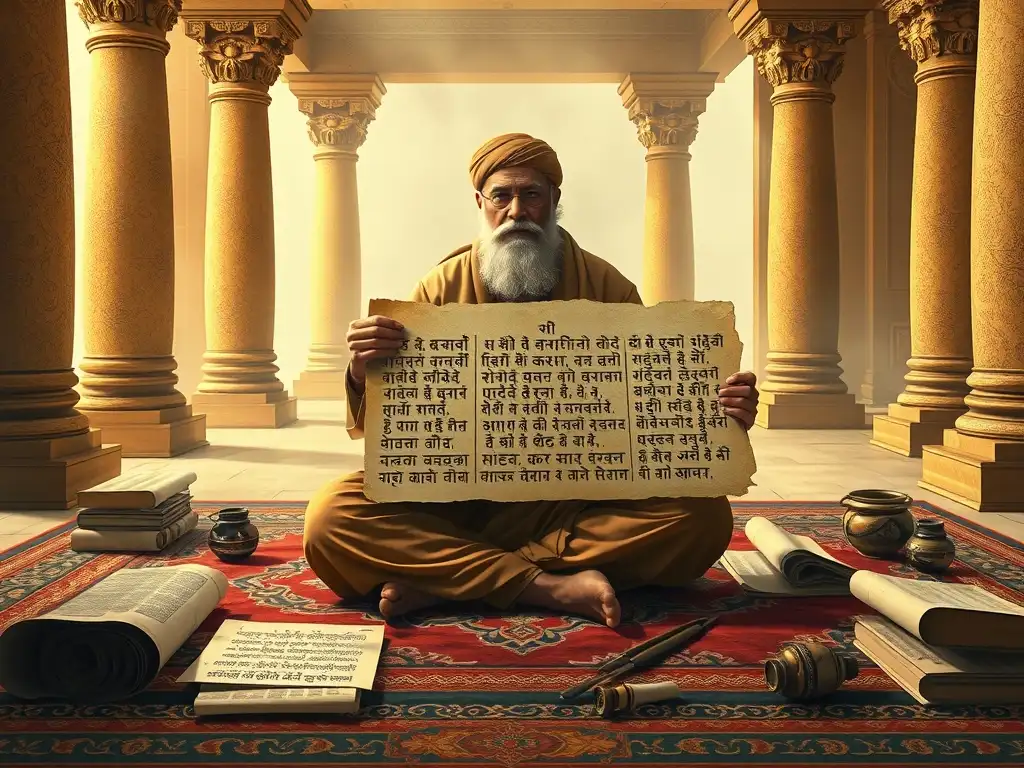
Ancient Indian epigraphy offers a treasure trove of insights into the dialects and languages that flourished across different regions and time periods. Through various inscriptions, scholars have unearthed significant evidence of linguistic diversity and evolution. Noteworthy examples include the inscriptions found at Ashoka's edicts, which present a blend of Magadhi Prakrit and Sanskrit, illustrating the vernacular language used during that era. Another prominent case is the inscriptions from the Gupta period, which highlight the emergence of regional dialects alongside the classical Sanskrit tradition.
These case studies not only reveal the linguistic landscape of ancient India but also provide context for understanding the socio-political climates that influenced language use. For instance, the Edicts of Ashoka, inscribed on pillars and rocks, employed a pragmatic approach to communicate moral and ethical teachings, showcasing how language served as a tool for governance and public communication. Furthermore, regional inscriptions, such as those from Tamil Nadu, illustrate the early development of Dravidian languages, shedding light on the interactions between different linguistic groups.
Significant Inscriptions and Their Impact on Language Studies
The significance of specific inscriptions in ancient India cannot be overstated, as they serve as pivotal references for linguists and historians alike. One such inscription is the Brahmi script, found on various edicts, which marks one of the earliest forms of writing in India. The decipherment of Brahmi has opened avenues for understanding not only the language but also the cultural exchanges that occurred during the Mauryan Empire.
Another key inscription is the Prakrit inscriptions from the cave complexes, such as those in Uparkot, Gujarat. These inscriptions illustrate the use of Prakrit in early Buddhist texts and provide insights into the linguistic practices of the time. They also highlight the transition from oral traditions to written forms, significantly impacting the study of ancient Indian dialects.
The Kharosthi script, predominantly used in the northwest of India, has also played a crucial role in understanding regional dialects. Inscriptions in this script reveal linguistic variations that existed due to cultural exchanges along trade routes. These examples highlight the importance of inscriptions as primary sources that enable researchers to trace the evolution of language and dialects in ancient India.
Challenges in Understanding Ancient Indian Dialects
Despite the wealth of information provided by ancient inscriptions, understanding ancient Indian dialects poses several challenges. One major hurdle is the fragmentary nature of the inscriptions. Many inscriptions have weathered over time, leading to incomplete texts that complicate accurate interpretation. Scholars often rely on contextual knowledge and comparative studies of contemporary languages to fill the gaps, but this can lead to speculative conclusions.
Another challenge arises from the multilingual context of ancient India. The coexistence of several languages and dialects within a single region often results in a blending of linguistic features, making it difficult to pinpoint the origins and influences of specific dialects. This linguistic intermingling can obscure the distinct characteristics of a particular dialect, complicating its study.
Limitations of Current Epigraphic Research
Current epigraphic research is also constrained by various limitations. One significant limitation is the availability of resources. Many inscriptions remain undocumented or under-analyzed, particularly those in remote areas. Limited access to these sites can hinder comprehensive studies and prevent the discovery of new data that could reshape our understanding of ancient dialects.
Moreover, the interpretative frameworks employed by researchers can lead to biases. Many scholars approach epigraphy with preconceived notions influenced by their cultural backgrounds or the dominant narratives of their time. This can result in skewed interpretations that may overlook the nuanced and diverse linguistic realities of ancient Indian societies.
The Role of Linguistic Evolution in Dialect Understanding
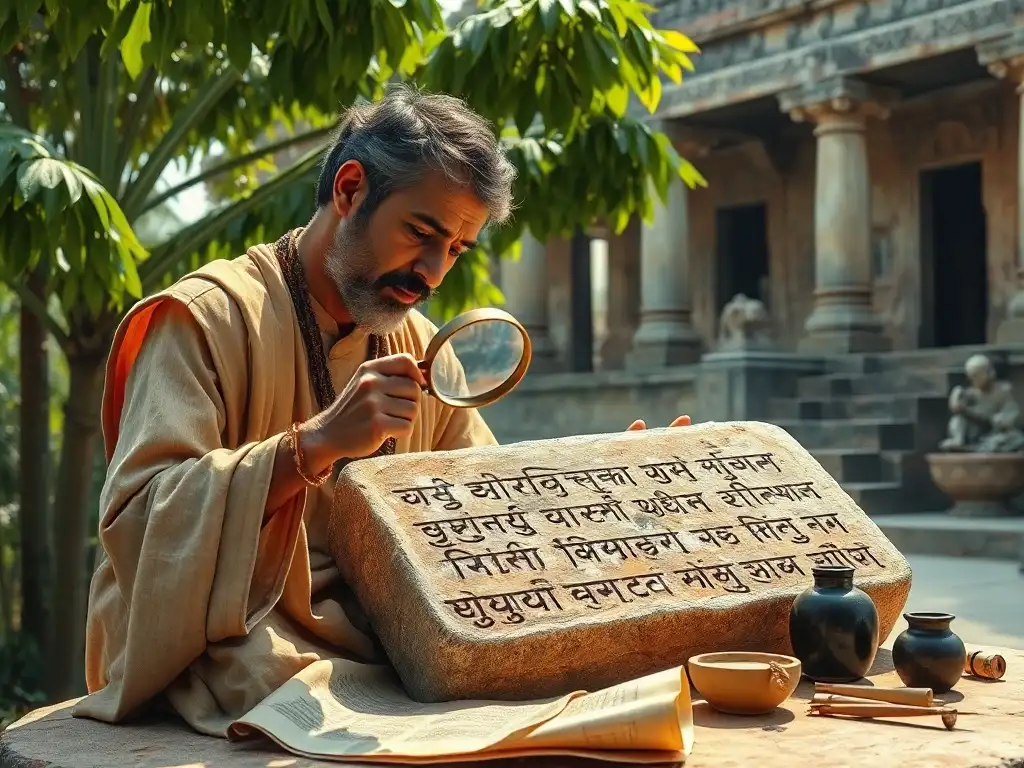
Linguistic evolution plays a crucial role in understanding ancient Indian dialects, as languages are not static but rather dynamic entities that change over time. The study of epigraphy reveals how dialects evolved in response to various factors, including cultural interactions, conquests, and trade. For instance, the emergence of Sanskritized dialects during the Gupta period exemplifies how political and cultural hegemony can influence language development.
Additionally, the evolution of dialects is reflected in the phonetic and grammatical shifts observed in inscriptions. By analyzing these changes, linguists can trace the lineage of dialects and understand their relationships with contemporary languages. This evolutionary perspective is vital for reconstructing the linguistic landscape of ancient India and for appreciating the depth of its cultural heritage.
The investigation of ancient Indian dialects through epigraphy not only illuminates the languages of the past but also fosters a greater appreciation for the rich tapestry of India's historical and cultural evolution.
The Significance of Ancient Indian Dialects and Epigraphy Today
The study of ancient Indian dialects and epigraphy is crucial for understanding the linguistic diversity and cultural richness of historical India. Inscriptions from various periods not only reveal the evolution of language but also provide insights into the social, political, and religious dynamics of ancient civilizations. By examining these inscriptions, researchers can trace the development of regional dialects and their interactions, shedding light on how languages influenced one another and adapted over time.
Furthermore, ancient epigraphic evidence serves as a window into the daily lives of the people. It encapsulates a variety of aspects such as trade practices, legal systems, and religious beliefs, offering a comprehensive view of ancient society. Today, the significance of these studies extends beyond historical curiosity; they are pivotal for linguists, historians, and anthropologists alike, facilitating a better understanding of the roots of contemporary Indian languages.
Contributions to Modern Linguistic Studies
Ancient Indian dialects have significantly contributed to modern linguistic studies by providing a rich tapestry of language evolution. Linguists utilize inscriptions to analyze phonetic changes, grammatical structures, and vocabulary across different regions and eras. For instance, the study of inscriptions in Brahmi script has revealed the origins of many modern languages in India, such as Hindi, Bengali, and Tamil.
Moreover, these dialects offer insights into the processes of language contact and borrowing. Through epigraphy, researchers can observe how languages interacted in trade and migration contexts, allowing for a better understanding of linguistic shifts and the emergence of new dialects. The historical documentation of these dialects allows modern linguists to reconstruct linguistic families and trace the development of languages over millennia.
Preservation of Cultural Heritage Through Epigraphy
Epigraphy plays a vital role in preserving cultural heritage by documenting the languages and scripts of ancient India. Inscriptions found on monuments, coins, and pottery serve as vital historical records that encapsulate the thoughts, values, and traditions of past societies. This preservation is essential not only for academic purposes but also for fostering a sense of identity and continuity in contemporary society.
Furthermore, efforts to conserve these inscriptions contribute to the safeguarding of ancient languages. As many dialects face extinction due to modernization and globalization, the study and preservation of epigraphic evidence can help revive interest in these languages, encouraging communities to take pride in their heritage and linguistic roots.
Conclusion: The Future of Research in Ancient Indian Dialects and Epigraphy
The future of research in ancient Indian dialects and epigraphy is poised for exciting developments as interdisciplinary approaches gain traction. The integration of technology, such as digital imaging and machine learning, is revolutionizing the way researchers analyze and interpret ancient inscriptions. These advancements not only enhance the accuracy of readings but also facilitate the sharing of findings with a broader audience.
Emerging Trends in Epigraphic Studies
Emerging trends in epigraphic studies include the use of computational methods to analyze large datasets of inscriptions. This approach allows researchers to identify patterns and connections that might not be visible through traditional methodologies. Additionally, there is a growing emphasis on collaborative research that engages local communities in the study of their linguistic heritage, promoting a more inclusive understanding of ancient dialects.
Moreover, the exploration of lesser-known inscriptions and regional dialects is becoming increasingly important as scholars aim to create a more comprehensive picture of the linguistic landscape of ancient India. This holistic approach is essential for uncovering hidden histories and enriching our understanding of the past.
The Importance of Continued Research on Ancient Languages
Continued research on ancient languages is crucial for a variety of reasons. Firstly, it aids in the preservation of linguistic diversity, ensuring that the voices of past civilizations are not lost to history. The documentation and analysis of ancient dialects can provide vital lessons about language evolution, sociolinguistics, and cultural interchange that are relevant to today's globalized world.
Secondly, ongoing research fosters a deeper appreciation for the cultural heritage embedded within these languages. By understanding the nuances of ancient dialects, we not only honor the legacy of our ancestors but also gain valuable insights into the values and beliefs that shaped ancient Indian civilization. Thus, the study of ancient Indian dialects and epigraphy remains an essential field of inquiry that promises to enrich our understanding of language, culture, and history in profound ways.
References and Suggested Further Reading on Ancient Indian Dialects and Epigraphy
To deepen your understanding of ancient Indian dialects and the significance of epigraphy, consider exploring the following references and suggested readings. These works provide valuable insights into the languages used in ancient inscriptions, the methodologies of epigraphy, and the cultural contexts of these dialects.
Books
- "The Language of Ancient India: A Linguistic Study" by George Cardona
- This book delves into the linguistic features of ancient Indian languages, including Sanskrit, Prakrit, and Tamil, offering a comprehensive view of their development and use in inscriptions.
- "Epigraphy: The Study of Inscriptions" by R. C. Majumdar
- A foundational text that introduces the principles of epigraphy with a focus on Indian inscriptions, discussing the techniques of deciphering ancient scripts and their historical importance.
- "Ancient Indian Inscriptions: A Historical and Linguistic Survey" by R. K. Sharma
- This work surveys various inscriptions found across India, analyzing their linguistic aspects and historical context, making it essential for scholars interested in regional dialects.
- "The Epigraphia Indica" (Various Volumes)
- A key publication for researchers, this series contains detailed records and analyses of inscriptions discovered throughout India, serving as a primary resource for epigraphic studies.
Articles and Journals
- "Deciphering the Dialects: The Role of Epigraphy in Ancient Indian Linguistics": - This scholarly article discusses how epigraphic evidence has helped linguists reconstruct ancient Indian dialects and understand their evolution over time.
- "Inscriptions as a Source of Historical Linguistics in India" - A journal article that highlights how inscriptions provide critical data for historical linguistics, discussing specific case studies from ancient India.
Online Resources
- The Indian Epigraphy Project
- An initiative aimed at digitizing and making accessible inscriptions from across India. This resource is invaluable for researchers and enthusiasts alike, offering primary texts and translations.
- Digital South Asia Library
- A comprehensive digital archive that includes a wealth of resources on South Asian history, including epigraphic materials and linguistic studies.
Conclusion
Engaging with these references will provide a deeper understanding of ancient Indian dialects and the role of epigraphy in reconstructing the linguistic landscape of the time. Whether you are a scholar, student, or simply an enthusiast of ancient history, these resources will enhance your knowledge and appreciation of the intricate tapestry of languages that shaped ancient India.
- Introduction to Ancient Indian Dialects and Epigraphy
- The Role of Inscriptions in Deciphering Ancient Indian Languages
- Major Ancient Indian Dialects Reflected in Inscriptions
- Historical Context of Inscriptions
- Case Studies in Ancient Indian Epigraphy
- Significant Inscriptions and Their Impact on Language Studies
- Challenges in Understanding Ancient Indian Dialects
- Limitations of Current Epigraphic Research
- The Role of Linguistic Evolution in Dialect Understanding
- The Significance of Ancient Indian Dialects and Epigraphy Today
- Conclusion: The Future of Research in Ancient Indian Dialects and Epigraphy
- References and Suggested Further Reading on Ancient Indian Dialects and Epigraphy
- What are ancient Indian dialects?
- How does epigraphy help in understanding these dialects?
- What is the significance of the Indus Valley script in ancient Indian linguistics?
- Which ancient Indian empires contributed to the diversity of dialects?
- How can modern studies of epigraphy impact our understanding of ancient cultures?
Frequently Asked Questions
What are ancient Indian dialects?
Ancient Indian dialects refer to the various regional languages and dialects spoken in India during ancient times, which evolved over centuries and contributed to the richness of the Indian linguistic heritage.
How does epigraphy help in understanding these dialects?
Epigraphy is the study of inscriptions on materials such as stones, metals, and pottery. It provides valuable insights into the languages, scripts, and socio-cultural contexts of ancient Indian dialects.
What is the significance of the Indus Valley script in ancient Indian linguistics?
The Indus Valley script is one of the earliest forms of writing in ancient India, though still undeciphered. It serves as a key to understanding the linguistic foundations of the region and the evolution of subsequent dialects.
Which ancient Indian empires contributed to the diversity of dialects?
The Maurya and Gupta Empires significantly influenced the linguistic landscape of ancient India, promoting the spread of Sanskrit and regional dialects through administration, literature, and culture.
How can modern studies of epigraphy impact our understanding of ancient cultures?
Modern studies of epigraphy can uncover previously unknown historical events, social structures, and cultural practices, offering a deeper appreciation of the rich tapestry of ancient Indian civilizations.
Final Reflection: The Enduring Legacy of Ancient Indian Dialects and Epigraphy
The exploration of ancient Indian dialects through epigraphy is not just an academic pursuit; it is a vital link to understanding our shared human heritage. As we navigate a world increasingly defined by globalization and technological advancement, the significance of these ancient languages and their inscriptions becomes ever more relevant. They serve as a reminder of the rich tapestry of cultures that have shaped our present, urging us to appreciate the depth of human expression across time.
Cultural identity and social cohesion are profoundly influenced by language, and the study of ancient Indian dialects through epigraphy offers a unique lens into this relationship. The inscriptions we uncover tell stories of civilizations, beliefs, and practices that have long since faded but continue to resonate in contemporary society. As noted by historian Romila Thapar, The past is not a dead weight; it is a living force that shapes our present and future.
This ongoing influence underscores the importance of preserving and understanding these dialects, as they are integral to our collective identity.
As we reflect on the lessons gleaned from the study of ancient Indian dialects and epigraphy, I invite you to consider how these insights can enrich your own life. Take a moment to explore the languages and histories that surround you; engage with the stories they tell and the connections they foster. By doing so, you not only honor the past but also empower yourself to contribute to a more inclusive and understanding future. Let us embrace the beauty of language as a bridge that connects us all, transcending time and space.
Unearth the Fascinating World of Ancient Dialects!
Thank you for diving into the intriguing realm of ancient Indian inscriptions with us! You've unlocked valuable insights into the languages and dialects that shaped a rich cultural heritage. Now, let's take your newfound knowledge and put it into action!
- Start a passion project by researching a specific ancient dialect that interests you. Explore historical texts or inscriptions to uncover its unique characteristics.
- Join a community of history enthusiasts! Share your discoveries and learn from others who are equally passionate about ancient languages.
- Visit a local museum or archaeological site to see ancient inscriptions in person. This firsthand experience can deepen your understanding and appreciation of these languages.
Which dialect or inscription resonates most with you, and how do you plan to explore it further? We would love to hear your thoughts in the comments!