
How Inscriptions Documented the Rise and Fall of Dynasties

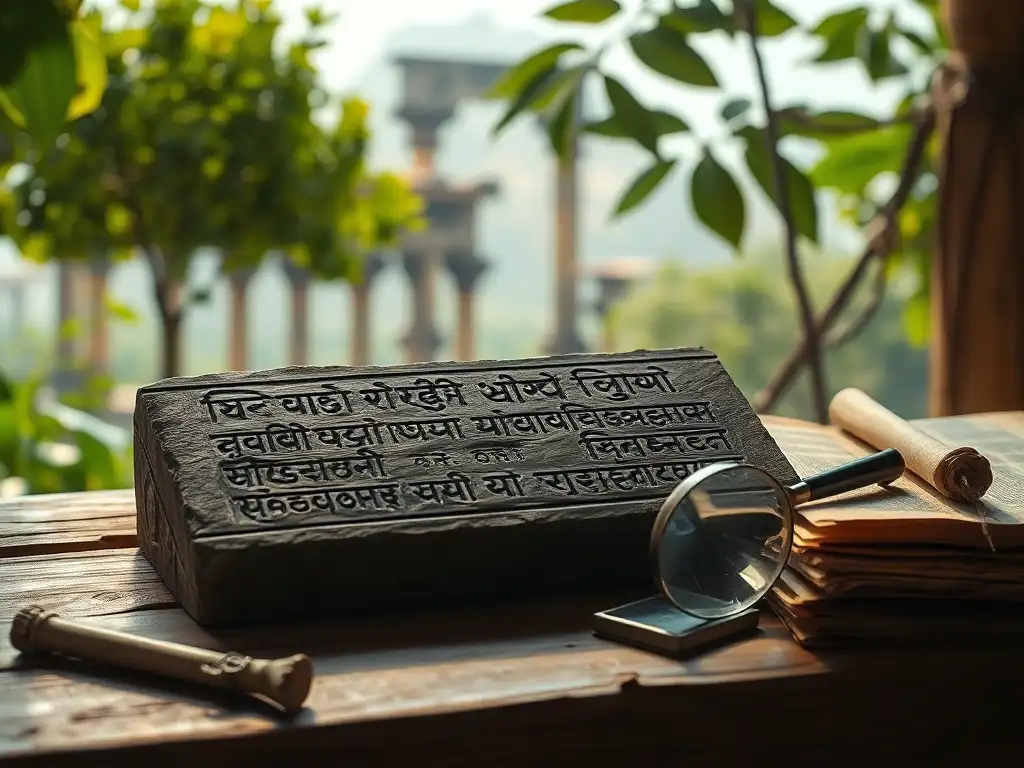
Welcome to Ancient India History, where we embark on a fascinating journey through the vibrant tapestry of India's past. Here, we delve into the rich and diverse history, culture, and contributions of ancient Indian civilizations, from the enigmatic Indus Valley to the illustrious Gupta Empire.
In our featured article, "How Inscriptions Documented the Rise and Fall of Dynasties," we unravel the significance of ancient Indian inscriptions history, revealing how these remarkable artifacts not only chronicled events but also shaped the very essence of India's legacy. Prepare to ignite your curiosity and discover the stories etched in stone that continue to resonate through time—join us as we explore this captivating chapter of history!
- Introduction to Ancient Indian Inscriptions History
- The Rise of Dynasties in Ancient India
- The Fall of Dynasties Documented through Inscriptions
- Case Studies of Significant Inscriptions
- The Evolution of Inscriptions and Their Impact on History
- Conclusion: The Legacy of Ancient Indian Inscriptions History
- References and Further Reading on Ancient Indian Inscriptions History
- Frequently Asked Questions
- Final Reflection: The Timeless Echo of Ancient Indian Inscriptions
- Unveil the Stories of the Past!
Introduction to Ancient Indian Inscriptions History
The history of ancient India is profoundly enriched by the art of inscription, which serves as a vital link to understanding the rise and fall of various dynasties throughout centuries. Ancient Indian inscriptions, ranging from the remarkable scripts of the Indus Valley Civilization to the meticulously crafted edicts of the Maurya and Gupta empires, provide invaluable insights into the socio-political, economic, and cultural dynamics of their times.
These inscriptions, often etched in stone or metal, not only chronicle the achievements of rulers but also reflect the religious beliefs, administrative practices, and daily lives of the people. In this article, we will delve into the significance of these inscriptions, exploring how they document the ebb and flow of dynasties and contribute to our comprehension of ancient Indian history.
Overview of Inscriptions and Their Importance
Inscriptions are defined as writing carved, engraved, or printed on durable materials such as stone, metal, or clay. In ancient India, they served multiple purposes, including:
- Commemorative Records: Many inscriptions were created to celebrate victories, milestones, or the patronage of significant public works.
- Religious Texts: Inscriptions often contained religious verses or prayers, underscoring the cultural and spiritual life of the society.
- Legal Documents: Some inscriptions functioned as official records, documenting treaties, land grants, and other legal agreements.
- Historical Accounts: They provide narratives of events, including battles, governance, and social changes.
The significance of inscriptions extends beyond mere documentation; they are a window into the ethos of ancient Indian societies, reflecting their values, beliefs, and historical trajectory. By examining these artifacts, historians and archaeologists can reconstruct the complex tapestry of ancient Indian civilization.
The Role of Inscriptions in Documenting Dynasties
Inscriptions played a pivotal role in chronicling the history of various dynasties in ancient India. They served as authoritative sources that provide a chronological context to the rise and fall of empires. Key aspects of their role include:
- Establishing Legitimacy: Many rulers used inscriptions to assert their divine right to rule or to document their lineage, thereby legitimizing their authority.
- Documenting Achievements: Inscriptions often highlighted the accomplishments of a dynasty, including military conquests, architectural feats, and advancements in trade. For example, the Ashoka Edicts document Emperor Ashoka's efforts to spread Buddhism and his commitment to moral governance.
- Social and Cultural Insights: Through inscriptions, we gain insights into the social structure, economic conditions, and cultural practices of different periods. They often reveal information about the patronage of arts and literature, which flourished under various dynasties.
- Chronological Framework: By dating inscriptions, historians can construct timelines that map out the succession of rulers and significant events throughout Indian history.
The study of ancient Indian inscriptions not only sheds light on individual dynasties but also enhances our understanding of the broader historical landscape of ancient India. As we explore the intricate details of these inscriptions, we unravel the complexities of a civilization that has left an indelible mark on world history.
The Rise of Dynasties in Ancient India
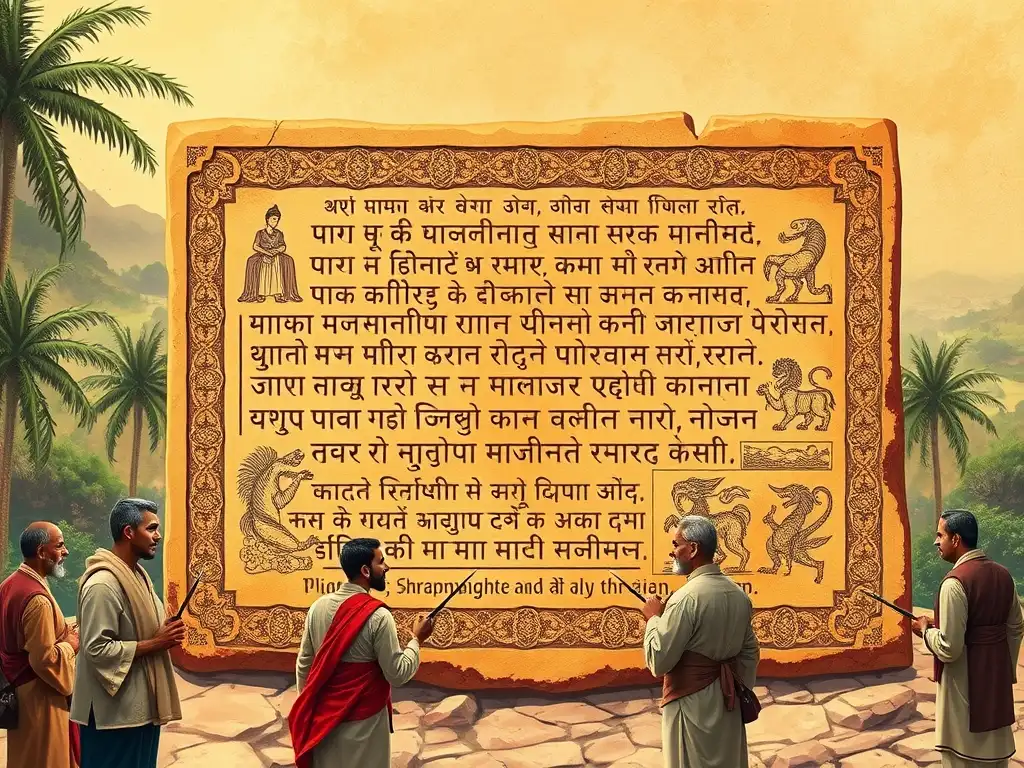
Key Ancient Indian Civilizations and Their Inscriptions
In the vast tapestry of ancient Indian history, inscriptions serve as vital artifacts that illuminate the rise and fall of dynasties. These inscriptions not only provide a glimpse into the political landscape but also reflect the cultural and social dynamics of their times. Below, we explore the inscriptions associated with key ancient Indian civilizations.
Indus Valley Civilization Inscriptions
The Indus Valley Civilization (c. 3300–1300 BCE) is renowned for its advanced urban planning and sophisticated society. However, the inscriptions from this period remain enigmatic. Most inscriptions are found on seals, which feature short texts in the yet-to-be-deciphered Indus script. Notable features include:
- Material and Techniques: Seals were typically made of steatite, engraved with symbols and motifs, often depicting animals such as bulls and elephants.
- Purpose: Scholars believe these inscriptions may have served as a form of identification, perhaps for trade or ownership. The brevity of the texts suggests they were not meant for extensive narrative purposes.
The mystery surrounding these inscriptions contributes to our understanding of the social and economic structures of the Indus Valley, emphasizing the significance of trade in ancient Indian civilization.
Maurya Empire Inscriptions
The Maurya Empire (c. 322–185 BCE), particularly under Emperor Ashoka, is marked by an unparalleled proliferation of inscriptions. Ashoka's edicts, inscribed on rocks and pillars across the Indian subcontinent, provide profound insights into governance and philosophy. Key aspects include:
- Dhamma Edicts: These inscriptions articulate Ashoka's commitment to dhamma (moral law), promoting values such as non-violence, compassion, and tolerance.
- Geographical Spread: The inscriptions were strategically placed in various locations, ensuring they reached diverse populations, thereby enhancing the central authority of the empire.
The Mauryan inscriptions not only document the administrative practices of the empire but also reflect the cultural and ethical dimensions of governance during this period.
Gupta Empire Inscriptions
The Gupta Empire (c. 240–550 CE) is often regarded as a golden age of ancient Indian culture, and its inscriptions provide key insights into the era's achievements. The Gupta inscriptions are characterized by:
- Sanskrit Language: Many inscriptions from this period are in Sanskrit, showcasing the linguistic and literary advancements of the time.
- Cultural Patronage: Inscriptions often commemorate religious donations or the establishment of temples, reflecting the Gupta rulers' role as patrons of art and religion.
These inscriptions serve as critical evidence of the Gupta Empire's contributions to art, science, and culture, marking a significant period in ancient Indian history.
How Inscriptions Highlight Power and Governance
Inscriptions from various ancient Indian dynasties reveal much about the political structures and governance strategies employed by these rulers. By examining the nature of these inscriptions, we can gain insights into how power was articulated and maintained.
Royal Edicts and Proclamations
Royal edicts and proclamations serve as formal announcements from rulers, often outlining policies or significant events. These inscriptions are crucial for understanding the governance of ancient Indian dynasties. Key features include:
- Public Communication: Edicts were often carved in public spaces, making them accessible to the populace, thereby legitimizing the ruler's authority and decisions.
- Policy Implementation: They often detailed legal codes, social reforms, and administrative changes, demonstrating the rulers' intent to govern effectively.
The careful documentation of edicts in inscriptions reflects the emphasis placed on governance and the desire for transparency in the administration.
Inscriptions as Historical Records
Inscriptions function as invaluable historical records, preserving the narrative of dynasties long after their decline. As historical documents, they provide:
- Chronological Framework: Inscriptions often include dates, allowing historians to construct timelines of events and significant transitions in power.
- Cultural Context: They offer insights into societal norms, religious practices, and economic conditions of the time, enriching our understanding of ancient Indian civilizations.
Through these inscriptions, we can piece together the complex history of ancient Indian dynasties, highlighting their contributions, challenges, and legacy in shaping the subcontinent's history.
The Fall of Dynasties Documented through Inscriptions

Factors Leading to the Decline of Dynasties
The decline of dynasties in ancient India is a complex process influenced by a myriad of factors. Inscriptions from various periods provide critical insights into these dynamics, illustrating the interplay of internal and external pressures that contributed to the downfall of powerful empires.
Internal Strife and Political Fragmentation
Internal strife often played a pivotal role in the decline of dynasties. Conflicts among royal family members, power struggles among nobles, and administrative inefficiencies led to political fragmentation.
- Succession Disputes: Many inscriptions highlight instances where disputes over succession weakened royal authority. For example, inscriptions from the Maurya Empire document conflicts among Ashoka's descendants, illustrating how familial discord destabilized the dynasty.
- Regional Autonomy: Over time, local rulers often asserted their autonomy, leading to fragmentation. Inscriptions from the later Gupta period show how regional governors began to operate independently, challenging central authority.
Such internal conflicts created a fertile ground for decline, as the unity and coherence of the dynasty were compromised.
Invasions and External Pressures
External pressures, including invasions from foreign powers, significantly impacted the stability of dynasties. The inscriptions document the responses of these empires to external threats, often highlighting their struggles and eventual downfalls.
- Foreign Invasions: Inscriptions from the late Gupta period reference invasions by the Huns, which not only challenged military might but also disrupted trade and agriculture, leading to economic decline.
- Diplomatic Failures: The failure of diplomatic relations with neighboring states can also be seen in inscriptions. For instance, the inscriptions of the Chola dynasty reflect attempts to forge alliances that ultimately fell through, resulting in isolation and vulnerability.
These external pressures compounded internal issues, accelerating the decline of once-thriving dynasties.
Inscriptions Reflecting the Fall of Dynasties
Inscriptions serve as a vital source of information about the decline of dynasties. They document not just the events surrounding the fall, but also the perceptions and justifications of those in power during these tumultuous times.
Epigraphic Evidence of Decline
Numerous inscriptions provide epigraphic evidence of the decline, capturing the sentiments of rulers and their subjects.
- Descriptive Accounts: Inscriptions often describe the deteriorating conditions of kingdoms. For example, the inscriptions from the later Mauryan period reflect the discontent among subjects due to increased taxation and military campaigns, illustrating a stark contrast to earlier prosperity.
- Warnings and Omens: Some inscriptions record omens or warnings perceived before the fall of a dynasty, suggesting a belief in divine intervention. These documents indicate how rulers interpreted signs, often attributing their decline to a loss of favor with the deities.
This epigraphic evidence not only chronicles events but also reveals the psychological landscape of dynasties on the brink of collapse.
Transition of Power Documented in Inscriptions
As dynasties fell, inscriptions also documented the transition of power, providing insights into the processes of succession and change.
- Usurpation and New Rulers: Inscriptions from the period of transition frequently highlight the usurpation of power by new rulers. For instance, inscriptions detailing the rise of the Mughals illustrate how Babur's conquest marked a shift from the Lodi dynasty, emphasizing the legitimacy claimed by the new rulers.
- Cultural Continuity and Change: The inscriptions also reflect how new regimes sought to establish their authority. They often adopted elements from the previous dynasties, as seen in the art and architecture described in inscriptions, which combined the old with the new to legitimize their rule.
These transitions, documented in inscriptions, reveal the continuity and change in governance, shedding light on the resilience and adaptability of ancient Indian civilizations in the face of decline.
Case Studies of Significant Inscriptions

The Ashoka Edicts: A Testament to the Mauryan Empire
The Ashoka Edicts represent a monumental collection of inscriptions that offer profound insights into the Mauryan Empire, particularly during the reign of Emperor Ashoka (c. 268–232 BCE). These edicts are inscribed on rocks and pillars across the Indian subcontinent, with the most notable examples found at locations such as Lumbini, Sarnath, and the famous Lion Capital of Ashoka.
Historical Context
Emperor Ashoka's reign marked a significant turning point in Indian history, transitioning from conquest to a focus on moral governance and the promotion of Buddhism. The edicts serve as a reflection of Ashoka's commitment to Dhamma, a set of moral principles intended to guide his subjects towards ethical living.
Content and Significance
The Ashoka Edicts cover a wide range of subjects, including:
- Moral and Ethical Guidelines: Promoting non-violence (ahimsa) and compassion.
- Social Welfare: Instructions on the establishment of hospitals and care for animals.
- Religious Tolerance: Advocacy for respect among different faiths.
The language used in these inscriptions is primarily Prakrit, written in the Brahmi script, which underscores the accessibility of the message. These edicts not only document the administrative and social policies of the Mauryan Empire but also highlight the cultural and philosophical shifts during this period.
The Allahabad Pillar Inscription: Chronicles of the Gupta Dynasty
The Allahabad Pillar Inscription, dating back to the 4th century CE, is one of the most significant inscriptions from the Gupta period. This inscription is crucial for understanding the political dynamics and achievements of the Gupta Empire, particularly under Emperor Samudragupta.
Content Overview
The inscription, carved on a polished sandstone pillar, details:
- Military Victories: Samudragupta's conquests and the expansion of the Gupta Empire across Northern India.
- Political Alliances: The establishment of tributary states and the diplomatic relations with neighboring kingdoms.
- Cultural Flourishing: Recognition of the arts and learning during his reign, marking the Gupta period as a golden age of Indian civilization.
Historical Impact
The significance of the Allahabad Pillar Inscription lies in its dual role as both a historical record and a piece of art. The eloquence of the Sanskrit used reflects the literary sophistication of the time. Additionally, it serves as a vital source for historians to understand the socio-political landscape of ancient India, especially the consolidation of power during the Gupta Empire.
Inscriptions from the Deccan: The Rise and Fall of Regional Powers
The Deccan region of India has been home to various dynasties, including the Satavahanas, Chalukyas, and Rashtrakutas. The inscriptions from this region provide critical insights into the rise and fall of these regional powers and their contributions to ancient Indian history.
Key Inscriptions
Several notable inscriptions from the Deccan include:
- The Nasik Cave Inscriptions: These inscriptions, dating back to the 1st century BCE, are linked to the Satavahana Dynasty and provide information about trade, religion, and local administration.
- The Aihole Inscription: Associated with the Chalukya king Pulakeshin II, this inscription outlines his military exploits and the architectural advancements during his reign.
- The Rashtrakuta Inscriptions: These documents detail the patronage of art and literature, showcasing the cultural richness of the period.
Interpretation and Analysis
The inscriptions from the Deccan not only document historical events but also reflect the linguistic diversity of ancient India, often utilizing languages such as Sanskrit, Prakrit, and Kannada. The study of these inscriptions reveals patterns of political change, economic development, and cultural exchanges that occurred as various dynasties rose to power and eventually declined.
The inscriptions from the Deccan serve as vital historical documents that chart the complex narratives of regional powers in ancient India, contributing significantly to our understanding of the broader tapestry of ancient Indian inscriptions history.
The Evolution of Inscriptions and Their Impact on History
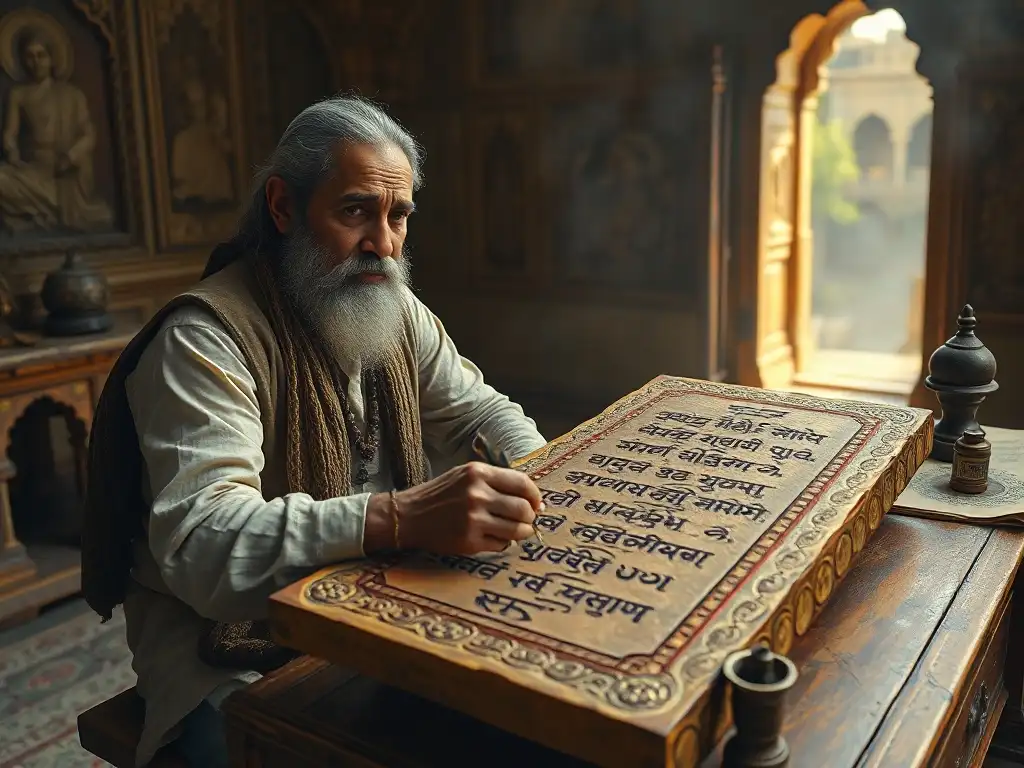
The evolution of inscriptions in ancient India serves as a vital tool for understanding the cultural, political, and social dynamics of various civilizations. These inscriptions not only documented the rise and fall of dynasties but also reflected the changing linguistic and scriptural landscape of the subcontinent.
Inscriptions began to appear around the time of the Indus Valley Civilization, with seals and tablets inscribed with symbols. However, it was during the Mauryan Empire that inscriptions took on a more formalized role, particularly with the edicts of Ashoka. These inscriptions are vital for the study of ancient Indian inscriptions history as they provide insights into governance, moral philosophy, and the spread of Buddhism.
The use of inscriptions continued to evolve through subsequent dynasties, such as the Guptas, who produced a rich corpus of epigraphic material that reflects advancements in language, script, and artistic expression. By studying the evolution of inscriptions, historians gain a clearer picture of how political power shifted over centuries and how cultural identity was articulated through written records.
Changes in Language and Script Over Time
The linguistic diversity of ancient India is clearly reflected in its inscriptions. Initially, the Indus script remains undeciphered, but it hinted at a complex system of communication. As time progressed, different languages and scripts emerged, influenced by regional dialects and the spread of various religions.
- Brahmi and Kharosthi Scripts:
- The Brahmi script emerged around the 3rd century BCE and is the ancestor of many modern Indian scripts. It was predominantly used in inscriptions during the Mauryan period.
- Kharosthi, another script used in the northwest regions, showcases the interaction between different cultures, particularly with the Greeks.
- Sanskrit and Regional Languages:
- By the Gupta period, Sanskrit inscriptions became prevalent, symbolizing the cultural supremacy of the Guptas.
- Regional languages began to gain prominence with inscriptions in languages like Prakrit and Tamil, reflecting local governance and societal norms.
The continued evolution of language and script in inscriptions not only marks a linguistic transition but also signifies shifts in power dynamics, cultural influences, and the spreading of ideas. This linguistic diversity is crucial for understanding ancient Indian inscriptions history, providing context to the inscriptions’ content and significance.
The Preservation of Historical Narratives through Inscriptions
Inscriptions served as essential records for preserving historical narratives, ensuring that the legacies of various dynasties were transmitted through generations. They documented everything from royal decrees and land grants to religious edicts and public inscriptions, revealing the multifaceted nature of ancient Indian society.
- Historical Context:
- Inscriptions often provided insights into the political landscape, detailing the achievements of rulers. For example, Ashoka's edicts not only promoted Buddhist values but also outlined his governance philosophy in response to the Kalinga War.
- Cultural Significance:
- Many inscriptions were dedicated to deities or commemorated significant events, reflecting the cultural and religious practices of the time. The inscriptions found in temples and monuments serve as a testament to the value placed on spirituality and artistic expression.
- Archaeological Relevance:
- The study of inscriptions has been crucial in archaeological excavations, helping to date artifacts and understand the spatial organization of ancient settlements. The inscriptions provide a chronological framework within which other archaeological findings can be analyzed.
Overall, inscriptions play a pivotal role in reconstructing the historical narratives of ancient Indian civilizations. They are invaluable resources that not only document political changes but also encapsulate the rich cultural heritage of the subcontinent, making the study of ancient Indian inscriptions history an essential aspect of understanding the past.
Conclusion: The Legacy of Ancient Indian Inscriptions History
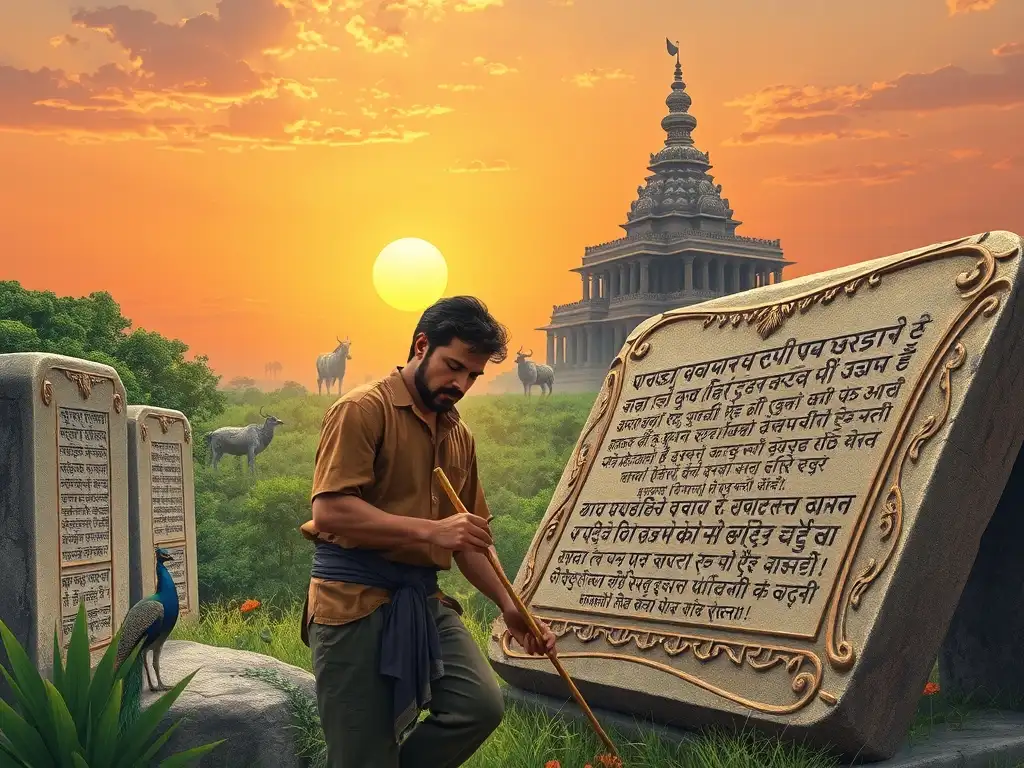
The legacy of ancient Indian inscriptions is profound, encapsulating the political, social, and cultural dynamics of various civilizations that flourished across the subcontinent. These inscriptions serve as invaluable primary sources, offering insights into the ideologies, governance, practices, and transitions of power through time. They not only document the rise and fall of dynasties but also reflect the everyday lives of the people, their beliefs, and their interactions with the environment and each other.
The meticulous recording of events, from royal edicts to public declarations, highlights the significance of written communication in ancient Indian societies. The Kharosthi and Brahmi scripts, for example, are pivotal in understanding the linguistic and cultural diversity that existed. Through inscriptions, scholars can trace the influence of major dynasties, such as the Mauryas, Guptas, and Cholas, and comprehend how their legacies shaped future generations.
In essence, the study of ancient Indian inscriptions history enriches our understanding of historical narratives and provides a lens through which we can view the complexities of ancient Indian civilizations.
The Importance of Inscriptions in Understanding Ancient Indian Civilizations
Inscriptions play a critical role in piecing together the tapestry of ancient Indian history. They offer a wealth of information that is often not available through other archaeological methods. Here are some key aspects of their importance:
- Chronological Framework: Inscriptions often include dates or references to specific events, helping historians establish timelines for various dynasties and their reigns.
- Cultural Insights: Many inscriptions contain details about religious practices, social hierarchies, and daily life, providing a deeper understanding of the cultural contexts in which they were created.
- Political Narratives: Royal inscriptions frequently detail the achievements of rulers, wars fought, and territorial expansions, which are crucial for understanding the political landscape of ancient India.
- Linguistic Evolution: The evolution of language and script can be traced through inscriptions, revealing the linguistic diversity and shifts that occurred over time.
For example, the Ashoka Edicts, inscribed by Emperor Ashoka in the 3rd century BCE, not only communicate his policies on governance and ethics but also highlight the spread of Buddhism across Asia, showcasing how inscriptions served as tools for both administration and religious propagation.
Future Directions in the Study of Inscriptions and Epigraphy
The field of epigraphy and the study of ancient Indian inscriptions is poised for exciting advancements. Here are some potential future directions:
- Technological Integration: The use of modern imaging techniques, such as 3D scanning and digital enhancement, can facilitate the better preservation and study of inscriptions, allowing for clearer interpretations.
- Multidisciplinary Approaches: Collaborations among historians, archaeologists, linguists, and computer scientists can yield new insights and methodologies in deciphering ancient scripts.
- Public Engagement: Increasing awareness and accessibility of inscriptions through digital platforms can engage broader audiences and encourage public interest in ancient history.
- Regional Studies: There is a growing need to focus on regional inscriptions that may not have received significant attention, highlighting the diversity of ancient Indian cultures beyond the well-known dynasties.
As research continues to evolve, the study of inscriptions will undoubtedly enhance our understanding of ancient Indian history, revealing the intricate narratives that lie within these stone and metal records. The journey of deciphering ancient Indian inscriptions history is far from over, and its ongoing exploration promises to uncover even more about the rich tapestry of India's past.
References and Further Reading on Ancient Indian Inscriptions History

Suggested Books and Articles
To gain a deeper understanding of the ancient Indian inscriptions history, several comprehensive books and scholarly articles can provide valuable insights. Below is a curated list of recommended readings:
- "The Archaeology of Ancient India" by J. C. Harle
- This book offers an extensive overview of ancient Indian civilizations, highlighting the importance of inscriptions in understanding socio-political dynamics.
- "Inscriptions of the Early Gupta Kings" by R. C. Majumdar
- A detailed examination of Gupta inscriptions that sheds light on the administration and culture during this significant period.
- "Epigraphia Indica" (multiple volumes)
- A critical collection of inscriptions from various regions of India, providing translations and commentaries that are indispensable for researchers in the field.
- "Indian Epigraphy" by D. C. Sircar
- This text serves as a comprehensive introduction to the study of inscriptions, detailing techniques of decipherment and contextual analysis.
- "The Indus Script: Texts, Concordance, and Analysis" by Asko Parpola
- An exploration of the enigmatic Indus Valley inscriptions, discussing theories regarding their meanings and implications for understanding early urban societies.
- "Ancient Indian Inscriptions: A Study of their Historical Value" by B. M. Pande
- This book focuses on specific inscriptions, analyzing their historical relevance and contributions to our understanding of ancient Indian history.
Key Archaeological Sites to Explore
Exploring archaeological sites where ancient inscriptions are found can provide tangible connections to the past. Here are some key sites that are vital for understanding ancient Indian inscriptions history:
- Ashoka's Edicts (Various Locations)
- Scattered across the Indian subcontinent, these inscriptions from Emperor Ashoka offer profound insights into Mauryan governance and Buddhist philosophy.
- The Junagadh Rock Edicts (Gujarat)
- A significant site featuring inscriptions related to Ashoka and later rulers, providing historical context and linguistic evolution.
- The Brahmagiri Inscription (Karnataka)
- A crucial site for studying the early Kannada script and the influence of Brahmanical culture in the region.
- The Khambhalida Caves (Gujarat)
- These caves contain inscriptions that reflect the artistic and religious developments during the early centuries CE.
- The Sanchi Stupa (Madhya Pradesh)
- Not only a UNESCO World Heritage site, but Sanchi also features numerous inscriptions that reveal the history and patronage of Buddhism in ancient India.
- The Nalanda University Ruins (Bihar)
- An ancient center of learning, the inscriptions found here document the scholarly pursuits and cultural exchanges that flourished during the Gupta period.
By engaging with these resources and sites, one can enhance their understanding of how ancient Indian inscriptions have chronicled the rise and fall of dynasties, contributing to the rich tapestry of Indian history.
Frequently Asked Questions
What are ancient Indian inscriptions?
Ancient Indian inscriptions are carvings or writings on stone, metal, and other materials that provide valuable insights into the history, culture, and administration of ancient Indian civilizations.
How did inscriptions document the rise and fall of dynasties?
Inscriptions often recorded royal decrees, military victories, and genealogies, which helped historians trace the political changes and decline of various dynasties throughout ancient Indian history.
What is the significance of the Indus Valley inscriptions?
The Indus Valley inscriptions are among the earliest forms of writing in India, offering clues about the socio-economic structure and communication systems of one of the world's first urban civilizations.
What role did the Gupta Empire play in ancient Indian inscriptions?
During the Gupta Empire, inscriptions flourished as a means of recording achievements, promoting religion, and documenting cultural advancements, thus enriching our understanding of this era in ancient Indian history.
Where can I find examples of ancient Indian inscriptions?
Examples of ancient Indian inscriptions can be found in archaeological sites, museums, and historical texts, providing a tangible connection to the past and showcasing the linguistic diversity of ancient India.
Final Reflection: The Timeless Echo of Ancient Indian Inscriptions
The intricate tapestry of ancient Indian inscriptions serves as a powerful reminder of our shared human history and its profound relevance today. These inscriptions not only chronicle the rise and fall of dynasties but also reflect the cultural, social, and political landscapes of their times. As we navigate our modern world, the lessons embedded in these ancient texts resonate with the ongoing struggles for identity, power, and legacy. The past is not merely a collection of dates and events; it is a living narrative that continues to shape our present and future.
The impact of ancient inscriptions extends far beyond their historical context; they are a bridge connecting us to our ancestors and their experiences. Each inscription is a testament to the values, beliefs, and aspirations of the people who lived centuries ago. As we analyze these texts, we gain insights into the complexities of human nature and society. History is not a burden on the memory but an illumination of the soul.
This quote encapsulates how the study of inscriptions can enlighten our understanding of ourselves and the world around us, fostering a deeper appreciation for the continuity of human experience.
As you reflect on the significance of ancient Indian inscriptions, consider how their stories can inspire you in your own life. Embrace the lessons of resilience, adaptability, and the importance of documenting our journeys. Whether through writing, art, or other forms of expression, let your voice contribute to the ongoing narrative of humanity. In doing so, you honor the legacy of those who came before us while paving the way for future generations to learn from our experiences.
Unveil the Stories of the Past!
Thank you for taking the time to explore how inscriptions have chronicled the rise and fall of dynasties throughout history. Your curiosity is a powerful tool for understanding the intricate narratives that shape our world. Now, it’s time to take that knowledge a step further!
Here’s how you can deepen your connection to this fascinating topic:
- Dive Deeper: Explore the latest archaeological findings related to ancient inscriptions and their impacts. Visit local museums or online resources to connect with history firsthand.
- Share Knowledge: Discuss your insights from this article with friends or family to inspire meaningful conversations about our past and the lessons it imparts for today.
- Engage in Community: Join a local history group or an online forum where you can share and expand your knowledge about inscriptions and their significance in documenting history.
Which ancient inscription captivates your interest the most, and what reasons do you have for believing it deserves more attention in contemporary discussions about history?