
From Stone to Script: The Evolution of Inscriptions in Ancient Indian Civilizations

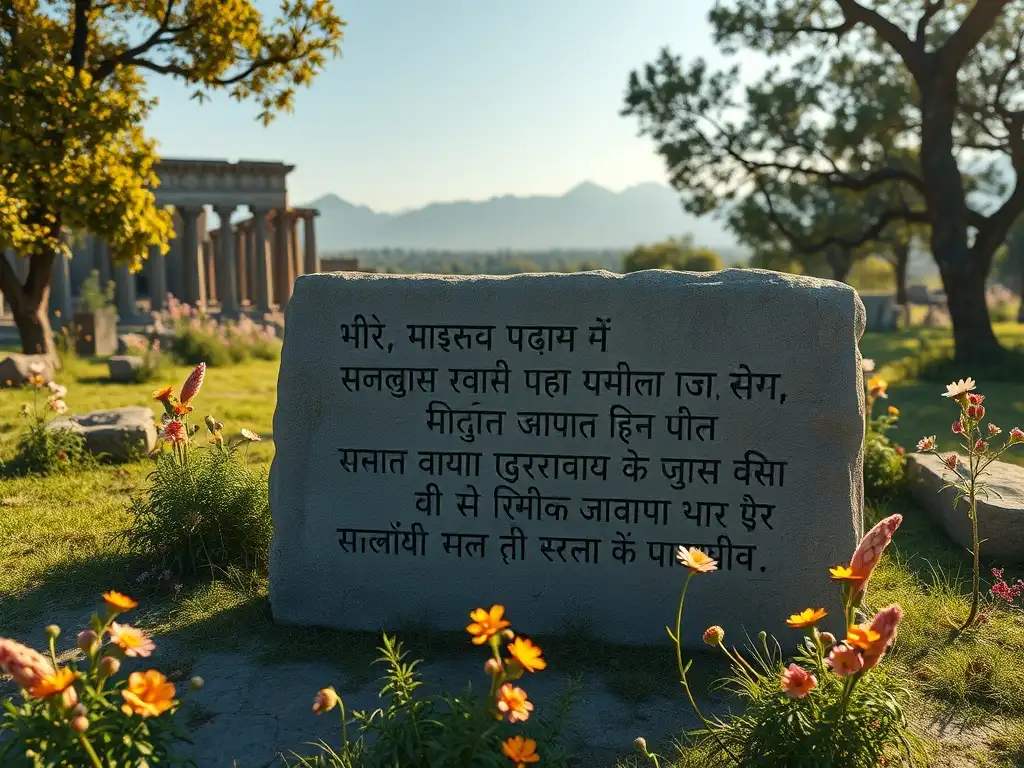
Welcome to Ancient India History, where we embark on an enthralling journey through the rich tapestry of India's past. In our featured article, "From Stone to Script: The Evolution of Inscriptions in Ancient Indian Civilizations," we delve into the fascinating world of ancient Indian inscriptions. Discover how these early forms of communication not only shaped the civilizations of the Indus Valley and beyond but also laid the groundwork for the cultural and historical narrative of a nation.
As you explore this captivating topic, you’ll uncover the profound significance of these inscriptions and their enduring legacy. Ready to unlock the secrets of ancient scripts? Let's dive in!

Introduction to the Evolution of Ancient Indian Inscriptions
The evolution of ancient Indian inscriptions marks a significant chapter in the historical narrative of the subcontinent, shedding light on the cultural, social, and political landscapes of various civilizations. From the intricate carvings of the Indus Valley to the sophisticated scripts of the Gupta Empire, inscriptions serve not only as a medium for communication but also as vital records that encapsulate the ethos of their time. As we delve into this fascinating journey, we will explore the diverse forms and functions of inscriptions, their historical significance, and how they reflect the evolution of language and thought throughout ancient India.
Importance of Inscriptions in Ancient Indian History
Inscriptions have played a crucial role in understanding the past, providing concrete evidence of historical events, societal norms, and religious beliefs. They serve multiple purposes, including:
- Record Keeping: Inscriptions document administrative records, land grants, and treaties, offering insights into governance and economic practices.
- Cultural Expression: They reflect the artistic and literary sensibilities of the time, showcasing the richness of ancient Indian culture.
- Religious Significance: Many inscriptions are dedicated to deities or commemorate significant events, illustrating the spiritual dimensions of ancient societies.
- Linguistic Development: The evolution of scripts and languages can be traced through inscriptions, revealing the progression of communication methods.
The study of inscriptions is, therefore, indispensable for historians, archaeologists, and linguists aiming to piece together the intricate mosaic of ancient Indian civilization.
Overview of Inscriptions and Epigraphy in India
Inscriptions in India can be classified into various categories based on their material, script, and context. The field of epigraphy—the study of inscriptions—encompasses the examination of these elements to uncover their meanings and historical implications. Key aspects include:
- Materials Used: Inscriptions have been found on stone, metal, clay, and even wood, each offering unique insights into the technological advancements of the time.
- Scripts: The evolution of scripts, from the early Indus script to Brahmi and Kharosthi, showcases the linguistic diversity and complexity of ancient Indian languages.
- Geographical Distribution: Inscriptions have been discovered across India, from the north to the south, reflecting the widespread nature of literacy and record-keeping practices.
The Beginnings of Inscriptions in Ancient India
The genesis of inscriptions in ancient India can be traced back to the Indus Valley Civilization, where evidence of early forms of writing has been unearthed. This section will explore the foundational role of these inscriptions in shaping subsequent historical narratives.
Indus Valley Civilization: The First Evidence of Inscriptions
The Indus Valley Civilization, flourishing around 2500 BCE, is often credited with some of the earliest forms of writing in India. Archaeological discoveries, particularly at sites like Harappa and Mohenjo-Daro, have revealed seals and tablets inscribed with symbols that remain undeciphered. These early inscriptions serve as a testament to:
- Urban Planning: They indicate a sophisticated level of organization and administration, suggesting that the civilization had a form of governance.
- Trade and Economy: The presence of seals used for trade purposes points to a complex economic system involving long-distance trade.
- Religious Practices: Some symbols may represent deities or rituals, hinting at the spiritual life of the Indus people.
Types of Symbols and Their Meanings in Early Inscriptions
The inscriptions from the Indus Valley consist of a variety of symbols, each potentially holding specific meanings. While the exact interpretation of these symbols remains a topic of scholarly debate, some common types include:
- Animal Motifs: Frequently depicted animals may relate to totemic beliefs or agricultural practices.
- Geometric Shapes: These could represent abstract concepts or serve as markers for trade and property.
- Pictographs: Some symbols appear to be pictorial representations of objects or actions, hinting at a nascent form of storytelling.
Understanding these symbols is essential for piecing together the cultural and societal dynamics of one of the world's earliest urban civilizations. As we continue to explore the evolution of inscriptions, we unveil the layers of meaning embedded within these ancient texts, illuminating the rich tapestry of India's history.
The Transition from Stone to Script
The evolution of inscriptions in ancient Indian civilizations marks a significant transition from rudimentary forms of communication etched on stone to sophisticated scripts that conveyed complex ideas and cultural narratives. Initially, inscriptions were primarily carved into hard surfaces like stone, often serving religious or commemorative purposes. This practice can be traced back to the Indus Valley Civilization, where symbols and seals were used to mark ownership and perhaps convey messages.
As societies progressed, the need for more versatile and expressive means of communication led to the development of writing systems. This transition was not merely a technological advancement; it reflected a shift in societal structure, governance, and cultural identity. The emergence of scripts allowed for the documentation of laws, religious texts, and historical records, thus creating a more profound and lasting imprint on the cultural landscape of ancient India.
The Development of Writing Systems in Ancient India
The development of writing systems in ancient India can be categorized into several key phases, each marked by unique characteristics and innovations. The earliest form of writing, often associated with the Indus Valley Civilization, consisted of pictographs and symbols that remain undeciphered but suggest a form of written communication.
With the advent of the Vedic period, approximately around 1500 BCE, the use of oral traditions remained predominant, but the need for written records began to emerge. The Brahmi script, which later became foundational for many Indian languages, emerged around the 3rd century BCE. This script was notable for its phonetic nature, allowing for the representation of sounds rather than mere symbols.
The evolution of writing systems in ancient India culminated in the development of various regional scripts, including Devanagari, Tamil, and Grantha, each serving different linguistic communities and contributing to the rich tapestry of Indian literature and culture.
Significant Inscriptions of the Vedic Period
The Vedic period, spanning from around 1500 BCE to 500 BCE, produced various significant inscriptions, primarily in the form of hymns and mantras. These inscriptions were often inscribed on ceremonial objects, pottery, and altars, reflecting the spiritual and ritualistic aspects of Vedic society.
One of the most notable examples is the "Yajurveda," which contained rituals and sacrifices integral to Vedic practices. While many of these inscriptions were not permanent, their oral transmission and occasional written forms laid the groundwork for later developments in Indian literature and spirituality.
Additionally, the "Ashvalayana Grihya Sutra," a text detailing domestic rituals, also contains inscriptions that highlight the importance of written records in preserving cultural and religious practices of the time. These early forms of inscriptions were crucial in the transition towards more structured writing systems, showcasing the merging of oral and written traditions.
Major Inscriptions of the Mauryan Empire
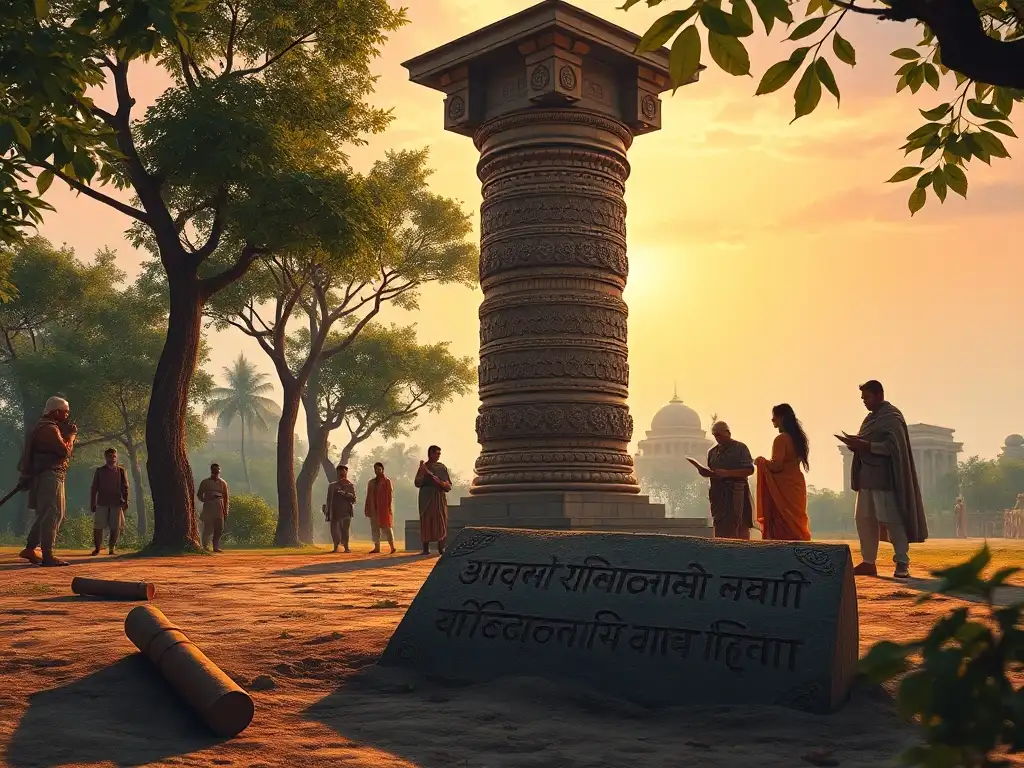
The Mauryan Empire (circa 322–185 BCE) is renowned for its significant contributions to the evolution of inscriptions in ancient India. This period marked a transition to more formalized and systematic inscriptions, primarily due to the efforts of Emperor Ashoka. The Mauryan inscriptions, often carved on pillars, rocks, and edicts, served multiple purposes, including governance, moral instruction, and the promotion of Buddhism.
These inscriptions were notable for their clarity and accessibility, written in the Brahmi script, which facilitated communication across the vast empire. The inscriptions also reflected the diverse linguistic and cultural milieu of the Mauryan Empire, highlighting the importance of inclusivity in governance.
Ashoka's Edicts: A Turning Point in Inscriptions
Ashoka's Edicts represent a pivotal moment in the history of inscriptions in ancient India. Following his conversion to Buddhism, Ashoka sought to promote ethical governance and moral values across his empire, which he articulated through a series of inscriptions. These edicts, inscribed on pillars and rocks throughout the empire, conveyed messages of non-violence, tolerance, and compassion.
The edicts were remarkable not only for their content but also for their geographical spread, reaching diverse populations and languages. They represented one of the earliest examples of state-sponsored communication aimed at fostering a sense of unity and shared values among the subjects of the Mauryan Empire. Ashoka’s commitment to disseminating these messages through inscriptions marked a significant departure from previous practices, emphasizing the role of inscriptions in governance and social cohesion.
The Role of Language and Script in Mauryan Inscriptions
The Mauryan inscriptions are a testament to the intricate relationship between language, script, and administration during this period. The use of the Brahmi script in Ashoka's Edicts played a crucial role in ensuring that his messages were accessible to a wide audience. The inscriptions were often multilingual, reflecting the empire's diverse linguistic landscape.
Language in Mauryan inscriptions was not only a medium of communication but also a vehicle for cultural expression. The choice of words and phrases in these inscriptions often carried deep philosophical meanings, aligning with Buddhist principles and societal values. Moreover, the evolution of language during this period contributed to the standardization of written forms, which would influence subsequent literary traditions in ancient India.
The Mauryan inscriptions ultimately laid the groundwork for future developments in epigraphy and the use of writing in governance, marking a significant evolution in the history of ancient Indian inscriptions.
The Gupta Empire and Its Influence on Inscriptions
The Gupta Empire, which flourished from approximately 320 to 550 CE, is often referred to as the "Golden Age" of ancient India, marked by significant advancements in various fields, including art, science, and literature. During this period, inscriptions became a vital medium for recording historical events, religious dedications, royal achievements, and societal norms. The Gupta emperors understood the importance of inscriptions not just as a means of communication but also as a tool for legitimizing their rule and promoting their cultural legacy.
The Gupta inscriptions predominantly featured Sanskrit, which was elevated to a prestigious status during this era. The adoption of Sanskrit in inscriptions signified a shift from earlier vernacular languages, showcasing the empire's commitment to cultural unity and intellectual development. Furthermore, the Gupta period witnessed a move towards more ornate and artistic styles in inscriptions, reflecting the aesthetics of the time and the increasing influence of Hinduism and Buddhism. This trend contributed to the rich tapestry of Indian epigraphy and laid the groundwork for future generations.
Innovations in Inscription Artistry During the Gupta Period
The Gupta period is characterized by remarkable innovations in inscription artistry, which combined technical skill with profound artistic expression. Inscriptions from this era often showcased intricate designs and elaborate ornamentation, a departure from the more simplistic styles of earlier periods. The use of polished stone for inscriptions became prevalent, allowing for clearer and more durable engravings.
One of the most significant innovations was the introduction of the Brahmi and Gupta scripts, which enabled more sophisticated representations of sounds and phonetics. These scripts allowed for a broader range of linguistic expression and were instrumental in the proliferation of literary works. The Gupta inscriptions often included decorative motifs, such as floral patterns, figures of deities, and geometric designs, enhancing their visual appeal and cultural significance.
Additionally, the inscriptions served multifaceted purposes, ranging from commemorative to administrative. They recorded land grants, religious donations, and royal edicts, reflecting the administrative complexities of the Gupta Empire. This artistic evolution not only enriched the aesthetic quality of inscriptions but also their role in historical documentation.
Examples of Gupta Inscriptions and Their Historical Context
Several notable Gupta inscriptions provide insight into the political and cultural milieu of the time. One prominent example is the Allahabad Pillar Inscription of Samudragupta, which celebrates the king's conquests and establishes his legitimacy. This inscription is significant not only for its content but also for its stylistic execution, reflecting the grandeur of the Gupta Empire.
Another important inscription is the Junagadh Rock Edicts, which shed light on the governance and policies of the Gupta rulers. These inscriptions highlight the emphasis on dharma (moral law) as a guiding principle for governance, showcasing the integration of ethical considerations in political administration.
Furthermore, the Udayagiri Caves Inscription dedicated to the sun god Surya illustrates the intertwining of religion and statecraft during the Gupta period. It emphasizes the role of divine authority in legitimizing royal power, a common theme in Gupta inscriptions that underscores the cultural and religious dynamics of the era.
The Evolution of Inscriptions Over Time
The evolution of inscriptions in ancient India is a testament to the changing sociopolitical landscapes and cultural influences over centuries. From the early Indus Valley seals, which employed simple pictographs, to the sophisticated scripts of the Gupta Empire, inscriptions have continually adapted to reflect the complexities of human expression and communication.
As different dynasties rose to prominence, the materials used for inscriptions also evolved. Initially carved in stone or clay, inscriptions later utilized metal plates and other durable mediums, enhancing their longevity. This shift not only improved preservation but also allowed for more elaborate designs and greater accessibility to a wider audience.
The thematic focus of inscriptions also transformed over time, as they began to encompass a broader array of subjects, including religious texts, political decrees, and personal dedications. This evolution illustrates the dynamic interplay between culture and governance in ancient Indian civilizations, providing a rich historical narrative through the lens of epigraphy.
Changes in Language and Script in Indian Inscriptions
Language and script underwent significant transformations throughout the history of Indian inscriptions. The early inscriptions predominantly utilized the Indus script, which remains undeciphered, followed by the Brahmi and Kharosthi scripts that emerged around the 3rd century BCE. The introduction of these scripts marked a turning point, allowing for the recording of languages like Sanskrit and Prakrit.
As different empires emerged, so did variations in script styles. The Gupta script, for instance, became prominent during the Gupta Empire and is considered a precursor to many modern Indian scripts. This evolution reflects not only linguistic development but also the cultural interactions that shaped ancient Indian society.
Additionally, the language of inscriptions evolved to accommodate the changing needs of society. While earlier inscriptions often focused on trade and administrative matters, later inscriptions incorporated religious and philosophical themes. This linguistic diversity highlights the adaptability of inscriptions in communicating the values and beliefs of various communities across ancient India.
Regional Variations in Inscriptions Across Ancient India
The diversity of ancient Indian civilizations led to significant regional variations in inscriptions, each reflecting local languages, scripts, and cultural practices. For instance, in the north, inscriptions frequently employed Sanskrit and the Gupta script, while southern regions utilized Tamil and various Dravidian scripts, demonstrating the linguistic plurality of the subcontinent.
Inscriptions from different regions also exhibit distinct artistic styles and motifs. The rock-cut inscriptions of the Western Ghats, for example, are characterized by their intricate carvings and religious iconography, while the inscriptions found in the eastern regions often focus on Buddhist themes, reflecting the spread of Buddhism in those areas.
These regional variations not only enrich the historical narrative of ancient India but also underscore the importance of local identity and cultural expression within the broader framework of Indian civilization. By studying these inscriptions, historians gain valuable insights into the social, political, and religious dynamics that shaped different parts of ancient India.
The Cultural and Historical Significance of Inscriptions
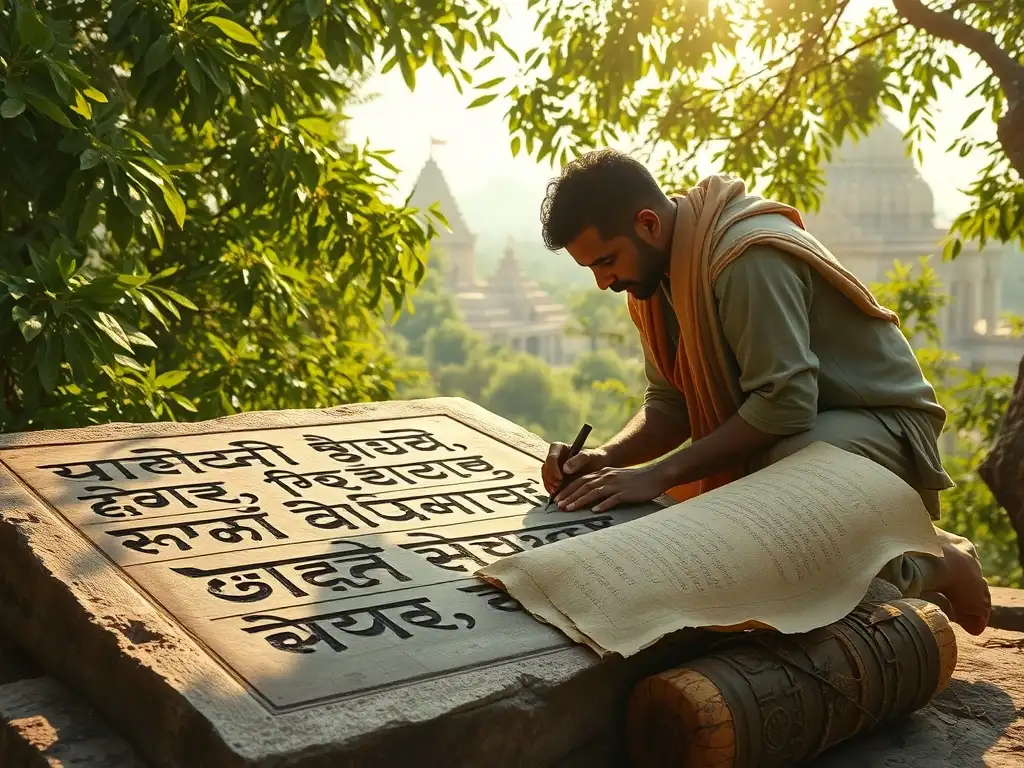
Inscriptions serve as a profound testament to the cultural and historical richness of ancient Indian civilizations. They are not merely words etched in stone; they encapsulate the values, beliefs, and practices of societies that existed millennia ago. From the meticulous carvings on temple walls to the edicts of emperors, inscriptions reveal a narrative of human expression, governance, and social structure.
The significance of inscriptions stretches beyond their immediate content; they are pivotal in understanding the evolution of language, script, and communication in ancient India. The transition from simple pictographs to complex scripts mirrors the intellectual and cultural advancements of the time. Moreover, these engravings provide invaluable insights into trade, religion, and political dynamics, allowing historians to reconstruct ancient life with unprecedented clarity.
Inscriptions as Historical Documents: Insights into Ancient Life
Inscriptions act as primary historical documents that provide a direct window into the past. They offer insights into various aspects of ancient life, including:
- Political Power: Inscriptions often commemorate the achievements of rulers, detailing conquests, alliances, and administrative reforms. For instance, the edicts of Ashoka, inscribed on pillars and rocks, highlight his commitment to Dharma and governance.
- Cultural Practices: Many inscriptions reference religious practices, festivals, and rituals, illustrating the spiritual landscape of ancient India. Temples adorned with inscriptions often narrate myths and legends, linking the divine to the everyday lives of people.
- Economic Activities: References to trade routes, taxes, and the economy can be found in various inscriptions, showcasing the commercial networks that existed and how they influenced societal structures.
Through these insights, inscriptions serve as irreplaceable resources, enabling researchers to piece together the complex tapestry of ancient Indian civilization.
The Role of Inscriptions in Understanding Ancient Indian Society
Inscriptions play a crucial role in understanding the social fabric of ancient Indian societies. They often reflect the hierarchical structures, caste systems, and gender roles prevalent at the time. For example, inscriptions may indicate the patronage of certain castes or the prominence of specific professions, shedding light on social dynamics.
Moreover, inscriptions frequently highlight the significance of local governance and community organization. They document donations, endowments, and the roles of various guilds and associations, illustrating how communities functioned and interacted. This helps historians understand the nuances of social relations and community identity in ancient India.
Furthermore, the language and script used in inscriptions reveal the linguistic diversity and evolution of communication in the region. The transition from Brahmi to later scripts like Devanagari signifies cultural and administrative changes that shaped society.
Conclusion: The Legacy of Inscriptions in Ancient Indian Civilizations
Inscriptions are a testament to the legacy of ancient Indian civilizations, reflecting their rich history and cultural heritage. They serve as a bridge connecting the past to the present, offering clues about how ancient societies functioned and thrived. The study of these inscriptions not only enriches our understanding of history but also highlights the artistic and intellectual achievements of the time.
Reflections on the Evolution of Ancient Indian Inscriptions
The evolution of ancient Indian inscriptions is a fascinating journey that mirrors the broader historical transitions within the region. From the early Indus Valley seals, which convey trade and commerce, to the elaborate inscriptions of the Maurya and Gupta empires that celebrate royal authority and religious devotion, each phase showcases advancements in language, artistry, and technology.
This evolution also reflects the interactions between various cultures and influences—whether through trade, conquest, or religious exchanges—leading to a rich tapestry of written heritage that continues to captivate scholars today. As inscriptions evolved, they adapted to the changing needs and contexts of society, demonstrating the dynamic nature of communication throughout ancient Indian history.
The Continuing Relevance of Inscriptions in Modern Scholarship
Inscriptions remain a vital area of study in modern scholarship, offering fresh perspectives on ancient Indian civilizations. They provide critical evidence for archaeological findings, enabling researchers to validate historical narratives and explore previously uncharted territories.
The interdisciplinary nature of epigraphy—encompassing history, archaeology, linguistics, and art history—allows for a holistic understanding of ancient Indian societies. As new technologies emerge, such as digital imaging and analysis, the potential for uncovering and interpreting inscriptions expands significantly. This ongoing research ensures that the legacy of ancient Indian inscriptions will continue to inform and inspire future generations, bridging the gap between the past and present in profound ways.
References and Further Reading on Ancient Indian Inscriptions
The evolution of inscriptions in ancient Indian civilizations is a vast and intricate subject that has been explored by numerous scholars through various texts and studies. Below, we outline key texts and resources that provide deeper insights into the historical significance and development of inscriptions throughout ancient India.
Key Texts and Resources for Further Exploration
-
"Inscriptions of the Early Gupta Kings" by R. C. Majumdar
This comprehensive study delves into the inscriptions from the Gupta period, examining their linguistic, historical, and cultural contexts. It highlights how these inscriptions reflect the political and social dynamics of the time.
-
"Ancient Indian Epigraphy" by D. C. Sircar
This seminal work presents a detailed analysis of various inscriptions across India, focusing on their evolution and significance. Sircar's methodology offers insights into deciphering ancient scripts and understanding their implications for Indian history.
-
"The Asokan Edicts: A Study of the Inscriptions of the Mauryan Emperor Ashoka" by John S. Strong
This book focuses on the edicts of Ashoka, discussing their content, purpose, and impact on subsequent Indian society. It provides a critical examination of how these inscriptions contributed to the spread of Buddhism and moral governance.
-
"Inscriptions and Their Role in Ancient Indian Society" by K. P. Jayaswal
This resource offers a thematic approach to understanding the role of inscriptions in society, covering various aspects including religion, administration, and culture.
-
"The Inscriptions of the Indus Valley Civilization" by Iravatham Mahadevan
This work explores the early inscriptions found in the Indus Valley, discussing their script and possible meanings. Mahadevan's findings contribute to the understanding of one of the earliest literate societies in India.
Recommended Studies on Inscriptions and Epigraphy in Ancient India
-
"Deciphering Ancient Scripts: The Case of Brahmi and Kharosthi" by Richard Salomon
This study provides a detailed examination of the Brahmi and Kharosthi scripts, their origins, and their role in the evolution of writing in ancient India. Salomon's analysis sheds light on the linguistic developments that occurred during this period.
-
"The Role of Inscriptions in Understanding Historical Continuity in India" by R. S. Sharma
This research highlights how inscriptions serve as critical historical documents that provide continuity across different periods of Indian history. Sharma discusses the implications of these inscriptions for understanding transitions in governance and culture.
-
"Epigraphy in India: The Art and Science of Inscriptions" by M. C. Joshi
This work merges the artistic and scientific aspects of studying inscriptions, emphasizing the importance of epigraphy in reconstructing historical narratives and understanding cultural contexts.
-
"Inscriptions as Historical Sources: A Comparative Study" by B. P. Sahu
This comparative analysis looks at inscriptions from different ancient civilizations, including those in India, and discusses their role as historical sources. Sahu's work emphasizes the unique features of Indian inscriptions in a global context.
These texts and studies not only enrich our understanding of the evolution of ancient Indian inscriptions but also highlight the broader cultural and historical implications of these artifacts. The exploration of inscriptions remains a vital field of research for historians and archaeologists alike, offering a window into the past civilizations of India.
- Introduction to the Evolution of Ancient Indian Inscriptions
- The Beginnings of Inscriptions in Ancient India
- The Transition from Stone to Script
- The Development of Writing Systems in Ancient India
- Major Inscriptions of the Mauryan Empire
- The Gupta Empire and Its Influence on Inscriptions
- The Evolution of Inscriptions Over Time
- The Cultural and Historical Significance of Inscriptions
- Conclusion: The Legacy of Inscriptions in Ancient Indian Civilizations
- References and Further Reading on Ancient Indian Inscriptions
- What are ancient Indian inscriptions?
- How did inscriptions evolve in ancient India?
- What materials were commonly used for inscriptions in ancient India?
- What is the significance of inscriptions in understanding ancient Indian civilizations?
- Which ancient Indian empires are known for their inscriptions?
Frequently Asked Questions
What are ancient Indian inscriptions?
Ancient Indian inscriptions refer to writings carved on stones, metals, and other materials that provide insights into the history, culture, and language of ancient Indian civilizations.
How did inscriptions evolve in ancient India?
The evolution of ancient Indian inscriptions began with simple pictographs in the Indus Valley and progressed to more complex scripts like Brahmi and Kharosthi, reflecting changes in language and administration.
What materials were commonly used for inscriptions in ancient India?
In ancient India, inscriptions were primarily made on stone, copper plates, and terracotta, which allowed for the preservation of important texts and records over time.
What is the significance of inscriptions in understanding ancient Indian civilizations?
Inscriptions are crucial for historians as they provide direct evidence of historical events, societal norms, and administrative practices, offering a clearer picture of ancient Indian life.
Which ancient Indian empires are known for their inscriptions?
The Maurya and Gupta Empires are particularly notable for their extensive use of inscriptions, which helped in documenting royal edicts, religious texts, and cultural achievements.
Final Reflection: The Enduring Legacy of Ancient Indian Inscriptions
The evolution of ancient Indian inscriptions serves as a powerful testament to the rich tapestry of human expression and communication that has shaped our civilizations. As we explore the transition from stone carvings to scripted texts, we uncover not only the technological advancements of the time but also the profound cultural narratives that have persisted through millennia. This journey through history reminds us that the written word is not merely a tool for documentation; it is a vessel for ideas, beliefs, and identities that continue to resonate in our modern world.
Cultural evolution is a continuous dialogue between the past and the present. The inscriptions of ancient India have not only preserved the wisdom of bygone eras but have also influenced contemporary thought, art, and literature. As we reflect on the significance of these inscriptions, we recognize their role in shaping societal values and collective memory. The past is never dead. It's not even past.
– William Faulkner. This quote encapsulates the essence of how ancient inscriptions continue to inform our understanding of identity and heritage, urging us to honor and learn from the narratives etched in stone.
As we conclude this exploration, I invite you to reflect on your own relationship with history and communication. Consider how the lessons from the evolution of ancient Indian inscriptions can inspire you to document your own stories and experiences.
In a world increasingly dominated by fleeting digital expressions, let us strive to create lasting legacies that honor our roots while embracing the future. Engage with your community, share your narratives, and contribute to the ongoing evolution of human expression—because every inscription, whether carved in stone or typed on a screen, has the potential to shape the world for generations to come.
Unveil the Mysteries of Ancient Inscriptions!
Thank you for diving into the fascinating journey of inscriptions in ancient Indian civilizations! We hope you found inspiration and insight into how these remarkable artifacts shaped history and culture. Now, it’s your turn to explore deeper and keep the flame of curiosity alive.
Here are a few engaging ways to continue your adventure:
- Visit local museums or historical sites to see ancient inscriptions and discover their stories firsthand.
- Discuss your thoughts with friends or share them on social media. What aspects of the evolution of these ancient texts resonated with you?
- Consider starting a blog or journal to document your findings about ancient civilizations—your unique perspective could inspire others!
As you reflect on the significance of these inscriptions, ponder this: What message would you like to convey to future generations through your own form of writing or art?