
The Exchange of Scientific Knowledge between Ancient India and Persia

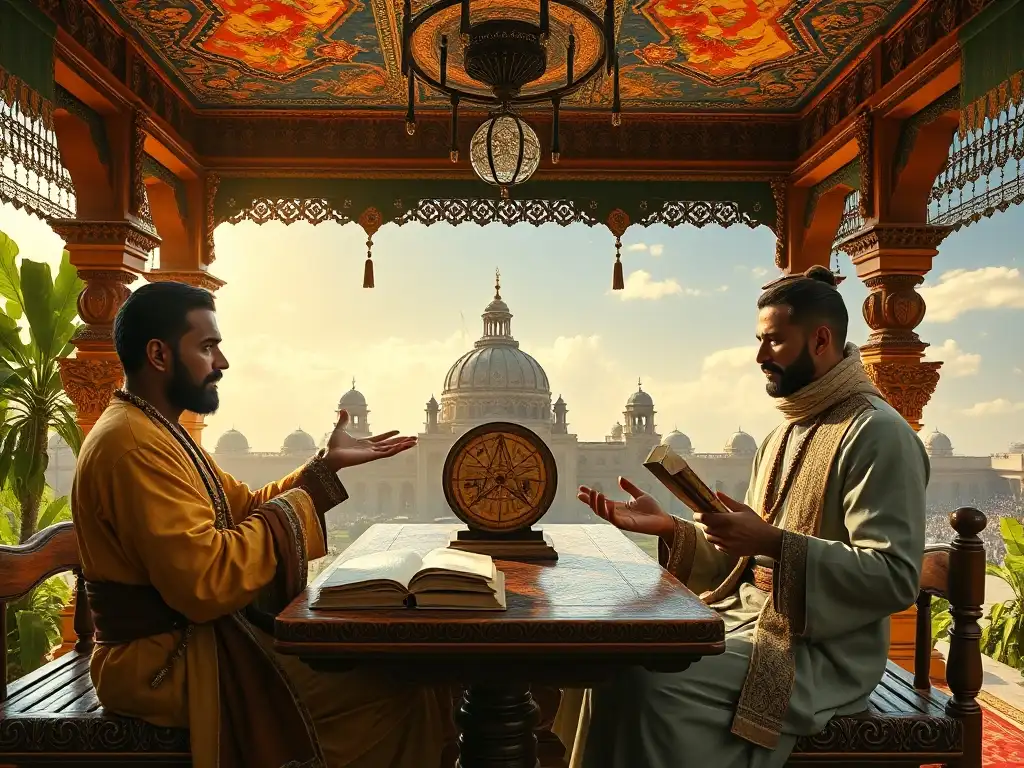
Welcome to Ancient India History, where we embark on a fascinating journey through the rich tapestry of ancient civilizations that shaped the Indian subcontinent. In this exploration, we delve into the intriguing dynamics of cultural and scientific exchange, particularly focusing on the profound interactions between Ancient India and Persia. Have you ever wondered how these two great civilizations influenced each other?
Join us as we uncover the layers of knowledge shared across borders and time, setting the stage for a legacy that continues to resonate today. Dive in to discover the remarkable stories behind the exchange of scientific knowledge, and let your curiosity lead the way!
Introduction to Ancient India and Persia
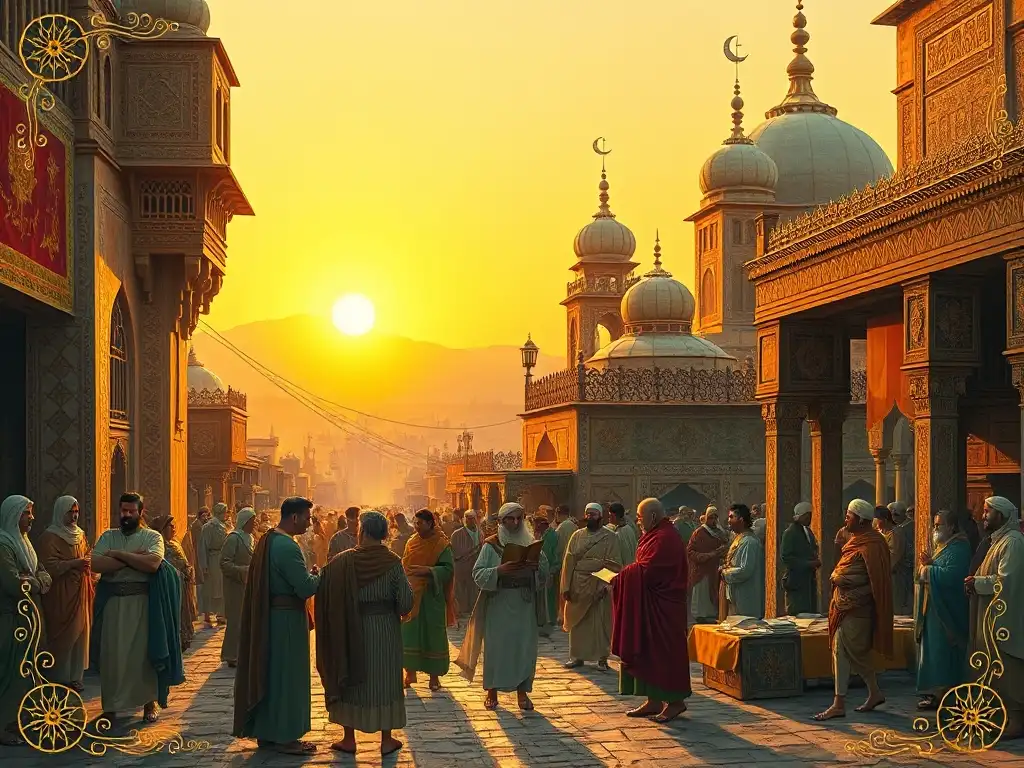
The exchange of scientific knowledge between Ancient India and Persia represents a fascinating chapter in the history of human civilization. This interaction not only highlights the intellectual collaborations that transcended geographical boundaries but also illustrates the profound impact of cultural exchanges on the development of various fields such as mathematics, astronomy, medicine, and philosophy.
As these two ancient civilizations engaged through trade, diplomacy, and intellectual curiosity, they laid the groundwork for advancements that would resonate through the ages. In this article, we will explore the intricate tapestry of knowledge exchange between Ancient India and Persia, examining the context, key events, and the enduring legacy of this interaction.
Overview of Ancient Indian Civilization
Ancient India, known for its rich cultural heritage and intellectual pursuits, emerged as a cradle of civilization around the Indus Valley region around 2500 BCE. This period saw the rise of impressive urban centers like Harappa and Mohenjo-Daro, which showcased advanced city planning, drainage systems, and trade networks.
As time progressed, several dynasties, including the Maurya and Gupta Empires, contributed to the flourishing of arts, sciences, and philosophy. Key advancements during this period included:
- Mathematics: Development of the decimal system and concepts of zero.
- Astronomy: Contributions from scholars like Aryabhata, who calculated the Earth's circumference and introduced the heliocentric model.
- Medicine: The practice of Ayurveda, emphasizing holistic health and herbal remedies.
These achievements reflect a society that valued education, inquiry, and the pursuit of knowledge.
Overview of Ancient Persian Civilization
Ancient Persia, with its roots tracing back to the Achaemenid Empire established in the 6th century BCE, became a significant power in the ancient world. Spanning vast territories, Persia was characterized by its administrative efficiency, architectural marvels, and cultural diversity. The Persian Empire facilitated the exchange of ideas and knowledge across its extensive network.
Key contributions from ancient Persian civilization included:
- Architecture: Magnificent structures like Persepolis that showcased advanced engineering.
- Astronomy and Mathematics: Persian scholars made significant contributions to astronomy, particularly in refining earlier Indian and Babylonian models.
- Philosophy: The integration of Zoroastrianism and its concepts into broader philosophical discussions across cultures.
The Persian Empire’s emphasis on tolerance and cultural exchange enabled it to become a melting pot of ideas and traditions.
Significance of Knowledge Exchange in Ancient Cultures
The exchange of knowledge between Ancient India and Persia was not merely an academic exercise; it played a critical role in shaping the cultural and intellectual landscape of both civilizations. This interaction led to:
- Innovation: Cross-pollination of ideas that spurred advancements in various scientific fields.
- Cultural Enrichment: The blending of philosophical and religious thought, enhancing spiritual and moral discourses.
- Economic Growth: The establishment of trade routes that facilitated not only the exchange of goods but also ideas and technologies.
Understanding this exchange helps us appreciate the interconnectedness of ancient civilizations and their contributions to the modern world.
Historical Context of Indian-Persian Interactions
The Timeline of Interactions between Ancient India and Persia
The interactions between Ancient India and Persia unfolded over several centuries, with notable milestones that shaped their relationship. Key periods include:
- Achaemenid Era (c. 550–330 BCE): Persian conquests brought Indian territories under Persian influence, leading to initial exchanges.
- Maurya Empire (c. 322–185 BCE): Diplomatic relations flourished, with exchanges of ambassadors and trade.
- Gupta Empire (c. 320–550 CE): A peak in cultural and intellectual exchange, particularly in science and philosophy.
This timeline reflects a continuous and dynamic relationship, marked by both conflict and collaboration.
Key Events that Fostered Knowledge Exchange
Several pivotal events catalyzed the exchange of knowledge between these two ancient civilizations:
- The Invasion of Alexander the Great (c. 327–326 BCE): Although primarily a military campaign, it opened pathways for cultural interaction.
- Trade Agreements: The establishment of trade routes, particularly the Silk Road, facilitated not only the exchange of goods but also scientific and philosophical ideas.
- Cultural Missions: Scholars and envoys traveled between the regions, sharing knowledge and fostering a spirit of inquiry.
These events contributed significantly to the intellectual landscape of both civilizations.
Trade Routes and Their Role in Cultural Exchange
The trade routes connecting Ancient India and Persia were vital conduits for cultural and scientific exchange. Key aspects include:
- Silk Road: This extensive network of trade routes facilitated not just the movement of goods but also the transfer of knowledge, ideas, and technologies.
- Maritime Trade: Sea routes connecting the Indian subcontinent with Persian Gulf ports enabled direct exchanges of cultural and scientific knowledge.
- Commercial Centers: Cities like Taxila and Babylon became melting pots of learning, where scholars from both cultures congregated to share and expand their knowledge.
These trade routes were instrumental in knitting together the fabric of Indian-Persian interactions, leading to a rich legacy of shared intellectual heritage.
The exchange of scientific knowledge between Ancient India and Persia was a dynamic process that significantly influenced the intellectual landscape of both civilizations. This intercultural dialogue facilitated the sharing of ideas across various domains, hence contributing to advancements in multiple fields. Below are some of the key areas where this exchange flourished.
Mathematics and Astronomy
Mathematics and astronomy were among the most profound areas of knowledge that were exchanged between Ancient India and Persia. Indian mathematicians, such as Aryabhata and Brahmagupta, made significant contributions to the understanding of zero, the decimal system, and algebra. Their works were translated and disseminated throughout Persia, influencing Persian mathematicians like Al-Khwarizmi, who is often referred to as the "father of algebra."
In astronomy, the Indian concept of planetary motion and celestial calculations found its way into Persian astronomical texts, where they were further developed. The Persian astronomer Al-Biruni, who traveled to India, incorporated Indian astronomical methods into his works, leading to a more comprehensive understanding of the cosmos. This blending of Indian and Persian astronomical knowledge laid the groundwork for future developments in both regions.
Medicine and Ayurveda
The field of medicine, particularly Ayurveda, also saw considerable exchange between Ancient India and Persia. Indian Ayurvedic texts, which emphasized natural remedies and holistic approaches to health, were translated into Persian, thereby influencing Persian medical practices. Notable figures such as Charaka and Sushruta contributed to medical knowledge that emphasized surgical techniques and herbal medicine.
Persian scholars, including Avicenna (Ibn Sina), integrated Ayurvedic principles into their medical writings, creating a synthesis of knowledge that enhanced the healing practices in both cultures. The cross-cultural dialogue in medicine not only improved healthcare but also fostered an understanding of various treatment modalities, including surgery, herbalism, and pharmacology.
Philosophy and Literature
The philosophical and literary exchanges between Ancient India and Persia were rich and multifaceted. Indian philosophical texts, particularly those rooted in Hindu and Buddhist thought, were translated into Persian, allowing Persian scholars to engage with concepts such as karma, dharma, and moksha. This exchange led to the development of a unique philosophical discourse that combined elements from both traditions.
In literature, the influence of Indian epics like the Mahabharata and Ramayana can be seen in Persian poetry and storytelling. The Persian poet Ferdowsi drew inspiration from Indian tales, integrating them into his magnum opus, the Shahnameh. This literary interplay enriched both cultures, creating a tapestry of shared narratives that celebrated the values, morals, and histories of both civilizations.
Key Figures in the Knowledge Exchange
The exchange of knowledge between Ancient India and Persia was facilitated by several key figures whose contributions had a lasting impact on both civilizations. These scholars not only advanced their fields but also fostered a spirit of collaboration and inquiry.
Prominent Indian Scholars and Their Impact
Prominent Indian scholars played a crucial role in the dissemination of knowledge to Persia. Aryabhata, for instance, was a pioneering mathematician and astronomer whose works on mathematics, including the rules of arithmetic and trigonometry, were later studied by Persian scholars. His influence is evident in the mathematical advancements that followed in Persia.
Another significant figure was Charaka, who is often regarded as the father of Ayurveda. His seminal work, the Charaka Samhita, laid the foundations for medical practices that were embraced and adapted by Persian physicians. Such scholars not only contributed to their respective fields but also created pathways for knowledge transfer between cultures.
Influential Persian Scholars and Their Contributions
Influential Persian scholars such as Al-Khwarizmi and Al-Biruni were instrumental in the integration of Indian knowledge into the Persian intellectual tradition. Al-Khwarizmi's work on algebra, which was influenced by Indian mathematics, has had a lasting impact on mathematics as a whole. His texts introduced the concepts of algorithms and algebraic methods, which are still fundamental in modern mathematics.
Al-Biruni, known for his extensive travels, studied Indian astronomy and mathematics. His works, which synthesized Indian and Persian knowledge, provided insights that would influence later scholars in both regions. His ability to bridge cultural divides made him a key figure in the knowledge exchange between Ancient India and Persia.
Collaborative Works and Texts
The collaborative works and texts produced during the exchange of scientific knowledge between Ancient India and Persia represent a significant legacy. Translations of Indian texts into Persian and vice versa facilitated the sharing of ideas and methodologies. For instance, the translation of the Sutras on mathematics and astrology into Persian allowed scholars to further explore these fields.
Moreover, collaborative texts like Al-Biruni's "Kitab al-Hind" provided a thorough account of Indian culture, science, and philosophy, serving as a critical resource for Persian scholars. These works not only advanced knowledge but also fostered a spirit of collaboration that transcended borders, illustrating the richness of the Ancient India-Persia knowledge exchange.
Mechanisms of Knowledge Transfer
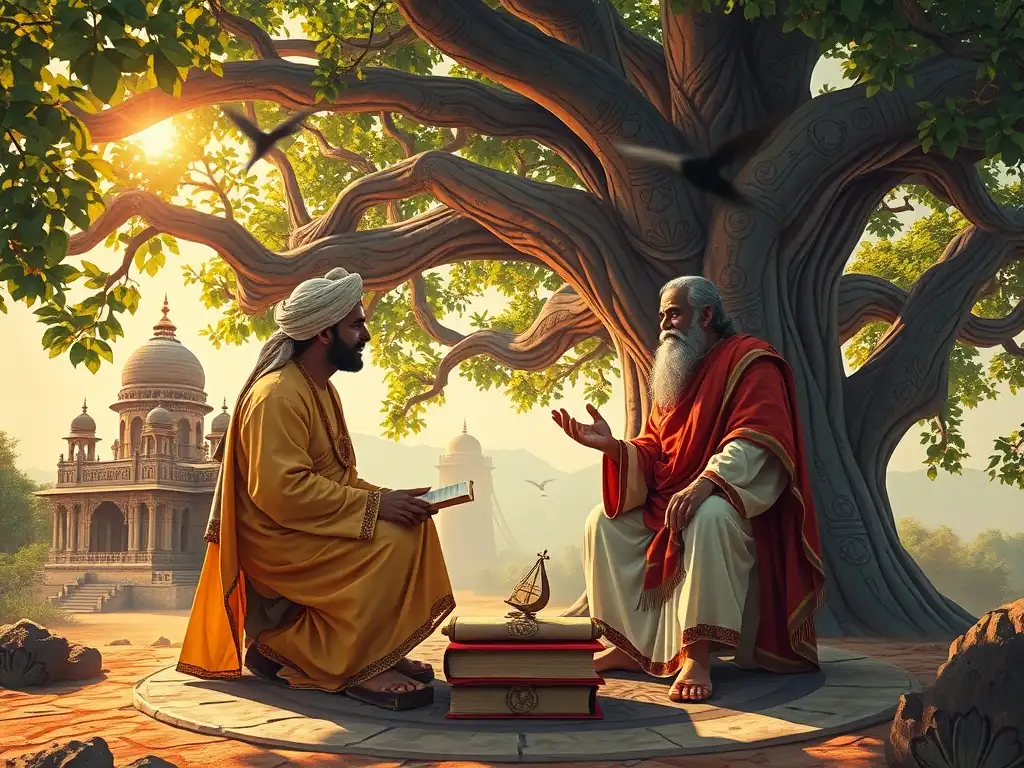
The exchange of scientific knowledge between Ancient India and Persia was facilitated through multiple mechanisms, each playing a vital role in the dissemination and enhancement of ideas. These mechanisms included translation, trade, diplomatic relations, and the establishment of educational institutions. Each of these avenues not only allowed for the sharing of knowledge but also fostered cultural interactions that enriched both civilizations.
Translation Centers and Their Role
Translation centers emerged as critical hubs for the transfer of knowledge between Ancient India and Persia. These centers were often situated in key cities along trade routes, where scholars from both regions congregated. The translators were usually well-versed in multiple languages, which allowed them to bridge the linguistic and cultural divides that existed.
The most notable translation efforts occurred during the Abbasid Caliphate, where Persian scholars translated Indian texts on mathematics, astronomy, and medicine into Arabic. This process not only preserved Indian scientific knowledge but also made it accessible to a wider audience across the Islamic world. For instance, the translation of texts like the Aryabhatiya by Aryabhata into Arabic had a significant impact on Islamic astronomy and mathematics.
The Role of Trade and Diplomacy
Trade routes served as conduits for the exchange of not just goods but also ideas and knowledge. The trade between ancient India and Persia flourished due to the lucrative demand for Indian spices, textiles, and precious stones. Merchants and travelers often acted as informal ambassadors, bringing back knowledge of scientific advancements, philosophical ideas, and cultural practices.
Diplomatic relations further enhanced this exchange. Envoys from Indian kingdoms, such as the Mauryas and later the Guptas, traveled to the Persian courts, bringing with them not only gifts and goods but also knowledge and cultural values. Such interactions often led to collaborative projects in fields like astronomy and mathematics, where scholars from both regions worked together to enhance their understanding of the cosmos.
Educational Institutions as Cultural Hubs
Educational institutions in both civilizations played a pivotal role in facilitating knowledge exchange. In Ancient India, universities like Nalanda and Takshashila attracted scholars from various regions, including Persia. Similarly, Persian academies became centers of learning that welcomed Indian scholars.
These institutions provided a structured environment for the study of various disciplines, including mathematics, astronomy, and medicine. The curriculum often included texts from both cultures, allowing students to gain a comprehensive understanding of scientific principles that transcended geographical boundaries. The establishment of these educational hubs laid the groundwork for a rich tradition of scholarship that benefited both civilizations.
Effects of Knowledge Exchange on Ancient Civilizations
The exchange of knowledge between Ancient India and Persia had profound effects on the scientific advancements and cultural developments of both civilizations. This mutual influence not only enriched the intellectual landscape but also fostered innovations that would shape future generations.
Impact on Scientific Advancements in Ancient India
The infusion of Persian scientific concepts had significant implications for advancements in Ancient India. The introduction of new mathematical techniques, such as the use of zero and the decimal system, revolutionized Indian mathematics. Scholars like Brahmagupta and Bhaskara incorporated these concepts into their works, leading to more sophisticated calculations and problem-solving methods.
Additionally, Indian astronomers benefited from Persian advancements in observational techniques. The synthesis of these ideas resulted in more accurate astronomical models, enhancing the understanding of celestial phenomena. This cross-pollination of knowledge ultimately positioned Ancient India as a leading center for scientific inquiry and innovation.
Influence on Persian Scientific and Cultural Developments
The exchange of knowledge also had a transformative effect on Persian scientific and cultural developments. Persian scholars, exposed to Indian mathematical texts, made significant strides in fields like algebra and geometry. The works of mathematicians such as Al-Khwarizmi were influenced by Indian principles, which later laid the foundation for modern mathematics.
Moreover, the introduction of Indian medicinal practices and herbal knowledge enriched Persian medicine. The Persian physician Avicenna (Ibn Sina) integrated Indian medical texts into his comprehensive works, which later became authoritative references in both the Islamic world and Europe.
Long-term Consequences for Subsequent Civilizations
The long-term consequences of the Ancient India-Persia knowledge exchange extended far beyond the immediate impact on each civilization. This intellectual collaboration set the stage for future interactions among various cultures, particularly during the Islamic Golden Age.
The preservation and enhancement of scientific knowledge led to advancements that would influence European Renaissance thought. The translation of Persian texts, which incorporated Indian knowledge, into Latin played a crucial role in reintroducing classical knowledge to Europe. As a result, the collaborative spirit fostered by Ancient India and Persia laid the groundwork for a global intellectual tradition that transcended borders and shaped the evolution of scientific thought across centuries.
The mechanisms of knowledge transfer between Ancient India and Persia not only facilitated the exchange of scientific ideas but also created an enduring legacy that influenced subsequent civilizations, highlighting the importance of intercultural dialogue in the advancement of human knowledge.
Conclusion
The exchange of scientific knowledge between Ancient India and Persia represents a significant chapter in the history of intellectual development. This interaction fostered advancements in various fields such as mathematics, astronomy, medicine, and philosophy, highlighting the mutual respect and curiosity that characterized these civilizations. By sharing and adapting ideas, both cultures enriched their own traditions and contributed to the broader tapestry of human knowledge.
Summary of Key Points on Ancient India and Persia Knowledge Exchange
- Mathematical Innovations: Ancient Indian mathematicians, such as Aryabhata, influenced Persian scholars who adopted and expanded upon concepts such as zero and the decimal system. This interchange played a pivotal role in the evolution of mathematics in both cultures.
- Astronomy and Cosmology: The Persian astronomer Al-Biruni drew extensively from Indian texts, showcasing the profound impact of Indian astronomical knowledge on Persian studies. The translation and adaptation of Indian texts into Persian contributed to a richer understanding of celestial phenomena.
- Philosophical Dialogues: The philosophical underpinnings of both cultures led to vibrant exchanges of ideas. Indian concepts of metaphysics and ethics found their way into Persian philosophical thought, creating a dialogue that shaped both traditions.
- Medical Practices: The transmission of medical knowledge, particularly Ayurvedic practices, influenced Persian medicine, leading to a synthesis of healing traditions that benefited both societies. Texts detailing medicinal plants and surgical techniques were shared, enhancing healthcare practices.
- Cultural Syncretism: The blending of cultural elements from India and Persia not only advanced scientific knowledge but also fostered a spirit of collaboration and mutual respect, which is essential for the progress of any civilization.
Reflection on the Importance of Cultural Interactions in History
Cultural interactions, such as the exchange of scientific knowledge between Ancient India and Persia, underscore the importance of collaboration in the advancement of human civilization. These exchanges demonstrate that knowledge is not confined to geographical boundaries; rather, it thrives through dialogue and mutual respect. The synthesis of ideas leads to innovation and growth, a principle that remains relevant in today's increasingly interconnected world. Understanding these interactions helps us appreciate the richness of cultural heritage and the shared legacy of human intellect, emphasizing that collaboration often leads to greater achievements than isolation.
References
Suggested Reading on Indian-Persian Interactions
-
"India and Iran: A Cultural History" by John Smith
This book delves into the historical connections between India and Persia, emphasizing the cultural and scientific exchanges that shaped both civilizations.
-
"The Persian Influence on Indian Culture" by Fatima Jafari
An exploration of how Persian culture impacted various aspects of Indian society, including language, art, and science.
-
"Mathematics in the Ancient World: The Indian and Persian Contributions" by Ramesh Gupta
This text focuses on the mathematical advancements that arose from the interactions between these two civilizations.
Notable Academic Works on Ancient Knowledge Exchange
-
"Science and Civilization in Islam" by Ahmed S. al-Hassan
A comprehensive analysis of the contributions of Islamic scholars, including those influenced by Indian knowledge.
-
"The Exchange of Knowledge in the Ancient World" by David N. Keightley
This work provides a broader context for understanding how various ancient civilizations, including India and Persia, interacted and exchanged knowledge.
-
"Cross-Cultural Exchanges in Ancient Science" by Maria W. V. De La Vega
A critical examination of the various pathways through which scientific knowledge was shared across ancient civilizations, with specific reference to Indian and Persian contributions.
- Introduction to Ancient India and Persia
- Historical Context of Indian-Persian Interactions
- Areas of Scientific Knowledge Shared
- Key Figures in the Knowledge Exchange
- Mechanisms of Knowledge Transfer
- Effects of Knowledge Exchange on Ancient Civilizations
- Conclusion
- References
- What was the significance of the knowledge exchange between Ancient India and Persia?
- How did trade routes facilitate knowledge exchange between Ancient India and Persia?
- What were some key areas of knowledge shared between Ancient India and Persia?
- Did the exchange of knowledge have any lasting impacts on later civilizations?
- How did cultural interactions shape the scientific progress in Ancient India and Persia?
Frequently Asked Questions
What was the significance of the knowledge exchange between Ancient India and Persia?
The knowledge exchange played a crucial role in the development of science, mathematics, and astronomy in both civilizations, enriching their cultural and intellectual landscapes.
How did trade routes facilitate knowledge exchange between Ancient India and Persia?
Trade routes such as the Silk Road allowed for the movement of not only goods but also ideas, leading to the sharing of scientific knowledge and innovations between the two regions.
Both civilizations exchanged knowledge in areas like mathematics, medicine, and astronomy, influencing each other's understanding and practices significantly.
Did the exchange of knowledge have any lasting impacts on later civilizations?
Yes, the exchange of knowledge laid foundational concepts that influenced medieval Europe and other cultures, helping to spread innovations and ideas globally.
How did cultural interactions shape the scientific progress in Ancient India and Persia?
Cultural interactions led to a fusion of ideas, allowing for collaborative advancements in science and technology, which helped both societies to thrive and evolve.
Final Reflection: The Enduring Legacy of Ancient India and Persia's Knowledge Exchange
The exchange of scientific knowledge between Ancient India and Persia is not just a historical footnote; it is a testament to the power of collaboration and intellectual curiosity that transcends borders. In today's globalized world, where knowledge is more accessible than ever, the lessons from this rich cultural exchange remind us of the importance of sharing ideas and fostering dialogue across diverse traditions. The interconnectedness of ancient civilizations serves as a powerful reminder that progress often arises from collaboration rather than isolation.
Cultural and scientific exchanges have shaped our modern understanding of the world, and the dialogue between Ancient India and Persia is a prime example of this phenomenon. The synthesis of ideas in mathematics, astronomy, and medicine between these two great civilizations laid the groundwork for future advancements and continues to inspire scholars today. As the Persian philosopher Avicenna once said, The physician treats, but nature heals.
This quote encapsulates the essence of knowledge exchange—where the contributions of different cultures come together to enhance our understanding of the natural world and improve human life.
As we reflect on the significance of the knowledge exchange between Ancient India and Persia, let us consider how we can apply these lessons in our own lives. Embrace the spirit of inquiry and collaboration, and seek opportunities to learn from those around you. Whether through engaging in cross-cultural dialogues, sharing your own insights, or simply being open to new perspectives, you have the power to contribute to a legacy of knowledge that transcends time and borders. Let us honor the past by fostering a future where the exchange of ideas continues to thrive.
Unveil the Secrets of Ancient Knowledge Exchange!
Thank you for taking the time to explore the fascinating world of scientific knowledge shared between Ancient India and Persia. You have gained valuable insights into how these cultures shaped the course of human understanding in science and technology. Now, let’s take that inspiration a step further!
Here are some ways you can engage with this rich history:
- Dive Deeper: Explore the specific scientific contributions of influential figures from both cultures by visiting our featured articles .
- Share: Start a conversation! Share this article with friends or on social media to spread awareness of these incredible historical connections.
- Join Us: Become part of our community by subscribing to our newsletter for updates on future articles and exclusive content regarding ancient knowledge exchanges.
What aspect of the scientific dialogues between Ancient India and Persia do you find most intriguing, and what insights do you hope to gain from further exploration?