
The Impact of Alexander the Great on Indian Society: A Historical Analysis

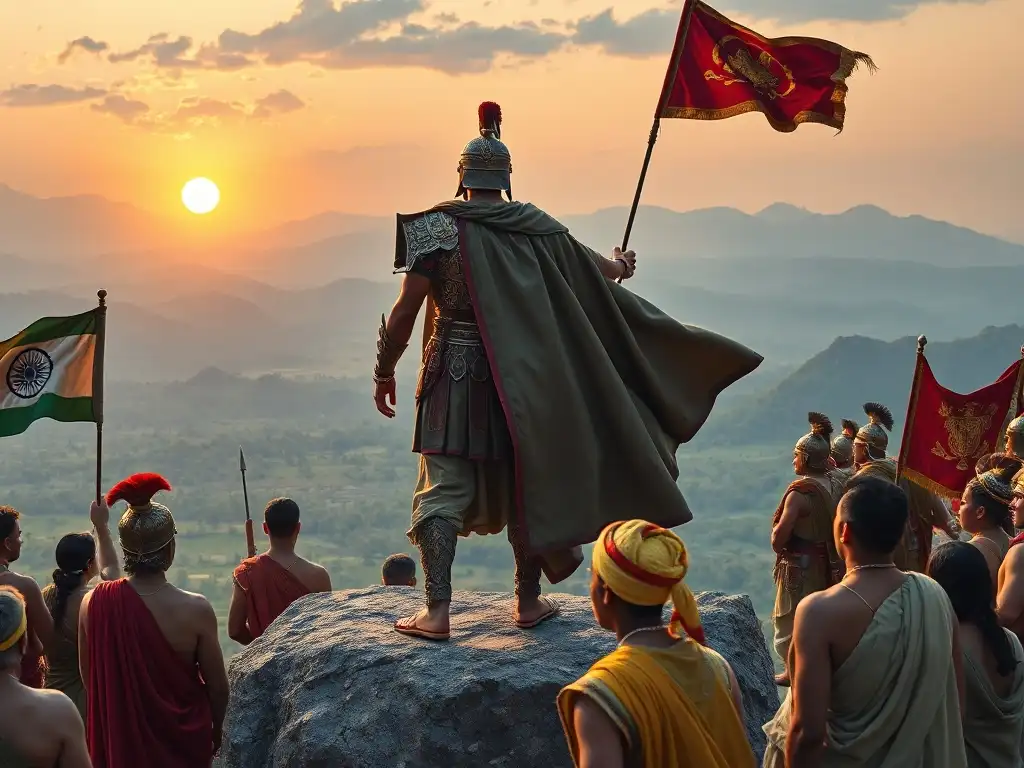
Welcome to Ancient India History, where we embark on a fascinating journey through the rich tapestry of India's past. Here, we delve into the diverse civilizations that shaped the subcontinent, from the enigmatic Indus Valley to the illustrious Gupta Empire. In our featured article, "The Impact of Alexander the Great on Indian Society: A Historical Analysis," we explore how the legendary conqueror's incursion influenced Indian culture and society in profound ways.
What were the ripples of this encounter, and how did they intertwine with the fabric of Indian history? Join us as we unravel these intriguing connections and ignite your curiosity to learn more about the remarkable legacy of ancient India!
Introduction to Alexander the Great and His Campaigns
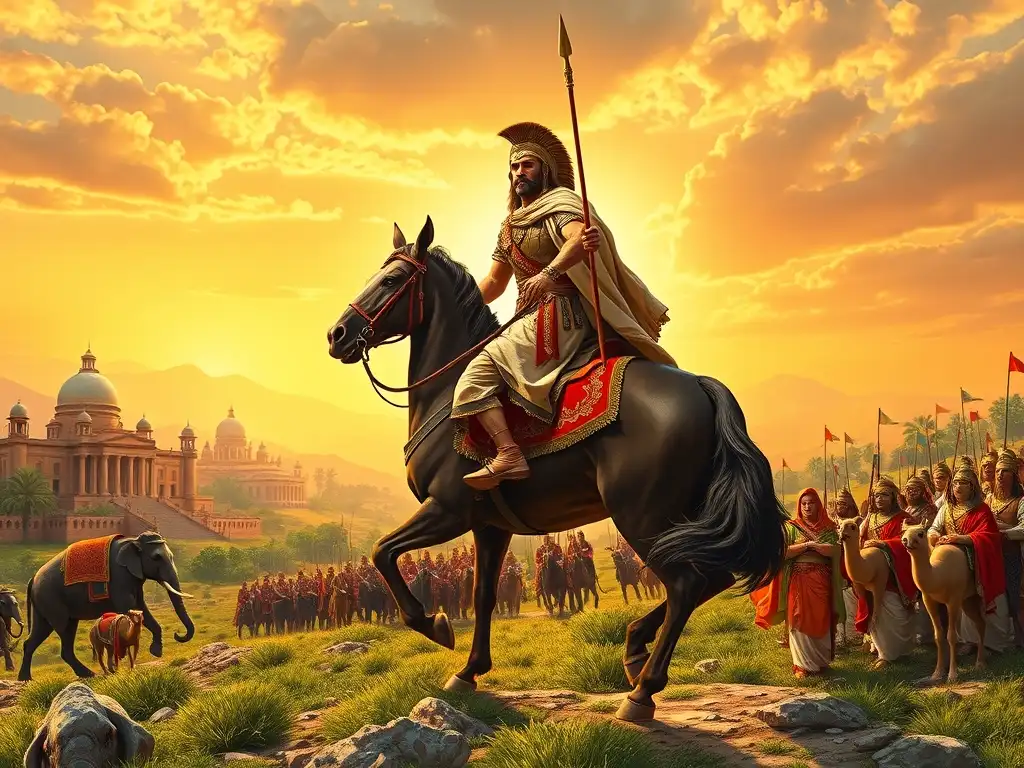
The conquests of Alexander the Great, one of history's most renowned military leaders, were pivotal in shaping the socio-political landscape of the ancient world. His campaigns, which stretched from Greece to the fringes of India, not only established vast empires but also facilitated a remarkable exchange of culture, ideas, and technology.
This article delves into the profound impact Alexander's incursion into India had on the Indian society of the time, examining the intricate web of interactions and transformations that followed his arrival. The keyword "Alexander the Great India impact" serves as a focal point for understanding how this historic encounter influenced the Indian subcontinent in various ways, from military strategies to cultural exchanges.
Overview of Alexander the Great’s Conquests
Alexander, the King of Macedonia, embarked on a series of military campaigns beginning in 334 BC. His ambition was to conquer the Persian Empire, which he achieved through a series of decisive battles. By 327 BC, he turned his attention towards India, crossing the Hindu Kush mountains with a well-trained army. His conquests included:
- Asia Minor: Defeating the Persian satraps.
- Egypt: Founding the city of Alexandria, which became a center of learning.
- Persian Empire: Overthrowing Darius III and consolidating power.
These victories set the stage for his incursion into the Indian subcontinent, where he sought not only territorial expansion but also the spread of Hellenistic culture.
Objectives of the Campaign in India
Alexander's invasion of India was motivated by several key objectives:
- Expansion of Territory: Establishing a new frontier for his empire beyond Persia.
- Wealth Accumulation: India was known for its riches, particularly in trade and resources.
- Cultural Influence: Spreading Hellenistic culture and establishing diplomatic ties with Indian rulers.
- Military Glory: Demonstrating his military prowess against formidable Indian kings.
His ambitions were not merely confined to conquest; they also included the intention to assimilate Indian culture into his empire, thus creating a melting pot of ideas and practices.
Historical Context of Alexander’s Invasion of India
The backdrop of Alexander’s invasion is critical for understanding its significance. During the late 4th century BC, the Indian subcontinent was a mosaic of kingdoms and republics, each with its own political systems and cultural practices. Notable entities included:
- The Nanda Empire: A powerful dynasty in northern India.
- The Kingdom of Porus: Known for its fierce resistance against foreign invasions.
The period was characterized by both internal strife and the flourishing of trade routes, which facilitated connections between the Indian subcontinent and the wider world. Alexander's arrival coincided with a time of political fragmentation and opportunity, allowing him to exploit the rivalries among Indian states.
The Encounter with Indian Civilization
Initial Interactions with Indian Kingdoms
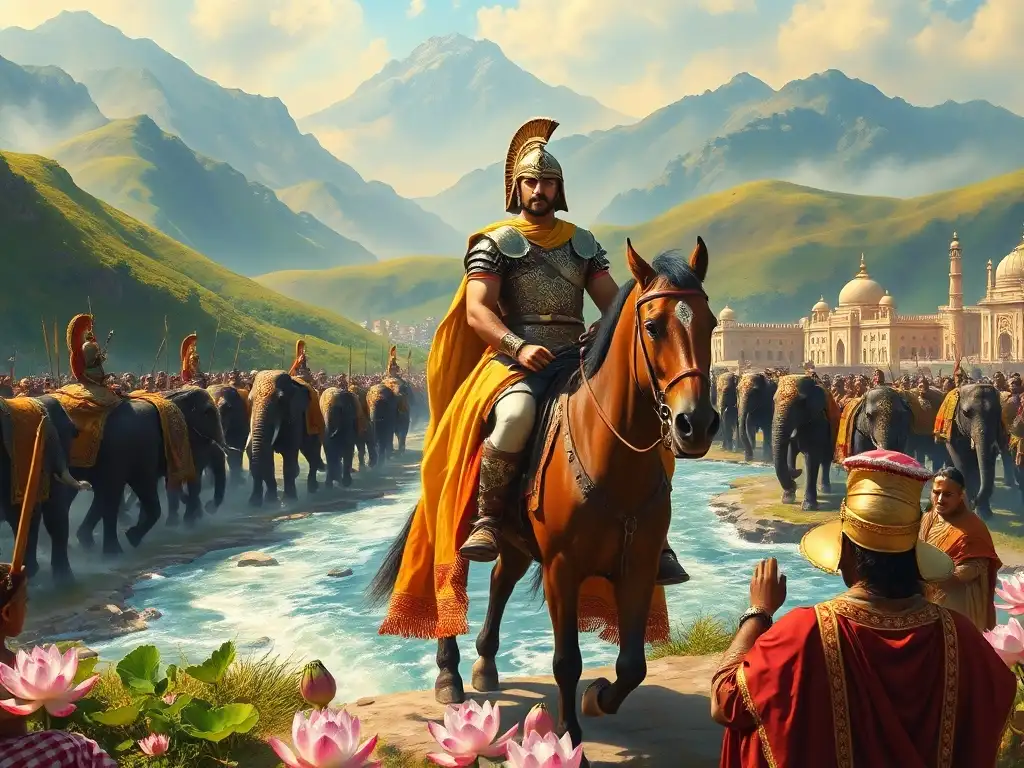
Upon entering India, Alexander's forces encountered a range of Indian kingdoms, each reacting differently to his presence. Some sought alliances, while others prepared for battle. Notably, the initial interactions highlighted:
- Diplomatic Efforts: Alexander attempted to negotiate with local rulers, showcasing his interest in forming alliances.
- Cultural Curiosity: He was fascinated by the customs and philosophies of Indian society, which contrasted sharply with his own.
These early encounters set the stage for the significant events that would follow, marking the beginning of a complex relationship between Greek and Indian civilizations.
Key Battles: The Battle of the Hydaspes
The Battle of the Hydaspes (326 BC) stands as a significant confrontation between Alexander's forces and King Porus. The battle was marked by:
- Tactical Innovations: Alexander utilized his cavalry and infantry in strategic formations to outmaneuver Porus's war elephants.
- Bravery and Resistance: King Porus fought valiantly, demonstrating the fierce resistance of Indian warriors.
The outcome of this battle not only showcased Alexander's military genius but also cemented his reputation as a formidable conqueror. Following his victory, Alexander was impressed by Porus’s bravery and reinstated him as a ruler, reflecting his diplomatic approach.
Cultural Exchange During Alexander's Campaign
The interactions between Alexander’s forces and Indian society led to a rich cultural exchange that had lasting implications:
- Greek Influence on Indian Art: The introduction of Hellenistic styles influenced local art and architecture.
- Philosophical Exchange: Ideas of governance and military strategies were shared, leading to a fusion of thoughts.
- Trade Relations: Establishing trade routes opened up new markets for both cultures, enhancing economic ties.
This exchange laid the groundwork for a more interconnected world, illustrating how military conquests can lead to significant cultural transformations.
Alexander the Great’s campaign in India was not merely an act of conquest; it was a complex interplay of military, cultural, and diplomatic factors that left an indelible mark on Indian society, creating a legacy that resonates through history.
Alexander the Great's India Impact on Society
Alexander the Great's invasion of India in the 4th century BCE marked a significant turning point in the subcontinent's historical trajectory. His incursion not only altered the political landscape but also brought about profound changes in various facets of Indian society. The influence of Hellenistic culture, economic interactions, and the political shifts instigated by Alexander's campaigns played a crucial role in shaping the dynamics of Indian civilization. This section delves into the multifaceted impacts of Alexander’s presence in India, examining how these changes reverberated through time and set the stage for subsequent interactions between Indian and Greek cultures.
Political Changes in Indian States
The arrival of Alexander the Great catalyzed a series of political upheavals across Indian states. His military campaigns disrupted established dynasties and compelled regional rulers to reassess their political strategies. The most notable political change was the weakening of the Persian Empire’s influence in the region, as Alexander effectively dismantled its control over territories that included parts of northwestern India.
In response to the threat posed by Alexander, several Indian kings, including those from the Punjab region, formed alliances, while others engaged in fierce resistance. The resulting fragmentation of power created a vacuum that led to the rise of new political entities. For instance, the aftermath of Alexander's invasion saw the emergence of the Maurya Empire, which eventually unified much of India under Chandragupta Maurya. This transition marked a significant shift from regional powers to large-scale empires, influencing governance and administration practices across the subcontinent.
Economic Effects of Alexander’s Presence
The economic impact of Alexander's invasion was equally profound. His campaigns opened new trade routes between India and the Mediterranean, fostering economic exchanges that had far-reaching consequences. The introduction of Greek goods, including wine, olive oil, and various luxury items, enriched local markets and diversified consumer options.
Additionally, Alexander’s establishment of cities, such as Alexandria on the Indus, promoted commerce and facilitated cultural exchanges. These urban centers became hubs of trade, attracting merchants from various regions and contributing to the wealth of the local economies. The influx of Greek artisans and traders also spurred the development of new industries, enhancing local production capabilities and economic growth.
Cultural Ramifications of Alexander’s Invasion
The cultural ramifications of Alexander's invasion were significant, as they initiated a process of syncretism that would shape Indian society for centuries. The encounter between Greek and Indian civilizations led to a rich exchange of ideas, art, and philosophy, laying the groundwork for a unique blend of cultures.
Introduction of Hellenistic Culture in India
One of the most notable cultural impacts was the introduction of Hellenistic culture into Indian society. This phenomenon manifested in various forms, including art, architecture, and urban planning. The fusion of Greek artistic styles with local traditions resulted in distinctive sculptures and architectural designs that can still be seen today in regions like Gandhara.
The spread of Greek philosophy also influenced Indian thought. Concepts from Hellenistic philosophy, particularly those related to ethics and governance, began to permeate Indian intellectual circles. This exchange enriched the philosophical discourse in India, leading to a greater appreciation for rational thought and scientific inquiry.
Religious Interactions and Syncretism
Alexander's invasion facilitated significant religious interactions, contributing to a rich tapestry of beliefs and practices. The presence of Greek soldiers and settlers introduced new religious ideas, which mingled with existing Indian traditions. This led to a form of syncretism that blended elements of Hellenistic and Indian religions.
For example, the worship of Greek deities began to coexist with local religious practices, creating a diverse religious landscape. Additionally, the promotion of Zoroastrianism, a prevalent belief system in the Persian Empire, saw some influence in northern India, further enriching the spiritual fabric of the region.
The impact of Alexander the Great on Indian society was profound and multifaceted. His invasion not only reshaped the political landscape but also stimulated economic growth and cultural exchanges that enriched Indian civilization. The legacy of this interaction is still felt today, as it set the foundation for future engagements between the East and West.
Long-term Effects of Alexander the Great on Indian Society
The incursion of Alexander the Great into India in 326 BCE marked a significant turning point that would have long-lasting implications for Indian society. Although his campaign was relatively brief, the effects of his presence reverberated through various aspects of Indian life, including culture, politics, and trade. The most profound long-term effect was the introduction of Hellenistic culture, which began to intertwine with local traditions. The fusion of Greek and Indian elements led to the emergence of new artistic styles, philosophical thought, and even religious practices, which enriched the cultural tapestry of India.
Furthermore, the encounter with Alexander prompted Indian rulers to rethink their military strategies and diplomatic approaches. The awareness of Greek military tactics and governance structures led to a transformation in the way regional powers operated. This influence can be seen in the subsequent rise of powerful empires, such as the Maurya Empire, which adopted some elements of Hellenistic governance and military organization.
Legacy of Greek Influence in Indian Culture
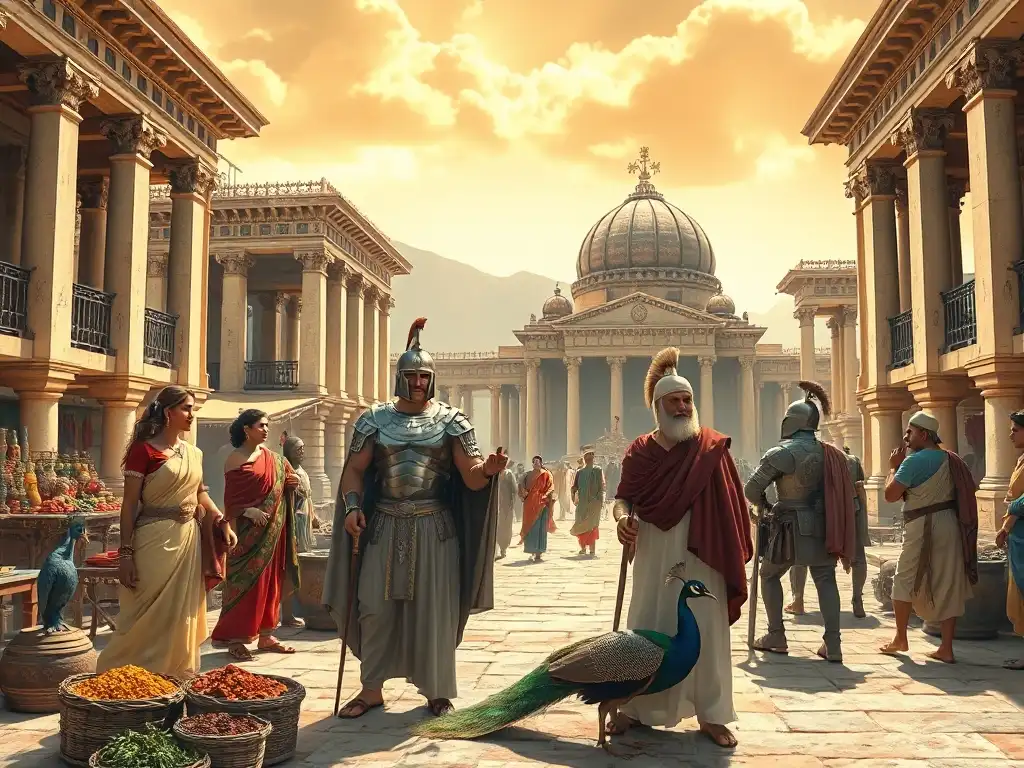
The Greek influence on Indian culture is notably evident in various art forms and architectural styles that emerged in the wake of Alexander's campaign. The Gandhara school of art, which flourished in the region corresponding to modern-day Pakistan and Afghanistan, is a prime example. It combined Greek artistic techniques with Buddhist themes, resulting in sculptures and reliefs characterized by their realistic human forms and intricate drapery.
Moreover, the philosophical exchanges initiated during this period laid the groundwork for significant dialogues between Indian and Greek thought. Schools of philosophy began to emerge that were influenced by Hellenistic ideas, particularly in the realms of ethics and metaphysics. This cross-pollination of ideas eventually contributed to the development of diverse intellectual traditions in India.
Changes in Diplomatic Relations Post-Alexander
The arrival of Alexander the Great led to a reconfiguration of diplomatic relations between Indian states and the Hellenistic world. Before his invasion, interactions were primarily limited to trade and cultural exchanges. However, in the aftermath of his campaigns, Indian rulers began to establish more formal diplomatic ties with Greek states and kingdoms.
For instance, the Mauryan Emperor Chandragupta Maurya is said to have formed an alliance with the Greek satraps left behind by Alexander. This alliance not only helped consolidate his power but also facilitated the exchange of knowledge, trade, and culture between the two regions. Such diplomatic relationships marked a new era of political interaction that would influence both Indian and Greek societies moving forward.
The Rise of Successor States and Their Relevance
Following Alexander's departure from India, the political landscape became increasingly fragmented, leading to the rise of several successor states in the regions he had briefly conquered. These states, including the Indo-Greek Kingdoms, played a crucial role in shaping the historical narrative of the subcontinent. They served as intermediaries between Indian and Hellenistic cultures, promoting trade and cultural exchange.
The Indo-Greek rulers, such as Menander I, became instrumental in disseminating Greek culture and ideals in India while simultaneously adopting local customs. This phenomenon contributed to a blending of cultures that enriched both Greek and Indian societies. The successor states also facilitated the spread of Buddhism into the Hellenistic world, which had lasting implications for religious exchange and cultural diffusion.
Conclusion: Reflecting on Alexander the Great's Impact on India
The impact of Alexander the Great on Indian society is a multifaceted topic that reveals the complexities of cultural interactions in ancient times. His brief foray into India not only disrupted existing power structures but also initiated a rich exchange of ideas and practices that would shape the Indian subcontinent for centuries to come.
Summary of Key Historical Impacts
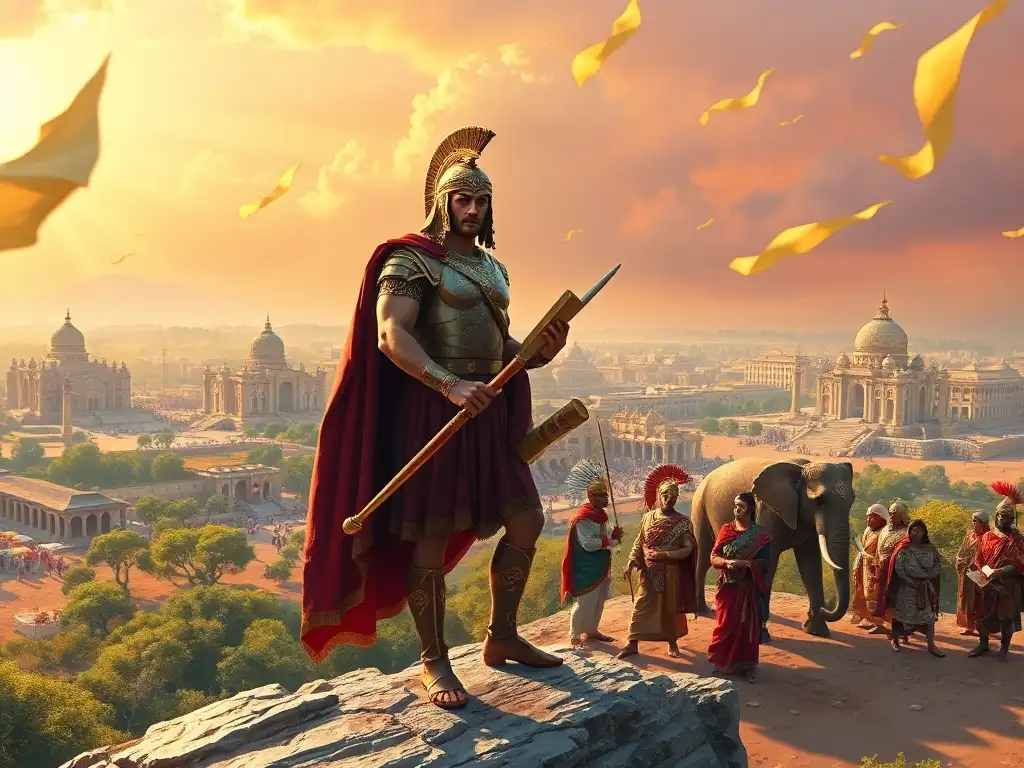
To summarize, the historical impacts of Alexander's campaigns in India include:
- Cultural Fusion: The blending of Greek and Indian art, philosophy, and religious practices.
- Political Reorganization: Changes in military and diplomatic strategies among Indian rulers.
- Emergence of Successor States: The rise of Indo-Greek kingdoms that facilitated cultural and commercial exchanges.
The Significance of Alexander’s Legacy in Indian History
Ultimately, Alexander's legacy in Indian history is significant not only for its immediate consequences but also for the long-lasting effects it had on cultural and political developments. The interactions initiated during this period laid the groundwork for future exchanges between India and the Hellenistic world, influencing everything from art and philosophy to trade and governance. As such, Alexander the Great remains a pivotal figure in understanding the complex tapestry of ancient Indian history and its interactions with other civilizations.
Further Reading and Resources
To gain a deeper understanding of the impact of Alexander the Great on Indian society, a variety of books and academic journals offer valuable insights. These resources provide a comprehensive perspective on the historical context, cultural exchanges, and the long-term effects of Alexander's incursions into India. Below, we detail some suggested readings and scholarly articles that can enhance your knowledge of this fascinating topic.
Suggested Books on Alexander and Indian Relations
-
"The Campaigns of Alexander" by Arrian
This ancient text is a crucial primary source detailing Alexander's campaigns, including his interactions with Indian kingdoms. Arrian’s account provides insights into military strategies and the socio-political landscape of the time.
-
"Alexander the Great and the Hellenistic Age" by Peter Green
This book offers a broader view of Alexander's influence beyond military conquests, focusing on cultural exchanges and the spread of Hellenistic culture. Green examines the implications of these interactions for Indian society.
-
"India and the Classical World: A Historical Perspective" by Michael W. Meister
Meister’s work delves into the interactions between ancient India and the Mediterranean world, including the impact of Alexander. It highlights the exchanges in trade, culture, and philosophy that ensued from these encounters.
-
"The Greeks in India" by A. K. Ramanujan
This book explores the cultural and historical connections between Greeks and Indians, providing a nuanced understanding of how Alexander’s expeditions influenced Indian art, culture, and philosophy.
-
"The Legacy of Alexander the Great" by A. B. Bosworth
Bosworth discusses the political and cultural ramifications of Alexander’s conquests, including the establishment of Indo-Greek kingdoms and their significance in Indian history.
Academic Journals for In-Depth Historical Analysis
-
Journal of Hellenistic Studies
This journal publishes articles on various aspects of Hellenistic history, including the interactions between Greeks and Indians. Articles often explore the political, cultural, and economic implications of Alexander’s campaigns.
-
Indian Historical Review
Featuring a range of historical research, this journal includes studies on ancient Indian history, with occasional articles focused on the Greek influence during and after Alexander's time.
-
Modern Asian Studies
This journal covers a broad spectrum of Asian history and culture, including the impact of foreign incursions like those of Alexander. It offers scholarly articles that analyze the consequences of these interactions on Indian society.
-
Journal of Asian Studies
This interdisciplinary journal publishes research on various aspects of Asian cultures, including historical and cultural exchanges between India and Greece. Articles in this journal often provide critical analyses of Alexander's legacy in India.
Incorporating these resources into your reading will enhance your understanding of the multifaceted relationship between Alexander the Great and Indian society, highlighting the enduring impacts of this historical encounter.
- Introduction to Alexander the Great and His Campaigns
- Overview of Alexander the Great’s Conquests
- Objectives of the Campaign in India
- Historical Context of Alexander’s Invasion of India
- The Encounter with Indian Civilization
- Alexander the Great's India Impact on Society
- Cultural Ramifications of Alexander’s Invasion
- Long-term Effects of Alexander the Great on Indian Society
- Legacy of Greek Influence in Indian Culture
- Changes in Diplomatic Relations Post-Alexander
- The Rise of Successor States and Their Relevance
- Conclusion: Reflecting on Alexander the Great's Impact on India
- Summary of Key Historical Impacts
- The Significance of Alexander’s Legacy in Indian History
- Further Reading and Resources
- What was the significance of Alexander the Great's invasion of India?
- How did Alexander's campaigns affect Indian trade?
- What was the impact of Alexander's presence on Indian philosophy and culture?
- Did Alexander's invasion lead to any political changes in India?
- How did Alexander the Great's legacy influence later Indian rulers?
Frequently Asked Questions
What was the significance of Alexander the Great's invasion of India?
Alexander the Great's invasion marked a turning point in Indian history, as it facilitated cultural exchanges and introduced Hellenistic influences into the region.
How did Alexander's campaigns affect Indian trade?
The expansion of trade routes due to Alexander's campaigns boosted commerce, leading to increased economic interactions between India and other civilizations.
What was the impact of Alexander's presence on Indian philosophy and culture?
Alexander's presence led to the introduction of new ideas and philosophical concepts, which influenced local thought and contributed to the cultural synthesis in India.
Did Alexander's invasion lead to any political changes in India?
Yes, the invasion weakened several local kingdoms, resulting in a shift in power dynamics and paving the way for future empires like the Maurya Empire.
How did Alexander the Great's legacy influence later Indian rulers?
Alexander's military strategies and diplomatic approaches inspired later Indian rulers, shaping their governance and military tactics in subsequent eras.
Final Reflection: The Enduring Legacy of Alexander the Great in India
The impact of Alexander the Great on Indian society is not merely a relic of the past; it resonates profoundly in contemporary discussions about cultural exchange and historical influence. As we explore the intricate tapestry of history, we find that the threads woven by Alexander's conquests have shaped not only the political landscape of ancient India but also its cultural and social fabric. His encounters with Indian kingdoms initiated a dialogue between East and West that continues to inform our understanding of globalization today.
The legacy of Alexander's journey through India is a testament to the power of cultural interaction and the complexities of historical narratives. His military campaigns and subsequent interactions with Indian society fostered a blend of ideas, art, and philosophy that enriched both cultures. As historian Romila Thapar aptly stated, History is not just about the past; it is a continuous dialogue between the past and the present.
This ongoing dialogue highlights how the impact of Alexander's presence in India has influenced not only historical scholarship but also modern identity and cultural pride in the region.
As we reflect on the lessons drawn from Alexander's impact on India, I invite you to consider how history shapes our present and future. What can we learn from the exchanges that took place during this pivotal moment in time? Embrace the spirit of inquiry and openness to diverse influences in your own life. Let the story of Alexander and India inspire you to seek connections across cultures, fostering understanding and appreciation in an increasingly interconnected world. Your journey of exploration can contribute to a richer, more nuanced narrative of our shared human experience.
Unveil the Legacy: Take Action on Alexander's Impact!
Thank you for diving into our exploration of Alexander the Great's influence on Indian society! We're thrilled you took the time to deepen your understanding of this pivotal figure in history. Now, let’s harness that knowledge and propel it forward.
Here are some steps you can take to further connect with and learn more about this fascinating topic:
- Explore the rich historical resources available through various platforms to discover more about Alexander and his contributions to Indian culture.
- Share your insights! Start a conversation with friends or engage in online forums where you can discuss what you've learned and its relevance to contemporary society.
- Visit local museums that highlight Hellenistic influences, and reflect on how history continues to shape our modern world.
What aspect of Alexander's influence intrigues you the most, and how do you think it still resonates in today's world?