
The Influence of Indian Medicine on Greek Practices: An Exploration


Welcome to Ancient India History, where we delve into the fascinating tapestry of India's rich and diverse past. In this exploration, we uncover the profound impact of Indian medicine on Greek practices, revealing how these two great civilizations intertwined through knowledge and innovation. As you journey through our article, prepare to discover the intricate ways in which ancient Indian medicinal wisdom not only shaped its own culture but also left an indelible mark on Greece. Join us as we unravel this captivating story, and ignite your curiosity about the remarkable exchanges that have defined human history.
Introduction to Indian Medicine and Greek Practices
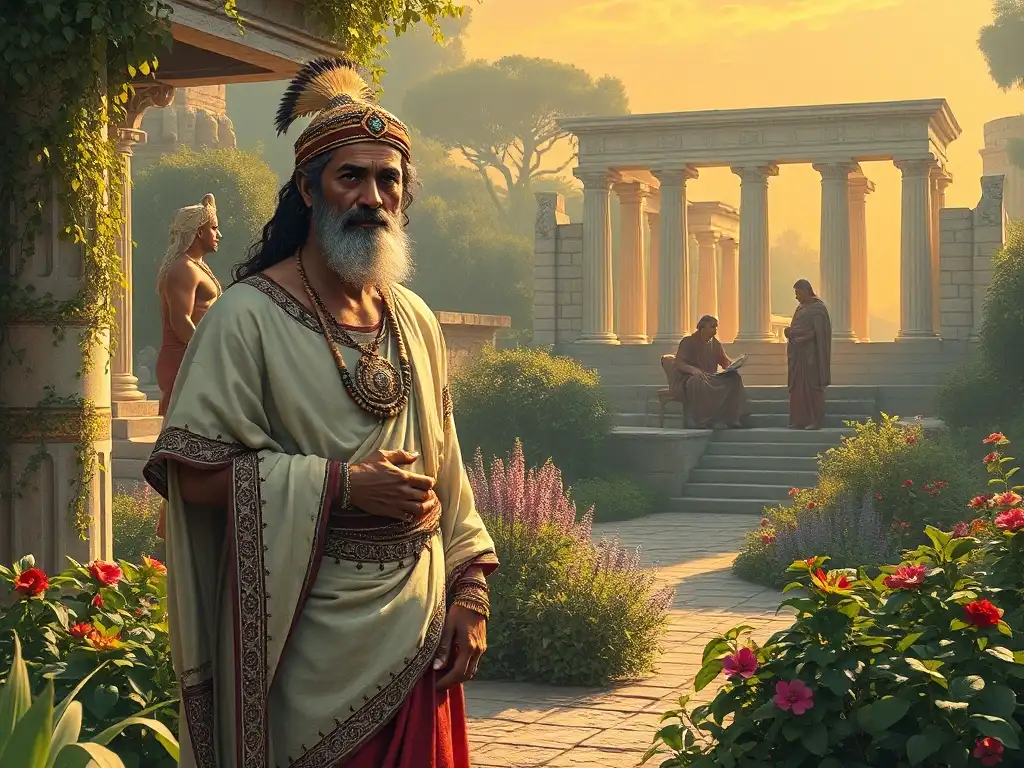
The intersection of Indian medicine and Greek practices represents a fascinating chapter in the annals of history, illustrating how ancient civilizations shared knowledge and techniques that shaped their medical frameworks. The impact of Indian medicine on Greece is particularly significant, as it not only influenced medical practices but also contributed to the broader understanding of health and wellness in the ancient world. This article delves into the nuances of this interaction, exploring how Indian medicinal principles found their way into Greek practices, thereby enriching the medical landscape of both cultures.
Overview of Indian Medicine in Ancient Times
Indian medicine, particularly Ayurveda, dates back thousands of years, deeply rooted in the spiritual and philosophical traditions of the subcontinent. Ayurveda, which translates to "the science of life," encompasses a holistic approach to health, focusing on the balance of body, mind, and spirit. Key components of ancient Indian medicine include:
- Herbal Remedies: Utilization of various plants and herbs for healing purposes.
- Surgical Techniques: Advanced surgical practices, including procedures like rhinoplasty, documented in texts such as the Sushruta Samhita.
- Philosophical Underpinnings: Emphasis on the interconnectedness of the body and nature, with concepts such as doshas (body energies) and panchamahabhuta (five great elements).
These elements not only laid the foundation for medical practices in India but also paved the way for their influence on foreign cultures, including Greece.
Significance of Greek Medical Practices
Greek medicine, particularly during the time of Hippocrates and Galen, was characterized by a systematic approach to diagnosis and treatment. The Greeks emphasized empirical observation and rational thinking, which marked a departure from the mystical explanations prevalent in earlier civilizations. Key aspects of Greek medical practices include:
- Hippocratic Corpus: A collection of texts attributed to Hippocrates that laid the groundwork for clinical medicine.
- Galenic Medicine: Galen's work synthesized earlier medical knowledge, emphasizing anatomy and physiology.
- Philosophical Influence: Greek medicine was heavily influenced by philosophical schools, leading to a more structured understanding of health and disease.
The integration of Indian medicinal knowledge into the Greek framework not only enriched Greek practices but also highlighted the adaptability and evolution of medical science across cultures.
Historical Context of Indian-Greek Relations
The relationship between India and Greece, particularly during the Hellenistic period, was marked by significant exchanges in various domains, including medicine. The historical context of these interactions provides a backdrop for understanding the transfer of medical knowledge.
Trade Routes Connecting India and Greece
The establishment of trade routes, such as the Silk Road and maritime paths, facilitated the movement of goods, ideas, and knowledge between India and Greece. These routes enabled merchants, scholars, and physicians to share their expertise, leading to a cross-pollination of medical practices. Notable trade exchanges included:
- Spices and Herbs: Indian spices reached Greek markets, often accompanied by knowledge of their medicinal properties.
- Cultural Artifacts: Texts and scrolls detailing Ayurvedic practices may have traveled along these routes, influencing Greek scholars.
Cultural Exchange through Conquests and Diplomacy
The conquests of figures such as Alexander the Great not only expanded territories but also encouraged cultural and intellectual exchanges. The presence of Greek settlers in India and Indian scholars in Greece facilitated the sharing of medical knowledge and practices. Key points of cultural exchange include:
- Collaborative Learning: Greek and Indian physicians often collaborated, exchanging techniques and treatments.
- Influence on Medical Texts: The integration of Indian medicinal concepts into Greek texts, leading to a more comprehensive understanding of health.
This historical interplay between Indian and Greek civilizations underscores the lasting impact of Indian medicine on Greek practices, illustrating a rich tapestry of shared knowledge that continues to influence contemporary medical thought.
Key Elements of Indian Medicine Influencing Greece

The influence of Indian medicine on Greek practices is a fascinating intersection of two ancient medical systems that contributed significantly to the evolution of health and healing traditions. Several key elements from Indian medicine made their way into Greek practices, most notably through historical exchanges along trade routes and the movement of scholars. Prominent among these elements are Ayurvedic principles, herbal remedies, and various diagnostic techniques.
The integration of these Indian medicinal concepts into Greek medicine marked a pivotal moment in the development of medical knowledge in ancient Greece. The Greeks not only adopted certain practices but also adapted them to fit their own philosophical frameworks, leading to a unique blend of medical understanding that resonated throughout the Mediterranean world.
Ayurvedic Principles in Greek Medicine
Ayurveda, the ancient Indian system of medicine, emphasizes a holistic approach to health, focusing on the balance of body, mind, and spirit. This principle of holistic health found resonance in Greek medical philosophy, particularly in the works of Hippocrates and Galen.
The Greeks admired the Ayurvedic classification of diseases and treatments, particularly the concept of doshas—the three energies that govern physiological activity. The adaptation of these ideas led to a more nuanced understanding of disease causation in Greek medicine, allowing for the development of personalized treatment plans based on one's constitution.
Moreover, Ayurvedic texts, such as the Sushruta Samhita, detailed surgical techniques and herbal remedies that influenced Greek surgical practices. The Greeks incorporated these methodologies, showcasing the profound respect they held for Indian medical wisdom.
Herbal Practices and Remedies Shared Between Cultures
Herbal medicine has been a cornerstone of both Indian and Greek healing traditions. The exchange of knowledge regarding medicinal herbs occurred through trade and cultural interactions, resulting in a shared pharmacopoeia that included many common plants and their therapeutic uses.
For example, both cultures utilized Turmeric (Curcuma longa) for its anti-inflammatory properties and Ginger (Zingiber officinale) for digestive issues. The Greeks learned from the extensive Indian knowledge of herbal properties, leading to an enriched understanding of plant-based remedies.
Furthermore, the application of herbal practices in daily life, such as using herbal preparations for specific ailments, became a common practice in both societies. This shared knowledge not only enhanced the efficacy of treatments but also reinforced the relationship between the two civilizations.
Comparative Analysis of Indian and Greek Medical Systems
A comparative analysis reveals both similarities and differences between Indian and Greek medical systems, reflecting their unique cultural contexts and philosophical underpinnings.
While both systems sought to understand the human body and its ailments, they approached health from different angles. Indian medicine, rooted in spirituality and holistic balance, contrasts with the empirical and observational approach of Greek medicine. This divergence is evident in their diagnostic techniques, treatment modalities, and the role of the physician.
Philosophical Foundations of Indian Medicine vs. Greek Medicine
The philosophical foundations of Indian and Greek medicine illustrate a significant divergence in understanding health and disease. Indian medicine is deeply intertwined with spirituality, where concepts like karma and dharma play essential roles in health outcomes. The Ayurvedic perspective emphasizes balance and the interconnectedness of body, mind, and environment, advocating for preventive care and lifestyle management.
In contrast, Greek medicine, particularly as advanced by Hippocrates, focuses on natural causes of disease and empirical observation. The Greeks sought to classify diseases based on symptoms and established a more systematic approach to medical practice. While Greek physicians acknowledged the importance of diet and lifestyle, they placed greater emphasis on clinical observation and the treatment of specific ailments.
This philosophical rift led to distinct methodologies in diagnosing and treating illnesses, with Indian medicine favoring a more personalized, holistic approach and Greek medicine leaning towards a more standardized, observational practice.
Diagnostic Techniques: A Study of Similarities and Differences
Despite their philosophical differences, both Indian and Greek medical systems employed diagnostic techniques that reflect their respective approaches to health.
In Indian medicine, diagnosis often involves a thorough examination of the patient's pulse, tongue, and physical appearance, complemented by an understanding of their lifestyle and emotional state. This holistic diagnostic process seeks to identify underlying imbalances within the body, emphasizing the importance of individualized treatment.
Conversely, Greek medicine primarily relied on observational techniques, such as auscultation and palpation, to assess the patient's condition. The Greeks focused on categorizing symptoms to establish a diagnosis, leading to a more scientific approach to medicine.
However, the exchange of ideas between these two systems allowed for the integration of various diagnostic methods. Greek physicians adopted some Ayurvedic practices, which enriched their diagnostic repertoire and enhanced their understanding of patient care. This cross-pollination of medical knowledge demonstrates the profound impact of Indian medicine on Greek practices.
Prominent Figures in the Transmission of Indian Medicine to Greece
The transmission of Indian medicine to Greece involved several key figures who played critical roles in bridging the two ancient medical traditions. Among these, travelers, scholars, and physicians facilitated the exchange of knowledge, contributing to the enrichment of Greek medical practices.
One of the most notable figures was Alexander the Great, whose conquests in the 4th century BCE brought him into contact with various cultures, including the Indian civilization. His encounters with Indian sages and physicians allowed for an exchange of ideas that would later influence Greek medicine. Additionally, Megasthenes, an ambassador to the Maurya Empire, documented his observations of Indian society and medicine in his work Indica, which served as a crucial source of information for Greek scholars.
Another significant figure was Dioscorides, a Greek physician of the 1st century CE, who incorporated several Indian medicinal plants into his renowned work, De Materia Medica. His writings not only reflected the influence of Indian medicine but also helped disseminate this knowledge throughout the Greco-Roman world.
Notable Scholars and Physicians
In addition to Alexander and Dioscorides, other scholars contributed to the integration of Indian medical practices into Greek knowledge. Charaka, an ancient Indian physician and author of the Charaka Samhita, significantly influenced Greek medicine through the translation and adaptation of his texts. His work emphasized holistic healing and the importance of herbal remedies, which resonated with Greek practitioners.
Another important figure was Sushruta, known for his pioneering surgical techniques outlined in the Sushruta Samhita. His contributions to surgery, particularly in the areas of cataract surgery and plastic surgery, captured the attention of Greek physicians, who recognized the advanced nature of these practices.
The translations and interpretations of these texts by scholars like Galenius, who lived in the 2nd century CE, further enhanced the understanding of Indian medicine within the Greek context. Galenius's writings often referenced Indian practices, illustrating the cross-cultural exchange that flourished during this period.
Contributions of Indian Medical Texts to Greek Knowledge
Indian medical texts played a pivotal role in shaping Greek medical knowledge. The Charaka Samhita and Sushruta Samhita introduced various concepts that were novel to Greek physicians, such as the focus on personalized medicine and preventative care. These texts emphasized the balance of bodily humors and the importance of diet and lifestyle, which aligned with the Greek understanding of health.
Moreover, the detailed descriptions of herbal remedies found in Indian texts enriched Greek pharmacology. The Greeks adopted many Indian herbs, integrating them into their own medicinal practices. This exchange not only diversified Greek medicine but also demonstrated the sophistication of Indian medical systems, which were based on empirical observation and extensive clinical practice.
Case Studies: Specific Instances of Indian Medicine Impact on Greece
The impact of Indian medicine on Greek practices can be illustrated through specific case studies that highlight the mutual exchange of knowledge and techniques.
The Influence of Indian Herbal Remedies on Greek Pharmacology
One of the most notable influences of Indian medicine on Greek pharmacology was the adoption of various herbal remedies. Indian texts documented a wide array of medicinal plants, many of which were unknown to the Greeks prior to this exchange. For instance, the use of turmeric and ginger in treating inflammatory conditions found its way into Greek pharmacological practices.
Greek physicians began to explore these herbs, utilizing their properties in treating ailments such as digestive issues and skin disorders. The incorporation of Indian herbal knowledge into Greek medicine exemplifies the practical benefits of cultural exchange, leading to enhanced therapeutic options available to Greek practitioners.
Adaptation of Ayurvedic Surgical Techniques in Greek Practices
Another significant instance of Indian influence is seen in the adaptation of Ayurvedic surgical techniques within Greek medicine. The detailed surgical procedures described in the Sushruta Samhita were particularly influential, introducing methods such as suturing and the use of surgical instruments that were advanced for their time.
Greek surgeons, inspired by these techniques, began to adopt and modify them for their own practices. This cross-pollination of surgical knowledge not only improved the efficacy of Greek surgical methods but also highlighted the sophistication inherent in Indian medical traditions. The legacy of these practices is evident in the works of later Greek physicians, who integrated these techniques into their surgical repertoire, thus enhancing the overall landscape of medical practice in ancient Greece.
The Legacy of Indian Medicine in Greek History
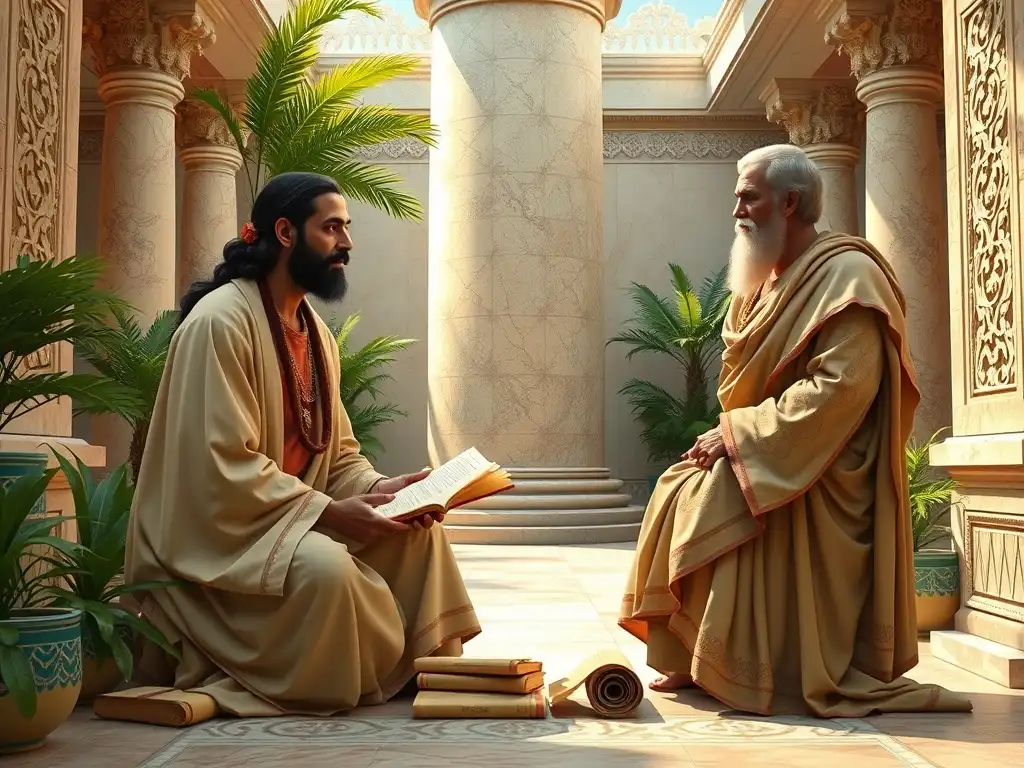
The legacy of Indian medicine in Greek history is a testament to the profound influence that ancient Indian practices had on the evolution of medical knowledge in Greece. This exchange began as early as the 5th century BCE, when the two cultures started engaging through trade and philosophical discourse. Indian texts, particularly those related to Ayurveda, provided a holistic approach to health that resonated with Greek thinkers and physicians. The concepts of balance within the body, the importance of diet, and the therapeutic use of herbs found their way into Greek medical texts, enriching the existing body of knowledge.
Key figures in Greek medicine, such as Hippocrates and Galen, were exposed to Indian medical principles, which emphasized a naturalistic understanding of health. This blending of ideas laid a foundation for a more comprehensive medical system that considered psychological and environmental factors in health and disease. As a result, the influence of Indian medicine on Greek practices can be seen as a significant turning point in the history of medicine, prompting a more integrative approach that would shape future medical theories.
Long-term Effects on Greek Medical Practices
The long-term effects of Indian medicine on Greek medical practices can be observed in various aspects of medical theory and practice that emerged during and after the Hellenistic period. One notable impact was the incorporation of herbal remedies and formulations derived from Indian pharmacopoeia into Greek medicine. Greek physicians began to adopt and adapt these remedies, leading to a rich exchange of medicinal knowledge that would last for centuries.
Moreover, the notion of the four elements (earth, water, air, and fire) as fundamental components of health, which can be traced back to Indian philosophical thought, was integrated into Greek medical theories. This concept influenced the development of humoral theory, which posited that health was maintained through the balance of bodily fluids. Consequently, the influence of Indian medicine contributed to the evolution of a more nuanced understanding of human physiology and disease, which would be pivotal in advancing medical practices in the Western world.
Indian Medicine's Role in the Development of Hellenistic Medicine
Indian medicine played a crucial role in the development of Hellenistic medicine, particularly through the introduction of unique medical concepts and practices. The era of Hellenistic medicine saw a blend of various cultural influences, and Indian medicine provided an essential framework for this synthesis. The arrival of Indian physicians in Alexandria and other centers of learning facilitated the exchange of medical knowledge and practices.
One of the most significant contributions was the emphasis on individualized treatment approaches, which were deeply rooted in Indian Ayurvedic principles. This focus on tailored treatments based on individual constitution and health conditions influenced Greek medical practitioners, leading to a shift away from more generalized treatments. Furthermore, the introduction of surgical techniques and diagnostic methods from Indian practices enriched the Hellenistic medical landscape, resulting in a more sophisticated and diverse medical practice.
Conclusion: The Lasting Influence of Indian Medicine on Greek Practices
The impact of Indian medicine on Greek practices is a remarkable example of how cross-cultural exchanges can enhance and transform medical knowledge. The legacy of this influence is evident in the evolution of medical theories, practices, and the integration of holistic approaches to health.
Summary of Key Points
- Indian medicine infused Greek medical practices with holistic approaches and herbal remedies.
- The blending of Indian and Greek medical concepts led to significant advancements in understanding human health.
- The emphasis on individualized treatment and diverse diagnostic methods from Indian practices reshaped Hellenistic medicine.
Reflection on the Importance of Cross-Cultural Medical Exchange
Cross-cultural medical exchange, exemplified by the interaction between Indian and Greek medicine, underscores the importance of collaboration and shared knowledge in the advancement of healthcare. Such exchanges not only enhance the understanding of diverse medical traditions but also foster innovation and improvement in medical practices. The lessons learned from this historical relationship remind us that the sharing of knowledge across cultures is vital in the pursuit of comprehensive and effective medical care, a principle that remains relevant in today's increasingly interconnected world.
Further Reading and Resources
Delving deeper into the impact of Indian medicine on Greek practices can enhance our understanding of the cross-cultural exchanges that shaped ancient medical knowledge. Below are some recommended texts and online resources that provide valuable insights into this fascinating topic.
Recommended Texts on Indian and Greek Medical Interactions
-
"The Healing Gods of Ancient Civilizations" by John D. L. Hargreaves
This book examines the medical systems of various ancient cultures, including a dedicated section on how Indian medicine influenced Greek practices. Hargreaves analyzes texts and historical accounts that reveal the transfer of medical knowledge.
-
"Ayurveda and Greek Medicine: A Comparative Study" by Dr. Anita Sharma
This text offers a detailed comparison of Ayurvedic principles and their Greek counterparts. Dr. Sharma emphasizes the similarities and differences in treatment methods, highlighting how these two systems enriched each other.
-
"Cross-Cultural Medicine: The Influence of Indian Medicine on the Ancient Mediterranean World" by Rebecca L. O’Malley
This work focuses on the interconnections between Indian and Greek medical traditions, providing an in-depth analysis of how Indian texts were translated and adapted in the Mediterranean region.
-
"Ancient Healing: The Influence of Indian Medicine on Western Practices" by Prakash Gupta
Gupta explores various ancient texts and archaeological findings to illustrate the transmission of medical knowledge from India to Greece, offering a comprehensive overview of medicinal practices.
-
"Classical Medicine: Greek and Indian Traditions" by Dr. Eleni Georgiou
This book presents a critical examination of how Greek and Indian medical traditions influenced each other, with case studies demonstrating the practical applications of their combined knowledge.
Online Resources for Exploring Ancient Medical Practices
-
The Ancient History Encyclopedia
This resource features articles and entries detailing the practices of Indian and Greek medicine, including their historical context and interrelations. It serves as a fantastic starting point for those new to the subject.
-
World Digital Library
An online repository that houses a wealth of ancient manuscripts, including medical texts from India and Greece. Users can explore digitized versions of primary sources that illustrate the medical practices of these civilizations.
-
National Geographic: Ancient Medicine
This site offers various articles and documentaries about the evolution of medicine in ancient cultures, with sections dedicated to Indian and Greek interactions, showcasing the cross-cultural influences.
-
The Internet Archive
A vast collection of historical texts, including medical treatises from both Indian and Greek sources. Researchers can find rare texts that provide firsthand accounts of ancient medical practices.
-
Medieval and Early Modern Sources Online (MEMSO)
While primarily focused on medieval texts, MEMSO includes references to earlier works that highlight the transmission of medical knowledge from Indian traditions to Greek scholars. It is an excellent tool for finding specific references and texts.
By engaging with these recommended texts and online resources, readers can gain a deeper appreciation of the profound impact that Indian medicine had on Greek practices and the broader implications of these interactions in the history of medicine.
- Introduction to Indian Medicine and Greek Practices
- Overview of Indian Medicine in Ancient Times
- Significance of Greek Medical Practices
- Historical Context of Indian-Greek Relations
- Key Elements of Indian Medicine Influencing Greece
- Comparative Analysis of Indian and Greek Medical Systems
- Prominent Figures in the Transmission of Indian Medicine to Greece
- Case Studies: Specific Instances of Indian Medicine Impact on Greece
- The Legacy of Indian Medicine in Greek History
- Conclusion: The Lasting Influence of Indian Medicine on Greek Practices
- Further Reading and Resources
- What is the primary focus of the article "The Influence of Indian Medicine on Greek Practices"?
- How did Indian medicine reach Greece?
- What are some key contributions of Indian medicine to Greek practices?
- How did the cultural exchange between India and Greece affect medicine?
- Why is the study of Indian medicine’s impact on Greece important?
Frequently Asked Questions
What is the primary focus of the article "The Influence of Indian Medicine on Greek Practices"?
The article explores the impact of Indian medicine on Greek medical practices, highlighting how ancient Indian techniques and philosophies influenced Greek healers and their approaches to health.
How did Indian medicine reach Greece?
Indian medicine made its way to Greece through trade routes and cultural exchanges, particularly during the time of the Silk Road, allowing for the sharing of medical knowledge and practices.
What are some key contributions of Indian medicine to Greek practices?
Indian medicine contributed practices such as Ayurvedic principles, herbal treatments, and surgical techniques that enhanced Greek medicine, providing a broader understanding of health and wellness.
How did the cultural exchange between India and Greece affect medicine?
The exchange led to a fusion of medical knowledge, where Greek practitioners integrated Indian techniques, resulting in more comprehensive healthcare approaches that benefited both civilizations.
Why is the study of Indian medicine’s impact on Greece important?
Understanding this influence is crucial as it showcases the global nature of medical history, emphasizing how cross-cultural interactions shaped health practices and contributed to the development of modern medicine.
Final Reflection: The Enduring Legacy of Indian Medicine on Greek Practices
The exploration of Indian medicine's influence on Greek practices reveals a profound interconnectedness that resonates in today's globalized world. As we navigate through the complexities of modern healthcare, the historical exchanges between these two ancient cultures remind us that knowledge knows no boundaries. The impact of Indian medicine on Greece is not merely a relic of the past; it is a testament to the timeless quest for healing and understanding the human condition.
Cultural exchanges, such as those between Indian and Greek medical traditions, continue to shape our social landscape and enrich our collective knowledge. The principles of holistic healing and the emphasis on balance and harmony in Indian medicine have found their way into contemporary practices across the globe, including Greece. As Hippocrates once said, “Healing is a matter of time, but it is sometimes also a matter of opportunity.” This quote encapsulates the ongoing dialogue between these traditions, highlighting how the wisdom of the past can inform our present and future.
As we reflect on the lessons from this rich historical tapestry, I invite you to consider how the principles of Indian medicine can inspire your own approach to health and well-being. Embrace the idea that healing is a multifaceted journey, one that transcends cultural boundaries and invites us to learn from one another. Let us carry forward the legacy of these ancient practices, integrating their wisdom into our lives and fostering a deeper understanding of the interconnectedness of all healing traditions.
Unveil the Connections Between Indian and Greek Medicine!
Thank you for exploring the fascinating world of Indian medicine's influence on Greek practices! We hope you have gained valuable insights into this rich historical interplay and its impact on healing traditions. Now, it’s time to deepen your understanding and engage with this vibrant topic further.
Here’s how you can explore the ancient connections even more:
- Connect with local cultural groups or online forums interested in ancient medicine to share your thoughts and knowledge.
- Dive deeper into the texts of ancient Indian and Greek medicine; you might uncover unexpected insights and wisdom.
- Share this article with friends or fellow history enthusiasts to spark engaging conversations about this intriguing subject.
What are some ways you believe ancient medicinal practices can still be effective in our modern world today? We invite you to share your thoughts below!