
The Lasting Impressions of Persian Diplomacy on Indian History

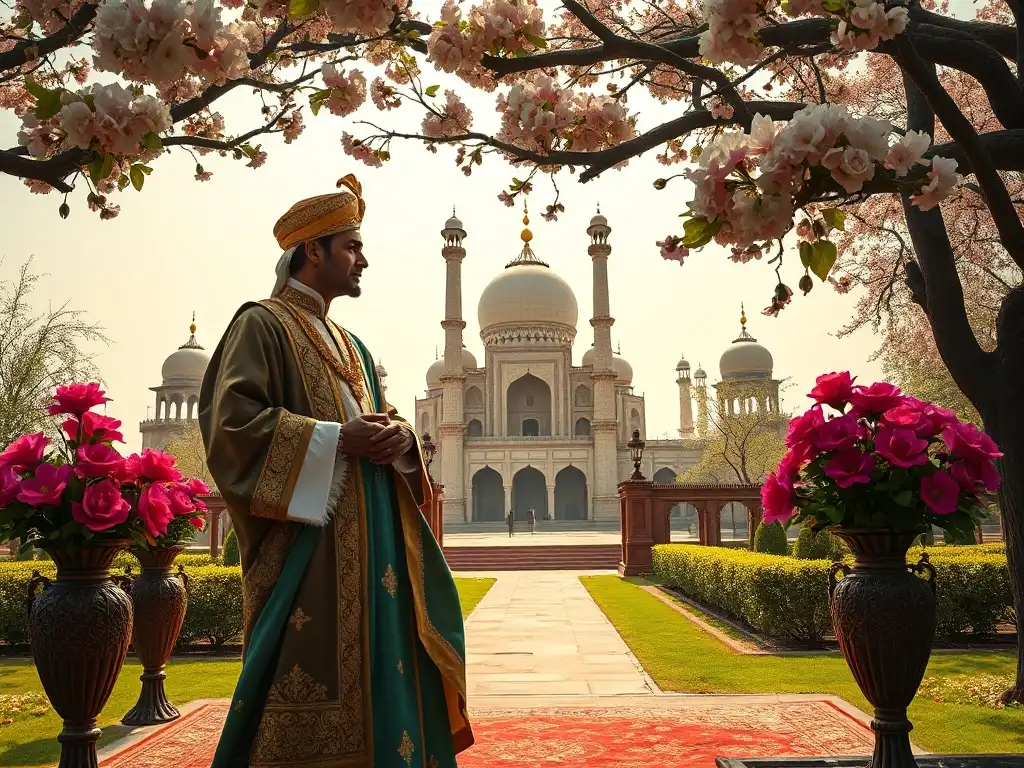
Welcome to Ancient India History, where we embark on a fascinating journey through the rich tapestry of Indian civilization! In this exploration, we delve into the lasting impressions of Persian diplomacy on Indian history, uncovering how ancient interactions have shaped cultural and political landscapes across the subcontinent. Prepare to be intrigued as we unravel the nuanced connections between these two great civilizations and discover the myriad ways they influenced each other.
Join us as we peel back the layers of time and reveal the profound legacy of Persian influence that continues to resonate in India today. Your adventure through history begins here!
Introduction to Persian Influence on Indian History
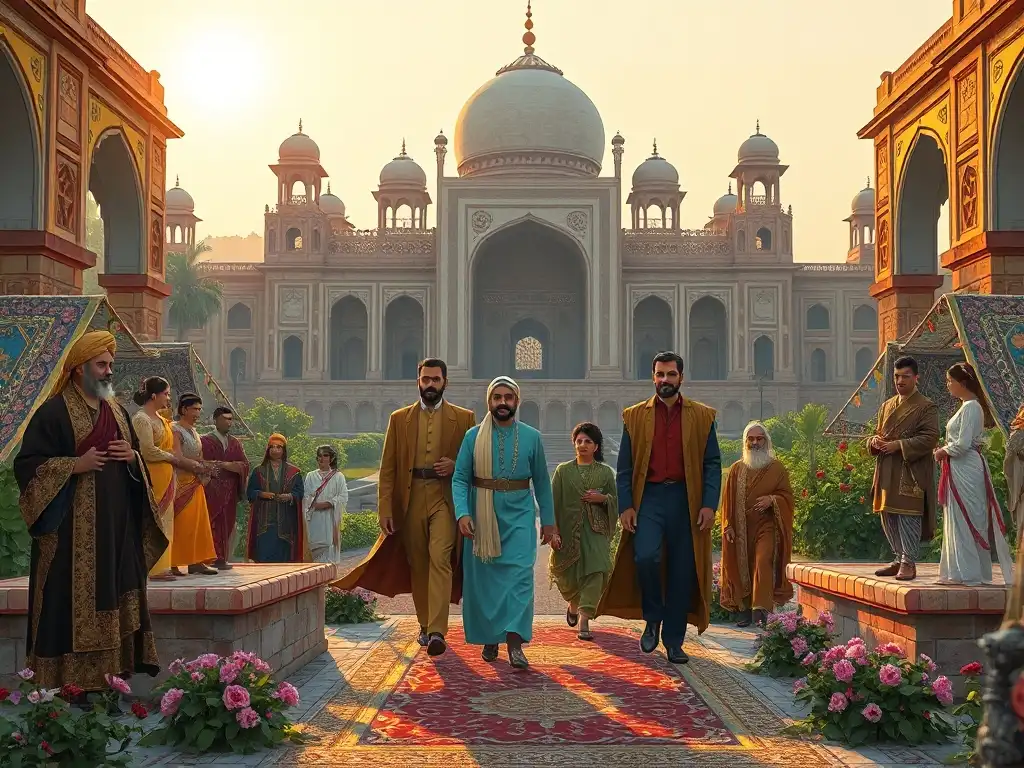
The intricate tapestry of Indian history is woven with the threads of numerous cultural and political interactions, among which the Persian influence on Indian history stands out prominently. This influence is not merely limited to military conquests or territorial expansion; rather, it encompasses a rich and multifaceted exchange of ideas, art, literature, and governance that has left an indelible mark on the subcontinent.
The interactions between ancient Persia and India span centuries, shaping not only the political landscape but also the cultural ethos of the region. Understanding these interactions provides crucial insights into how diplomacy and cultural exchanges have historically shaped civilizations.
Overview of Persian Diplomacy in Ancient Times
Persian diplomacy in ancient times was characterized by a blend of strategic alliances, trade partnerships, and cultural exchanges. The Persian Empire, especially during the Achaemenid period, was known for its sophisticated administrative systems and diplomatic relations that extended to various regions, including the Indian subcontinent. Key figures such as Darius I and Xerxes played pivotal roles in establishing these connections, often leveraging diplomacy to maintain peace and foster trade. Persian envoys and traders frequently traveled to Indian kingdoms, bringing with them not just goods but also ideas and cultural practices that would resonate through Indian society for generations.
Significance of Indian-Persian Interactions
The significance of Indian-Persian interactions is manifold. These exchanges facilitated the introduction of new administrative practices, artistic influences, and philosophical ideas. For instance, Persian art and architecture left a lasting legacy on Indian styles, evident in the intricate designs found in Mughal architecture. Additionally, the Persian language and literature enriched Indian cultural spheres, leading to the emergence of unique literary forms that blended influences from both civilizations. This cultural amalgamation not only enhanced the richness of Indian heritage but also fostered a sense of unity amidst diversity, a theme that remains relevant in contemporary discussions about Indian identity.
Historical Context of Persian Influence on Indian History
To fully appreciate the Persian influence on Indian history, it is essential to delve into the historical context of this interaction, marked by the rise of the Persian Empire and its subsequent encounters with Indian kingdoms.
The Rise of the Persian Empire
The rise of the Persian Empire in the 6th century BCE marked a significant turning point in the history of Western Asia and beyond. Under the leadership of Cyrus the Great, the empire expanded rapidly, encompassing vast territories that included parts of modern-day Iran, Iraq, and extending towards the Indian subcontinent.
The establishment of a vast administrative network and a policy of tolerance allowed Persia to manage its diverse populations effectively. This expansion set the stage for future diplomatic and cultural exchanges with Indian states, particularly during the reign of Darius I, who is noted for his attempts to integrate the Indian provinces into the empire’s economic and political framework.
Key Periods of Interaction between Persia and India
Several key periods mark the interaction between Persia and India, each contributing uniquely to the tapestry of their shared history:
- Achaemenid Period (c. 550–330 BCE)
- Envoys and Trade: The establishment of trade routes facilitated economic exchanges.
- Cultural Exchange: Introduction of administrative practices and art forms.
- Mauryan Empire (c. 322–185 BCE)
- Diplomatic Relations: Notable interactions under Chandragupta Maurya and his successors.
- Cultural Synthesis: The spread of Buddhism into Persia and vice versa.
- Sassanian Period (c. 224–651 CE)
- Military Encounters: Conflict and diplomacy characterized this era.
- Cultural Flourishing: Mutual influences in art, architecture, and literature.
These periods illustrate the dynamic and evolving nature of Indian-Persian interactions, highlighting how diplomacy, trade, and cultural exchanges have shaped the historical landscape of both civilizations.
Mechanisms of Persian Influence on Indian Society
The Persian influence on Indian society can be traced through various mechanisms that facilitated interactions between these two ancient civilizations. The intertwining of trade, cultural exchanges, and diplomatic relationships played a pivotal role in shaping the socio-economic and political fabric of ancient India. Understanding these mechanisms helps illustrate the depth of Persian impact on Indian history, particularly during significant historical periods such as the Achaemenid and Sassanian empires.
Trade Relations and Economic Impact
Trade relations between Persia and India date back to ancient times, significantly impacting both economies. The Persian Empire, with its vast network of trade routes, facilitated the exchange of goods such as textiles, spices, and precious stones. Indian goods found their way to Persian markets, while Persian luxury items, like metalwork and glassware, enriched Indian culture.
- Silk Route: The establishment of the Silk Road during the Achaemenid period opened channels for trade between the Indian subcontinent and Persia, allowing for greater economic interdependence.
- Coinage: The introduction of Persian coinage in Indian markets not only standardized trade practices but also led to the adoption of similar monetary systems in various Indian kingdoms, fostering economic growth.
This economic interconnection laid the groundwork for a flourishing commercial environment, enhancing prosperity and cultural exchanges.
Cultural Exchanges: Art, Architecture, and Language
Cultural exchanges between Persia and India led to a rich tapestry of artistic and architectural influences. The interaction facilitated a blend of artistic styles, particularly evident in:
- Architecture: Persian architectural techniques, such as the use of domes and intricate tile work, influenced Indian constructions, notably seen in structures from the Mughal era which drew heavily from Persian designs.
- Art: The cross-pollination of artistic traditions resulted in unique forms of painting and decorative arts, merging Persian motifs with Indian themes.
- Language: The Persian language had a profound impact on Indian languages, particularly during the medieval period. Many Persian words were adopted into languages such as Hindi and Urdu, enriching the linguistic landscape of India.
These cultural exchanges not only enhanced the aesthetic dimensions of Indian society but also fostered a sense of shared cultural identity.
The Role of Persian Diplomacy in Political Alliances
Persian diplomacy played a significant role in shaping political alliances in ancient India. Diplomatic missions often facilitated peace treaties and alliances, impacting regional politics.
- Strategic Marriages: Intermarriages between Persian royalty and Indian rulers forged political alliances that secured peace and fostered mutual cooperation.
- Envoys and Treaties: Persian envoys often traveled to Indian courts, negotiating treaties that established political ties. These diplomatic efforts not only strengthened alliances but also contributed to the stability of the region.
The diplomatic engagements between Persia and Indian kingdoms created a network of political relationships that influenced governance and administration across the subcontinent.
Case Studies of Persian Influence on Indian History
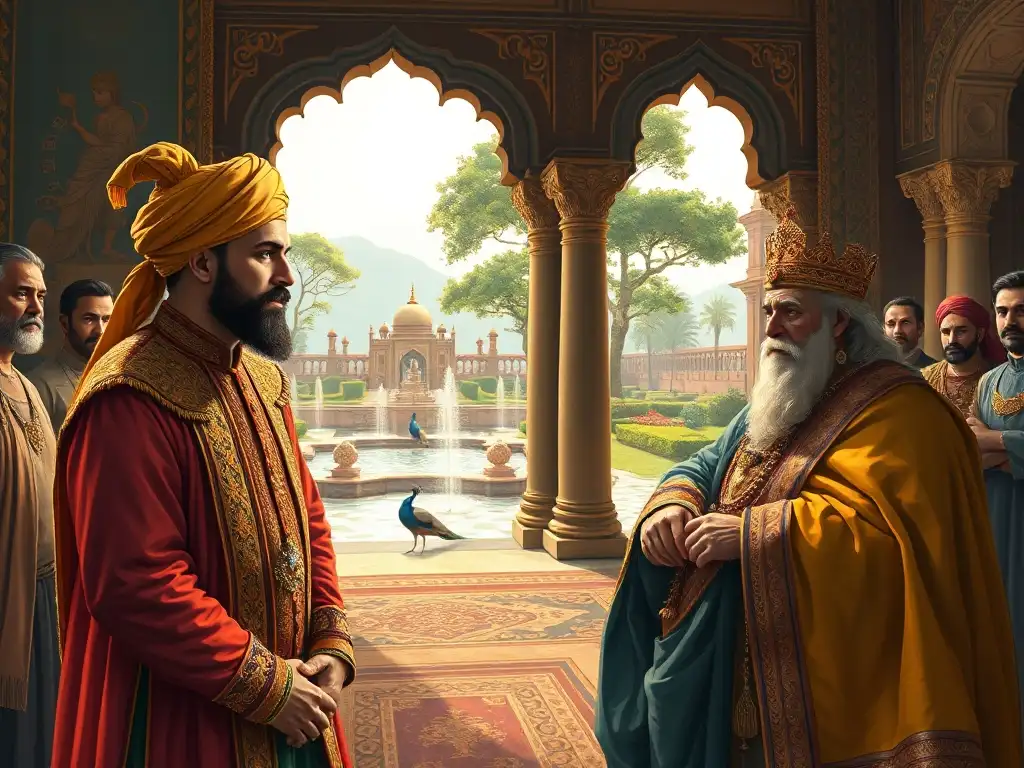
To better understand the impact of Persian influence on Indian history, it is essential to explore specific case studies that highlight key interactions and their lasting effects.
The Achaemenid Empire and Its Impact on the Indian Subcontinent
The Achaemenid Empire, established by Cyrus the Great in the 6th century BCE, marked a significant phase in Persian history. Its influence extended into the northwestern parts of the Indian subcontinent, particularly during the reign of Darius I.
- Administrative Practices: The Achaemenids implemented sophisticated administrative practices, which influenced local governance structures in Indian territories. The use of satraps to manage provinces set a precedent for similar administrative systems in Indian kingdoms.
- Cultural Integration: The presence of Persian officials and merchants in the Indian subcontinent facilitated cultural integration, spreading Persian customs and practices across local societies.
The Achaemenid Empire's engagement with Indian regions laid the foundation for future interactions and exchanges.
The Mauryan Empire’s Engagement with Persian Diplomacy
The Mauryan Empire, particularly under the reign of Ashoka, engaged in diplomatic relations with Persia that had significant implications for both empires.
- Diplomatic Missions: Ashoka's sending of envoys to the Persian court illustrated the importance of diplomatic ties in promoting trade and cultural exchanges between the two empires.
- Religious Influences: The spread of Buddhism into Persian territories and vice versa created a shared spiritual discourse, enhancing cultural ties.
This engagement exemplified how Persian diplomacy could foster political stability and cultural enrichment in the Indian subcontinent.
The Influence of the Sassanian Empire on Indian Kingdoms
The Sassanian Empire, which succeeded the Achaemenids, continued to exert influence over India, particularly during the early medieval period.
- Political Alliances: The Sassanians frequently engaged in alliances with Indian kingdoms, facilitating military cooperation against common adversaries, such as the Kushan Empire.
- Cultural Exchanges: The Sassanian period saw the introduction of new religious and philosophical ideas into India, further enriching its cultural landscape.
The Sassanian influence illustrates the continuing legacy of Persian interactions with Indian civilizations, emphasizing the profound interconnectedness of these historical narratives.
The Legacy of Persian Influence in Modern Indian Context
The Persian influence on Indian history is profound and multifaceted, leaving an indelible mark that continues to resonate in contemporary Indian society. This legacy is visible across various domains, including architecture, language, culture, and even governance. The interactions between Persian and Indian civilizations began as early as the Achaemenid Empire, and over the centuries, these exchanges have shaped many aspects of Indian identity.
Persian culture introduced new ideas and practices that were integrated into Indian society. The adoption of Persian administrative systems and diplomatic protocols has contributed to the evolution of governance in India. Additionally, the rich tradition of Persian literature and art has influenced Indian cultural expressions, leading to a unique synthesis that is evident in numerous artistic endeavors today.
As India continues to navigate its diverse cultural heritage, the legacy of Persian diplomacy serves as a reminder of the importance of intercultural dialogue and the shared history that binds different peoples together. Understanding this legacy can foster a greater appreciation for the complexities of Indian identity, which is shaped by a myriad of influences, including the Persian.
Architectural Influences: Persian Styles in Indian Structures
The architectural landscape of India showcases a significant Persian influence, particularly during the medieval period. The integration of Persian architectural elements can be observed in various structures, notably during the Mughal era, which was heavily inspired by Persian aesthetics.
Key features of Persian architecture that found their way into Indian structures include:
- Arched Doorways and Windows: These elements not only enhanced the visual appeal but also improved the functionality of buildings.
- Intricate Tile Work: Persian tiles, characterized by their vibrant colors and elaborate designs, became a staple in Indian palaces and mosques.
- Gardens and Courtyards: The concept of the Persian garden, symbolizing paradise, influenced the design of many Mughal gardens, which often featured water channels and fountains as central elements.
Prominent examples of these architectural influences can be seen in the Taj Mahal, Humayun's Tomb, and various forts that dot the Indian landscape. These structures not only reflect the Persian style but also embody a blend of local traditions, showcasing a unique architectural heritage that continues to inspire modern design.
Linguistic Contributions: The Persian Vocabulary in Indian Languages
The Persian language has had a lasting impact on several Indian languages, particularly Urdu, Hindi, and Punjabi. This linguistic influence can be traced back to the establishment of Persian as a court language during the Delhi Sultanate and the Mughal Empire.
The incorporation of Persian vocabulary into Indian languages is evident in various domains, including:
- Everyday Vocabulary: Many common words used in Indian languages today, such as "salam" (greeting), "dastarkhwan" (tablecloth), and "shahr" (city), have Persian origins.
- Literature and Poetry: Persian literary forms, such as ghazals and rubaiyats, have been adopted and adapted by Indian poets, enriching the literary heritage of the subcontinent.
- Administrative Language: The use of Persian in governance and administration led to the development of a hybridized form of language that retains both Persian and local elements.
The legacy of Persian vocabulary in Indian languages is a testament to the deep-rooted cultural exchanges that have shaped the linguistic landscape of India, enhancing its richness and diversity.
The Continuation of Cultural Practices Stemming from Persian Influence
Cultural practices stemming from Persian influence continue to thrive in various aspects of Indian life. This includes traditions in art, music, and culinary practices that have been enriched by Persian elements.
In music, the introduction of Persian instruments and styles has led to the evolution of various Indian classical music forms. Instruments such as the sitar and tabla have Persian origins and are integral to Indian music today.
Culinary practices also reflect this influence, with Persian dishes like biryani and kebabs becoming staples in Indian cuisine. The art of tea drinking, which was popularized during the Mughal era, remains a significant part of Indian hospitality.
Festivals and rituals have also absorbed Persian elements, showcasing the adaptability and resilience of cultural practices over time. The celebration of certain festivals, along with specific customs and attire, highlights the ongoing impact of Persian culture in contemporary Indian society.
Conclusion: The Enduring Impact of Persian Diplomacy on Indian History
The Persian influence on Indian history is not merely a relic of the past; it is a dynamic force that has shaped various aspects of Indian civilization. The diplomatic relations between Persia and India laid the groundwork for a rich exchange of ideas, art, and culture that continues to evolve.
Summary of Key Points on Persian Influence
- Architectural Innovations: Persian styles significantly influenced Indian architecture, leading to the creation of iconic structures.
- Linguistic Enrichment: Persian vocabulary permeated Indian languages, enhancing their richness and complexity.
- Cultural Practices: Many cultural practices, from music to cuisine, bear the imprint of Persian influence, showcasing the ongoing relevance of this historical interaction.
Reflection on the Importance of Understanding Historical Interactions
Understanding the impact of Persian diplomacy on Indian history is crucial for appreciating the complexities of cultural interactions that have defined the subcontinent. By recognizing the shared legacies and influences, we can foster a deeper appreciation for the intertwined histories that shape our present. This reflection not only enriches our understanding of ancient civilizations but also underscores the importance of dialogue and cultural exchange in fostering unity in diversity.
- Introduction to Persian Influence on Indian History
- Historical Context of Persian Influence on Indian History
- Mechanisms of Persian Influence on Indian Society
- Case Studies of Persian Influence on Indian History
- The Legacy of Persian Influence in Modern Indian Context
- Conclusion: The Enduring Impact of Persian Diplomacy on Indian History
- What is the significance of Persian influence on Indian history?
- How did Persian diplomacy affect ancient Indian kingdoms?
- Which ancient Indian empire was most impacted by Persian culture?
- What are some key cultural contributions from Persia to India?
- How does the Gupta Empire reflect Persian influence?
Frequently Asked Questions
What is the significance of Persian influence on Indian history?
The Persian influence played a crucial role in shaping various aspects of Indian culture, including language, art, and administration during ancient times.
How did Persian diplomacy affect ancient Indian kingdoms?
Persian diplomacy established important political alliances and trade relationships, which facilitated cultural exchanges and enhanced economic prosperity in ancient Indian kingdoms.
Which ancient Indian empire was most impacted by Persian culture?
The Maurya Empire was significantly influenced by Persian culture, especially during the reign of Chandragupta Maurya, who adopted several administrative practices from the Persian model.
What are some key cultural contributions from Persia to India?
Persia contributed to Indian history through advancements in literature, architecture, and the introduction of new administrative practices that improved governance.
How does the Gupta Empire reflect Persian influence?
During the Gupta Empire, the impact of Persian influence is evident in the arts, coinage, and diplomatic practices, which helped in consolidating and expanding the empire's power.
Final Reflection: The Enduring Legacy of Persian Diplomacy in Indian History
The intricate tapestry of Persian influence on Indian history remains profoundly relevant today, as it underscores the interconnectedness of cultures and the power of diplomacy in shaping nations. The historical exchanges between Persia and India not only enriched both civilizations but also laid the groundwork for a shared heritage that continues to resonate in contemporary society. The lessons drawn from these diplomatic endeavors remind us that collaboration and understanding can transcend borders, fostering a sense of unity in diversity.
The impact of Persian diplomacy is evident in various facets of Indian culture, from language and art to governance and trade. This enduring legacy serves as a testament to the profound ways in which cultures can influence one another, creating a rich mosaic of shared traditions. As we reflect on this historical narrative, we are reminded of the words of the great Persian poet Rumi: The wound is the place where the Light enters you.
This quote encapsulates the idea that through the challenges and exchanges of diplomacy, both nations have emerged stronger and more enlightened.
As we look to the future, let us embrace the lessons of Persian influence on Indian history and recognize the importance of fostering dialogue and understanding in our own lives. I invite you to reflect on how you can contribute to building bridges between cultures in your community. Whether through learning a new language, exploring different traditions, or engaging in meaningful conversations, each small action can help cultivate a world where diplomacy and mutual respect thrive. Together, we can honor the legacy of the past while paving the way for a more harmonious future.
Unveil the Impact of Persian Diplomacy on Your Understanding of Indian History!
Thank you for immersing yourself in the fascinating interplay between Persian diplomacy and Indian history! You've gained invaluable insights into how these ancient cultures influenced one another. Now, why not take the next steps to deepen your understanding and engage with this captivating topic?
Here's how you can dive even deeper:
- Explore related historical texts or documentaries to see how Persian influence shaped various regions across India.
- Share your thoughts about the significance of Persian diplomacy on social media or with friends—starting a conversation could inspire new perspectives!
- Join online forums or local history groups to connect with fellow enthusiasts who share your passion for ancient diplomatic relations.
What unique perspectives or connections do you think exist between Persian diplomacy and contemporary international relations in India?