
The Silk Road: Unraveling the Ancient Trade Links Between India and China

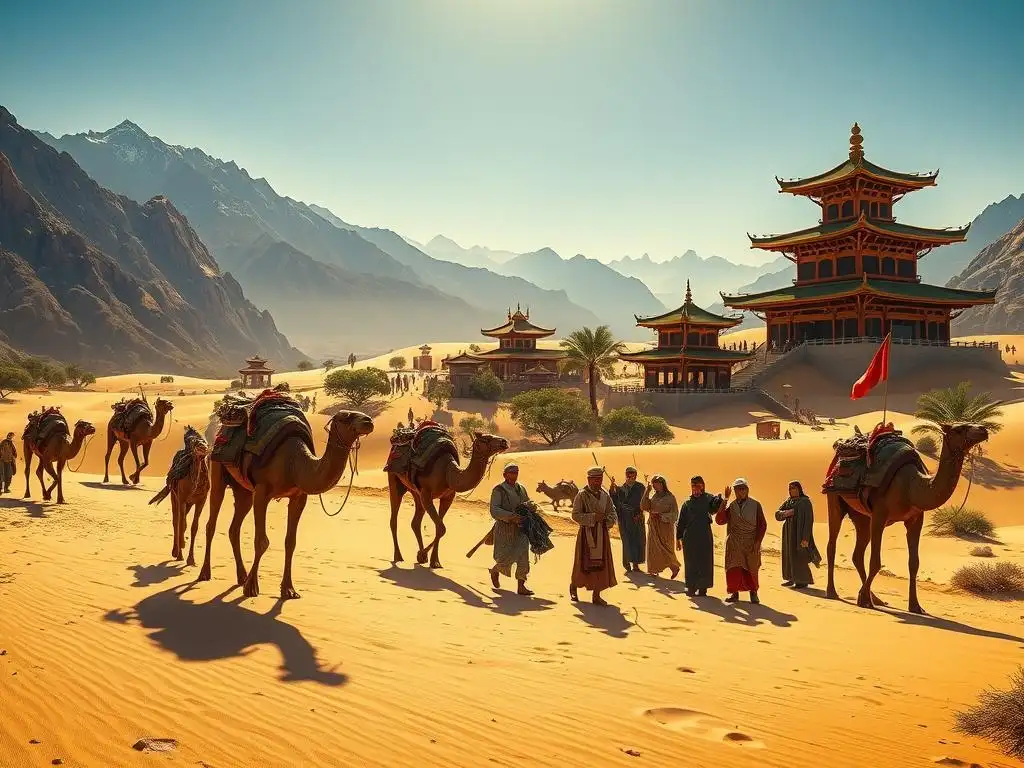
Welcome to Ancient India History, where we embark on a journey through the fascinating tapestry of ancient Indian civilizations. In our latest exploration, we delve into the intricate ancient trade routes between India and China, uncovering the vibrant connections that shaped cultures and economies across continents.
As we unravel the secrets of the Silk Road, prepare to be captivated by the stories of trade, exchange, and interaction that not only transformed these great nations but also laid the groundwork for our modern world. Join us as we traverse the paths of history and discover the legacy of these ancient links!
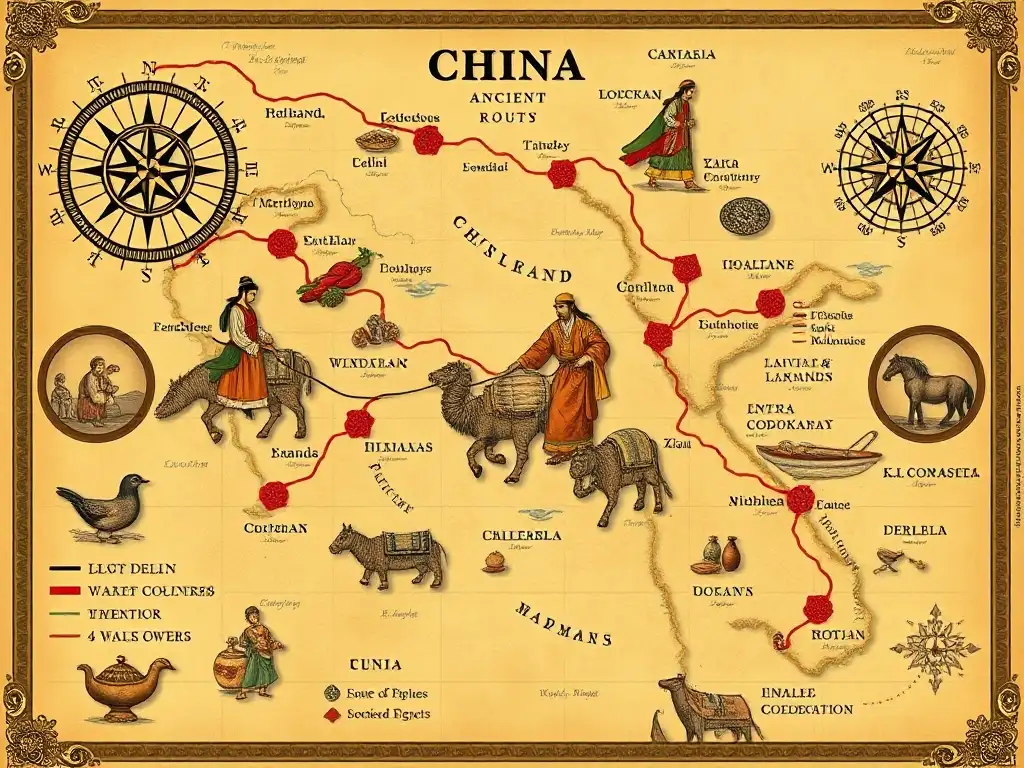
Introduction to the Ancient Trade Routes Between India and China
The ancient trade routes between India and China, particularly those encompassing the famed Silk Road, represent a pivotal chapter in the history of global commerce and cultural exchange. Stretching over thousands of miles, these routes facilitated not just the exchange of goods, but also the dissemination of ideas, art, and technology between two of the world's most influential civilizations.
As we delve into the intricate tapestry of these interactions, we uncover how trade shaped societies, influenced economies, and fostered connections that resonate even in contemporary times. Understanding these ancient trade routes is essential for appreciating the broader narrative of human history and the interconnectedness of cultures.
Overview of the Silk Road's Significance
The Silk Road was not a singular path but rather a network of trade routes that linked the East and West. It served as a conduit for the exchange of silk, spices, precious metals, and a variety of other goods, which were highly sought after by both Indian and Chinese consumers. The significance of the Silk Road transcends mere commerce; it was also a pathway for cultural diffusion. For instance:
- Cultural Exchange: Ideas, religions (such as Buddhism), and art traveled along these routes, enriching the civilizations involved.
- Economic Impact: The influx of goods and wealth contributed to the flourishing of cities, trade hubs, and marketplaces.
- Diplomatic Relations: The trade routes fostered relationships between empires, leading to alliances and mutual exchanges of knowledge.
Importance of Trade in Ancient Civilizations
Trade played a crucial role in the development of ancient civilizations, particularly in India and China. It was not just a means of economic sustenance but a vital driver of innovation and cultural development. Some key aspects include:
- Economic Growth: The trade routes allowed for the movement of resources, which in turn stimulated local economies and contributed to wealth accumulation.
- Cultural Integration: Interactions through trade led to the blending of customs, languages, and religions, creating a rich tapestry of cultural diversity.
- Technological Advancements: The need for better transportation and trade practices spurred technological innovations, such as improved ship design and caravan organization.
Historical Context of the Silk Road
To fully appreciate the ancient trade routes between India and China, it is essential to understand the historical context in which the Silk Road emerged and evolved.
The Origins of the Silk Road
The origins of the Silk Road can be traced back to the Han Dynasty (206 BCE – 220 CE) when Emperor Wu initiated trade with Central Asia. The primary goal was to secure valuable horses for the Chinese military, but this soon expanded into a broader exchange of goods and cultural practices.
The term "Silk Road" was coined in the 19th century by a German geographer, highlighting the significance of silk as a primary trade commodity. Over time, the network grew to encompass multiple routes connecting various regions, from the deserts of Central Asia to the bustling markets of Indian subcontinents.
Key Civilizations Involved in Trade: India and China
India and China were among the most influential civilizations that benefited from the Silk Road. Each brought unique contributions to the trade network:
- India: Known for its spices, textiles, and gemstones, India played a crucial role in the exchange of goods. The Indian merchants were instrumental in spreading Buddhism along the trade routes, which would later take root in China.
- China: Renowned for its silk production, China was a dominant player in the ancient trade landscape. The demand for silk created a thriving industry that significantly impacted the Chinese economy and culture.
Through the lens of ancient trade routes, we are reminded of the deep historical ties between India and China, which continue to influence their modern interactions. Understanding this rich history sets the stage for further exploration of the complexities and legacies of their exchanges.
Major Trade Goods Between India and China
The ancient trade routes connecting India and China played a pivotal role in the exchange of goods and cultural ideas. Among the myriad commodities that traversed these routes, a few stand out as particularly influential in shaping the economies and societies of both regions. The most notable goods included silk, spices, textiles, and precious gems. Each of these products not only had high economic value but also carried cultural significance, influencing everything from cuisine to fashion, and even religious practices.
Silk: The Precious Commodity
Silk, often referred to as the "golden fabric," was one of the most coveted commodities traded between India and China. Originating from the silkworms native to China, this luxurious material became a symbol of wealth and status. The demand for silk spurred extensive trade networks, leading to the establishment of the Silk Road, which facilitated not just the exchange of silk but also cultural and technological interactions. Indian merchants valued silk for its quality and rarity, often bartering spices, textiles, and precious stones in exchange for this exquisite fabric.
The significance of silk extended beyond mere trade; it was also woven into the fabric of social and ceremonial life in both cultures. In India, silk garments became integral to religious rituals and royal attire, while in China, silk was associated with the imperial court and elite classes. The trade of silk thus helped forge a deep cultural connection between the two civilizations, leading to mutual admiration and influence.
Spices and Their Role in Ancient Trade
Spices were another cornerstone of ancient trade between India and China, renowned for their flavors and preservative properties. India, often referred to as the "land of spices," produced a plethora of exotic spices like black pepper, cardamom, and cinnamon, which were highly sought after in China. These spices not only enhanced culinary practices but also played a role in traditional medicine and religious rituals.
The spice trade was not just about the exchange of goods; it also involved the exchange of knowledge related to agriculture and cooking techniques. Indian spices found their way into Chinese cuisine, enriching it with new flavors and aromas. Conversely, Chinese methods of preserving and processing spices influenced Indian culinary practices. This cross-cultural exchange fostered a deeper appreciation for one another's culinary heritage, laying the groundwork for future gastronomic innovations.
Other Notable Goods: Textiles, Gems, and More
Beyond silk and spices, the trade routes between India and China facilitated the movement of a variety of other goods, including textiles and gemstones. Indian textiles, known for their intricate designs and vibrant colors, were highly prized in China. Cotton and silk fabrics adorned with elaborate patterns became popular among the Chinese elite, reflecting not only the artistry of Indian artisans but also the cultural exchange between the two regions.
Gems and precious stones also played a significant role in this ancient commerce. India's rich deposits of diamonds, rubies, and emeralds attracted Chinese traders, who sought these luxurious items for adornment and trade. The exchange of gemstones further enhanced diplomatic relations between the two civilizations, as they were often gifted among royalty as symbols of friendship and alliance.
Cultural Exchanges Along the Ancient Trade Routes
The ancient trade routes between India and China were not just conduits for goods; they also facilitated profound cultural exchanges that shaped the identities of both civilizations. Through these interactions, a rich tapestry of shared ideas, beliefs, and artistic expressions emerged, influencing everything from religion to literature and art.
The Spread of Religion: Buddhism and Beyond
One of the most significant cultural impacts of the trade routes was the spread of Buddhism from India to China. As traders and monks traveled along these routes, they carried with them not only goods but also religious beliefs and practices. The teachings of the Buddha found fertile ground in China, leading to the establishment of various Buddhist sects and monasteries.
This exchange was not a one-way street; Chinese Buddhism also influenced Indian practices, leading to the emergence of syncretic forms of spirituality. The cross-pollination of religious ideas enriched both cultures, fostering a greater understanding of philosophical concepts like compassion, enlightenment, and the nature of existence. The Silk Road thus became a vital pathway for spiritual as well as material wealth.
Artistic Influences and Shared Knowledge
The interaction between Indian and Chinese traders also led to a vibrant exchange of artistic influences. Indian art, characterized by its intricate sculptures and vivid frescoes, left a lasting impression on Chinese artistic traditions. Conversely, Chinese artistic styles, particularly in ceramics and painting, inspired Indian craftsmen.
This exchange extended to knowledge as well. The sharing of techniques in metallurgy, pottery, and textile production enriched both cultures, leading to advancements in craftsmanship. The fusion of artistic styles and techniques not only enhanced the aesthetic appeal of artifacts but also reflected the interconnectedness of these ancient civilizations.
Language and Literature Exchanges
The Silk Road also served as a conduit for language and literature exchanges. As traders and travelers moved along these routes, they brought with them their languages, stories, and literary traditions. This interaction led to the introduction of Sanskrit and other Indian languages into Chinese literary circles, while Chinese languages influenced the vocabulary and expressions used in Indian texts.
The cross-cultural exchanges fostered by the trade routes resulted in a rich literary heritage that celebrated the shared experiences and values of both civilizations. This blending of languages and literary traditions contributed to a deeper appreciation of each other's cultures, laying the groundwork for future intellectual collaborations.
The Impact of the Silk Road on Indian and Chinese Societies
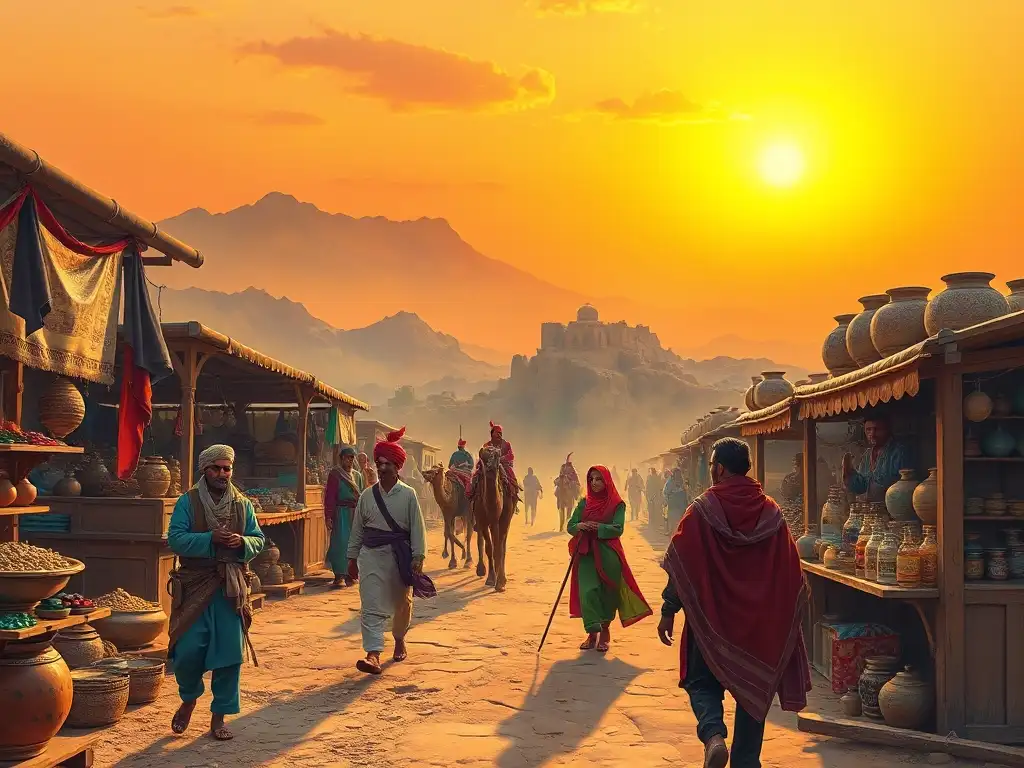
The Silk Road served not only as a trade route but also as a conduit for cultural, technological, and philosophical exchanges between ancient civilizations, particularly between India and China. This intersection of societies significantly shaped both regions, leading to profound transformations in various domains.
Economic Benefits for Ancient India
The economic ramifications for ancient India due to the Silk Road were substantial. Indian merchants engaged in trade with their Chinese counterparts, exchanging a plethora of goods. Key exports included:
- Spices: India was renowned for its spices, such as black pepper, cardamom, and cinnamon, which were highly sought after in China.
- Textiles: Indian cotton and silk textiles gained immense popularity. The quality and craftsmanship were unmatched, and these textiles often served as currency in trade.
- Precious Stones: The trade also included a variety of gemstones, including diamonds, rubies, and emeralds, which were prized in both markets.
The influx of silver and gold from China boosted India's economy, leading to increased prosperity. This economic vitality fostered urbanization and the rise of trade hubs, such as Taxila and Pataliputra, which became melting pots of culture and commerce.
The Influence on Chinese Culture and Economy
Chinese society was equally impacted by the Silk Road. The introduction of Indian goods and ideas led to significant cultural and economic influences. Prominent effects included:
- Buddhism's Spread: One of the most notable cultural exchanges was the transmission of Buddhism from India to China. This spiritual journey enriched Chinese culture and philosophy, resulting in the establishment of Buddhist institutions and art forms.
- Agricultural Innovations: The introduction of Indian agricultural practices, such as new irrigation techniques and crop varieties like cotton, transformed Chinese farming, leading to increased yields and diversification.
- Luxury Goods: India became a source of luxury items for the Chinese elite, including textiles and spices, which further stimulated the Chinese economy.
This exchange of goods and ideas not only enriched Chinese culture but also contributed to the development of a more complex and interconnected economy.
Long-term Effects on Bilateral Relations
The interactions along the Silk Road established a foundation for long-term bilateral relations between India and China. The trade and cultural exchanges fostered mutual respect and understanding between the two civilizations. Over time, the following aspects emerged:
- Diplomatic Engagements: The trade routes facilitated diplomatic missions between Indian and Chinese empires, enhancing political ties and alliances.
- Cultural Syncretism: The blending of Indian and Chinese cultures led to the development of unique art forms, culinary practices, and philosophical ideas that enriched both societies.
- Legacy of Trade: The economic interdependence established during the Silk Road era laid the groundwork for future trade relations, influencing the dynamics of commerce in the centuries to follow.
These long-term effects underscore the significance of the Silk Road in shaping the historical trajectory of India-China relations.
The Decline of the Silk Road and Its Legacy
The Silk Road eventually faced substantial declines due to a combination of factors, yet its legacy continues to influence modern dynamics between India and China.
Factors Leading to the Decline of Trade Routes
Several key factors contributed to the decline of the Silk Road trade routes:
- Political Instability: The rise and fall of various empires, including the Mongol Empire and the subsequent fragmentation of regional powers, disrupted trade and made travel perilous.
- Maritime Alternatives: The emergence of maritime trade routes provided a safer and more efficient means of transporting goods, leading traders to favor sea routes over the treacherous overland paths.
- Economic Shifts: Changes in demand for certain goods and the rise of localized economies diminished the importance of long-distance trade.
These factors collectively led to a gradual decline of the Silk Road, altering the landscape of trade between India and China.
Lasting Impressions on Modern India-China Relations
Despite the decline of the Silk Road, its legacy remains evident in the contemporary relationship between India and China. The historical connections established through trade and cultural exchange continue to influence:
- Bilateral Trade: Modern trade relations often echo the patterns established along the Silk Road, with both nations engaging in significant economic exchanges across various sectors.
- Cultural Diplomacy: The historical exchange of ideas and philosophies fosters ongoing dialogue, with cultural initiatives aimed at strengthening ties between the two nations.
- Regional Cooperation: The shared history of interaction encourages both countries to explore collaborative frameworks in areas such as trade, environment, and security.
These enduring impressions highlight the importance of understanding historical ties in navigating current relations.
The Silk Road's Influence on Future Trade Routes
The Silk Road's legacy also shaped future trade routes beyond its decline. Key influences include:
- Infrastructure Development: The routes established during the Silk Road era laid the groundwork for future infrastructure projects, including roads and trade networks that facilitate contemporary commerce.
- Cultural Exchange Models: The model of cultural and economic exchange established by the Silk Road serves as a framework for modern initiatives aimed at fostering cross-cultural collaboration.
- Belt and Road Initiative: China’s contemporary Belt and Road Initiative can be seen as a modern reincarnation of the ancient Silk Road, aiming to enhance connectivity and trade across Asia, echoing historical patterns of collaboration with India.
The Silk Road not only served as a vital link between India and China in antiquity but continues to influence their interactions today, underlining the importance of historical trade routes in shaping the future.
Conclusion: The Enduring Importance of Ancient Trade Routes
The ancient trade routes between India and China, particularly the Silk Road, played a pivotal role in shaping the history and culture of both civilizations. These routes were not merely pathways for commerce; they were conduits for the exchange of ideas, technologies, religions, and cultural practices. The interactions facilitated by these trade routes fostered a rich tapestry of connections that have had lasting impacts on the development of societies in both regions.
As we reflect on this historical significance, it becomes evident that the trade routes contributed to the emergence of cosmopolitan cities where diverse cultures met, mingled, and thrived. The Silk Road enabled merchants, diplomats, and travelers to traverse vast distances, bringing with them not only goods but also innovations such as papermaking, the compass, and various agricultural practices. These exchanges laid the groundwork for future interactions and set the stage for the global trade networks that followed.
Reflection on the Historical Connections
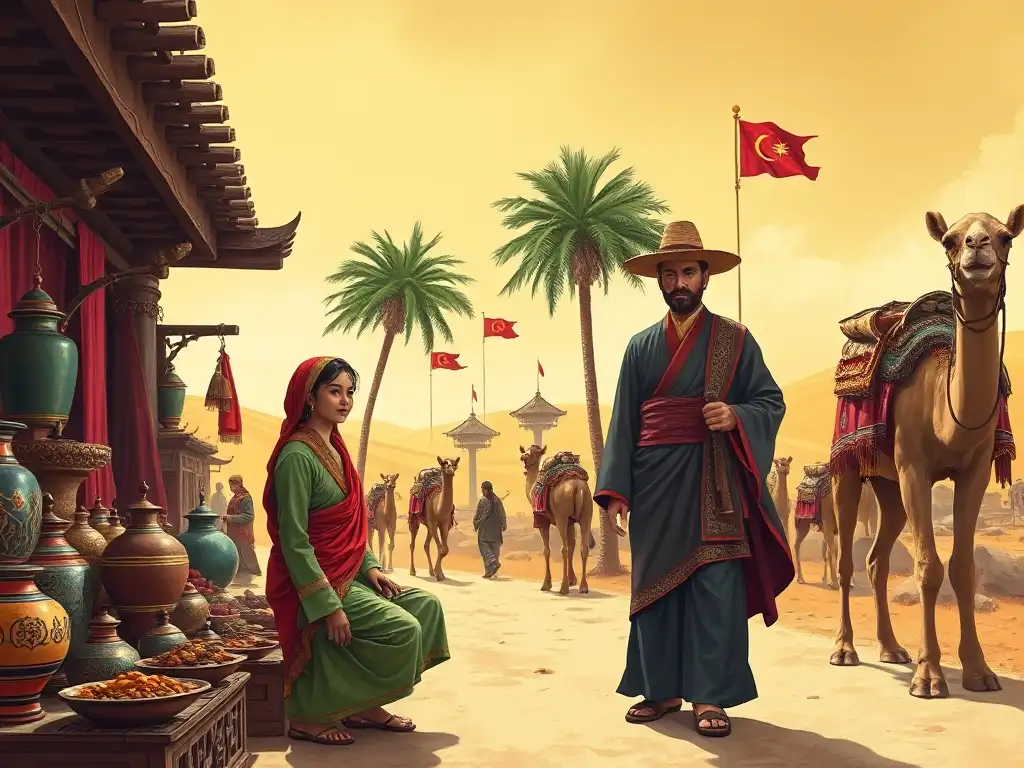
The historical connections forged through the ancient trade routes between India and China are a testament to the interconnectedness of human societies. These routes facilitated the movement of silk, spices, precious stones, and other commodities, but they also allowed for the dissemination of philosophical and religious ideas. Buddhism, for example, spread from India to China via these routes, profoundly influencing Chinese culture and thought.
Moreover, archaeological findings along the Silk Road, such as the city of Taxila in India and the ancient capital of Chang'an in China, serve as physical reminders of this vibrant exchange. These sites illuminate how ancient populations adapted and responded to the influences of their neighbors, creating a melting pot of traditions and innovations that enriched both cultures.
The Relevance of the Silk Road in Contemporary Studies
In contemporary studies, the Silk Road remains a focal point for scholars interested in understanding the dynamics of trade, cultural exchange, and globalization. The historical significance of these ancient trade routes offers valuable insights into how societies can interact in ways that promote mutual benefit and cultural enrichment.
Modern researchers often use the Silk Road as a case study to explore themes such as economic interdependence, the spread of technology, and the impact of cultural encounters. The lessons learned from the ancient trade routes can inform current discussions about international trade and cooperation, highlighting the importance of fostering relationships that transcend borders.
References for Further Reading on Ancient Trade Routes India China
Suggested Books and Articles
-
"The Silk Roads: A New History of the World" by Peter Frankopan
This comprehensive work provides an expansive view of the historical significance of the Silk Road and its impact on various civilizations, including India and China.
-
"Silk Road: A New History" by Valerie Hansen
Hansen's book delves into the multifaceted nature of the Silk Road and its role in shaping the cultural and economic exchanges between East and West.
-
"India and China: The Culture of Exchange" by David M. L. Hwang
This article explores the cultural interactions between India and China, focusing on the exchange of ideas and practices along the ancient trade routes.
Online Resources and Documentaries
-
The Silk Road: A Documentary History
This online resource provides a collection of documents and artifacts related to the Silk Road, enabling a deeper understanding of its historical context.
-
"The Silk Road: Past, Present, Future" (Documentary)
This documentary examines the historical significance of the Silk Road and its relevance to contemporary global trade.
-
National Geographic: The Silk Road
An online feature that offers articles, maps, and visual content on the Silk Road, showcasing its historical importance and cultural legacy.
- Introduction to the Ancient Trade Routes Between India and China
- Historical Context of the Silk Road
- Major Trade Goods Between India and China
- Cultural Exchanges Along the Ancient Trade Routes
- The Impact of the Silk Road on Indian and Chinese Societies
- The Decline of the Silk Road and Its Legacy
- Conclusion: The Enduring Importance of Ancient Trade Routes
- Reflection on the Historical Connections
- The Relevance of the Silk Road in Contemporary Studies
- References for Further Reading on Ancient Trade Routes India China
- What were the primary trade routes between Ancient India and China?
- How did the Silk Road impact cultural exchange between India and China?
- What role did Indian merchants play in ancient trade with China?
- How did the Gupta Empire influence trade with China?
- What were some of the key goods traded between India and China?
Frequently Asked Questions
What were the primary trade routes between Ancient India and China?
The main trade routes included the Silk Road and maritime paths, facilitating the exchange of silk, spices, and precious stones.
How did the Silk Road impact cultural exchange between India and China?
The Silk Road not only enabled trade but also encouraged the exchange of ideas, religions, and technologies, enriching both cultures.
What role did Indian merchants play in ancient trade with China?
Indian merchants were crucial in the Silk Road's success, acting as intermediaries who transported goods and fostered relationships between the two civilizations.
How did the Gupta Empire influence trade with China?
During the Gupta Empire, trade flourished, with increased commercial activities and the establishment of diplomatic relations enhancing connections with China.
What were some of the key goods traded between India and China?
Key goods traded included silk, spices, jewels, and various textiles, each playing a significant role in the economies of both regions.
Final Reflection: Connecting Cultures Through Ancient Trade Routes
The exploration of ancient trade routes between India and China reveals not only the intricate networks of commerce but also the profound cultural exchanges that shaped civilizations. Today, as globalization brings nations closer together, the lessons from the Silk Road remind us of the enduring power of trade to foster understanding and cooperation. The historical significance of these routes underscores a striking reality: in a world often divided by borders, the threads of commerce can weave a tapestry of shared humanity.
The influence of the Silk Road extends far beyond its historical context; it continues to resonate in our cultural and social landscapes. The interconnectedness fostered by these ancient trade links serves as a reminder of our collective journey. As we navigate modern challenges, the spirit of collaboration and exchange remains vital. Trade is not just about goods; it’s about the relationships we build along the way.
This quote encapsulates the essence of the Silk Road's legacy, highlighting how trade can transcend mere transactions to create lasting bonds between diverse cultures.
As we reflect on the lessons of the Silk Road, I invite you to consider how you can apply these insights in your own life. Embrace the spirit of curiosity and openness that characterized these ancient routes. Seek out connections with those from different backgrounds, and recognize the value in diverse perspectives. Let the story of the Silk Road inspire you to forge your own paths of understanding and collaboration, ensuring that the legacy of these ancient trade routes continues to thrive in our interconnected world.
Uncover the Mysteries of the Silk Road Today!
Thank you for diving into the fascinating world of the Silk Road and discovering the deep trade connections between India and China! Your interest not only enriches your knowledge but also connects you to a rich tapestry of history. Now, let’s turn that curiosity into action!
- Explore further: Visit our dedicated pages on the cultural exchanges that occurred along the Silk Road and how they shaped modern societies.
- Share your thoughts: Join our community by commenting below! Let us know which aspect of the Silk Road intrigued you the most.
- Spread the word: Share this article with friends or on social media to spark discussions about the ancient trade links that transformed the world.
What do you believe the legacy of the Silk Road signifies for today's global trade and cultural exchange?