
The Importance of Certificate of Authenticity in Indian Jewelry Purchases

Welcome to Ancient India History, where we embark on a fascinating journey through the vibrant tapestry of ancient Indian civilizations. From the ingenious artisans of the Indus Valley to the cultural zenith of the Gupta Empire, our exploration reveals the profound contributions that shape our understanding of history today. In this intriguing article, we delve into the importance of certificate authenticity in Indian jewelry purchases—a crucial element that safeguards your investment and honors the artistry of these timeless treasures. Are you ready to uncover the secrets behind authentic Indian jewelry? Let’s dive in and explore further!
The world of Indian jewelry is as vibrant and intricate as the cultures that produce it. From the stunning designs of the Indus Valley civilization to the opulent creations of the Gupta Empire, Indian jewelry has a rich history that not only showcases artistic talent but also serves as a testament to cultural identity and craftsmanship. In today's market, however, the proliferation of imitation and mass-produced items raises significant concerns for buyers seeking genuine pieces.
This is where the Certificate of Authenticity comes into play, acting as a vital safeguard for consumers. This article will explore the importance of a certificate in ensuring that your purchase is both authentic and valuable, helping you navigate the complexities of buying Indian jewelry with confidence and assurance.
Understanding the Significance of a Certificate of Authenticity
What is a Certificate of Authenticity in Indian Jewelry?
A Certificate of Authenticity (COA) in Indian jewelry is a formal document issued by a reputable jeweler or certifying body, verifying that a piece of jewelry is genuine and authentic. This document typically includes detailed information about the item, such as:
- Material Composition: Specifies the types of metals and gemstones used.
- Craftsmanship Details: Provides insights into the techniques and traditions involved in the creation of the piece.
- Origin Information: Indicates where the jewelry was made, often highlighting its cultural significance.
The COA serves not just as a guarantee of authenticity, but also as a valuable record that can enhance the overall value of the piece.
Why is Authenticity Crucial in Indian Jewelry Purchases?
The importance of authenticity in Indian jewelry cannot be overstated. Here are some key reasons why:
- Cultural Heritage: Authentic pieces reflect the rich history and cultural significance of Indian craftsmanship. Owning a genuine piece connects the buyer to centuries of tradition.
- Quality Assurance: A certificate guarantees that the jewelry is made from high-quality materials, ensuring durability and longevity.
- Consumer Protection: In a market flooded with imitations, a COA protects consumers from fraud and misrepresentation, providing peace of mind in their purchase.
The Role of Certificates in Ensuring Quality and Value
How Certificates Affect the Value of Indian Jewelry
The presence of a Certificate of Authenticity can significantly influence the market value of Indian jewelry. Key factors include:
- Provenance: A documented history of the piece can enhance its desirability among collectors.
- Market Trust: Buyers are more likely to invest in jewelry backed by a COA, as it indicates a level of trust and assurance in the quality of the product.
- Resale Potential: Jewelry with a COA often commands higher prices in the resale market, making it a smart investment choice.
The Impact of Authenticity on Resale Value and Investment
Authenticity plays a crucial role in determining the resale value of Indian jewelry. When buyers look to sell or trade their pieces, a COA can:
- Attract Buyers: Authentic pieces are more appealing to potential buyers, as they are assured of the quality and legitimacy.
- Enhance Trust: A verified document builds trust between the seller and the buyer, facilitating smoother transactions.
- Maximize Returns: Jewelry that is certified often sees higher returns on investment, as authenticity is a key criterion for collectors and investors alike.
The Certificate of Authenticity is not merely a formality; it is an essential element in the purchase of Indian jewelry that guarantees value, quality, and heritage. Understanding its significance can empower consumers to make informed decisions, ensuring that their investment in Indian jewelry is both rewarding and enriching.
Recognizing Genuine Certificates of Authenticity
When purchasing Indian jewelry, a Certificate of Authenticity (CoA) serves as a crucial document that guarantees the quality and provenance of the pieces. Understanding how to recognize genuine certificates is essential for buyers who want to ensure they are making a secure investment. A legitimate CoA typically includes specific details about the jewelry, such as the type of materials used, the craftsmanship involved, and the jewelry's origin.
Moreover, genuine certificates are often issued by reputable institutions or jewelers known for their integrity and expertise in the field. Buyers should look for features such as official logos, signatures from certified gemologists, and detailed descriptions of the item. A well-structured CoA should also include a unique identification number that allows for easy tracking and verification.
Key Features of a Legitimate Indian Jewelry Certificate
- Detailed Description: A legitimate certificate provides a thorough description of the jewelry piece, including its dimensions, weight, and the specific gemstones or metals used. This transparency helps establish trust between the buyer and seller.
- Certification Authority: Authentic certificates are typically issued by recognized gemological laboratories or reputable jewelers. Look for institutions that have a strong reputation in the industry, as their endorsement adds to the credibility of the CoA.
- Unique Identification Number: Each genuine CoA should have a unique identification number or barcode. This number can be used to verify the certificate against the issuing authority's database, ensuring its authenticity.
- Official Branding: Legitimate certificates often feature official branding elements, such as watermarks, holograms, or embossed seals. These features are designed to prevent counterfeiting and should be closely examined by the buyer.
- Signature of Authentication: A CoA should be signed by a certified gemologist or an authorized representative of the issuing institution. This signature affirms the validity of the assessments made in the certificate.
Common Signs of Forged Certificates in the Market
Identifying forged certificates can be challenging, but certain signs can help buyers avoid falling prey to scams. Here are some common indicators of fraudulent CoAs:
- Lack of Detail: Forged certificates often contain vague descriptions or lack essential information about the jewelry piece. If a certificate does not provide comprehensive details, it may be a red flag.
- Unprofessional Formatting: Many counterfeit certificates exhibit poor printing quality, misspellings, or inconsistent formatting. Genuine certificates from reputable sources usually have a polished and professional appearance.
- No Verification Options: A legitimate CoA should offer a way to verify its authenticity, typically through a website or database. If there is no such option, buyers should be cautious.
- Discrepancies in Information: If there are inconsistencies between the certificate details and the jewelry piece itself—such as mismatched identification numbers or descriptions—this could indicate a forgery.
- Unrecognized Issuer: Certificates issued by unknown or dubious sources should raise suspicion. Buyers should always research the issuing authority to ensure its credibility.
The Process of Obtaining a Certificate of Authenticity
Acquiring a Certificate of Authenticity for Indian jewelry is a straightforward process, but it requires careful consideration and steps to ensure legitimacy. The process typically involves the following stages:
- Purchase from Reputable Sources: To obtain a CoA, buyers should start by purchasing jewelry from well-established jewelers or institutions that are known for providing authentic pieces. Reputable sellers often provide a CoA as part of the purchase.
- Requesting Certification: If a CoA is not provided at the time of purchase, buyers can request one from the jeweler. Some jewelers may offer certification services for an additional fee.
- Gemological Examination: The jewelry piece will need to undergo a thorough examination by a certified gemologist. This assessment will evaluate the quality, authenticity, and details of the materials used.
- Issuance of the Certificate: Once the examination is complete, the issuing authority will generate a CoA that includes all relevant details and validation. This document serves as a formal acknowledgment of the jewelry's authenticity.
How to Verify a Certificate of Authenticity for Indian Jewelry
Verifying a Certificate of Authenticity is a crucial step for buyers to ensure the legitimacy of their jewelry purchase. Here are some steps to follow for effective verification:
- Check the Issuer's Website: Most reputable institutions will have a verification section on their websites where buyers can input the unique identification number found on the CoA. This will confirm whether the certificate is authentic.
- Contact the Issuer Directly: If online verification is not possible, contacting the issuing authority directly can provide clarity. Buyers should inquire about the certificate's validity and request any additional information.
- Cross-Reference with the Jewelry: Ensure that the details on the CoA match those of the jewelry piece. Look for consistency in descriptions, identification numbers, and other specifics.
- Seek Expert Opinion: If in doubt, consider consulting with a certified gemologist or an expert in Indian jewelry to review the CoA and the jewelry itself. Their expertise can help verify authenticity.
Recommended Jewelers and Institutions for Authenticity Certification
When it comes to purchasing Indian jewelry and obtaining a Certificate of Authenticity, it’s essential to rely on trusted jewelers and institutions. Here are some recommended names known for their commitment to authenticity:
- Gemological Institute of America (GIA): Renowned globally, GIA provides comprehensive certification services and is recognized for its rigorous standards in gemstone assessment.
- Indian Gemological Institute (IGI): Specializing in the Indian jewelry market, IGI offers reliable certification services tailored to local artisans and jewelers.
- Tiffany & Co.: While primarily known for luxury jewelry, Tiffany & Co. provides CoAs for their pieces, ensuring authenticity in their high-end offerings.
- Local Reputable Jewelers: Consider exploring local jewelers with a solid reputation for quality and authenticity. Research reviews and customer feedback to identify trustworthy sources.
Investing in Indian jewelry can be an enriching experience, and obtaining a Certificate of Authenticity is a vital part of safeguarding that investment. With the right knowledge and resources, buyers can confidently navigate the world of Indian jewelry.
Comparison of Indian Jewelry with and without Certificates
When purchasing Indian jewelry, the presence of a Certificate of Authenticity (CoA) can significantly influence the buying experience and the value of the piece. Jewelry that comes with a CoA typically assures the buyer of its quality, authenticity, and the ethical standards involved in its creation. Conversely, jewelry without such certification may lack these assurances, leading to potential pitfalls for unwary consumers.
Jewelry with Certificates:
- Quality Assurance: Certified pieces often undergo rigorous testing and appraisal, ensuring that the materials used are genuine and of high quality.
- Value Retention: Pieces with a CoA are more likely to retain their value over time, as the certificate provides documented proof of authenticity, which is essential for resale.
- Trust and Transparency: A CoA fosters trust between the buyer and the seller, as it demonstrates the seller's commitment to honesty and integrity.
Jewelry without Certificates:
- Risk of Fraud: Non-certified jewelry may be misrepresented or counterfeit, which can lead to financial losses.
- Uncertain Quality: Lacking certification often means there is no verification of the quality or origin of the materials used, raising concerns about the authenticity and durability of the jewelry.
- Lower Resale Potential: Without a CoA, the resale value of the jewelry can diminish significantly, as potential buyers may hesitate to invest in a piece without verified authenticity.
Advantages of Purchasing Certified Indian Jewelry
Purchasing certified Indian jewelry offers several distinct advantages that enhance the overall buying experience. Here are key benefits:
- Peace of Mind: Knowing that your jewelry comes with a CoA provides reassurance regarding its authenticity and quality. This is particularly important in a market where imitation and misrepresentation can be common.
- Informed Decisions: A CoA typically includes detailed information about the materials used, including gemstone specifics, metal purity, and craftsmanship. This allows buyers to make informed decisions based on reliable data.
- Enhanced Value: Certified jewelry often comes with a higher perceived value, making it a more attractive investment. Buyers can feel confident that their purchase is recognized by industry standards.
- Ethical Considerations: Many reputable jewelers prioritize ethical sourcing and production practices. A CoA may indicate that the jewelry adheres to such standards, ensuring that it was produced responsibly and sustainably.
Risks Involved in Buying Non-Certified Indian Jewelry
While the allure of non-certified Indian jewelry may be tempting due to potentially lower prices, there are significant risks involved in these purchases:
- Increased Likelihood of Counterfeits: Non-certified jewelry presents a higher risk of being counterfeit or of inferior quality. Without a CoA, buyers cannot be sure they are purchasing genuine materials.
- Lack of Consumer Protection: Purchasing jewelry without certification may leave buyers vulnerable to deceptive practices, as there is often no recourse if the item turns out to be fake or misrepresented.
- Resale Challenges: Non-certified pieces are often harder to resell. Buyers may be reluctant to invest in jewelry without proof of authenticity, resulting in financial loss for the original purchaser.
- Potential Loss of Cultural Heritage: Many Indian jewelry pieces carry cultural significance. Buying non-certified items may inadvertently support unethical practices, such as the theft of cultural artifacts or exploitation of artisans.
Top Indian Jewelry Brands Offering Authenticity Certificates
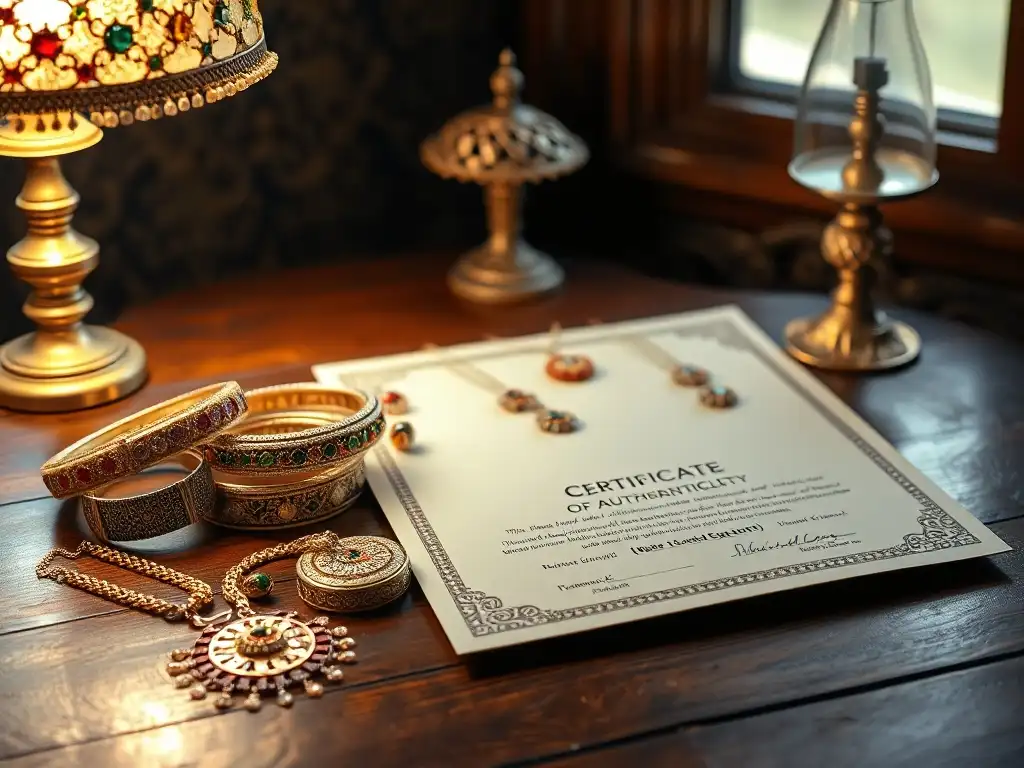
When seeking authentic Indian jewelry, several reputable brands offer Certificates of Authenticity to ensure the integrity of their pieces. These brands are known for their commitment to quality and transparency.
Overview of Notable Brands
- Tanishq: Part of the Tata Group, Tanishq is renowned for its exquisite craftsmanship and a wide range of jewelry collections. They provide CoAs for their gold and diamond jewelry, affirming their commitment to authenticity.
- Kalyan Jewellers: With a strong legacy in Indian jewelry, Kalyan Jewellers offers a variety of collections, including traditional and contemporary designs. Their pieces come with a CoA that guarantees quality and authenticity.
- PC Jeweller: This brand is known for its innovative designs and ethical sourcing practices. Each piece comes with a CoA, ensuring that customers can trust the quality and origin of their jewelry.
- Malabar Gold & Diamonds: A prominent player in the Indian jewelry market, Malabar Gold & Diamonds offers a range of luxurious pieces, all accompanied by authenticity certificates to reassure their customers.
What to Expect from Their Certificates of Authenticity
When purchasing jewelry from these reputable brands, buyers can expect certain key features in their Certificates of Authenticity:
- Detailed Descriptions: The CoA typically includes a detailed description of the jewelry, including the type of metal, gemstone specifications, and quality grades.
- Certification Number: Each certificate usually has a unique certification number that can be used to verify the authenticity of the piece with the jeweler.
- Quality Assurance: The CoA serves as a guarantee that the jewelry has passed specific quality checks and adheres to industry standards.
- Ethical Sourcing Information: Many brands provide insights into the sourcing of their materials, ensuring that the jewelry is produced responsibly.
Investing in certified Indian jewelry not only protects your purchase but also enhances your appreciation of the rich cultural heritage associated with each piece.
Frequently Asked Questions about Indian Jewelry Authentication
When it comes to purchasing Indian jewelry, authenticity is a crucial concern for many buyers. Below are some of the most frequently asked questions regarding Indian jewelry authentication and certificates of authenticity.
How to Spot a Fake Certificate of Authenticity?
Identifying a fake certificate of authenticity can be challenging for buyers, but some key indicators can help you discern authenticity:
- Check the Issuer: Authentic certificates are usually issued by reputable gemological laboratories or recognized authorities. Research the issuing body to ensure it's trustworthy.
- Look for Details: Genuine certificates will contain specific details about the piece, including weight, dimensions, and quality of materials. If the information is vague or missing, it may indicate a fake.
- Security Features: Many authentic certificates include security features such as holograms or watermarks. Inspect the document closely to see if these features are present.
- Verify Online: Some laboratories provide online verification services. You can cross-check the certificate number on their website to confirm its validity.
- Professional Appraisal: If in doubt, consider seeking an independent appraisal from a certified gemologist who can assess the jewelry and its accompanying documentation.
What Should Buyers Know About Jewelry Certification Standards?
Understanding jewelry certification standards is essential for buyers who wish to invest in authentic Indian jewelry. Here are some key points to consider:
- Types of Certifications: Different types of certifications exist depending on the gemstone or metal used. For instance, diamonds often come with GIA or AGS certifications, while gold jewelry may be certified based on its karat quality.
- Regulatory Bodies: Be aware of the organizations that set the standards for certification. In India, the Bureau of Indian Standards (BIS) is responsible for hallmarking precious metals, ensuring that they meet specific quality benchmarks.
- Different Levels of Certification: Not all certificates are created equal. Some may provide detailed analysis while others offer a basic overview. Buyers should look for comprehensive reports that include grading and specific characteristics.
- Reputable Sources: Purchase jewelry from well-known and established jewelers who provide certificates from recognized laboratories. This ensures that the jewelry is genuine and the certification is credible.
Conclusion: Making Informed Choices in Indian Jewelry Purchases
As the allure of Indian jewelry continues to captivate collectors and enthusiasts alike, understanding the importance of a certificate of authenticity becomes paramount. This document not only verifies the genuineness of the jewelry but also serves as a safeguard for the buyer's investment.
Final Thoughts on the Importance of Certificate of Authenticity in Indian Jewelry
A certificate of authenticity is more than just a piece of paper; it is a vital component of the jewelry purchasing process. It provides assurance regarding the quality and origin of the piece, helping buyers make informed decisions. As the market for Indian jewelry grows, having a reliable certification aids in building trust and confidence among consumers.
Encouraging Responsible Purchasing Practices for Collectors and Enthusiasts
For collectors and enthusiasts, responsible purchasing practices are crucial. Always prioritize buying from reputable sources, seek expert opinions when necessary, and understand the significance of certifications. By doing so, you contribute to the integrity of the jewelry market and ensure that your investments are secure and valuable. Remember, authenticity is not just a luxury; it is a necessity in the world of Indian jewelry.
- Understanding the Significance of a Certificate of Authenticity
- The Role of Certificates in Ensuring Quality and Value
- Recognizing Genuine Certificates of Authenticity
- Key Features of a Legitimate Indian Jewelry Certificate
- Common Signs of Forged Certificates in the Market
- The Process of Obtaining a Certificate of Authenticity
- How to Verify a Certificate of Authenticity for Indian Jewelry
- Recommended Jewelers and Institutions for Authenticity Certification
- Comparison of Indian Jewelry with and without Certificates
- Advantages of Purchasing Certified Indian Jewelry
- Risks Involved in Buying Non-Certified Indian Jewelry
- Top Indian Jewelry Brands Offering Authenticity Certificates
- Frequently Asked Questions about Indian Jewelry Authentication
- Conclusion: Making Informed Choices in Indian Jewelry Purchases
- What is a Certificate of Authenticity in Indian jewelry?
- Why is a Certificate of Authenticity important when buying Indian jewelry?
- How can I verify the authenticity of an Indian jewelry certificate?
- Are all Indian jewelry pieces accompanied by a Certificate of Authenticity?
- Where can I purchase Indian jewelry with a Certificate of Authenticity?
Frequently Asked Questions
What is a Certificate of Authenticity in Indian jewelry?
A Certificate of Authenticity is a document that verifies the genuineness and quality of the jewelry, ensuring that it meets specific standards and is crafted by skilled artisans.
Why is a Certificate of Authenticity important when buying Indian jewelry?
Having a Certificate of Authenticity is crucial as it provides trust and credibility to the purchase, assuring buyers that they are investing in genuine and high-quality pieces.
How can I verify the authenticity of an Indian jewelry certificate?
To verify authenticity, check for the issuer's details, look for holograms or unique codes, and consult the jeweler or certifying authority listed on the certificate for confirmation.
Are all Indian jewelry pieces accompanied by a Certificate of Authenticity?
No, not all pieces come with a Certificate of Authenticity. It's essential to ask the seller about certification, especially for high-value items, to ensure you receive a genuine product.
Where can I purchase Indian jewelry with a Certificate of Authenticity?
You can purchase Indian jewelry with a Certificate of Authenticity from reputable jewelers, online marketplaces, or specialty stores that prioritize transparency and quality in their offerings.
Final Reflection: The Significance of Authenticity in Indian Jewelry
In a world where the allure of Indian jewelry captivates hearts and minds, the importance of a Certificate of Authenticity cannot be overstated. As consumers become increasingly discerning, the demand for transparency and trust in the jewelry market has never been more crucial. The certificate serves not only as a guarantee of quality but also as a testament to the rich cultural heritage embedded in each piece. In an age where authenticity is often questioned, embracing this practice ensures that the beauty of Indian jewelry is celebrated with integrity.
The influence of a Certificate of Authenticity extends beyond mere transactions; it shapes the cultural and social landscape of jewelry appreciation. As we navigate the complexities of modern commerce, understanding the significance of authenticity fosters a deeper connection to our heritage. This connection is vital in preserving the artistry and craftsmanship that define Indian jewelry. Authenticity is the foundation of trust, and trust is the foundation of lasting relationships.
This quote encapsulates the essence of why we must prioritize authenticity in our purchases, ensuring that the stories behind these exquisite pieces are honored and preserved.
As you reflect on your own jewelry purchases, consider the impact of choosing pieces that come with a Certificate of Authenticity. Let this be an invitation to not only invest in beautiful adornments but also to support artisans and traditions that deserve recognition. By prioritizing authenticity, you contribute to a culture that values integrity, craftsmanship, and the rich narratives woven into every piece of Indian jewelry. Embrace this journey, and let your choices resonate with the stories that make each piece truly unique.
Unlock the True Value of Your Jewelry!
Thank you for exploring the essential insights on the significance of a Certificate of Authenticity in jewelry purchases! By understanding its importance, you’re one step closer to making informed and confident investments in your collection.
Now, let’s enhance your knowledge with these actionable steps:
- Always request a Certificate of Authenticity when making your next jewelry purchase to safeguard your investment.
- Join local jewelry enthusiast groups online or in-person to share experiences and tips about authenticating jewelry.
- Consider visiting local artisans to learn more about the craftsmanship behind authentic jewelry and potentially discover stunning pieces firsthand.
What unique stories or experiences have you had while acquiring jewelry? **We invite you to share your thoughts in the comments below! **