
How to Spot Imitation vs. Authentic Indian Jewelry: A Visual Guide

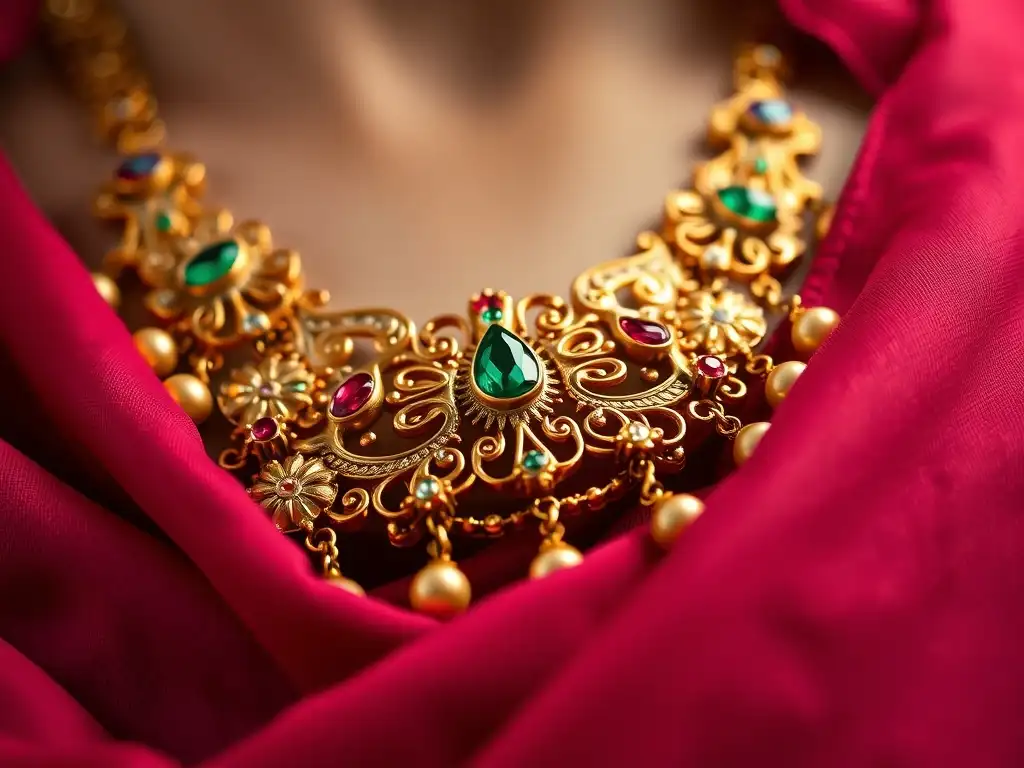
Welcome to Ancient India History, where we embark on an enchanting journey through the vibrant tapestry of India's past. Discover the mesmerizing stories of ancient civilizations, from the sophisticated Indus Valley to the illustrious Gupta Empire. In our featured article, “How to Spot Imitation vs. Authentic Indian Jewelry: A Visual Guide,” we delve into the intricate realm of authentic Indian jewelry, revealing the artistry and cultural significance behind each piece. Are you ready to uncover the secrets that distinguish genuine treasures from mere replicas? Dive in and let your curiosity guide you through the rich heritage of Indian adornments!
- Introduction to Authentic Indian Jewelry
- Key Characteristics of Authentic Indian Jewelry
- Common Imitations: How to Identify Fake Indian Jewelry
- Visual Comparison: Authentic vs. Imitation Indian Jewelry
- Tips for Buying Authentic Indian Jewelry
- Conclusion: Embracing Authenticity in Indian Jewelry
-
Frequently Asked Questions
- What are the key differences between authentic and imitation Indian jewelry?
- How can I identify the materials used in Indian jewelry?
- What are some common types of authentic Indian jewelry?
- Are there specific places known for authentic Indian jewelry?
- How can I ensure I’m buying authentic Indian jewelry online?
- Final Reflection: Embracing Authenticity in Indian Jewelry
- Unveil the Beauty of Authentic Indian Jewelry!
Introduction to Authentic Indian Jewelry
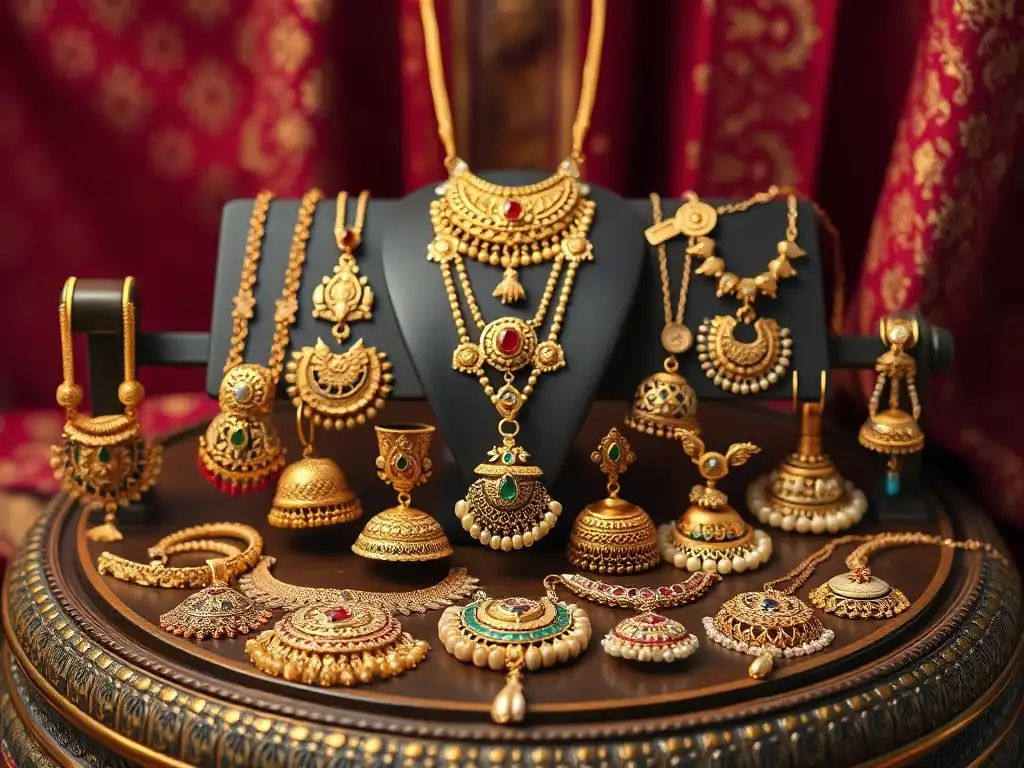
Jewelry in India is not merely an accessory; it is a profound expression of cultural identity, tradition, and artistry that dates back thousands of years. The intricate designs and craftsmanship of Indian jewelry reflect the rich tapestry of the country’s history, encompassing various civilizations from the Indus Valley to the Gupta Empire. As global interest in Indian jewelry continues to rise, so does the prevalence of imitation pieces that can mislead consumers.
This article aims to serve as a comprehensive guide to identifying authentic Indian jewelry, helping you navigate through the intricate world of gemstones, metals, and designs. By understanding the key characteristics that distinguish genuine pieces from replicas, you will be better equipped to make informed purchasing decisions, ensuring that your collection embodies the true essence of Indian craftsmanship.
Understanding the Significance of Indian Jewelry in Culture
Indian jewelry plays a vital role in the cultural and social fabric of the nation. Each region of India boasts its own unique styles and traditions, making the jewelry not just beautiful, but also a symbol of heritage. Here are some key aspects of its significance:
- Cultural Identity: Jewelry often reflects the identity of different communities and regions. For instance, Kundan and Meenakari jewelry from Rajasthan showcases the royal heritage, while South Indian temple jewelry reflects the artistic motifs of ancient temples.
- Ritualistic Importance: Various pieces of jewelry are integral to religious ceremonies and rites of passage, such as weddings and festivals. For example, the mangalsutra symbolizes marital bliss and is worn by married women across India.
- Artistic Expression: The craftsmanship involved in creating Indian jewelry is a testament to the country's artistic prowess. Techniques like filigree, enameling, and stone setting have been passed down through generations, making each piece a work of art.
Overview of Authentic Indian Jewelry Guide
This guide will provide you with the necessary tools to differentiate between imitation and authentic Indian jewelry effectively. Here’s what you can expect:
- Materials and Craftsmanship: Learn about the types of metals, gemstones, and intricate techniques used in authentic jewelry, including hallmarking and certification.
- Design Signatures: Discover the distinct design elements that characterize various styles of Indian jewelry, from the elaborate patterns of Jadau to the minimalist approach of contemporary designs.
- Visual Indicators: Gain insight into key visual cues that can help you identify genuine pieces, such as the quality of craftsmanship, weight, and finishing details.
- Buying Tips: Get practical advice on where to purchase authentic Indian jewelry, including reputable dealers and online platforms, ensuring you make purchases that reflect true value.
By the end of this article, you'll be equipped with the knowledge to confidently spot authentic Indian jewelry, enriching your collection with pieces that tell a story of culture and tradition.
Key Characteristics of Authentic Indian Jewelry
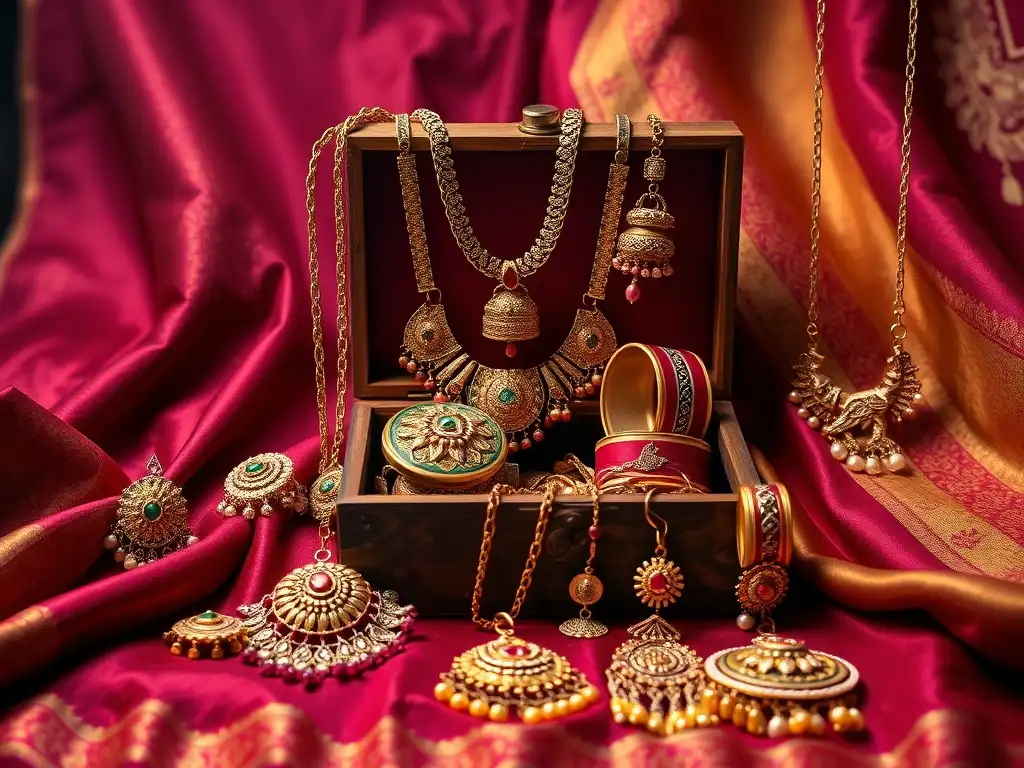
When it comes to identifying authentic Indian jewelry, there are several key characteristics that set it apart from imitation pieces. Understanding these features will empower buyers to make informed choices, ensuring that the jewelry they purchase is not only beautiful but also genuine.
Materials Used in Genuine Indian Jewelry
The foundation of any authentic piece of jewelry lies in the materials used. In Indian jewelry, this often includes precious metals and stones that have significant cultural and historical relevance.
Gold, Silver, and Gemstones: What to Look For
- Gold: Authentic Indian jewelry often features high-quality gold, typically in 22K or 24K purity. Look for hallmark stamps that indicate the gold's purity. The color of genuine gold is rich and warm, while imitation pieces may appear dull or overly shiny.
- Silver: Traditional Indian silver jewelry is made from sterling silver (92.5% silver content). A simple test is to check for a stamp (e.g., "925") or perform a magnet test; genuine silver is not magnetic.
- Gemstones: Authentic pieces often incorporate natural gemstones such as diamonds, emeralds, rubies, and sapphires. Be wary of overly perfect stones, as natural stones often have inclusions. Additionally, consider the cut and setting; genuine gemstones will have intricate settings that enhance their beauty.
Design Features of Authentic Indian Jewelry
The design of Indian jewelry is a reflection of the country’s rich cultural tapestry, showcasing intricate craftsmanship and symbolism.
Traditional Motifs and Patterns
- Floral and Geometric Patterns: Many authentic pieces feature traditional motifs inspired by nature, such as floral designs, lotuses, and paisleys. These patterns often have historical significance, tying back to various cultural narratives.
- Regional Variations: Different regions in India have distinct styles; for instance, Kundan jewelry is known for its intricate use of gemstones, while Meenakari is recognized for its colorful enamel work.
Symbolism and Cultural Significance
- Cultural Symbols: Authentic Indian jewelry often incorporates symbols that hold significant cultural meanings. For example, the Om symbol and peacock feathers are frequently used in designs to signify spirituality and beauty.
- Occasional Pieces: Certain pieces of jewelry are created for specific occasions, such as weddings or festivals, and are rich in symbolic meanings. Understanding these nuances can help in identifying the authenticity of the piece.
By familiarizing yourself with these key characteristics, you can confidently navigate the world of Indian jewelry, ensuring that your purchases are not only beautiful but also authentic representations of the rich heritage of India.
Common Imitations: How to Identify Fake Indian Jewelry
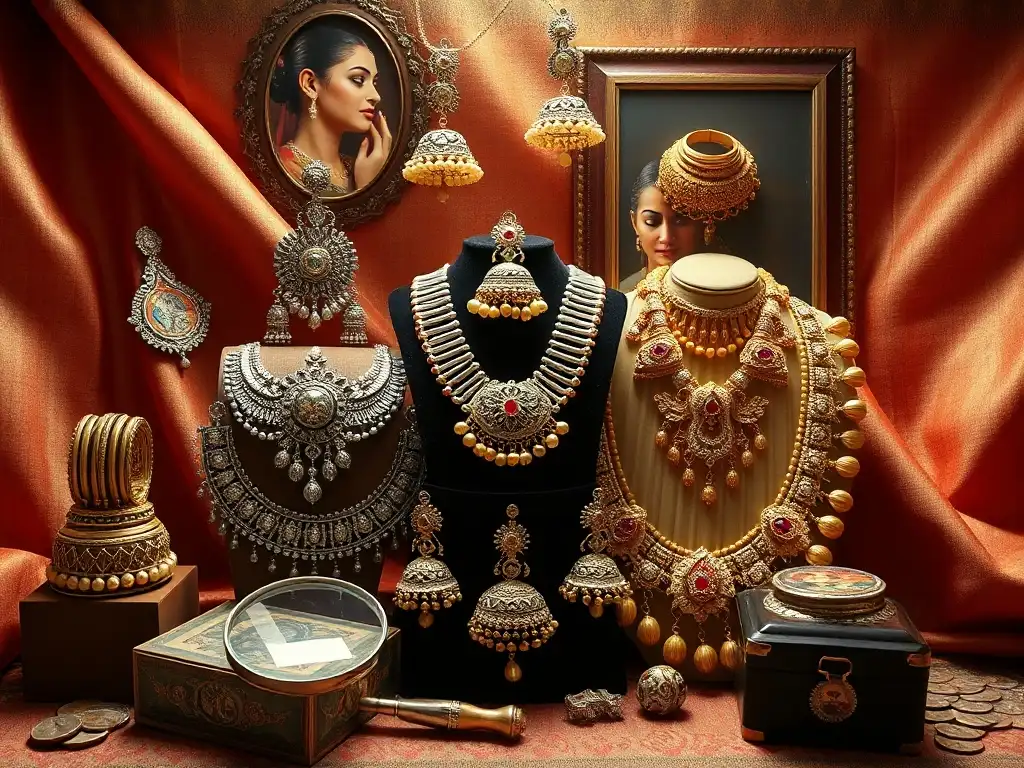
In the vibrant world of Indian jewelry, discerning between authentic pieces and imitations can be a daunting task. Imitation jewelry often lacks the intricate artistry and cultural significance that genuine Indian jewelry embodies. Here, we provide a comprehensive guide to help you recognize common imitations and ensure that your investment is in authentic Indian jewelry.
Recognizing Poor Craftsmanship in Imitations
When evaluating Indian jewelry, the craftsmanship is a critical factor in determining authenticity. Genuine pieces often showcase exceptional attention to detail, while imitations may exhibit several signs of inferior craftsmanship.
- Uneven Finishing: Authentic Indian jewelry typically has smooth edges and polished surfaces. Look for rough spots or uneven finishes, which can indicate a lack of skilled craftsmanship.
- Inconsistent Designs: Genuine jewelry often follows traditional patterns and motifs with precision. Imitations may feature designs that seem rushed or have inconsistencies in symmetry and alignment.
- Weak Structural Integrity: Authentic pieces are crafted to last. If you notice flimsy clasps or weak connections in the design, it may suggest that the item is mass-produced or of inferior quality.
Signs of Mass Production: What to Avoid
Mass-produced items often compromise quality for quantity. Here are key indicators that a piece may be a mass-produced imitation rather than an authentic creation:
- Uniformity Across Pieces: If you see multiple items that look identical, it likely indicates mass production. Authentic jewelry is typically unique or produced in limited quantities.
- Generic Packaging: Genuine pieces often come in specific, thoughtfully designed packaging that reflects cultural heritage. If the packaging is generic or flimsy, it might not be authentic.
- Lack of Craftsmanship Documentation: Authentic Indian jewelry often comes with certificates of authenticity or documentation detailing its craftsmanship. If you cannot obtain this information, consider it a red flag.
Typical Materials Used in Imitations
Understanding the materials used in imitation jewelry can also help you distinguish between authentic pieces and fakes. Many imitations utilize cheaper alternatives that lack the quality and value of genuine Indian jewelry.
- Plastics: Commonly used in imitation jewelry, plastics can mimic the appearance of metal but do not carry the same weight or feel. Authentic pieces are generally made from metals like gold, silver, or bronze.
- Faux Gemstones: Imitation jewelry often features faux gemstones that lack the brilliance and depth of genuine stones. Look for stones that appear overly uniform or lack individuality in color and clarity.
Plastics, Faux Gemstones, and Other Substitutes
When examining jewelry, pay close attention to the materials used. Here’s a breakdown of common substitutes found in imitation jewelry:
| Material Type | Characteristics | Authentic Alternative |
|---|---|---|
| Plastics | Lightweight, can be molded into various shapes | Solid metals (gold, silver, etc.) |
| Faux Gemstones | Uniform color and clarity, often too perfect | Natural gemstones with unique flaws |
| Synthetic Materials | Often used to imitate traditional designs | Handcrafted, artisanal materials |
By familiarizing yourself with these indicators and materials, you'll be better equipped to navigate the market and invest in authentic Indian jewelry that reflects the rich heritage and artistry of its origins.
Visual Comparison: Authentic vs. Imitation Indian Jewelry
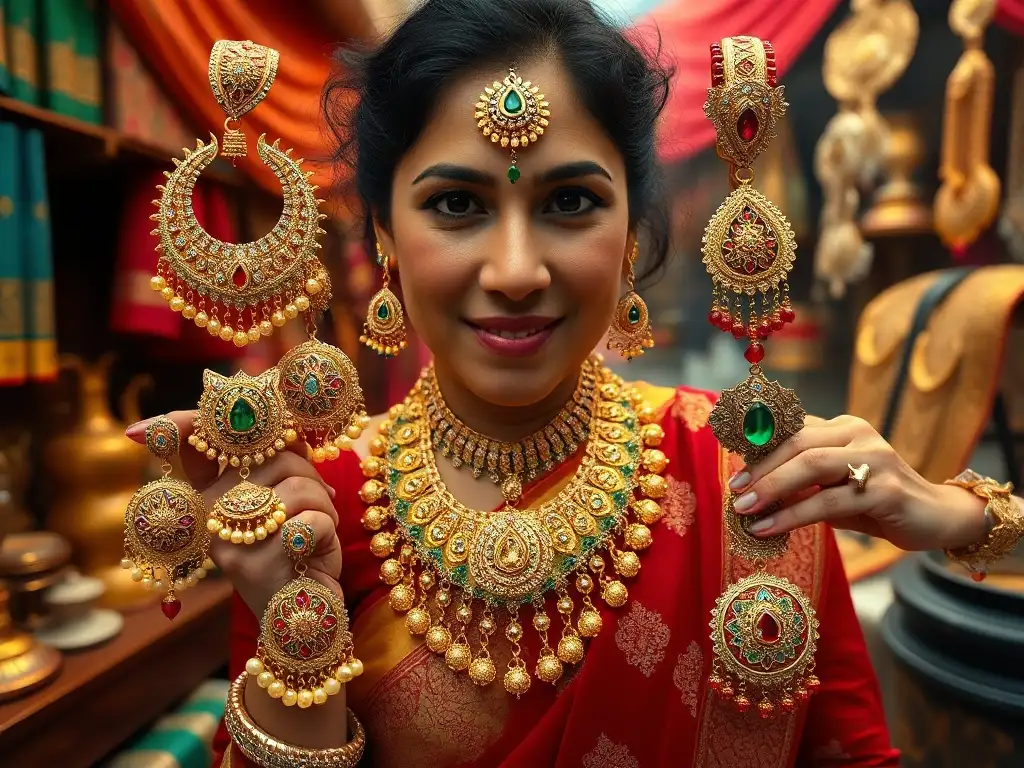
The visual comparison between authentic and imitation Indian jewelry is crucial for buyers who want to ensure they are making a wise investment. Understanding the differences can prevent you from falling prey to counterfeit products and help you appreciate the true artistry of Indian craftsmanship. This section will provide detailed visual guides to aid in recognizing authentic pieces.
Side-by-Side Images: Spotting the Differences
Visual aids are essential in distinguishing between authentic and imitation Indian jewelry. Here are some key differences to look out for:
| Feature | Authentic Indian Jewelry | Imitation Indian Jewelry |
|---|---|---|
| Craftsmanship | Hand-crafted with intricate details | Often mass-produced, lacking detail |
| Materials Used | High-quality metals and genuine stones | Low-quality metals and synthetic stones |
| Weight | Heavier due to quality materials | Lighter, indicating inferior materials |
| Color and Finish | Rich, vibrant colors; polished finish | Dull colors; often poorly finished |
When examining a piece, pay attention to the overall quality and craftsmanship. Authentic jewelry will typically exhibit a level of artistry that imitation pieces cannot replicate.
Visual Guide: Authentic Gold vs. Gold Plated
When it comes to gold jewelry, distinguishing between authentic gold and gold-plated items is vital. Here are some visual cues:
- Color:
- Authentic Gold: Has a rich, warm hue that doesn’t fade.
- Gold Plated: May appear shiny initially but can tarnish and lose color over time.
- Stamp:
- Authentic Gold: Typically stamped with a hallmark indicating karat (e.g., 22K).
- Gold Plated: Often lacks a stamp or may have misleading markings.
- Scratches and Wear:
- Authentic Gold: Less prone to scratches due to its durability.
- Gold Plated: Easily scratched and can reveal a different metal underneath.
Visual Guide: Real Gemstones vs. Imitation Stones
Identifying real gemstones as opposed to imitation stones can be challenging, but certain attributes can help:
- Clarity:
- Real Gemstones: Often have natural inclusions which add to their uniqueness.
- Imitation Stones: Typically very clear, with no inclusions or imperfections.
- Weight:
- Real Gemstones: Heavier than imitation due to the density of natural stones.
- Imitation Stones: Generally lighter and may feel less substantial.
- Refraction:
- Real Gemstones: Show unique light patterns and brilliance.
- Imitation Stones: May appear overly shiny or uniform in color.
- Temperature:
- Real Gemstones: Feel cooler to the touch, as they take longer to warm up.
- Imitation Stones: Often feel warm quickly due to synthetic materials.
Understanding these visual characteristics will empower you as a buyer, ensuring you can confidently distinguish between authentic and imitation Indian jewelry. Always remember, the beauty of authentic pieces lies not just in their appearance but also in their heritage and craftsmanship.
Tips for Buying Authentic Indian Jewelry
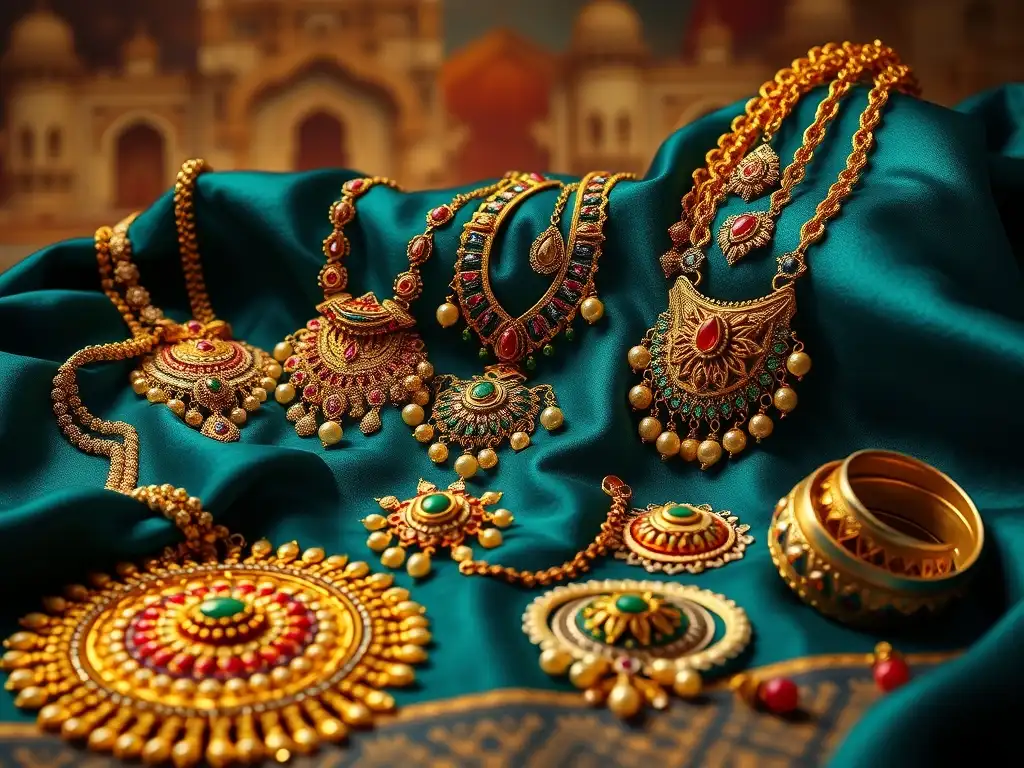
Where to Purchase Authentic Indian Jewelry
When it comes to acquiring authentic Indian jewelry, sourcing is key. With the diversity of styles and craftsmanship that characterize Indian jewelry, knowing where to shop can make all the difference. Below are some of the best avenues for purchasing genuine pieces.
Trusted Online Retailers: Craftsvilla, Jaypore, and Amazon India
- Craftsvilla: This platform specializes in traditional Indian crafts and jewelry, offering a wide range of products from various artisans. They have strict quality checks to ensure that every piece represents genuine craftsmanship.
- Highlights:
- Unique, handcrafted items.
- Direct support to local artisans.
- Extensive collections, including ethnic and contemporary designs.
- Highlights:
- Jaypore: Focusing on authentic Indian handicrafts, Jaypore features a curated selection of jewelry made by skilled artisans. Each piece often comes with a story, linking it to its cultural heritage.
- Highlights:
- Carefully selected collections.
- Emphasis on sustainability and ethical sourcing.
- Detailed product descriptions including materials used.
- Highlights:
- Amazon India: While a vast marketplace, Amazon India features several verified sellers who specialize in authentic Indian jewelry. Look for products with high ratings and detailed descriptions.
- Highlights:
- Wide range of options.
- Customer reviews and ratings help gauge authenticity.
- Easy returns if the item does not meet expectations.
- Highlights:
Local Artisans and Markets: How to Find Them
Shopping from local artisans and markets can lead to some of the most authentic finds. Here’s how to spot them:
- Visit Craft Fairs and Exhibitions: Events showcasing local artisans often provide a platform for genuine jewelry makers. Engage with the artisans to learn about their craft and the materials used.
- Explore Local Markets: Markets in cities like Jaipur, Delhi, and Varanasi are renowned for their jewelry. Look for shops that display traditional methods of crafting and are well-reviewed by locals.
- Ask for Recommendations: Word-of-mouth can lead you to hidden gems. Ask locals or other jewelry enthusiasts for recommendations on trustworthy artisans.
How to Verify Authenticity Before Purchase
Verifying the authenticity of Indian jewelry is crucial to ensure that you are purchasing a genuine piece. Here are some essential tips to help you assess authenticity before making a purchase.
Certificates of Authenticity: What to Ask For
When buying jewelry, particularly higher-value pieces, always ask for a Certificate of Authenticity. This document serves as proof that the jewelry has been crafted according to traditional methods and materials.
- What to Look For:
- Details of the Artisan: The certificate should mention the name of the artisan or brand.
- Material Specifications: It should include information on the metals and stones used.
- Craftsmanship Techniques: A good certificate will describe the techniques used in making the jewelry, such as hand-engraving or stone-setting.
Customer Reviews and Recommendations
Customer reviews are an invaluable resource when it comes to assessing the authenticity of Indian jewelry. Before making a purchase, consider the following:
- Look for Verified Purchases: Reviews from verified customers can provide insights into the quality and authenticity of the jewelry.
- Evaluate Consistency in Ratings: A large number of consistently positive reviews can indicate reliability, while a mix of ratings may warrant caution.
- Engage with Community Discussions: Platforms like social media groups or jewelry forums often have discussions where buyers share their experiences and recommendations.
By following these tips and utilizing the resources available, you will be better equipped to navigate the world of authentic Indian jewelry, ensuring that your purchases are both beautiful and genuine.
Conclusion: Embracing Authenticity in Indian Jewelry
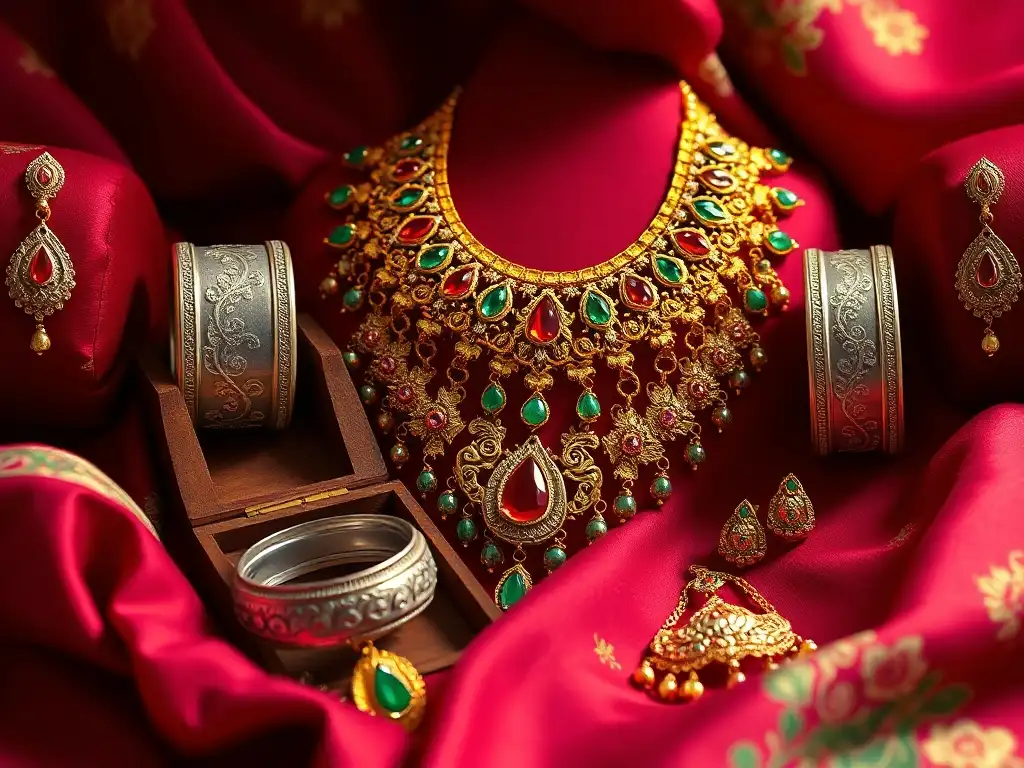
In a world where jewelry can often be mass-produced and imitated, embracing authenticity in Indian jewelry becomes more than just a choice; it transforms into a celebration of culture and tradition. Authentic Indian jewelry is not merely an accessory; it is a representation of centuries of history, artistry, and craftsmanship. This guide emphasizes the importance of understanding the nuances that distinguish genuine pieces from imitations, ensuring that your investment resonates with cultural significance.
The Value of Investing in Authentic Indian Jewelry
Investing in authentic Indian jewelry carries substantial value beyond monetary considerations. Here are several reasons why it is worthwhile:
- Cultural Heritage: Each piece of authentic Indian jewelry tells a story, steeped in the rich traditions of the diverse regions of India. From intricate Kundan work to the vibrant colors of Meenakari, these adornments reflect the artistry and symbolism of their origins.
- Craftsmanship: Authentic pieces are often handcrafted by skilled artisans who have honed their techniques over generations. This level of craftsmanship not only adds to the beauty but also ensures durability and uniqueness.
- Investment Potential: Authentic Indian jewelry can appreciate over time, especially pieces made with precious metals and gemstones. They often become heirlooms, passed down through generations, holding both sentimental and financial value.
- Supporting Artisans: Purchasing authentic jewelry helps sustain local artisans and their communities, promoting traditional crafts that may otherwise be forgotten in the age of mass production.
By understanding the value behind authentic Indian jewelry, buyers can make informed decisions that honor the cultural and artistic legacies of this timeless art form.
Final Thoughts on the Authentic Indian Jewelry Guide
Navigating the world of Indian jewelry can be both exciting and overwhelming. This guide serves as a crucial resource for recognizing the qualities that define authentic pieces. As you explore the rich tapestry of Indian jewelry, consider the following:
- Educate Yourself: Take the time to learn about different styles, techniques, and materials used in authentic Indian jewelry. Knowledge is your best ally in spotting imitations.
- Choose Reputable Sources: When purchasing, ensure that you are buying from reputable dealers who provide transparency about their products. Look for certifications or provenance documentation.
- Trust Your Instincts: Authentic jewelry carries a certain weight and presence. If a piece feels off or too good to be true, it might be worth reconsidering your purchase.
- Engage with the Community: Join forums or groups focused on Indian jewelry to connect with enthusiasts and experts. Sharing insights and experiences can further enhance your understanding.
Embracing the journey of discovering authentic Indian jewelry is not just about acquiring beautiful pieces; it is about connecting with a vibrant heritage that spans thousands of years. By following this guide, you are well-equipped to make thoughtful choices that celebrate the artistry and history of Indian jewelry.
Frequently Asked Questions
What are the key differences between authentic and imitation Indian jewelry?
Authentic Indian jewelry often features traditional craftsmanship, high-quality materials, and cultural significance, whereas imitation pieces may use cheaper materials and lack true artistry.
How can I identify the materials used in Indian jewelry?
To determine authenticity, look for hallmarks or stamps indicating metal quality like gold or silver. Additionally, consider the weight; authentic pieces are usually heavier due to their material.
What are some common types of authentic Indian jewelry?
Authentic Indian jewelry includes Kundan, Meenakari, and Temple jewelry, each with unique design elements and cultural backgrounds, making them distinct in style and craftsmanship.
Are there specific places known for authentic Indian jewelry?
Yes, regions like Jaipur, Delhi, and Varanasi are renowned for their traditional jewelry-making, often offering pieces that reflect the rich heritage of Indian craftsmanship.
How can I ensure I’m buying authentic Indian jewelry online?
When purchasing online, look for reputable sellers with verified reviews and check for detailed product descriptions that highlight the materials and craftsmanship used in the jewelry.
Final Reflection: Embracing Authenticity in Indian Jewelry
In a world where the distinction between imitation and authenticity is increasingly blurred, understanding the nuances of authentic Indian jewelry is more relevant than ever. As consumers become more discerning and aware of the cultural significance behind these pieces, the demand for genuine craftsmanship grows. This awareness not only enriches our appreciation for the art of jewelry-making but also fosters a deeper connection to the traditions and stories woven into each piece.
The influence of authentic Indian jewelry extends beyond mere aesthetics; it plays a vital role in preserving cultural heritage and supporting local artisans. As we navigate through a global marketplace flooded with replicas, recognizing the value of authenticity becomes a personal journey. The words of Mahatma Gandhi resonate here: A nation's greatness is measured by how it treats its weakest members.
By choosing authentic pieces, we not only honor the artisans' skills but also contribute to the sustainability of their craft and the communities they represent.
As you reflect on the insights shared in this guide, I encourage you to take a moment to consider your own choices in jewelry. Let the lessons of authenticity inspire you to seek out pieces that tell a story, support artisans, and celebrate the rich heritage of Indian craftsmanship. In doing so, you not only adorn yourself with beauty but also become a steward of culture and authenticity in a world that often favors the superficial.
Unveil the Beauty of Authentic Indian Jewelry!
Thank you for taking the time to explore our visual guide on distinguishing between imitation and authentic Indian jewelry! We hope you gained valuable insights that will enhance your appreciation and understanding of these exquisite pieces. Now, it’s time to put that knowledge into action!
Here’s how you can elevate your jewelry journey today:
- Start your collection: Visit a local market or a trusted online store to find authentic Indian jewelry that resonates with your personal style.
- Share your findings: Post a picture of your favorite piece on social media, using the hashtag #AuthenticIndianJewelry to connect with fellow enthusiasts!
- Join a community: Engage with online forums or local clubs focused on Indian art and jewelry to deepen your knowledge and appreciation.
Which authentic piece of jewelry will inspire your next purchase? We’d love to hear about your favorites!