
Crafting Beauty: How India's Gemstone Markets Influence Global Jewelry Trends

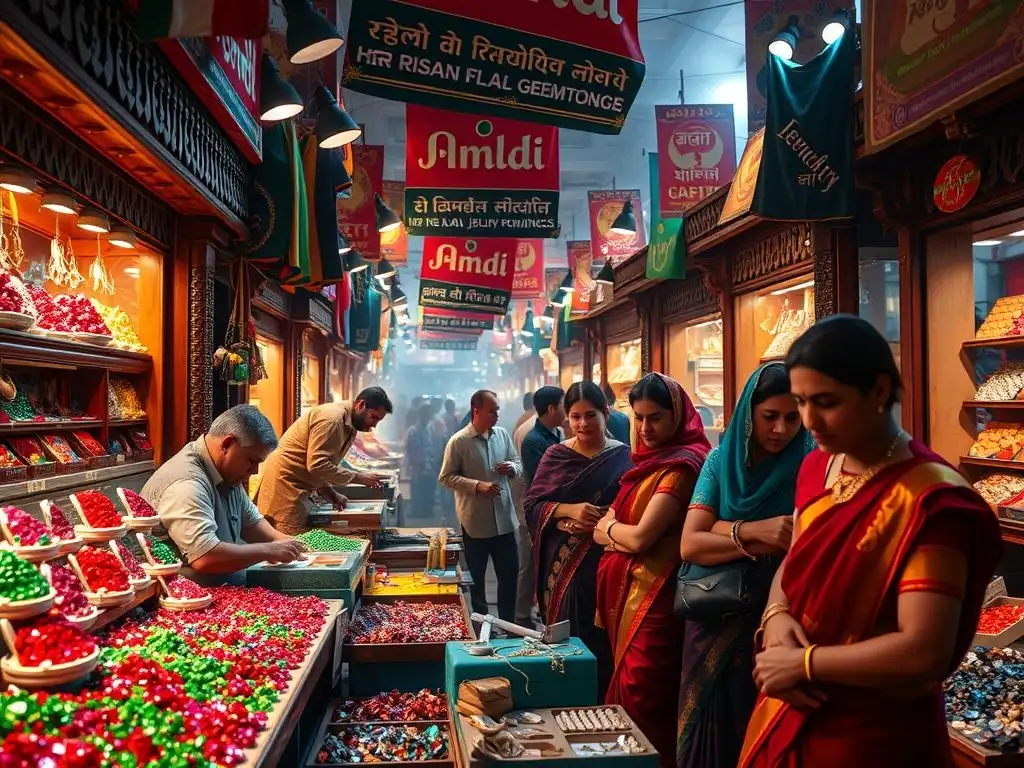
Welcome to Ancient India History, where we embark on a fascinating journey through the rich tapestry of India’s past. From the intricate designs of the Indus Valley to the artistic brilliance of the Gupta Empire, our exploration unveils the profound cultural contributions that have shaped civilizations. In this edition, we delve into the vibrant world of gemstones, revealing how India's gemstone market trends are not just reflections of beauty but also pivotal forces influencing global jewelry aesthetics.
Ready to discover how these timeless treasures are redefining elegance around the world? Let’s dive deeper into the captivating stories that sparkle at the heart of India’s gems!
- Introduction to India's Gemstone Market Trends
- The Historical Context of Gemstone Trading in India
- Major Gemstone Markets in India
- Current Trends in the India Gemstone Market
- How India's Gemstone Market Influences Global Jewelry Trends
- Environmental and Ethical Considerations in the India Gemstone Market
- Conclusion: The Future of India's Gemstone Market Trends
- Call to Action: Explore the Beauty of Indian Gemstones
- Frequently Asked Questions
- Final Reflection: The Global Resonance of India's Gemstone Market Trends
- Unleash Your Inner Artisan: Discover the Beauty of Gemstone Jewelry!
Introduction to India's Gemstone Market Trends
India's gemstone market is a vibrant tapestry woven from rich cultural heritage, skilled craftsmanship, and an enduring love for adornment. With a history that spans thousands of years, gemstones have played a crucial role not only in the realms of trade and economy but also in the spiritual and cultural expressions of the Indian subcontinent.
As we delve into the current trends in the Indian gemstone market, we uncover how these trends not only reflect local tastes and preferences but also influence global jewelry designs and consumer behavior. Understanding these dynamics can offer insights into the broader implications for artisans, traders, and consumers alike, highlighting the intricate connections between India's gemstone markets and the global jewelry industry.
Overview of Indian Gemstone Markets
India boasts a plethora of gemstone markets, each reflecting the distinctive characteristics of its region. From the bustling streets of Jaipur, renowned for its vibrant array of colored gemstones, to the serene markets of Varanasi, where traditional craftsmanship meets modern trends, the diversity is astounding.
Some key features of these markets include:
- Major Cities:
- Jaipur: Known as the "Gem City," it specializes in precious and semi-precious stones, including rubies, emeralds, and sapphires.
- Delhi: A hub for wholesale trading, offering a wide variety of gemstones and jewelry.
- Mumbai: The financial capital where luxury jewelry brands thrive, influencing market trends.
- Surat: Famous for diamond cutting and polishing, significantly impacting the diamond market.
- Market Dynamics:
- The Indian gemstone market is characterized by a blend of traditional practices and modern business techniques.
- E-commerce has gained momentum, making gemstones accessible to a global audience.
The interplay of tradition and innovation is pivotal in shaping these markets, impacting not just local buyers but also international consumers attracted to India's rich offerings.
Importance of Gemstones in Indian Culture and History
Gemstones hold a revered place in Indian culture and history, symbolizing wealth, power, and spirituality. Their significance transcends mere ornamentation, serving as talismans believed to bring good fortune and protection.
Key cultural aspects include:
- Astrology and Gemstones: Many Indians consult astrologers to select gemstones that align with their birth charts, underscoring the belief in their metaphysical properties.
- Historical Significance: From the Mughal era, where gemstones adorned royal regalia, to their use in religious artifacts, gemstones have been integral to India's historical narrative.
- Artisan Craftsmanship: Generations of artisans have honed their skills in cutting, polishing, and setting gemstones, contributing to a legacy of exquisite craftsmanship that continues to influence modern jewelry design.
As we explore the intricacies of India's gemstone markets and their cultural significance, we uncover not just trends but a profound narrative that connects the past with the present, illustrating the timeless allure of gemstones in Indian society.
The Historical Context of Gemstone Trading in India
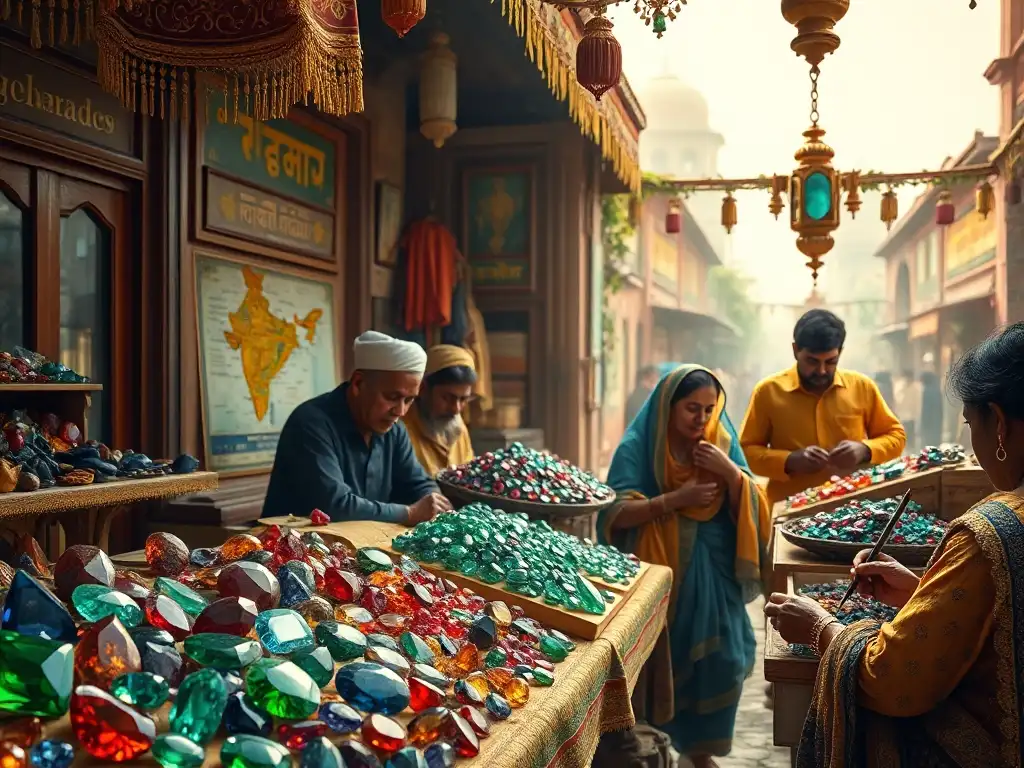
The historical context of gemstone trading in India is rich and multifaceted, reflecting the country's longstanding relationship with these precious stones. From ancient times, India has been a significant player in the global gemstone market, influencing trends and techniques that still resonate today. The intertwining of culture, commerce, and artistry has created a legacy that continues to shape the modern gemstone industry.
Ancient Trade Routes and Their Influence on Gemstone Markets
The ancient trade routes of India, such as the Silk Road and maritime routes connecting the Indian subcontinent to the Middle East, Europe, and beyond, played a pivotal role in the development of the gemstone market. These routes not only facilitated the movement of goods but also the exchange of ideas, cultures, and techniques.
- Silk Road: This network of trade routes allowed for the transport of gemstones such as diamonds, rubies, and sapphires from India to distant lands. Indian traders, often accompanied by skilled artisans, would journey along these routes, introducing the world to India's exquisite craftsmanship.
- Maritime Trade: Ports like Lothal and Surat became bustling centers for the trade of gemstones. These coastal cities connected India to markets in Africa, the Middle East, and Southeast Asia, propelling Indian gemstones into the international spotlight.
The influence of these trade routes can be seen in the diverse styles of jewelry that emerged as cultures blended. For example, the incorporation of Indian gemstones into Persian and Mughal jewelry styles highlights the cross-cultural exchanges that occurred through trade.
Key Historical Figures in Indian Gemstone Trade
Several historical figures have significantly impacted the gemstone trade in India, shaping the industry through their vision, skills, and connections.
- Maharaja Jai Singh II: The founder of Jaipur in the 18th century was instrumental in establishing the city as a major center for gemstone cutting and trading. His patronage of artisans led to the development of unique cutting techniques that are still revered today.
- Raja Man Singh: A prominent general in the Mughal Empire, Raja Man Singh was known for his lavish collection of gemstones. His influence helped establish Jaipur as a hub for gemstone merchants, attracting traders from across the globe.
- The Mughals: The Mughal emperors, particularly Akbar and Shah Jahan, were avid collectors of gemstones. Their courts became centers of luxury, where gemstones were crafted into stunning jewelry that symbolized power and prestige. This royal patronage not only elevated the status of gemstones but also influenced the craftsmanship and innovation in jewelry making.
These figures and their contributions laid the groundwork for the contemporary landscape of the India gemstone market trends. Their legacies continue to inspire modern jewelers and traders, further solidifying India's reputation as a leader in the global gemstone industry.
Major Gemstone Markets in India
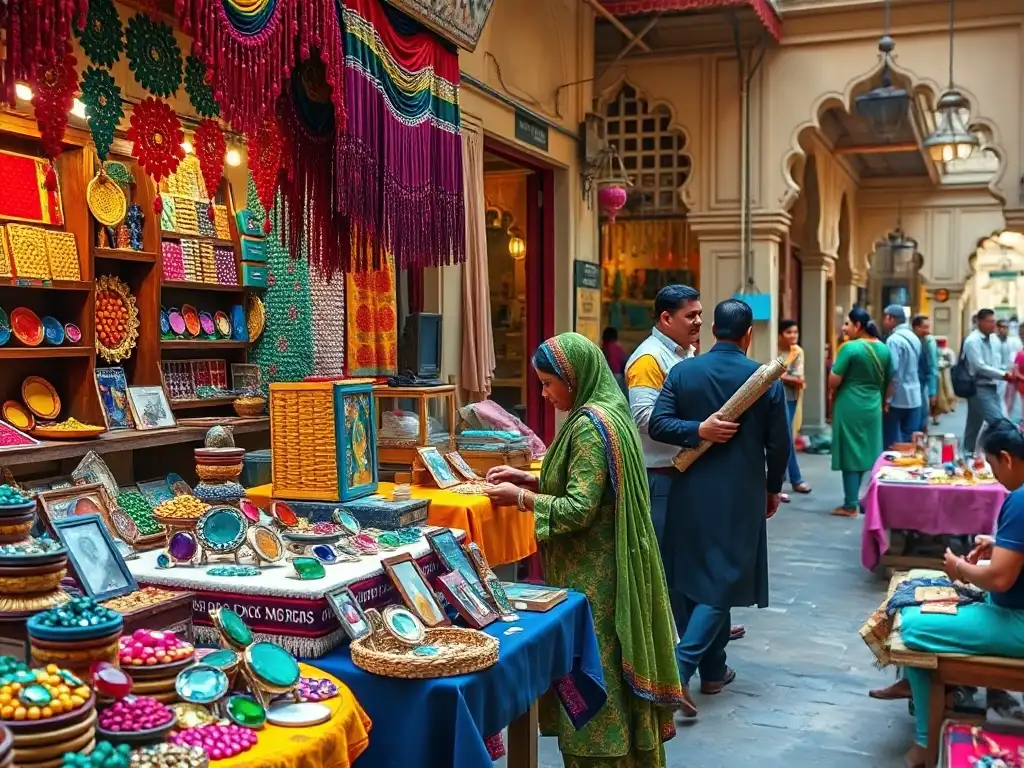
India's gemstone markets are a vibrant tapestry woven with rich traditions, skilled craftsmanship, and a profound influence on global jewelry trends. The country's diverse landscapes and cultural heritage have given rise to several key gemstone markets, each contributing uniquely to the overall industry. This section delves into the major gemstone hubs in India, primarily focusing on Jaipur and Surat.
Jaipur: The Pink City and Its Role in Gemstone Trends
Jaipur, the capital of Rajasthan, is often referred to as the "Pink City" due to its uniquely colored buildings. It is also renowned for its thriving gemstone market, which plays a critical role in shaping trends not just in India, but also globally.
Unique Features of Jaipur's Gemstone Market
The gemstone market in Jaipur is characterized by several distinctive features:
- Diverse Offerings: Jaipur is primarily known for its precious and semi-precious stones, including rubies, emeralds, and sapphires. The market also showcases exquisite lapidary work, transforming raw stones into stunning jewelry pieces.
- Traditional Craftsmanship: The artisans in Jaipur have honed their skills over generations, employing traditional techniques like Kundan and Meenakari, which enhance the aesthetic appeal of the gemstones.
- Vibrant Bazaars: The bustling bazaars, such as Johari Bazaar and Bapu Bazaar, are filled with shops and stalls that exhibit a wide array of gemstones, attracting both local buyers and international tourists.
- Influence of Art and Culture: The cultural richness of Jaipur, reflected in its palaces and forts, significantly impacts the design trends of gemstone jewelry, infusing it with historical motifs and intricate patterns.
Key Players and Influencers in Jaipur’s Market
Several key players and influencers contribute to the dynamics of Jaipur's gemstone market:
- Local Artisans: Skilled craftsmen, often working in family-run businesses, play a vital role in creating unique jewelry pieces that embody the heritage of Jaipur.
- Wholesale Traders: Prominent traders in the gemstone wholesale market facilitate the distribution of Jaipur's gems to national and international retailers, helping to set market trends.
- Designers and Jewelers: Renowned jewelers like Gem Palace and A. D. Jewellers have gained international recognition, influencing global trends with their innovative designs and exceptional quality.
Surat: The Diamond Hub of India
Surat, located in the state of Gujarat, is known as the diamond capital of India, responsible for a significant portion of the world's diamond cutting and polishing. Its influence extends beyond national borders, shaping global jewelry trends.
Overview of Surat's Gemstone Industry
The gemstone industry in Surat is predominantly focused on diamonds, with the city accounting for around 90% of the world's diamond processing. Key aspects include:
- Large Processing Units: Surat houses hundreds of diamond processing units that employ advanced technology for cutting and polishing, ensuring high-quality finishes.
- Trade and Export: The city is a major hub for diamond trading, with numerous trading offices that facilitate exports to various international markets, including the United States, Europe, and the Middle East.
- Training and Education: Surat has established institutions dedicated to training the next generation of gemologists and artisans, ensuring the continuity of skills in the diamond industry.
How Surat Sets Global Jewelry Trends
Surat's impact on global jewelry trends is profound and multi-faceted:
- Innovation in Design: Surat's jewelers are known for experimenting with new designs and settings, often incorporating contemporary styles that appeal to international tastes.
- Ethical Sourcing: The city is increasingly focusing on ethical sourcing practices, ensuring that diamonds are conflict-free, which resonates with a growing consumer demand for responsible luxury.
- Market Trends: The fluctuations in Surat's diamond prices often set trends that affect global markets, influencing jewelry pricing and availability.
- Collaborations and Partnerships: Surat's jewelers frequently collaborate with international brands, enhancing the city's influence on global design trends and expanding its market reach.
Both Jaipur and Surat play pivotal roles in shaping the India gemstone market trends, each with its unique characteristics and contributions to the global jewelry landscape. Their rich history, skilled artisans, and innovative approaches continue to influence how gemstones are perceived and utilized in jewelry around the world.
Hyderabad: The City of Pearls and Gemstones
Hyderabad, often referred to as the "City of Pearls," boasts a rich history steeped in the trade of gemstones and jewelry. This vibrant city has been a significant hub for the gemstone market since the era of the Nizams, who were known for their opulence and love for exquisite jewelry. The city’s markets are filled with a variety of precious and semi-precious stones, including the famous Hyderabadi pearls, which have established a global reputation for their unique luster and quality.
The gemstone industry in Hyderabad is not just limited to local craftsmanship; it has evolved into an extensive network connecting artisans, traders, and buyers from around the world. The blend of traditional techniques with modern innovation has allowed Hyderabad to maintain its status as a leading gemstone market in India. The city hosts numerous exhibitions and trade fairs that attract international buyers, showcasing the best of what the region has to offer.
Specialties of Hyderabad's Gemstone Market
Hyderabad's gemstone market is renowned for several standout features:
- Hyderabadi Pearls: The city is famous for its natural and cultured pearls, often set in intricate jewelry. These pearls are celebrated for their unique shapes and colors, making them highly sought-after.
- Bespoke Jewelry: Artisans in Hyderabad specialize in creating customized jewelry that reflects the buyer's personal style. This has led to an increase in demand for bespoke pieces, particularly among international clientele.
- Variety of Stones: The market showcases a wide array of gemstones, including diamonds, emeralds, rubies, and sapphires. Local artisans often incorporate these stones into traditional designs, blending modern aesthetics with cultural heritage.
- Traditional Techniques: Craftsmanship in Hyderabad often involves age-old techniques such as the "Golconda" style of setting stones, which emphasizes the natural beauty of each gem while ensuring durability and elegance.
This diversity not only makes Hyderabad a destination for local buyers but also attracts global investors and jewelry enthusiasts looking for unique pieces.
The Impact of Hyderabad on Global Jewelry Styles
Hyderabad's influence on global jewelry trends is profound, shaping not only local styles but also impacting international designs. Some key aspects of this influence include:
- Fusion of Styles: The merging of traditional Indian designs with contemporary aesthetics has led to the creation of hybrid jewelry styles that appeal to a broader audience. This fusion often incorporates intricate filigree work and vibrant gemstone settings, making pieces versatile for various occasions.
- Global Reach: With the advent of e-commerce, Hyderabad's gemstone market has expanded its reach beyond local and national borders. International buyers now have access to Hyderabadi jewelry, which has inspired global trends in luxury and bespoke jewelry markets.
- Cultural Exchange: The city's rich cultural heritage has fostered a sense of collaboration among global designers and local artisans. This exchange has led to innovative designs that incorporate elements from various cultures, further enhancing the appeal of Hyderabadi gemstones.
- Sustainability Trends: As the global jewelry market increasingly emphasizes sustainability, Hyderabad is adapting by promoting ethically sourced gemstones and eco-friendly practices among artisans. This shift is gaining traction among consumers who prioritize responsible purchasing.
Hyderabad's gemstone market is not just a local treasure trove; it plays a pivotal role in shaping global jewelry trends, thereby reinforcing India's position as a leader in the gemstone industry.
Current Trends in the India Gemstone Market
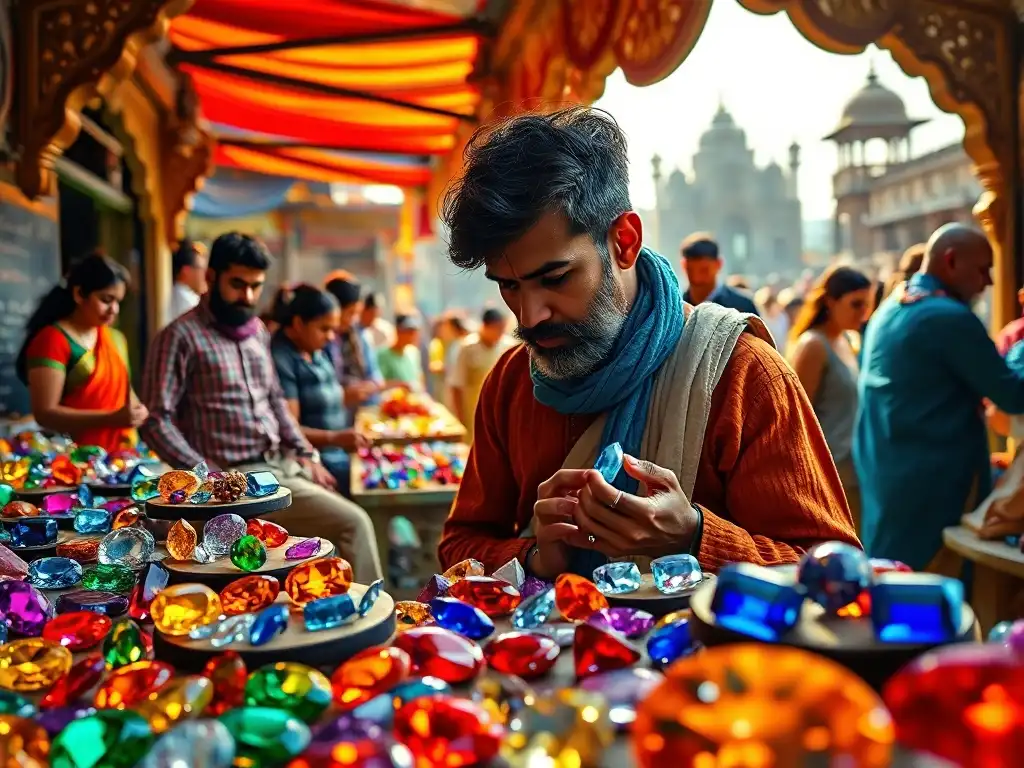
Popular Gemstones in 2024: What’s Hot?
As we delve into the gemstone market in India for 2024, certain gemstones are capturing the spotlight due to their unique attributes and cultural significance. The following gemstones are projected to dominate the market this year:
- Emeralds: Known for their rich green hue, emeralds are not only prized in India but also have a strong global demand. Their association with luxury and prosperity continues to boost their popularity.
- Rubies: With their vibrant red color, rubies symbolize love and passion. The Indian market has seen a resurgence in interest for high-quality rubies, especially from the Kashmir region.
- Diamonds: Although traditionally associated with Western markets, diamonds are increasingly becoming popular among Indian consumers, especially due to rising disposable incomes and a growing middle class.
In addition to these, gemstones like sapphires, tanzanite, and topaz are gaining traction due to their versatility and affordability, appealing to a broader audience.
Emeralds, Rubies, and Diamonds: Market Analysis
The analysis of emeralds, rubies, and diamonds reveals distinct trends within the Indian gemstone market:
- Emeralds: The global emerald market is expected to grow by 4% annually, driven by the increasing demand for ethically sourced and high-quality stones. Indian artisans are renowned for their craftsmanship in emerald settings, attracting international buyers.
- Rubies: The ruby market is witnessing a shift towards untreated and natural stones, with buyers becoming more discerning. The scarcity of quality rubies, particularly those from Myanmar, has led to increased prices, making Indian rubies a favorable alternative.
- Diamonds: The diamond market in India is projected to expand significantly, supported by rising exports. The availability of various cuts and settings is influencing consumer preferences, shifting towards personalized jewelry that reflects individual style.
Emerging Trends: Lab-Created vs. Natural Gemstones
The debate between lab-created and natural gemstones is shaping the future of the Indian gemstone market.
- Lab-Created Gemstones: These stones are gaining popularity due to their affordability and ethical sourcing. Lab-created diamonds and sapphires, which possess similar physical and chemical properties to natural stones, are appealing to younger consumers who prioritize sustainability.
- Natural Gemstones: Despite the rise of lab-created options, natural gemstones still hold a significant place in the hearts of traditional buyers. The uniqueness and rarity of natural stones contribute to their allure, making them a preferred choice for investment and heirloom pieces.
The competition between these two categories is compelling jewelers to innovate and educate consumers about the benefits and characteristics of each type.
The Influence of Technology on Gemstone Markets
Technology is playing a transformative role in the Indian gemstone market, enhancing the way consumers shop and engage with products.
Online Platforms and E-commerce Growth
The rise of e-commerce platforms has revolutionized the gemstone market in India. With the increasing penetration of the internet and smartphone usage, online shopping for gemstones has become more accessible. Key trends include:
- Wide Selection: Online platforms offer a vast array of gemstones, allowing consumers to compare prices and quality with ease.
- Customer Reviews: Online reviews and ratings help build trust and inform purchasing decisions, particularly for buyers who may not have a deep understanding of gemstones.
- Direct Sourcing: Many online retailers are sourcing gemstones directly from mines, eliminating intermediaries and enabling competitive pricing.
Virtual Reality in Gemstone Shopping Experience
The integration of virtual reality (VR) technology is enhancing the gemstone shopping experience, allowing consumers to:
- Visualize Jewelry: VR technology enables customers to see how gemstones look in various settings, providing a lifelike experience that can influence purchasing decisions.
- Personalized Shopping: Virtual showrooms can tailor the shopping experience to individual preferences, showcasing gemstones that align with a buyer’s style and budget.
As these technologies continue to evolve, they are expected to reshape consumer behavior and preferences in the Indian gemstone market, making it more dynamic and interactive.
How India's Gemstone Market Influences Global Jewelry Trends
Cross-Cultural Exchange: India’s Impact on International Designs
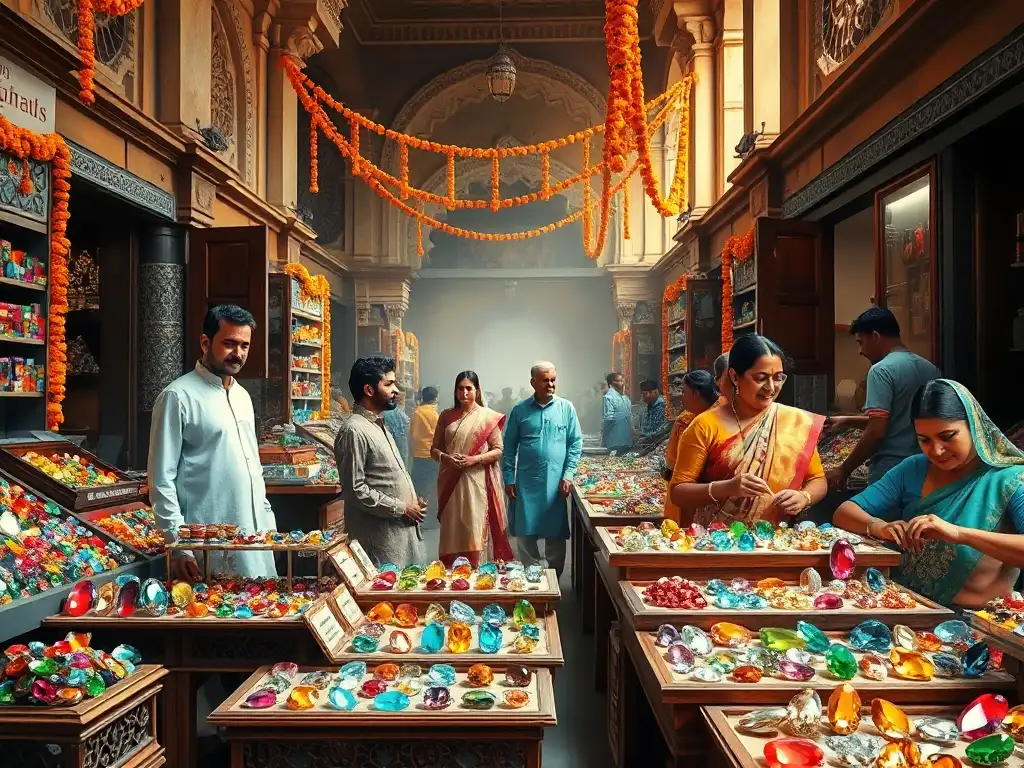
India's gemstone market has long been a source of inspiration for jewelry designers around the world. The rich cultural heritage and diverse traditions of Indian craftsmanship have cultivated a unique aesthetic that resonates globally. The vibrancy of Indian gemstones, such as sapphires, emeralds, and rubies, combined with intricate designs, continues to shape international jewelry trends.
The influence of Indian gemstones can be traced back centuries, where trade routes facilitated the exchange of not only goods but also artistic ideas. For instance, the Mughal era introduced ornate designs and techniques, such as the use of kundan and polki, which have been embraced by contemporary designers. This cross-cultural exchange has created a melting pot of styles, leading to innovative jewelry collections that blend traditional Indian motifs with modern sensibilities.
- Examples of Influence:
- The resurgence of vintage Indian styles in European and American collections.
- The incorporation of Indian gemstone cutting techniques in luxury brands, resulting in unique faceting styles.
India’s gemstone market trends also emphasize sustainability and ethical sourcing, which are increasingly valued in global markets. As consumers become more conscious of the origins of their jewelry, Indian markets that prioritize ethical practices are setting standards for international designers.
Collaboration with Global Designers: Case Studies
The collaboration between Indian artisans and global designers has become a pivotal aspect of the jewelry industry, leading to innovative collections that honor both traditions. Here are some notable case studies that exemplify this trend:
Successful International Jewelry Lines Inspired by Indian Gemstones
- Tiffany & Co.:
- In 2020, Tiffany launched a collection featuring Indian-inspired designs, incorporating colored gemstones sourced from Indian markets. The intricate craftsmanship and vibrant hues drew from traditional Indian aesthetics, leading to a significant boost in sales and global interest.
- Chopard:
- Chopard's "Red Carpet Collection" often showcases Indian gemstones like yellow sapphires and tourmalines, reflecting the opulence of Indian royal jewelry. Their collaborations with Indian artisans have led to exclusive pieces that highlight the beauty of Indian craftsmanship on the global stage.
- Boucheron:
- This luxury brand launched a collection inspired by the Gems of India, where each piece narrates a story of Indian culture. Utilizing traditional Indian gemstone settings, these designs have not only captivated the Indian market but also garnered international acclaim.
Notable Collaborations in 2023 and Beyond
As of 2023, several exciting collaborations have emerged, further bridging the gap between Indian artisans and global designers:
- Swarovski and Indian Artisans: This collaboration focuses on integrating Indian handcrafted techniques with Swarovski’s crystals, aiming to create a line that celebrates both cultures while promoting ethical practices.
- Cartier: Known for its luxury jewelry, Cartier has begun to explore Indian motifs in its new lines for 2023, showcasing the harmonious blend of Indian gemstones with their signature styles.
- Local Artisans and Global Brands: A growing trend is the partnership between local artisans and global brands to create capsule collections. These collaborations often highlight handcrafted techniques, making each piece unique and culturally significant.
These partnerships not only enhance the visibility of Indian gemstones in the global market but also empower local artisans, ensuring the preservation of traditional skills while adapting to contemporary trends. The future looks promising as the interplay between India's rich heritage and modern design continues to evolve, influencing jewelry trends worldwide.
Environmental and Ethical Considerations in the India Gemstone Market
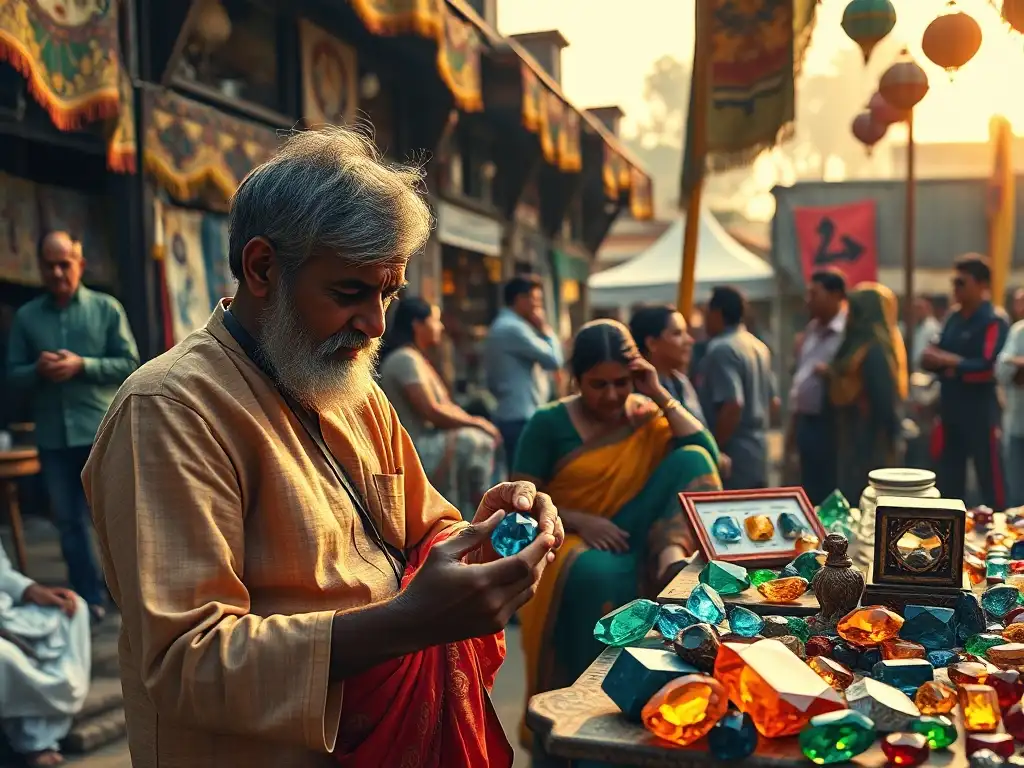
The gemstone market in India is not only a hub of beauty and craftsmanship but also a landscape where environmental and ethical considerations are gaining increasing importance. As the global demand for gemstones rises, so does the need for sustainable practices and ethical sourcing. This section delves into the key aspects surrounding these considerations within the context of the India gemstone market trends.
Sustainable Practices in Indian Gemstone Mining
Sustainable practices in gemstone mining are essential to mitigate environmental impacts while ensuring the longevity of resources. In India, several initiatives and methods are being adopted to promote sustainability in this sector.
- Eco-friendly Mining Techniques:
- Selective Mining: This involves carefully selecting the areas to mine, which minimizes land disruption and preserves the surrounding ecosystem.
- Rehabilitation of Mining Sites: Post-mining, companies are increasingly focused on rehabilitating the land. This includes replanting native flora and restoring habitats to support local wildlife.
- Water Management:
- Gemstone mining often requires significant amounts of water. Many operations are now implementing water recycling systems to reduce consumption and prevent contamination of local water bodies.
- Rainwater Harvesting: Some mining companies are adopting rainwater harvesting techniques to supplement their water needs sustainably.
- Waste Management:
- The generation of waste is a critical issue in gemstone mining. Many companies are focusing on reducing waste through the recycling of materials and finding innovative ways to repurpose mining by-products.
- Community Engagement:
- Engaging local communities in sustainable practices is crucial. This includes providing education on sustainable mining and involving them in decision-making processes related to mining activities.
The Role of Fair Trade in Gemstone Sourcing
Fair trade practices are becoming increasingly vital in ensuring that gemstone sourcing benefits both the environment and the communities involved in mining. The following points illustrate the significance of fair trade in the Indian gemstone market:
- Empowering Artisans and Miners:
- Fair trade ensures that artisans and miners receive fair wages for their labor. This empowers them economically and promotes community development.
- By supporting fair trade, consumers contribute to the improvement of living conditions and education in mining regions.
- Transparency in the Supply Chain:
- Fair trade initiatives promote transparency, allowing consumers to trace the origins of gemstones. This transparency helps ensure that gemstones are sourced responsibly and ethically.
- The use of certification labels can help consumers identify fair trade gemstones, fostering informed purchasing decisions.
- Promoting Sustainable Practices:
- Fair trade standards often require adherence to sustainable mining practices. This includes minimizing environmental impact and supporting community engagement.
- By sourcing fair trade gemstones, businesses play a crucial role in promoting sustainability within the industry.
- Consumer Awareness and Demand:
- As awareness of ethical sourcing grows, consumers are increasingly seeking out ethically sourced gemstones. This demand encourages more businesses to adopt fair trade practices, shaping the future of the India gemstone market trends.
The integration of sustainable practices and fair trade principles into the Indian gemstone market is essential for addressing environmental concerns and promoting ethical sourcing. As these practices gain traction, they not only enhance the reputation of the Indian gemstone industry but also influence global jewelry trends with a growing emphasis on sustainability and ethical considerations.
Conclusion: The Future of India's Gemstone Market Trends
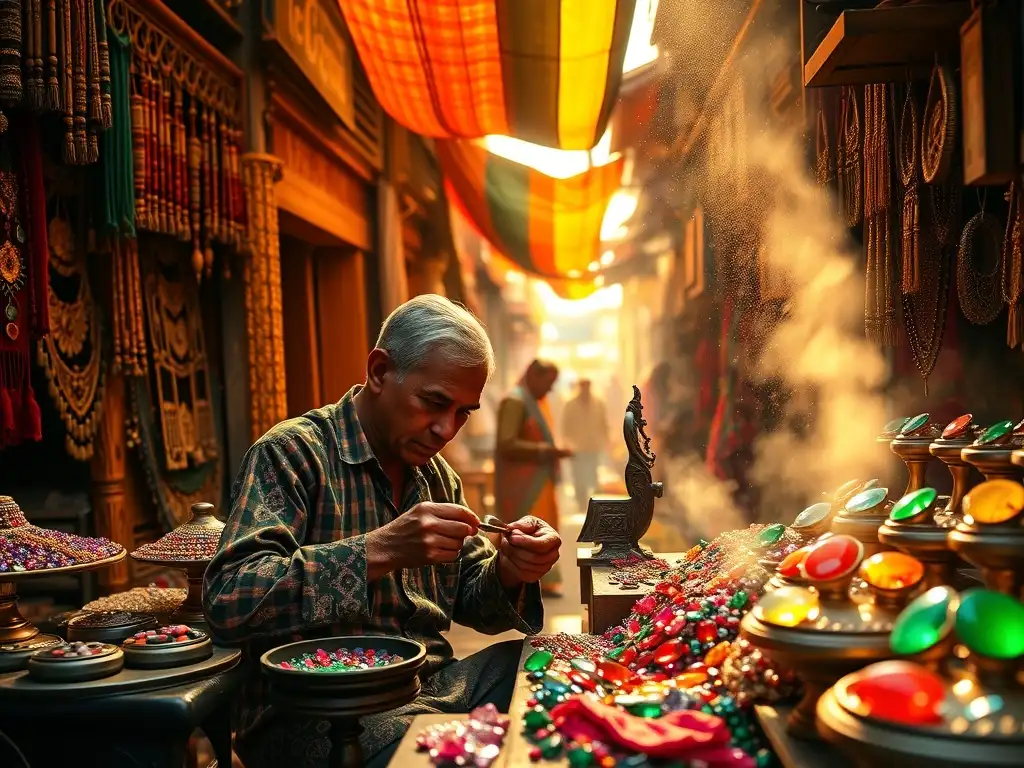
As we look towards the future, the India gemstone market trends are poised for significant evolution. The rich history of gemstone trading in India, coupled with modern influences such as technology and changing consumer preferences, will shape the landscape for years to come. Analysts predict that the market will continue to grow, driven by both domestic and international demand. This growth is expected to be fueled by innovative marketing strategies, enhanced online presence, and a focus on sustainability and ethical sourcing.
Predictions for the Next Decade
The next decade promises to be transformative for the Indian gemstone market, with several key trends emerging:
- Technological Integration: The rise of e-commerce platforms and augmented reality applications will enable consumers to experience gemstones in an immersive way. Retailers will likely adopt advanced technologies for inventory management and customer engagement, streamlining the buying process.
- Sustainability and Ethical Practices: As consumers become more conscious of the environmental impact of their purchases, the demand for sustainably sourced gemstones will increase. Indian jewelers are expected to adopt more transparent sourcing practices, showcasing their commitment to ethical mining and fair trade.
- Customization and Personalization: The trend towards personalized jewelry will continue to gain momentum. Consumers will seek unique designs that reflect their individual tastes and stories, prompting jewelers to offer bespoke services and customizable options.
- Emerging Markets: The growing middle class in countries like China and India itself will contribute to an increased demand for luxury goods, including gemstones. Additionally, markets in Africa and Southeast Asia are also expected to emerge as significant players in the gemstone industry.
- Cultural Resurgence: A renewed interest in traditional Indian craftsmanship and heritage will drive the demand for artisanal and heritage jewelry. The fusion of contemporary and traditional designs will cater to both local and international consumers.
Consumers looking to engage with the evolving gemstone market in India should consider the following strategies:
- Research and Education: Staying informed about gemstone types, market prices, and ethical sourcing practices is crucial. Websites, forums, and trade shows can provide valuable insights.
- Seek Transparency: Opt for retailers who are transparent about their sourcing and manufacturing processes. Look for certifications that indicate ethical practices and quality assurance.
- Embrace Technology: Utilize online platforms that offer virtual try-ons and detailed product information. This technology can enhance the shopping experience and help consumers make informed choices.
- Explore Local Markets: Visiting local gemstone markets in India can provide firsthand experience with the variety and quality available. Engaging with local artisans allows consumers to appreciate the craftsmanship behind each piece.
- Invest in Quality: Focus on purchasing high-quality gemstones that appreciate in value over time. Understanding the four Cs (cut, color, clarity, and carat) is essential for making informed investments.
As the India gemstone market trends evolve, both consumers and jewelers will need to adapt to the changing landscape. By embracing innovation and prioritizing ethical practices, the future of India’s gemstone market promises to be bright and filled with opportunities for growth and creativity.
Call to Action: Explore the Beauty of Indian Gemstones
India's gemstone market is not just a hub of vibrant colors and exquisite craftsmanship; it represents centuries of tradition, culture, and artistry that have significantly influenced global jewelry trends. As a gemstone enthusiast or a potential buyer, immersing yourself in the diverse offerings of Indian gemstones can lead to unique discoveries and investments.
Whether you are looking for stunning pieces for personal adornment or contemplating a business venture in the jewelry industry, exploring the beauty of Indian gemstones is essential. With India being one of the largest producers of gemstones in the world, its markets are teeming with options that cater to every taste and budget.
Recommended Retailers and Online Platforms for Gemstone Purchases
Navigating the vast Indian gemstone market can be overwhelming, especially with the multitude of retailers and platforms available. Below is a curated list of recommended retailers and online platforms where you can explore and purchase high-quality gemstones:
- Local Retail Jewelers
- Gem Palace, Jaipur: Known for its royal heritage and exquisite craftsmanship, Gem Palace offers a range of traditional and contemporary gemstone jewelry.
- Tanishq: A well-known brand that combines traditional designs with modern aesthetics, Tanishq provides a range of certified gemstones in their jewelry collections.
- Kashi Jewellers, Varanasi: Specializing in handcrafted jewelry, Kashi Jewellers is renowned for its unique gemstone pieces that reflect the rich culture of India.
- Online Marketplaces
- CaratLane: A popular online platform that features a vast collection of gemstone jewelry with an option to customize.
- Bluestone: Offers an extensive range of gemstone jewelry, along with educational resources about gemstone quality and care.
- GemPundit: This website specializes in loose gemstones and provides certifications, ensuring authenticity and quality.
- Auction Houses
- Sotheby’s and Christie’s: These auction houses often feature rare and valuable Indian gemstones, providing opportunities to acquire unique pieces.
Links to Specific Products and Services
To enhance your shopping experience, consider exploring the following specific products and services available at the recommended retailers:
- Gemstone Certification Services: Many platforms, such as GemPundit, offer certification services to validate the quality of your gemstone purchases, ensuring that you know what you are investing in.
- Custom Jewelry Design: Retailers like Tanishq and Gem Palace often provide custom design services, allowing you to create unique jewelry pieces that reflect your personal style.
- Educational Resources: Websites like Bluestone offer blogs and articles that educate buyers about gemstone types, care, and trends, empowering you to make informed decisions.
By exploring these retailers and platforms, you can immerse yourself in the rich world of Indian gemstones while ensuring a rewarding shopping experience that aligns with current India gemstone market trends. Start your journey today and discover the timeless beauty and value that Indian gemstones offer!
Frequently Asked Questions
What are the major gemstones sourced from India?
India is renowned for its precious and semi-precious gemstones, including diamonds, rubies, emeralds, and sapphires. These gemstones play a significant role in both local and global jewelry markets.
How does India's gemstone market influence global trends?
The India gemstone market heavily influences global jewelry trends through its unique designs, craftsmanship, and the availability of diverse gemstones. Indian artisans often set the standard for jewelry aesthetics worldwide.
What role do traditional techniques play in India's gemstone industry?
Traditional techniques, such as hand-cutting and polishing, are integral to India's gemstone industry. These craftsmanship skills enhance the beauty and value of gemstones, making them sought after in the global market.
How are gemstone prices affected in India?
Gemstone prices in India can fluctuate due to factors like supply and demand, seasonal trends, and international market conditions. Understanding these trends is crucial for investors and buyers alike.
What future trends are expected in the Indian gemstone market?
The Indian gemstone market is expected to see growth in sustainable practices and the use of lab-created gemstones. This shift reflects a broader trend towards ethical sourcing and environmental consciousness in the jewelry industry.
Final Reflection: The Global Resonance of India's Gemstone Market Trends
The intricate dance of tradition and innovation within India's gemstone markets continues to shape global jewelry trends, revealing the profound impact of cultural heritage on contemporary aesthetics. As we navigate a world increasingly driven by fast fashion and fleeting trends, the enduring allure of India's gemstones serves as a reminder of the beauty found in craftsmanship and authenticity. The vibrant colors and rich histories embedded in each stone not only captivate consumers but also inspire a deeper appreciation for the artistry that transcends borders.
The influence of India's gemstone market extends far beyond mere aesthetics; it weaves a narrative that connects diverse cultures and fosters a shared love for beauty. The way these gemstones are celebrated and integrated into global fashion speaks volumes about the power of cultural exchange. As designer Manish Arora once said, Fashion is about dreaming and making other people dream.
This sentiment resonates deeply within the context of India's gemstone markets, where each piece tells a story that invites the world to dream alongside it.
As we reflect on the lessons drawn from India's gemstone market trends, let us embrace the call to seek beauty in authenticity and craftsmanship in our own lives. Consider how you can incorporate elements of this rich heritage into your personal style or support artisans who continue to uphold these traditions. By doing so, we not only honor the legacy of India's gemstone markets but also contribute to a global narrative that values creativity, sustainability, and the timeless beauty of handcrafted artistry.
Unleash Your Inner Artisan: Discover the Beauty of Gemstone Jewelry!
Thank you for exploring the vibrant world of India’s gemstone markets with us! By diving into this article, you’ve uncovered how these stunning jewels shape global jewelry trends and spark creativity in design.
Now, let’s take your passion for gemstones to the next level! Here’s how you can get involved:
- Explore local gemstone shops to find unique pieces that truly resonate with your personal style.
- Share your favorite jewelry designs on social media using the hashtag #AncientIndiaJewels to inspire others.
- Join online forums or local communities dedicated to gemstone appreciation to connect with fellow enthusiasts.
Which gemstone inspires you the most, and how would you incorporate it into your own jewelry collection?