
The Rise of Contemporary Indian Jewelry: Finding Authentic Modern Pieces

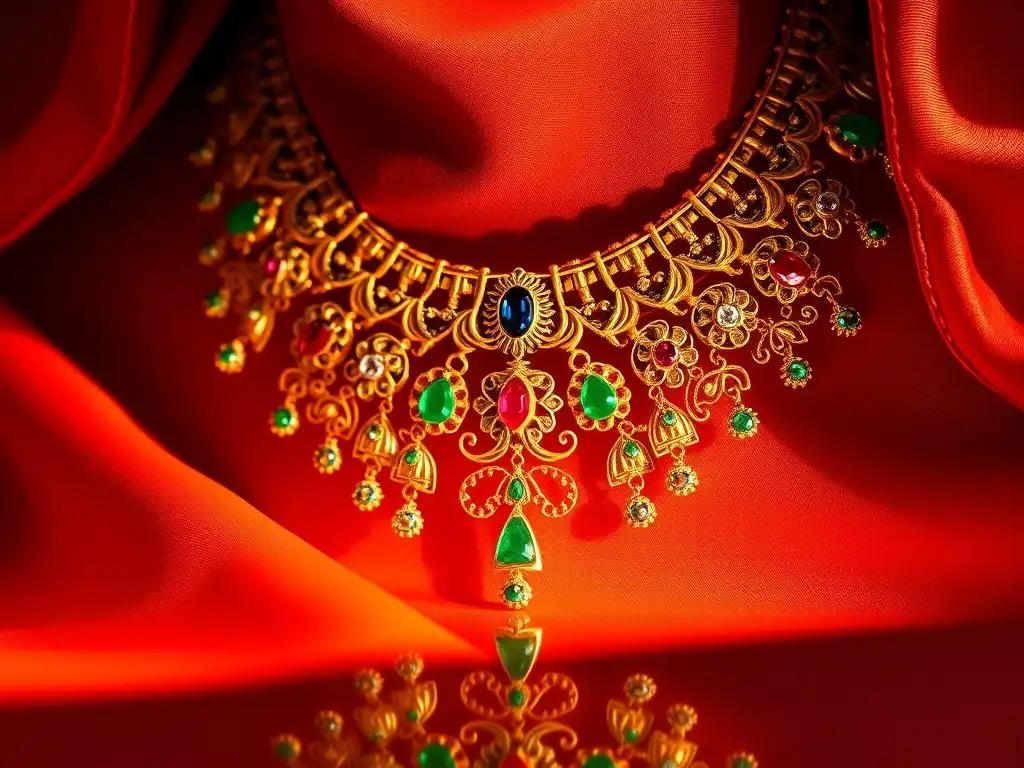
Welcome to Ancient India History, where we embark on a captivating journey through the rich tapestry of ancient Indian civilizations. From the intricate designs of the Indus Valley to the splendid artistry of the Gupta Empire, our exploration unveils the profound cultural heritage that has shaped modern India.
In our featured article, "The Rise of Contemporary Indian Jewelry: Finding Authentic Modern Pieces," we delve into the fascinating evolution of modern Indian jewelry history, revealing how ancient traditions continue to inspire and influence today's artisans. Join us as we uncover the stories and craftsmanship behind these exquisite pieces, igniting your curiosity to learn more about the legacies that endure through time.
Introduction to Modern Indian Jewelry History
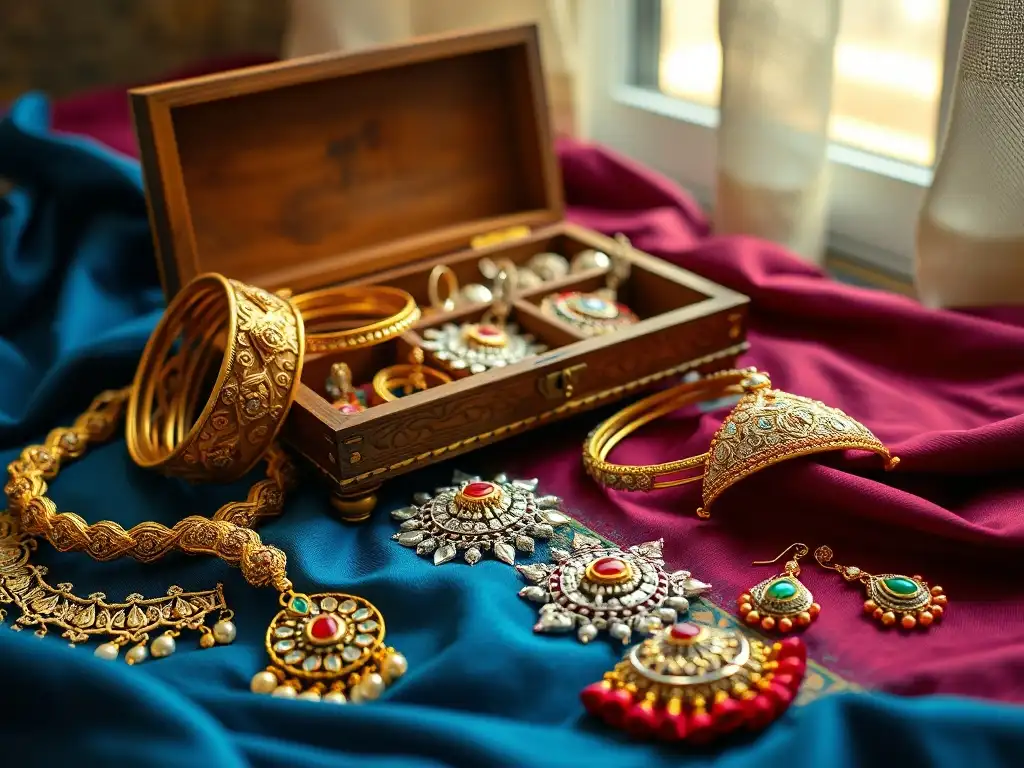
The history of modern Indian jewelry is a fascinating journey that intertwines tradition, artistry, and cultural evolution. Emerging from the rich legacy of ancient Indian civilizations, contemporary jewelry reflects a blend of time-honored techniques and innovative designs that cater to the tastes of today’s discerning collectors and fashion enthusiasts. From the intricate craftsmanship of the Indus Valley to the opulent styles of the Gupta Empire, the evolution of jewelry in India is a testament to the country’s diverse heritage and artistic expression.
In modern times, Indian jewelry has transcended mere adornment to become a significant aspect of cultural identity and personal expression. As globalization has influenced design aesthetics and material choices, contemporary Indian jewelry has embraced both traditional motifs and modern sensibilities. This article aims to explore the rich history of modern Indian jewelry, providing insights into its authentic styles, craftsmanship, and how to identify genuine pieces amidst the sea of modern replicas.
As we delve deeper into this guide, you will discover:
- The historical significance of jewelry in Indian culture
- Key characteristics that define modern Indian jewelry
- Tips for purchasing authentic pieces that honor traditional craftsmanship
By understanding the roots and evolution of modern Indian jewelry, you can appreciate the stories behind these exquisite creations and make informed choices when seeking authentic pieces for your collection. Whether you are a seasoned collector or a newcomer to the world of Indian jewelry, this exploration promises to enhance your appreciation of its beauty and significance.
- What is the significance of modern Indian jewelry history?
- How has ancient Indian civilization influenced contemporary jewelry?
- What are some key features of authentic modern Indian jewelry?
- Where can I find authentic pieces of modern Indian jewelry?
- How do I distinguish between traditional and modern Indian jewelry?
Understanding the Roots of Modern Indian Jewelry
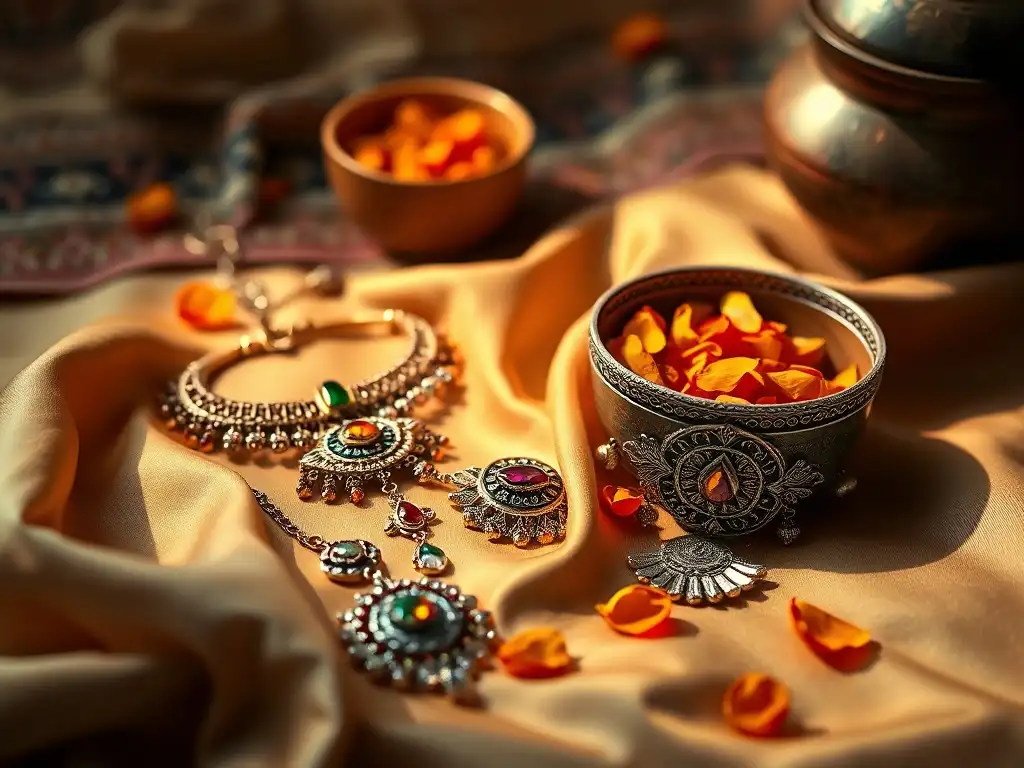
Modern Indian jewelry, a vibrant blend of tradition and innovation, draws its roots from a rich tapestry of historical influences. The evolution of Indian jewelry spans centuries, interweaving cultural, social, and artistic threads that have shaped contemporary designs. Understanding these roots is essential for appreciating the significance and authenticity of modern pieces.
Historical Influences on Contemporary Jewelry Styles
The history of Indian jewelry can be traced back to the Indus Valley Civilization (c. 3300–1300 BCE), where artisans crafted intricate ornaments using materials like gold, silver, and semi-precious stones. This early period established foundational techniques and styles that would influence future generations.
Royal Patronage and Cultural Exchange
- Mughal Influence (16th to 18th Century): The Mughal Empire played a pivotal role in shaping Indian jewelry. Mughal emperors and their courts were known for their opulent adornments, which blended Persian styles with indigenous motifs. The use of gemstones like diamonds, emeralds, and rubies became prominent, alongside intricate designs featuring floral and geometric patterns.
- Regional Variations: Different regions of India developed unique styles based on local traditions and resources. For instance:
- Kundan Jewelry: Originating from Rajasthan, characterized by the setting of gemstones in gold, often used in bridal adornments.
- Temple Jewelry: Particularly from South India, this style pays homage to deities and often features imagery of gods and goddesses.
The Impact of Colonialism
The British colonial period introduced Western styles and techniques that began to merge with traditional Indian forms. Jewelry became more accessible, leading to a diversification of styles. Post-independence, there was a resurgence of interest in traditional craftsmanship, as artisans sought to revive indigenous techniques while incorporating modern elements.
Key Characteristics of Modern Indian Jewelry
Modern Indian jewelry is marked by its diversity, creativity, and a blend of traditional craftsmanship with contemporary aesthetics. Here are some key characteristics that define this style:
- Use of Mixed Materials: Contemporary pieces often incorporate a mix of metals and materials, including:
- Gold and Silver: Continuing to be predominant, but now often paired with unconventional materials like acrylic, wood, and textiles.
- Gemstone Variety: Beyond traditional precious stones, modern designs frequently include semi-precious stones and lab-created gems, offering vibrant colors and affordability.
- Innovative Designs: Modern artisans are experimenting with forms and silhouettes, leading to:
- Minimalist Aesthetics: Clean lines and understated elegance characterize many contemporary pieces, appealing to modern sensibilities.
- Statement Pieces: Bold designs that serve as fashion statements, often influenced by global trends while retaining Indian elements.
- Cultural Symbolism: While embracing modern styles, many pieces still reflect cultural narratives. Designers are increasingly telling stories through their work, integrating folklore, mythology, and regional motifs into their designs.
- Sustainability and Ethical Practices: A growing emphasis on sustainable practices is reshaping the industry. Many modern jewelers are committed to using ethically sourced materials and promoting fair trade practices, appealing to environmentally conscious consumers.
The history of modern Indian jewelry is a dynamic interplay of tradition, culture, and innovation. Understanding these influences not only enriches the appreciation of contemporary designs but also guides buyers in their quest for authenticity in the vibrant world of Indian jewelry.
The Shift Towards Authenticity in Modern Indian Jewelry
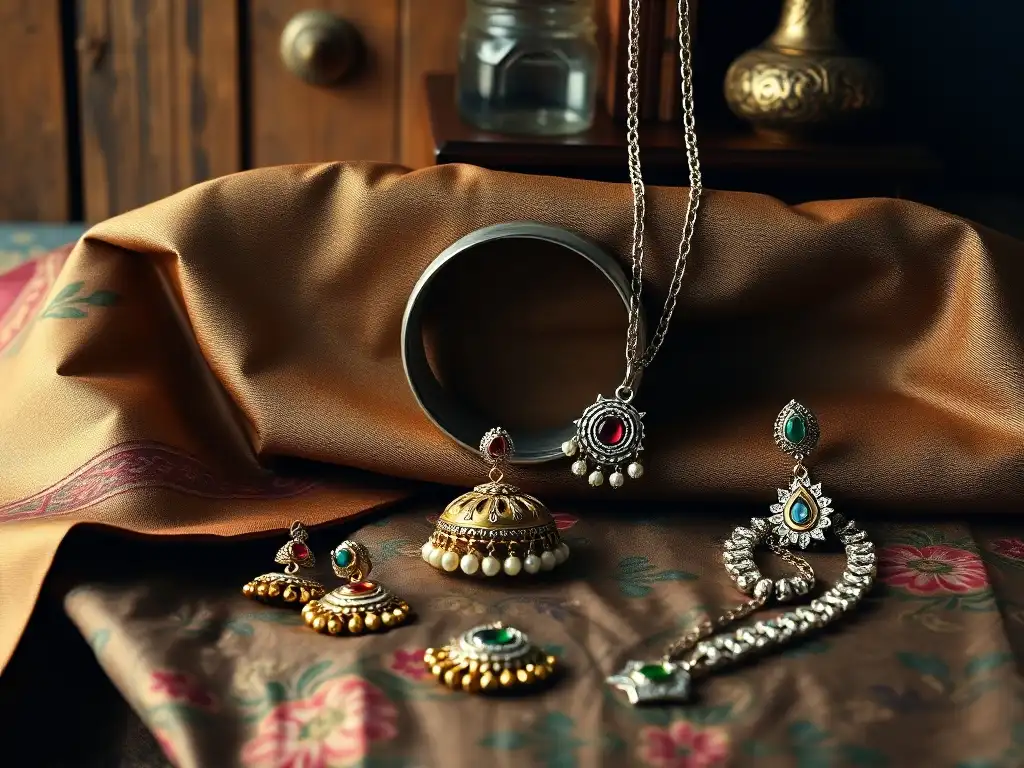
The transition towards authenticity in modern Indian jewelry reflects a broader cultural renaissance that seeks to honor traditional craftsmanship while adapting to contemporary aesthetics. As consumers become increasingly aware of the cultural significance and historical value of jewelry, the demand for genuine pieces that tell a story has surged. This shift is not only about aesthetics but also about preserving heritage and supporting artisans.
The authenticity movement has led to a resurgence in the appreciation of traditional techniques, materials, and designs that have been passed down through generations. As such, many modern jewelers are committed to sourcing materials ethically and utilizing ancestral methods to create pieces that resonate with both the past and the present. This commitment to authenticity highlights a growing understanding that jewelry is not merely decorative; it serves as a cultural artifact that embodies the identity and traditions of its origin.
Importance of Authenticity in Jewelry Purchases
Authenticity plays a pivotal role in the purchase of modern Indian jewelry for several reasons:
- Cultural Significance: Authentic pieces often carry historical narratives that connect wearers to their heritage. Understanding the origins and meanings of designs can enhance the emotional value of jewelry.
- Quality and Craftsmanship: Authentic jewelry is usually crafted with superior craftsmanship, using high-quality materials, which contributes to its durability and overall aesthetic appeal.
- Support for Artisans: Purchasing authentic jewelry supports local artisans and communities, ensuring that traditional skills are preserved and passed on to future generations. This economic support is vital for the survival of traditional crafts.
- Investment Value: Authentic pieces often appreciate over time, making them valuable investments. Buyers are increasingly recognizing that genuine craftsmanship and unique designs can yield higher returns than mass-produced alternatives.
- Ethical Considerations: The authenticity of modern Indian jewelry also encompasses ethical sourcing and production practices. Consumers are increasingly aware of the environmental and social implications of their purchases.
Recognizing Authentic Modern Indian Jewelry
To identify authentic modern Indian jewelry, consumers should consider the following aspects:
- Hallmarks and Certifications: Look for official hallmarks and certifications that indicate the purity of materials, such as gold or silver content. These marks are often stamped on the jewelry itself and serve as a guarantee of authenticity.
- Craftsmanship: Pay attention to the intricacy of the design. Authentic pieces often showcase exceptional craftsmanship, with detailed work that reflects the skill of the artisan. Look for irregularities that signify handmade artistry, as opposed to the uniformity of machine-made items.
- Materials Used: Familiarize yourself with traditional materials, such as certain gemstones or metals, that are characteristic of specific regions in India. For example, Kundan jewelry is known for its unique setting technique involving glass stones, while Meenakari features intricate enamel work.
- Provenance: Inquire about the piece's history. Authentic sellers should be able to provide information about the origins of the jewelry, including the artisan or workshop that crafted it.
- Reputable Sellers: Purchase from well-known and reputable jewelers who specialize in Indian jewelry. Reviews and recommendations can guide you in identifying trustworthy sources.
- Educational Resources: Utilize online platforms, books, and exhibitions that focus on Indian jewelry history to deepen your understanding and appreciation of what constitutes authenticity in this art form.
By being informed and discerning, consumers can successfully navigate the modern Indian jewelry market, ensuring that their purchases are not only beautiful but also meaningful and authentic.
Where to Buy Authentic Modern Indian Jewelry
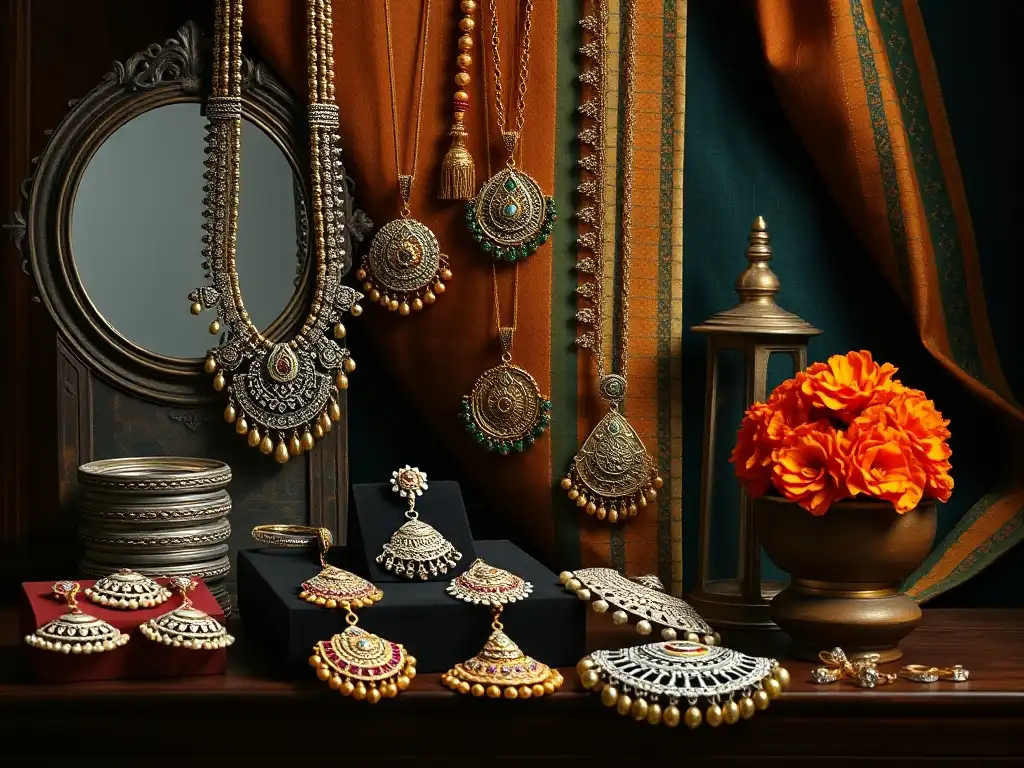
Top Online Retailers for Modern Indian Jewelry
The digital age has transformed the way consumers purchase jewelry, making it easier than ever to find authentic modern Indian jewelry from the comfort of your home. Several online retailers specialize in offering a wide variety of pieces that reflect the rich heritage and contemporary designs of Indian craftsmanship. Here are some top online platforms to consider:
- Craftsvilla
- Overview: Known for promoting Indian artisans, Craftsvilla offers a plethora of handcrafted jewelry that combines traditional techniques with modern aesthetics.
- Product Range: From statement pieces to delicate earrings, their collection showcases a variety of materials, including silver, gold, and semi-precious stones.
- Jaypore
- Overview: Jaypore curates unique jewelry pieces that reflect Indian culture and craftsmanship. They focus on sustainable and ethical sourcing.
- Product Range: Their collection includes modern interpretations of traditional designs, often featuring intricate detailing and vibrant colors.
- Amazon India
- Overview: A global giant, Amazon India has a dedicated section for authentic Indian jewelry, featuring both contemporary and traditional styles.
- Product Range: Customers can find a wide range of options from various sellers, including modern designs that incorporate traditional motifs.
- Etsy
- Overview: Etsy is a marketplace for independent artisans and crafters. Many Indian jewelers showcase their work here, offering unique and customizable pieces.
- Product Range: From minimalist modern jewelry to elaborate statement pieces, Etsy provides a diverse selection, often with the option to request custom orders.
- Saree.com
- Overview: While primarily known for traditional Indian clothing, Saree.com also offers a beautiful selection of modern Indian jewelry that complements their apparel.
- Product Range: Their jewelry typically features contemporary designs that align with current fashion trends while reflecting Indian heritage.
Local Artisans and Markets for Authentic Pieces
Purchasing modern Indian jewelry directly from local artisans and markets can provide a more personal experience and often ensures the authenticity of the pieces. Here are some notable locations across India where you can find exquisite jewelry:
- Johari Bazaar, Jaipur
- Overview: A historic market renowned for its array of jewelry shops, Johari Bazaar offers everything from traditional Kundan and Meena jewelry to contemporary designs.
- What to Look For: Seek out local artisans who create handmade pieces, ensuring you are purchasing authentic, one-of-a-kind items.
- Colaba Causeway, Mumbai
- Overview: This bustling street market is famous for its eclectic mix of shops and stalls selling modern jewelry at competitive prices.
- What to Look For: Look for unique, trendy pieces that showcase a blend of traditional craftsmanship and modern design.
- Shahpur Jat, Delhi
- Overview: An emerging hub for fashion and design, Shahpur Jat is home to several boutique stores that feature local artisans' work.
- What to Look For: Discover contemporary jewelry that often incorporates traditional techniques, providing a modern twist on ancient styles.
- Lajpat Nagar, Delhi
- Overview: A popular market known for its affordable jewelry, Lajpat Nagar offers a treasure trove of modern Indian jewelry options.
- What to Look For: Explore the various shops for trendy pieces that reflect the latest fashion while maintaining cultural integrity.
- Local Art Fairs and Exhibitions
- Overview: Keep an eye out for local fairs and exhibitions that showcase artisans from all over India. These events often feature stalls dedicated to jewelry.
- What to Look For: Engaging directly with artisans can lead to unique finds and opportunities for custom pieces.
By exploring both online and local avenues, you can find authentic modern Indian jewelry that resonates with your personal style while supporting the artisans and preserving the rich history of Indian craftsmanship.
Tips for Selecting the Right Modern Indian Jewelry
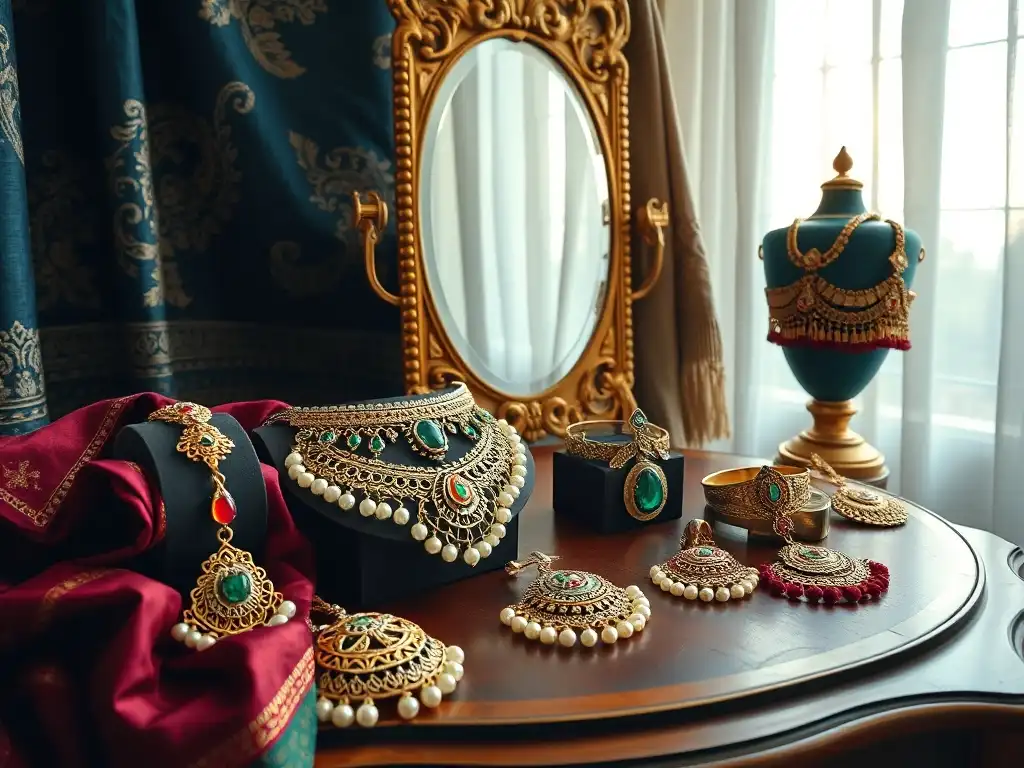
Selecting modern Indian jewelry can be a delightful yet overwhelming experience, given the vast array of styles, materials, and craftsmanship available. Whether you are looking for something traditional or contemporary, being informed about key factors can help you make an educated choice that resonates with your personal style and preferences.
Factors to Consider When Buying Modern Indian Jewelry
When purchasing modern Indian jewelry, several factors should guide your decision-making process:
- Material:
- Metals: Common choices include gold, silver, and high-quality alloys. Each metal carries its own significance and aesthetic appeal.
- Gemstones: Look for authentic gemstones, which can range from diamonds to semi-precious stones like turquoise and garnet. Familiarize yourself with the quality ratings, such as clarity, cut, and color.
- Craftsmanship: Pay attention to the details. Handcrafted pieces often reflect superior artistry compared to mass-produced items.
- Style:
- Traditional vs. Contemporary: Determine whether you prefer traditional designs inspired by historical motifs or modern interpretations that blend Indian and global aesthetics.
- Occasion: Consider the event for which the jewelry is intended. Formal events may call for ornate pieces, while casual outings might be better suited for simple designs.
- Authenticity:
- Certification: Always ask for certificates of authenticity, especially when purchasing high-value items. Look for reliable sellers who provide this documentation.
- Hallmarking: Ensure that gold and silver jewelry is hallmarked, indicating that it meets certain purity standards.
- Budget:
- Price Range: Set a budget before shopping to narrow down your options. Modern Indian jewelry varies widely in price, based on materials and craftsmanship.
- Value for Money: Seek pieces that offer a balance between quality and affordability. Sometimes, investing a bit more can ensure long-term satisfaction.
- Comfort:
- Fit and Wearability: Ensure that the jewelry is comfortable to wear. Try them on, if possible, to see how they feel on your body.
- Weight: Heavier pieces may look stunning but can be cumbersome over long periods. Choose jewelry that you can wear comfortably throughout the day.
Comparing Different Styles of Modern Indian Jewelry
Modern Indian jewelry encompasses a diverse range of styles, each with unique characteristics and cultural significance. Here’s a look at some popular styles:
| Style | Description | Occasions |
|---|---|---|
| Kundan | Traditional style using glass stones set in gold or silver, characterized by intricate designs. | Weddings, festive occasions |
| Meenakari | Features enamel work, often with vibrant colors and floral motifs. | Traditional events, celebrations |
| Contemporary Fusion | Blends traditional Indian elements with modern aesthetics, often using unconventional materials. | Casual outings, fashion events |
| Oxidized Jewelry | Darkened metal that offers a rustic look, often adorned with intricate patterns and motifs. | Everyday wear, bohemian styles |
| Temple Jewelry | Inspired by temple carvings, showcasing religious themes and figures, often made of gold or silver. | Festivities, religious events |
Understanding these factors and styles will empower you to choose modern Indian jewelry that not only enhances your wardrobe but also reflects your personal taste and cultural appreciation. Happy shopping!
Caring for Your Modern Indian Jewelry
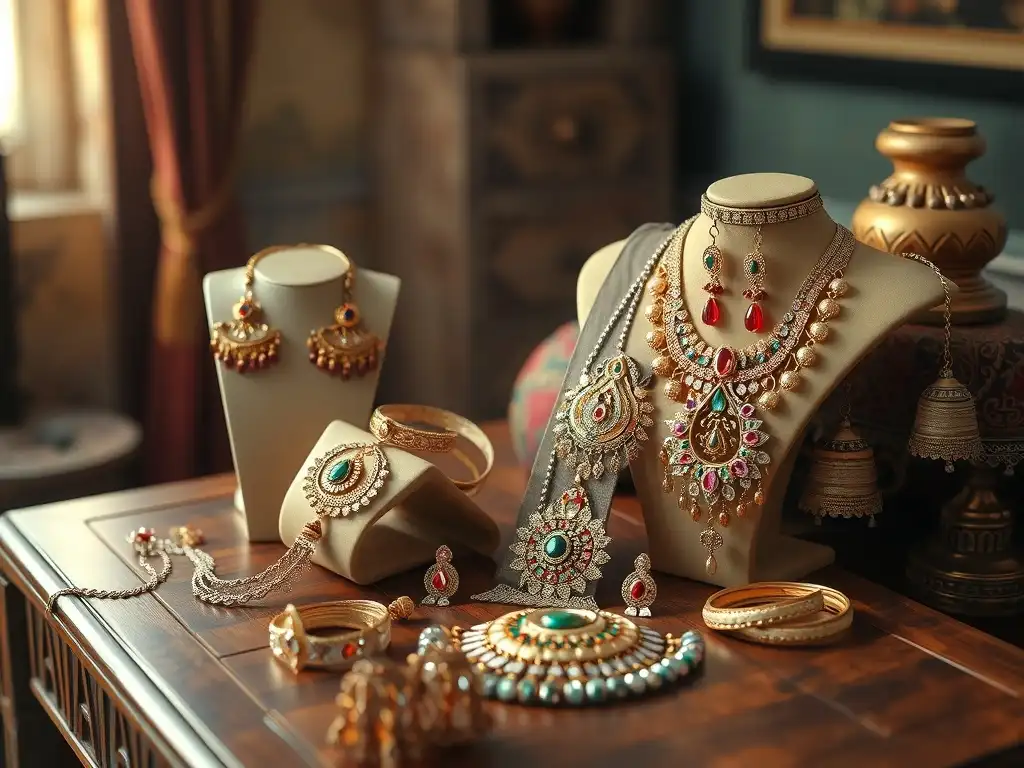
Caring for modern Indian jewelry is essential not only for maintaining its beauty but also for preserving its cultural significance. Given the intricate craftsmanship and the rich history behind each piece, proper care can ensure that these treasures remain in pristine condition for generations. Here, we detail some vital maintenance tips and guidelines for when to seek professional restoration services.
Maintenance Tips for Longevity
To keep your modern Indian jewelry looking as beautiful as the day you acquired it, follow these essential maintenance tips:
- Regular Cleaning:
- Use a soft, lint-free cloth to gently wipe your jewelry after each wear. This helps remove oils, dirt, and sweat that may accumulate.
- For more thorough cleaning, create a solution of lukewarm water and mild soap. Soak the jewelry for a few minutes, then use a soft brush (like a toothbrush) to scrub intricate areas. Rinse and dry with a soft cloth.
- Storage:
- Store your jewelry in a cool, dry place. Avoid exposing it to direct sunlight or humidity, which can tarnish metals and damage gemstones.
- Use individual pouches or compartments to prevent scratching and tangling. Consider using anti-tarnish pouches for silver or oxidized pieces.
- Avoiding Chemicals:
- Keep your jewelry away from harsh chemicals, including household cleaners, perfumes, and lotions, which can damage the finish and stones.
- Remove your jewelry before engaging in activities such as swimming or exercising to minimize exposure to saltwater, chlorine, and sweat.
- Regular Inspections:
- Periodically check your jewelry for loose stones, clasps, or any signs of wear. Early detection can prevent more significant damage.
- Pay special attention to pieces that you wear frequently, as they may require more regular maintenance.
- Handling with Care:
- Handle your jewelry gently, especially pieces with intricate designs or delicate chains. Avoid pulling or tugging, which can cause breakage.
When to Seek Professional Restoration Services
While regular care can significantly extend the life of your jewelry, there are instances when professional restoration becomes necessary. Here are situations that warrant the expertise of a jeweler:
- Loose or Missing Stones: If you notice that a stone is loose or has fallen out, seek professional help immediately. Jewelers can securely re-set stones and restore the piece to its original beauty.
- Severe Tarnishing or Discoloration: If your jewelry has become severely tarnished and standard cleaning methods do not restore its shine, a jeweler can offer professional cleaning services tailored to the specific materials of your jewelry.
- Structural Damage: If your jewelry has a broken clasp, bent metal, or any structural issues, it’s best to consult with a professional. Attempting to fix it yourself may result in further damage.
- Deep Cleaning: Some pieces may require deep cleaning techniques that only professionals can provide, especially those with intricate designs or multiple gemstones.
- Restoring Antique Jewelry: If your jewelry has significant historical value or is considered antique, professional restoration is crucial to preserve its integrity and value.
By following these maintenance tips and knowing when to seek professional help, you can ensure that your modern Indian jewelry remains not only a beautiful accessory but also a cherished piece of cultural history.
Frequently Asked Questions
What is the significance of modern Indian jewelry history?
The modern Indian jewelry history reflects the evolution of styles and techniques influenced by cultural changes, trade, and regional artistry, showcasing the rich heritage of Indian craftsmanship.
How has ancient Indian civilization influenced contemporary jewelry?
Ancient Indian civilization laid the foundation for many jewelry styles, using traditional materials and designs that continue to inspire modern artisans, blending heritage with contemporary aesthetics.
What are some key features of authentic modern Indian jewelry?
Authentic modern Indian jewelry often combines traditional techniques like meena and kundan with modern designs, emphasizing quality craftsmanship and the use of precious materials.
Where can I find authentic pieces of modern Indian jewelry?
You can explore reputable jewelry boutiques, online platforms, and exhibitions that specialize in Indian craftsmanship to find authentic pieces that reflect both heritage and modernity.
How do I distinguish between traditional and modern Indian jewelry?
Traditional jewelry is often characterized by intricate designs and heavy ornamentation, while modern jewelry tends to favor minimalist styles, innovative designs, and the use of mixed materials, appealing to contemporary tastes.
Final Reflection: Embracing the Evolution of Modern Indian Jewelry
The journey of modern Indian jewelry is a testament to the rich tapestry of culture and innovation that defines contemporary artistry. As we explore the intricate history of modern Indian jewelry, it becomes evident that these pieces are not merely adornments; they are symbols of identity, heritage, and transformation. In today's globalized world, where tradition meets modernity, the significance of these authentic pieces resonates more than ever, reminding us of the stories they carry and the craftsmanship that brings them to life.
Cultural narratives are woven into the very fabric of modern Indian jewelry, influencing fashion trends and personal expression across the globe. The resurgence of interest in authentic pieces reflects a broader movement towards valuing heritage and sustainability in our choices. As we embrace these modern designs, we also honor the artisans who pour their heart and soul into each creation. Jewelry is like the perfect spice; it always complements what’s already there.
This quote encapsulates the essence of how modern Indian jewelry enhances our individuality while celebrating our roots.
As you reflect on the insights shared in this article, I invite you to consider how you can incorporate the beauty and meaning of modern Indian jewelry into your own life. Seek out pieces that resonate with your personal story and values, and let them serve as a bridge between the past and the present. By choosing authentic modern jewelry, you not only adorn yourself but also become a part of a larger narrative that honors craftsmanship, culture, and connection. Embrace this journey, and let your choices reflect the rich history and vibrant future of modern Indian jewelry.
Explore the Beauty of Modern Indian Jewelry!
Thank you for diving into the world of contemporary Indian jewelry with us! We hope you’ve discovered the unique blend of tradition and innovation that these modern pieces offer. Now, let’s take your newfound knowledge a step further and immerse yourself in this vibrant culture.
Here’s how you can get started:
- Visit Local Artisans: Plan a trip to discover local jewelry artisans or boutiques in your area to find authentic pieces that reflect modern creativity.
- Share Your Favorites: Engage with us by sharing photos of your favorite contemporary jewelry on social media using #ModernIndianJewelry.
- Join Our Community: Become part of discussions on forums or social media to learn more about the latest trends in Indian jewelry.
What piece of contemporary Indian jewelry resonates with you the most, and how do you envision incorporating it into your personal style? We’d love to hear your thoughts in the comments!