
Gemstone Markets: The Economic Backbone of India's Jewelry Industry

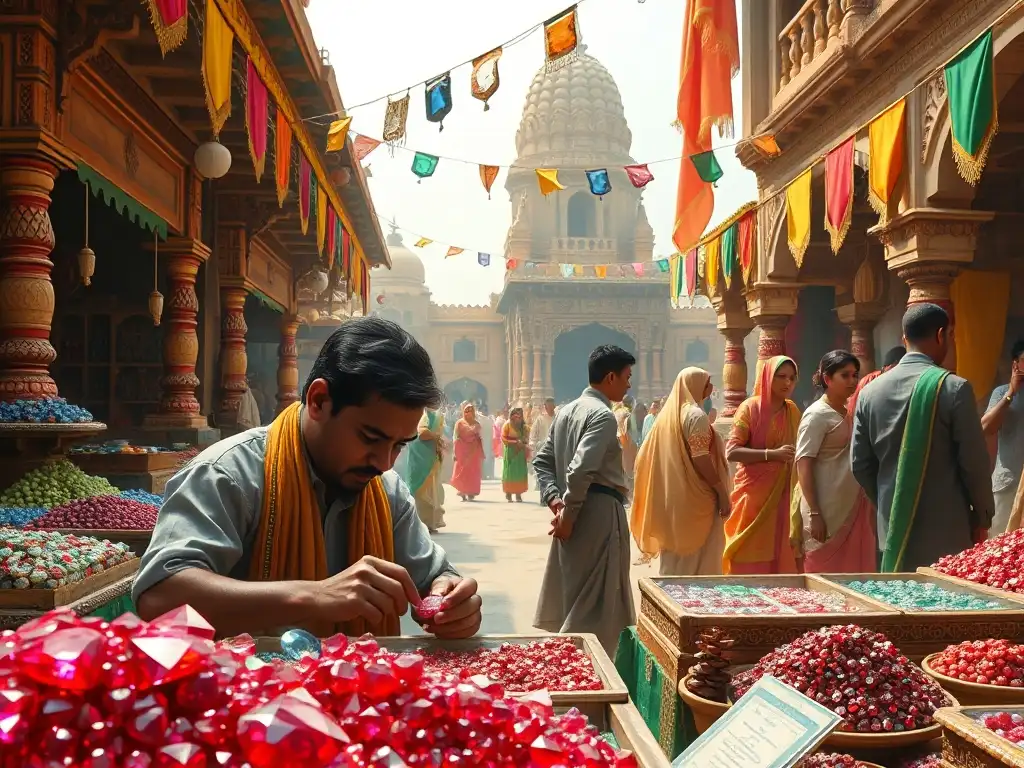
Welcome to Ancient India History, where we dive deep into the vibrant tapestry of India's past! Here, you will uncover the remarkable gemstone trade history that not only shaped the ancient economy but also laid the foundation for the exquisite jewelry industry we admire today. As we explore the bustling markets and the intricate artistry of gemstones, you'll discover how these precious stones were more than mere adornments; they were vital to the economic backbone of India's rich heritage.
Prepare to be captivated as we unravel the stories behind the glimmering gems and their enduring legacy. Join us on this enlightening journey and delve into the gemstone markets that once thrived in ancient India!
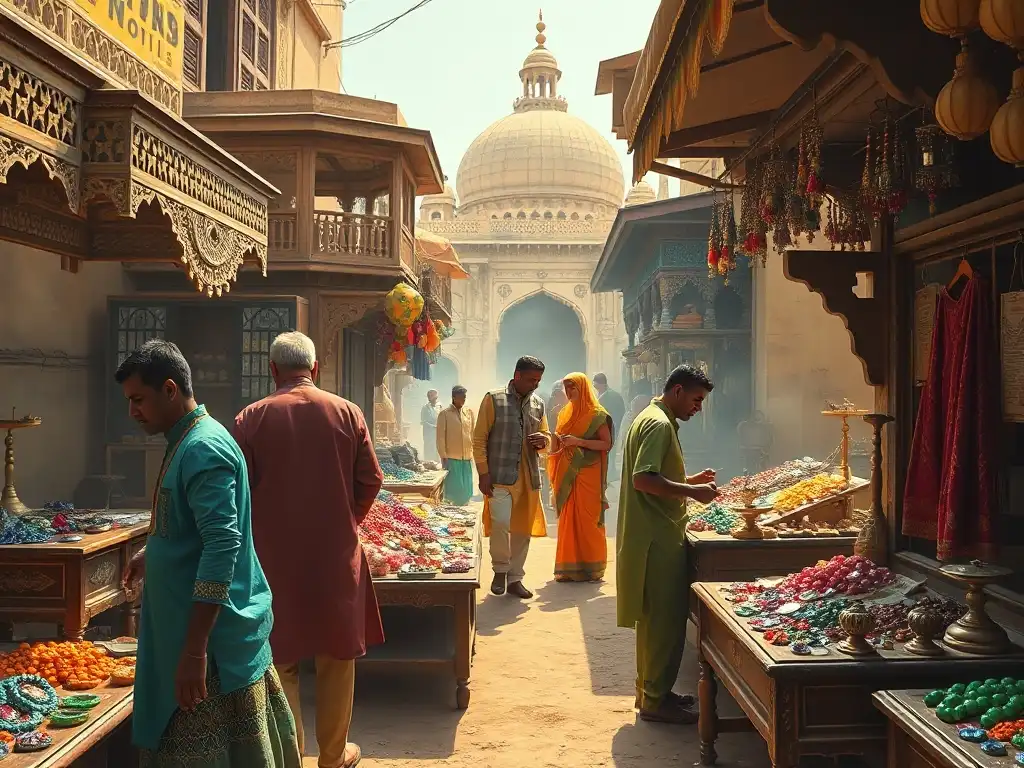
Introduction to Ancient Indian Gemstone Trade History
India's gemstone trade has a storied past that significantly contributed to its cultural and economic landscape. The country's rich geological diversity and historical significance have made it a central hub in the international gemstone market for centuries. From the dazzling diamonds of Golconda to the exquisite emeralds of the Mughal era, ancient Indian gemstones have not only adorned royalty but also played a crucial role in trade networks that spanned continents. This article delves into the ancient Indian gemstone trade history, exploring its origins, evolution, and the intricate markets that have flourished throughout the ages.
Historical Context of Gemstone Trade in India
The gemstone trade in India can be traced back to antiquity, with evidence suggesting that the subcontinent was actively involved in the trade of precious stones as early as 3000 BCE. Ancient texts, inscriptions, and archaeological findings reveal that gemstones were not merely decorative; they were also imbued with cultural and spiritual significance. The trade routes established during the Indus Valley Civilization set the stage for a flourishing exchange of gemstones, influencing both local economies and international trade.
The Origins of Gemstone Mining in Ancient India
Gemstone mining in ancient India is believed to have begun in the regions now known as Gujarat, Rajasthan, and Madhya Pradesh. These areas were rich in a variety of gemstones, including diamonds, rubies, sapphires, and garnets. The Indus Valley Civilization (c. 3300–1300 BCE) is particularly notable for its trade in semi-precious stones, which were crafted into beads and ornaments.
Archaeological excavations have uncovered evidence of skilled craftsmanship and sophisticated trading practices, highlighting the importance of gemstones in ancient Indian society. The Mughals, who ruled from the 16th to the 18th century, further advanced the gemstone industry, introducing intricate designs and a demand for larger, more valuable stones, thus elevating India's status in the global gemstone market.
The Evolution of Gemstone Markets through the Ages
As trade networks expanded, the gemstone markets in India evolved significantly. During the Maurya and Gupta Empires, the gemstone trade became more organized, with merchants establishing trade guilds that facilitated the distribution of gemstones throughout the Indian subcontinent and beyond.
The rise of maritime trade routes during the medieval period allowed Indian gemstones to reach distant lands, including Europe and the Middle East. The influx of foreign traders and the establishment of trading posts contributed to the vibrant marketplace atmosphere that characterized cities like Jaipur and Surat, renowned for their gem trading activities.
The ancient Indian gemstone trade history is a testament to the country’s rich cultural heritage and economic prowess. The vibrant markets that emerged over the centuries not only reflect the craftsmanship of ancient jewelers but also the intricate social and economic networks that shaped India's position as a major player in the global gemstone trade.
Key Gemstone Markets in India
India's gemstone market is a vibrant tapestry woven with tradition, skill, and economic significance. The country is home to numerous key gemstone markets, each with its unique specialties and historical importance. Among these, Jaipur, Surat, and Hyderabad stand out as prominent centers of gemstone trade, contributing significantly to both local economies and the national market. From exquisite rubies and emeralds to the dazzling diamonds and the famous pearls, these cities encapsulate the rich history and ongoing legacy of the ancient Indian gemstone trade.
Jaipur: The Pink City and Its Gemstone Hub
Jaipur, famously known as the Pink City, is renowned for its rich cultural heritage and vibrant markets, particularly in the realm of gemstones. The city has been a significant player in the gemstone trade since ancient times, with its artisans specializing in cutting and polishing stones, especially semi-precious varieties.
Jaipur's gemstone market is characterized by its vast array of colored stones, including sapphires, topaz, and turquoise. The city is also famous for its unique craftsmanship in jewelry making, blending traditional techniques with contemporary designs. The Johari Bazaar in Jaipur is a bustling hub where vendors showcase their dazzling creations, drawing not just locals but also international buyers.
Furthermore, the establishment of the Gem and Jewelry Export Promotion Council has bolstered Jaipur's position as a leading exporter of gemstones, facilitating trade with global markets. This has helped sustain the city’s economy, providing jobs and supporting local artisans.
Surat: The Diamond Capital of the World
Surat is often referred to as the "Diamond Capital of the World," playing a pivotal role in the global diamond industry. Historically, Surat was the first port city of India, from where diamonds were traded to Europe and the Middle East. Today, it processes around 90% of the world’s diamonds, making it a crucial marketplace in the gemstone trade.
The diamond-cutting industry in Surat has thrived due to its skilled craftsmanship and innovative techniques. The city hosts numerous diamond polishing units, employing thousands of artisans who meticulously transform rough diamonds into sparkling gems. The Surat Diamond Bourse, a state-of-the-art facility opened in recent years, has further enhanced the city's status, providing a modern platform for diamond trading.
The economic impact of Surat's diamond industry is profound, contributing to both local employment and national revenues. The city's gemstone market not only supports the livelihoods of many families but also plays a significant role in boosting India's overall economy.
Hyderabad: The City of Pearls and Gemstones
Hyderabad, often referred to as the "City of Pearls," is steeped in history and tradition in gemstone trading. Its legacy dates back to the 16th century when it was known for its pearl and diamond trading, largely due to the wealth of the Nizams.
The city is particularly famed for its exquisite pearls, which are sourced from the Arabian Gulf and crafted into stunning jewelry. In addition to pearls, Hyderabad's gemstone market includes a variety of colored stones and precious gems, reflecting the city's rich craftsmanship and artistic heritage.
Markets such as Sultan Bazaar and Shahran Market are bustling with activity, showcasing beautiful pieces that attract both local shoppers and tourists. The pearl trade is not just a commercial activity; it is an integral part of the city's culture and identity, contributing significantly to its economy.
Economic Impact of Gemstone Trade in India
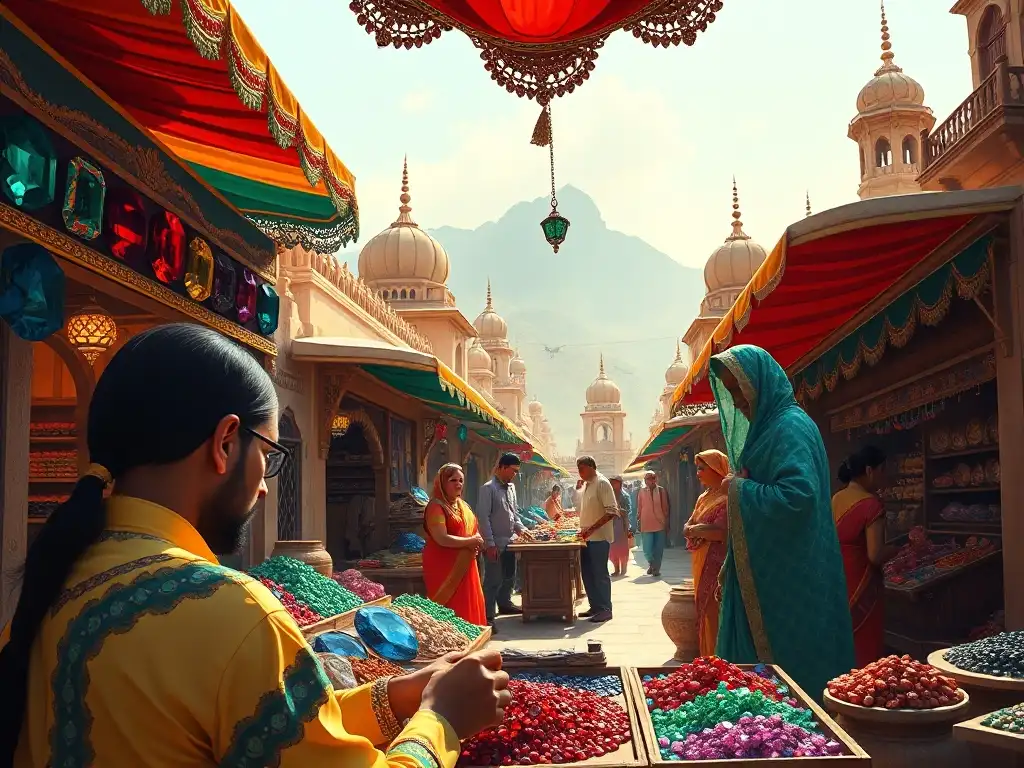
The gemstone trade in India is not merely a commercial enterprise; it serves as a vital component of the country's economy. The economic impact is multifaceted, affecting local communities, promoting craftsmanship, and generating significant revenue through exports.
Contribution to Local and National Economy
The gemstone trade has a profound economic impact at both local and national levels. Locally, it provides livelihoods to millions of artisans, craftsmen, and workers involved in mining, processing, and selling gemstones. This not only sustains families but also preserves traditional skills and techniques that have been passed down through generations.
Nationally, the gemstone industry contributes significantly to India's export economy. With a diverse range of gemstones, including diamonds, emeralds, and rubies, India ranks among the top exporters in the global market. In 2021, the export of cut and polished diamonds alone accounted for approximately $24 billion, showcasing the industry’s importance.
Moreover, the growth of the gemstone market has led to advancements in related sectors, such as tourism, as gem fairs and exhibitions attract international visitors, further enhancing economic opportunities.
Challenges Facing the Gemstone Market
Despite its robust growth, the gemstone market in India faces several challenges that could impact its long-term sustainability. One of the primary challenges is the fluctuation in global demand, which can lead to price volatility and uncertainty for local artisans and traders.
Additionally, ethical sourcing has become a significant concern in recent years. Issues related to conflict diamonds and environmental degradation necessitate stricter regulations and transparency in the supply chain. The industry must adapt to these challenges by embracing sustainable practices and ensuring fair wages for workers.
Moreover, competition from synthetic gemstones and changing consumer preferences pose further challenges. As the market evolves, it is crucial for India's gemstone industry to innovate and maintain its unique identity while addressing these modern challenges to continue thriving in the global arena.
Ancient Techniques and Modern Innovations in Gemstone Trading
The gemstone trade in India has a storied history, tracing back thousands of years. Ancient Indian artisans employed intricate techniques that have been passed down through generations, contributing to the country’s reputation as a hub for gemstone production and trading. These traditional methods continue to coexist with modern innovations, creating a vibrant marketplace that is both deeply rooted in history and dynamically evolving.
Traditional techniques in gemstone crafting, such as cabochon cutting and bead-making, utilized simple hand tools and were reliant on the artisan's skill and intuition. Craftsmen would often work with locally sourced materials, honing their skills through years of experience. This artisanal approach ensured a personal touch in every piece, showcasing the unique characteristics of each gemstone.
In contrast, modern innovations have revolutionized the gemstone trade. The introduction of advanced machinery and digital technologies has enhanced precision in cutting and polishing, leading to higher quality finishes and reducing waste. Techniques such as laser cutting and computer-aided design (CAD) now allow for intricate designs that were previously impossible. Furthermore, technology has streamlined the trading process, enabling online marketplaces and real-time pricing, which has broadened access to both buyers and sellers.
Traditional Craftsmanship in Gemstone Cutting and Setting
Traditional craftsmanship in gemstone cutting and setting remains a cornerstone of India's jewelry industry. Indian artisans are renowned for their meticulous attention to detail, which is evident in various cutting styles, such as the popular rose cut and the brilliant cut. Each cut not only enhances the gemstone's natural beauty but also reflects the cultural significance of the piece.
The art of gemstone setting is equally important, with techniques like prong setting and bezel setting being widely practiced. Artisans often use age-old methods, such as "jadau," which involves embedding gemstones into gold using a special wax technique. This method is not only visually stunning but also deeply rooted in Indian heritage, often seen in traditional bridal jewelry.
Moreover, the craftsmanship extends beyond the gems themselves. The intricate metalwork that accompanies gemstone settings showcases the skills of goldsmiths and silversmiths, often incorporating motifs and patterns that are symbolic of Indian culture. This fusion of artistry in both gemstone cutting and metal setting ensures that each piece tells a story, connecting the wearer to a rich historical narrative.
Technological Advances in Gemstone Trading
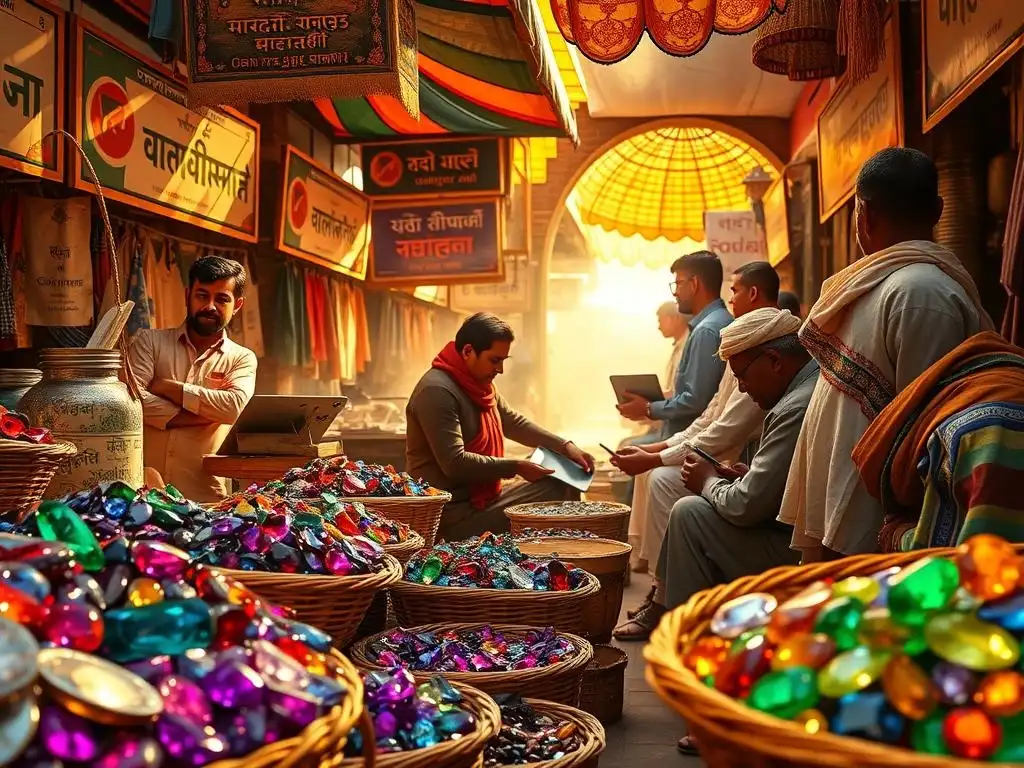
The gemstone trading landscape in India has dramatically transformed with technological advances, making it more efficient and transparent. Digital platforms have emerged, allowing traders to connect with a global audience. Online marketplaces have simplified the buying and selling process, providing extensive listings and detailed information about gemstones, including their origins and certifications.
Blockchain technology is another revolutionary development impacting the gemstone trade. By providing a secure and transparent ledger, blockchain ensures the authenticity and traceability of gemstones, addressing issues related to conflict stones and unethical sourcing. This innovation fosters greater trust among consumers, who are increasingly concerned about the ethical implications of their purchases.
Additionally, advancements in gemological science, such as spectroscopy and high-resolution imaging, allow for more accurate assessments of gemstone quality. These tools enable gemologists to identify treatments and enhancements, providing consumers with reliable information that influences their buying decisions. As a result, the intersection of technology and tradition is paving the way for a more informed and responsible gemstone market.
Conclusion: The Future of Gemstone Markets in India
The future of gemstone markets in India appears promising, driven by a blend of traditional craftsmanship and modern technological advancements. As global demand for ethically sourced gemstones continues to rise, Indian artisans and traders are uniquely positioned to meet this challenge. The emphasis on sustainable practices and transparency will likely shape the next phase of the gemstone industry.
Moreover, the ongoing evolution of digital platforms will facilitate wider access to Indian gemstones, promoting cultural heritage while boosting economic growth in the sector. As new generations of artisans emerge, they bring fresh ideas and innovations to age-old practices, ensuring that the rich legacy of India's gemstone trade endures.
In essence, the gemstone markets in India are not just a reflection of economic activity but also a testament to the nation's cultural richness and historical significance in the global jewelry landscape. With a commitment to preserving traditional techniques while embracing modernity, the future of ancient Indian gemstone trade history remains bright and full of potential.
Call to Action
As we delve into the fascinating world of ancient Indian gemstone trade history, it becomes evident that the markets and practices established centuries ago continue to influence contemporary jewelry industries. The rich legacy of gemstone trading in India not only shaped its economic landscape but also contributed significantly to cultural exchanges and artistic expressions across regions.
To further explore the intricate tapestry of ancient Indian gemstones and their markets, we encourage you to engage with our content:
- Subscribe to our newsletter for the latest updates on ancient Indian history, including articles, research findings, and insights into the rich heritage of gemstones.
- Join the conversation in our comment section below. Share your thoughts, experiences, or any questions you may have regarding the ancient gemstone trade and its impact on modern practices.
- Browse our other articles to discover more about specific gemstones, their historical significance, and the regions renowned for their unique contributions to the jewelry industry.
- Follow us on social media to connect with a community of history enthusiasts and gemstone lovers who share your passion for ancient Indian culture.
Your interaction and interest not only enrich your understanding but also support the preservation and appreciation of ancient Indian heritage. Let's continue exploring together!
- Introduction to Ancient Indian Gemstone Trade History
- Historical Context of Gemstone Trade in India
- Key Gemstone Markets in India
- Economic Impact of Gemstone Trade in India
- Ancient Techniques and Modern Innovations in Gemstone Trading
- Traditional Craftsmanship in Gemstone Cutting and Setting
- Technological Advances in Gemstone Trading
- Conclusion: The Future of Gemstone Markets in India
- Call to Action
- What was the significance of gemstones in ancient Indian trade?
- How did the gemstone trade impact ancient Indian society?
- Which gemstones were most sought after in ancient India?
- How did ancient Indian civilizations influence gemstone mining and trading?
- What were the main trade routes for gemstones in ancient India?
Frequently Asked Questions
What was the significance of gemstones in ancient Indian trade?
Gemstones played a crucial role in ancient Indian trade, contributing to the economy and enhancing cultural exchanges with other civilizations.
How did the gemstone trade impact ancient Indian society?
The gemstone trade fostered wealth accumulation, supported local artisans, and established trade routes that connected India with regions like the Middle East and Southeast Asia.
Which gemstones were most sought after in ancient India?
Ancient Indian markets highly valued diamonds, rubies, sapphires, and emeralds, making them integral to the jewelry industry and trade practices of the time.
How did ancient Indian civilizations influence gemstone mining and trading?
Ancient Indian civilizations developed sophisticated techniques for mining and polishing gemstones, establishing India as a global leader in the gemstone trade.
What were the main trade routes for gemstones in ancient India?
Key trade routes included the Silk Road and maritime paths, facilitating the export of Indian gemstones to foreign markets and enhancing international trade relationships.
Final Reflection: The Enduring Legacy of Ancient Indian Gemstone Trade
The ancient Indian gemstone trade has not only shaped the country's rich cultural heritage but also continues to play a pivotal role in the modern jewelry industry. Today, as we witness a resurgence in the appreciation for traditional craftsmanship and ethically sourced materials, the historical significance of gemstones in India becomes even more pronounced. The intricate ties between the past and present highlight the importance of preserving this legacy for future generations.
The influence of the gemstone trade extends beyond mere economic metrics; it is woven into the very fabric of Indian identity and artistry. From the vibrant bazaars of Jaipur to the bustling markets of Mumbai, the stories of artisans and traders echo the age-old traditions that have been passed down through generations. As noted by renowned gemologist Richard Hughes, Gems are not just stones; they are the embodiment of culture, history, and human emotion.
This sentiment encapsulates the profound connection that gemstones have with our collective identity, reminding us of the stories and craftsmanship that lie behind each piece of jewelry.
As we reflect on the significance of the gemstone markets in India's jewelry industry, I invite you to consider your own relationship with these beautiful treasures. How can you engage with this rich history in your own life? Whether through supporting local artisans, learning about the ethical implications of gemstone sourcing, or simply appreciating the artistry involved, each of us has the power to contribute to the continuation of this vibrant legacy. Let us honor the past while embracing the future, ensuring that the ancient trade of gemstones remains a thriving part of our cultural narrative.
Unleash the Brilliance: Dive into India's Gemstone Markets!
Thank you for exploring the vibrant world of India's gemstone markets with us! You've uncovered valuable insights about how these gems shape not just jewelry but the very foundation of the economy. Now, let’s take these insights one step further.
Here’s how you can embrace the beauty and potential of this rich resource:
- Explore local gemstone shops in your area or visit online platforms to discover authentic pieces while supporting local artisans.
- Share your newfound knowledge! Use social media to inform your friends about the significance of gemstones in India's economy and culture.
- Join a community or forum focused on gemstones and jewelry—connect with enthusiasts, share experiences, and learn from each other.
Which gemstone story resonates with you the most, and how will you weave it into your own journey?