
Gemstone Markets of India: A Journey Through Culture and Craftsmanship

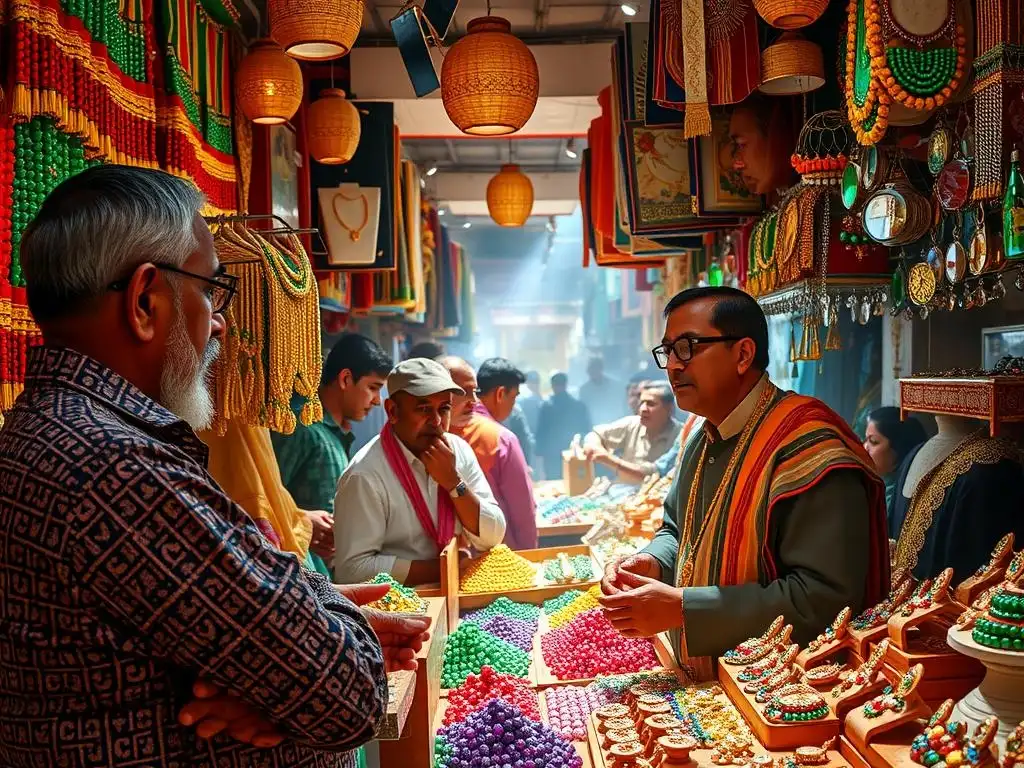
Welcome to Ancient India History, where we embark on a captivating journey through time to uncover the rich tapestry of India's past. In our featured article, "Gemstone Markets of India: A Journey Through Culture and Craftsmanship," we delve into the intriguing history of the Indian gemstone market, tracing its roots from the magnificent Indus Valley to the flourishing Gupta Empire.
Discover the artistry and cultural significance behind these exquisite treasures, and let your curiosity lead you deeper into the vibrant stories that shaped ancient civilizations. Prepare to be enchanted by the allure of gemstones and their profound impact on India's heritage!
-
Indian Gemstone Market History: An Exploration of Culture and Craftsmanship
- Introduction to the Indian Gemstone Market History
- The Evolution of Gemstone Markets in India
- Major Gemstone Markets in India
- Cultural Significance of Gemstones in India
- Challenges Facing the Indian Gemstone Market Today
- Future Trends in the Indian Gemstone Market
- Conclusion: The Enduring Legacy of the Indian Gemstone Market
- Call to Action: Explore the Indian Gemstone Market
-
Frequently Asked Questions
- What is the significance of gemstones in ancient Indian culture?
- How did the Indian gemstone market develop over time?
- Which gemstones are most associated with ancient India?
- What crafts and techniques are used in Indian gemstone jewelry?
- How does the modern Indian gemstone market compare to ancient times?
- Final Reflection: The Timeless Allure of India's Gemstone Heritage
- Embark on Your Own Jewelry Journey!
Indian Gemstone Market History: An Exploration of Culture and Craftsmanship
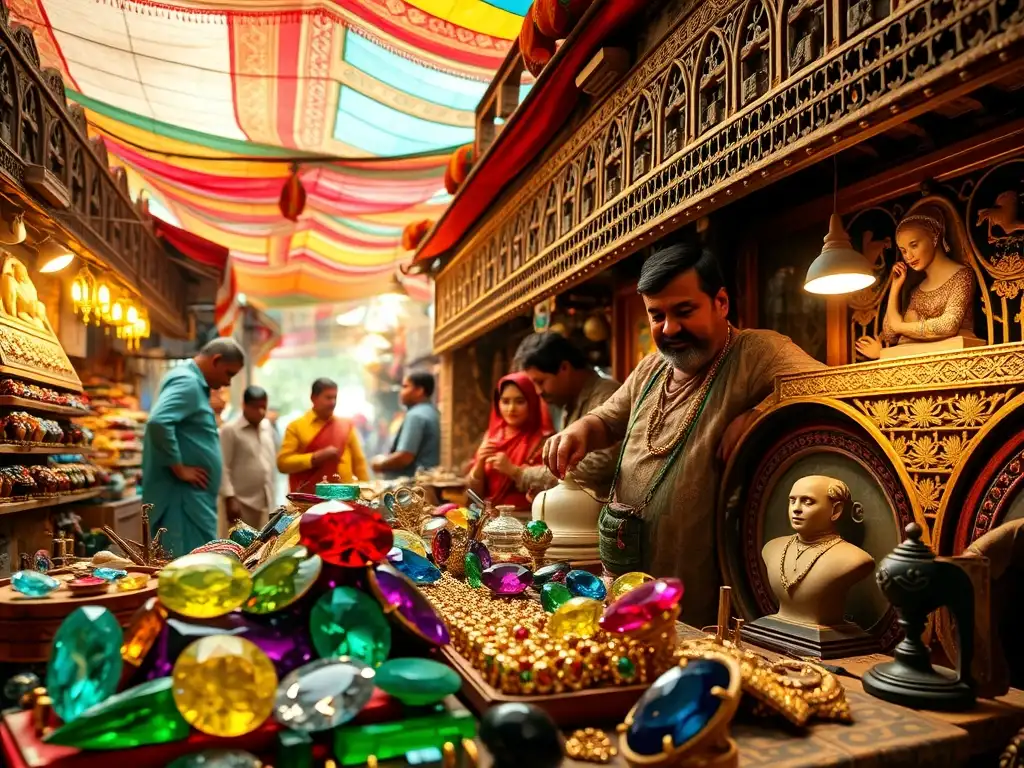
The Indian gemstone market has a storied history that reflects the rich tapestry of cultural evolution, artistic expression, and economic development throughout the ages. From the illustrious Indus Valley Civilization, known for its advanced trade networks, to the flourishing markets during the Gupta Empire, gemstones have played a crucial role in both local and global commerce.
This article delves into the intricate history of the Indian gemstone market, exploring how various civilizations contributed to its development, the artistry involved in gemstone craftsmanship, and the cultural significance these stones held in ancient Indian societies. As we navigate through this captivating journey, we will uncover the profound impact gemstones have had on Indian culture and their enduring legacy in contemporary markets.
Introduction to the Indian Gemstone Market History
The Indian gemstone market is not merely a commercial enterprise; it is a reflection of the country's historical and cultural evolution. With a legacy that dates back thousands of years, India has been a central hub for gemstone trade, attracting traders and craftsmen from around the world.
The significance of gemstones in India extends beyond their aesthetic appeal; they embody spiritual beliefs, social status, and artistic heritage. In this section, we will provide an overview of how the Indian gemstone market has transformed over the centuries, setting the stage for a deeper exploration of its ancient origins and cultural roles.
The Evolution of Gemstone Markets in India
The development of gemstone markets in India can be traced through several key periods, each characterized by unique practices and influences.
Ancient Origins of Gemstone Trade
- Indus Valley Civilization (c. 3300–1300 BCE): The trade of gemstones began during the Indus Valley Civilization, where evidence suggests that lapidaries crafted beads and ornaments from semi-precious stones like carnelian and agate. These stones were not only used locally but were also traded with distant lands, highlighting the region's early integration into global commerce.
- Maurya Empire (c. 322–185 BCE): The Mauryan period saw an expansion in trade routes and an increase in demand for precious stones. The famous trade routes, including the Silk Road, facilitated the exchange of gemstones, allowing Indian artisans to showcase their exquisite craftsmanship on an international stage.
- Medieval Period: The arrival of Persian and Mughal influences brought new designs and techniques in gemstone cutting and setting. The Mughal emperors, in particular, were known for their love of gemstones, leading to a thriving market centered around cities like Jaipur and Delhi, where artisans created intricate jewelry pieces.
The Role of Gemstones in Ancient Indian Cultures
Gemstones in ancient India were more than decorative items; they held deep cultural and spiritual significance:
- Symbolism: Each gemstone was attributed with specific powers and meanings. For instance, rubies symbolized passion and power, while emeralds were believed to bring prosperity and harmony.
- Religious Practices: In Hinduism and Buddhism, gemstones were often used in rituals and offerings. Certain stones were believed to enhance spiritual energy and provide protection.
- Social Status: The possession of gemstones was a clear indicator of wealth and status in ancient society. Royal families and affluent merchants adorned themselves with elaborate jewelry made from precious stones, which also served to represent their power and influence.
The historical journey of the Indian gemstone market illustrates a fascinating blend of commerce, culture, and craftsmanship that continues to thrive today. As we move forward in this article, we will explore the contemporary landscape of the gemstone market in India, analyzing how its rich heritage informs current practices and trends.
Major Gemstone Markets in India
India has a rich history of gemstone trading, with several cities recognized as major hubs for the sale, processing, and crafting of gemstones. Each of these markets has its unique offerings and historical significance, contributing to the vibrant tapestry of India's gemstone industry.
- Jaipur is renowned for its colorful array of semi-precious stones, particularly turquoise, amethyst, and garnet. The city is a center for traditional craftsmanship, where artisans employ ancient techniques to create intricate jewelry designs.
- Ahmedabad, known for its diamond processing industry, serves as a critical point in the global diamond supply chain. The city boasts numerous cutting and polishing units, making it a central hub for diamond trading.
- Surat has earned the title of the "Diamond City of India" due to its extensive diamond cutting and polishing operations. Over 90% of the world's diamonds are processed here, showcasing the city's importance in the global diamond market.
- Hyderabad, often referred to as the "City of Pearls," has a historical connection to pearl trading and is famous for its exquisite pearl jewelry. The city has evolved into a significant market for both pearls and other precious stones.
Cultural Significance of Gemstones in India
Gemstones hold a profound cultural significance in India, intertwined with various aspects of life, tradition, and beliefs. Their importance transcends mere aesthetics, as they are often associated with spiritual and astrological practices.
Gemstones in Indian Mythology and Folklore
In Indian mythology, gemstones are often attributed with divine properties and are linked to various deities. For instance, the Navaratna, or nine gems, are believed to represent the nine celestial bodies and are considered to bring prosperity and protection to their wearers. Each gemstone is associated with specific planetary influences, with rubies, emeralds, and diamonds being particularly revered for their spiritual significance. Folklore also attributes magical properties to certain stones, such as the belief that wearing a sapphire can enhance wisdom and clarity of thought.
Craftsmanship: The Art of Gemstone Cutting and Polishing
The craftsmanship involved in gemstone cutting and polishing is a blend of art and science that has been perfected over centuries in India. Skilled artisans employ traditional techniques, often passed down through generations, to shape raw gemstones into dazzling pieces of jewelry. This meticulous process requires a deep understanding of the properties of each stone, as well as an artistic eye to enhance their natural beauty.
The intricate designs often reflect cultural motifs and historical narratives, making each piece not only a work of art but also a representation of India's rich heritage. Jaipur, in particular, is famed for its unique gemstone cutting styles, which enhance the brilliance and color of the stones, further solidifying India's reputation as a leader in gemstone craftsmanship.
The Indian gemstone market is steeped in history, culture, and craftsmanship, making it a vital part of the country’s heritage and an essential aspect of its economic landscape.
Challenges Facing the Indian Gemstone Market Today
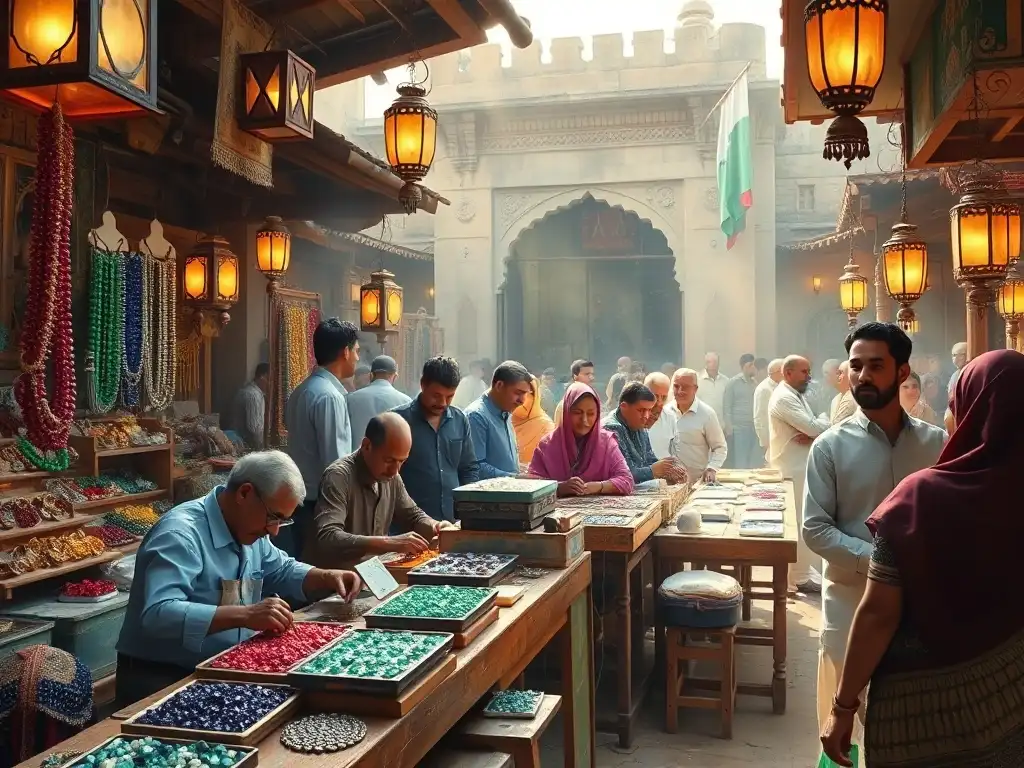
The Indian gemstone market, despite its rich history and cultural significance, faces several challenges that threaten its growth and sustainability. These challenges stem from both internal dynamics and external pressures, influencing the traditional practices and future prospects of this vibrant industry.
Ethical Concerns and Sustainable Practices
One of the most pressing issues in the Indian gemstone market is the ethical sourcing of gemstones. There is an increasing demand from consumers for transparency regarding how and where gemstones are mined. Concerns regarding child labor, unsafe working conditions, and environmental degradation in mining practices have led to a push for more sustainable and ethical practices.
Many buyers are now more inclined to support gemstones that are certified as ethically sourced, which has prompted some local artisans and businesses to adopt sustainable practices. However, the lack of strict regulations and standards makes it challenging for many small-scale miners and sellers to comply fully with these ethical demands.
Moreover, the impact of mining on local communities and ecosystems cannot be overlooked. Sustainable practices require significant investment in technology and training, which many small operators cannot afford. Consequently, while there is a growing movement toward ethical sourcing, the transition is slow and fraught with challenges.
Competition from International Markets
Another major challenge is the intense competition from international markets. Countries like Brazil, South Africa, and Colombia have established themselves as significant players in the gemstone industry, often offering lower prices and high-quality stones. This competition has put pressure on Indian gemstone sellers to innovate and improve their product offerings.
Furthermore, globalization has made it easier for consumers to access gemstones from around the world, diminishing the local market's dominance. Indian artisans and vendors are now required to not only compete on price but also on quality, branding, and customer service. This competition necessitates a strategic response from the Indian gemstone market to maintain its relevance and appeal to both domestic and international buyers.
Future Trends in the Indian Gemstone Market
As the Indian gemstone market navigates its challenges, several trends are emerging that could shape its future. These trends reflect changing consumer preferences, advancements in technology, and the broader economic landscape.
The Rise of Online Gemstone Retail
One of the most significant trends is the rise of online gemstone retail. The COVID-19 pandemic accelerated the shift toward e-commerce as consumers increasingly turned to digital platforms for purchasing gemstones. This shift not only expands the market reach for Indian artisans but also allows for greater transparency and education for consumers regarding gemstone quality and sourcing practices.
Online platforms enable sellers to showcase their products to a global audience, breaking geographical barriers that previously limited their customer base. Additionally, the rise of social media has enhanced marketing strategies, allowing artisans to connect directly with potential buyers and build a brand presence that resonates with modern consumers.
Innovations in Gemstone Technology
Innovations in gemstone technology also play a crucial role in shaping the future of the Indian gemstone market. Advances in gemstone treatment and enhancement techniques can improve the quality and appearance of stones, making them more appealing to consumers. Technologies such as laser cutting and high-precision imaging allow for greater creativity and design possibilities in gemstone jewelry.
Moreover, the adoption of blockchain technology for traceability is emerging as a significant trend. By ensuring that gemstones can be traced back to their source, vendors can provide assurances of ethical sourcing, appealing to the conscience of consumers who prioritize sustainability. This technological integration can enhance consumer trust and promote a more robust market for ethically sourced gemstones.
While the Indian gemstone market faces considerable challenges, the emerging trends of online retail and technological innovations present exciting opportunities for growth and evolution. Addressing ethical concerns and competing effectively in the global marketplace will be critical for the market's sustainability and success in the future.
Conclusion: The Enduring Legacy of the Indian Gemstone Market
The Indian gemstone market has a profound and enduring legacy that spans thousands of years, deeply intertwined with the cultural, spiritual, and economic fabric of the nation. From the ancient trade routes of the Indus Valley civilization to modern-day bazaars, this market has not only facilitated commerce but has also served as a canvas for craftsmanship and artistic expression. The intricate designs and techniques passed down through generations highlight the artisans' dedication and skill, making Indian gemstones synonymous with beauty and quality.
Moreover, the gemstones of India—such as diamonds from Golconda, sapphires from Kashmir, and rubies from Myanmar—have played significant roles in both local and international traditions. The historical context behind these gemstones reveals stories of trade, conquests, and cultural exchanges that have shaped not just the Indian subcontinent, but also global markets. As we reflect on this legacy, it becomes evident that the Indian gemstone market is not merely a commercial hub but a treasure trove of history, showcasing a blend of tradition and innovation.
Call to Action: Explore the Indian Gemstone Market
Are you intrigued by the rich history and craftsmanship of the Indian gemstone market? Whether you are a collector, a jewelry enthusiast, or simply someone who appreciates the beauty of gemstones, there is no better time to dive into this vibrant world.
- Visit Local Markets: Experience the bustling atmosphere of gemstone markets like Jaipur, Surat, and Kolkata, where you can witness artisans at work and explore a wide variety of gemstones.
- Join Guided Tours: Participate in guided tours that delve into the history and significance of gemstones in Indian culture, providing insights that you won't find in books.
- Learn About Craftsmanship: Take workshops that offer hands-on experience in gemstone cutting and jewelry making, allowing you to appreciate the intricate skills involved.
- Collect Unique Pieces: Discover rare gemstones and exquisite jewelry pieces that reflect the rich heritage of Indian craftsmanship.
Embark on your journey through the Indian gemstone market today and uncover the timeless treasures that await! 🌟
Frequently Asked Questions
What is the significance of gemstones in ancient Indian culture?
Gemstones have played a crucial role in ancient Indian culture, symbolizing wealth, power, and spirituality. They were often used in jewelry, amulets, and even in royal insignias.
How did the Indian gemstone market develop over time?
The Indian gemstone market has evolved through trade routes and cultural exchanges. From the Indus Valley Civilization to the Gupta Empire, the demand for gemstones shaped its economic landscape.
Which gemstones are most associated with ancient India?
Ancient India is renowned for diamonds, rubies, emeralds, and sapphires. These gemstones were valued not only for their beauty but also for their metaphysical properties.
What crafts and techniques are used in Indian gemstone jewelry?
Indian artisans employ various craftsmanship techniques, including carving, polishing, and setting. The use of intricate designs and traditional methods enhances the uniqueness of Indian gemstone jewelry.
How does the modern Indian gemstone market compare to ancient times?
The modern Indian gemstone market has expanded globally, incorporating technology and marketing strategies. However, it still retains the cultural essence and craftsmanship that characterized its ancient roots.
Final Reflection: The Timeless Allure of India's Gemstone Heritage
The rich tapestry of India's gemstone market history is not just a reflection of its vibrant past but a living testament to the cultural and economic significance that gemstones hold today. As we traverse through the intricate narratives of craftsmanship and tradition, we uncover how these precious stones continue to shape identities, influence economies, and inspire artistry in contemporary society. The allure of gemstones transcends mere aesthetics; it embodies stories of heritage, passion, and resilience that resonate with us even in the modern age.
Culture and craftsmanship are deeply intertwined in the Indian gemstone market, influencing everything from local economies to global trends. The ongoing appreciation for these gems highlights their role as symbols of status, beauty, and spirituality. As we witness the revival of traditional techniques and the emergence of sustainable practices, it becomes evident that the legacy of India's gemstone artisans is not merely a chapter in history but a vibrant part of our present and future. Jewels are like a reflection of one's soul, carrying the essence of the earth and the artistry of humanity.
As we conclude this exploration of the gemstone markets of India, I invite you to reflect on the significance of these gems in your own life. Consider how the values of craftsmanship, sustainability, and cultural heritage can inspire your choices and actions.
Whether you are an admirer of these exquisite stones or someone seeking to understand their deeper meanings, let this journey encourage you to appreciate the stories behind each gem and the artisans who bring them to life. Embrace the beauty of this heritage and allow it to guide you in your personal and professional endeavors, fostering a connection that honors both the past and the future.
Embark on Your Own Jewelry Journey!
Thank you for taking the time to explore the vibrant world of India's gemstone markets and the rich craftsmanship behind them. You've uncovered the intricate relationship between culture and artistry that shapes this captivating industry. Now, it's time to carry this inspiration forward!
Here are a few meaningful actions you can take to deepen your connection to this topic:
- Visit a local artisan or marketplace to discover unique gemstones while supporting sustainable practices.
- Share your newfound knowledge with friends and family on social media, or even organize a small gathering to celebrate the beauty of Indian craftsmanship.
- Explore further by reading books or attending workshops focused on gemstone identification and the cultural significance of various stones.
What gemstone tells your personal story, and how would you highlight its beauty?