
The Gupta Empire's Gemstone Revolution: Luxury and Symbolism in Jewelry

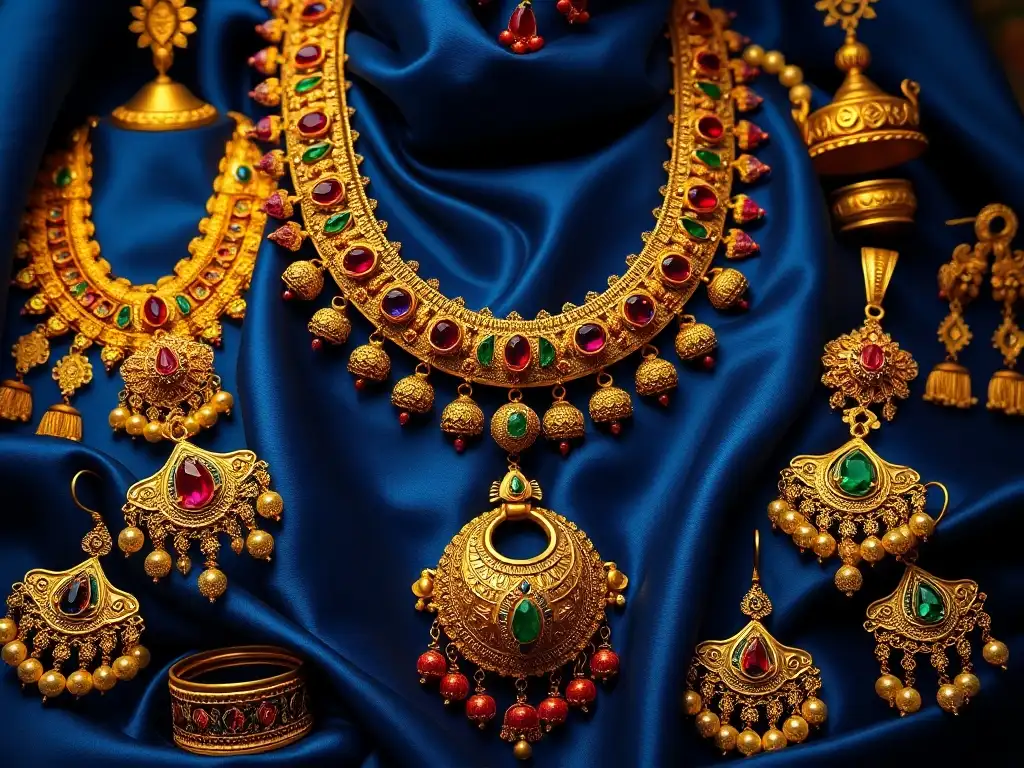
Welcome to Ancient India History, where we embark on a fascinating journey through time, uncovering the rich tapestry of civilizations that shaped the subcontinent. In our featured article, “ The Gupta Empire's Gemstone Revolution: Luxury and Symbolism in Jewelry,” we delve into the intricate world of Gupta Empire jewelry symbolism, revealing how these exquisite adornments reflect not only status and wealth but also profound cultural meanings.
Prepare to be captivated as we explore the artistry and significance behind the shimmering gems that adorned the nobility of one of India’s golden ages. Join us as we unlock the secrets of ancient craftsmanship and the vibrant history that continues to influence modern aesthetics.
Introduction to the Gupta Empire and Its Cultural Impact
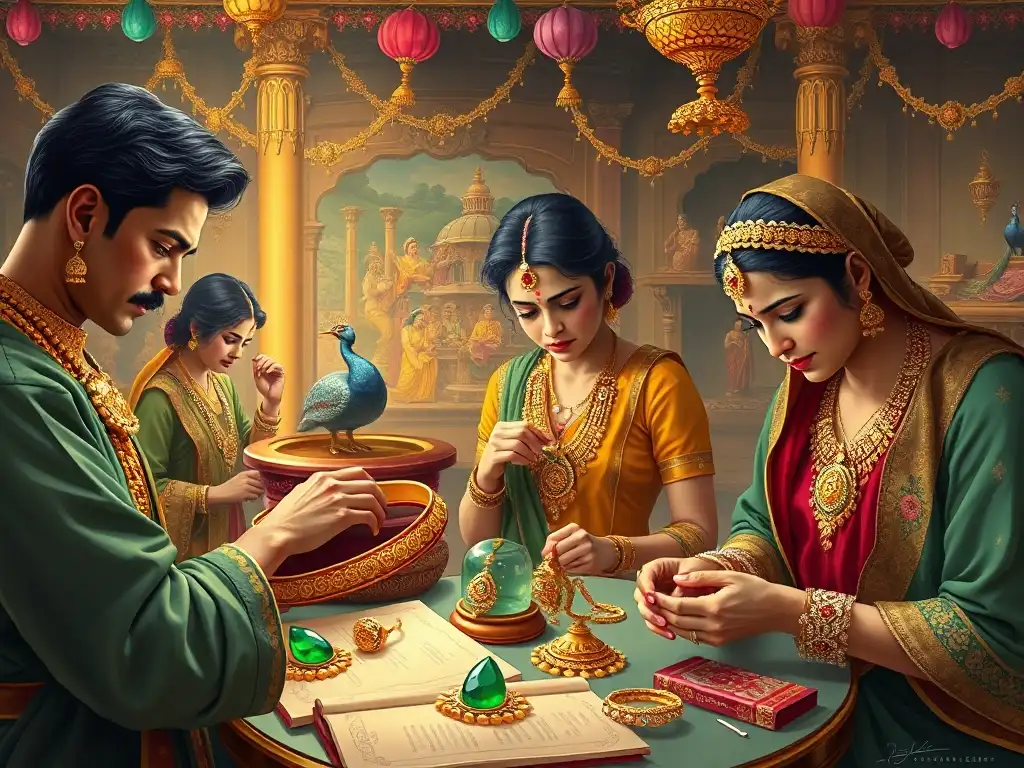
The Gupta Empire, often referred to as the "Golden Age" of ancient India, flourished from approximately 320 to 550 CE. This period is renowned for its remarkable achievements across various fields, including science, mathematics, literature, and the arts. The cultural legacy left by the Gupta Empire has profoundly influenced the course of Indian history, especially in the realms of art and jewelry.
Among the various forms of artistic expression, jewelry played a significant role, symbolizing status, wealth, and cultural identity within Gupta society. Understanding the intricacies of Gupta Empire jewelry symbolism not only sheds light on the aesthetic preferences of the time but also reveals the deeper social and spiritual meanings embedded within these exquisite adornments.
Overview of the Gupta Empire’s Historical Context
The Gupta Empire emerged in northern India, establishing a vast and influential realm that spanned much of the subcontinent. Under the reign of influential emperors like Chandragupta I and Samudragupta, the empire experienced economic prosperity and cultural advancements. The flourishing trade routes contributed to the exchange of goods, ideas, and artistic styles, which greatly impacted the craftsmanship of jewelry. The use of gold, silver, and precious gemstones became prominent, reflecting both the wealth of the empire and its sophisticated artisanal skills.
Significance of Art and Jewelry in Gupta Society
In Gupta society, art and jewelry were not merely decorative; they were integral to social status and cultural expression. Jewelry pieces served multiple functions, ranging from personal adornment to ceremonial significance. The designs often incorporated intricate craftsmanship and symbolic elements that conveyed messages about the wearer's identity, beliefs, and social standing. Additionally, jewelry was commonly used in religious rituals and as offerings, reinforcing its importance in both personal and communal contexts.
Understanding Gupta Empire Jewelry Symbolism
The symbolism found in Gupta Empire jewelry is rich and multifaceted, reflecting the spiritual and cultural dimensions of the time. Through various motifs and symbols, these adornments tell stories of the empire's values, beliefs, and artistic endeavors.
The Role of Symbols in Gupta Jewelry
Symbols in Gupta jewelry were not arbitrary; they held significant meaning and were often drawn from religious and cultural narratives. Common symbols included:
- Lotus: Representing purity and enlightenment.
- Peacock: A symbol of beauty and grace, often associated with royalty.
- Conch Shell: Signifying auspiciousness and invoking divine protection.
These symbols were carefully crafted into the jewelry, enhancing its aesthetic appeal while embedding deeper meanings that resonated with the wearers and the society at large.
Common Themes and Motifs in Gupta Jewelry
Gupta jewelry is characterized by a variety of themes and motifs that reflect the era's artistic sensibilities. Some prevalent themes include:
- Nature: Designs inspired by flora and fauna, emphasizing a connection to the natural world.
- Religious Iconography: Incorporating deities and sacred symbols that highlight the spiritual beliefs of the time.
- Geometric Patterns: Utilized to create intricate designs that showcase the skill of Gupta artisans.
These themes not only demonstrate the technical prowess of the craftsmen but also serve as a testament to the cultural values and artistic innovations of the Gupta Empire, making their jewelry a captivating subject of study in the history of Indian gemstones.
Types of Gemstones Used in Gupta Empire Jewelry
The Gupta Empire, flourishing from approximately 240 to 590 CE, is renowned for its remarkable advancements in art and culture, particularly in the realm of jewelry. The types of gemstones used in Gupta Empire jewelry reflect a rich tapestry of natural resources and cultural significance. Among the most prominent gemstones were diamonds, emeralds, rubies, sapphires, and pearls.
- Diamonds: Highly valued for their brilliance and durability, diamonds were often associated with invincibility and strength. They were used not only in jewelry but also in weaponry and ceremonial adornments.
- Emeralds: Revered for their vivid green hue, emeralds symbolized fertility and rebirth. They were believed to bring good fortune and were often set in ornate pieces worn by royalty.
- Rubies: Known as the "king of gemstones," rubies represented passion, love, and courage. Their deep red color made them highly sought after for embellishing crowns and ceremonial jewelry.
- Sapphires: The blue sapphire was associated with wisdom and nobility. Gupta artisans frequently incorporated sapphires into intricate designs, enhancing the aesthetic appeal of their creations.
- Pearls: Considered symbols of purity and wisdom, pearls were employed in necklaces and earrings, adding a touch of elegance to Gupta jewelry.
Each gemstone was not only admired for its beauty but also imbued with cultural meanings that resonated with the values and beliefs of the Gupta society.
Popular Gemstones and Their Symbolic Meanings
In the Gupta Empire, specific gemstones were selected not merely for their physical attributes but also for their symbolic resonance.
| Gemstone | Symbolic Meaning |
|---|---|
| Diamonds | Strength, invincibility |
| Emeralds | Fertility, rebirth |
| Rubies | Passion, courage |
| Sapphires | Wisdom, nobility |
| Pearls | Purity, wisdom |
These gemstones were often associated with deities and were believed to possess protective qualities. For instance, emeralds were linked to the goddess Durga, while rubies were thought to bring prosperity and happiness in relationships. The careful selection of these stones highlights the intricate relationship between jewelry and the spiritual beliefs of the Gupta people.
Techniques in Gemstone Cutting and Setting
The Gupta Empire was a period of remarkable innovation in jewelry crafting techniques. Artisans employed sophisticated methods to cut and set gemstones, enhancing their natural beauty and durability.
One notable technique was cabochon cutting, which involved shaping gemstones into smooth, rounded forms. This method not only showcased the stone's color and clarity but also made it suitable for various types of jewelry.
In addition, bezel setting was commonly used, where a metal rim encased the stone securely. This technique not only protected the gemstone but also allowed for intricate designs that highlighted the craftsmanship involved.
Gupta jewelers also utilized engraving and filigree work, which involved creating delicate patterns using thin threads of gold or silver. These embellishments added depth and complexity to the jewelry, making each piece a work of art.
Influence of Trade on Gemstone Availability
The Gupta Empire's extensive trade networks played a pivotal role in the availability of gemstones. Trade routes connecting India to regions such as the Middle East and Southeast Asia facilitated the exchange of not only goods but also cultural practices and ideas.
- Silk Road: This ancient trade route allowed for the import of exotic gemstones, enriching the local market with new varieties and colors.
- Maritime Trade: Coastal trade with regions like Africa and Arabia introduced pearls and other marine gemstones, further diversifying the Gupta jewelry repertoire.
- Local Mines: India was rich in diverse minerals, and local mining operations provided a steady supply of diamonds, emeralds, and other precious stones.
The interaction between local artisans and foreign traders fostered an environment of innovation, leading to the unique styles and techniques characteristic of Gupta jewelry.
The Craftsmanship Behind Gupta Jewelry
The artistry of Gupta jewelry extends beyond mere ornamentation; it embodies the cultural and social dynamics of the time. The craftsmanship involved was highly refined, showcasing the skills of artisans who were masters in their trade.
Artisans and Their Techniques in Jewelry Making
Gupta artisans were renowned for their exceptional craftsmanship, often working in guilds that specialized in various aspects of jewelry making. They were skilled in multiple techniques, including:
- Lost-wax casting: A method where a wax model of the jewelry piece was created, encased in clay, and then melted away to allow molten metal to fill the space.
- Stone inlay: This technique involved embedding colored gemstones into metal surfaces, creating intricate designs that highlighted the contrast between the stones and the metal.
- Hammering and stamping: Artisans used these techniques to create textured surfaces on metal jewelry, adding a tactile quality that enhanced visual interest.
These skills were passed down through generations, ensuring the continuity of high standards in Gupta jewelry making.
Comparison of Gupta Jewelry Craftsmanship to Other Ancient Civilizations
When compared to other ancient civilizations, Gupta jewelry craftsmanship stands out for its intricate designs and symbolic meanings. For instance, the jewelry of ancient Egypt often focused on hieroglyphic inscriptions and representations of deities, while Greek jewelry emphasized geometric patterns and classical forms.
- Egyptian Jewelry: Known for its use of gold and lapis lazuli, often featuring symbolic motifs related to the afterlife.
- Greek Jewelry: Characterized by its use of filigree and granulation, focusing on naturalistic designs and mythological themes.
In contrast, Gupta jewelry integrated a rich array of gemstones, imbued with layered symbolism that reflected the cultural values of the time. The emphasis on craftsmanship and detailed embellishments distinguished Gupta creations as unique artifacts that not only served decorative purposes but also conveyed profound cultural narratives.
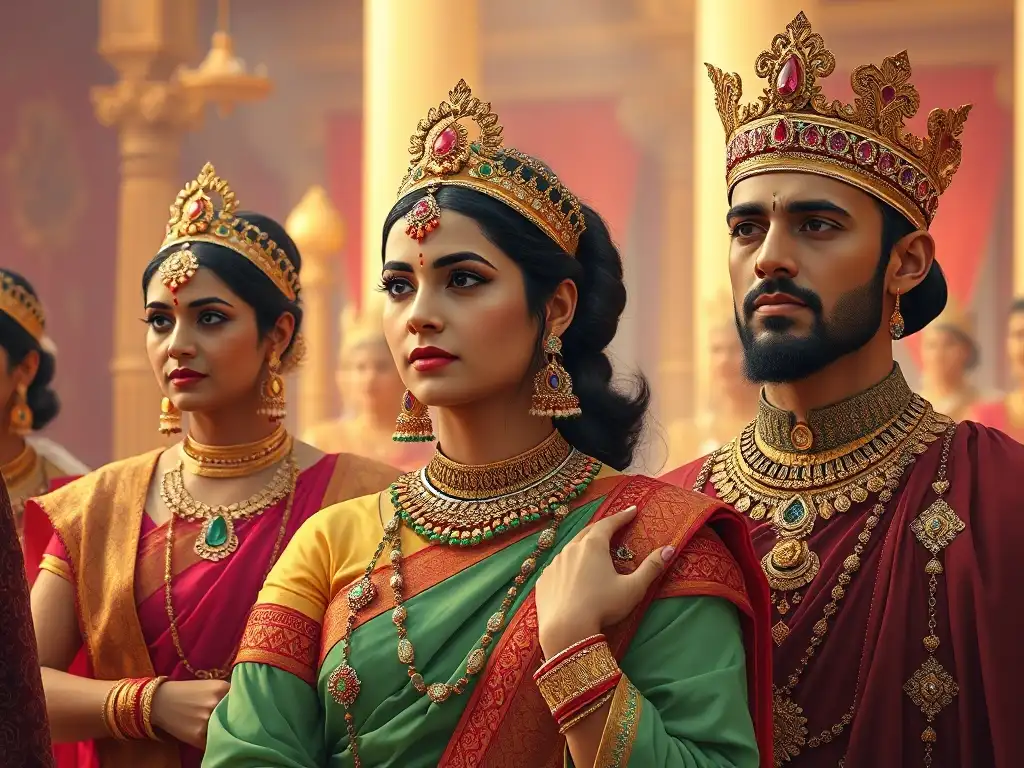
During the Gupta Empire, which flourished from approximately 240 to 550 CE, jewelry played a crucial role in signaling social status and identity. The Gupta period is often referred to as the Golden Age of India, marked by significant advancements in art, culture, and trade. Jewelry was not merely an accessory but a vital expression of one's place within the societal hierarchy. The elite classes adorned themselves with exquisite pieces that showcased their wealth, while the middle and lower classes often wore simpler ornaments.
Jewelry was crafted from a variety of materials, including gold, silver, and precious gemstones, indicating the owner's social standing. The intricate designs and the type of gemstones used often reflected the wearer’s profession, regional identity, and personal taste. This period saw a diversification in jewelry styles, with influences from various regions and cultures contributing to a rich tapestry of adornment practices that were integral to societal norms.
Jewelry as a Status Symbol in Gupta Society
In Gupta society, jewelry was a clear marker of status and wealth. The elite, including royalty and high-ranking officials, wore elaborate pieces that not only exhibited their affluence but also their connections to power. Such jewelry often included items like necklaces, earrings, armlets, and anklets, typically adorned with precious stones such as diamonds, rubies, and emeralds.
The grandness of jewelry was often matched by its size and complexity. For example, large Kundalas (hoop earrings) and intricately designed Mukut (crowns) were reserved for the upper echelons of society. These ornaments served not just aesthetic purposes but were also imbued with cultural significance. They were often used during ceremonies and rituals, reinforcing the wearer's status within the community.
Furthermore, the gifting of jewelry was a customary practice during marriages and other significant life events, further entrenching its role as a status symbol. Such exchanges were not only personal but also served to strengthen familial and social ties, highlighting the importance of jewelry in Gupta social customs.
Examples of Luxury Jewelry Pieces From the Gupta Era
The Gupta Empire is renowned for its exquisite craftsmanship in jewelry, with several notable pieces that exemplify luxury and artistry. Some of the most remarkable examples include:
- Gold Necklaces: Often layered and intricately designed, these necklaces featured elaborate motifs and were adorned with gemstones that were meticulously set to enhance their brilliance.
- Gem-Studded Diadems: Worn by royalty, these diadems were often embellished with a variety of gemstones, symbolizing divine authority and power.
- Bracelets and Armlets: Crafted from gold and often inlaid with precious stones, these accessories were common among both men and women of high status, demonstrating wealth and elegance.
- Beaded Jewelry: Strings of pearls or semi-precious stones were popular among the affluent, used to create multi-layered designs that were both fashionable and symbolic of social standing.
These luxury items not only served decorative purposes but also acted as a reflection of the intricate social and economic systems of the Gupta Empire, showcasing the wealth of the elite while simultaneously influencing trends within different strata of society.
The Symbolism of Color in Gupta Jewelry
In addition to material wealth, the Gupta Empire's jewelry was rich in color symbolism, with each hue carrying its own meanings and cultural significance. The choice of gemstones and their colors were not arbitrary; they were deeply rooted in the beliefs and traditions of the time.
Colors in jewelry were often used to convey messages about the wearer’s personality, fortunes, and even their spiritual inclinations. The vibrant hues served dual purposes of beauty and communication, allowing individuals to express their identity and social aspirations through their adornments.
Meaning Behind Gemstone Colors in Gupta Culture
The Gupta culture attributed specific meanings to various gemstone colors, which were believed to have different influences on the wearer. Some key associations include:
- Red: Typically associated with passion and power, red gemstones like rubies were often worn by rulers and warriors to symbolize strength and courage.
- Green: Symbolizing prosperity and fertility, emeralds were favored by those in agricultural professions, reflecting their connection to the earth and abundance.
- Blue: Representing wisdom and tranquility, sapphires were often worn by scholars and sages, highlighting their pursuit of knowledge and inner peace.
- Yellow: Associated with wealth and prestige, yellow gemstones like topaz were popular among the wealthy elite, embodying their social status.
This rich color symbolism not only enhanced the aesthetic appeal of jewelry but also reinforced the cultural narratives surrounding wealth, virtue, and individual identity within Gupta society.
How Color Influences Perceptions of Wealth and Power
The impact of color in Gupta jewelry extended beyond individual expression; it significantly influenced societal perceptions of wealth and power. The vibrant colors of gemstones were often seen as indicators of fortune and prestige. For instance, the dominance of gold in jewelry signified not only wealth but also divine favor, as gold was considered a sacred metal.
Moreover, the careful selection of colors in jewelry could elevate a person's status within the community. For example, wearing a combination of red and green gemstones could symbolize a balance of power and prosperity, making the wearer appear more formidable in social and political contexts.
Social gatherings, rituals, and public appearances were opportunities for individuals to showcase their jewelry, thus reinforcing their status. The visual impact of colorful gemstones would have undoubtedly affected how others perceived their wealth and influence, making color an integral aspect of jewelry symbolism in the Gupta Empire.
Jewelry in the Gupta Empire was a multifaceted symbol of status and power, enriched by the meanings of color and the luxurious materials used. This intricate interplay of aesthetics and symbolism highlights the profound cultural significance of jewelry in ancient Indian society.
Legacy of Gupta Empire Jewelry in Modern Indian Culture
The Gupta Empire, which thrived from approximately 320 to 550 CE, is often celebrated for its remarkable advancements in art, science, and culture, particularly in jewelry-making. The legacy of Gupta Empire jewelry influences contemporary Indian culture in several profound ways. Jewelry from this era was not merely ornamental; it was imbued with deep symbolic meanings, often representing status, wealth, and spirituality. These elements continue to resonate in modern Indian jewelry, where the connection to heritage remains a vital aspect of identity.
Modern Indian jewelry often reflects the intricate craftsmanship and artistic finesse characteristic of the Gupta period. The use of gold and gemstones, such as emeralds, rubies, and pearls, can be traced back to this era, establishing a tradition that values opulence and beauty. Moreover, the motifs and designs seen in Gupta jewelry, such as floral patterns and animal representations, have been revived and adapted in contemporary pieces, showcasing the enduring influence of this ancient civilization.
Influence of Gupta Jewelry on Contemporary Designs
The designs of Gupta Empire jewelry have left an indelible mark on contemporary jewelry-making. Modern artisans frequently draw inspiration from the elaborate styles of the Gupta period, which featured intricate filigree work and elaborate settings. These design principles emphasize not only aesthetic appeal but also the cultural narratives that jewelry can convey.
For instance, the use of Kundan and Meenakari techniques, which gained prominence during the Gupta Empire, remains prevalent today. Kundan involves setting stones in gold, while Meenakari adds colorful enamel work, both reflecting the sophistication of ancient craftsmanship. Many contemporary jewelry designers incorporate these techniques to create pieces that honor historical methods while appealing to modern sensibilities. This fusion allows for a deeper appreciation of cultural heritage while catering to the tastes of today's consumers.
Preservation of Traditional Techniques in Today’s Jewelry
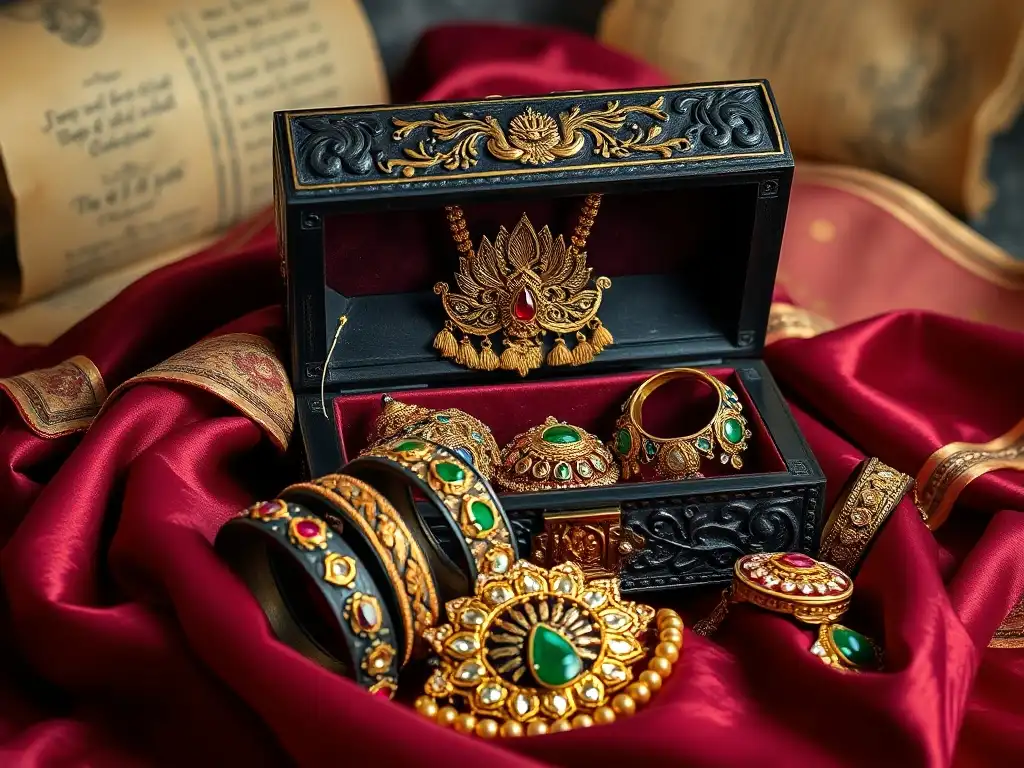
Preserving the traditional techniques of Gupta Empire jewelry-making is crucial for maintaining India's rich cultural heritage. Several artisans and jewelry houses are dedicated to reviving ancient methods, ensuring that the craftsmanship of the past is not lost to modernity. Workshops often focus on training new generations in these techniques, emphasizing the importance of skill and artistry that characterized Gupta jewelry.
Modern initiatives also embrace sustainability and ethical sourcing, often utilizing traditional methods that minimize environmental impact. This approach not only honors the legacy of ancient jewelry-making but also aligns with contemporary values, making traditional craftsmanship relevant in today’s context. By integrating age-old techniques with modern designs, artisans create unique pieces that tell a story, bridging the gap between ancient and contemporary culture.
Conclusion: The Enduring Significance of Gupta Empire Jewelry Symbolism
The symbolism found in Gupta Empire jewelry continues to hold significant meaning in modern society. Jewelry from this period was often representative of social status, religious beliefs, and personal identity. The motifs and materials selected for these pieces were carefully chosen to convey messages about the wearer's place in society and their spiritual affiliations. This legacy persists today, as jewelry remains a powerful form of self-expression and cultural identity.
Recap of Key Themes and Insights
The exploration of Gupta Empire jewelry symbolism reveals a rich tapestry of cultural significance and artistic achievement. Key themes include:
- Cultural Heritage: The importance of preserving traditional techniques and designs.
- Artistic Influence: The lasting impact of Gupta designs on contemporary jewelry.
- Symbolic Meaning: The role of jewelry in conveying identity and social status.
These themes highlight how Gupta jewelry has shaped the narrative of Indian culture and continues to inspire modern artisans.
The Lasting Impact of the Gupta Empire's Gemstone Revolution on Indian Culture
The Gupta Empire's gemstone revolution marked a pivotal moment in the history of Indian jewelry. The advancements made during this period not only transformed the art of jewelry-making but also established standards that resonate in contemporary practices. The combination of luxury and symbolism in Gupta jewelry has set a precedent for modern designs, emphasizing the importance of heritage and craftsmanship in today's marketplace.
As Indian culture continues to evolve, the influence of the Gupta Empire's gemstone revolution serves as a reminder of the rich history that informs contemporary practices. The legacy of this era remains a source of pride and inspiration, illustrating the timeless nature of beauty and the enduring power of symbolism in jewelry.
References and Further Reading
The Gupta Empire, renowned for its advancements in art and culture, particularly jewelry, has been the subject of extensive research. To gain a deeper understanding of the symbolism and luxury associated with Gupta Empire jewelry, the following resources are recommended.
Suggested Books and Articles on Gupta Empire Jewelry
- "The Art of the Gupta Empire" by John Marshall
- This book provides an in-depth analysis of the artistic achievements during the Gupta period, including exquisite jewelry craftsmanship. It explores how jewelry design reflected the socio-economic conditions of the time.
- "Jewelry of Ancient India: A Historical Overview" by Dr. Aditi Sharma
- Dr. Sharma's work delves into the evolution of jewelry in India, emphasizing the Gupta era's unique contributions. The book discusses the symbolic meanings behind various gemstones used in Gupta jewelry.
- "Symbols of Power: The Role of Jewelry in Gupta Society" by Priya Mehra
- This article examines how jewelry served as a status symbol in the Gupta Empire, highlighting specific pieces and their significance in social hierarchy.
- "Gemstones in Ancient Indian Culture" by R. S. Kumar
- Kumar's research provides insights into how gemstones were perceived in ancient Indian society, including their use in jewelry as symbols of prosperity and protection.
- "The Gupta Empire: A Cultural History" by R. N. Pandey
- This comprehensive resource covers various aspects of Gupta culture, including detailed sections on the craftsmanship and cultural significance of jewelry during the period.
Notable Museums and Exhibits Featuring Gupta Artifacts
- National Museum, New Delhi
- The National Museum houses a remarkable collection of Gupta artifacts, including intricately designed jewelry pieces that showcase the craftsmanship of the era. Regular exhibitions highlight the artistic innovations of the Gupta period.
- The British Museum, London
- The British Museum features a collection of Gupta jewelry, including gold ornaments and gemstone-studded pieces. These artifacts provide insight into the luxury and symbolism inherent in Gupta craftsmanship.
- The Metropolitan Museum of Art, New York
- The Met's South Asian Art collection includes several notable Gupta jewelry pieces. The museum often organizes exhibitions that focus on the cultural significance of these artifacts.
- Indian Museum, Kolkata
- As one of the oldest museums in India, the Indian Museum has an extensive collection of Gupta artifacts. Visitors can explore the jewelry section, which highlights the luxury and intricate designs of the time.
- National Gallery of Modern Art, New Delhi
- Occasionally, the gallery hosts exhibitions that feature Gupta-era art, including jewelry, providing a modern context to the historical pieces.
These resources and institutions offer valuable insights into the luxury and symbolism of jewelry during the Gupta Empire, contributing to our understanding of this remarkable period in ancient Indian history.
- Introduction to the Gupta Empire and Its Cultural Impact
- Understanding Gupta Empire Jewelry Symbolism
- Types of Gemstones Used in Gupta Empire Jewelry
- The Craftsmanship Behind Gupta Jewelry
- Social Status and Jewelry in the Gupta Empire
- The Symbolism of Color in Gupta Jewelry
- Legacy of Gupta Empire Jewelry in Modern Indian Culture
- Influence of Gupta Jewelry on Contemporary Designs
- Preservation of Traditional Techniques in Today’s Jewelry
- Conclusion: The Enduring Significance of Gupta Empire Jewelry Symbolism
- References and Further Reading
Frequently Asked Questions
What was the significance of jewelry in the Gupta Empire?
Jewelry in the Gupta Empire symbolized wealth, status, and cultural identity. It played a crucial role in social life and was often used in religious and ceremonial practices.
How did the Gupta Empire influence jewelry design?
The Gupta Empire saw a revolution in gemstone craftsmanship, leading to intricate designs and innovative techniques that blended artistry with symbolism. This period set standards that influenced jewelry making for centuries.
What types of gemstones were popular during the Gupta Empire?
Popular gemstones included rubies, emeralds, and pearls, each chosen not only for their beauty but also for their symbolic meanings related to prosperity and spirituality.
How does Gupta Empire jewelry symbolism reflect its culture?
The symbolism in Gupta jewelry often represented divine protection, prosperity, and power. This reflects a broader cultural emphasis on spirituality and hierarchical status within the society.
Are there any surviving examples of Gupta jewelry today?
Yes, many artifacts from the Gupta Empire have been discovered, showcasing exquisite jewelry pieces that highlight the craftsmanship and symbolism of that era, preserved in museums worldwide.
Final Reflection: The Enduring Legacy of Gupta Empire Jewelry Symbolism
The Gupta Empire's intricate jewelry symbolizes not only luxury but also a profound connection to cultural identity and social status, making it remarkably relevant today. As we navigate a world where personal expression often intertwines with material possessions, the significance of jewelry as a reflection of societal values and individual identity remains a powerful narrative. The craftsmanship and symbolism embedded in Gupta jewelry remind us that adornments are more than mere accessories; they are vessels of history and meaning.
The influence of Gupta Empire jewelry symbolism extends beyond its historical context, shaping contemporary perceptions of luxury and identity. Today, jewelry continues to serve as a means of storytelling, with each piece often representing personal milestones, cultural heritage, or social aspirations. As the renowned historian David K. Dunaway once said, Jewelry is the silent language of culture, speaking volumes about who we are and where we come from.
This observation highlights how the legacy of the Gupta Empire persists in our modern lives, where jewelry still conveys deep-seated values and connections to our past.
As you reflect on the themes presented in this article, consider how the symbolism of jewelry resonates with your own experiences and identity. Embrace the idea that every piece you wear can tell a story, not just about you, but about the rich tapestry of culture and history that surrounds us. Let the legacy of the Gupta Empire inspire you to explore the deeper meanings behind your adornments, and encourage you to appreciate the artistry and symbolism that jewelry can hold in your life.
Unveil Your Inner Historian: Dive Deeper Into Jewelry’s Legacy!
Thank you for exploring the fascinating world of the Gupta Empire’s gemstone revolution with us! We hope you’ve gained valuable insights into the luxurious treasures and rich symbolism that shaped ancient Indian jewelry. Now, it’s time to take your passion further!
Here are some exciting steps you can take next:
- Visit a local museum or exhibit showcasing ancient jewelry—experience the beauty up close!
- Engage with communities or online forums dedicated to ancient history—share your thoughts and discoveries with fellow enthusiasts.
- Investigate the symbolic meanings of gemstones across different cultures and share your findings with family or friends; start conversations about how jewelry reflects societal values.
How do you think the symbolism of ancient jewelry continues to influence modern fashion today?