
The Rajputs and Their Gemstone Adornments: A Symbol of Honor and Valor

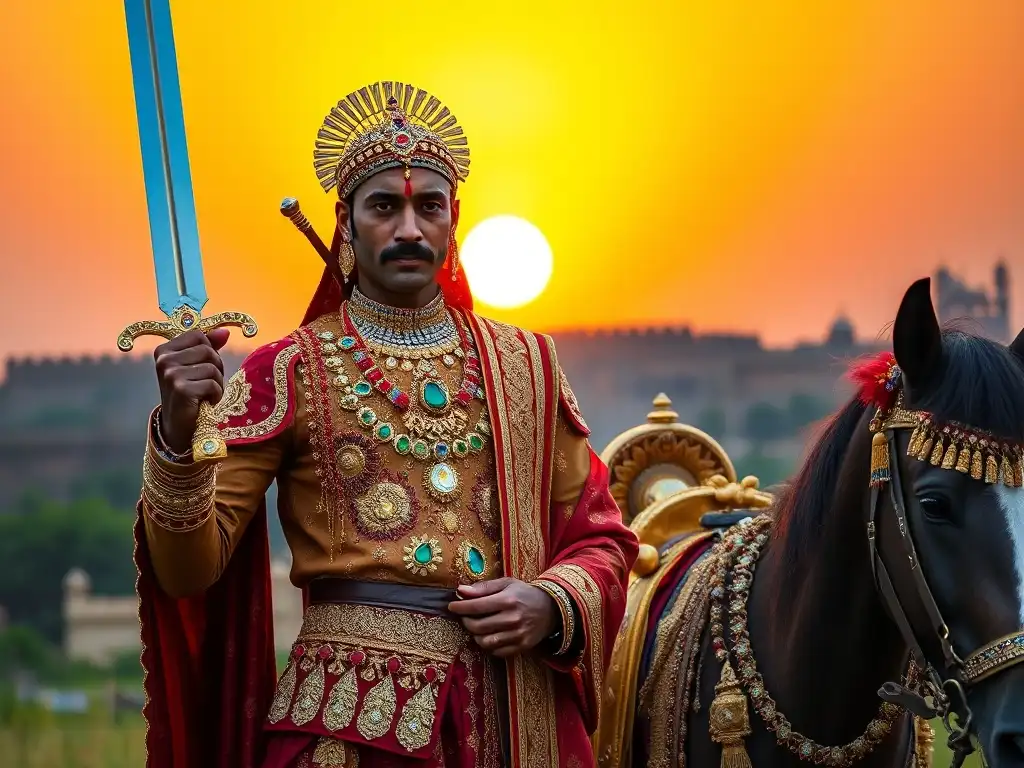
Welcome to Ancient India History, where we delve deep into the captivating tapestry of ancient Indian civilizations! Today, we invite you to explore the intriguing world of Rajput gemstone adornments, a fascinating symbol of honor and valor that reflects the rich heritage of the Rajput warriors. As you journey through our latest article, "The Rajputs and Their Gemstone Adornments: A Symbol of Honor and Valor," prepare to uncover the artistry, significance, and stories behind these exquisite treasures.
What secrets do these dazzling gems hold? Join us as we unravel the mystique of the past and illuminate the cultural brilliance that continues to inspire generations!
Introduction to Rajput Gemstone Adornments History
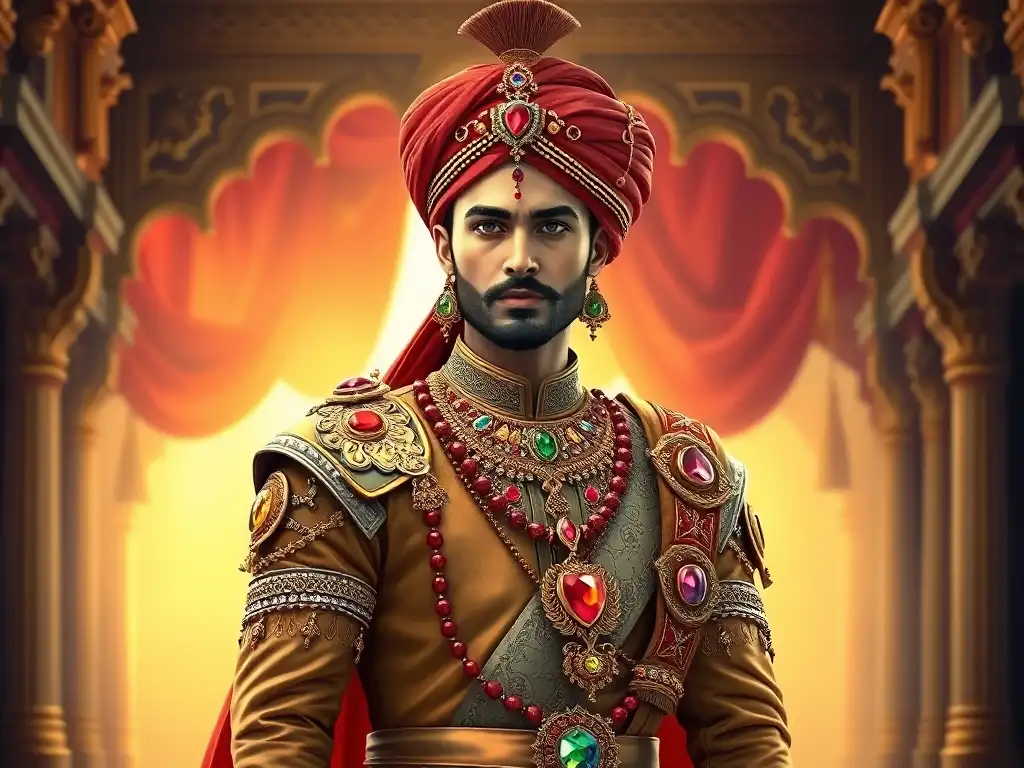
The Rajputs, a prominent warrior class in India, have long been celebrated for their bravery, honor, and rich cultural heritage. Among the many facets of their identity, gemstone adornments hold a special place, serving as both a mark of nobility and a testament to their valor. This article delves into the Rajput gemstone adornments history, exploring how these exquisite pieces of jewelry not only enhanced their regal appearance but also symbolized their status and values within society.
The tradition of wearing gemstones among the Rajputs is deeply rooted in their historical context, intertwining with the art of warfare and the display of wealth. As we journey through the intricate layers of this history, we will uncover the cultural significance of these adornments and the profound symbolism attached to them, reflecting the ideals of honor and valor that the Rajputs upheld.
The Cultural Significance of Gemstones in Rajput History
Gemstones have always been more than mere decorative elements in Rajput culture; they are emblematic of identity, power, and heritage. The Rajputs believed that gemstones carried unique properties and energies, which could influence their lives and fortunes. This belief was not only a form of personal adornment but also a way of reinforcing their social standing and warrior ethos.
Historical Context of Rajput Gemstone Usage
The use of gemstones among the Rajputs can be traced back to the early medieval period when they flourished as feudal lords across various regions of India. With their connection to royalty and valor, gemstones became an integral part of their armor and ceremonial attire. Here are some key points regarding their historical usage:
- Battlefield Armor: Gemstones were often embedded in weapons and armor, believed to imbue them with protection and strength.
- Ceremonial Regalia: During royal ceremonies, Rajputs adorned themselves with elaborate gemstone-studded jewelry that showcased their wealth and status.
- Marriage and Alliances: Gemstones played a crucial role in matrimonial alliances, as the gifting of these adornments symbolized the merging of families and their fortunes.
Symbolism of Gemstones in Rajput Culture
In Rajput culture, each gemstone is attributed with specific meanings and powers. The selection of gemstones was often influenced by astrology and personal beliefs, linking them to the wearer’s identity and destiny. Below are some notable gemstones and their associated symbolism:
- Ruby: Symbolizes bravery and passion; often worn by warriors.
- Emerald: Associated with wisdom and prosperity; favored by rulers for governance.
- Diamond: Represents invincibility and strength; a mark of high status.
Through these adornments, the Rajputs not only expressed their personal values but also reinforced their cultural heritage, leaving a rich legacy that continues to inspire admiration today.
Types of Gemstone Adornments Worn by Rajputs
The Rajputs, known for their warrior ethos and noble lineage, adorned themselves with a variety of gemstone jewelry that reflected their status, valor, and cultural heritage. The types of gemstone adornments worn by Rajputs can be broadly categorized into several key categories:
- Necklaces and Malas: Rajput warriors often wore elaborate necklaces, which were typically made from a combination of precious and semi-precious stones such as emeralds, rubies, and diamonds. These necklaces, often referred to as "mala," were used not only for decorative purposes but also as symbols of power and prestige.
- Armlets and Bangles: The armlets, known as "baajuband," were ornately designed and featured gemstones embedded in intricate patterns. Bangles, particularly in gold and silver, were also common, often adorned with gemstones that added color and vibrancy.
- Rings and Finger Jewelry: Rajput rings often featured large, prominent gemstones set in intricate designs. These rings served both as fashion statements and as symbols of the wearer’s social standing.
- Headgear and Turbans: The Rajputs often embellished their turbans with decorative ornaments, including gemstones. The "sarpech" or turban ornament, usually made of gold and studded with jewels, was a significant accessory that showcased nobility.
- Earrings: Known as "karnphool," Rajput earrings were elaborately crafted and often featured dangling designs adorned with gemstones, symbolizing elegance and grandeur.
The significance of these gemstone adornments went beyond mere decoration; they served as symbols of honor, bravery, and the illustrious heritage of the Rajput clans.
Traditional Rajput Jewelry Styles
Traditional Rajput jewelry styles are characterized by their rich designs, intricate craftsmanship, and the usage of vibrant gemstones. Here are some of the hallmark styles:
- Kundan Jewelry: This style involves setting gemstones in gold foil, allowing for the creation of intricate designs that enhance the brilliance of the stones. Kundan jewelry is typically heavy and ornate, often worn during weddings or royal ceremonies.
- Meenakari: A technique that involves enameling gemstones with vibrant colors, meenakari adds a unique aesthetic appeal to jewelry. This style is prevalent in earrings, necklaces, and bracelets, often featuring floral or geometric patterns.
- Jadau: This ancient form of jewelry making involves the use of uncut diamonds and gemstones, which are set in gold and embellished with intricate work. Jadau jewelry is known for its elaborate designs and is often worn by Rajput brides.
- Banjara: Featuring a mix of traditional and tribal designs, Banjara jewelry includes colorful beads and charms alongside gemstones. This style reflects the cultural diversity within Rajput society.
These traditional styles not only highlight the artistry of Rajput jewelers but also signify the cultural importance of gemstone adornments in Rajput society.
Craftsmanship and Techniques in Rajput Jewelry Making
Rajput jewelry making is a time-honored craft that encompasses various techniques passed down through generations. The craftsmanship involved is meticulous and requires immense skill. Key techniques include:
- Stone Setting: The process of embedding gemstones into jewelry involves precise measurements and craftsmanship to ensure durability and aesthetic appeal. Techniques such as Kundan, where stones are set in a gold framework, are prevalent.
- Engraving and Filigree: Engraving intricate patterns on metal surfaces adds a unique touch to Rajput jewelry. Filigree work, which involves twisting fine threads of metal into delicate designs, is also commonly used to enhance visual appeal.
- Enameling: The process of applying enamel colors to create vivid patterns is a hallmark of Rajput jewelry. The enameling process requires careful layering and firing to achieve the desired finish.
- Polishing and Finishing: The final touches in jewelry making include polishing to enhance shine and applying protective coatings to preserve the quality of the gemstones.
This combination of artistry and craftsmanship in Rajput jewelry making not only showcases the skill of artisans but also highlights the cultural significance of these adornments.
Notable Examples of Rajput Gemstone Adornments
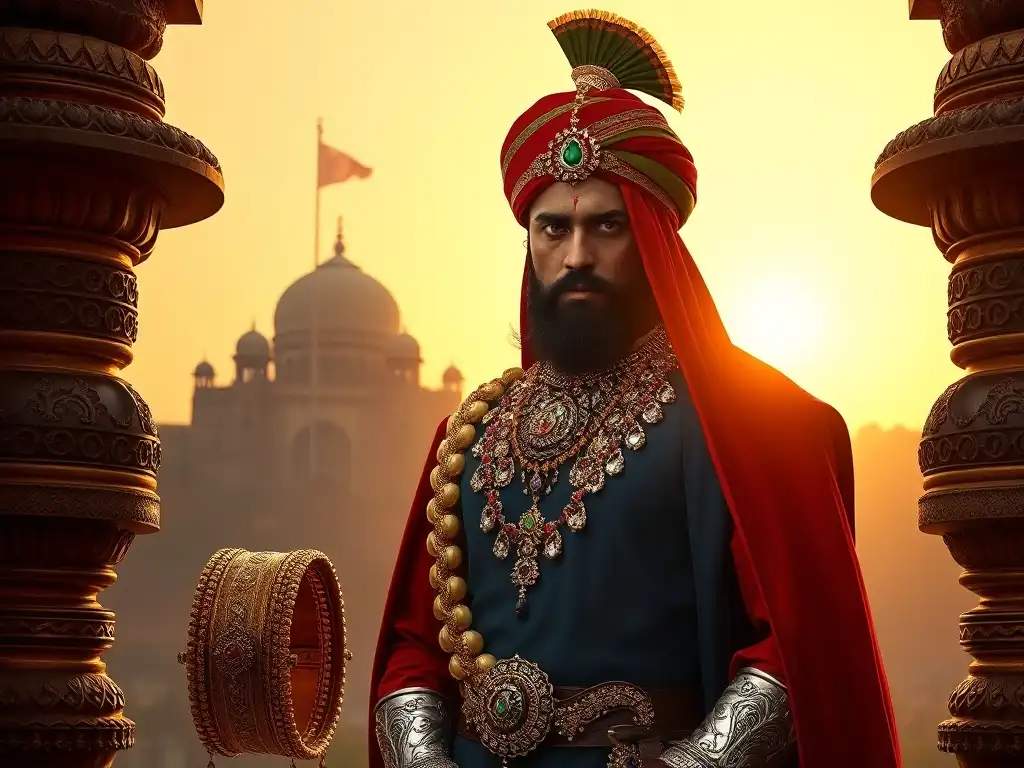
Rajput gemstone adornments have a rich history and numerous notable examples that highlight their cultural and artistic significance. Some of these pieces are celebrated for their exquisite design and craftsmanship.
Famous Rajput Jewelry Pieces
- The Maharani Padmini Necklace: A legendary piece associated with the tale of Rani Padmini, this necklace is said to feature an array of dazzling gemstones including sapphires and emeralds, symbolizing her beauty and valor.
- The Sarpech of Maharana Pratap: This turban ornament, adorned with precious stones, is a symbol of Maharana Pratap's bravery. It showcases intricate craftsmanship, reflecting the grandeur of Rajput royalty.
- The Jadau Set of Rani Gayatri Devi: Known for her elegance, Rani Gayatri Devi's Jadau jewelry set features uncut diamonds and is renowned for its intricate designs and opulent gemstones, embodying the essence of Rajput artistry.
- The Kundan Choker of Jaipur: This stunning choker, made with Kundan stones and intricate gold work, is a representation of Jaipur's rich jewelry heritage and is often worn by Rajput nobility during formal events.
These pieces serve as a testament to the artistry and cultural heritage of the Rajputs, each telling a story of valor and elegance.
Contemporary Influence of Rajput Gemstone Adornments
In contemporary fashion, Rajput gemstone adornments have experienced a resurgence, influencing modern jewelry design. The blend of traditional styles with modern aesthetics has led to a variety of adaptations:
- Fusion Jewelry: Many contemporary designers are blending Rajput styles with modern elements, creating fusion pieces that appeal to a wider audience. This includes incorporating gemstone designs into everyday wear.
- Fashion Shows and Exhibitions: Rajput-inspired jewelry is increasingly showcased in fashion events, highlighting its timeless appeal and craftsmanship. Designers often draw inspiration from historical pieces to create modern interpretations.
- Cultural Revivals: There is a growing interest in reviving traditional Rajput jewelry styles among younger generations. This is reflected in wedding jewelry choices, where brides opt for traditional Rajput designs to honor their heritage.
- Sustainable Practices: Contemporary artisans are adopting sustainable practices in sourcing materials for Rajput jewelry, ensuring that traditional craftsmanship continues in an environmentally conscious manner.
The contemporary influence of Rajput gemstone adornments not only preserves their rich history but also ensures their relevance in today’s fashion landscape, celebrating a legacy that continues to inspire.
The Legacy of Rajput Gemstone Adornments
The Rajputs, a prominent warrior class in medieval India, are renowned not only for their valor and heroism but also for their exquisite gemstone adornments. These adornments served as both a display of wealth and a reflection of the Rajput ethos, symbolizing honor, valor, and the rich cultural heritage of the region. The use of gemstones in their jewelry was not merely aesthetic; each piece told a story of lineage, bravery, and the spiritual beliefs that governed their lives.
Historically, gemstones such as emeralds, rubies, sapphires, and diamonds were intricately crafted into various forms of jewelry, including necklaces, rings, and intricate armors. The incorporation of these stones was not only a status symbol but also believed to bestow protection and power upon the wearer. The craftsmanship involved in creating these pieces was often passed down through generations, highlighting the dedication and skills of artisans who specialized in this craft.
Preservation of Rajput Jewelry Traditions
The preservation of Rajput jewelry traditions has been a concerted effort among various stakeholders, including local artisans, historians, and cultural organizations. Many families that have been associated with Rajput lineage continue to maintain their ancestral jewelry, often showcasing it during traditional ceremonies and festivals. This practice not only keeps the art alive but also serves as a means of connecting younger generations with their heritage.
Efforts have also been made to document and catalog these exquisite pieces of jewelry. Museums across India, particularly in Rajasthan, have taken the initiative to display Rajput gemstone adornments, offering insights into the craftsmanship and historical significance of these artifacts. Workshops and exhibitions are regularly organized to educate the public about the techniques used in creating these adornments, ensuring that the knowledge and skills of jewelers are passed on to future generations.
Rajput Gemstone Adornments in Modern Culture
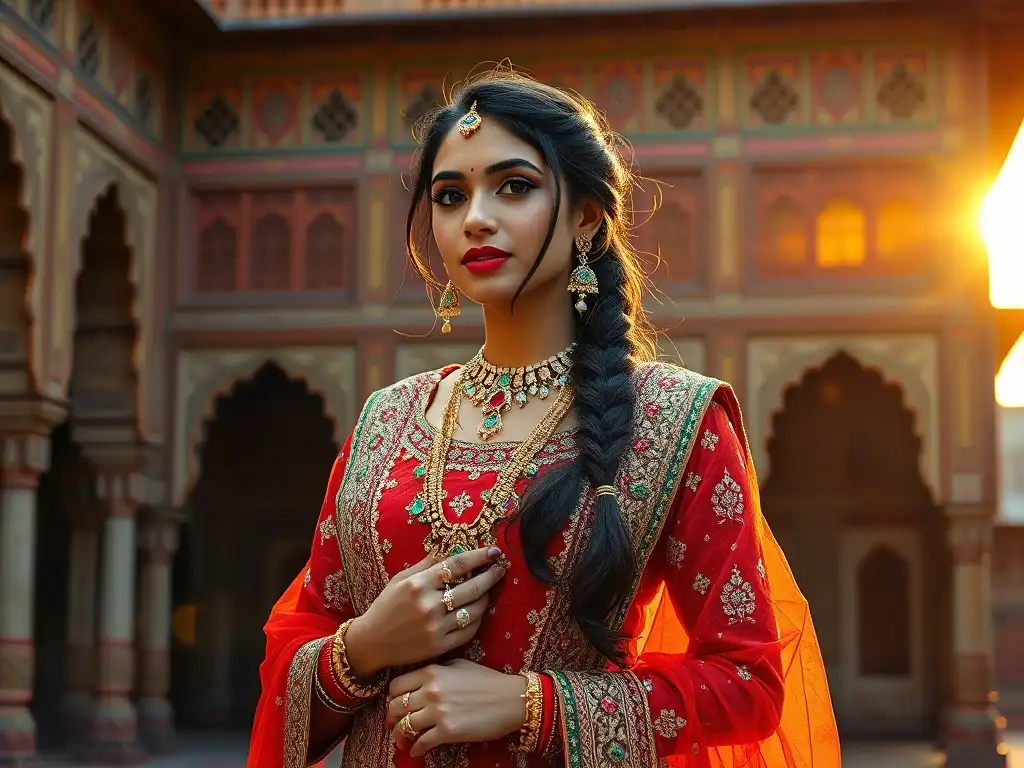
In contemporary times, Rajput gemstone adornments continue to inspire modern jewelry designers who draw from traditional motifs and techniques. The essence of Rajput craftsmanship is often integrated into modern pieces, appealing to a wider audience while maintaining the elegance and grandeur associated with Rajput history. Designers are increasingly using traditional designs blended with modern aesthetics, thereby creating a fusion that resonates with today's fashion trends.
Additionally, Rajput jewelry has found its place in popular culture, particularly in films and television series that depict royal Indian narratives. The portrayal of characters adorned in elaborate gemstone jewelry not only revives interest in Rajput history but also showcases the intricate craftsmanship that has withstood the test of time. This revival has led to a renewed appreciation for traditional jewelry, making it a coveted choice for weddings and special occasions.
Conclusion: The Enduring Symbolism of Rajput Gemstone Adornments
The Rajput gemstone adornments stand as enduring symbols of honor, valor, and the rich cultural tapestry of ancient India. Their historical significance transcends mere aesthetics, embodying a legacy of craftsmanship, spirituality, and identity. As contemporary society continues to engage with these traditions, the gemstone adornments of the Rajputs remain a testament to the artistry and cultural pride of a bygone era.
In recognizing and preserving this heritage, we not only pay homage to the Rajputs but also ensure that future generations can appreciate and learn from the artistry and symbolism embedded within these magnificent pieces of jewelry. The legacy of Rajput gemstone adornments thus remains alive, continuing to inspire and evoke admiration in the hearts of many.
Call to Action: Discovering Rajput Gemstone Jewelry
The rich tradition of Rajput gemstone adornments is not just a feast for the eyes but a journey into the heart of India’s history and culture. These exquisite pieces of jewelry tell tales of valor, honor, and the artistic prowess of skilled craftsmen. Each gemstone, whether it be a brilliant ruby, a deep emerald, or a dazzling diamond, carries with it a story that echoes the grandeur of the Rajput warriors and their noble lineage.
If you’re intrigued by the enchanting world of Rajput gemstone jewelry, now is the perfect time to delve deeper. Explore collections that celebrate this heritage, whether through authentic antique pieces or contemporary designs inspired by traditional motifs.
Why Discover Rajput Gemstone Jewelry?
- Cultural Significance: Understanding the importance of gemstones in Rajput culture provides insights into the values and traditions that shaped ancient Indian society.
- Artistry and Craftsmanship: Experience the meticulous craftsmanship that goes into creating each piece, showcasing the skills passed down through generations.
- Investment Potential: Rajput gemstones not only serve as adornments but also as valuable investments, often appreciating in value over time.
Join the Exploration
Take a step into the realm of Rajput jewelry by visiting exhibitions, attending workshops, or browsing reputable online collections. Engage with artisans who can share their expertise and knowledge, enhancing your appreciation for this timeless art form.
Whether you are a collector, an enthusiast, or someone who admires beauty, the legacy of Rajput gemstone adornments offers something for everyone. Don’t miss the opportunity to adorn yourself with a piece of history that symbolizes honor and valor. Start your journey today!
- Introduction to Rajput Gemstone Adornments History
- The Cultural Significance of Gemstones in Rajput History
- Types of Gemstone Adornments Worn by Rajputs
- Notable Examples of Rajput Gemstone Adornments
- The Legacy of Rajput Gemstone Adornments
- Preservation of Rajput Jewelry Traditions
- Rajput Gemstone Adornments in Modern Culture
- Conclusion: The Enduring Symbolism of Rajput Gemstone Adornments
- Call to Action: Discovering Rajput Gemstone Jewelry
Frequently Asked Questions
What are Rajput gemstone adornments?
Rajput gemstone adornments refer to the ornamental jewelry and decorations worn by Rajput warriors and royalty, which often incorporated precious stones to signify status and valor.
How did gemstones play a role in Rajput culture?
In Rajput culture, gemstones were not only decorative but also held symbolic meanings. They represented bravery, wealth, and were believed to provide protection in battle.
What types of gemstones were commonly used by the Rajputs?
The Rajputs commonly used rubies, emeralds, diamonds, and sapphires in their adornments, with each gem selected for its beauty and cultural significance.
How did the history of Rajput gemstone adornments evolve?
The history of Rajput gemstone adornments evolved from simple tribal designs to intricate masterpieces, influenced by trade, conquests, and cultural exchanges with other regions.
What is the significance of gemstone adornments today?
Today, Rajput gemstone adornments are celebrated as a part of cultural heritage and are often showcased in traditional ceremonies and art exhibitions, symbolizing the rich history of the Rajput community.
Final Reflection: The Enduring Legacy of Rajput Gemstone Adornments
The rich history of Rajput gemstone adornments is not merely a tale of opulence; it is a profound narrative of honor and valor that resonates deeply in today's world. As we navigate through modernity, the significance of these adornments serves as a reminder of the cultural heritage that shapes our identities and values. The intricate craftsmanship and symbolic meanings behind each gemstone reflect a timeless connection to the past, urging us to appreciate the artistry and stories that have been passed down through generations.
_The influence of Rajput gemstone adornments extends far beyond their aesthetic appeal; they are a testament to the resilience and spirit of a community that has faced numerous challenges throughout history. These adornments symbolize not just wealth, but a deep-rooted sense of pride and identity that continues to inspire contemporary artisans and cultural enthusiasts alike. As the renowned historian William Dalrymple once said, "> The past is never dead. It's not even past." This quote encapsulates the ongoing relevance of Rajput traditions in our modern lives, reminding us that history is woven into the fabric of our present. _
As you reflect on the themes explored in this article, I invite you to consider how the legacy of Rajput gemstone adornments can inspire your own journey. Embrace the values of honor and valor in your life, and seek to understand the stories behind the traditions that shape your identity. Whether through art, culture, or personal expression, let the lessons of the Rajputs guide you in celebrating your heritage and honoring the past as you forge your path into the future.
Celebrate the Rajputs: Embrace Their Legacy Today!
Thank you for diving into the captivating world of the Rajputs and their stunning gemstone adornments. By exploring their rich history and cultural significance, you've uncovered a symbol of honor that transcends time. Now, let's take the next steps to honor this legacy in our own lives!
- Start a conversation: Share what you've learned about Rajput adornments with family and friends. Discuss the meanings behind different gemstones!
- Discover more: Visit local museums or exhibitions that showcase Rajput art and artifacts. Immersing yourself in history can deepen your appreciation!
- Join the community: Connect with online forums or social media groups focused on Indian history. Share your insights and listen to others' experiences!
As you reflect on the timeless elegance of the Rajputs, consider this: How can the values of honor and valor reflected in their tradition inspire your own life choices today?