
The Renaissance of Indian Gemstone Mining in Modern Times

Welcome to Ancient India History, where we embark on a captivating journey through the rich tapestry of India's past! Delve into the fascinating world of ancient Indian gemstone mining history, a topic that not only reveals the artistry and craftsmanship of our ancestors but also highlights the remarkable contributions of ancient civilizations.
As we explore how these age-old practices have evolved into a modern renaissance, you'll uncover secrets that link the past to the present. Join us as we illuminate the enduring legacy of gemstones in Indian culture and inspire your curiosity to learn more about this sparkling aspect of history!
Introduction to Ancient Indian Gemstone Mining History
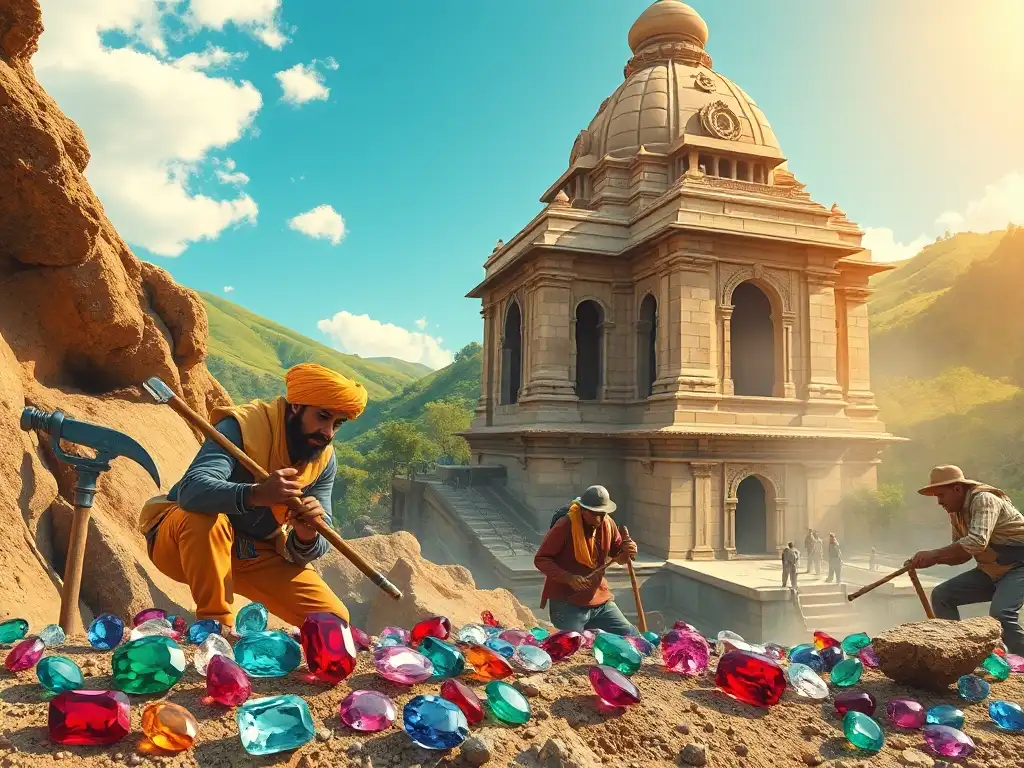
The history of gemstone mining in India is as vibrant and intricate as the gemstones themselves. Ancient Indian civilizations, notably the Indus Valley and later the Maurya and Gupta empires, laid the foundation for what would become a thriving industry, deeply intertwined with culture, trade, and craftsmanship. From the exquisite diamonds of Golconda to the captivating rubies and sapphires that adorned royal families, the ancient Indian gemstone mining history reflects a rich tapestry of artistry and economic significance.
This article delves into the resurgence of gemstone mining in modern India, exploring how historical practices have influenced contemporary techniques and the growing global demand for Indian gemstones. By tracing the evolution of mining methods and technologies, we aim to highlight the enduring legacy of this ancient art, which continues to captivate gem enthusiasts and collectors around the world.
The Evolution of Gemstone Mining Techniques
The journey of gemstone mining in India has seen remarkable transformations over the centuries. From rudimentary tools to advanced machinery, the evolution of techniques has not only enhanced efficiency but has also preserved the cultural significance attached to gemstones.
Traditional Mining Methods in Ancient India
In ancient times, gemstone mining was predominantly a manual endeavor, relying on simple yet effective techniques. Artisans and miners employed a variety of traditional methods, including:
- Surface Mining: Miners would often extract gemstones from riverbeds or exposed rock formations. This method was labor-intensive but allowed for the collection of high-quality stones.
- Panning: Similar to gold panning, this technique involved sifting through sediments in water to find loose gemstones. It was particularly effective for collecting smaller stones and semi-precious gems.
- Hand Tools: Simple tools such as chisels, hammers, and picks were commonly used. Skilled craftsmen often used these tools to carefully excavate stones while minimizing damage.
These methods reflected a deep understanding of geology and craftsmanship, enabling ancient miners to produce some of the most coveted gemstones in history, which contributed significantly to trade networks across Asia and beyond.
Modern Innovations and Technologies in Gemstone Mining
As the world has progressed, so too has the field of gemstone mining in India. The integration of modern technologies has revolutionized the industry, leading to improved efficiency and safety. Some key innovations include:
- Advanced Machinery: The use of machinery such as excavators and drilling equipment has significantly reduced manual labor and increased productivity.
- Geological Surveying: Modern techniques utilize satellite imaging and geological mapping to identify potential mining sites, allowing for more strategic exploration.
- Sustainable Practices: With growing awareness of environmental impacts, many modern mining operations are adopting sustainable practices, ensuring that the rich heritage of gemstone mining can be preserved for future generations.
The renaissance of gemstone mining in modern India not only pays homage to its ancient roots but also embraces innovation, ensuring that the legacy of Indian gemstones continues to shine brightly on the global stage.
Geographic Regions of Gemstone Mining in India
India has long been recognized as a significant player in the global gemstone market, with its rich history of gemstone mining tracing back to ancient civilizations. The geographic distribution of gemstone mining in India reflects the diverse geological formations that produce a wide variety of gemstones, ranging from diamonds and rubies to emeralds and sapphires. The primary regions known for gemstone mining include the following:
- Northern India: Famous for its diamond mines, particularly in the historical region of Golconda, which was renowned for producing some of the world's most famous diamonds.
- Western India: Known for its rich deposits of colored gemstones, such as the Saurashtra region in Gujarat, which is famous for its agate and jasper.
- Southern India: Home to the celebrated gemstone mining areas in Andhra Pradesh and Tamil Nadu, where rubies, emeralds, and garnets are extensively mined.
- Eastern India: The state of Odisha has emerging gemstone mining activities, focusing on semi-precious stones like quartz and jasper.
- Northeastern India: This region is increasingly gaining recognition for its unique gemstones, including various types of jade and garnet.
These regions not only contribute to the domestic market but also play a crucial role in the international gemstone trade, emphasizing India's historical and ongoing significance in the world of gemstones.
Major Gemstone Mining Areas in Ancient Times
In ancient times, several regions in India were pivotal to gemstone mining, each contributing uniquely to the industry. The major areas included:
- Golconda: Located in present-day Telangana, Golconda was famed for its diamond mines. The diamonds extracted here were not only of high quality but also played a crucial role in trade routes connecting India with Europe and the Middle East.
- Kolar Gold Fields: While primarily known for gold, Kolar in Karnataka also produced valuable gemstones, including sapphires and rubies, enhancing its status in ancient commerce.
- Mysore: This region was famous for its emerald mines, supplying the precious green stones to royalty and affluent merchants.
- Rajasthan: Particularly in the regions of Jaipur and Udaipur, various semi-precious stones like lapis lazuli and turquoise were mined, supporting the local artisan crafts.
These areas set the foundation for a flourishing trade network, deeply embedding gemstone mining into the cultural and economic fabric of ancient Indian society.
Current Gemstone Mining Regions in India
Today, India continues to be a leader in gemstone mining, with several regions actively contributing to the industry. The current prominent gemstone mining regions include:
- Andhra Pradesh: Known for its vast reserves of high-quality rubies and emeralds, Andhra Pradesh remains a significant source of colored gemstones.
- Rajasthan: The state is not just a historical hub but also a modern-day center for gemstone mining, particularly for precious and semi-precious stones, including garnets and amethysts.
- Gujarat: This state has become an important area for mining semi-precious stones, with Saurashtra leading in agate production.
- Madhya Pradesh: Known for its production of diamonds, particularly from the Panna region, which is famous for its high-quality stones.
- Uttarakhand: This northern state has emerging gemstone mining activities, focusing on various semi-precious stones.
These regions illustrate the continuity of India's rich gemstone mining tradition while adapting to modern market demands.
The Cultural Impact of Gemstone Mining
The historical and ongoing gemstone mining activities in India have profoundly influenced its culture, art, and craftsmanship. The cultural impact can be observed through various facets:
Influence on Ancient Indian Art and Craftsmanship
Gemstones have played an integral role in ancient Indian art and craftsmanship, serving as symbols of power, beauty, and spirituality. The influence of gemstones on ancient art is characterized by:
- Jewelry Design: Gemstones were intricately crafted into jewelry, often adorning the royal families and temples. This craftsmanship not only highlighted the artisans' skills but also reflected the cultural values and aesthetics of the time.
- Sculpture and Architecture: Precious stones were used to embellish sculptures and architectural marvels, such as the intricate inlay work seen in monuments like the Taj Mahal. These artistic expressions showcased the importance of gemstones in religious and cultural contexts.
- Symbolism: Different gemstones were associated with various deities, beliefs, and astrological significance, influencing their use in religious rituals and ceremonies.
The legacy of this artistry continues to resonate in contemporary Indian culture, reflecting the enduring significance of gemstones.
Reviving Traditional Crafts through Modern Mining
In modern times, there is a concerted effort to revive traditional crafts associated with gemstone mining. The revival is being driven by several factors:
- Sustainable Practices: Modern gemstone mining initiatives are increasingly focused on sustainability, ensuring that traditional artisanal mining practices are preserved while minimizing environmental impact.
- Skill Development: Training programs are being established to teach traditional craftsmanship to new generations, ensuring that the skills associated with gemstone cutting and jewelry making are not lost.
- Cultural Heritage: There is a growing recognition of the cultural heritage associated with gemstone mining. Efforts are being made to promote traditional designs and methods, thereby boosting local economies and preserving cultural identities.
These initiatives illustrate how the legacy of ancient Indian gemstone mining is being honored and revitalized in a contemporary context, fostering a renewed appreciation for the artistry and craftsmanship that gemstones embody.
Economic Aspects of Gemstone Mining
The gemstone mining industry has long been a significant economic contributor to India's development, reflecting both historical and contemporary importance. In ancient times, gemstones were not only valuable commodities but also symbols of power and status, greatly influencing trade routes and economic exchanges. Today, the industry continues to thrive, adapting to new market demands and technological advancements, thus playing a crucial role in the modern economy.
Historical Economic Implications of Gemstone Mining in India
Historically, gemstone mining in India can be traced back to the Indus Valley Civilization, where semi-precious stones were utilized for decorative and ceremonial purposes. The ancient trade networks facilitated the export of Indian gemstones to various parts of the world, including Europe and the Middle East. This trade led to the establishment of thriving markets and stimulated economic growth in regions rich in gemstone deposits, particularly in states like Rajasthan and Gujarat.
The wealth generated from gemstone mining also contributed to the patronage of arts and crafts, influencing the cultural landscape of ancient India. The Mughal Empire, for instance, was known for its exquisite jewelry that featured diamonds, rubies, and emeralds, which not only served as adornments but also as a display of wealth and power. The economic implications of gemstone mining during these periods laid the groundwork for India's enduring reputation as a hub for high-quality gemstones.
Current Economic Trends in Indian Gemstone Mining
In modern times, the Indian gemstone mining industry has experienced a renaissance, driven by globalization and an increasing demand for gemstones in both domestic and international markets. The country is now one of the largest producers and exporters of cut and polished gemstones, significantly impacting the economy. According to recent reports, the sector is estimated to contribute over $1 billion annually to India's GDP, showcasing its importance in the economic landscape.
Emerging trends include a focus on sustainable mining practices and ethical sourcing, reflecting the growing consumer demand for responsibly mined gemstones. Additionally, advancements in technology have improved extraction methods and processing techniques, leading to enhanced efficiency and reduced costs. The rise of online marketplaces has also opened new avenues for artisans and miners to reach global customers directly, further boosting the economic impact of gemstone mining in India.
Challenges Facing the Indian Gemstone Mining Industry
As the gemstone mining industry in India continues to grow, it faces several challenges that could hinder its sustainability and profitability. From environmental concerns to regulatory hurdles, these challenges need to be addressed to ensure the long-term viability of the sector.
Environmental Concerns and Sustainability
One of the most pressing challenges facing gemstone mining in India is the environmental impact associated with mining activities. The extraction processes can lead to habitat destruction, soil erosion, and water pollution, threatening local ecosystems and communities. As awareness of these issues increases, there is a growing demand for sustainable mining practices that minimize environmental degradation.
To address these concerns, initiatives promoting eco-friendly mining methods, such as reducing the use of harmful chemicals and rehabilitating mined lands, are being implemented. Additionally, the industry is encouraged to adopt responsible sourcing practices that prioritize environmental stewardship, ensuring that the benefits of gemstone mining do not come at the expense of the planet.
Regulatory and Ethical Challenges
The gemstone mining industry in India also grapples with regulatory and ethical challenges. The lack of stringent regulations often leads to illegal mining activities, which undermine legitimate operations and pose risks to workers' safety and welfare. Furthermore, issues related to labor exploitation and child labor in some mining regions raise significant ethical concerns.
To combat these challenges, the Indian government and industry stakeholders are working towards establishing clearer regulations and guidelines for gemstone mining. Measures such as certification programs for ethical sourcing and increased monitoring of mining practices are being introduced to ensure compliance and promote a fair and responsible industry. Addressing these regulatory and ethical challenges is essential for building a sustainable and reputable gemstone mining sector in India.
Future Prospects for Indian Gemstone Mining
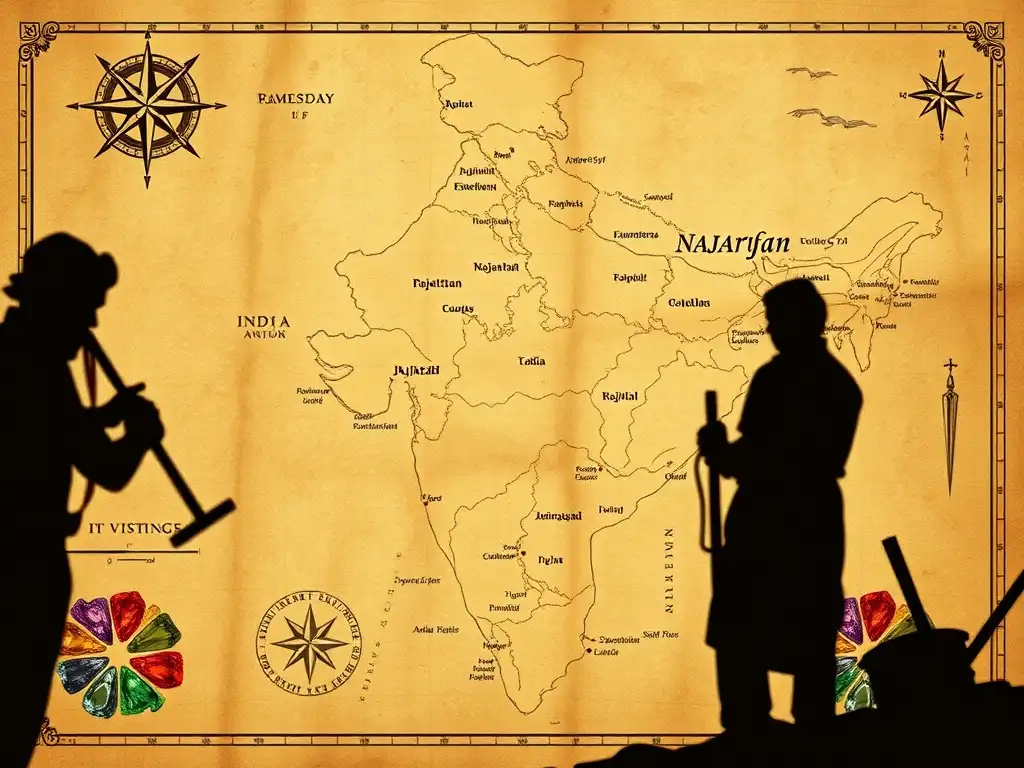
The future of Indian gemstone mining appears bright, marked by a confluence of tradition and innovation. As the global demand for gemstones continues to rise, India is poised to leverage its historical expertise in gemstone extraction and craftsmanship. With a rich legacy stemming from ancient practices, the country possesses unique advantages, including a diverse array of gemstones and skilled artisans. The combination of these elements creates a fertile ground for the industry to flourish in the coming years.
Sustainability is becoming increasingly important in gemstone mining, with a growing awareness among consumers regarding ethical sourcing. Indian miners and gemstone producers are thus focusing on environmentally friendly practices and social responsibility. By adopting sustainable mining techniques, which minimize environmental impact, India can enhance its reputation in the global market, attracting eco-conscious consumers and investors alike.
Furthermore, advancements in technology are set to revolutionize gemstone mining in India. The integration of modern techniques such as drone surveying, 3D modeling, and automated machinery can significantly enhance efficiency and reduce operational costs. This technological shift may not only increase productivity but also improve safety standards within the mining sector.
Innovations Driving the Future of Gemstone Mining
Innovations in gemstone mining are pivotal to the industry's growth trajectory. One notable development is the application of blockchain technology, which ensures transparency and traceability in the supply chain. By providing a secure and immutable record of transactions, blockchain can help combat issues related to conflict diamonds and unethical sourcing, thereby reinforcing consumer trust.
Additionally, advancements in artificial intelligence (AI) and machine learning are transforming exploration and extraction processes. AI algorithms can analyze geological data to identify the most promising mining sites, reducing the time and resources spent on exploration. Moreover, AI-driven analytics can optimize the sorting and grading of gemstones, ensuring that only the highest quality stones reach the market.
A significant innovation is the growing use of eco-friendly extraction techniques, such as bio-mining. This method utilizes microorganisms to extract precious minerals from ores, significantly reducing the environmental impact associated with traditional mining practices. As awareness of environmental issues increases, such sustainable practices will likely become more prevalent, positioning India as a leader in responsible gemstone mining.
Opportunities for Investment and Growth
The gemstone mining sector in India presents numerous opportunities for investment and growth, particularly in regions rich in mineral resources. Areas like Rajasthan, Andhra Pradesh, and Gujarat are known for their vast deposits of semi-precious and precious stones, making them prime candidates for investment. Increased foreign direct investment (FDI) in this sector can foster technological advancements, improve infrastructure, and enhance the overall efficiency of operations.
The rise of e-commerce platforms has also opened new avenues for gemstone sales. By leveraging online marketplaces, Indian gemstone producers can reach global consumers, significantly expanding their customer base. This shift towards digital sales channels provides a unique opportunity for small and medium enterprises to thrive in a competitive market.
Furthermore, collaboration between the government and private sectors can attract investment in research and development (R&D). By funding R&D initiatives focused on mining technologies, gemstone processing, and market analysis, stakeholders can drive innovation and ensure sustainable growth within the industry.
Conclusion: The Legacy of Ancient Indian Gemstone Mining in Modern Times
The legacy of ancient Indian gemstone mining is not merely a relic of the past; it serves as a foundation for contemporary practices and future growth. The rich tradition of craftsmanship, combined with modern innovations, positions India uniquely in the global gemstone market. As the industry transitions towards sustainability and technological advancement, it remains deeply connected to its historical roots.
The future of Indian gemstone mining is characterized by a commitment to ethical sourcing, innovation, and investment. By honoring its ancient heritage while embracing modern practices, India can continue to be a significant player in the global gemstone industry. This renaissance not only reflects the resilience and adaptability of the sector but also highlights the enduring allure of Indian gemstones, woven into the tapestry of its cultural and historical narrative.
Call to Action
As we delve into the fascinating journey of ancient Indian gemstone mining and its revival in modern times, it's essential to engage with this rich heritage. Whether you are a gemstone enthusiast, a history buff, or simply curious about the cultural significance of these precious stones, there are multiple ways to deepen your understanding and appreciation.
- Explore Local Exhibitions: Visit museums or galleries that showcase ancient Indian gemstones and artifacts. These exhibitions often provide insights into the historical context and significance of gemstone mining in ancient India.
- Join Online Forums and Communities: Engage with like-minded individuals on platforms dedicated to gemstones and Indian history. Sharing knowledge and experiences can enhance your understanding and appreciation of this ancient craft.
- Support Ethical Gemstone Mining: As you learn about the history of gemstone mining, consider supporting modern practices that prioritize ethical sourcing and environmental sustainability. Look for certifications and organizations that align with these values.
- Educate Others: Share what you have learned about the ancient Indian gemstone mining history with friends and family. Your enthusiasm can spark interest and inspire others to explore this captivating topic.
- Stay Informed: Keep up with developments in the gemstone industry, particularly those related to Indian gemstones. Subscribe to newsletters, follow relevant blogs, and participate in workshops to stay updated on both historical and modern practices.
In embracing the beauty and significance of gemstones throughout history, we not only honor the legacy of our ancestors but also contribute to the sustainability and appreciation of this exquisite craft in contemporary times.
- Introduction to Ancient Indian Gemstone Mining History
- The Evolution of Gemstone Mining Techniques
- Geographic Regions of Gemstone Mining in India
- The Cultural Impact of Gemstone Mining
- Economic Aspects of Gemstone Mining
- Challenges Facing the Indian Gemstone Mining Industry
- Future Prospects for Indian Gemstone Mining
- Conclusion: The Legacy of Ancient Indian Gemstone Mining in Modern Times
- Call to Action
- What is the significance of ancient Indian gemstone mining history?
- How did ancient Indian civilizations contribute to gemstone mining?
- What gemstones were primarily mined in ancient India?
- How has modern gemstone mining in India been influenced by its ancient practices?
- What role did trade play in the development of ancient Indian gemstone mining?
Frequently Asked Questions
What is the significance of ancient Indian gemstone mining history?
Ancient Indian gemstone mining history is crucial as it showcases the artistry and technological advancements of ancient civilizations, particularly in the Indus Valley and later periods.
How did ancient Indian civilizations contribute to gemstone mining?
Ancient Indian civilizations were known for their advanced mining techniques and the ability to craft exquisite gemstone jewelry, which significantly influenced trade and culture across Asia.
What gemstones were primarily mined in ancient India?
The primary gemstones mined in ancient India included diamonds, rubies, sapphires, and emeralds, which were highly valued both locally and in international markets.
How has modern gemstone mining in India been influenced by its ancient practices?
Modern gemstone mining in India has adopted many traditional techniques and knowledge from ancient practices, leading to a resurgence in the industry and a focus on sustainability.
What role did trade play in the development of ancient Indian gemstone mining?
Trade played a pivotal role by connecting ancient India with various regions, allowing for the exchange of gems and mining techniques, which enhanced both cultural and economic growth.
Final Reflection: Embracing the Legacy of Ancient Indian Gemstone Mining
The resurgence of Indian gemstone mining today is a powerful reminder of our rich ancient Indian gemstone mining history and its profound influence on contemporary practices. As we witness a revival in techniques and appreciation for gemstones, we are not just looking back at a bygone era; we are actively engaging with a legacy that continues to shape our identity and economy. This connection between past and present underscores the timeless allure of gemstones and their enduring significance in our culture.
Cultural heritage is not merely a relic of the past; it is a living, breathing entity that informs our present and future. The revival of gemstone mining in India serves as a testament to the resilience and adaptability of traditional practices. As we embrace modern technology, we also honor the craftsmanship and wisdom of our ancestors. The past is never dead. It's not even past.
— William Faulkner. This quote encapsulates the idea that our historical roots are intricately woven into the fabric of our current realities, reminding us that the stories of those who came before us continue to resonate today.
As you reflect on the themes of this article, I invite you to consider how the lessons from ancient Indian gemstone mining can inspire your own journey. Let the beauty and significance of these gemstones remind you of the value of heritage, craftsmanship, and sustainability in your life. Whether you are a collector, a business owner, or simply an admirer of beauty, take a moment to appreciate the stories behind each gem and the hands that shaped them. Embrace the past as you forge your own path, and let the legacy of Indian gemstone mining illuminate your future.
Unleash the Beauty of Indian Gemstones!
Thank you for taking the time to explore the fascinating world of Indian gemstone mining! Your interest in this rich heritage demonstrates a commitment to understanding the art and culture behind these stunning treasures. Now, let’s harness that inspiration and take meaningful steps to connect with this vibrant history.
Here are some actions you can embark on right now:
- Dive Deeper into the history of Indian gemstones by exploring our comprehensive articles and guides that delve into their origins and significance.
- Visit Local Gem Shows or exhibitions to experience these gemstones in person and truly appreciate their beauty.
- Share Your Insights with friends and family! Discuss what you've learned and inspire others to discover the incredible stories behind Indian gemstones.
Which gemstone captivates you the most, and in what ways do you envision it enhancing your life or style?