
The Spiritual Significance of Gemstones in Ancient Indian Culture

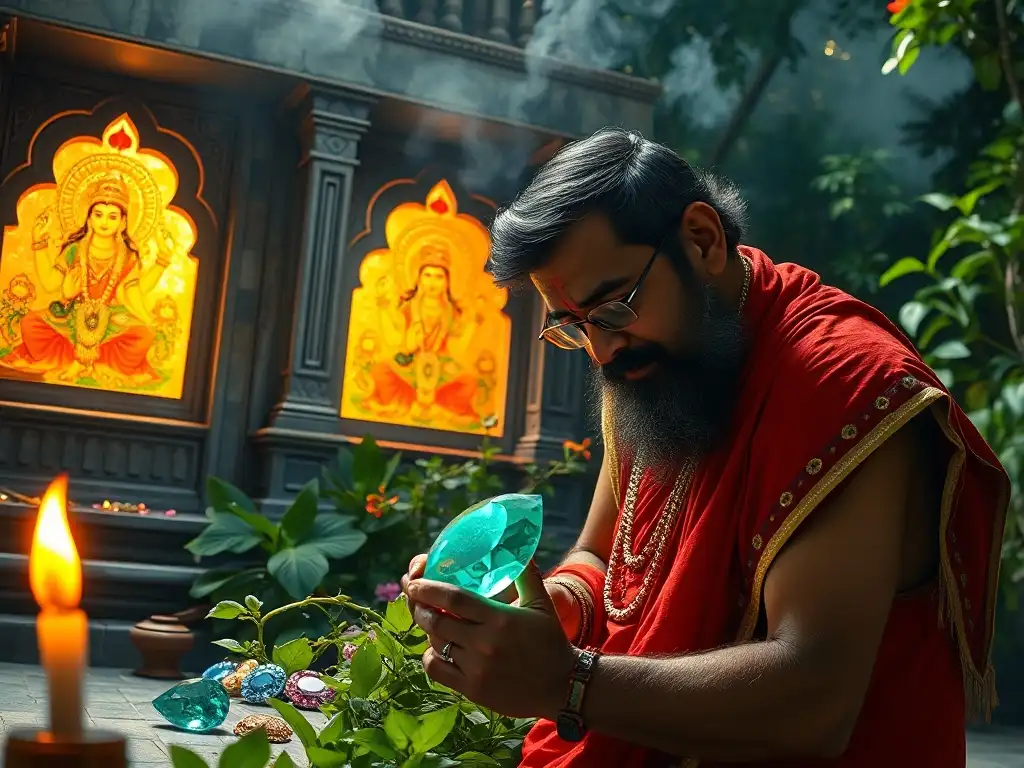
Welcome to Ancient India History, where we embark on a captivating journey through the rich tapestry of India's past. In our latest article, The Spiritual Significance of Gemstones in Ancient Indian Culture, we delve into the profound connections between gemstones and spirituality that have shaped the beliefs and practices of ancient civilizations. Have you ever wondered how these radiant stones influenced the lives of countless individuals, from the majestic Indus Valley to the illustrious Gupta Empire?
Join us as we uncover the layers of meaning behind these natural treasures and their enduring legacy in Indian culture. Your exploration into the enchanting world of gemstones begins here!
Introduction to the Spiritual Significance of Gemstones in India
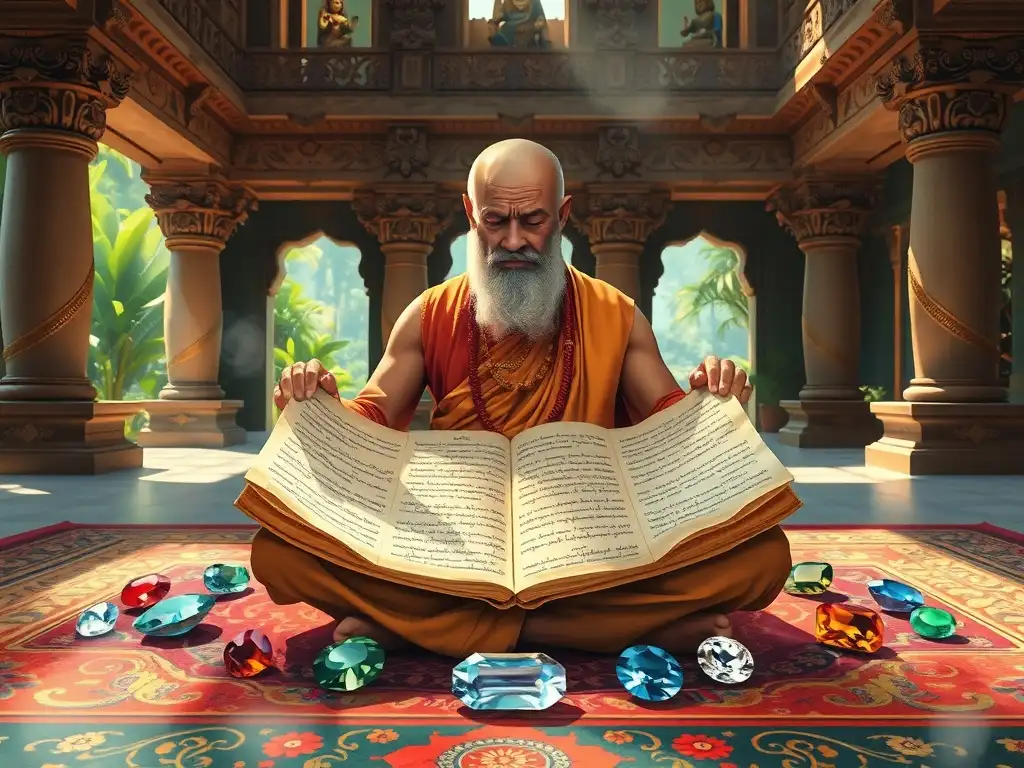
The cultural landscape of ancient India is rich with symbolism, meaning, and tradition, where gemstones played a crucial role not only as adornments but also as potent spiritual entities. The spiritual significance of gemstones in India extends far beyond their aesthetic appeal; they were believed to possess intrinsic properties that could influence one's fate, health, and well-being. From the ancient texts of the Vedas to the practices of astrology, gemstones were intertwined with the spiritual fabric of society, reflecting a deep understanding of their energies and vibrations.
In this exploration, we will delve into how ancient Indian civilizations revered gemstones, the beliefs surrounding their powers, and the cultural narratives that shaped their significance. By examining the religious and philosophical underpinnings of gemstones, we can appreciate their role in rituals, healing practices, and as symbols of status and power in ancient India.
Historical Context of Gemstones in Ancient India
The history of gemstones in India is as intricate as the gems themselves. Historically, India has been a treasure trove of precious stones, with deposits dating back thousands of years. Archaeological findings suggest that gemstones were not only mined but also used extensively in various crafts, including jewelry making and religious artifacts.
- Cultural Beliefs: Gemstones were often associated with deities and were thought to embody the qualities of the gods they represented. For instance, the ruby was linked with the sun, symbolizing vitality and power, while pearls were connected to the moon, representing purity and tranquility.
- Astrological Connections: In ancient Indian astrology, gemstones were believed to influence planetary alignments and, by extension, human destinies. Specific stones were prescribed for individuals to enhance positive energies and mitigate negative influences.
The Role of Gemstones in Ancient Indian Civilization
In ancient Indian civilization, gemstones held multifaceted roles that spanned various domains:
- Spiritual and Ritualistic Use:
- Puja and Sacrifices: Gemstones were integral to pujas (ritualistic prayers) and sacrifices, used as offerings to deities to seek blessings and prosperity.
- Amulets and Talismans: Many believed that wearing gemstones as amulets could provide protection from evil forces and bring good fortune.
- Symbol of Power and Status:
- Royalty and Nobility: Gemstones were emblematic of wealth and power, often worn by royalty as a display of status. The use of elaborate gemstone jewelry became synonymous with the grandeur of ancient Indian courts.
- Trade and Diplomacy: Gemstones also played a role in trade and diplomacy, serving as valuable commodities that facilitated exchanges between kingdoms and cultures.
Ancient Indian Gemstone Trade
The ancient Indian gemstone trade was a complex web of commerce that connected various regions and civilizations:
- Centers of Trade: Major cities such as Varanasi, Taxila, and Madurai emerged as significant trading hubs where gemstones were exchanged, crafted, and sold.
- Cultural Exchange: The trade routes facilitated not only the movement of goods but also the exchange of ideas, leading to a rich tapestry of cultural influences that shaped the understanding of gemstones.
- International Relations: The allure of Indian gemstones attracted traders from as far as Rome, Greece, and China, creating a vibrant marketplace that underscored India's prominence in the global economy of the ancient world.
Gemstones in ancient India were far more than mere decorative items; they were deeply embedded in the spiritual and cultural practices of the time. Understanding their significance provides a glimpse into the values, beliefs, and intricate societal structures of ancient Indian civilizations. As we continue to explore this fascinating subject, we will uncover more about the specific gemstones revered in ancient India and their enduring legacy in the world of spirituality and beyond.
Spiritual Properties of Gemstones in Ancient Indian Beliefs
In ancient Indian culture, gemstones were not merely decorative objects; they were imbued with profound spiritual significance. Believed to possess unique energies and vibrations, each gemstone was thought to influence the mind, body, and spirit. The ancients classified these stones based on their metaphysical properties and their associations with planetary energies, which were integral to astrological practices. For instance, gemstones were often worn as talismans or amulets, intended to harness positive energies and ward off negative influences.
The practice of wearing specific gemstones was rooted in the belief that they could enhance one's spiritual and physical well-being. Ancient texts such as the Garuda Purana and Brahmanas detailed the properties of various stones, guiding individuals on their spiritual journeys. The intricate relationship between gemstones and spirituality in ancient India reflects a holistic approach to health, where physical ailments were seen as intertwined with spiritual suffering.
The Chakra System and Gemstones
The Chakra system, a central element of ancient Indian spiritual practices, further illustrates the spiritual significance of gemstones. According to this system, there are seven primary chakras, each corresponding to specific physical, emotional, and spiritual aspects of life. Gemstones were associated with these chakras, believed to help balance and activate them.
- Root Chakra (Muladhara): Associated with grounding and stability, it is linked to gemstones like Red Jasper.
- Sacral Chakra (Svadhisthana): Connected to creativity and pleasure, represented by Carnelian.
- Solar Plexus Chakra (Manipura): Governing personal power, it resonates with Citrine.
- Heart Chakra (Anahata): Focused on love and compassion, symbolized by Rose Quartz.
- Throat Chakra (Vishuddha): Related to communication, represented by Blue Lace Agate.
- Third Eye Chakra (Ajna): Associated with intuition and insight, linked to Amethyst.
- Crown Chakra (Sahasrara): Connecting to spiritual enlightenment, represented by Clear Quartz.
By wearing or meditating with these stones, individuals sought to enhance their spiritual connectivity and promote emotional balance, showcasing the deep interconnection between gemstones and Indian spirituality.
Gemstones as Symbols of Power and Protection
In ancient India, gemstones were often perceived as symbols of power and protection. Rulers and warriors wore specific stones to enhance their strength, courage, and resilience. For instance, Diamond (Heera) was believed to provide invincibility and attract wealth, making it a favorite among kings and nobles.
Moreover, gemstones were commonly used to create protective amulets, thought to shield the wearer from harm and misfortune. The practice of embedding gemstones in jewelry or talismans was widespread, with specific designs and placements intended to maximize their protective properties. The spiritual significance attributed to gemstones extended beyond individual use; they played a crucial role in ritualistic ceremonies, where they were offered to deities for blessings and protection.
Gemstones Associated with Hindu Deities
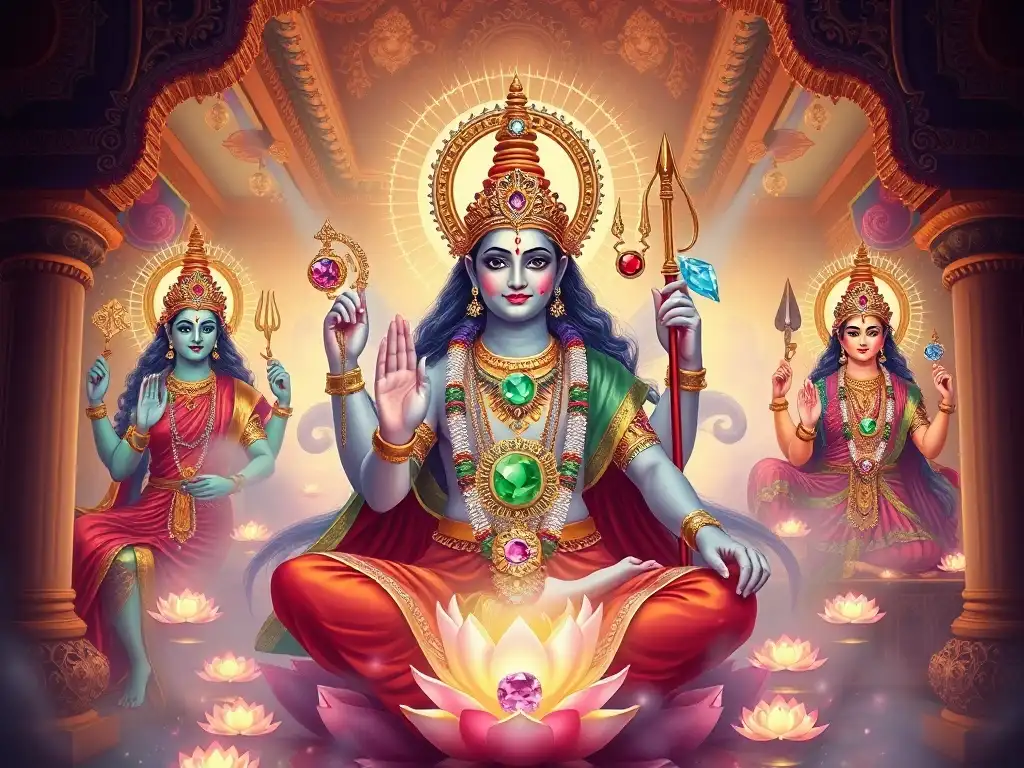
In the rich tapestry of Hindu mythology, various gemstones are directly associated with specific deities, each symbolizing different aspects of divinity and spiritual power. These associations highlight the integral role gemstones played in worship and devotion.
The Spiritual Significance of Ruby (Manikya) in Hinduism
Ruby, known as Manikya in Sanskrit, holds significant spiritual importance in Hinduism. Revered for its vibrant red color, it is linked to the Sun, symbolizing energy, vitality, and passion. The ancient texts suggest that wearing a ruby can bestow the wearer with confidence, wisdom, and prosperity.
In addition, ruby is believed to enhance one's leadership qualities and strengthen the heart, making it a powerful stone for those seeking to inspire and lead others. The association of ruby with the deity Surya, the Sun God, further amplifies its significance, as it is thought to facilitate a connection to divine energy and illumination.
The Role of Emerald (Panna) in Indian Mythology
Emerald, known as Panna, is another gemstone of profound spiritual significance in Indian mythology. Revered for its lush green color, emerald is associated with the planet Mercury, representing intellect, communication, and prosperity. It is believed that wearing an emerald can enhance one's analytical abilities and improve decision-making skills.
In Hindu mythology, emerald is linked to the deity Saraswati, the goddess of knowledge and wisdom. This connection underscores the stone's role in promoting education and learning. Additionally, emerald is often included in royal insignia, symbolizing nobility and success, reflecting its importance as a gemstone that fosters growth and enlightenment.
The spiritual significance of gemstones in ancient Indian culture is a multifaceted subject that intertwines with astrology, mythology, and personal well-being, showcasing the profound respect and reverence ancient Indians held for these natural treasures.
The Influence of Ayurveda on Gemstone Use
The ancient Indian system of medicine known as Ayurveda has played a significant role in the understanding and use of gemstones. Rooted in the belief that balance in the body, mind, and spirit is essential for optimal health, Ayurveda associates gemstones with specific healing properties that can enhance well-being. Each gemstone is believed to resonate with certain energies that correspond to the body's chakras and doshas (the three fundamental bodily types: Vata, Pitta, and Kapha).
In Ayurveda, gemstones are not merely ornamental; they are considered vital tools for healing and maintaining harmony. For instance, the use of ruby is encouraged for enhancing vitality and energy, while emerald is thought to promote emotional balance and mental clarity. Practitioners often recommend wearing specific gemstones to address ailments or imbalances, effectively integrating these natural elements into holistic healing regimens.
Healing Properties of Gemstones in Ayurvedic Practices
In Ayurvedic practices, gemstones are believed to possess unique healing properties that can influence physical and emotional health. Each gemstone is thought to have a vibrational energy that can align with the body's energy fields, promoting healing and balance.
- Sapphire: Known for enhancing mental clarity and focus, sapphires are often prescribed for individuals experiencing anxiety and stress.
- Topaz: This gemstone is revered for its capacity to boost self-confidence and creativity, making it a popular choice for artists and creators.
- Diamond: Associated with purity and clarity, diamonds are believed to enhance spiritual growth and promote emotional stability.
Ayurvedic practitioners may suggest wearing these gemstones in specific forms, such as rings or pendants, allowing their energies to interact more profoundly with the wearer. The influence of Ayurveda on gemstone use has thus created a rich tradition that emphasizes the spiritual and physical benefits of these natural treasures.
Cultural Practices Involving Gemstones
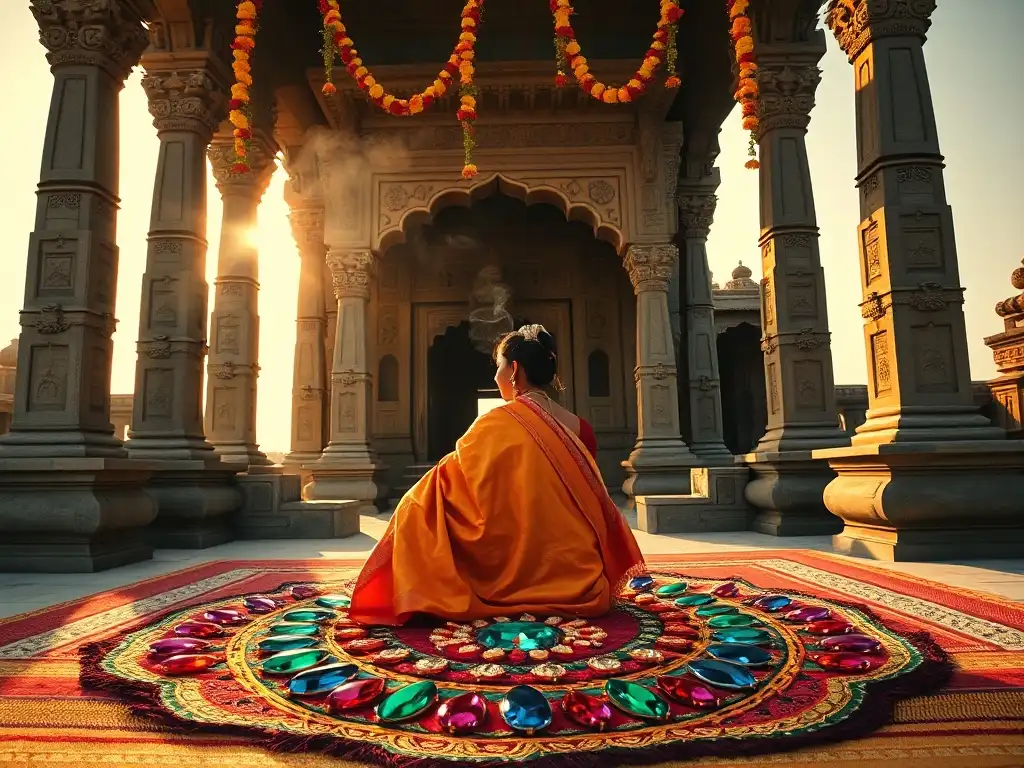
Gemstones have been integral to various cultural practices in ancient India, reflecting their significance in both daily life and spiritual rituals. From religious ceremonies to personal adornments, gemstones have adorned the lives of many, symbolizing wealth, power, and divine protection.
Gemstones in Traditional Indian Weddings
In traditional Indian weddings, gemstones play a crucial role, symbolizing prosperity and auspiciousness. It is customary for brides to wear jewelry adorned with specific gemstones, which are believed to bring good fortune and blessings to the marriage. For example, mangalsutra, a sacred necklace worn by brides, often features rubies or emeralds, representing love and fidelity.
Moreover, families may gift gemstones to the bride and groom as a part of the wedding ceremony, signifying their wishes for a harmonious and prosperous union. The significance of gemstones in weddings extends beyond aesthetics; they embody deep cultural beliefs that intertwine with the spiritual well-being of the couple.
Festivals Celebrating Gemstones
Festivals in India often celebrate the beauty and significance of gemstones, highlighting their spiritual importance in various cultural contexts. For instance, during Dhanteras, a festival dedicated to the worship of wealth and prosperity, people purchase gold and gemstones as a sign of good fortune. It is believed that acquiring these precious materials on this day will invite prosperity and abundance into their lives.
Navratri, another prominent festival, celebrates the divine feminine and often includes rituals involving gemstones. Devotees may wear specific gemstones that resonate with the goddess they are worshiping, seeking blessings and protection. This intertwining of gemstones with cultural festivities reflects their enduring significance in ancient Indian society, where spirituality and material beauty were closely linked.
Conclusion: The Enduring Legacy of Gemstones in Indian Spirituality
The spiritual significance of gemstones in ancient Indian culture is profound and multifaceted. From the Indus Valley Civilization to the Gupta Empire, gemstones were not merely decorative items; they were imbued with deep spiritual meanings and believed to possess protective and healing properties. The ancient texts, including the Vedas and Puranas, highlighted the importance of gemstones in rituals and personal adornment, underscoring their role in enhancing one’s spiritual journey and connection to the divine.
As centuries have passed, the reverence for gemstones has evolved but remains an integral part of Indian spirituality. Today, many still consult astrologers who recommend specific gemstones based on individual astrological charts, emphasizing their enduring belief in the celestial influence of these stones. The practice of wearing particular gemstones as talismans is a continuation of the ancient traditions, reflecting a profound respect for the stones' perceived powers.
Moreover, the artistry involved in the crafting of gemstone jewelry showcases not only the skill of artisans but also serves as a medium for expressing spirituality through beauty. The use of gemstones in temples and religious artifacts further solidifies their significance in spiritual practices, enhancing the sacred environment.
The legacy of gemstones in Indian spirituality is not merely historical; it continues to influence modern practices and beliefs, demonstrating the timeless connection between culture, spirituality, and nature. This enduring relationship emphasizes the need to appreciate and preserve the traditional knowledge surrounding gemstones as a vital aspect of India's rich spiritual heritage.
References and Further Reading
- The Vedas: An Overview - An exploration of ancient Indian scriptures that detail spiritual practices and beliefs, including the significance of gemstones.
- Gemstones and Their Powers in Ancient India - A comprehensive study on the historical and cultural importance of gemstones in various Indian civilizations.
- Astrology and Gemstones: A Modern Perspective - An analysis of how ancient beliefs in the spiritual significance of gemstones influence contemporary astrological practices in India.
- Artistry in Gemstone Jewelry: A Historical Perspective - This work discusses the craftsmanship of gemstone jewelry in ancient India and its spiritual implications.
- The Influence of Gemstones on Indian Rituals - This text delves into how gemstones were integrated into religious ceremonies and their role in spiritual practices throughout Indian history.
- Introduction to the Spiritual Significance of Gemstones in India
- Historical Context of Gemstones in Ancient India
- Spiritual Properties of Gemstones in Ancient Indian Beliefs
- Gemstones Associated with Hindu Deities
- The Influence of Ayurveda on Gemstone Use
- Healing Properties of Gemstones in Ayurvedic Practices
- Cultural Practices Involving Gemstones
- Conclusion: The Enduring Legacy of Gemstones in Indian Spirituality
- References and Further Reading
- What is the spiritual significance of gemstones in ancient Indian culture?
- How were gemstones used in ancient Indian rituals?
- Which gemstones were most revered in ancient India?
- How did ancient Indian civilizations source their gemstones?
- What role do gemstones play in contemporary Indian spirituality?
Frequently Asked Questions
What is the spiritual significance of gemstones in ancient Indian culture?
The spiritual significance of gemstones in ancient India is deeply rooted in astrology and beliefs, where each gemstone is associated with specific planets and deities, believed to bring prosperity and protection.
How were gemstones used in ancient Indian rituals?
Gemstones were often used in rituals and ceremonies as offerings or worn as talismans to invoke the blessings of different deities, enhancing the spiritual connection between the individual and the divine.
Which gemstones were most revered in ancient India?
Some of the most revered gemstones included diamonds, rubies, and emeralds, each symbolizing different qualities and powers that align with various aspects of life and spirituality.
How did ancient Indian civilizations source their gemstones?
Ancient Indian civilizations sourced gemstones through trade routes that connected them with other regions, as well as through local mining, which emphasized their economic and cultural importance.
What role do gemstones play in contemporary Indian spirituality?
In contemporary Indian spirituality, gemstones continue to hold significant value, often utilized in astrological practices and personal adornments, reflecting their ongoing cultural relevance and spiritual beliefs.
Final Reflection: Embracing the Spiritual Legacy of Gemstones in India
The spiritual significance of gemstones in ancient Indian culture resonates profoundly in today's world, reminding us of the deep connections between nature, spirituality, and personal well-being. As we navigate through modern life, the wisdom embedded in these ancient practices offers a guiding light, illuminating paths toward healing and self-discovery. The vibrant hues and unique energies of gemstones are not merely aesthetic; they serve as powerful symbols of our inner journeys and the universe's intricate tapestry.
Cultural practices surrounding gemstones have shaped our understanding of spirituality and healing across generations. The reverence for these natural treasures reflects a profound respect for the earth and its gifts, fostering a sense of unity with the cosmos. As we continue to explore the spiritual significance of gemstones in India, we can draw inspiration from the words of Mahatma Gandhi: In a gentle way, you can shake the world.
Just as gemstones have the power to influence our lives, so too can our awareness of their significance inspire change within ourselves and our communities.
As we conclude this exploration, I invite you to reflect on the gemstones that resonate with your spirit and consider how their energies can enhance your life. Take a moment to connect with these natural wonders, allowing their beauty and significance to inspire your journey. Whether through meditation, adornment, or simply appreciating their presence, let the spiritual legacy of gemstones guide you toward a deeper understanding of yourself and the world around you. Embrace this ancient wisdom and carry it forward, enriching your life and those of others in the process.
Unlock the Mysteries of Ancient Gemstone Wisdom!
Thank you for exploring the rich tapestry of ancient Indian culture and the profound spiritual significance of gemstones. We hope you found inspiration and insights that resonate with your own journey. Now, let's delve into how you can embrace this timeless wisdom in your life!
- Start your collection: Identify a gemstone that resonates with you. Research its significance and acquire your own piece to harness its unique energy.
- Share the love: Engage in conversations about the importance of gemstones with friends and family! Organize a gathering to explore the meanings behind different stones together.
- Dive deeper: Consider keeping a journal about your experiences with gemstones, reflecting on their influence in your life and how they contribute to your spiritual journey.
Which gemstone captivates you, and how do you believe it could enhance your spiritual path?