
The Timeless Allure: A Journey Through the History of Indian Gemstones

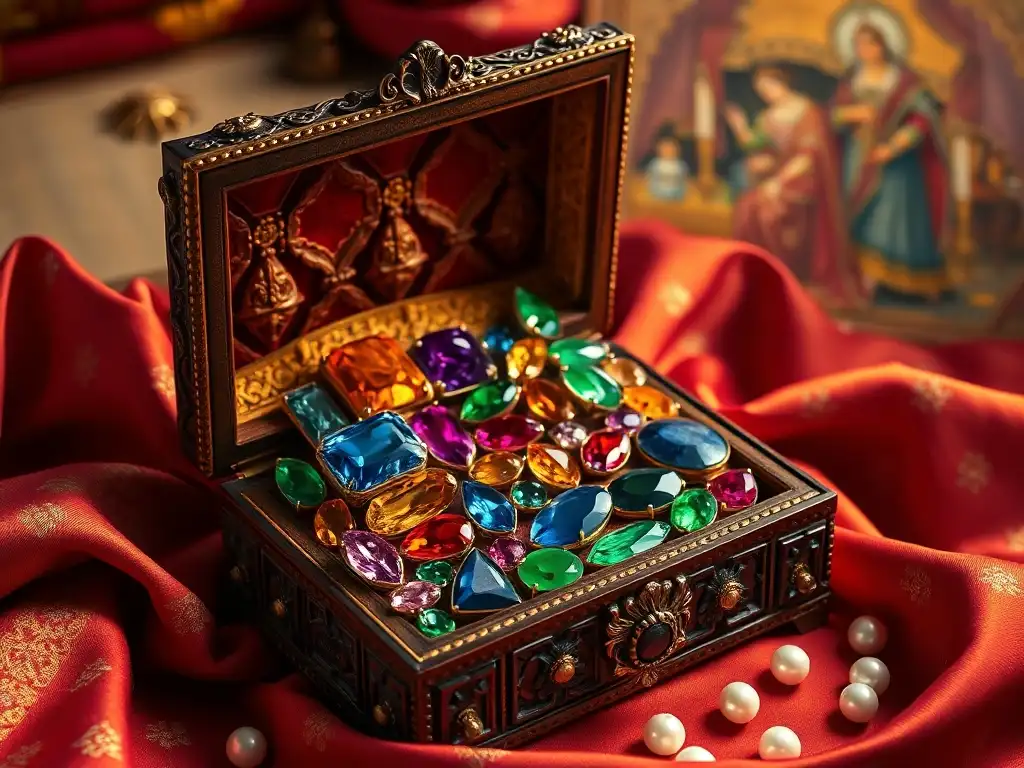
Welcome to Ancient India History, where we embark on an enchanting voyage through the rich tapestry of India's past. Today, we delve into a captivating exploration of the History of Indian gemstones, uncovering the stories behind the dazzling treasures that have adorned royalty and inspired artisans for centuries. From the shimmering brilliance of the Indus Valley to the opulent designs of the Gupta Empire, each gem carries a legacy of culture and craftsmanship.
Join us as we unravel the timeless allure of these precious stones and the profound impact they have had on Indian heritage. Your journey into the world of gemstones begins here— let's discover the secrets that lie within!
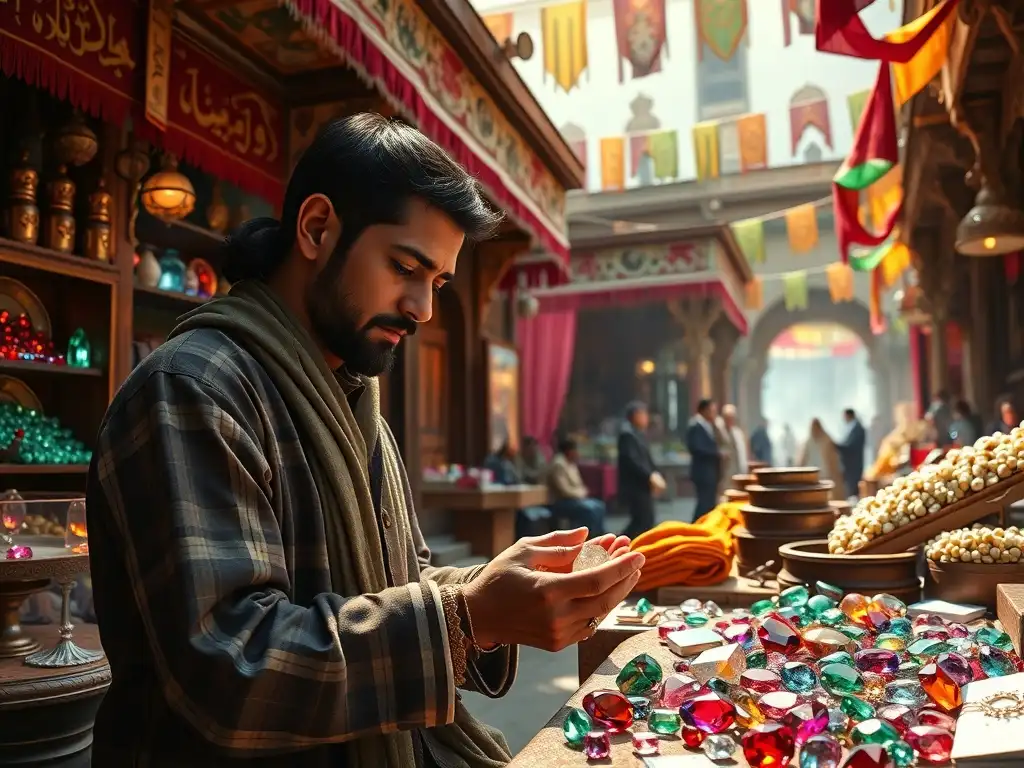
The allure of Indian gemstones has captivated cultures and civilizations for millennia, weaving a rich tapestry of history that reflects the artistry, trade, and spiritual beliefs of ancient societies. From the shimmering sands of the Indus Valley to the opulent courts of the Gupta Empire, gemstones have not only been symbols of wealth and power but also bearers of cultural significance and craftsmanship.
This article embarks on a captivating journey through the history of Indian gemstones, exploring their origins, usage, and the profound impact they have had on both local and global scales. As we delve into this vibrant past, we will uncover how these precious stones shaped identities, economies, and traditions, providing insight into the timeless allure that continues to resonate today.
Introduction to the Rich History of Indian Gemstones
Indian gemstones have a legacy that dates back thousands of years, characterized by an intricate relationship between nature, culture, and human creativity. The subcontinent is endowed with a variety of natural resources, including an impressive array of gemstones such as diamonds, rubies, emeralds, and sapphires. Each stone carries its own unique story, intertwined with the lives of those who cherished them.
Throughout history, these gemstones have been utilized not just for adornment but also for their supposed metaphysical properties, believed to bring good fortune, health, and protection. They have been mentioned in ancient scriptures, adorned the crowns of kings, and featured prominently in art and architecture, marking the evolution of craftsmanship and design.
The Indus Valley Civilization and Early Gemstone Usage
The roots of gemstone usage in India can be traced back to the Indus Valley Civilization (c. 3300–1300 BCE), one of the world's earliest urban cultures. Archaeological findings from sites like Harappa and Mohenjo-Daro reveal a sophisticated society that valued luxury and aesthetics.
- Key Findings:
- Bead-making workshops: Evidence suggests that artisans were skilled in the art of bead-making, utilizing materials such as carnelian, agate, and lapis lazuli.
- Trade networks: The Indus Valley people engaged in extensive trade with regions as far as Mesopotamia, exchanging gemstones and precious metals, which indicates an early appreciation for their value and beauty.
The use of gemstones during this period laid the foundation for future civilizations, as techniques and styles evolved, continuing to influence the crafting of jewelry and adornments.
The Influence of Ancient Texts on the History of Indian Gemstones
Ancient Indian texts, such as the Rigveda, Atharvaveda, and Manusmriti, provide valuable insights into the cultural significance of gemstones in Indian society. These texts not only mention various gemstones but also elaborate on their attributes, uses, and associations with deities and astrological beliefs.
- Notable References:
- Astrology: Gemstones were often linked to celestial bodies, and their wear was believed to influence one’s fate and fortune.
- Medicinal uses: Certain gems were thought to possess healing properties, incorporated into traditional Ayurvedic practices.
The reverence for gemstones is evident in literature and art, where they are depicted as symbols of beauty, strength, and divine favor, further embedding them into the fabric of ancient Indian culture. As we explore the history of Indian gemstones, we continue to uncover their enduring legacy and the profound impact they have had on the art of jewelry making and cultural identity throughout the ages.
The Mauryan Empire: A Flourishing Era for Indian Gemstones
The Mauryan Empire, which thrived from around 322 to 185 BCE, marked a significant period in the history of Indian gemstones. Under the rule of Emperor Ashoka and his predecessors, India saw an unprecedented growth in trade, art, and culture, which directly influenced the gemstone industry. The vast network of trade routes established during this era facilitated the exchange of precious stones not only within India but also with distant lands such as Persia, Greece, and beyond.
Gemstones such as diamonds, rubies, and emeralds were highly valued and sought after, often associated with royalty and divinity. The Mauryan rulers adorned themselves with exquisite jewelry made from these stones, which symbolized power and status. Notably, the famous Indian diamond, the Koh-i-Noor, is believed to have been part of this era's treasures, showcasing the empire's wealth in precious stones.
Moreover, the Mauryan Empire was pivotal in the development of lapidary arts. Skilled artisans began to refine techniques for cutting and polishing gemstones, enhancing their natural beauty. The craftsmanship of this period laid the foundation for future generations, creating a legacy that would influence the art of gem cutting across the centuries.
The Gupta Empire and the Cultural Renaissance of Gemstones
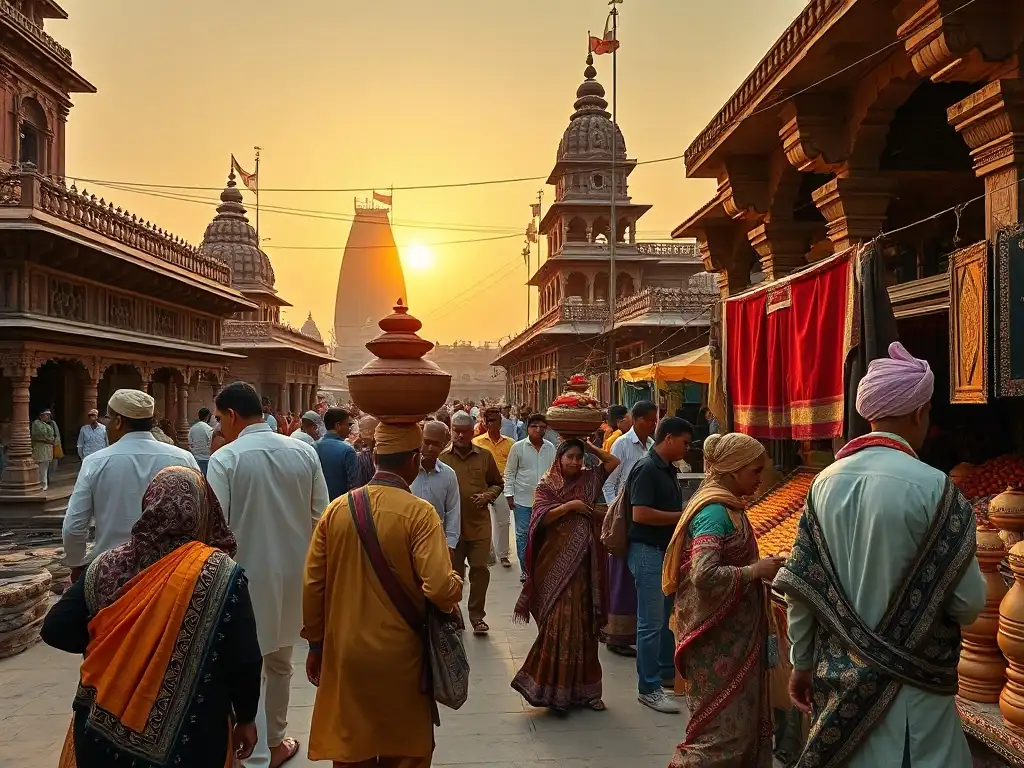
The Gupta Empire, which flourished from approximately the 4th to 6th centuries CE, is often referred to as the "Golden Age" of India, and gemstones played a crucial role in this cultural renaissance. This period witnessed a resurgence in art, science, and philosophy, with gemstones becoming symbols of affluence and artistic expression.
During the Gupta period, the demand for gemstones surged as they were used in various forms of artistry, including intricate jewelry, religious artifacts, and decorative items. The craftsmanship reached new heights, with artisans crafting elaborate pieces that showcased not only the beauty of the stones but also the skill of the craftsmen. Techniques for engraving and setting stones were further refined, leading to creations that were both stunning and durable.
Additionally, the Gupta period saw the emergence of texts that discussed the significance of gemstones in astrology and medicine. Gemstones were believed to possess mystical properties, and their use in talismans became popular among the elite. The use of gemstones extended beyond mere ornamentation, as they were also seen as a means to harness cosmic energies and promote well-being.
Regional Variations in the History of Indian Gemstones
The history of Indian gemstones is characterized by remarkable regional variations, each contributing uniquely to the rich tapestry of gemology in the subcontinent. Different regions specialized in specific types of gemstones, influenced by local geology, cultural practices, and historical trade routes.
- Western India (Gujarat and Rajasthan):
- Known for its vibrant production of diamonds and colored stones, particularly the famous Golconda diamonds. Rajasthan, with its rich mining history, became a hub for lapidary arts, especially in cities like Jaipur, which is renowned for its blue sapphires and emeralds.
- Southern India (Karnataka and Tamil Nadu):
- The region is celebrated for its garnets and rubies, especially from the Mysore area. The temples in Tamil Nadu often feature intricate carvings adorned with gemstones, showcasing their significance in religious contexts.
- Eastern India (West Bengal and Odisha):
- West Bengal is known for its exquisite craftsmanship in jewelry, particularly with pearls and semi-precious stones. Odisha's temples also exhibit stunning examples of gemstone work that reflect the state's rich cultural heritage.
- Northern India (Himachal Pradesh and Punjab):
- Himachal Pradesh is known for its natural gemstone deposits, including aquamarine and topaz, while Punjab has a long tradition of fine jewelry making, often incorporating a mix of local and imported stones.
These regional variations not only highlight the diversity of gemstones found across India but also reflect the historical influences that shaped the gemstone trade. The interplay between local traditions, craftsmanship, and trade routes has ensured that Indian gemstones remain a vital part of the nation’s cultural heritage.
The Role of Gemstones in Indian Religion and Spirituality
In ancient India, gemstones were much more than mere adornments; they held profound significance in religion and spirituality. Each gemstone was believed to embody certain energies and vibrations, which could influence the wearer’s fate and health. For instance, the Ruby, known as "Manik" in Sanskrit, was associated with the Sun and was believed to bestow vitality and success. Similarly, the Sapphire, or "Neelam," was linked to the planet Saturn and was thought to bring wisdom, prosperity, and protection.
Hindu scriptures, including the Vedas and Puranas, detail the spiritual properties of various gemstones, promoting their use in rituals and offerings. For example, wearing gemstones corresponding to specific deities was a common practice. It was believed that by adorning oneself with these stones, devotees could attract divine blessings and enhance their spiritual journey. Moreover, astrology played a crucial role in determining the favorable gemstones for individuals based on their birth charts, further intertwining gemstones with personal spirituality.
In Buddhist traditions, gemstones were also valued for their perceived ability to promote calmness and enlightenment. The use of certain stones in meditation practices was believed to elevate spiritual experiences. Consequently, gemstones have consistently been integral to rituals, ceremonies, and personal adornments, bridging the gap between the physical and the spiritual realms.
Famous Indian Gemstones: Stories Behind the Legends
India has long been celebrated as the "Land of Gemstones," housing some of the most legendary gems in history. One of the most famous is the Koh-i-Noor diamond, which has a storied past filled with tales of conquest, intrigue, and royal ownership. Originally found in India, this diamond is now part of the British Crown Jewels. Legends suggest that those who possess the Koh-i-Noor would rule the world, but it is also said to bring misfortune to male owners.
Another remarkable gem is the Hope Diamond, believed to have originated from India, specifically from the Golconda mines. This deep blue diamond is infamous for its purported curse, which affects its owners with misfortune and tragedy. The stories surrounding these gemstones illustrate the intersection of beauty, power, and peril, captivating the imagination of many throughout history.
Additionally, the Star of India, a stunning star sapphire weighing over 563 carats, is notable for its unique asterism, or star-like appearance, caused by the inclusion of needle-like rutile crystals. This gemstone, housed in the American Museum of Natural History, has its own tale of theft and intrigue, adding to its allure.
These legendary gemstones not only showcase the craftsmanship and natural beauty found in India but also embody the rich tapestry of myths and historical narratives that continue to fascinate gem enthusiasts and historians alike.
The Evolution of Gemstone Mining Techniques in India
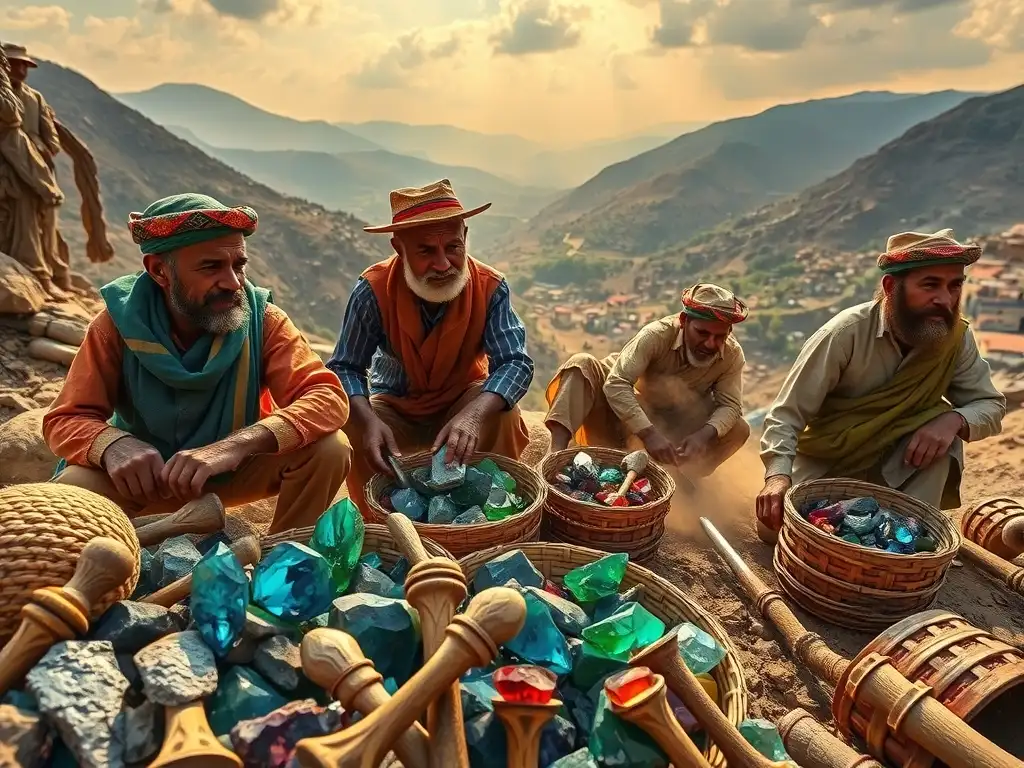
The history of gemstone mining in India is a testament to the ingenuity and craftsmanship of ancient civilizations. Initially, gemstone mining was largely artisanal, with methods involving hand tools and manual labor. The earliest known sites, such as the mines in the Golconda region, utilized simple techniques to extract precious stones like diamonds, rubies, and emeralds. Miners relied on rudimentary tools made from wood and stone, showcasing their intimate knowledge of the land and its resources.
As time progressed, mining techniques evolved significantly. The introduction of more sophisticated tools, such as iron picks and chisels, improved efficiency. By the medieval period, the rise of trade facilitated the exchange of ideas and techniques, leading to advancements in mining practices. The Mughal Empire, in particular, played a crucial role in promoting the gemstone trade, leading to the establishment of more organized mining operations.
In modern times, gemstone mining in India has undergone further transformation with the introduction of mechanized methods. The use of drilling machines, excavators, and other advanced equipment has allowed for deeper and more extensive mining operations. However, this evolution has raised concerns about environmental sustainability and the impact on local communities.
Despite the advancements, traditional methods still hold value in certain regions, where artisans continue to extract gemstones using age-old techniques. This blend of ancient and modern practices reflects the dynamic history of gemstone mining in India, illustrating the country’s enduring connection to its rich geological heritage.
Conclusion: The Enduring Legacy of Indian Gemstones
The history of Indian gemstones is a testament to the enduring beauty and cultural significance that these precious stones have held throughout the ages. From the mesmerizing allure of diamonds in the courts of ancient kings to the vibrant hues of rubies and sapphires that adorned the attire of nobility, Indian gemstones have played a pivotal role in the history of art, trade, and craftsmanship. The techniques developed over centuries, such as the intricate art of gem cutting and setting, have not only enriched the jewelry traditions of India but have also influenced global practices in the gemstone industry.
Moreover, the spiritual and astrological beliefs intertwined with gemstones in Indian culture have contributed to their timeless appeal. Each stone is thought to possess unique properties that can affect the wearer’s fate, making them not just mere adornments but also powerful talismans. This blend of aesthetics, mythology, and tradition has created a rich tapestry that reflects the values and aspirations of Indian civilization.
As we continue to explore and appreciate the beauty of Indian gemstones, we recognize their role as symbols of heritage and identity, bridging past and present. The legacy of Indian gemstones is not merely confined to history; it continues to inspire contemporary artisans and collectors, ensuring that the allure of these extraordinary stones remains vibrant and relevant today.
References and Further Reading on the History of Indian Gemstones
For those interested in diving deeper into the fascinating history of Indian gemstones, a wealth of resources is available. Here are some recommended readings:
- "Gemstones of India" by R.K. Gupta: This book provides an extensive overview of the various types of gemstones found in India, their properties, and historical significance.
- "The Art of Jewelry Making in Ancient India" by R. Sharma: A detailed examination of ancient Indian jewelry-making techniques, including the use of gemstones.
- "Diamonds: The History of a Gem": by Edward Jay: Explore the global history of diamonds with a specific focus on their significance in Indian culture.
- Research papers on gemstone trade during the Mughal era: Numerous academic articles delve into the economic and cultural implications of gemstone trade in historical India.
- Exhibitions and catalogs from museums: Many museums showcase collections of Indian gemstones and jewelry, often accompanied by catalogs that provide historical context.
These resources offer a comprehensive understanding of the multifaceted relationship between India and its gemstones, enriching our appreciation for their beauty and significance.
Call to Action: Explore the Beauty of Indian Gemstones
Are you captivated by the allure of Indian gemstones? If so, now is the perfect time to explore this timeless treasure. Whether you're a collector seeking unique pieces or simply an admirer of exquisite jewelry, Indian gemstones offer something for everyone.
- Visit local jewelry stores that specialize in Indian designs to view stunning pieces up close.
- Attend gemstone exhibitions or fairs where you can meet artisans and learn more about the craftsmanship involved.
- Engage with online platforms that showcase Indian gemstones, offering a wide range of options for purchase while ensuring ethical sourcing practices.
By embracing the beauty of Indian gemstones, you not only adorn yourself with history but also support artisans who carry forward this age-old tradition. Dive into the world of Indian gemstones and discover the stories they tell, the cultures they represent, and the timeless charm they exude!
- Introduction to the Rich History of Indian Gemstones
- The Indus Valley Civilization and Early Gemstone Usage
- The Influence of Ancient Texts on the History of Indian Gemstones
- The Mauryan Empire: A Flourishing Era for Indian Gemstones
- The Gupta Empire and the Cultural Renaissance of Gemstones
- Regional Variations in the History of Indian Gemstones
- The Role of Gemstones in Indian Religion and Spirituality
- Famous Indian Gemstones: Stories Behind the Legends
- The Evolution of Gemstone Mining Techniques in India
- Conclusion: The Enduring Legacy of Indian Gemstones
- References and Further Reading on the History of Indian Gemstones
- Call to Action: Explore the Beauty of Indian Gemstones
Frequently Asked Questions
What are the origins of Indian gemstones?
Indian gemstones have a rich history dating back to the Indus Valley Civilization, where early artisans crafted jewelry using locally sourced stones. This tradition has evolved over millennia, influencing global gemstone trade.
How did the Gupta Empire impact gemstone trade?
The Gupta Empire (c. 240–550 CE) played a crucial role in the gemstone trade by promoting commerce and establishing trade routes. Indian gemstones became highly sought after in international markets, showcasing India's craftsmanship.
What are some famous Indian gemstones?
India is renowned for its precious stones such as diamonds, rubies, emeralds, and sapphires. These gemstones have been celebrated for their quality and beauty, often featured in royal jewelry.
How did culture influence the use of gemstones in ancient India?
In ancient India, gemstones were not just decorative; they were believed to carry spiritual significance. Many were associated with astrology and used in rituals, reflecting the cultural beliefs of the time.
What is the significance of gemstones in contemporary Indian society?
Today, gemstones remain an important part of Indian culture, symbolizing wealth and status. They are also used in traditional ceremonies, continuing the legacy of their historical significance in Indian society.
Final Reflection: The Enduring Legacy of Indian Gemstones
The history of Indian gemstones is not merely a tale of beauty and luxury; it is a vibrant tapestry woven with cultural significance and timeless allure. Today, as we navigate a world increasingly driven by technology and fast fashion, the enduring charm of these precious stones reminds us of our deep-rooted connections to heritage and craftsmanship. The stories behind each gemstone resonate with the values of tradition, artistry, and the human experience, making them as relevant now as they were centuries ago.
The influence of Indian gemstones extends far beyond their aesthetic appeal; they have shaped social customs, inspired art, and fostered trade across continents. The intricate designs and rich symbolism associated with these stones reflect a cultural narrative that continues to evolve. As we appreciate their beauty, we must also acknowledge their role in fostering connections among diverse communities. Jewels are the most visible expression of our culture and history, a testament to the artistry of our ancestors.
This quote encapsulates the essence of how gemstones serve as a bridge between the past and present, enriching our understanding of identity and heritage.
As you reflect on the journey through the history of Indian gemstones, consider how these precious stones can inspire you in your own life. Embrace the lessons of resilience, creativity, and cultural appreciation that they embody. Let the allure of these gemstones motivate you to explore your own heritage, celebrate your unique story, and perhaps even discover the hidden gems within your life. The legacy of Indian gemstones invites us all to cherish our past while crafting a future filled with beauty and meaning.
Unveil the Beauty of Indian Gemstones Today!
Thank you for taking the time to explore the fascinating history of Indian gemstones with us! We hope you’ve discovered the rich cultural heritage and timeless allure these gems possess. Now, let’s transform that newfound knowledge into action!
Here are some simple yet exciting ways to deepen your connection with the world of Indian gemstones:
- Dive Deeper: Visit a local gem and mineral show or exhibition to see exquisite Indian gemstones up close and learn more about their origins and significance.
- Share & Inspire: Start a conversation with friends or family about your favorite gemstones. Encourage them to share their thoughts and experiences as well!
- Join a Community: Engage with online forums or social media groups dedicated to gemstones and jewelry, where you can exchange tips, stories, and insights.
What gemstone story captivates you the most, and how might it inspire your journey into the world of ancient India?