
Unveiling Treasures: The Rich History of India's Gemstone Markets

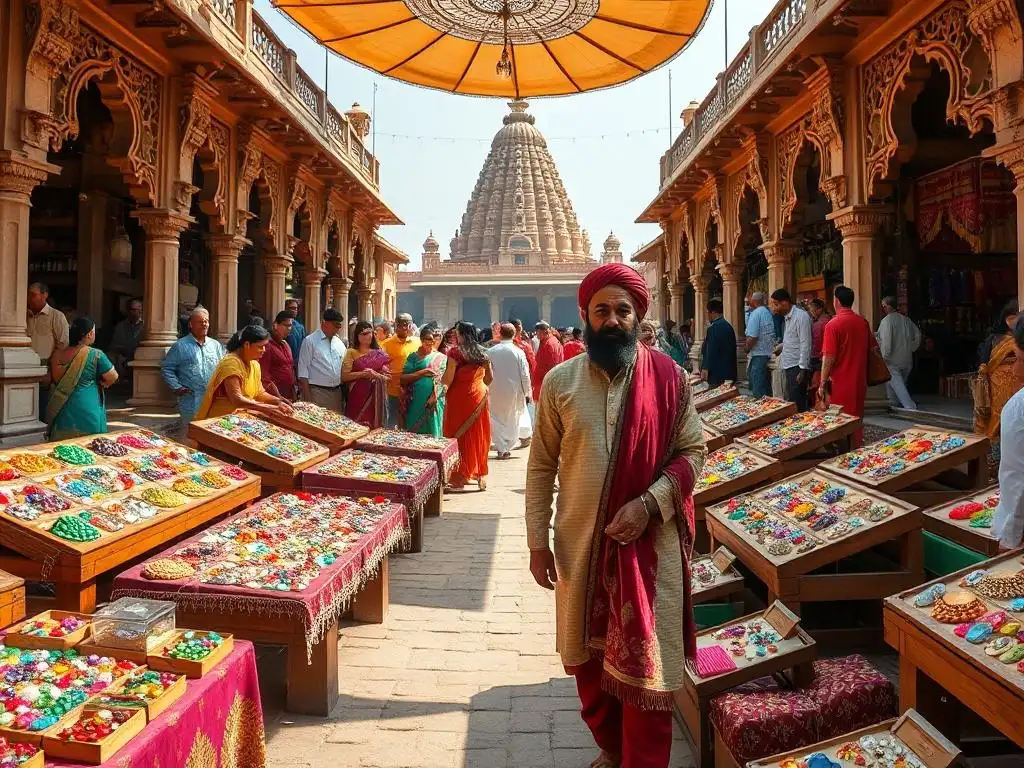
Welcome to Ancient India History, where we embark on a captivating journey through time to explore the rich and diverse tapestry of India's ancient civilizations. In our featured article, "Unveiling Treasures: The Rich History of India's Gemstone Markets," we delve into the fascinating world of ancient Indian gemstone markets, uncovering their significance in trade, culture, and artistry.
Get ready to discover how these vibrant markets not only shaped economic landscapes but also left an indelible mark on the fabric of society. Join us as we unravel the stories behind the gems that have captivated hearts for millennia and inspire your curiosity to learn more about this glittering chapter of history!
- Introduction to the Ancient Indian Gemstone Markets History
- The Historical Roots of Gemstone Trading in India
- Major Gemstone Markets in Ancient India
- Gemstone Types and Their Cultural Importance
- Techniques and Craftsmanship in Ancient Indian Gemstone Markets
- The Impact of Ancient Indian Gemstone Markets on Modern Commerce
- Conclusion: The Legacy of India’s Ancient Gemstone Markets
-
Frequently Asked Questions
- What is the significance of gemstone markets in ancient India?
- How did the Indus Valley Civilization contribute to the gemstone trade?
- What impact did the Gupta Empire have on gemstone production?
- Which gemstones were most prominent in ancient Indian markets?
- How did trade routes affect the gemstone markets in ancient India?
- Final Reflection: Embracing the Legacy of Ancient Indian Gemstone Markets
- Explore India's Gemstone Wonders Today!
Introduction to the Ancient Indian Gemstone Markets History
The history of gemstone markets in ancient India is a fascinating journey that reflects the intricate relationship between culture, trade, and artistry. From the early days of the Indus Valley Civilization to the flourishing markets during the Gupta Empire, gemstones have played a pivotal role in not only commerce but also in spiritual and artistic expressions.
Ancient Indian gemstone markets were not just centers of trade; they were vibrant hubs of cultural exchange where artisans and traders came together, showcasing their skills and the unrivaled beauty of their creations. This article aims to explore the rich tapestry of India's gemstone markets, tracing their evolution and significance throughout ancient history.
The Significance of Gemstones in Ancient Indian Civilization
Gemstones held profound importance in ancient Indian civilization, transcending mere ornamental value. They were seen as symbols of wealth, power, and divine protection. Key gemstones such as diamonds, rubies, emeralds, and sapphires were not only used in jewelry but also featured prominently in royal regalia and religious artifacts. Here are some key points highlighting their significance:
- Cultural and Religious Importance: Many gemstones were associated with various deities and were believed to possess spiritual properties. For instance, emeralds were linked to the goddess of learning, Saraswati, while diamonds were often seen as a symbol of invincibility.
- Trade and Economy: The demand for gemstones catalyzed trade routes that extended beyond India. Merchants engaged in extensive trade with other civilizations, including those in the Middle East and Europe, which enhanced India’s economic stature.
- Artistic Expression: The craftsmanship involved in gemstone cutting and setting reached remarkable heights in ancient India. Artisans created intricate designs that reflected the cultural narratives and aesthetics of the time, contributing to the rich heritage of Indian art.
Overview of India's Gemstone Markets and Their Evolution
The evolution of gemstone markets in India can be traced through several key periods, each marked by unique developments and influences.
- Indus Valley Civilization (c. 3300–1300 BCE):
- The earliest evidence of gemstone usage is found in the Indus Valley, where beads made from semi-precious stones such as carnelian and lapis lazuli were crafted. These artifacts indicate a sophisticated level of craftsmanship and trade.
- Maurya Empire (c. 322–185 BCE):
- The Mauryan period saw an increase in the value placed on gemstones, facilitated by the extensive trade networks established during this time. The introduction of new stone-cutting techniques also emerged, enhancing the quality of gemstones available in markets.
- Gupta Empire (c. 320–550 CE):
- Often referred to as the Golden Age of India, the Gupta Empire marked a significant flourishing of arts and commerce, including the gemstone trade. Markets in cities like Ujjain and Pataliputra became prominent centers for the exchange of precious stones, attracting traders from far and wide.
- Medieval Period:
- With the arrival of foreign influences and the establishment of new trade routes, gemstone markets continued to expand. The Mughal Empire, in particular, is well-known for its exquisite gemstones and the patronage of skilled artisans who transformed gemstones into magnificent pieces of jewelry.
By examining these key periods, we can appreciate the dynamic nature of ancient Indian gemstone markets and how they contributed to the cultural and economic fabric of the civilization. The legacy of these markets continues to influence contemporary jewelry design and gemstone trading in India today.
The Historical Roots of Gemstone Trading in India
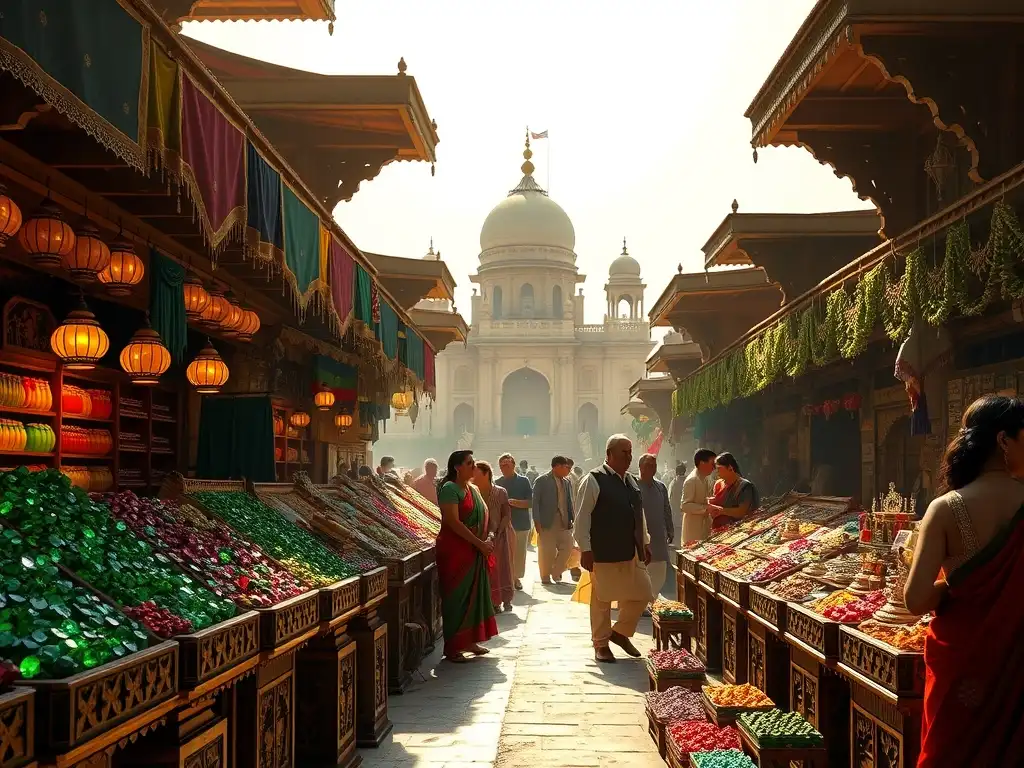
The gemstone trade in India boasts a rich history that dates back thousands of years, intertwining with the very fabric of its civilizations. This trade not only reflects the artistic prowess of ancient artisans but also highlights the economic and cultural exchanges that occurred across the subcontinent and beyond. The importance of gemstones in ancient Indian society was not merely ornamental; they were symbols of power, spirituality, and wealth, deeply embedded in the cultural and social milieu.
Ancient Sources of Gemstones in India
India has been a prominent source of gemstones since antiquity, with regions such as Kashmir, Mysore, and Andhra Pradesh being well-known for their rich deposits. The diverse geology of India allowed for the extraction of various gemstones, including:
- Diamonds: Primarily sourced from the Golconda region, these diamonds were coveted worldwide for their clarity and brilliance.
- Rubies: The vibrant red rubies from Myanmar were highly prized, but Indian rubies from the region of Kashmir were considered equally, if not more, valuable due to their exceptional color.
- Sapphires: Like rubies, sapphires were sourced from Kashmir and were known for their deep blue hues.
- Emeralds: Found in the regions of Rajasthan, these green gemstones were often associated with royalty.
The Indus Valley Civilization (circa 3300–1300 BCE) showcased early evidence of gemstone usage, with artifacts indicating that they engaged in the trade of semi-precious stones such as carnelian, agate, and lapis lazuli. These stones were often fashioned into beads and other ornaments, demonstrating a sophisticated understanding of craftsmanship and trade.
The Role of Trade Routes in Gemstone Distribution
The distribution of gemstones in ancient India was significantly influenced by various trade routes that facilitated commerce both within the subcontinent and with foreign lands. Key trade routes included:
- The Silk Route: This extensive network connected India to Central Asia and beyond, allowing for the exchange of gemstones, textiles, and spices. Indian gemstones found their way to markets in Persia, Rome, and even China.
- Maritime Trade Routes: The coastal regions, particularly around the Arabian Sea, facilitated trade with the Middle East and Southeast Asia. Ports such as Lothal were vital in exporting gemstones to international markets.
These routes not only enabled the movement of goods but also the exchange of ideas and cultural practices, enriching the gemstone trade with diverse influences. Historical texts and archaeological findings indicate that gemstones were often used as currency, further solidifying their economic importance.
Key Civilizations Influencing Gemstone Markets (Indus Valley, Maurya, Gupta)
Several key civilizations played a pivotal role in shaping the landscape of gemstone markets in ancient India:
- Indus Valley Civilization: Renowned for its urban planning and advanced metallurgy, the Indus Valley people were among the first to work with gemstones. They not only created intricate jewelry but also used gemstones in seals and amulets, signifying their importance in trade and cultural practices.
- Maurya Empire (322–185 BCE): Under the Mauryan rulers, particularly Emperor Ashoka, the gemstone trade flourished due to political stability and extensive trade networks. The Mauryan dynasty emphasized craftsmanship, leading to the development of sophisticated jewelry styles that integrated various gemstones. The capital city of Pataliputra became a bustling hub for trade, attracting merchants from across Asia.
- Gupta Empire (c. 240–550 CE): Often referred to as the "Golden Age" of India, the Gupta period saw remarkable advancements in art, science, and trade. Gemstone craftsmanship reached new heights, with artisans producing exquisite pieces that showcased intricate designs and superior quality. The Gupta rulers patronized artisans, which encouraged innovation in gemstone cutting and setting techniques.
The history of ancient Indian gemstone markets is a testament to the country's rich cultural heritage and economic prowess. From the Indus Valley to the Gupta Empire, each civilization contributed uniquely to the evolution of this vibrant trade, leaving a lasting legacy that continues to influence the gemstone industry today.
Major Gemstone Markets in Ancient India
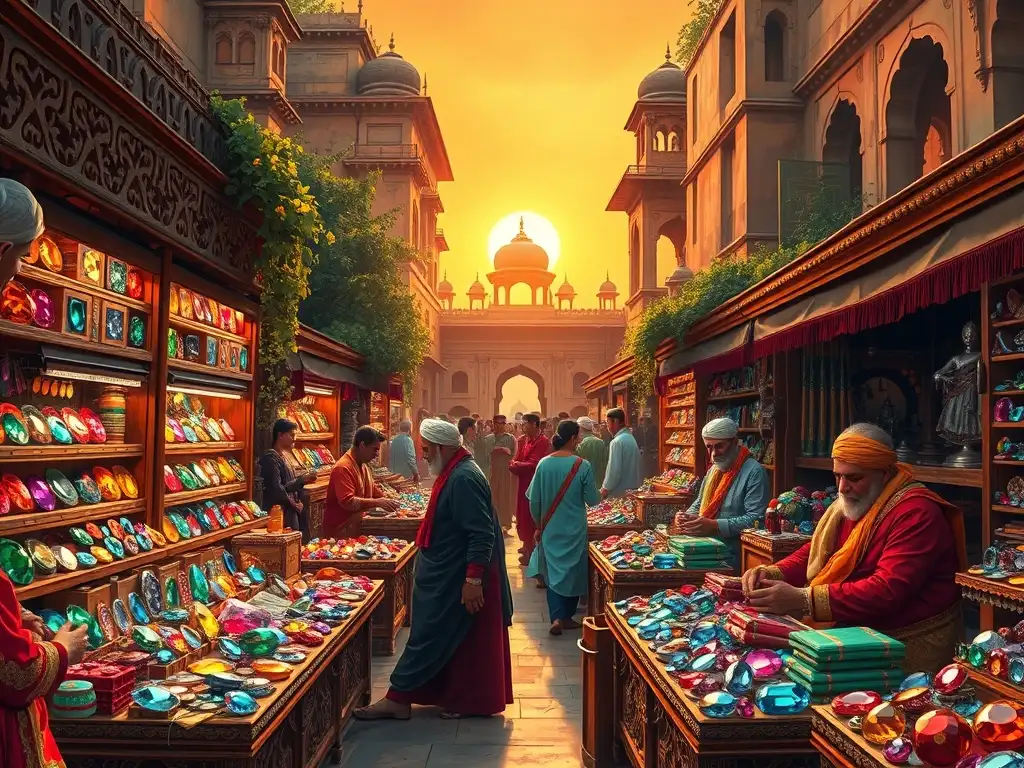
The Vibrant Gemstone Trade in Jaipur: A Historical Perspective
Jaipur, known as the "Pink City," has a rich history intertwined with the gemstone trade. Established in the 18th century by Maharaja Sawai Jai Singh II, the city quickly emerged as a significant center for the trade of precious and semi-precious stones. The vibrant markets of Jaipur, such as Johari Bazaar, became bustling hubs where artisans and traders exchanged a variety of gemstones, including rubies, emeralds, and sapphires.
Key Features of Jaipur's Gemstone Trade
- Artisan Skills: Jaipur is renowned for its skilled artisans, particularly in the art of gemstone cutting and polishing. Techniques such as the "Jaipur cut" have been developed, highlighting the local expertise in enhancing the brilliance and clarity of gemstones.
- Historical Significance: The gemstone market in Jaipur flourished due to its strategic location along major trade routes. Merchants from Persia, Arabia, and Europe frequented these markets, contributing to the city's wealth and cultural diversity.
- Cultural Influence: The royal patronage of gemstones in Jaipur led to the creation of exquisite jewelry pieces that not only served as adornments but also as symbols of status and power. The integration of gemstones into local traditions can still be seen today in various festivals and ceremonies.
Delhi's Role as a Hub for Precious Stones through the Ages
Delhi, the capital of several ancient empires, has played a pivotal role in the history of gemstone trade in India. From the Delhi Sultanate to the Mughal Empire, the city has been a melting pot of cultures and a significant market for precious stones.
Historical Dynamics of Delhi's Gemstone Market
- Cultural Exchange: As a major political center, Delhi attracted traders from all over the world. This cultural exchange led to the introduction of various gemstone styles and techniques, enriching the local craftsmanship.
- Mughal Influence: The Mughal era saw a peak in the demand for gemstones, with emperors like Shah Jahan commissioning intricate jewelry pieces adorned with diamonds, emeralds, and pearls. The famous Koh-i-Noor diamond is one notable example that symbolizes the grandeur of Mughal gemstone artistry.
- Trade Routes: Delhi served as a critical junction for trade routes connecting the northwestern regions of India with the rest of the subcontinent. This facilitated the movement of gemstones and established the city as a thriving marketplace.
The Influence of Varanasi on Gemstone Craftsmanship
Varanasi, one of the oldest continuously inhabited cities in the world, is not only famous for its spiritual significance but also for its unique contributions to gemstone craftsmanship. The city's artisans have been honing their skills for centuries, making it a vital player in the ancient Indian gemstone markets.
Distinct Characteristics of Varanasi's Gemstone Craft
- Traditional Techniques: Varanasi is known for its distinctive techniques in bead-making and gemstone carving. The craftsmanship often involves intricate designs that reflect the city's rich cultural heritage.
- Spiritual Significance: Many gemstones used in Varanasi are associated with spiritual practices and rituals. The local belief in the metaphysical properties of stones has influenced the market, leading to a demand for specific gemstones believed to bring good fortune or protection.
- Integration with Textiles: The city’s famous Banarasi silk sarees often incorporate gemstones, showcasing a fusion of textile and jewelry traditions. This practice has created a unique market where both textiles and gemstones are valued equally.
The ancient Indian gemstone markets have played a crucial role in shaping the cultural and economic landscapes of cities like Jaipur, Delhi, and Varanasi. Each city has contributed uniquely to the rich tapestry of India’s gemstone history, influencing craftsmanship, trade dynamics, and cultural practices that continue to resonate today.
Gemstone Types and Their Cultural Importance
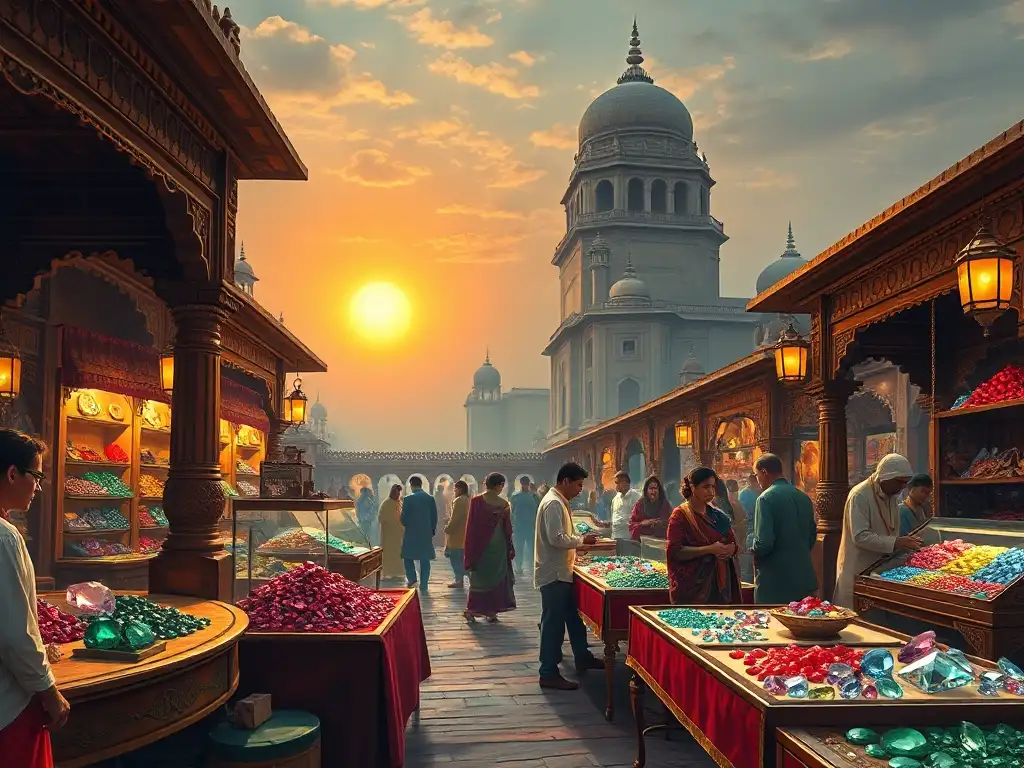
Diamonds: The "King of Gems" in Ancient Indian History
Diamonds, often referred to as the "King of Gems," have a long and illustrious history in ancient India. The earliest recorded references to diamonds date back to around 4,000 years ago, specifically in the ancient Sanskrit texts, where they were celebrated not only for their beauty but also for their purported magical and healing properties.
Origin and Mining
The Golconda mines in modern-day Andhra Pradesh were among the most famous sources of diamonds during ancient times. The region produced some of the largest and most famous diamonds in history, such as the Koh-i-Noor and the Hope Diamond. These mines became pivotal to the diamond trade, attracting traders from various regions, including Persia and the Middle East.
Cultural Significance
Diamonds held immense cultural significance, often symbolizing power, purity, and invincibility. They were favored by royalty, who adorned their crowns and armors with these precious stones. The diamond's ability to refract light and its unparalleled hardness made it a symbol of eternal love and commitment, which persists in modern jewelry traditions today.
Rubies, Sapphires, and Emeralds: Their Significance in Royalty
Rubies, sapphires, and emeralds were not just mere adornments for the ancient Indian elite; they were integral to their identity and status.
Rubies: The Blood of the Earth
Rubies, known as "Manik" in Sanskrit, were considered the most precious gemstones in ancient India. They were associated with the sun and believed to bring good fortune and protection. Kings and warriors wore rubies to symbolize their courage and to enhance their power in battle.
Sapphires: The Stone of Wisdom
Sapphires were associated with divine favor and enlightenment. Rulers often wore sapphires to enhance their wisdom and decision-making abilities. It was believed that wearing a sapphire could bring peace and harmony, making it a favored stone among those in leadership positions.
Emeralds: The Gem of the Gods
Emeralds, or "Panna," were highly revered in ancient Indian culture. They were associated with the goddess of wealth, Lakshmi, and were believed to bestow prosperity and success upon their wearers. The Mughal emperors, in particular, were known for their lavish use of emeralds, embedding them in ornate jewelry and thrones.
The Spiritual Connection of Gemstones in Ancient Indian Beliefs
In ancient Indian beliefs, gemstones were not merely decorative items; they were imbued with spiritual significance and were often linked to astrological and healing practices.
Astrology and Gemstones
Each gemstone was associated with specific celestial bodies, influencing various aspects of an individual's life. For instance, wearing a certain gemstone could help mitigate negative astrological influences, enhancing one’s luck and fortune. This practice remains prevalent in modern Indian culture, where individuals often consult astrologers before selecting gemstones.
Healing Properties
Ancient texts, such as the Ayurveda, detail the healing properties attributed to various gemstones. For example, turquoise was believed to have protective qualities against illness, while citrine was associated with healing emotional wounds. This holistic approach to gemstones reveals a deep-rooted belief in their ability to harmonize the mind, body, and spirit.
Ritualistic Uses
Gemstones also played a crucial role in rituals and ceremonies. They were often incorporated into pujas (prayer rituals) and used as offerings to deities. The belief was that gemstones could attract positive energies and blessings, further illustrating their importance beyond mere aesthetics.
The history of ancient Indian gemstone markets is intricately woven with cultural beliefs, royal significance, and spiritual practices. The reverence for diamonds, rubies, sapphires, and emeralds highlights their vital role in shaping India's rich heritage and enduring legacy in the world of gemstones.
Techniques and Craftsmanship in Ancient Indian Gemstone Markets
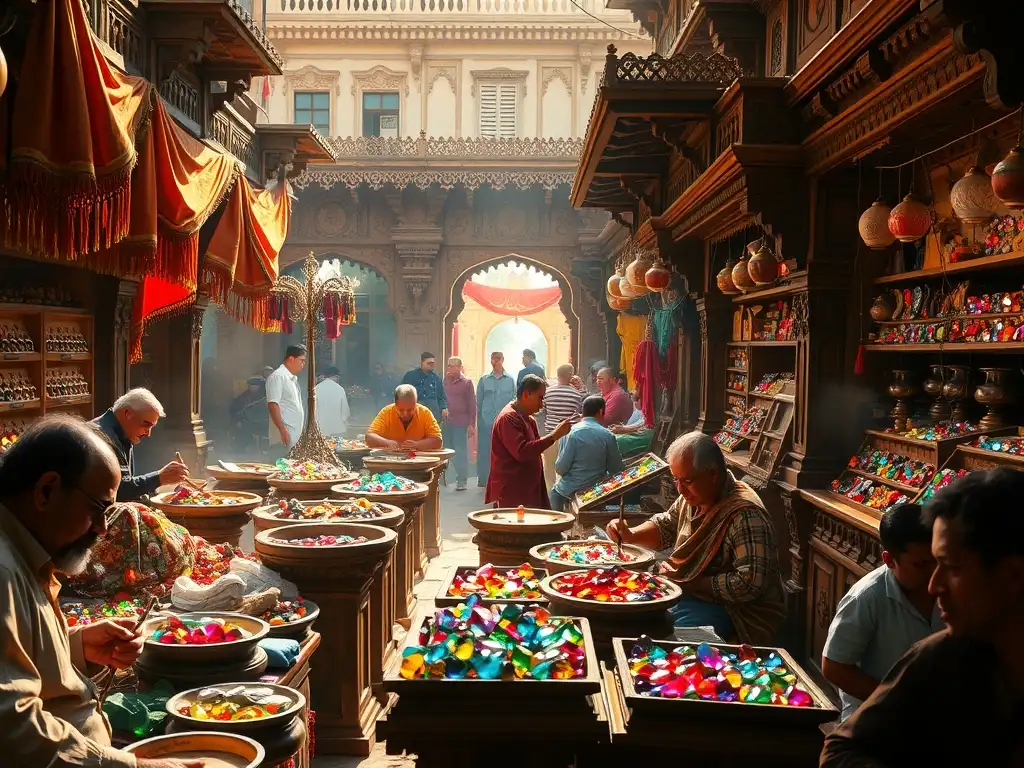
Traditional Cutting and Polishing Techniques of Ancient Artisans
In the realm of ancient Indian gemstone markets, the artistry of cutting and polishing stones was a sophisticated skill that evolved over millennia. Techniques varied significantly across regions, reflecting local traditions and available materials. Artisans utilized rudimentary tools, often crafted from harder stones, to shape and polish gemstones into exquisite forms.
- Basic Techniques:
- Lapping: This technique involved using a flat stone surface to grind the gemstone, allowing for a smooth finish.
- Drilling: Early artisans used bow drills, making tiny holes in softer stones, which were essential for creating beads and pendants.
- Faceting: While more prevalent in later periods, initial facets were created by carefully chiseling the stone, enhancing its brilliance and play of light.
- Materials Used:
- Lapidary Tools: Tools were often made from harder stones such as granite or diamond dust, which provided the necessary abrasiveness for cutting.
- Natural Abrasives: Crushed gemstones and sand were used as polishing agents to achieve a fine finish.
- Cultural Influences:
- Techniques were often passed down through generations, with families of artisans maintaining their unique styles. The influence of regional rulers and traders also led to the introduction of new styles and techniques, enriching the craftsmanship.
The legacy of these traditional techniques can still be seen today, as modern gem-cutting processes owe much to the innovations of ancient artisans.
The Evolution of Jewelry Making: From Antiquity to Modernity
The history of jewelry making in India is a tapestry woven from diverse cultural threads, evolving significantly from ancient times to the present. The transition from simple adornments to intricate masterpieces reflects the technological advancements, trade interactions, and cultural exchanges that have shaped ancient Indian gemstone markets.
- Ancient Beginnings:
- Indus Valley Civilization: The earliest evidence of jewelry dates back to this period (circa 2500 BCE), where artisans crafted items from semi-precious stones like carnelian, agate, and lapis lazuli. Beads, amulets, and simple necklaces were common.
- Goldsmithing in Ancient Texts: Vedic texts and later texts like the Arthashastra provide insights into the rich tradition of goldsmithing, emphasizing the importance of jewelry in society.
- Medieval Flourishing:
- Royal Patronage: The rise of powerful kingdoms during the medieval period saw an explosion in jewelry design. The Gupta Empire (circa 320-550 CE) is particularly noted for its gold jewelry, characterized by intricate designs and the use of gemstones like emeralds and rubies.
- Trade Networks: The establishment of trade routes connecting India with the Middle East and beyond facilitated the exchange of gemstones, which enriched local craftsmanship and styles.
- Modern Influences:
- Colonial Impact: The advent of colonial rule introduced Western techniques and styles. Despite this, traditional methods persisted, leading to a unique blend of eastern and western aesthetics.
- Contemporary Trends: Today, the influence of globalization is evident, with modern jewelry often incorporating both ancient techniques and contemporary design sensibilities. The rise of ethically sourced gemstones reflects a growing awareness of sustainability.
The journey of jewelry making from antiquity to modernity showcases not only the evolution of techniques but also the cultural significance of gemstones in Indian society, making the ancient Indian gemstone markets a vital part of the country’s heritage.
The Impact of Ancient Indian Gemstone Markets on Modern Commerce
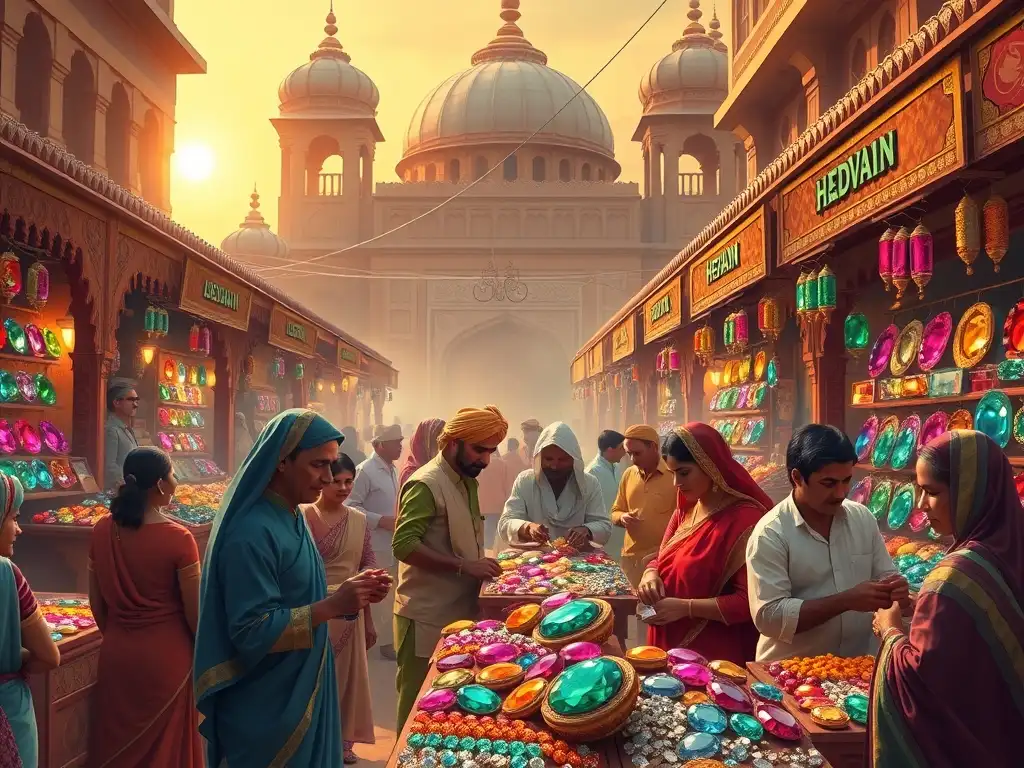
The gemstone markets of ancient India were not only vibrant centers of trade but also crucial contributors to the economic and cultural landscape of the region. The rich history of these markets has significantly influenced modern commerce, as many of the practices, trade routes, and cultural values established thousands of years ago continue to resonate today.
How Ancient Trade Practices Shape Contemporary Gemstone Markets
The ancient Indian gemstone trade was characterized by a sophisticated network of trade routes that connected various regions and facilitated the exchange of precious stones. Notably, the Silk Road and maritime routes played pivotal roles in this exchange, bringing Indian gemstones to markets across Asia, the Middle East, and beyond.
- Key Trade Centers: Cities like Varanasi, Jaipur, and Surat emerged as major hubs for gemstone trading. These cities laid the foundation for modern bazaars and markets, where traditional practices persist.
- Cultural Exchange: The interaction of different cultures through trade introduced various styles and techniques in gemstone cutting and setting, influencing contemporary jewelry designs.
The techniques developed by ancient artisans, including the intricate art of gemstone cutting and polishing, have been passed down through generations. Modern gemologists and jewelers still utilize these time-honored practices, adapting them to contemporary trends while preserving their essence.
| Ancient Techniques | Modern Applications |
|---|---|
| Hand-cutting of gemstones | Precision cutting technology |
| Traditional designs | Fusion with modern aesthetics |
| Natural polishing methods | Advanced polishing machines |
Ancient texts and scriptures, such as the Arthashastra, provide insights into trade regulations and market dynamics, demonstrating an early understanding of supply and demand. These principles remain vital in today's commercial practices, helping jewelers and traders navigate complex market conditions.
The Revival of Traditional Techniques in Modern Jewelry
In recent years, there has been a resurgence of interest in traditional jewelry-making techniques, driven by a desire for authenticity and sustainability. Many artisans are revisiting ancient methods to create unique pieces that honor the rich heritage of Indian craftsmanship.
- Artisanal Workshops: Workshops dedicated to traditional techniques have sprung up, employing skilled artisans who specialize in techniques like Meenakari (enamel work) and Kundan (gem setting). These artisans often draw inspiration from ancient designs, leading to a renaissance in gemstone jewelry that celebrates India's historical legacy.
- Sustainable Practices: The emphasis on natural materials and ethical sourcing reflects ancient practices where gemstones were mined locally and crafted by hand. This approach not only supports local economies but also resonates with modern consumers seeking environmentally responsible choices.
The revival of these techniques not only preserves ancient artistry but also enhances the narrative surrounding Indian gemstones. Each piece created is infused with history, making it more than just an accessory but a story of culture and tradition.
The treasures of ancient India are not merely in the stones but in the stories they tell and the artisans who breathe life into them.
The impact of ancient Indian gemstone markets is profound and far-reaching. By understanding their history, we can appreciate the significance of traditional techniques in modern jewelry, ensuring that the legacy of India’s rich gemstone heritage continues to shine in the contemporary world.
Conclusion: The Legacy of India’s Ancient Gemstone Markets
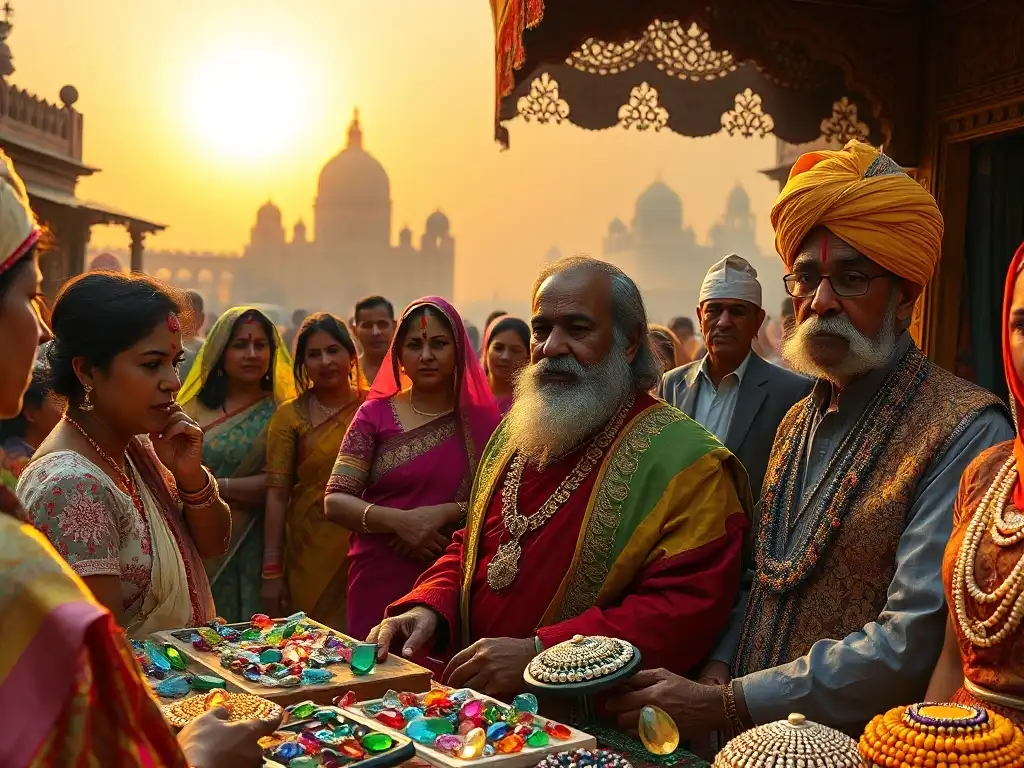
The legacy of India’s ancient gemstone markets is a testament to the country’s rich cultural heritage and its significant role in the global trade of precious stones. Rooted in history, these markets have not only served as centers for trade but also as cultural crossroads, where artisans, traders, and customers from diverse backgrounds converge. The intricate craftsmanship and the unique styles developed over centuries have established India as a significant player in the global gemstone industry.
The evolution of these markets can be traced back to ancient times, particularly during the Indus Valley Civilization, where evidence of lapidary skills and trade practices can still be observed. Over the centuries, gemstones such as diamonds, emeralds, rubies, and sapphires became synonymous with not just wealth but also spiritual significance, often used in religious ceremonies and royal adornments. The historical significance is further highlighted by the royal patronage of gemstones, where emperors and kings commissioned elaborate pieces that showcased not only their wealth but also their power.
Reflections on India's Gemstone Heritage
India's gemstone heritage is deeply intertwined with its cultural narratives and social practices. Each region boasts its own unique traditions and specialties, influenced by local resources and artisanal techniques. For instance:
- Jaipur: Known as the "Pink City," Jaipur is famous for its vibrant markets like Johari Bazaar, which specialize in precious and semi-precious stones. The art of gemstone cutting and polishing flourished here, establishing Jaipur as a global hub for gemstone trading.
- Varanasi: This ancient city is renowned for its intricate beadwork and stone carving. Artisans in Varanasi have been creating exquisite jewelry pieces that reflect the city’s spiritual heritage for centuries.
- Hyderabad: Historically significant as a trading center for diamonds, Hyderabad is home to the famous Golconda mines. The city still preserves its legacy through markets like Laad Bazaar, where traditional bangles and gemstone jewelry can be found.
The craftsmanship involved in creating gemstone jewelry is often passed down through generations, preserving techniques that have been refined over centuries. This rich heritage is celebrated in contemporary art forms and continues to influence modern jewelry design, ensuring that ancient practices remain relevant in today’s market.
The Future of Gemstone Markets in India: Balancing Tradition and Modernity
As the global demand for gemstones continues to rise, the future of India’s gemstone markets hinges on the delicate balance between tradition and modernity. On one hand, preserving traditional techniques and artisan skills is essential for maintaining the authenticity that has defined Indian gemstones for centuries. On the other hand, embracing modern technology and marketing strategies is crucial for competing in a globalized market.
Key trends shaping the future of India’s gemstone markets include:
- Sustainable Practices: With increasing awareness of ethical sourcing and environmental impact, there is a growing demand for sustainably sourced gemstones. Markets are beginning to adapt, promoting transparency and ethical practices in the supply chain.
- Digital Transformation: E-commerce platforms and social media are providing artisans and traders with new avenues to reach a global audience. This shift not only expands market access but also allows for the promotion of traditional craftsmanship on a larger scale.
- Fusion of Styles: Modern designers are increasingly blending traditional Indian designs with contemporary aesthetics, attracting younger consumers. This fusion creates innovative pieces that resonate with both heritage and fashion trends.
The ancient Indian gemstone markets hold a significant legacy that continues to influence the present and future of the industry. By honoring traditions while adapting to modern demands, these markets can thrive and maintain their esteemed position in the global gemstone landscape.
Frequently Asked Questions
What is the significance of gemstone markets in ancient India?
The gemstone markets of ancient India played a crucial role in trade, displaying the region's wealth and craftsmanship. They were vital for the economy and cultural exchanges with other civilizations.
How did the Indus Valley Civilization contribute to the gemstone trade?
The Indus Valley Civilization is known for its advanced urban planning and jewelry making. They utilized a variety of gemstones, establishing early trade routes that influenced later gemstone markets.
What impact did the Gupta Empire have on gemstone production?
During the Gupta Empire, there was a flourishing of arts and crafts, including gemstone cutting and polishing. This period marked significant advancements in techniques that enhanced the quality of gemstones.
Which gemstones were most prominent in ancient Indian markets?
Diamonds, rubies, emeralds, and sapphires were among the most sought-after gemstones in ancient Indian markets, symbolizing status and wealth across various cultures.
How did trade routes affect the gemstone markets in ancient India?
Trade routes such as the Silk Road facilitated the exchange of gemstones, allowing ancient Indian markets to thrive by attracting foreign merchants and influencing global demand for Indian gemstones.
Final Reflection: Embracing the Legacy of Ancient Indian Gemstone Markets
The rich history of India's gemstone markets is not just a tale of trade; it is a vibrant tapestry woven with culture, artistry, and tradition. As we navigate through the complexities of modern commerce, the significance of these ancient markets remains profoundly relevant today. The allure of gemstones continues to captivate hearts and minds, reminding us that behind every jewel lies a story steeped in heritage and craftsmanship. The legacy of these markets is a testament to the enduring human connection to beauty and value.
Culturally, the gemstone markets of India have shaped social dynamics and economic structures for centuries. Their influence extends beyond mere transactions; they have fostered communities, inspired art, and preserved traditions. As we witness a resurgence of interest in sustainable and ethically sourced gemstones, we are reminded of the wisdom embedded in these ancient practices. In every stone, there is a story waiting to be told.
This quote encapsulates the essence of our connection to these markets, urging us to appreciate the narratives that gemstones carry through time.
As we reflect on the lessons from India's gemstone markets, I invite you to consider how these insights can enrich your own life. Take a moment to appreciate the stories behind the treasures you encounter, whether they are in the form of jewelry, art, or personal relationships. Embrace the beauty of history and let it inspire your journey forward. By honoring the past, we can create a future that values authenticity, craftsmanship, and the profound connections that bind us all.
Explore India's Gemstone Wonders Today!
Thank you for diving into the vibrant world of India’s gemstone markets! We appreciate your interest and hope you’ve uncovered valuable insights about this rich cultural heritage. Now, it’s time to put that knowledge into action!
Here are a few steps you can take to deepen your connection with India’s gemstone history:
- Join a local gemstone workshop to experience the art of crafting and appreciate these stunning stones firsthand.
- Visit an Indian gemstone fair to witness the beauty and craftsmanship in person, and engage in discussions with artisans and gem enthusiasts.
- Share your newfound knowledge with friends and family—consider setting up a mini-exhibit showcasing your favorite gemstones and their fascinating stories!
What gemstone has caught your eye, and how do you envision incorporating its story into your life? Let’s discuss your thoughts below!