
Chandragupta Maurya's Role in the Spread of Buddhism and Jainism

Welcome to Ancient India History, where the past comes alive through the exploration of rich civilizations that shaped our world. In this captivating journey, we delve into the life of Chandragupta Maurya, a pivotal figure whose influence played a significant role in the spread of Buddhism and Jainism across the subcontinent. Discover how his reign not only transformed the political landscape but also fostered spiritual growth and cultural exchange.
As you navigate through our insights, prepare to uncover the profound impacts of his leadership on these enduring philosophies. Join us as we unravel the threads of history that connect Chandragupta Maurya to the vibrant tapestry of ancient Indian culture!
- Introduction to Chandragupta Maurya's Influence on Buddhism and Jainism
- Chandragupta Maurya: A Catalyst for Religious Transformation
- The Role of Chandragupta Maurya in the Promotion of Buddhism
- Chandragupta Maurya's Impact on Jainism
- The Broader Impact of Chandragupta Maurya on Indian Religions
- Conclusion: Chandragupta Maurya's Enduring Influence on Buddhism and Jainism
-
Frequently Asked Questions
- What was Chandragupta Maurya's role in the spread of Buddhism and Jainism?
- How did Buddhism and Jainism influence ancient Indian society?
- What was the relationship between Chandragupta Maurya and Buddhism?
- Did Jainism receive any patronage during Chandragupta Maurya's rule?
- What was the impact of Chandragupta Maurya on the cultural landscape of ancient India?
- Final Reflection: The Enduring Legacy of Chandragupta Maurya in Buddhism and Jainism
- Embrace the Legacy: Spread the Wisdom of Buddhism and Jainism!
Introduction to Chandragupta Maurya's Influence on Buddhism and Jainism
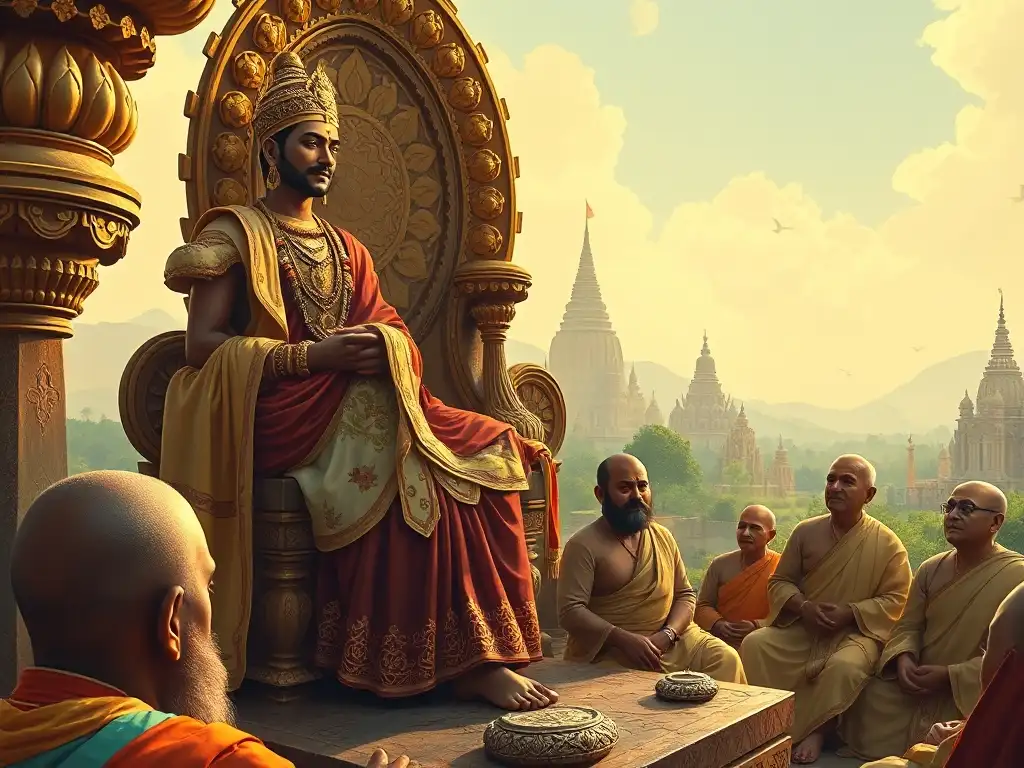
The history of ancient India is marked by the emergence of influential leaders and the profound philosophies they promoted. One such pivotal figure is Chandragupta Maurya, the founder of the Maurya Empire, whose reign from 321 to 297 BCE significantly shaped the socio-political landscape of India. His influence extended beyond governance; it played a crucial role in the dissemination and acceptance of major religions such as Buddhism and Jainism.
This article delves into Chandragupta Maurya's impact on these two religions, exploring how his policies and personal beliefs contributed to their growth and establishment in a diverse cultural milieu. Understanding this relationship not only illuminates the historical significance of Chandragupta Maurya but also highlights the broader implications for the spiritual and cultural evolution of ancient India.
Overview of Chandragupta Maurya's Historical Context
Chandragupta Maurya's rise to power occurred during a time of considerable turmoil in India, characterized by fragmented kingdoms and the influence of foreign invaders, notably the Greeks under Alexander the Great. Born into a humble family, Chandragupta displayed remarkable leadership qualities and strategic prowess, ultimately uniting various states to form the Maurya Empire. This unification was not merely a political maneuver; it laid the groundwork for a flourishing cultural and religious renaissance.
Under the guidance of his mentor Chanakya (also known as Kautilya), Chandragupta adopted policies that fostered stability and economic prosperity. His administration emphasized agriculture, trade, and infrastructure, which created a conducive environment for the spread of religious philosophies.
The Maurya Empire's vast territory encompassed diverse populations, each with their own beliefs and practices. This diversity presented both challenges and opportunities for the propagation of Buddhism and Jainism, as leaders like Chandragupta navigated the intricate tapestry of Indian society.
Significance of Buddhism and Jainism in Ancient India
Buddhism and Jainism emerged as significant religious movements during the 6th century BCE, advocating principles of non-violence, ethical conduct, and spiritual liberation. Their teachings resonated with many, particularly in response to the rigidities of Vedic traditions.
- Buddhism, founded by Siddhartha Gautama (the Buddha), emphasized the Four Noble Truths and the Eightfold Path, advocating for a life of moderation and mindfulness.
- Jainism, on the other hand, established its principles around the concept of ahimsa (non-violence) and the pursuit of truth through rigorous ascetic practices.
Chandragupta Maurya's patronage and alignment with these religions had far-reaching consequences:
- Promotion of Ethical Governance: His rule exemplified the ethical governance ideals preached by both religions, promoting a just society.
- Cultural Exchange: The Maurya Empire facilitated interactions among diverse cultural groups, allowing for the cross-pollination of religious ideas.
- Institutional Support: Chandragupta's support for Buddhist monks and Jain ascetics provided institutional backing that helped these religions flourish.
The confluence of Chandragupta Maurya's political strategy and the tenets of Buddhism and Jainism significantly contributed to their proliferation in ancient India, shaping the spiritual landscape for centuries to come.
Chandragupta Maurya: A Catalyst for Religious Transformation
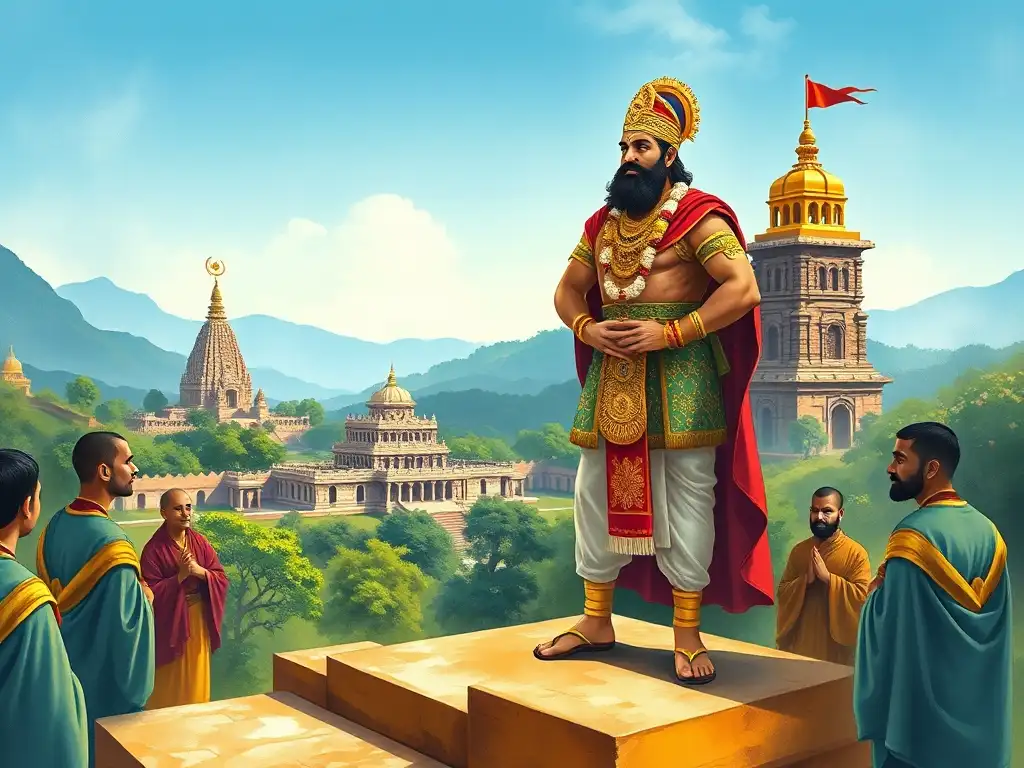
Chandragupta Maurya, the founder of the Maurya Empire around 322 BCE, played a pivotal role in shaping the religious landscape of ancient India. His reign marked a significant transition in the acceptance and propagation of Buddhism and Jainism, two influential religions that emerged during this time. His leadership not only facilitated the spread of these faiths but also established a culturally rich environment that allowed them to flourish alongside other traditions.
Early Life and Spiritual Influences on Chandragupta Maurya
Chandragupta's early life remains somewhat enigmatic, but historical accounts suggest he was born into a humble family, possibly in the region of present-day Bihar. His formative years were influenced by the socio-political upheavals of the time, particularly the decline of the Nanda Dynasty. Chandragupta was reportedly inspired by a sage named Chanakya (also known as Kautilya), who became a mentor and guide for him.
Chanakya was not only a shrewd political strategist but also a philosopher who held significant knowledge about various philosophies, including Buddhism and Jainism. This mentorship would have deeply influenced Chandragupta's worldview, leading him towards an appreciation for these religions. As a believer in the principles of Dharma (righteousness) and an advocate for social order, Chanakya instilled in Chandragupta the values that would later shape his policies and governance.
Moreover, the teachings of Mahavira, the 24th Tirthankara of Jainism, and the Buddha, who founded Buddhism around the same period, were beginning to gain traction among the populace. Chandragupta's exposure to these ideas further solidified his inclination towards their philosophies of non-violence, compassion, and ethical living.
Chandragupta's eventual conversion to Jainism later in his life highlights his spiritual evolution. He adopted Jain practices, which emphasized asceticism and non-violence, aligning with the core tenets of both Buddhism and Jainism. This transformation not only reflected his personal beliefs but also signified a broader acceptance of these religions within his empire.
Historical Context of Buddhism and Jainism Before Chandragupta
Before Chandragupta Maurya's rise to power, Buddhism and Jainism were already present in the Indian subcontinent, but their influence was localized and not yet widespread. Both religions emerged during the 6th century BCE, in a time when the Vedic traditions were being increasingly questioned.
- Buddhism: Founded by Siddhartha Gautama, known as the Buddha, Buddhism offered an alternative path to spiritual liberation that emphasized the Four Noble Truths and the Eightfold Path. Initially, it gathered followers primarily among the urban and merchant classes, especially in regions like Magadha (present-day Bihar) and Kosala. Despite its growing popularity, it struggled to gain acceptance among the more rigidly traditional Brahmanical society.
- Jainism: Jainism, with its roots in the teachings of Mahavira, focused on the concept of non-violence (ahimsa) and ascetic practices. Like Buddhism, its followers sought liberation from the cycle of birth and rebirth (samsara) through rigorous self-discipline and ethical living. However, Jainism had a more pronounced emphasis on asceticism and was appealing to those seeking a more individualistic path.
Despite their distinct philosophies, both religions faced challenges due to the entrenched Vedic traditions, which dominated the spiritual and social fabric of ancient Indian society. The patronage of local rulers and wealthy merchants played a crucial role in their dissemination.
Chandragupta Maurya’s eventual embrace of these religions, particularly Buddhism, marked a transformative period that allowed for greater patronage and support, fostering an environment conducive to their spread throughout the Maurya Empire. His reign not only facilitated the acceptance of these faiths but also set the stage for future rulers, such as his grandson Ashoka, to further propagate their teachings across Asia.
The Role of Chandragupta Maurya in the Promotion of Buddhism
Establishment of the Mauryan Empire and Its Religious Policies
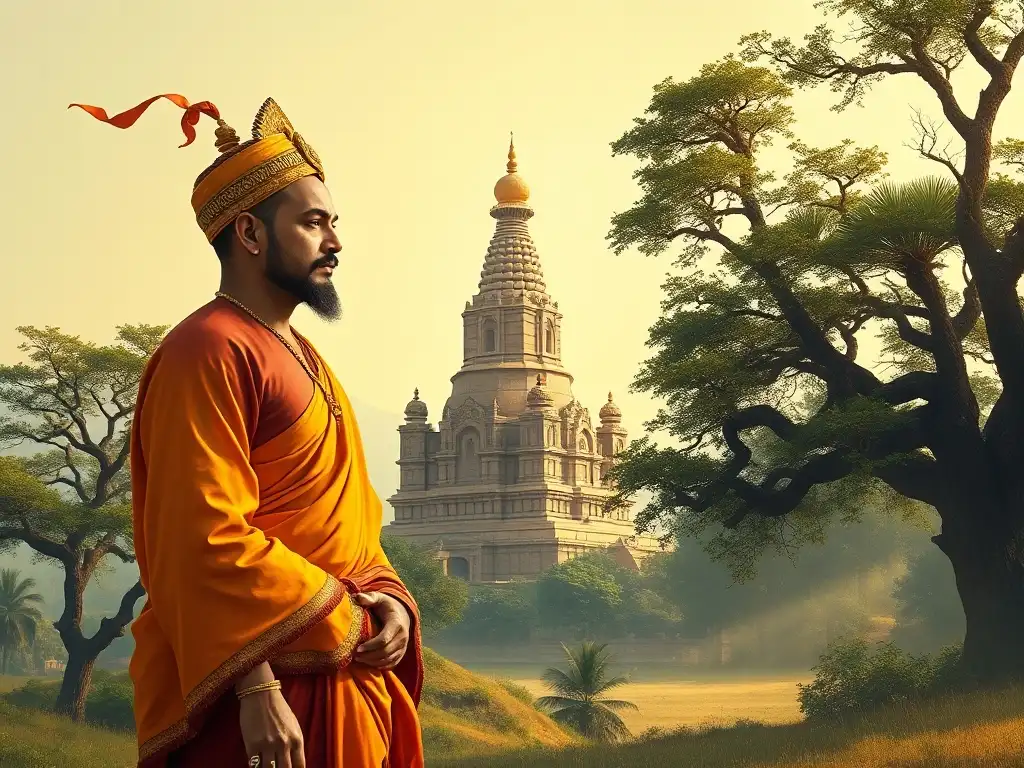
Chandragupta Maurya, the founder of the Mauryan Empire (c. 322–298 BCE), played a pivotal role in shaping the religious landscape of ancient India. His establishment of a vast empire not only marked a significant political unification but also set the stage for the propagation of various religious ideologies, including Buddhism and Jainism.
The Mauryan Empire was characterized by a centralized administration that facilitated the spread of ideas across its vast territories. Chandragupta's reign saw the implementation of religious policies that promoted tolerance and supported diverse spiritual practices. This approach was crucial in a region marked by varied belief systems, allowing Buddhism and Jainism to thrive alongside other traditions.
Chandragupta's policies included the patronage of religious institutions and the establishment of a legal framework that encouraged the practice of different faiths. His administration recognized the importance of religious leaders and institutions in maintaining social order and promoting moral values. By doing so, Chandragupta laid the groundwork for the eventual growth of Buddhist communities, particularly in regions that were previously influenced by Jainism.
Support for Buddhist Institutions and Monasteries
Under Chandragupta Maurya's rule, the support for Buddhist institutions and monasteries became a hallmark of the Mauryan Empire's religious policy. Following his conversion to Jainism later in life, it is essential to note that his initial support for Buddhism was significant in the early stages of his reign.
The Mauryan emperor provided resources for the construction of stupas and monasteries, which served as centers for Buddhist learning and practice. This not only enhanced the visibility of Buddhism but also attracted followers from various backgrounds. For instance, the establishment of the famous stupa at Sanchi is often attributed to the patronage of the Mauryan rulers, reflecting their commitment to Buddhist architecture and art.
Furthermore, Chandragupta's policies encouraged trade routes that connected Buddhist regions, facilitating the movement of monks and the spread of Buddhist texts. The empire's vast network of roads and communication channels allowed for the dissemination of Buddhist teachings, making them accessible to a broader audience. This support for Buddhist institutions laid the foundation for the flourishing of Buddhism during the subsequent reign of his grandson, Ashoka, who would become one of its most significant proponents.
The Relationship Between Chandragupta and Key Buddhist Figures
Chandragupta Maurya’s interactions with key figures in Buddhism significantly influenced the religion's development during his reign. One notable relationship was with Chanakya, also known as Kautilya, who played an instrumental role in the establishment of the Mauryan Empire and was a supporter of both Buddhism and Jainism. Chanakya’s treatise, the Arthashastra, reflects a pragmatic approach to governance that included religious tolerance, allowing various faiths to coexist.
Moreover, Chandragupta’s ties with prominent Buddhist monks and scholars helped legitimize his rule and promote Buddhist ideals. While specific records of these interactions are sparse, it is known that Chandragupta sought the counsel of Buddhist leaders, which aided in integrating Buddhist principles into governance. His willingness to engage with religious figures illustrated his commitment to fostering a harmonious society, where Buddhism could flourish alongside other traditions.
An example of this influence can be seen in the way Chandragupta's policies echoed the teachings of Buddhism, emphasizing non-violence and ethical governance. His relationship with the Buddhist community set a precedent for his successors, especially Ashoka, who would expand upon these foundations and advocate for Buddhism on a larger scale, ultimately leading to its widespread acceptance across India and beyond.
Chandragupta Maurya’s role in the promotion of Buddhism was multifaceted, involving the establishment of supportive policies, the enhancement of Buddhist institutions, and meaningful relationships with key figures in the Buddhist community. His impact on Buddhism and Jainism during his reign laid the groundwork for the significant religious transformation that would follow in ancient India.
Chandragupta Maurya's Impact on Jainism
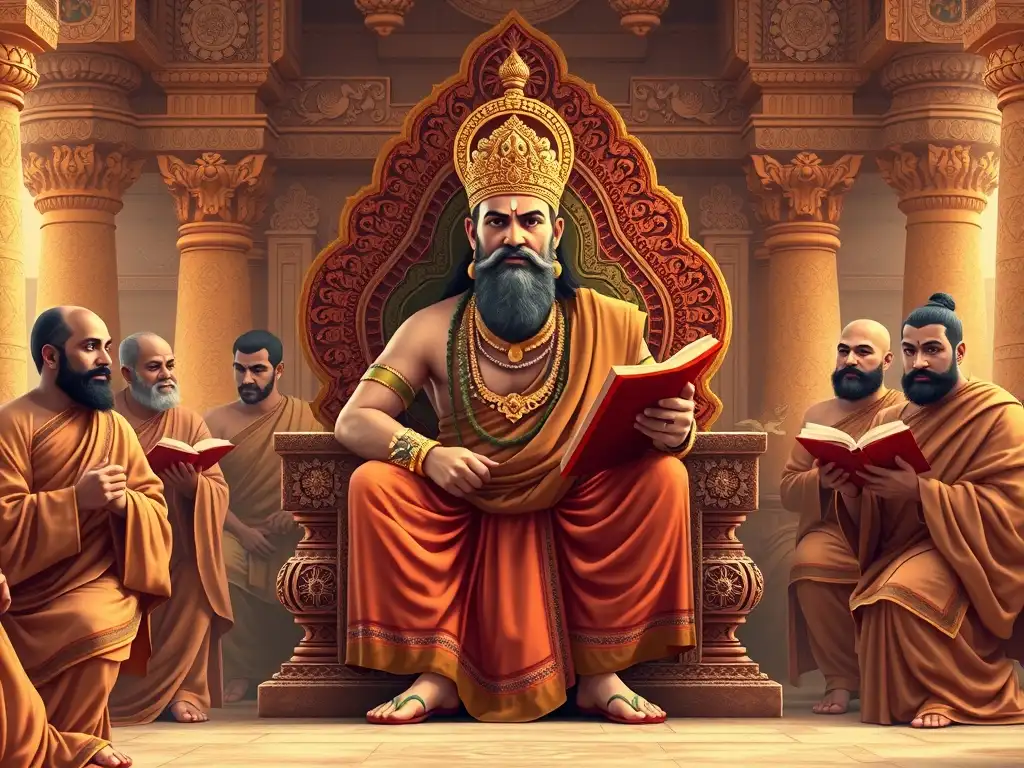
Chandragupta Maurya, the founder of the Maurya Empire, played a pivotal role in the development and spread of Jainism during his reign. His leadership and policies significantly influenced the religious landscape of ancient India, fostering an environment in which Jainism could thrive alongside other faiths, particularly Buddhism.
Understanding Jainism's Growth During the Mauryan Era
Jainism, with its emphasis on non-violence (ahimsa), truthfulness, and asceticism, found fertile ground during the Mauryan period. The Mauryan Empire, established in the late 4th century BCE, spanned a vast territory and encompassed diverse cultures and religions.
Under Chandragupta's rule, the socio-political stability of the empire allowed Jain communities to flourish. This era saw the consolidation of various Jain sects, leading to a more structured religious community. The Mauryan administration provided the necessary support for Jain monks to disseminate their teachings across regions.
Key factors contributing to Jainism's growth include:
- Political Stability: The strong central authority of the Mauryan Empire reduced conflicts, enabling the peaceful practice of Jainism.
- Cultural Exchange: The extensive trade routes established during Chandragupta's reign facilitated interactions between different cultures, allowing Jain ideas to permeate diverse populations.
- Support from Royalty: The endorsement of Jain principles by Chandragupta and his successors created a favorable environment for the religion.
Patronage and Protection of Jain Communities
Chandragupta Maurya's relationship with Jainism was marked by significant patronage and protection of Jain communities. Historical texts indicate that he was influenced by Jain monks, particularly during the later years of his life when he renounced worldly pleasures and embraced Jain asceticism.
The ways in which Chandragupta supported Jainism include:
- Establishment of Monasteries: He facilitated the construction of Jain monasteries and temples, which served as centers for worship and learning.
- Legal Protections: The Mauryan legal framework offered protections to Jain monks and their followers, ensuring their right to practice and propagate their beliefs without fear of persecution.
- Economic Support: The empire's resources were often allocated to support Jain institutions, enabling them to thrive economically and spiritually.
This patronage not only solidified the position of Jainism within the Mauryan Empire but also encouraged its practitioners to engage in social welfare activities, further embedding Jain values in the broader society.
Interaction Between Jainism and Buddhism Under Chandragupta's Rule
The coexistence of Jainism and Buddhism during the Mauryan Empire is a remarkable feature of this period. Both religions, sharing common philosophical tenets such as non-violence and the pursuit of spiritual enlightenment, often interacted and influenced each other.
Key aspects of their interaction include:
- Intellectual Exchange: Scholars from both traditions engaged in dialogues, leading to an exchange of thoughts and ideas that enriched their respective doctrines.
- Shared Practices: Certain ascetic practices and rituals were common between the two religions, fostering mutual respect and understanding among their followers.
- Political Alliances: Chandragupta's policies encouraged alliances between Jain and Buddhist communities, recognizing their shared values in promoting peace and moral conduct.
The synergy between Jainism and Buddhism under Chandragupta Maurya's rule laid the groundwork for future developments in both religions, culminating in the flourishing of spiritual life in ancient India.
Chandragupta Maurya's impact on Jainism was profound, characterized by his patronage, protection, and the promotion of a harmonious relationship with Buddhism. This period not only enhanced the visibility and acceptance of Jainism but also contributed to the rich tapestry of religious life in ancient India.
The Broader Impact of Chandragupta Maurya on Indian Religions
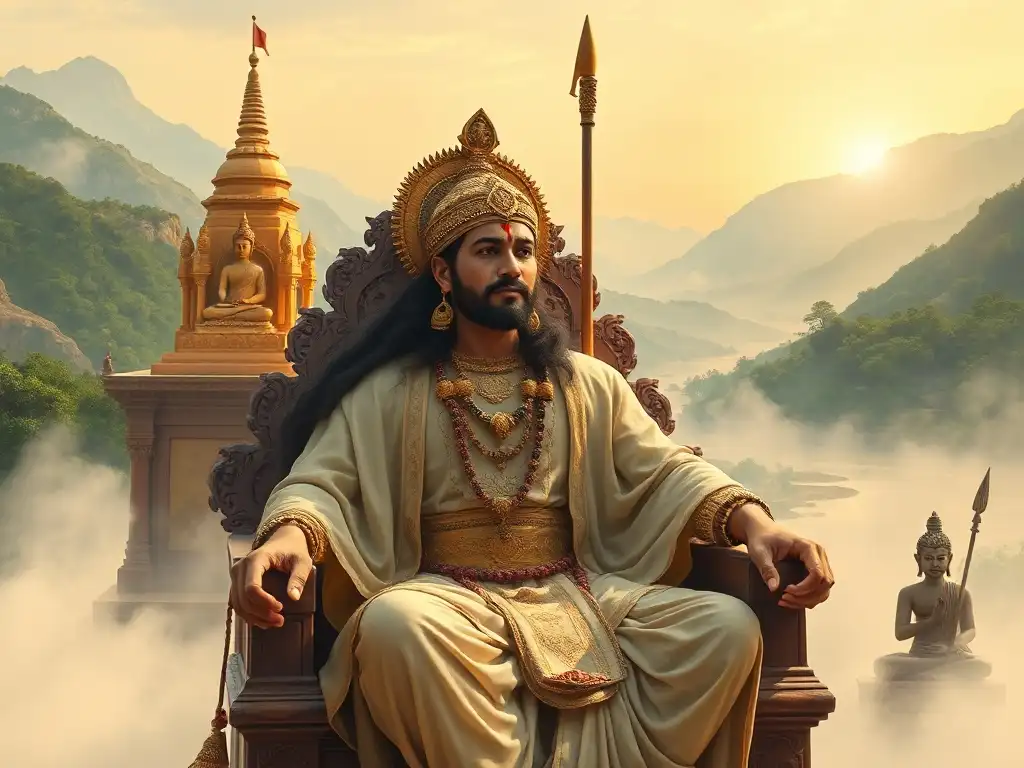
Chandragupta Maurya, the founder of the Mauryan Empire, played a pivotal role in shaping the religious landscape of ancient India. His reign marked a significant period of transition and growth for both Buddhism and Jainism, two religions that emerged during this era. Through his political strategies and personal beliefs, Chandragupta fostered an environment where these religions could flourish and influence the broader Indian society.
The Interconnection Between Buddhism and Jainism
The interrelation between Buddhism and Jainism during Chandragupta's time is noteworthy, as both religions share common philosophical roots yet diverge in their practices and teachings. Emerging around the same period in ancient India, these faiths addressed similar existential questions and ethical dilemmas.
- Shared Philosophical Foundations: Both Buddhism and Jainism emphasize the importance of non-violence (ahimsa) and the cycle of birth and rebirth (samsara). Chandragupta's policies reflected these values, as he sought to establish a stable and peaceful empire.
- Support from Chandragupta: Historical records suggest that Chandragupta was influenced by Jain teachings, particularly in his later years. His association with Jain monks and philosophers, such as Bhadrabahu, indicates a personal affinity towards Jainism. This connection likely facilitated the promotion of Jain values within the Mauryan Empire.
- Buddhism's Ascendancy: While Jainism had a significant presence, it was under Chandragupta’s grandson, Ashoka, that Buddhism gained widespread recognition. Nevertheless, the initial groundwork laid by Chandragupta in terms of religious tolerance and support for diverse philosophical schools enabled Buddhism to thrive.
Legacy of Religious Tolerance and Syncretism in the Mauryan Empire
Chandragupta Maurya’s legacy is characterized by a remarkable degree of religious tolerance and syncretism, which had lasting effects on the Indian subcontinent.
- Policy of Religious Tolerance: Chandragupta's governance was marked by an inclusive approach towards different religions. This tolerance not only allowed Buddhism and Jainism to coexist but also encouraged dialogue and exchange between them. Such policies were instrumental in creating a multi-religious society that respected diverse beliefs.
- Cultural Syncretism: The Mauryan Empire under Chandragupta became a melting pot of various cultural and religious traditions. The blending of Buddhist and Jain practices can be observed in art, literature, and local customs. This syncretism enriched the cultural tapestry of ancient India, leaving a profound impact on the region's spiritual and cultural evolution.
- Influence on Subsequent Rulers: The principles of tolerance and syncretism established during Chandragupta's reign continued to influence subsequent Mauryan rulers, notably Ashoka. Ashoka's edicts, promoting Buddhist values and ethical governance, can be seen as an extension of the foundational policies initiated by Chandragupta.
Chandragupta Maurya's impact on Buddhism and Jainism was both profound and complex. His reign facilitated the growth of these religions through policies of tolerance and support, establishing a legacy that would shape Indian spiritual life for centuries to come.
Conclusion: Chandragupta Maurya's Enduring Influence on Buddhism and Jainism
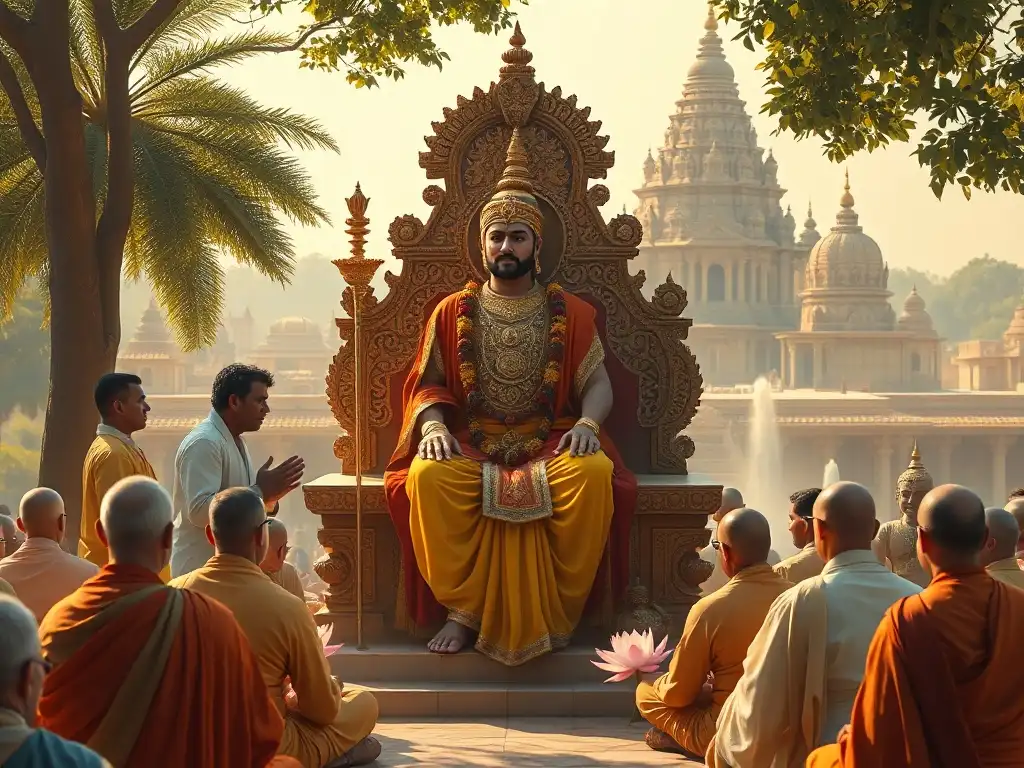
Chandragupta Maurya's role in the early dissemination of Buddhism and Jainism is pivotal in understanding the evolution of these religions during ancient times. His reign established a foundation that not only promoted political stability but also fostered a climate conducive to religious and philosophical exploration. The Mauryan Empire was characterized by its vast influence over a diverse population, which allowed for the cross-pollination of ideas and beliefs.
Through his patronage, particularly of Emperor Ashoka, who succeeded him, the teachings of Buddhism and Jainism gained significant traction across India and beyond. Ashoka's Edicts, which emphasize moral governance and non-violence, reflect the philosophical tenets of both religions, showcasing how deeply intertwined they became with the political ethos of the Mauryan dynasty. This relationship underscores Chandragupta's legacy as a facilitator of spiritual growth and religious tolerance.
Reflection on the Cultural and Spiritual Legacy of Chandragupta
Chandragupta Maurya's influence extends beyond mere political achievements; it encapsulates a cultural and spiritual legacy that resonates through centuries. His initial support for Jainism and the subsequent embrace of Buddhism by his successors illustrates a remarkable shift in the religious landscape of ancient India. This transition marked a significant moment in history where statecraft and spirituality began to intersect.
- Promotion of Jainism: Chandragupta's association with Jainism is exemplified by his later life, where he embraced Jain asceticism and resided in Karnataka, dedicating himself to a life of simplicity and self-discipline. His commitment to non-violence and personal ethics reflects Jain principles, which gained recognition during his rule.
- Patronage of Buddhism: The Mauryan Empire, particularly under Ashoka, saw the establishment of stupas and monasteries, which served as centers of learning and practice for Buddhists. This not only strengthened the religion's foundation but also facilitated the spread of its teachings across Asia, influencing regions far beyond the Indian subcontinent.
The legacy of Chandragupta is, therefore, not merely confined to political dominion but rather expands into the realm of cultural integration. His ability to navigate and harmonize various religious ideologies has left an indelible mark on Indian spirituality, fostering an environment where Buddhism and Jainism could thrive.
Future Implications for the Study of Ancient Indian Religions
The study of Chandragupta Maurya's impact on Buddhism and Jainism opens avenues for further research into how political figures shaped religious landscapes. His reign serves as a case study for understanding the interplay between governance and spirituality in ancient India.
- Interdisciplinary Studies: Future studies could involve interdisciplinary approaches combining history, religious studies, and political science to explore how leaders like Chandragupta influenced religious dynamics. This could provide insights into the mechanisms of religious patronage and its long-term effects on societal values.
- Comparative Analysis: Analyzing Chandragupta's policies alongside those of other historical figures in different regions could yield a broader understanding of the global patterns in the relationship between state and religion. Such comparative studies may highlight universal principles applicable to various cultures.
- Cultural Narratives: The narratives surrounding Chandragupta’s life present rich material for examining how stories of leaders shape collective identities within religious contexts. Investigating these narratives can unveil deeper insights into the evolving identities of Buddhism and Jainism over time.
Chandragupta Maurya's legacy as a key historical figure not only transformed the political landscape of ancient India but also facilitated the enduring spread of Buddhism and Jainism. His impact continues to inspire scholars and practitioners alike, emphasizing the importance of understanding historical contexts in the study of ancient religions.
Frequently Asked Questions
What was Chandragupta Maurya's role in the spread of Buddhism and Jainism?
Chandragupta Maurya played a pivotal role in the expansion of Buddhism and Jainism by supporting their teachings and establishing a culture of tolerance towards these religions during his reign.
How did Buddhism and Jainism influence ancient Indian society?
Both Buddhism and Jainism contributed to the ethical and moral framework of ancient Indian society, promoting values such as non-violence, compassion, and truthfulness, which became integral to Indian philosophy.
What was the relationship between Chandragupta Maurya and Buddhism?
Chandragupta Maurya, after his conversion to Buddhism, became a patron of the religion, encouraging its spread across his empire and even promoting monastic communities.
Did Jainism receive any patronage during Chandragupta Maurya's rule?
Yes, Jainism thrived under Chandragupta’s rule as he respected and supported its principles, which led to an increase in followers and the establishment of Jain monasteries.
What was the impact of Chandragupta Maurya on the cultural landscape of ancient India?
Chandragupta Maurya's reign significantly influenced the cultural landscape by fostering a syncretic environment where Buddhism and Jainism flourished, shaping the spiritual and cultural identity of the region.
Final Reflection: The Enduring Legacy of Chandragupta Maurya in Buddhism and Jainism
Chandragupta Maurya's pivotal role in the spread of Buddhism and Jainism remains profoundly relevant today, as these ancient philosophies continue to shape spiritual and ethical frameworks across the globe. The impact of his leadership not only facilitated the growth of these religions during his reign but also laid the groundwork for their enduring influence in contemporary society. As we navigate a world increasingly in need of compassion and understanding, the teachings of Buddhism and Jainism serve as guiding lights, reminding us of the importance of inner peace and ethical living.
The cultural and social landscapes of India and beyond have been significantly influenced by the principles championed by Chandragupta Maurya, fostering a legacy that transcends time. His commitment to these philosophies has inspired countless individuals to seek a deeper understanding of themselves and their place in the world. The greatest gift is to give people your enlightenment, to share it. It has to be the greatest.
This quote resonates deeply with the essence of Chandragupta's contributions, as he not only embraced these teachings but also encouraged their dissemination, promoting a culture of enlightenment and moral responsibility.
As we reflect on the lessons imparted by Chandragupta Maurya, let us take a moment to consider how we can incorporate the values of Buddhism and Jainism into our daily lives. I invite you to explore these teachings, to cultivate compassion and mindfulness in your interactions, and to recognize the interconnectedness of all beings. By doing so, we honor the legacy of a great leader and contribute to a more harmonious world, one mindful action at a time.
Embrace the Legacy: Spread the Wisdom of Buddhism and Jainism!
Thank you for joining us on this journey through Chandragupta Maurya's pivotal role in the spread of Buddhism and Jainism. We hope you’ve gained valuable insights into how these ancient philosophies shaped not only India’s history but also the spiritual paths of countless individuals.
Now, let’s take action to continue this legacy and share the transformative power of these teachings:
- Dive deeper: Visit a local temple or monastery dedicated to Buddhism or Jainism; engaging with your community might open new spiritual horizons.
- Share the wisdom: Organize a reading group focused on Buddhist and Jain texts, fostering enriching discussions with others.
- Connect with others: Join online forums or local communities that focus on these teachings to exchange ideas and insights; you might find inspiration in unexpected places!
As you embark on this journey of exploration and sharing, consider this: How can you integrate the principles of Buddhism and Jainism into your daily life to foster peace and understanding in your community?