
Chandragupta Maurya and the Evolution of Indian Literature and Philosophy

Welcome to Ancient India History, where we embark on a journey through the vibrant tapestry of India's past. In this exploration, we shine a light on Chandragupta Maurya, a towering figure whose reign not only shaped the political landscape but also laid the groundwork for the flourishing of Indian literature and philosophy. Discover how his influence rippled through time, inspiring great thinkers and writers. Are you ready to uncover the profound connections between his legacy and the evolution of intellectual thought in ancient India? Dive deeper into the narrative that intertwines power, culture, and wisdom!
- Introduction to Chandragupta Maurya and His Influence on Indian Literature and Philosophy
- The Rise of Chandragupta Maurya
- Evolution of Indian Literature under Chandragupta Maurya
- Philosophical Developments during the Mauryan Era
- Chandragupta Maurya's Legacy in Indian Literature and Philosophy
- Conclusion: Chandragupta Maurya's Enduring Influence on Indian Culture
-
Frequently Asked Questions
- What was the significance of Chandragupta Maurya in Indian history?
- How did Chandragupta Maurya influence Indian literature?
- What role did philosophy play during Chandragupta Maurya's time?
- How did the Maurya Empire contribute to the evolution of Indian culture?
- What are some key literary works from the Maurya period?
- Final Reflection: The Enduring Legacy of Chandragupta Maurya in Indian Literature and Philosophy
- Unveil the Depths of Indian Thought and Literature
Introduction to Chandragupta Maurya and His Influence on Indian Literature and Philosophy
Chandragupta Maurya stands as a towering figure in the annals of Indian history, not only for his role in founding the Maurya Empire but also for his significant contributions to the evolution of Indian literature and philosophy. His reign, which began in the 4th century BCE, marked a transformative period that shaped the cultural and intellectual landscape of ancient India.
Under his leadership, the empire expanded and consolidated power, establishing a framework for governance that facilitated the flourishing of various art forms, including literature and philosophical thought. This article delves into the life of Chandragupta Maurya, exploring how his historical significance intertwines with the rich tapestry of Indian literature and philosophy.
Overview of Chandragupta Maurya's Historical Significance
Chandragupta Maurya emerged as a pivotal leader in Indian history, known for uniting a fragmented subcontinent into a cohesive empire. His ascent to power was marked by strategic alliances and military conquests, particularly against the Nanda Dynasty, which had previously dominated the region.
Key points of his significance include:
- Unification of India: Chandragupta's efforts to establish the Maurya Empire laid the groundwork for subsequent political stability, enabling the spread of ideas and culture across vast territories.
- Advisory Influence of Chanakya: His mentor, Chanakya (also known as Kautilya), played a crucial role in shaping both his political strategies and his philosophical outlook, leading to the creation of the Arthashastra, a foundational text in Indian political science and economics.
- Promotion of Trade and Economy: By enhancing trade routes and fostering economic growth, Chandragupta facilitated cultural exchanges that enriched literature and philosophical discourse.
- Cultural Synthesis: The Mauryan Empire became a melting pot of diverse cultures, which contributed to a vibrant literary and philosophical environment that encouraged creativity and intellectual debate.
Chandragupta's reign thus created a legacy that would resonate through centuries, influencing not only political thought but also the literary and philosophical traditions of India.
The Context of Indian Literature and Philosophy during the Mauryan Era
The Mauryan era, particularly under Chandragupta Maurya, was a period of remarkable literary and philosophical development. This was characterized by:
- Rise of Sanskrit Literature: The use of Sanskrit became more prominent during this period, paving the way for significant literary works, including plays, poetry, and philosophical texts.
- Philosophical Schools: The era saw the flourishing of various schools of thought, including Jainism and Buddhism, which would later inspire a rich body of literature. These philosophies emphasized ethics, morality, and the nature of existence, significantly influencing literary themes.
- Literary Patronage: Chandragupta's court was known for its patronage of scholars and poets, creating an environment conducive to literary creativity. The support for intellectuals led to the production of texts that explored themes of governance, ethics, and human experience.
- Cultural Exchange: The Mauryan Empire's vast expanse facilitated the exchange of ideas between different regions and cultures, enriching Indian literature with diverse perspectives and styles.
The period of Chandragupta Maurya was not just a time of political consolidation but also a golden age for Indian literature and philosophy, laying the foundations for future generations to build upon. The interconnectedness of his reign with the cultural developments of the time underscores the profound impact he had on the literary and philosophical heritage of India.
The Rise of Chandragupta Maurya
Early Life and Influences on His Thought
Chandragupta Maurya, born around 340 BCE, emerged from humble beginnings in the region of Magadha. His early life was marked by significant influences that would shape his philosophical outlook and leadership style. Historical accounts suggest that Chandragupta was exposed to various schools of thought prevalent in ancient India, particularly the teachings of Jainism and Buddhism.
- Family Background: According to some historical texts, Chandragupta belonged to a family of Kshatriyas, who were warriors and rulers. This lineage instilled in him a sense of duty and valor.
- Mentorship: His encounter with the philosopher Chanakya, also known as Kautilya, was pivotal. Chanakya's teachings on statecraft and governance profoundly influenced Chandragupta’s political acumen. The Arthashastra, a treatise attributed to Chanakya, emphasizes the importance of strategic thinking and realpolitik, elements that Chandragupta would later embody in his rule.
Chandragupta's exposure to local folklore and oral traditions also played a crucial role in shaping his identity as a leader. The stories of heroic figures and moral dilemmas presented in these narratives encouraged him to think critically about justice, governance, and the welfare of his people.
Establishment of the Mauryan Empire and Cultural Impact
Chandragupta Maurya's ascension to power marked a significant turning point in Indian history. After overthrowing the Nanda dynasty around 321 BCE, he established the Mauryan Empire, which became the first large empire in India. This period was characterized by a remarkable cultural and intellectual flourishing.
- Political Consolidation: Chandragupta's military strategies, informed by Chanakya's teachings, allowed him to consolidate power effectively. He unified various small kingdoms, which in turn created a stable environment conducive to cultural and intellectual growth.
- Promotion of Literature and Philosophy: Under his reign, there was a notable patronage of scholars and poets. The Mauryan court became a hub for literary activity. The influence of Buddhism and Jainism was evident in the philosophical discourse of the time, as texts began to reflect ethical and moral considerations.
- Legacy of the Edicts: The rock edicts of Ashoka, Chandragupta’s grandson, further illustrate the philosophical advancements initiated during Chandragupta's rule. These edicts, which promote moral values and social welfare, signify the deepening of philosophical thought that emerged from the foundations laid by Chandragupta.
The Mauryan Empire's cultural impact extended beyond literature and philosophy. It fostered advancements in art, architecture, and science. The blending of various regional cultures under Chandragupta's rule established a rich tapestry of Indian civilization, which would influence generations to come.
Chandragupta Maurya not only established a powerful empire but also created an environment where Indian literature and philosophy could thrive, setting the stage for future intellectual developments in the subcontinent.
Evolution of Indian Literature under Chandragupta Maurya
The reign of Chandragupta Maurya marked a significant turning point in the evolution of Indian literature, as it coincided with the emergence of a unified empire that fostered cultural and intellectual growth. The Mauryan period (circa 321-185 BCE) laid the groundwork for a rich literary tradition that would flourish in subsequent centuries. During this time, literature was not only a means of artistic expression but also a tool for political and philosophical discourse.
Chandragupta, alongside his advisor Chanakya, emphasized the importance of knowledge and education, leading to the establishment of several universities and centers of learning. This focus on scholarship and writing contributed to a vibrant literary culture that encompassed various genres, including poetry, prose, and plays.
The Mauryan Empire's vast expanse facilitated cultural exchanges and interactions between diverse regions, allowing for a confluence of ideas that enriched Indian literature. Furthermore, the patronage of literature by the royal court encouraged writers and philosophers to explore new themes and styles, establishing a legacy that influenced generations to come.
Key Literary Contributions of the Mauryan Period
The Mauryan period is noted for several key literary contributions that reflect the philosophical and cultural ethos of the time. Among the most significant are:
- Political Treatises: One of the foremost works from this era is the Arthashastra, attributed to Chanakya. This ancient Indian text on statecraft and military strategy is a profound analysis of governance and economics. It highlights the importance of pragmatic leadership and remains influential in both political theory and practice to this day.
- Fables and Folklore: The Panchatantra, a collection of interrelated animal fables, likely took shape during the Mauryan era. These stories not only entertained but also imparted moral lessons, making them timeless classics in Indian literature.
- Religious Texts: Literature during this period also saw the composition of significant religious texts. While Buddhism and Jainism were gaining prominence, various scriptures, including the Tripitaka and Agama, were compiled, reflecting the spiritual and ethical dimensions of life that would shape Indian philosophy.
- Poetry and Drama: The foundations of Sanskrit poetry were laid during this period, with early forms of dramatic literature emerging. The works from this time showcased a blend of emotional depth and philosophical inquiry, paving the way for later poets and playwrights in Indian literature.
Chandragupta Maurya's reign not only fostered a rich literary culture but also inspired numerous authors and works that would resonate through the ages. Key figures and their contributions include:
- Chanakya (Kautilya): The mastermind behind Chandragupta's rise, Chanakya's Arthashastra is not just a political manual but a profound commentary on human nature, ethics, and leadership. His insights into diplomacy and statecraft have made it a vital text for scholars and leaders alike.
- Bhasa: This playwright, whose works are often dated to the post-Mauryan period, was likely influenced by the theatrical traditions initiated during Chandragupta's rule. His plays, characterized by their intricate plots and rich character development, set a benchmark for drama in ancient India.
- Vishnu Sharma: Credited with the Panchatantra, Vishnu Sharma's stories, believed to be composed during the Mauryan period, merged entertainment with wisdom, influencing not only Indian literature but also global storytelling traditions.
These authors and their notable works reflect the profound impact of Chandragupta Maurya's reign on the literary landscape of ancient India, establishing themes that would be revisited and expanded upon in subsequent eras.
The Role of Sanskrit in Shaping Indian Literature
Sanskrit emerged as the dominant literary language during the Mauryan period, profoundly shaping Indian literature and philosophy. Its development and standardization during this time had several critical implications:
- Cultural Unity: As a lingua franca, Sanskrit facilitated communication across the diverse regions of the Mauryan Empire. This linguistic commonality helped unify various cultural expressions, allowing literary works to transcend regional boundaries.
- Philosophical Discourse: Sanskrit's intricate grammatical structure and rich vocabulary enabled complex philosophical ideas to be articulated with precision. Texts written in Sanskrit, such as the Vedas and Upanishads, provided a foundation for later philosophical inquiry and debate, influencing thinkers for centuries.
- Literary Forms: The period saw the emergence of various literary forms in Sanskrit, including poetry ( kavya) and drama ( nataka). These forms laid the groundwork for classical Sanskrit literature, which would flourish in the Gupta period.
- Preservation of Knowledge: The use of Sanskrit allowed for the preservation and transmission of ancient knowledge, including scientific, medical, and mathematical works. This tradition of documenting knowledge ensured that critical ideas were not lost over time.
The evolution of Indian literature under Chandragupta Maurya was marked by significant contributions that shaped the cultural and intellectual landscape of ancient India. Through the promotion of literature, the patronage of authors, and the establishment of Sanskrit as a literary language, Chandragupta's reign set the stage for a flourishing literary tradition that continues to be celebrated today.
Philosophical Developments during the Mauryan Era
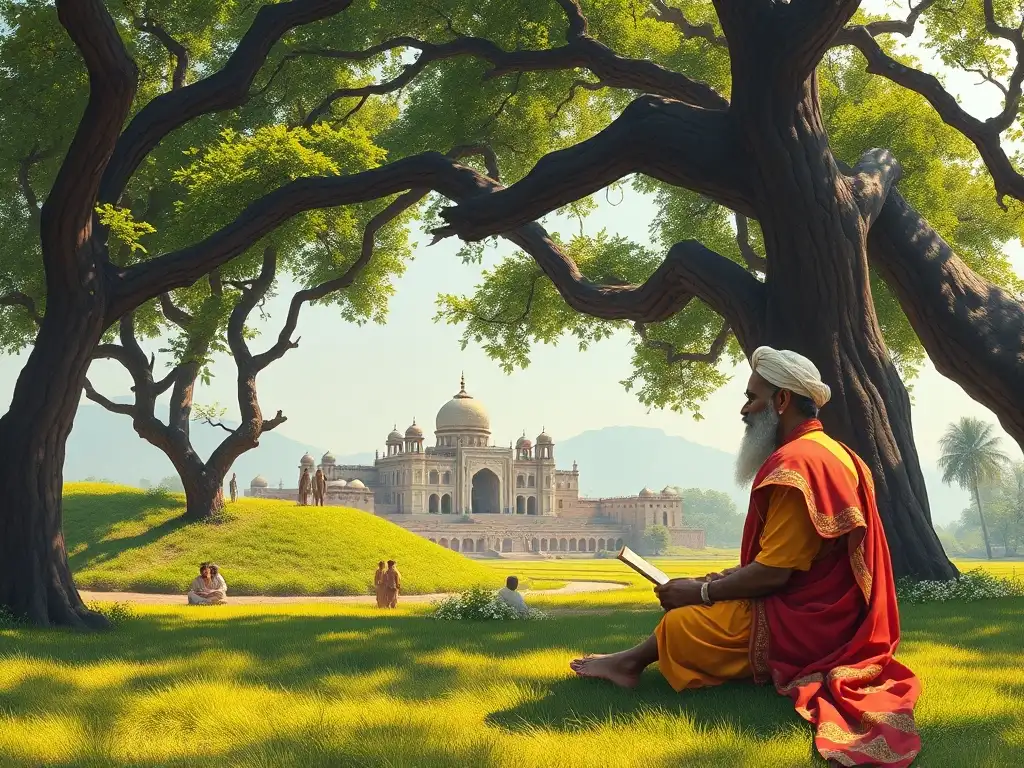
The Mauryan era marked a significant turning point in the evolution of Indian literature and philosophy, particularly under the reign of Chandragupta Maurya. This period witnessed the emergence of new philosophical discourses that were deeply intertwined with the political landscape of the time.
Chandragupta, who united various kingdoms across India, laid the foundation for a centralized governance system. This political consolidation created an environment ripe for intellectual exchange and philosophical inquiry. The Mauryan court became a hub for scholars and thinkers, fostering dialogues that shaped the philosophical underpinnings of Indian society.
The era is characterized by a unique blend of pragmatism and metaphysical inquiry, influencing the way literature and philosophy developed in subsequent centuries. Philosophical thought began to be more systematically recorded, paving the way for the preservation and dissemination of ideas that would influence future generations.
The Intersection of Politics and Philosophy in Chandragupta's Time
The relationship between politics and philosophy during Chandragupta's reign is particularly noteworthy. His advisor, Chanakya (also known as Kautilya), authored the Arthashastra, a seminal text that intertwines political strategy with ethical considerations.
- Key Themes in the Arthashastra:
- Realpolitik: Chanakya emphasized the importance of power and statecraft, arguing that the ends often justify the means in governance.
- Ethics in Leadership: Despite its pragmatic approach, the text also discusses the moral responsibilities of a ruler, reflecting philosophical concerns about governance and ethics.
- State and Society: It explores the relationship between the state and its citizens, addressing the philosophical debate on the role of government in ensuring societal welfare.
The Arthashastra not only served as a guide for rulers but also influenced contemporary thought on ethics, governance, and philosophy, establishing a discourse that would resonate throughout Indian history.
Influence of Jainism and Buddhism on Mauryan Philosophy
The Mauryan period was a time of religious and philosophical ferment, with Jainism and Buddhism emerging as significant influences on Mauryan thought.
- Jainism:
- Non-violence (Ahimsa): Chandragupta's conversion to Jainism later in life led to the promotion of the principle of non-violence, impacting philosophical discourse on ethics and morality.
- Asceticism: Jain philosophies on asceticism and self-discipline began to permeate literary works, emphasizing the importance of spiritual development.
- Buddhism:
- Universal Ethics: The teachings of Buddhism, particularly those promoting compassion and mindfulness, influenced the moral fabric of Mauryan society.
- Literary Development: The patronage of Emperor Ashoka, Chandragupta’s grandson, led to the proliferation of Buddhist texts and literature, solidifying Buddhism's role in shaping philosophical thought.
Both Jainism and Buddhism contributed to a more profound understanding of human existence, ethics, and the nature of reality, enriching the philosophical landscape of the Mauryan era.
Key Philosophical Texts Emerging from the Mauryan Period
The Mauryan period was not only a time of political unification but also a significant era for literary and philosophical contributions. Several key texts emerged that reflect the intellectual vibrancy of the time.
- The Arthashastra by Chanakya:
- This text serves as a practical guide on statecraft and remains influential in discussions on governance and ethics.
- Buddhist Scriptures:
- The Tripitaka (Pali Canon), although compiled later, was influenced by the teachings spread during the Mauryan era, encapsulating the philosophical underpinnings of Buddhism.
- Jain Texts:
- Works such as the Tattvartha Sutra laid the groundwork for Jain philosophy, emphasizing core principles like non-violence and truth.
These texts not only reflect the philosophical developments of the period but also serve as a testament to the rich tapestry of thought that emerged under the influence of Chandragupta Maurya and his successors. The legacy of this era continues to resonate in Indian philosophy and literature today, demonstrating the enduring impact of the Mauryan period on the intellectual history of India.
Chandragupta Maurya's Legacy in Indian Literature and Philosophy
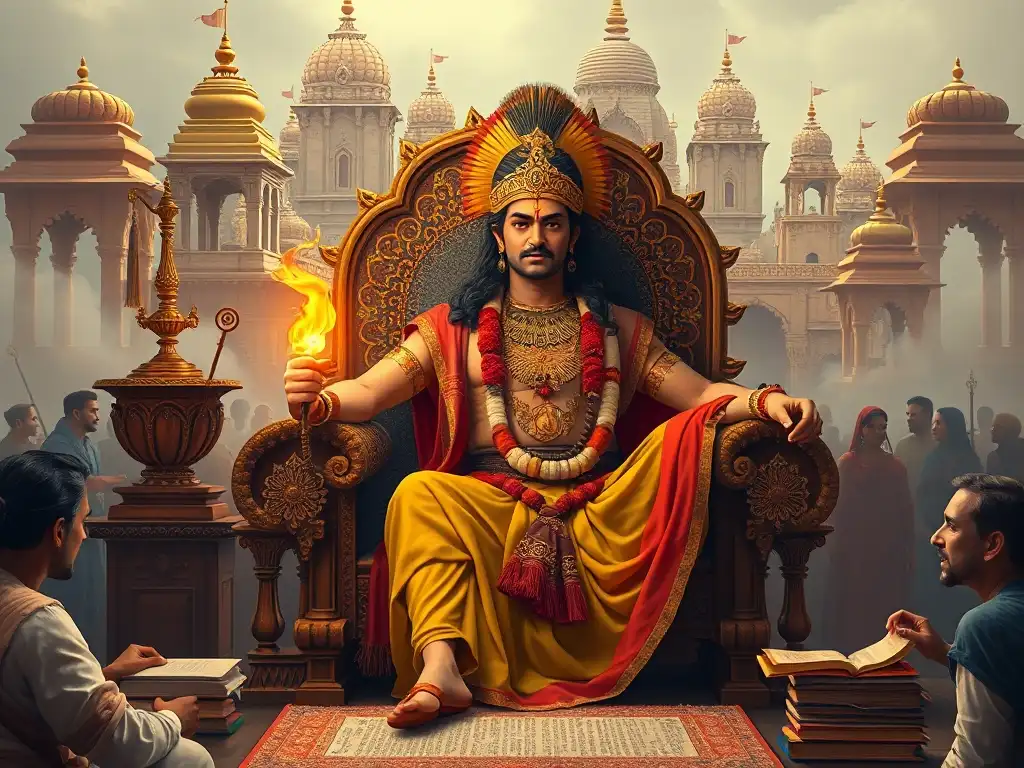
Chandragupta Maurya, the founder of the Maurya Empire, not only transformed the political landscape of ancient India but also left an indelible mark on Indian literature and philosophy. His reign, which lasted from 322 to 298 BCE, was pivotal in shaping the cultural and intellectual currents that would influence generations to come. The Mauryan period witnessed the flourishing of literary works and philosophical thought, deeply intertwined with the ideas propagated during Chandragupta's rule.
Lasting Impact on Subsequent Literary Movements
Chandragupta Maurya's administration laid the groundwork for a rich literary tradition that emerged in India post his reign. The establishment of a centralized government under Chandragupta provided a stable environment for scholars and poets to thrive. Notable writers and playwrights flourished during the Mauryan period, with the court of Chandragupta acting as a catalyst for literary expression.
- Pioneering Works: The Arthashastra, attributed to Chanakya (Kautilya), serves as a seminal text on statecraft, economics, and military strategy. This work not only reflects the political acumen of the Mauryan Empire but also influences various literary genres, blending poetic elements with pragmatic governance.
- Inspiration for Future Literature: The themes of power, morality, and governance in the Arthashastra inspired countless literary works in the centuries that followed. Later poets and playwrights, such as Kalidasa and Bhasa, drew from the moral and ethical dilemmas presented in Mauryan literature, embedding similar philosophical inquiries in their narratives.
- Historical Chronicles: The Mauryan Empire also saw the composition of historical texts that documented its grandeur and the achievements of Chandragupta. These accounts would serve as foundational texts for future historians, influencing how history was recorded and interpreted in Indian literature.
The literary movements following Chandragupta's era continued to echo his influence, leading to the development of diverse genres, including poetry, drama, and philosophical treatises that explored the human condition and governance.
Philosophical Trends Inspired by Mauryan Ideals
The philosophical landscape during and after Chandragupta Maurya's reign reflects a synthesis of various schools of thought, influenced significantly by the socio-political structure he established. His rule prompted a resurgence of intellectual discourse, leading to the emergence of several philosophical trends.
- Political Philosophy: The Arthashastra not only addressed practical governance but also delved into the nature of power and ethics in leadership. This treatise inspired subsequent thinkers to explore the relationship between ethics and politics, leading to a philosophical inquiry that sought to balance moral values with realpolitik.
- Ethical Frameworks: The Mauryan period emphasized the importance of dharma (duty/righteousness) as a guiding principle in governance and personal conduct. This focus on ethics influenced various philosophical schools, including Jainism and Buddhism, which gained prominence during and after Chandragupta's rule. The integration of these ethical frameworks into philosophical discourse laid the foundation for future debates on morality.
- Interconnectedness of Thought: The Mauryan Empire's vast expanse facilitated the exchange of ideas between different philosophical traditions. This cross-pollination led to the development of syncretic philosophies that incorporated elements from various schools, including Vedic, Upanishadic, and Buddhist thought.
Chandragupta Maurya's legacy in literature and philosophy is characterized by a commitment to ethical governance and a rich cultural dialogue, setting the stage for a flourishing intellectual tradition that would resonate throughout Indian history. His influence continues to be felt in contemporary discussions on governance, ethics, and the art of storytelling, illustrating the enduring impact of his reign on Indian literature and philosophy.
Conclusion: Chandragupta Maurya's Enduring Influence on Indian Culture
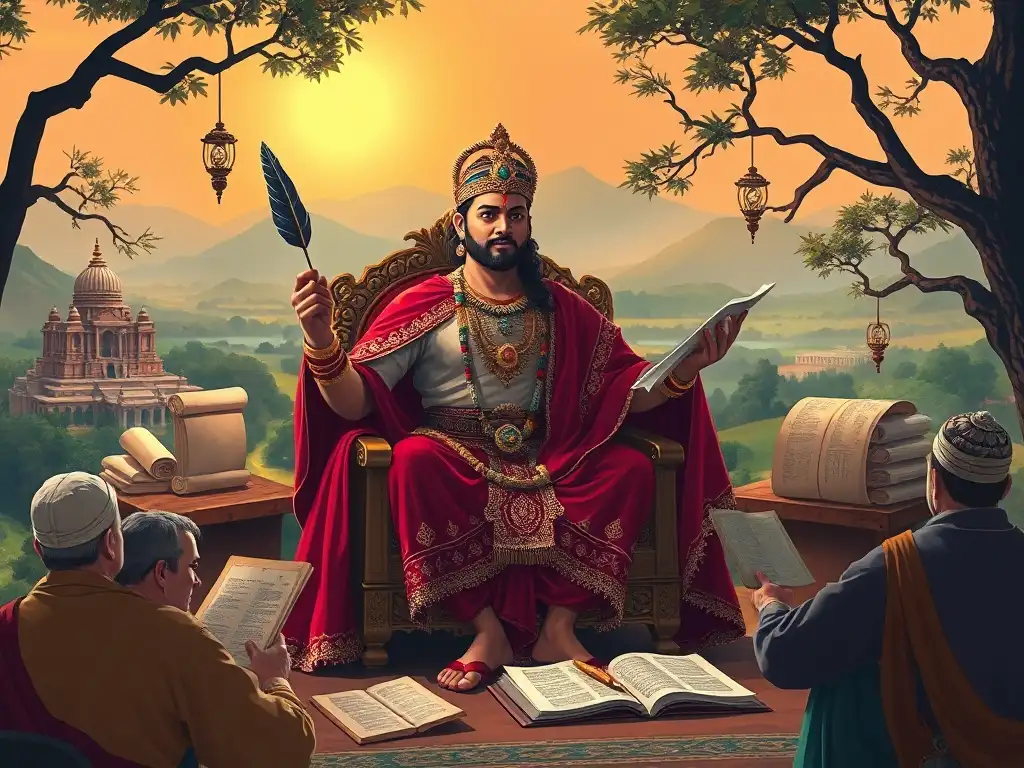
The legacy of Chandragupta Maurya extends far beyond his political achievements; it resonates deeply within the realms of Indian literature and philosophy. His reign marks a transformative period in ancient India, where the intersection of governance and intellectual pursuits flourished. The establishment of the Maurya Empire not only unified a fragmented subcontinent but also provided a conducive environment for the development of various schools of thought, artistic expressions, and literary forms.
Chandragupta’s patronage of scholars and philosophers laid the groundwork for a rich tapestry of intellectual discourse. Under his rule, figures like Chanakya, who authored the influential "Arthashastra," emerged, demonstrating the profound relationship between governance and ethical considerations in statecraft. This period set the stage for future dialogues in Indian philosophy, where moral and political philosophy intertwined, influencing generations thereafter.
Reflections on the Relationship between Leadership and Intellectual Growth
The relationship between leadership and intellectual growth during Chandragupta Maurya's reign is a profound topic that merits exploration. His approach to governance was not merely about consolidating power; it was also about fostering an environment rich in philosophical inquiry and literary expression. Here are several key reflections on this relationship:
- Patronage of the Arts: Chandragupta recognized the importance of culture and education in establishing a stable empire. His court became a hub for poets, scholars, and artists, which encouraged the flourishing of classical literature. This patronage is critical in understanding how effective leadership can cultivate an environment where intellectual pursuits thrive.
- Philosophical Foundations: The era of Chandragupta Maurya was significantly shaped by the philosophical undercurrents promoted by Chanakya and other thinkers. Their ideas on governance, ethics, and society influenced not only political thought but also literature, as writers sought to explore and critique the prevailing ideologies of their time.
- Historical Context: The socio-political context of the Maurya Empire allowed for a synthesis of diverse philosophical traditions, including Jainism, Buddhism, and Brahmanical thought. This amalgamation enriched Indian literature, resulting in texts that reflect a confluence of ideas and perspectives.
In essence, Chandragupta Maurya's leadership exemplifies how political authority can serve as a catalyst for intellectual growth, leading to a vibrant cultural legacy that continues to inspire modern thought.
The Importance of Studying Chandragupta Maurya in Understanding Indian Literature and Philosophy
Studying Chandragupta Maurya is crucial for anyone seeking to understand the evolution of Indian literature and philosophy for several reasons:
- Historical Context: Chandragupta's reign (c. 321–297 BCE) represents a pivotal moment in Indian history, marked by the unification of diverse regions and cultures. This political consolidation enabled a more cohesive literary and philosophical discourse.
- Influence of Key Figures: The era produced influential thinkers such as Chanakya, whose works provide insight into the political and ethical frameworks that shaped literary narratives. Understanding these connections helps in appreciating the depth of philosophical inquiry during this period.
- Cultural Synthesis: The Maurya Empire was a melting pot of various philosophical traditions. By studying Chandragupta's influence, one can trace the evolution of ideas and their representation in literature, revealing how cultural exchanges enriched Indian thought.
- Legacy of Thought: The ideas and literary forms that emerged during Chandragupta's reign have left an indelible mark on subsequent generations. Exploring these roots allows for a deeper appreciation of the philosophical and artistic achievements that characterize later periods in Indian history.
The study of Chandragupta Maurya is essential for grasping the intricate relationships between leadership, literature, and philosophy in ancient India. His enduring influence serves as a foundation for understanding the rich tapestry of Indian intellectual and cultural life.
Frequently Asked Questions
What was the significance of Chandragupta Maurya in Indian history?
Chandragupta Maurya was the founder of the Maurya Empire, which marked a pivotal moment in Indian history, leading to the unification of vast territories and the establishment of a centralized administration.
How did Chandragupta Maurya influence Indian literature?
Under Chandragupta Maurya's reign, Indian literature flourished, with the patronage of scholars and writers, leading to the emergence of significant texts that shaped Indian philosophy and cultural narratives.
What role did philosophy play during Chandragupta Maurya's time?
The era of Chandragupta Maurya was characterized by philosophical advancements, particularly the spread of Jainism and Buddhism, which influenced societal values and contributed to the ethical frameworks in literature.
How did the Maurya Empire contribute to the evolution of Indian culture?
The Maurya Empire, especially under Chandragupta, was instrumental in the synthesis of various cultural elements, promoting the exchange of ideas and the development of a rich intellectual tradition in literature and philosophy.
What are some key literary works from the Maurya period?
Notable literary works from the Maurya period include texts like the Arthashastra by Kautilya, which reflect the political philosophy and governance strategies during Chandragupta's rule, highlighting the era's rich intellectual output.
Final Reflection: The Enduring Legacy of Chandragupta Maurya in Indian Literature and Philosophy
Chandragupta Maurya's influence on Indian literature and philosophy is not just a relic of the past; it is a vibrant thread woven into the fabric of contemporary thought and culture. The principles he championed and the narratives that emerged during his reign continue to resonate today, reminding us of the power of leadership and intellectual inquiry. The evolution of Indian literature and philosophy, catalyzed by his vision, serves as a testament to the enduring relevance of his legacy in shaping societal values and intellectual discourse.
The impact of Chandragupta Maurya extends beyond historical accounts; it has molded the cultural and social landscape of India. His era marked a significant turning point where literature and philosophy began to flourish, fostering a rich dialogue that still influences modern thinkers and writers. As we reflect on this legacy, we recognize that "the greatest gift of knowledge is the ability to question," a sentiment that echoes through the ages and encourages us to explore the depths of our own understanding.
As you ponder the lessons from Chandragupta Maurya's life and the evolution of Indian literature and philosophy, consider how you can apply these insights in your own journey. Reflect on the power of ideas and narratives in shaping your worldview, and let the spirit of inquiry guide your path. Embrace the challenge of questioning and exploring, for it is through this engagement that we can honor the legacy of great thinkers and contribute to the ongoing dialogue of our time.
Unveil the Depths of Indian Thought and Literature
Thank you for taking the time to explore the fascinating journey of Chandragupta Maurya and his influence on Indian literature and philosophy! Your interest in this rich history not only deepens your understanding but also celebrates the legacy that continues to inspire. Now, let’s take that knowledge a step further and make a meaningful connection to this incredible era.
Here are a few actionable steps you can take today:
- Dive Deeper: Read a classic work from Indian philosophy, such as the **Arthashastra** or select passages from the **Mahabharata**, and reflect on their relevance to modern life.
- Share Your Insights: Engage with friends or fellow enthusiasts on social media about what you’ve learned. Initiate a discussion or post your favorite quote from this enlightening period!
- Join a Community: Seek out a local or online group that focuses on Indian history or literature. Being part of a community will enrich your experience and broaden your perspective.
Which other influential figures from Indian history do you think have shaped our current understanding of literature and philosophy? We’d love to hear your thoughts!