
Chandragupta Maurya: A Man of the People or a Tyrant?

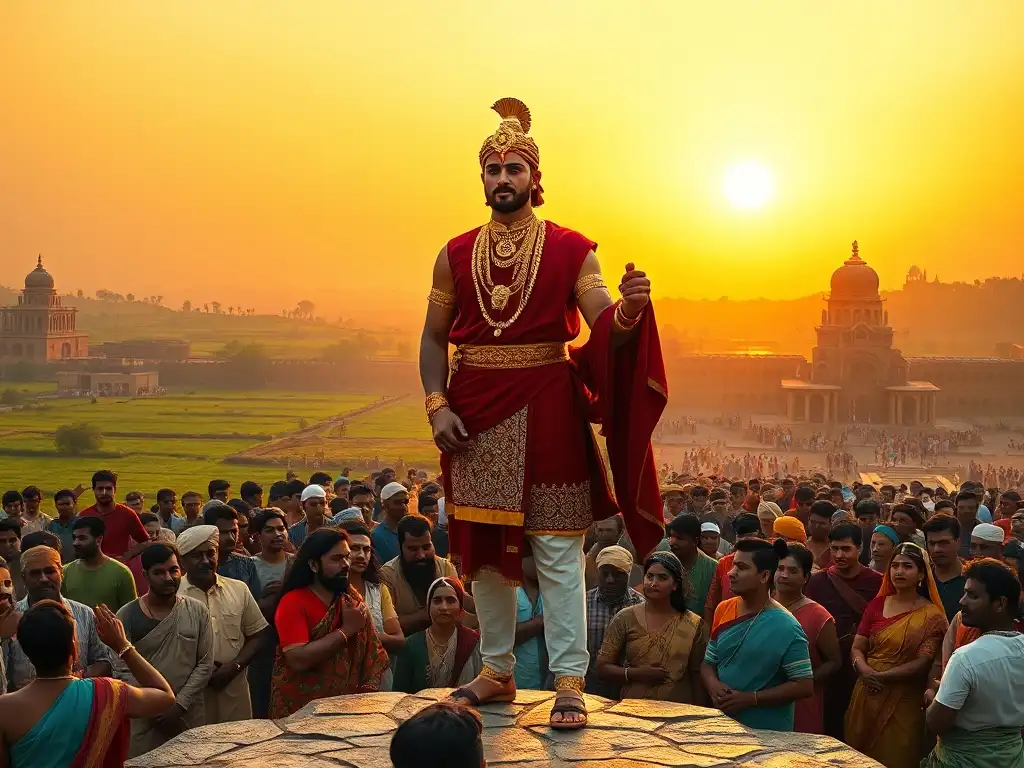
Welcome to Ancient India History, where we embark on a fascinating journey through the rich tapestry of ancient Indian civilizations. Here, we delve deep into the lives, cultures, and monumental contributions that have shaped this incredible subcontinent. In our featured article, “Chandragupta Maurya: A Man of the People or a Tyrant?”, we explore the complex leadership of one of history’s most pivotal figures.
Was he a benevolent ruler who championed the common people, or did his reign tilt towards tyranny? Join us as we unravel the layers of Chandragupta Maurya's leadership and discover how his legacy continues to influence modern India. Your adventure into the past begins now!
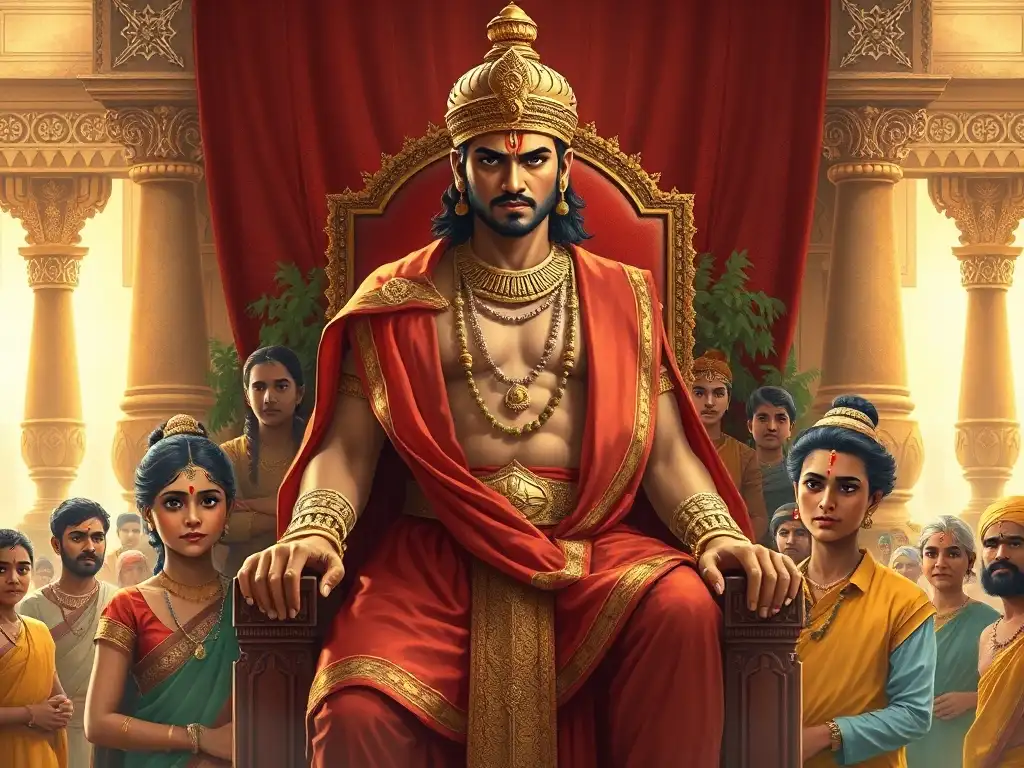
Chandragupta Maurya stands as one of the most significant figures in ancient Indian history, often revered for his role in unifying the Indian subcontinent under the Mauryan Empire. His leadership journey, marked by both strategic brilliance and controversial choices, raises essential questions about his legacy. Was he a champion of the people, striving for the welfare of his subjects, or a tyrant whose reign was characterized by oppressive rule? This article delves into a comprehensive analysis of Chandragupta Maurya's leadership, examining his historical context, key characteristics, and the dual aspects of his governance style.
Introduction to Chandragupta Maurya
Chandragupta Maurya's rise to power occurred during a transformative period in Indian history, marked by political fragmentation and external invasions. He founded the Mauryan Empire in the 4th century BCE, establishing a centralized government that brought together various kingdoms under a single administration. His journey from a humble beginnings to the throne of a vast empire is a testament to his remarkable ambition and tactical acumen.
Overview of His Historical Context
The historical backdrop of Chandragupta's ascent is critical to understanding his leadership. Following the decline of the Nanda Dynasty, India was rife with instability and unrest. The invasion of Alexander the Great further complicated the political landscape, leaving a power vacuum that Chandragupta adeptly filled. With the guidance of his mentor Chanakya, he not only overthrew the Nandas but also began consolidating power across the northern territories of India.
- Key Events Influencing His Rise:
- The fall of the Nanda Dynasty
- The retreat of Alexander the Great
- The establishment of strategic alliances with local rulers
Importance in Ancient Indian History
Chandragupta Maurya's significance extends beyond mere conquest; he laid the foundation for one of the largest empires in ancient India, influencing the region's socio-political landscape for centuries to come. His administration is often credited with the introduction of policies that focused on governance, trade, and agriculture, which fostered economic growth and stability.
- Contributions to Indian History:
- The establishment of a bureaucratic governance system
- Promotion of trade routes that enhanced economic interactions
- Cultural developments that paved the way for future empires
Chandragupta Maurya's Leadership Analysis
As we delve into Chandragupta Maurya's leadership, it is essential to analyze the characteristics that defined his rule and the style he adopted. This exploration will help clarify whether he was indeed a leader of the people or a ruler who prioritized power above all else.
Key Characteristics of Chandragupta's Leadership
Chandragupta's leadership style can be examined through various lenses that highlight his strategic and operational capabilities.
- Visionary Leadership: He possessed a clear vision for unifying the fragmented Indian states, which was essential for his empire's foundation.
- Decisive Action: His ability to make swift decisions, especially in military campaigns, demonstrated his tactical prowess.
- Adaptability: Chandragupta's adaptability in changing political climates allowed him to forge alliances and consolidate power effectively.
Leadership Style: Benevolent or Authoritarian?
The duality of Chandragupta's rule raises critical questions about his governance approach. While many view him as a benevolent ruler who prioritized the welfare of his subjects, others argue that his methods were authoritarian, characterized by a strict enforcement of laws and a formidable military presence.
- Arguments for Benevolence:
- Implementation of policies that benefited agriculture and trade
- Promotion of welfare programs aimed at improving the lives of common people
- Arguments for Authoritarianism:
- Use of spies and a strong military to maintain control
- Suppression of dissent and harsh penalties for rebellion
Chandragupta Maurya's legacy is a complex interplay of leadership qualities that can be interpreted in various ways. His story invites ongoing discussion and analysis, especially regarding the balance between authority and benevolence in leadership. Through this exploration, we aim to uncover the multifaceted nature of his leadership and its lasting impact on ancient Indian history.
The Rise to Power
Chandragupta Maurya's ascent to power is a fascinating narrative that intertwines personal ambition with the political climate of ancient India. His rise can be attributed to a combination of circumstances—his background, the influence of key figures, and the socio-political environment of the time. Emerging from a relatively obscure lineage, Chandragupta began his journey in the wake of the decline of the Nanda dynasty, which ruled over a vast territory in northern India. His ambition and strategic thinking allowed him to capitalize on the discontent among the populace, setting the stage for his eventual rule.
Early Life and Influences
Chandragupta was born around 340 BCE in the region that is now Bihar, India. His early life remains somewhat shrouded in mystery, but it is believed that he was born into a poor family, potentially of Kshatriya (warrior) lineage. This background played a pivotal role in shaping his character and ambitions.
Influences from his surroundings, including the teachings of local sages and the historical context of his time, provided him with a unique perspective on leadership and governance. The decline of the Nanda dynasty, characterized by oppression and heavy taxation, created an environment ripe for rebellion, allowing Chandragupta to emerge as a figure of hope for the oppressed.
The Role of Chanakya in Chandragupta's Ascendancy
A critical figure in Chandragupta Maurya's rise was Chanakya, also known as Kautilya. A learned Brahmin and a former advisor to the Nanda kings, Chanakya became disillusioned with their rule after being insulted by King Dhana Nanda. Swearing to dethrone the Nandas, he identified Chandragupta as a valuable ally. Through strategic alliances and military training, Chanakya guided Chandragupta in formulating a plan to challenge the Nanda dynasty. Their partnership was characterized by Chanakya's astute political acumen and Chandragupta's military prowess, which ultimately led to the successful overthrow of the Nandas and the establishment of the Mauryan Empire.
Chandragupta Maurya and the Mauryan Empire
Chandragupta Maurya is often celebrated as the founder of the Mauryan Empire, one of the largest and most powerful empires in ancient India. His rule marked a significant turning point in Indian history, characterized by advancements in administration, culture, and trade. The Mauryan Empire laid the groundwork for future dynasties and significantly influenced the socio-political landscape of the region.
Establishment of the Mauryan Empire
After defeating the Nandas, Chandragupta proclaimed himself king and established the Mauryan Empire around 321 BCE. The empire initially encompassed a significant portion of northern India, extending from the eastern banks of the Indus River to the Ganges River. Chandragupta's establishment of the Mauryan Empire was not merely a military triumph; it also involved consolidating power through effective governance. He implemented a centralized administration, creating a bureaucratic system that facilitated the management of his vast territories. This foundational structure set the stage for the empire's longevity and stability.
Governance and Administrative Reforms
Chandragupta's governance was marked by a series of administrative reforms aimed at enhancing efficiency and ensuring justice. He divided the empire into provinces, each governed by appointed officials, which allowed for better management of resources and law enforcement. Under the guidance of Chanakya, he also emphasized the importance of a well-trained military to deter external threats. Chandragupta's approach to governance was pragmatic, combining elements of autocracy with an awareness of the needs of the populace. This duality in leadership helped him maintain control while also garnering support from various social classes.
Economic Policies and Their Impact on Society
Chandragupta's economic policies played a significant role in the prosperity of the Mauryan Empire. He focused on agriculture as the backbone of the economy, implementing land revenue systems that maximized agricultural output while ensuring fair taxation. Trade was also encouraged, leading to the establishment of trade routes that connected various regions of the empire.
Chandragupta's economic strategies resulted in increased wealth and stability, benefiting both the state and its citizens. However, his policies were sometimes viewed as heavy-handed, leading to debates about whether he was a benevolent leader or a tyrant. This complexity continues to fuel discussions about his legacy in the context of ancient Indian history.
Public Perception of Chandragupta Maurya
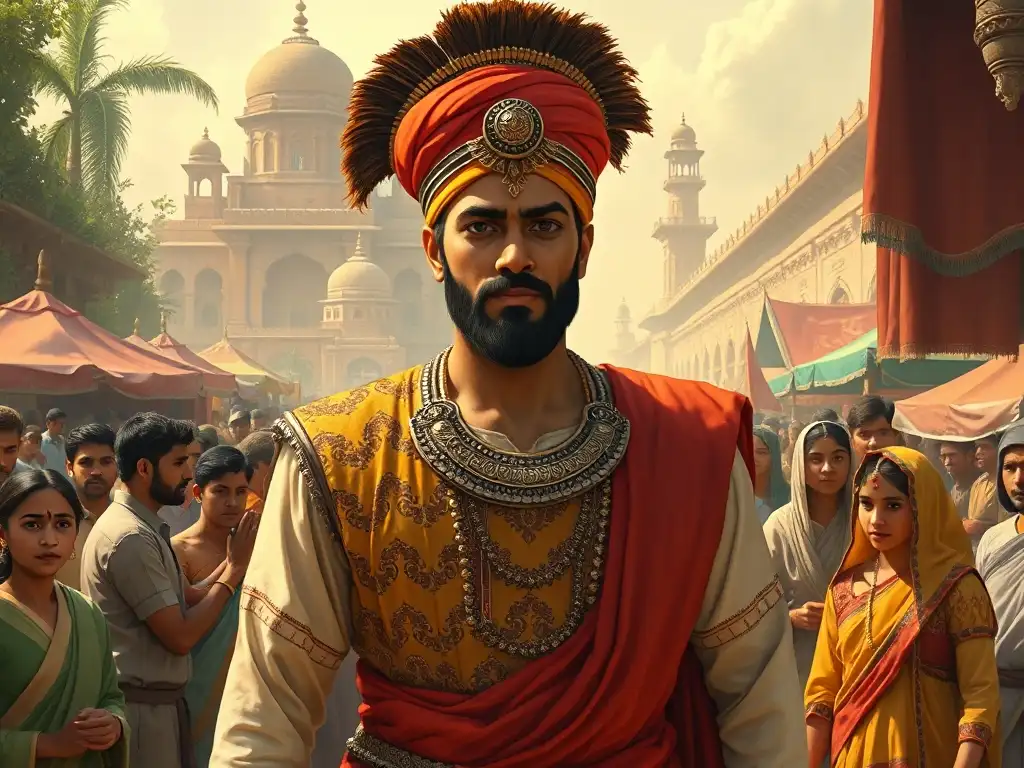
Chandragupta Maurya is a figure of considerable complexity, often viewed through contrasting lenses by different segments of society during his reign. The public perception of Chandragupta reflects a tapestry of opinions shaped by his policies, military conquests, and the socio-political landscape of ancient India. On one hand, he is celebrated as a liberator who united fragmented territories; on the other, he is criticized as a tyrant whose methods could be ruthless. This duality makes Chandragupta an intriguing subject for leadership analysis.
The People's Perspective: A Leader for the Masses
For the common people, Chandragupta Maurya was primarily seen as a champion of the masses. Rising from humble beginnings, he was perceived as someone who understood the struggles of ordinary citizens. His efforts to overthrow the Nanda Dynasty, which was often viewed as oppressive, resonated strongly with the populace. This rebellion energized the masses, who rallied behind him in hopes of a more just and equitable governance.
Chandragupta's administration implemented various reforms that aimed to improve economic conditions, enhance trade, and establish a more accountable governance system. The introduction of a structured tax system and encouragement of agriculture and commerce contributed to the prosperity of his subjects. These policies fostered loyalty and admiration among the people, who viewed him as a benevolent ruler striving for their welfare.
Furthermore, his association with the philosopher Chanakya (Kautilya) added to his image as a wise and strategic leader. Chanakya's teachings emphasized the importance of ethics in governance, which likely influenced Chandragupta's public persona as a leader committed to the common good.
The Aristocracy's View: Tyrant or Just Ruler?
Contrary to the popular support he enjoyed, the aristocracy often perceived Chandragupta as a tyrant. His rise to power involved the elimination of the Nanda rulers, which instilled fear among the elite class and those who benefited from the existing power structure. The aggressive nature of his ascension, combined with his centralized approach to governance, led some aristocrats to view him as a despot rather than a legitimate sovereign.
Chandragupta's policies, while beneficial for the common people, sometimes alienated the aristocracy. His emphasis on meritocracy over hereditary privilege challenged the status quo and threatened the established elites. This shift in power dynamics led to resentment among nobles, who felt marginalized and fearful of losing their influence.
Moreover, tales of his harsh treatment of dissenters and the rigorous enforcement of law and order fueled the narrative of tyranny among the aristocratic circles. The methods employed to consolidate power, including espionage and suppression of opposition, were often viewed through a critical lens, casting doubt on his legitimacy as a ruler.
Military Strategies and Conquests
Chandragupta Maurya's military strategies were pivotal in his establishment of the Maurya Empire, which marked a significant turning point in ancient Indian history. His strategic prowess is evident in both his conquests and the formation of alliances, which facilitated the rapid expansion of his territory.
Key Battles and Military Campaigns
Chandragupta's military campaigns were marked by several key battles that showcased his tactical acumen. One of the most notable battles was the confrontation with the Nanda Dynasty, where he employed guerrilla warfare tactics, leveraging the element of surprise and local support to his advantage.
Following his victory over the Nandas, Chandragupta turned his attention to the Macedonian territories left vulnerable after Alexander the Great's invasions. His confrontation with the remnants of Alexander's forces was strategic; he capitalized on the weakened state of the Greek satraps. The Battle of the Hydaspes River (326 BCE) stands out as a significant engagement where he demonstrated his military might and ability to adapt to different combat scenarios.
Chandragupta's military campaigns were not solely about conquest; they also involved diplomatic strategies. By forming alliances with local rulers and engaging in negotiations, he was able to expand his influence without engaging in constant warfare, which helped stabilize his empire.
Impact of Military Conquests on His Leadership
The impact of Chandragupta's military conquests on his leadership was profound. His successful campaigns not only expanded the Maurya Empire but also solidified his reputation as a formidable leader. The vast territories under his control allowed for the implementation of a centralized administration, which facilitated trade, agriculture, and cultural exchange across the empire.
However, the military conquests also came with challenges. The need to maintain control over newly acquired territories required a strong military presence and extensive resources. This constant demand for vigilance and suppression of revolts sometimes led to unrest, particularly among those who resisted Mauryan authority.
The conquests also influenced Chandragupta's leadership style; he became increasingly reliant on military power to enforce his rule. While his initial popularity stemmed from his image as a liberator, the emphasis on military strength and control may have contributed to the perception of him as a tyrant among the aristocracy and dissenting factions. This duality reflects the nuanced nature of his leadership, encapsulating both the admiration and criticism he garnered throughout his reign.
The Debate: Man of the People vs. Tyrant
The historical figure of Chandragupta Maurya stirs a compelling debate among historians and scholars regarding his leadership style and governance. On one hand, he is celebrated as a champion of the people, credited with uniting fragmented territories of ancient India and establishing a stable and prosperous empire. On the other hand, his methods and policies have led some to label him a tyrant, employing ruthless strategies to consolidate power. This dichotomy invites a closer examination of his actions and the implications they had on the populace during his reign.
Arguments Supporting His Reputation as a People’s Leader
Supporters of Chandragupta Maurya often highlight several key aspects that reinforce his image as a people's leader:
- Unification of India: Chandragupta's most significant achievement was the unification of the Indian subcontinent under the Mauryan Empire. This unification brought stability and order to a region previously characterized by chaos and disunity. By establishing a centralized government, he laid the groundwork for future governance.
- Economic Prosperity: His reign marked a period of economic growth. Chandragupta implemented policies that enhanced agriculture, trade, and industry, allowing common people to thrive. The agrarian reforms and taxation systems he introduced were designed to benefit the peasantry and stimulate economic activity.
- Promotion of Justice: Chandragupta is often credited with establishing a legal system that aimed to protect the rights of citizens. His emphasis on justice through law and order helped cultivate a sense of security among the populace, allowing for social and economic development.
- Cultural Patronage: His court attracted scholars, artists, and philosophers, fostering a rich cultural environment. This support for arts and education contributed to the cultural renaissance during his rule, making knowledge accessible to a broader segment of society.
- Adoption of Non-Violence: Towards the end of his reign, influenced by his advisor Chanakya, Chandragupta adopted non-violent principles, especially after converting to Jainism. This transition reflected a commitment to peaceful governance and respect for life.
Counterarguments: Instances of Tyranny and Oppression
Despite the arguments favoring his role as a leader for the people, there exist notable instances that paint Chandragupta in a different light:
- Ruthless Consolidation of Power: Chandragupta's rise to power involved significant violence and military conquests. He is known to have overthrown the Nanda Dynasty, which, while politically necessary, involved bloodshed and the suppression of dissent.
- Heavy Taxation: Although his policies initially aimed to benefit the populace, they often resulted in high taxation that burdened the common people. Critics argue that such measures led to discontent among the lower classes, who faced the brunt of these financial demands.
- Suppression of Rebellions: Chandragupta dealt harshly with any uprisings or resistance against his rule. Historical accounts suggest that he employed brutal tactics to quash dissent, instilling fear among his subjects to maintain control.
- Influence of Chanakya: His advisor Chanakya, known for his cunning and manipulative strategies, played a significant role in shaping Chandragupta's policies. Some historians argue that the Machiavellian approach advocated by Chanakya led to unethical governance practices, prioritizing power over the welfare of the people.
- Limited Political Freedom: While he established a centralized state, the concentration of power in Chandragupta's hands often meant limited political freedom for his subjects. Historical records indicate that dissent was not tolerated, leading to a lack of representation for the common people in governance.
Legacy of Chandragupta Maurya
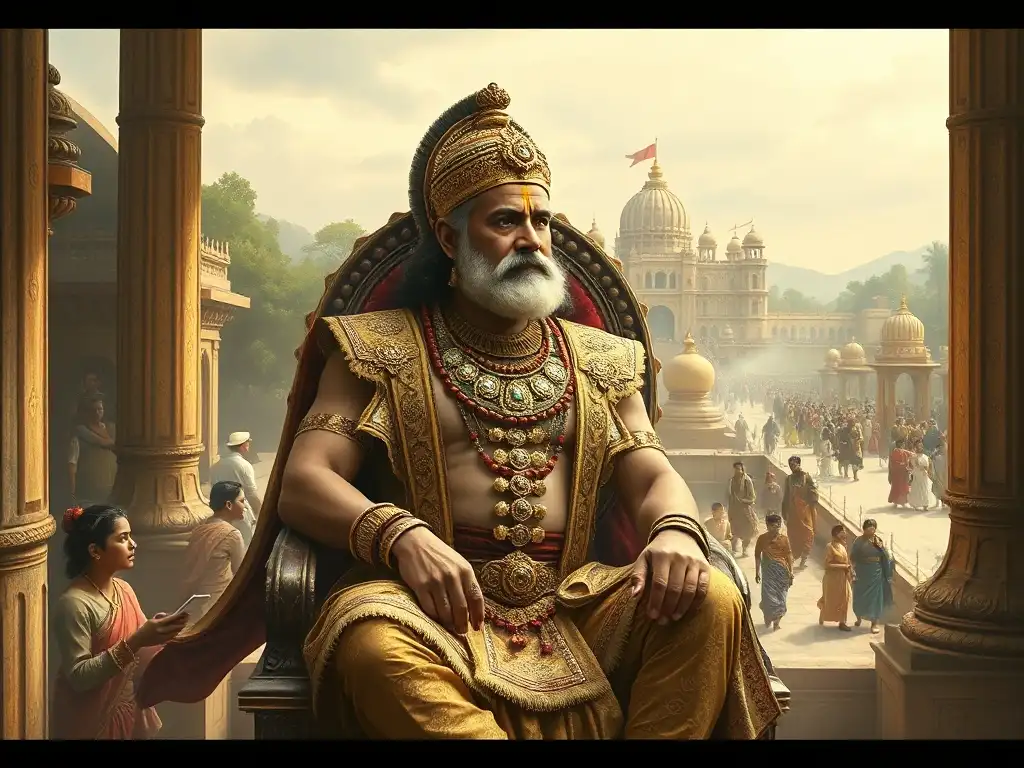
Chandragupta Maurya's legacy is multifaceted, reflecting both his achievements and controversial methodologies. He remains a pivotal figure in Indian history, reminding us of the complexities of leadership and governance.
Contributions to Indian Civilization
Chandragupta's most enduring contributions to Indian civilization include:
- Foundation of the Mauryan Empire: He established one of the largest empires in ancient India, which served as a model for future states. The administrative framework and military organization set by Chandragupta influenced subsequent rulers.
- Cultural Integration: His reign facilitated the integration of diverse cultures and traditions, leading to a rich tapestry of Indian civilization. This cultural amalgamation fostered advancements in art, science, and philosophy.
- Spread of Jainism: His conversion to Jainism towards the end of his life not only highlighted his personal evolution but also contributed to the religion's spread across the region, influencing societal values and ethics.
- Political Treatises: The political treatises attributed to Chanakya, particularly the "Arthashastra," emerged during this period, providing insights into statecraft, economics, and military strategy that continue to be studied today.
Influence on Future Leaders and Rulers
Chandragupta's leadership style and the policies he enacted left a significant imprint on future leaders:
- Model of Centralized Governance: His establishment of a centralized bureaucratic system became a blueprint for future Indian empires, including the Gupta Empire, which adopted similar administrative practices.
- Military Strategy: Chandragupta's military tactics, particularly his emphasis on strategic alliances and the use of deception in warfare, influenced numerous rulers who followed him, emphasizing the importance of strategy in governance.
- Philosophical Impact: The philosophical ideas articulated by Chanakya during Chandragupta’s reign have been studied and emulated by leaders across generations, providing a framework for pragmatic and sometimes ruthless governance.
- Cultural Patrons: His patronage of arts and sciences set a precedent for future rulers to support cultural endeavors, contributing to a legacy of intellectual and artistic flourishing in Indian history.
Chandragupta Maurya's legacy is a complex interplay of leadership qualities that continue to inspire discussions about governance, ethics, and the responsibilities of rulers to their people.
Conclusion: The Duality of Chandragupta Maurya's Leadership
Chandragupta Maurya stands as one of the most significant figures in ancient Indian history, embodying a complex blend of leadership traits that evoke both admiration and criticism. His rise from humble beginnings to the founder of the Maurya Empire illustrates a narrative of determination and strategic prowess. However, this journey also raises questions about the nature of his rule—was he a man of the people, fostering unity and progress, or a tyrant who resorted to harsh measures to maintain control?
The duality of Chandragupta’s leadership is evident in the policies he implemented and the methods he employed. His ability to unify various factions under a single banner demonstrates a visionary leader; yet, the oppressive tactics described by some historians paint a picture of a ruler who prioritized power over compassion. This tension invites ongoing debates regarding the true legacy of his leadership.
Summary of Key Points in Leadership Analysis
- Unification and Expansion: Chandragupta Maurya successfully unified the Indian subcontinent, establishing a vast empire through strategic alliances and military conquests. His ability to consolidate power was a hallmark of his leadership.
- Administrative Innovation: He implemented a sophisticated administrative system, drawing from earlier models and adapting them to his needs. This innovation laid the groundwork for efficient governance.
- Economic Policies: Under his rule, trade flourished, and agricultural productivity increased, contributing to the wealth and stability of the empire.
- Military Tactics: Chandragupta's military strategies were often brutal, showcasing his willingness to employ force to achieve his objectives, which raises ethical questions about his methods.
- Philosophical Influences: He was influenced by the teachings of Chanakya, whose principles of realpolitik often advocated for cunning and ruthlessness in governance.
The blend of these attributes makes it clear that Chandragupta’s leadership cannot be easily categorized as solely benevolent or tyrannical. Instead, it represents a complex interplay of vision, strategy, and the sometimes harsh realities of ruling an empire.
Final Thoughts on His Historical Significance
Chandragupta Maurya's impact on Indian history is profound, as he not only established the first great Indian empire but also set a precedent for future rulers regarding statecraft and governance. His leadership style, marked by both progressive and oppressive elements, offers valuable lessons in the dynamics of power. As scholars continue to analyze his reign, it becomes increasingly evident that understanding his duality provides insights not only into his character but also into the broader context of ancient Indian civilization.
Chandragupta’s legacy as a leader serves as a reminder of the complexities inherent in governance and the fine line between benevolence and tyranny. His story invites reflection on the moral dimensions of leadership, making it a rich subject for further exploration.
References
Suggested Reading on Chandragupta Maurya
- "The Maurya Empire: A Historical Analysis": by R. K. Sharma
- "Chandragupta Maurya: The First Emperor of India": by Anjali Gupta
- "The Art of War in Ancient India" by Vikram Singh
Historical Texts and Contemporary Analyses
- Arthashastra by Kautilya (Chanakya): A foundational text that provides insights into Chandragupta's policies and governance strategies.
- Indica by Megasthenes: A contemporary account that offers an outsider's perspective on Chandragupta's rule and the Mauryan Empire's structure.
- "Chandragupta Maurya and the Birth of the Indian State" by S. R. Rao: A modern analysis examining the implications of his leadership on subsequent Indian history.
- Introduction to Chandragupta Maurya
- Chandragupta Maurya's Leadership Analysis
- The Rise to Power
- Chandragupta Maurya and the Mauryan Empire
- Public Perception of Chandragupta Maurya
- Military Strategies and Conquests
- The Debate: Man of the People vs. Tyrant
- Legacy of Chandragupta Maurya
- Conclusion: The Duality of Chandragupta Maurya's Leadership
- References
- What were the key achievements of Chandragupta Maurya?
- How did Chandragupta's leadership style impact his rule?
- Is there evidence to support the view of Chandragupta as a tyrant?
- What role did Chanakya play in Chandragupta's rise to power?
- How did Chandragupta Maurya's legacy influence later Indian rulers?
Frequently Asked Questions
What were the key achievements of Chandragupta Maurya?
Chandragupta Maurya is known for unifying India under the Mauryan Empire, establishing a strong centralized government, and laying the groundwork for future political stability.
How did Chandragupta's leadership style impact his rule?
His leadership style was characterized by pragmatism and military acumen, which allowed him to effectively manage diverse regions and implement policies that benefited the common people.
Is there evidence to support the view of Chandragupta as a tyrant?
While some historical accounts suggest harsh methods, many scholars argue that his focus on administration and welfare indicates a ruler more concerned with stability than tyranny.
What role did Chanakya play in Chandragupta's rise to power?
Chanakya, also known as Kautilya, was a key advisor who provided strategic guidance and helped Chandragupta overthrow the Nanda Dynasty, significantly shaping his leadership.
How did Chandragupta Maurya's legacy influence later Indian rulers?
Chandragupta's administrative practices and military strategies set a precedent for future leaders, especially during the Gupta Empire, which built upon his foundations of governance and cultural integration.
Final Reflection: The Duality of Leadership in Chandragupta Maurya's Legacy
Chandragupta Maurya's leadership is a profound example of how power can be wielded for both the good of the people and the imposition of tyranny. In today's world, where leaders are often scrutinized for their decisions and the impact they have on society, the lessons drawn from Chandragupta's reign resonate deeply. His ability to unify a fragmented India under the Mauryan Empire serves as a testament to the complexity of leadership, reminding us that the line between benevolence and oppression can be perilously thin.
Clearly, the legacy of Chandragupta Maurya continues to shape our understanding of governance and authority. His story invites us to reflect on the qualities that define a true leader—those who prioritize the welfare of their people while navigating the challenges of power. As we consider the implications of his reign, we are reminded of the words of Mahatma Gandhi: A 'No' uttered from the deepest conviction is better than a 'Yes' merely uttered to please, or worse, to avoid trouble.
This quote encapsulates the essence of leadership that is rooted in integrity and the courage to make difficult decisions for the greater good.
As we move forward, let us take a moment to reflect on our own leadership roles, whether in our communities, workplaces, or personal lives. How can we embody the qualities of a leader who serves the people while remaining vigilant against the temptations of power? I invite you to consider the lessons from Chandragupta Maurya's life and apply them to your own journey. Embrace the responsibility that comes with leadership, and strive to create a positive impact that echoes through time, just as his legacy has endured.
Unveil the Legacy: Take Your Next Steps in History!
Thank you for diving into the captivating story of **Chandragupta Maurya**! You've uncovered the complexities surrounding this influential figure, and now it's time to take action on what you've learned. Let’s transform your newfound insights into meaningful engagement.
- Explore more about Chandragupta and his era by delving into related articles on **Ancient Indian history**.
- Join the conversation by sharing your thoughts on whether you view him as a champion of the people or a tyrant with your friends and family.
- Start a discussion in our community forum—your insights can help others gain a better understanding of this fascinating historical figure!
What do you think defines a true leader: the legacy they leave behind or the ideals they championed during their reign?