
How Chandragupta Maurya’s Leadership Redefined Indian Politics

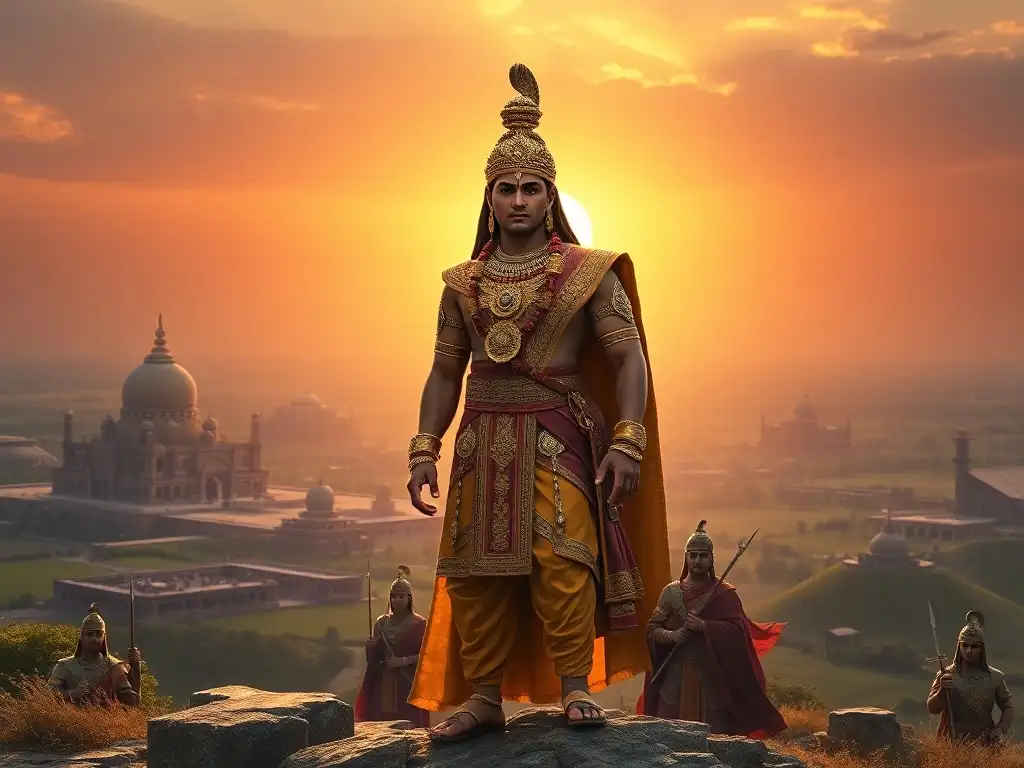
Welcome to Ancient India History, where we embark on a captivating journey through the remarkable tapestry of India’s past. Have you ever wondered how a single leader could redefine the political landscape of an entire civilization? In our featured article, we delve into the impact of Chandragupta Maurya's leadership, exploring his strategies and vision that transformed Indian politics during his reign.
Join us as we uncover the intricacies of his legacy and its lasting influence on the fabric of ancient Indian society. Prepare to be inspired and intrigued as you navigate through the rich heritage that shaped one of the world’s oldest civilizations!
- Introduction to Chandragupta Maurya's Leadership Impact
- The Historical Context of Chandragupta Maurya’s Rise
- Chandragupta Maurya's Leadership Style
- The Maurya Empire: Foundation and Expansion
- Administrative Innovations Under Chandragupta Maurya
- The Role of Advisors in Chandragupta's Leadership
- Chandragupta Maurya’s Impact on Indian Politics
- Cultural Contributions During Chandragupta’s Reign
- Challenges Faced by Chandragupta Maurya
- Conclusion: Legacy of Chandragupta Maurya’s Leadership
- Further Reading on Chandragupta Maurya and Ancient Indian Leadership
- Frequently Asked Questions
- Final Reflection: The Enduring Legacy of Chandragupta Maurya's Leadership
- Unleash Your Inner Leader: Embrace the Legacy of Chandragupta Maurya!
Introduction to Chandragupta Maurya's Leadership Impact
Chandragupta Maurya stands as a pivotal figure in the annals of Indian history, renowned for his astute leadership and revolutionary impact on the political landscape of ancient India. He ascended to power during a time of fragmentation and disunity, ultimately laying the foundation for one of the most significant empires in Indian history—the Maurya Empire.
His leadership not only redefined the governance of the region but also established precedents that would influence Indian politics for centuries to come. This article delves into the nuances of Chandragupta Maurya's leadership, exploring how his strategic prowess, military acumen, and visionary policies shaped the socio-political fabric of ancient India.
Overview of Chandragupta Maurya
Chandragupta Maurya was born around 340 BCE in the region that is now Bihar, India. Rising from humble beginnings, he was significantly influenced by his mentor, Chanakya (or Kautilya), who played a crucial role in shaping his political strategies. Together, they launched a campaign against the Nanda dynasty, ultimately overthrowing it and establishing the Maurya Empire around 322 BCE.
Under Chandragupta's rule, the Maurya Empire expanded rapidly, encompassing vast territories across northern India. His administration was marked by a centralized governance model that emphasized efficiency and order. One of his most notable achievements was the unification of the Indian subcontinent, which had been fragmented into numerous kingdoms and republics.
Chandragupta's leadership was characterized by:
- Strategic Warfare: Utilizing innovative tactics and forming alliances that strengthened his military capabilities.
- Administrative Reforms: Instituting a bureaucratic system that allowed for effective governance of diverse populations.
- Economic Policies: Promoting trade and agriculture which led to prosperity within his realm.
His reign set the stage for further expansion and consolidation under his grandson, Ashoka the Great, whose contributions to Indian culture and Buddhism are equally significant.
Importance of Leadership in Ancient India
The concept of leadership in ancient India transcended mere governance; it was intertwined with spiritual and ethical dimensions that guided rulers in their responsibilities towards their subjects. Leadership was perceived as a divine duty, where kings were expected to uphold dharma (righteousness) and ensure the welfare of their people.
Key aspects of leadership in this context included:
- Moral Authority: Rulers were often seen as embodiments of virtue, expected to maintain justice and moral order.
- Military Prowess: Strong leadership was synonymous with military strength, as rulers needed to protect their territories from invasions and maintain internal stability.
- Cultural Patronage: Leaders played a crucial role in promoting arts, literature, and religion, which fostered a rich cultural heritage.
Chandragupta Maurya exemplified these principles, demonstrating how effective leadership could transform not just a kingdom but an entire civilization. His legacy continues to be a testament to the enduring impact of wise and strategic governance in shaping the course of Indian history.
The Historical Context of Chandragupta Maurya’s Rise
The Political Landscape Before Chandragupta
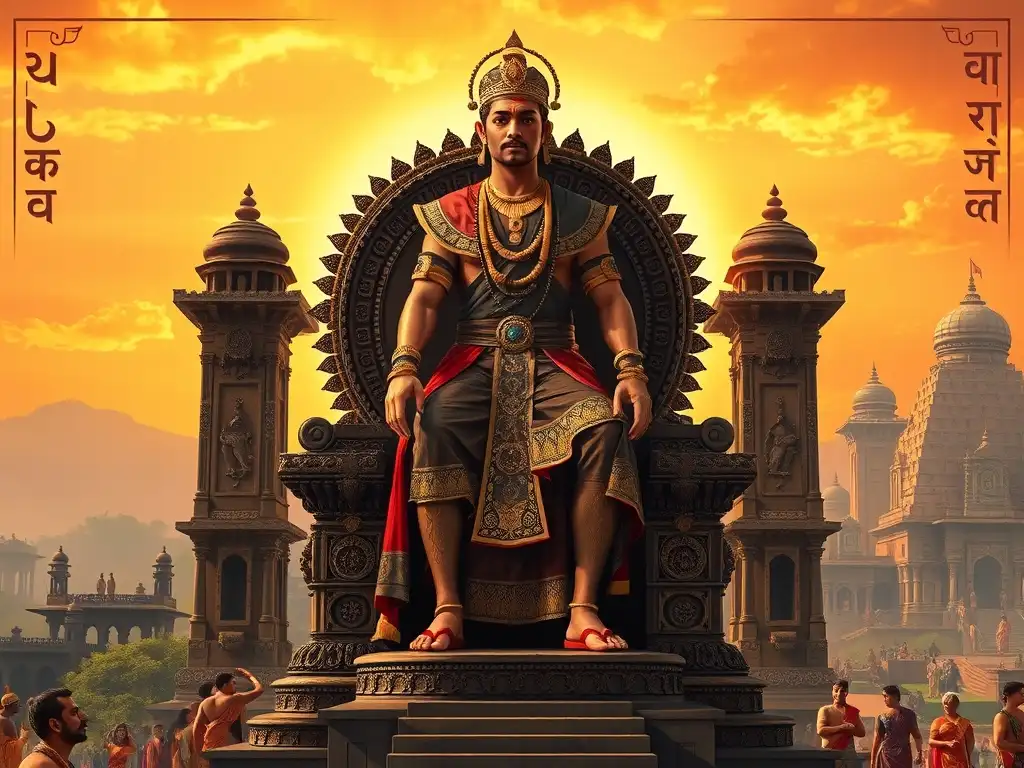
Before the emergence of Chandragupta Maurya, the political landscape of ancient India was characterized by a fragmented and tumultuous environment. Various regional kingdoms and republics were vying for power, leading to significant instability. The following key points outline the political scenario prior to Chandragupta's rise:
- Fragmentation of Power: India was divided into numerous small kingdoms and republics, each ruled by local chieftains or kings. This decentralization made it difficult to establish a unified governance structure.
- The Influence of Foreign Invaders: The incursions by foreign powers, particularly the Persians and later the armies of Alexander the Great, destabilized the region. Alexander's campaign (327-325 BCE) introduced new military tactics and political dynamics, leaving a power vacuum in the territories he conquered.
- Decline of the Nanda Dynasty: Prior to Chandragupta's ascension, the Nanda Dynasty was a significant power in the Magadha region. However, its unpopular rule and heavy taxation alienated the populace, leading to widespread discontent and paving the way for Chandragupta's rise.
- Social Unrest and Economic Strain: The constant warfare among kingdoms, coupled with economic strain on the peasantry, led to social unrest. Many people were disillusioned with the existing rulers, creating fertile ground for a new leader who could promise stability and prosperity.
This chaotic environment set the stage for the emergence of a strong leader capable of unifying the fragmented Indian subcontinent.
Key Events Leading to Chandragupta Maurya’s Ascendancy
Chandragupta Maurya's ascendance to power was not a mere coincidence but rather the result of several key events and influences that shaped his leadership journey. Below are the pivotal moments that contributed to his rise:
- Mentorship of Chanakya: The brilliant strategist and philosopher Chanakya (also known as Kautilya) played a crucial role in Chandragupta's rise. After being humiliated by the Nandas, Chanakya vowed to overthrow them and recognized Chandragupta as a suitable leader. He trained him in statecraft and military strategy, laying the foundation for Chandragupta’s future conquests.
- Formation of Alliances: Chandragupta understood the importance of alliances in consolidating power. He forged relationships with various local rulers and influential figures disillusioned with the Nandas, thereby building a coalition that would support his campaign against them.
- Military Campaigns Against the Nandas: Armed with Chanakya's strategies and the loyalty of his followers, Chandragupta initiated military campaigns against the Nanda Dynasty. His adept use of guerrilla tactics and the element of surprise allowed him to gain territorial control, incrementally weakening the Nanda hold over the region.
- Declaring Himself as the Emperor: By 322 BCE, Chandragupta successfully overthrew the Nanda Dynasty and declared himself the ruler of Magadha. This marked the beginning of the Mauryan Empire, which would become the first significant empire in ancient India, setting a precedent for future governance.
These events highlight how Chandragupta Maurya's leadership impact was not only about personal ambition but also about strategic alliances, mentorship, and timely actions that resonated within the socio-political milieu of his time.
Chandragupta Maurya's Leadership Style
Chandragupta Maurya's leadership style is often characterized by a combination of strategic vision, adaptability, and decisive action. His ability to unify diverse factions under a single banner marked a significant shift in Indian political dynamics. Unlike many of his predecessors, who relied on feudal loyalty and local power structures, Chandragupta focused on creating a centralized administration. This not only enhanced governance but also laid the groundwork for future empires.
Chandragupta's leadership was also marked by his emphasis on pragmatism. He understood the importance of building strong relationships with influential figures of his time, including notable figures like Kautilya, who played a crucial role in shaping his policies. This collaboration exemplified his understanding that effective leadership often requires a blend of personal charisma and political acumen.
Characteristics of Effective Leadership
-
Visionary Thinking
Chandragupta possessed a clear vision for a unified India, which drove his efforts to consolidate power. His ambition to create a vast empire reflected a forward-thinking mindset that prioritized long-term goals over short-term gains.
-
Adaptability
His ability to adapt to changing circumstances was vital for his success. Whether negotiating alliances or navigating the complexities of warfare, Chandragupta demonstrated a keen understanding of the political landscape, which allowed him to pivot strategies as needed.
-
Decisiveness
Chandragupta was known for making quick and effective decisions. This decisiveness was particularly evident during military campaigns, where he often had to act swiftly to seize opportunities or respond to threats.
-
Delegate Authority
Recognizing the limits of his reach, Chandragupta delegated authority to trusted generals and advisors. This not only empowered his subordinates but also ensured effective governance across his expansive territory.
-
Maintaining Discipline
Discipline within his ranks was paramount. Chandragupta instilled a sense of loyalty and duty among his soldiers, which was essential for maintaining order and effectiveness in military operations.
Military Strategies and Tactics Employed
Chandragupta Maurya's military strategies were integral to his success in establishing the Maurya Empire. His approach combined innovative tactics, psychological warfare, and the use of intelligence.
-
Guerrilla Warfare
In the early stages of his campaigns, Chandragupta employed guerrilla tactics to disrupt larger, more established armies. These tactics allowed him to hit swiftly and retreat, minimizing losses while maximizing impact.
-
Formation of Alliances
Chandragupta skillfully formed alliances with local rulers and tribes, which not only bolstered his military strength but also facilitated smoother conquests. By fostering relationships with potential adversaries, he often turned enemies into allies.
-
Use of Elephants in Battle
Elephants were a significant component of Chandragupta's military strategy. Their size and power instilled fear in opponents and provided a psychological advantage in battle. The effective deployment of war elephants became a hallmark of his military campaigns.
-
Intelligence Gathering
Chandragupta understood the value of intelligence in warfare. He employed spies to gather information about enemy movements and strategies, enabling him to make informed tactical decisions.
-
Siege Warfare
His campaigns often involved the use of siege tactics to capture fortified cities. By surrounding cities and cutting off supply lines, he forced surrender without excessive bloodshed, allowing for quicker incorporation of territories into his empire.
These military strategies, combined with his unique leadership style, significantly contributed to Chandragupta Maurya's legacy and the establishment of a centralized and powerful Maurya Empire in ancient India. His impact on Indian politics was profound, setting a precedent for subsequent leaders and shaping the future of the subcontinent.
The Maurya Empire: Foundation and Expansion
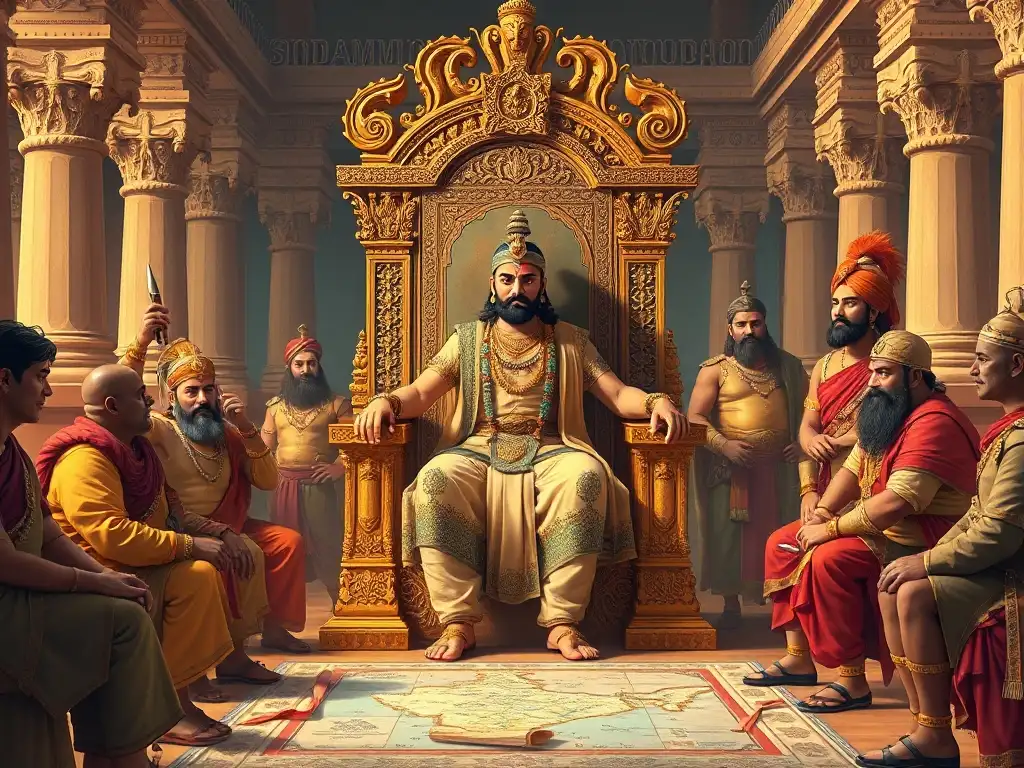
The Maurya Empire represents a pivotal chapter in Indian history, characterized by its unprecedented political unification and governance strategies. Founded in the 4th century BCE, the empire marked a significant shift from fragmented regional kingdoms to a centralized authority. The emergence of Chandragupta Maurya as a formidable leader was instrumental in this transformation, laying the foundation for one of the largest empires in ancient India.
Chandragupta's ascension to power can be traced back to the decline of the Nanda dynasty, which faced internal dissent and external threats. Recognizing the opportunity, Chandragupta, under the guidance of his mentor Chanakya, capitalized on the political turmoil. Chanakya's strategic insights and political acumen were crucial in mobilizing support and resources for Chandragupta’s campaign against the Nandas.
The Maurya Empire's establishment was marked by a series of strategic alliances and military confrontations, which not only facilitated the overthrow of the Nandas but also allowed for the assimilation of various regions into a cohesive political entity. Chandragupta's leadership style, which combined military prowess with astute diplomacy, was key to unifying diverse populations under a single administrative framework.
Establishing the Maurya Dynasty
Chandragupta Maurya's leadership had a profound impact on the establishment of the Maurya Dynasty. His approach was characterized by several critical elements:
- Military Strategy: Chandragupta's military campaigns were meticulously planned. He utilized guerrilla tactics, leveraging the terrain to his advantage, which proved effective against larger armies. His victory over the Nandas at Pataliputra is a prime example of his strategic brilliance.
- Administrative Reforms: Once in power, Chandragupta implemented a centralized administrative system. He divided the empire into provinces, each governed by appointed officials. This structure not only facilitated efficient governance but also helped in maintaining control over vast territories.
- Legal Framework: Chandragupta established a legal code that emphasized justice and order. This framework served as the foundation for governance, promoting stability and fostering loyalty among the subjects.
- Cultural Integration: By promoting policies that encouraged cultural exchange and integration, Chandragupta played a vital role in unifying the diverse ethnicities and cultures within his empire. This cultural cohesion was essential for the longevity of the Maurya Dynasty.
Chandragupta’s leadership not only established the Maurya Dynasty but also set a precedent for future rulers in India, demonstrating the importance of strong governance and military capability.
Key Battles and Conquests Under Chandragupta
Chandragupta's leadership impact is further illustrated through the key battles and conquests that defined his reign. Each of these military engagements not only expanded the empire's territory but also solidified his reputation as a formidable ruler:
- Battle of Pataliputra: This decisive battle marked the overthrow of the Nanda dynasty. Chandragupta's forces, aided by Chanakya's intelligence and strategy, successfully captured the capital, leading to the establishment of the Maurya Empire.
- Conflict with Alexander the Great: Although not a direct confrontation with Alexander, Chandragupta's strategic maneuvers during Alexander's invasion in 326 BCE showcased his leadership. He chose to avoid direct conflict and instead focused on strengthening his power base, ultimately leading to a negotiated peace.
- Expansion into Northern India: Following the departure of Alexander's forces, Chandragupta capitalized on the power vacuum to expand his territory into northern India. His conquests included regions like Punjab and parts of modern-day Afghanistan, further solidifying his control.
- Conquest of Magadha: The final conquest of Magadha was a significant milestone that marked the unification of major Indian territories under Chandragupta's rule. This victory not only expanded the empire but also established Pataliputra as a thriving center of administration and culture.
Through these battles, Chandragupta Maurya demonstrated exceptional leadership and military acumen, laying the groundwork for an empire that would flourish under subsequent rulers, particularly his grandson, Ashoka. His legacy of unification and governance continues to influence the political landscape of India even today.
Administrative Innovations Under Chandragupta Maurya
Centralized Governance and Bureaucracy
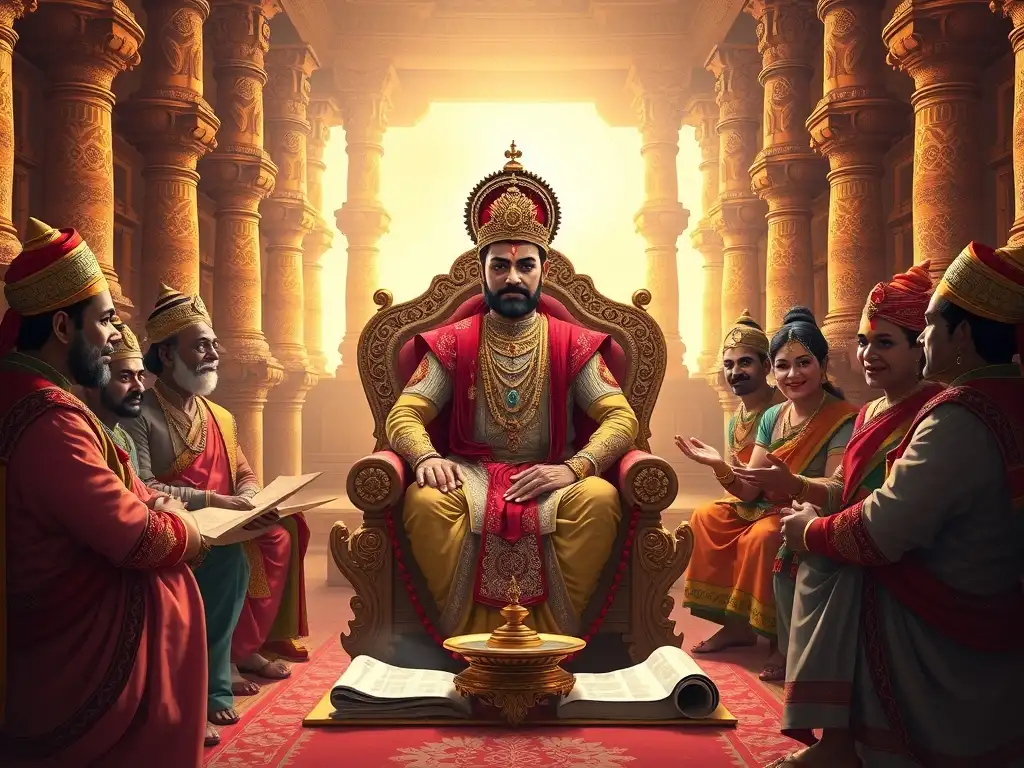
Chandragupta Maurya's leadership fundamentally transformed the political landscape of ancient India by establishing a centralized governance system that was pivotal for the unification of various regions. His administration was characterized by a well-structured bureaucracy that facilitated efficient governance across the vast Mauryan Empire.
- Creation of a Strong Administrative Framework
- Chandragupta recognized the need for a robust administrative framework to manage the diverse cultures, languages, and practices within his empire. He appointed high-ranking officials known as Amatyas, who played critical roles in governance and administration.
- The empire was divided into provinces called Mahajanapadas, each overseen by a governor ( Uparika), ensuring localized governance while maintaining allegiance to the central authority.
- Legal and Administrative Codification
- To standardize governance, Chandragupta implemented a system of laws and regulations that emphasized justice and order. This codification is often attributed to the influence of Kautilya (Chanakya), his chief advisor, who authored the Arthashastra—a treatise on statecraft, economic policy, and military strategy.
- The Arthashastra not only provided guidelines for administration but also emphasized the importance of espionage and intelligence, which were crucial for maintaining order and security throughout the empire.
- Emphasis on Taxation and Public Welfare
- Under Chandragupta, taxation became structured and systematic. The state imposed taxes on agriculture, trade, and crafts, which funded public works and the military. This economic strategy allowed the Mauryan Empire to flourish and sustain its governance.
- Public welfare initiatives, such as the construction of roads and irrigation systems, were prioritized, enhancing connectivity and agricultural productivity. This focus on infrastructure was essential for the economic stability of the empire.
Economic Reforms and Trade Policies
Chandragupta Maurya's leadership also had a significant impact on the economic landscape of ancient India, driven by reforms and trade policies that fostered prosperity and integration.
- Agricultural Reforms
- Recognizing the backbone of the Mauryan economy was agriculture, Chandragupta introduced reforms that encouraged agricultural productivity. He promoted the use of advanced farming techniques and tools, which led to increased yields.
- The state played an active role in agriculture by providing seeds and irrigation support, ensuring food security for the populace and stability for the empire.
- Revitalization of Trade Routes
- Chandragupta’s policies revitalized trade routes, both overland and maritime, facilitating commerce across the empire and beyond. The Mauryan Empire became a central hub for trade, connecting India with regions such as Persia and the Mediterranean.
- He established trade agreements that not only boosted economic exchanges but also promoted cultural interactions, enhancing the empire's diversity.
- Standardization of Currency
- To streamline trade, Chandragupta implemented a standardized currency system, which simplified transactions and helped stabilize the economy. This move reduced trade barriers and promoted economic growth.
- The introduction of coinage allowed for easier taxation and trade, significantly contributing to the wealth of the Mauryan Empire and strengthening its economic foundations.
Chandragupta Maurya's leadership had a profound impact on Indian politics through innovative administrative practices and economic reforms. These changes not only unified the subcontinent but also laid the groundwork for future empires, marking a pivotal moment in the history of ancient India.
The Role of Advisors in Chandragupta's Leadership
Chandragupta Maurya's ascent to power and his subsequent reign as the founder of the Maurya Empire were significantly shaped by the influence of his advisors. Among them, the most notable was Chanakya, also known as Kautilya, whose strategies and philosophies were instrumental in establishing a centralized and efficient governance structure. The role of advisors in Chandragupta's leadership is a testament to the collaborative nature of effective governance in ancient India.
Influence of Chanakya (Kautilya)
Chanakya, often considered one of the most brilliant minds in Indian history, was not merely an advisor but a visionary strategist whose impact on Chandragupta's leadership cannot be overstated. His seminal work, the Arthashastra, laid the groundwork for statecraft, economics, and military strategy.
- Political Strategy: Chanakya's approach to politics was pragmatic and sometimes ruthless. He believed in using intelligence and espionage to outmaneuver enemies. This strategic mindset helped Chandragupta consolidate power and defeat the Nanda dynasty. For instance, Chanakya's advice to create alliances with other regional powers illustrated how he understood the dynamics of power in ancient India.
- Economic Policies: Chanakya emphasized the importance of a strong economy as the foundation of a stable state. He advised Chandragupta to implement taxation and trade policies that would bolster the empire’s revenue. These policies not only funded military campaigns but also facilitated trade, contributing to the prosperity of the Maurya Empire.
- Military Tactics: The military strategies devised by Chanakya were crucial during Chandragupta’s campaigns. He taught the young ruler the art of warfare, including the use of elephants in battle, which became a hallmark of Mauryan military might. This tactical advantage was evident in key battles that secured Chandragupta's rule.
Chanakya's influence on Chandragupta’s leadership was multifaceted, encompassing political strategy, economic management, and military tactics. His mentorship transformed Chandragupta from a young leader into a formidable emperor.
The Impact of Strategic Counsel on Governance
The strategic counsel provided by advisors like Chanakya redefined governance during the Maurya Empire. Their insights not only shaped immediate policies but also established a legacy of effective administration and political philosophy.
- Centralized Administration: Under Chandragupta, the Maurya Empire saw the implementation of a highly centralized administrative system. Advisors played a critical role in structuring this system. They helped establish a bureaucracy that was efficient and capable of managing the vast territories under Chandragupta's control. This bureaucratic efficiency is often credited with maintaining order and facilitating communication across the empire.
- Legal Framework: The Arthashastra also provided guidelines for law and order, emphasizing the need for a strong legal framework to ensure justice and stability. The legal principles derived from Chanakya’s teachings laid the groundwork for future governance models in India.
- Crisis Management: The ability to adapt to crises was another area where advisory roles proved essential. Chanakya's ability to foresee potential threats and advise Chandragupta on preemptive measures helped the empire navigate challenges, such as rebellions and invasions. This proactive approach to governance ensured the longevity of Chandragupta's rule.
The strategic counsel during Chandragupta Maurya's leadership was vital for the establishment and sustainability of one of ancient India's most significant empires. The collaboration between Chandragupta and his advisors exemplifies how effective leadership is often a collective endeavor, leveraging diverse insights to achieve common goals. The legacy of this partnership continues to influence political thought and governance in India today.
Chandragupta Maurya’s Impact on Indian Politics
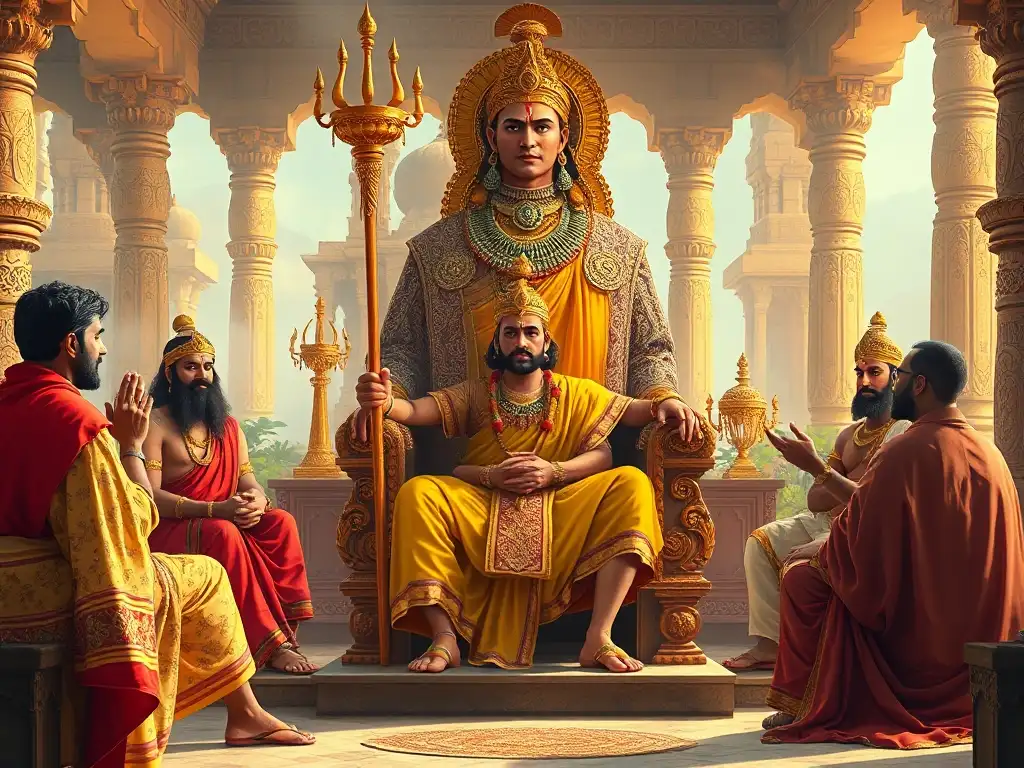
Chandragupta Maurya, the founder of the Maurya Empire, had a profound impact on Indian politics that resonated through the ages. His ability to unify fragmented territories into a single, cohesive empire marked a revolutionary shift in governance and statecraft. This unification not only altered the political landscape of ancient India but also set a precedent for future rulers both in India and beyond.
One of the most significant aspects of Chandragupta's leadership was his strategic use of alliances and military prowess. He managed to overthrow the Nanda dynasty, which had ruled the region for a considerable time, and established a new regime characterized by strong centralized power. This transition from feudalism to a centralized authority laid the groundwork for subsequent political systems in India.
Chandragupta's reign also represented a shift in the relationship between the ruler and the ruled. By instituting a bureaucracy that was accountable to the emperor, he established a model of governance that prioritized efficiency and stability. His administration implemented widespread reforms that included tax collection, law enforcement, and public welfare, which were revolutionary for their time. Such reforms influenced not only his immediate successors but also served as a template for governance in later Indian empires.
Long-term Effects on Subsequent Leaders
The legacy of Chandragupta Maurya's leadership can be seen in the governance styles of many subsequent leaders. His establishment of a centralized state model became a reference point for future rulers such as Ashoka, his grandson, who expanded the empire while promoting policies of non-violence and welfare. Ashoka’s reign is often viewed as a continuation of Chandragupta's foundational work, reflecting the strong administrative structures and political philosophies that Chandragupta had put in place.
Moreover, the political strategies employed by Chandragupta, including the utilization of espionage and strategic marriages, influenced the leadership styles of various kings in different regions of India. These techniques became integral to maintaining power and stability within their realms. Historians have noted that leaders like Harsha and later medieval kings adopted similar approaches to governance, showcasing the enduring impact of Chandragupta’s methods.
The Mauryan Empire also set the stage for the eventual rise of regional powers, as the political unification under Chandragupta inspired leaders across the subcontinent to aspire towards similar governance structures. This ripple effect can be traced through the political history of India, contributing to the emergence of dynasties that sought to emulate the centralized authority that Chandragupta exemplified.
Influence on Political Philosophy and Governance Models
Chandragupta Maurya's leadership not only shaped immediate political structures but also influenced the broader philosophical discourse on governance in ancient India. His alliance with Chanakya, a revered philosopher and strategist, introduced a blend of military strategy and political philosophy that emphasized realpolitik. This partnership led to the creation of the "Arthashastra," a seminal text on statecraft that outlines the principles of governance, economics, and military strategy.
The Arthashastra articulated a pragmatic approach to leadership, arguing that the ruler must be shrewd, adaptable, and often ruthless to maintain order and control. This perspective diverged from earlier, more idealistic views of governance, suggesting that the complexities of ruling necessitated a more realistic, sometimes cynical, outlook. The principles set forth in the Arthashastra became foundational texts for later rulers and continue to be studied in the context of political theory.
Furthermore, Chandragupta's embrace of diverse administrative practices, including the incorporation of various local customs and systems, highlighted the importance of adaptability in governance. His recognition of the need for a multifaceted approach to rule influenced how future empires, such as the Gupta Empire, would manage their diverse populations.
Chandragupta Maurya’s leadership impact is not merely a chapter in history but a foundational force that shaped the course of Indian politics, governance structures, and political philosophy for centuries. His legacy illustrates the profound interconnectedness of leadership, strategy, and the evolution of statecraft in ancient India, continuing to resonate within the annals of history.
Cultural Contributions During Chandragupta’s Reign
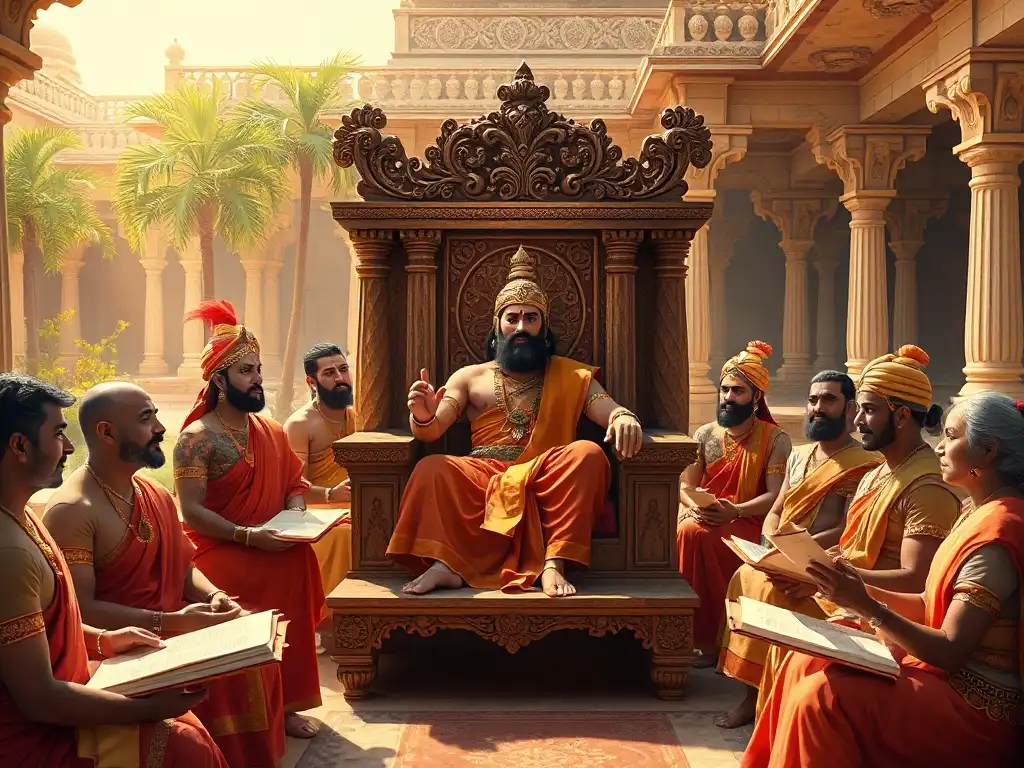
Chandragupta Maurya's leadership was not only significant in the realm of politics and governance but also played a pivotal role in fostering cultural advancements that would shape the Indian subcontinent. The Mauryan Empire, under his rule, became a melting pot of ideas, arts, and traditions, leading to remarkable contributions in various cultural domains.
Promotion of Art and Architecture
Chandragupta Maurya’s reign marked a transformative period for art and architecture in ancient India. The establishment of the Mauryan Empire allowed for the patronage of artists and architects, leading to the construction of several monumental structures.
- Stupas and Monuments: The most notable architectural contributions were the stupas, which served as important religious sites. The Great Stupa at Sanchi is one of the most well-preserved examples from this era. Built to house relics of the Buddha, it exemplifies the intricate craftsmanship and the significance of Buddhist architecture during Chandragupta's rule.
- Fortifications and Urban Planning: Chandragupta also emphasized urban development. The city of Pataliputra, the Mauryan capital, was fortified with massive walls and planned with intricate layouts that included residential areas, marketplaces, and administrative buildings. This urban planning not only facilitated trade but also contributed to the aesthetic appeal of the city.
- Artistic Expressions: The Mauryan period saw a surge in various forms of artistic expression. The use of stone carvings and sculptures, particularly in the depiction of human figures, animals, and religious motifs, flourished. The famous Ashoka Pillars, erected during Chandragupta’s time, showcase the advanced techniques of carving and the philosophical underpinnings of Mauryan art.
These developments in art and architecture not only served religious and political purposes but also reflected the cultural dynamism of the empire, laying a foundation for future artistic endeavors in India.
Religious Tolerance and Cultural Syncretism
One of the hallmark features of Chandragupta Maurya’s leadership was his promotion of religious tolerance and cultural syncretism. This approach fostered an environment where multiple faiths could coexist and flourish.
- Diversity of Beliefs: During Chandragupta’s reign, India was home to various religious traditions, including Hinduism, Buddhism, and Jainism. The Mauryan Empire became a hub for these diverse cultures. Chandragupta recognized the importance of inclusivity, allowing different beliefs to thrive without persecution, which helped maintain social harmony.
- Influence of Buddhism: Following his association with Chanakya, a key advisor, Chandragupta embraced Buddhism, which significantly influenced his policies. His patronage of Buddhism led to the establishment of numerous monasteries and viharas, facilitating the spread of Buddhist teachings and promoting intercultural dialogues.
- Cultural Exchange: The Mauryan Empire was also a significant player in trade networks that connected India with regions such as the Middle East and Southeast Asia. This interaction not only enriched the Mauryan cultural tapestry but also allowed for the exchange of ideas, technology, and art between different civilizations.
Chandragupta Maurya's commitment to religious tolerance and cultural syncretism contributed to a unified yet diverse society, which became a hallmark of Indian civilization. His leadership impact reshaped the cultural landscape of ancient India, fostering a legacy of coexistence that would influence future generations.
Challenges Faced by Chandragupta Maurya
Chandragupta Maurya, the founder of the Maurya Empire, faced numerous obstacles on his path to establishing a unified Indian state. His leadership was not only instrumental in navigating these challenges but also in redefining political structures and governance in ancient India. This section delves into two primary challenges he encountered: internal conflicts and dissent, as well as external threats and diplomatic relations.
Internal Conflicts and Dissent
Chandragupta’s rise to power was marked by a tumultuous backdrop of internal strife and factionalism. The period prior to his ascension saw a fragmented political landscape, with various kingdoms vying for dominance. The following points highlight the nature of these internal conflicts:
- Fragmentation of Power: The Indian subcontinent was divided into numerous small kingdoms, each with its own ruler. This lack of unity made it challenging for Chandragupta to consolidate power effectively.
- Resistance from Local Rulers: As Chandragupta began to expand his territory, he faced stiff resistance from established rulers. Many local chieftains were unwilling to cede their power, leading to prolonged conflicts. For instance, his confrontations with rulers of the Nanda dynasty, who had a stronghold in the eastern regions, were particularly intense.
- Dissent Among Allies: Even among his own ranks, dissent brewed. Chandragupta had to navigate the complexities of loyalty and betrayal, as some of his allies were inclined to switch allegiances when faced with threats or promises from rival factions.
- Civil Unrest: The rapid changes in governance and the imposition of new taxes and policies sometimes led to civil unrest. Chandragupta had to employ strategic diplomacy and military action to quell these disturbances and maintain order.
Chandragupta's ability to manage these internal conflicts was pivotal. He skillfully negotiated alliances and employed a combination of military might and political acumen to stabilize his rule, ultimately laying the groundwork for a more unified governance structure.
External Threats and Diplomatic Relations
In addition to internal challenges, Chandragupta Maurya confronted significant external threats that tested his leadership and diplomatic skills. The following aspects illustrate the nature of these external challenges:
- Invasions from the Northwest: The era was marked by invasions from various foreign entities, notably the Greeks under Alexander the Great. Although Alexander's incursion did not directly overthrow Chandragupta, it caused considerable upheaval and necessitated strategic responses from him.
- Diplomatic Maneuvers: To counter external threats, Chandragupta engaged in shrewd diplomatic relations. He cultivated alliances with neighboring kingdoms and sought to maintain peace through marriages and treaties. His alliance with the Greek satraps established a buffer against potential invasions.
- Military Campaigns: Chandragupta’s leadership also involved launching military campaigns to secure his borders. He effectively employed military tactics learned from his encounters with Macedonian forces to fortify his empire against future threats.
- Expansion of Trade Relations: Understanding the importance of economic stability, Chandragupta worked to enhance trade relations with foreign traders, establishing networks that would strengthen his empire economically and politically.
Chandragupta Maurya’s adept handling of both internal conflicts and external threats not only secured his reign but also redefined the political landscape of ancient India. His ability to unify disparate factions and engage in strategic diplomacy was instrumental in establishing a powerful and enduring empire.
Conclusion: Legacy of Chandragupta Maurya’s Leadership
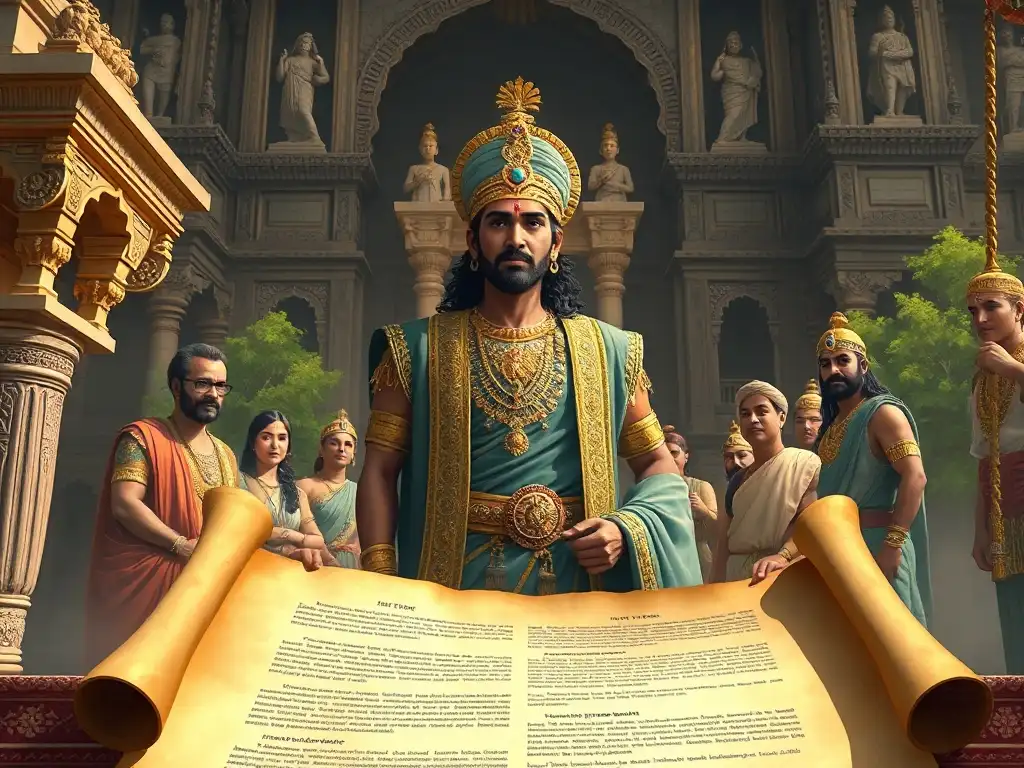
Summary of Leadership Impact on Indian Politics
Chandragupta Maurya's leadership had a transformative effect on the political landscape of ancient India, setting a precedent that would resonate through the ages. His rise to power marked the end of fragmented regional kingdoms and the beginning of a unified Indian empire. The establishment of the Maurya Empire in 322 BCE was pivotal in shaping the political dynamics of the subcontinent.
- Centralization of Power:
- Chandragupta implemented a centralized administrative system that streamlined governance. He introduced a hierarchical structure that enabled efficient control over vast territories, which had previously been divided among various rulers.
- The Mauryan administration established a network of spies and informants, enhancing the state's ability to maintain order and suppress dissent.
- Legal Reforms:
- Under Chandragupta's rule, legal frameworks were developed that promoted justice and fairness. He sought to codify laws, which helped standardize governance across the empire.
- His collaboration with the philosopher Kautilya (Chanakya) resulted in the creation of the Arthashastra, a treatise detailing statecraft, economic policy, and military strategy that influenced future political thought.
- Economic Policies:
- By prioritizing trade and agriculture, Chandragupta laid the groundwork for economic prosperity. His policies supported infrastructure development, including roads and trade routes, which fostered commerce and communication.
- The introduction of a taxation system ensured stable revenue for the state, enabling the empire to sustain its military and administrative expenses.
- Promotion of Diplomacy:
- Chandragupta’s approach to foreign policy emphasized diplomacy and strategic alliances. This not only secured his empire's borders but also facilitated cultural exchanges with neighboring regions.
- His successful negotiations with the Seleucid Empire exemplified his diplomatic acumen, showcasing how leadership could transcend military might.
Reflection on Chandragupta’s Enduring Influence in History
The legacy of Chandragupta Maurya extends far beyond his immediate achievements. His leadership set crucial precedents that would influence successive rulers and the political framework of India for centuries.
- Model for Future Leaders:
- Chandragupta's blend of military strength and political wisdom established a template for future leaders, demonstrating the importance of a strong centralized authority.
- His ability to navigate complex political landscapes served as an inspiration for subsequent empires, such as the Gupta Empire, which built upon his foundational governance principles.
- Cultural Integration:
- The Maurya Empire under Chandragupta fostered a sense of cultural unity among its diverse populace. By promoting religious tolerance and encouraging the exchange of ideas, he laid the groundwork for a culturally rich society.
- His patronage of Buddhism and Jainism contributed to the spread of these philosophies, shaping the spiritual and cultural identity of India.
- Historical Narratives:
- The chronicles of Chandragupta's reign, particularly through the accounts of historians like Megasthenes, provide valuable insights into ancient Indian society. These narratives have influenced how history is perceived and studied in both Indian and global contexts.
- His story has transcended time, becoming a part of India's cultural heritage, inspiring literature, art, and cinema.
The impact of Chandragupta Maurya's leadership on Indian politics cannot be overstated. His strategic vision and reforms not only crafted a strong empire but also left an indelible mark on the annals of Indian history, influencing generations of leaders and shaping the socio-political fabric of the region.
Further Reading on Chandragupta Maurya and Ancient Indian Leadership
Recommended Books and Articles
To gain a deeper understanding of Chandragupta Maurya's leadership impact, several scholarly works and articles provide valuable insights into his life, governance, and the socio-political landscape of ancient India. Here are some highly recommended readings:
-
"The Mauryan Empire" by Romila Thapar
This comprehensive book delves into the formation and structure of the Mauryan Empire, with a special focus on Chandragupta's strategies and policies that laid the groundwork for future rulers. Thapar's analysis offers a nuanced understanding of the political innovations introduced during Chandragupta's reign.
-
"Chandragupta Maurya: The Rise of the Mauryan Empire" by R. C. Majumdar
This work provides a detailed narrative of Chandragupta's ascent to power, exploring his tactics against the Nanda dynasty and the establishment of a centralized administration that became a hallmark of Indian governance.
-
"Ashoka and the Decline of the Mauryan Empire" by R. S. Sharma
While primarily focused on Ashoka, this book provides context on the legacy of Chandragupta’s leadership, emphasizing how his foundational work influenced subsequent Mauryan rulers.
-
"The Art of War in Ancient India" by K. P. Jayaswal
This article examines the military strategies employed by Chandragupta Maurya, analyzing how his approach to warfare and diplomacy redefined conflict management in the Indian subcontinent.
-
"Politics and Society in Ancient India" by D. N. Jha
This text provides a broad overview of the political landscape during Chandragupta's time, elucidating how his leadership set new standards for governance and societal organization.
Several historical sites across India hold significant ties to Chandragupta Maurya's leadership impact. Visiting these sites can provide deeper insights into the era and its monumental contributions:
-
Pataliputra (modern-day Patna)
The capital of the Mauryan Empire, Pataliputra was a hub of political activity and culture. The remnants of ancient palaces and fortifications highlight the architectural prowess of the period.
-
Taxila (in modern Pakistan)
An ancient center of learning and trade, Taxila was instrumental during the Mauryan period. It is noted for its universities and as a melting pot of cultures, reflecting the impact of Chandragupta's governance on education and commerce.
-
Nalanda University
Although established later, Nalanda's roots can be traced back to the Mauryan Empire. The educational reforms initiated by Chandragupta laid the groundwork for advanced learning institutions in ancient India.
-
Sanchi Stupas
While primarily associated with Emperor Ashoka, the Sanchi Stupas represent the religious harmony and architectural developments that flourished under Mauryan rule, showcasing the cultural legacy of Chandragupta’s leadership.
-
Ujjain
Known for its strategic importance in trade and politics, Ujjain served as a significant site during Chandragupta's reign. The city's history reflects the administrative innovations introduced by Chandragupta.
These readings and sites collectively enrich our understanding of Chandragupta Maurya's leadership impact and offer a window into the complexities of ancient Indian politics and culture.
Frequently Asked Questions
What was the significance of Chandragupta Maurya's leadership?
Chandragupta Maurya's leadership marked the foundation of the Maurya Empire, which established a centralized governance system that influenced Indian politics for centuries.
How did Chandragupta Maurya unite India?
Chandragupta Maurya successfully unified various kingdoms through strategic alliances and military conquests, creating a vast empire that laid the groundwork for future political structures.
What were some key policies implemented by Chandragupta Maurya?
He introduced several administrative reforms including a strong taxation system, a network of spies, and law enforcement to maintain order and stability throughout the empire.
How did Chandragupta Maurya's leadership influence future rulers?
His model of centralized authority and effective governance became a blueprint for subsequent rulers, shaping the political landscape of India for generations.
What impact did Chandragupta Maurya have on Indian culture?
Beyond politics, his reign saw the promotion of trade, culture, and education, fostering a rich cultural heritage that is still celebrated in modern India.
Final Reflection: The Enduring Legacy of Chandragupta Maurya's Leadership
Chandragupta Maurya's leadership impact is not merely a chapter in history; it is a beacon of inspiration that continues to resonate in today's political landscape. As we navigate the complexities of modern governance and leadership, the principles established by Maurya remind us of the power of vision, unity, and strategic acumen. His ability to unify a fragmented India under a single banner serves as a compelling reminder that effective leadership can transcend time and cultural boundaries, shaping the very fabric of society.
The influence of Chandragupta Maurya's leadership is palpable in contemporary discussions about governance and political strategy. His approach to building alliances and fostering inclusivity laid the groundwork for future leaders to follow. As we witness the ongoing struggles for unity and stability in various regions around the world, we can draw parallels to Maurya's efforts. In the midst of chaos, there is also opportunity,
a sentiment that echoes through the ages, reminding us that true leadership often emerges in challenging times.
As we reflect on the lessons derived from Chandragupta Maurya's remarkable journey, I invite you to consider how these insights can be applied in your own life. What does effective leadership mean to you, and how can you embody these principles in your community? Let us strive to cultivate a spirit of collaboration and resilience, drawing inspiration from the past to forge a brighter future. The legacy of Chandragupta Maurya is not just a historical account; it is a call to action for all of us to lead with purpose and integrity.
Unleash Your Inner Leader: Embrace the Legacy of Chandragupta Maurya!
Thank you for exploring the remarkable journey of Chandragupta Maurya and his transformative leadership! Your interest in this pivotal figure highlights the valuable lessons we can learn from history. Now is the perfect time to apply these insights to your own life and aspirations.
Here’s how you can take inspired action:
- Embrace Leadership: Start by identifying an area in your life—whether at work, school, or within your community—where you can take initiative and lead with confidence.
- Explore Historical Context: Delve deeper into Maurya’s strategies by reading relevant literature on ancient Indian politics, and discover how these insights can inform your modern leadership style.
- Share and Discuss: Connect with friends or fellow history enthusiasts by sharing this article! Host a discussion about the impact of historical figures on today’s society and invite diverse perspectives.
In what ways do you feel inspired to apply Chandragupta Maurya’s leadership principles in your own life? Share your thoughts below, and let’s spark a conversation!