
Exploring the Dialects of Prakrit: A Window into Regional Cultures

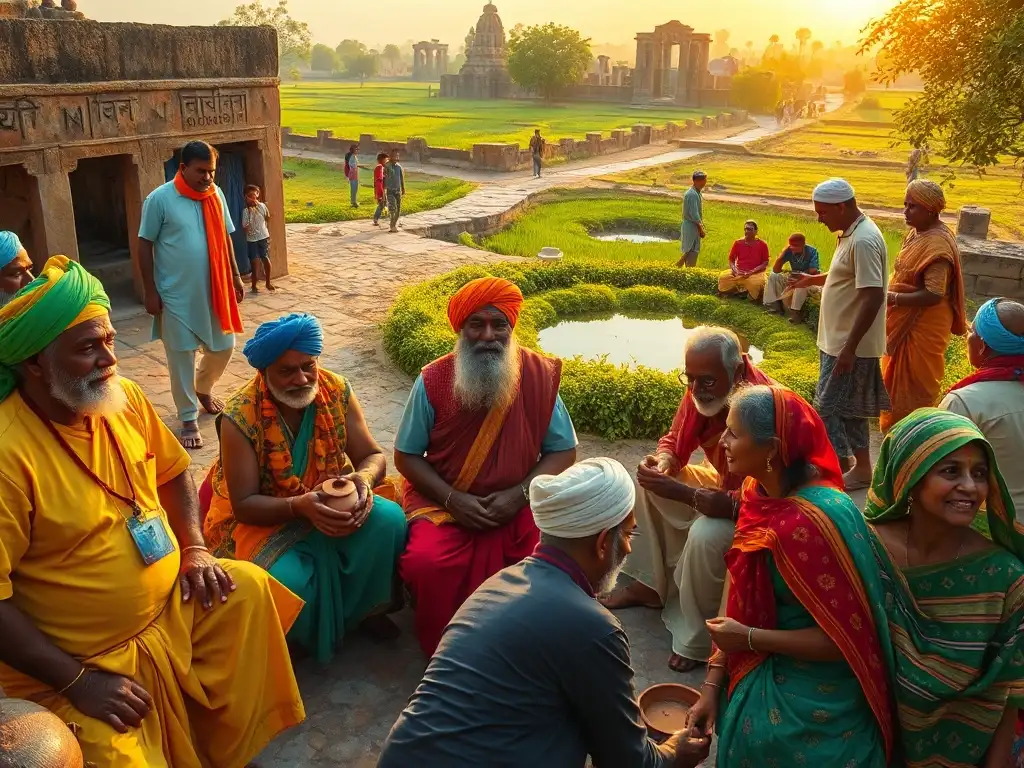
Welcome to Ancient India History, where we embark on a fascinating journey through the rich tapestry of India's past. In this exploration, we delve into the Prakrit dialects and regional cultures, uncovering the profound connections between language and the diverse communities that thrived across ancient India. Have you ever wondered how these dialects shaped the cultural landscape of their time?
Join us as we unravel the intricate threads of history, revealing how the echoes of Prakrit still resonate in the cultural practices of modern India. Prepare to be captivated by stories that bridge the past and present, inviting you to delve deeper into the vibrant history that awaits.
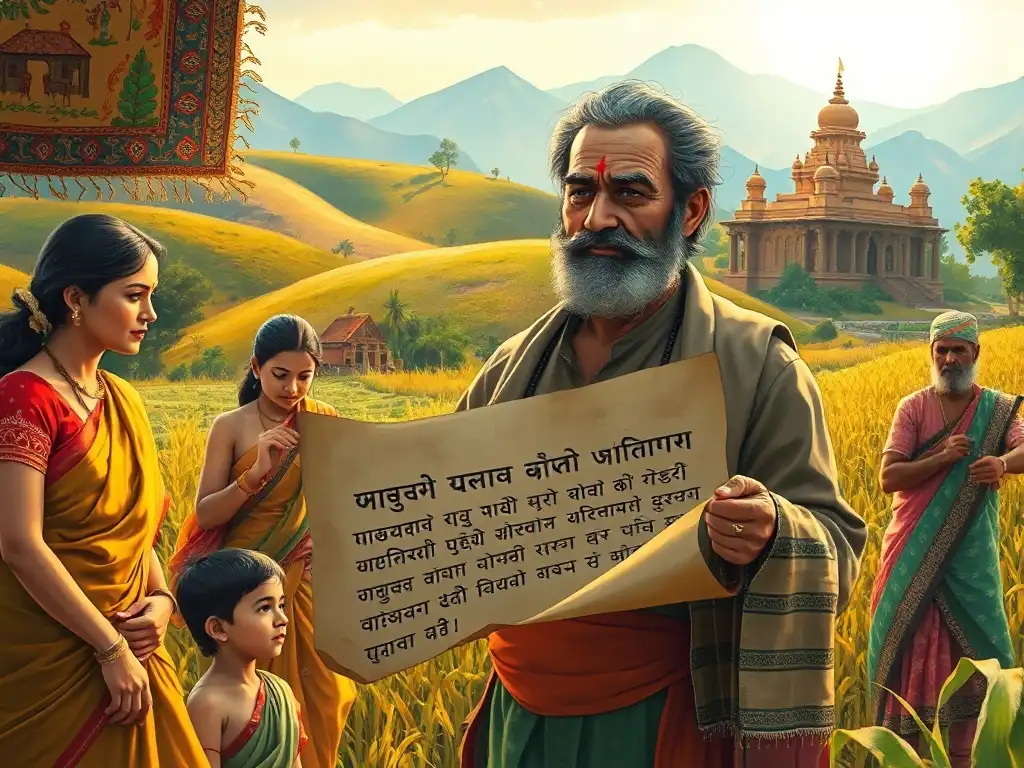
Introduction to Prakrit Languages and Dialects
The exploration of Prakrit dialects serves as a captivating journey through the myriad regional cultures of ancient India, revealing the linguistic tapestry that characterized the subcontinent. Prakrit, a group of Middle Indo-Aryan languages, played a crucial role in shaping the sociolinguistic landscapes during various historical periods, particularly from the 6th century BCE to the 6th century CE.
Understanding these dialects is not merely an examination of linguistic evolution; it is a lens through which we can observe the cultural, religious, and social dynamics of ancient Indian civilizations. By delving into the nuances of Prakrit dialects, we gain insights into the interactions and exchanges that enriched the cultural heritage of India.
Definition of Prakrit and Its Importance in Ancient India
Prakrit languages emerged as the vernacular counterpart to the more formalized Sanskrit, making them accessible to a broader population. The term "Prakrit" itself derives from the Sanskrit word "prakṛta," meaning "natural" or "original," signifying its organic development from older languages.
The significance of Prakrit in ancient India can be encapsulated in several key aspects:
- Cultural Expression: Prakrit was the language of many literary works, including dramas, poetry, and religious texts, allowing for a rich expression of regional cultures.
- Religious Context: It was utilized by various religious traditions, including Jainism and Buddhism, making it integral to the dissemination of philosophical and ethical teachings.
- Social Connectivity: Prakrit functioned as a bridge between diverse communities, facilitating communication and interaction among different social strata.
Overview of Prakrit Dialects and Their Historical Context
Prakrit is not monolithic; it encompasses a variety of dialects that emerged in different geographical and sociopolitical contexts. The evolution of these dialects can be traced through ancient texts and inscriptions, reflecting the historical changes in society, economy, and culture:
- Western Prakrit: Associated with the regions of Gujarat and Maharashtra, this dialect is known for its use in the early Jain texts.
- Eastern Prakrit: Predominant in areas such as Bengal and Odisha, it contributed significantly to the development of regional languages.
- Central Prakrit: This dialect acted as a medium in the heart of India, influencing the languages that arose in the northern regions.
The distinct features of each dialect encapsulate the cultural identities of their respective regions, making them vital to understanding the broader narrative of ancient Indian history.
The Diversity of Prakrit Dialects
The diversity of Prakrit dialects is reflective of the vast cultural and linguistic landscape of ancient India. Each dialect not only showcases unique phonetic and grammatical attributes but also embodies the regional customs and traditions of its speakers.
Major Dialects of Prakrit
Among the major Prakrit dialects, some stand out due to their historical significance and literary contributions:
- Shauraseni: Predominantly spoken in the region of modern-day Madhya Pradesh, this dialect is notable for its influence on later Hindi languages.
- Maharashtri: This dialect flourished in Maharashtra and is recognized for its poetic forms, which contributed to early Marathi literature.
- Ardhamagadhi: Used primarily in Jain texts, Ardhamagadhi is crucial for understanding the linguistic heritage of Jainism.
These major dialects offer a glimpse into the sociocultural fabric of their respective regions, highlighting how language served as a vessel for cultural expression.
Lesser-Known Dialects and Their Unique Features
In addition to the major dialects, several lesser-known Prakrit dialects contribute to the rich tapestry of ancient Indian languages:
- Magadhi: Often associated with the language spoken in the region of Magadha, it holds historical significance as the language of the early Buddhist scriptures.
- Pali: While often considered a separate category, Pali derives from the Prakrit family and is recognized for its use in Theravada Buddhist texts, carrying profound religious importance.
Each of these dialects possesses unique features that reflect local influences, cultural practices, and historical developments. Exploring these dialects allows us to appreciate the linguistic diversity that enriched ancient Indian civilization and continues to resonate in contemporary regional languages.
The Relationship Between Prakrit Dialects and Regional Cultures
The Prakrit dialects serve as a linguistic bridge connecting ancient Indian societies with their vibrant regional cultures. These dialects, which evolved from Sanskrit, were more accessible to the common populace, allowing for a rich tapestry of cultural expressions that reflected the diverse life experiences across different regions. Each Prakrit dialect carries with it the nuances of local traditions, beliefs, and practices, acting as a mirror to the socio-cultural dynamics of its speakers.
For instance, the emergence of various dialects, such as Ardhamagadhi and Maharashtri, can be traced back to the specific needs and contexts of the communities in which they were spoken. This linguistic diversity underscores how language not only facilitates communication but also encapsulates the collective identity and heritage of the people. As such, the study of Prakrit dialects provides valuable insights into the regional cultures of ancient India, revealing how language and culture are interwoven in the fabric of society.
Influence of Geography on Prakrit Dialects
Geography significantly influenced the development and characteristics of Prakrit dialects. The vast expanse of ancient India, with its varied topography—from the lush plains of the Gangetic Valley to the rugged terrains of the Deccan Plateau—shaped the linguistic landscape in profound ways.
- Topographical Variations: Different geographical regions fostered distinct dialectal forms. For example, the dialects spoken in coastal areas like Gujarat often showcased influences from maritime trade and external cultures, while those in the northern plains reflected the agrarian lifestyles and local customs.
- Cultural Interactions: The geographic proximity of communities led to interactions that enriched the Prakrit dialects. Trade routes, pilgrimage paths, and political boundaries facilitated the exchange of ideas and linguistic features, resulting in the emergence of hybrid dialects that encapsulated elements from both native and foreign languages.
Understanding these geographical influences allows scholars to appreciate the evolution of Prakrit dialects not merely as linguistic entities but as living documents of the cultural and historical contexts in which they thrived.
Cultural Expressions Through Prakrit Dialects
Prakrit dialects are not only linguistic tools but also vessels of cultural expression. They played a vital role in the preservation and transmission of stories, folklore, and local traditions.
- Literature and Arts: Many literary works composed in Prakrit, such as plays and poetry, reflect the themes and motifs prevalent in regional cultures. Notable examples include the plays of Bhasa and Kalidasa, which often employed Prakrit to convey local color and dialectical nuances, making the narratives more relatable to the audience.
- Religious Contexts: Prakrit dialects were often used in religious texts and rituals, providing a means for ordinary people to engage with spiritual teachings. The use of dialect in Jain and Buddhist scriptures made religious concepts more accessible, fostering a deeper connection between the faith and its followers.
In essence, the cultural expressions found in Prakrit dialects highlight their significance in shaping regional identities and preserving the rich heritage of ancient Indian civilizations.
The Socio-Political Context of Prakrit Dialects
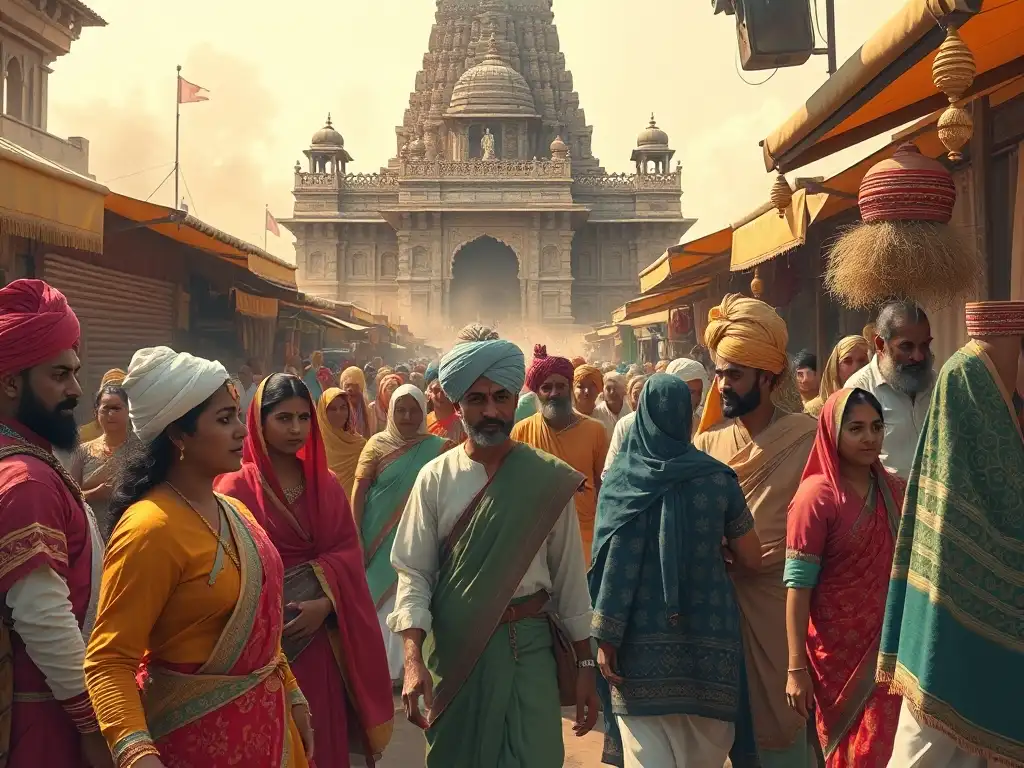
The socio-political milieu of ancient India played a critical role in the evolution and proliferation of Prakrit dialects. These dialects reflected not only the linguistic preferences of various communities but also the power dynamics and governance structures of the time.
Role of Prakrit in Ancient Indian Society
Prakrit served as a lingua franca for the masses, facilitating communication across different social strata and regions. Unlike Sanskrit, which was predominantly the language of the elite and religious scholars, Prakrit was accessible to the common people, thereby fostering inclusivity in cultural and social exchanges.
- Everyday Communication: The prevalence of Prakrit in everyday life highlighted its importance in trade, governance, and interpersonal relationships. This accessibility contributed to the spread of regional cultures and helped solidify community ties.
- Historical Documentation: Prakrit inscriptions and texts provide invaluable insights into the socio-political landscape of ancient India. These records illustrate the administrative practices, social hierarchies, and cultural interactions of the time, showcasing the dialect's role as a historical document.
The significance of Prakrit in ancient Indian society underscores its role in promoting communication and cultural cohesion among diverse populations.
Impact of Dynasties on the Development of Prakrit Dialects
The rise and fall of various dynasties had a profound impact on the evolution of Prakrit dialects. Different ruling powers influenced linguistic practices through patronage, administrative policies, and cultural exchanges.
- Royal Patronage: Dynasties such as the Mauryas and the Guptas encouraged the use of Prakrit in official inscriptions and literature. This royal support not only legitimized the dialects but also promoted their use in literary and cultural productions.
- Cultural Syncretism: The interactions between different dynasties and their respective cultures led to a rich syncretism within Prakrit dialects. For instance, the incorporation of local dialects into the administration by various regional rulers resulted in the emergence of new dialectal forms that reflected the cultural amalgamation of the time.
The development of Prakrit dialects was deeply intertwined with the socio-political changes of ancient India, showcasing how language can evolve in response to the dynamics of power, culture, and identity.
Preservation and Revitalization of Prakrit Dialects
The preservation and revitalization of Prakrit dialects are crucial in maintaining the rich linguistic and cultural heritage of ancient India. As a bridge between the ancient languages of Sanskrit and the modern languages of India, Prakrit holds significant historical value. Efforts to preserve these dialects are often driven by academic institutions, cultural organizations, and local communities who recognize the importance of these languages in understanding regional identities and cultural diversity.
Community-led initiatives have emerged in various regions where Prakrit was historically spoken. These include workshops, festivals, and educational programs designed to teach younger generations about the Prakrit dialects. Furthermore, universities and research institutes have begun to include courses focused on Prakrit in their curriculum, encouraging students to engage with the language and its literature. This grassroots effort is essential for sustaining the dialects, as it fosters a sense of pride and ownership within the community.
Modern Efforts to Study and Document Prakrit Dialects
In recent years, there has been a surge of interest in studying and documenting Prakrit dialects, reflecting a broader commitment to linguistic preservation. Scholars have been conducting extensive fieldwork to record the various dialects and their unique features. This involves collaborating with native speakers, collecting oral histories, and transcribing texts. By creating comprehensive databases and dictionaries, researchers are ensuring that these dialects are not lost to time.
Institutions such as the University of Pune and the Jawaharlal Nehru University have initiated projects aimed at documenting Prakrit dialects, focusing on both their linguistic and cultural aspects. Academic conferences and workshops provide platforms for scholars to share their findings and methodologies, thus enhancing collaborative efforts in the field. Additionally, publications in journals have begun to escalate, showcasing research on the nuances of Prakrit dialects and their connection to regional cultures.
The Role of Technology in Preserving Prakrit Language Heritage
Technology plays a pivotal role in the preservation of Prakrit language heritage. Digital tools and platforms have emerged as valuable resources for researchers, educators, and enthusiasts alike. Online databases, mobile applications, and social media are facilitating the documentation and dissemination of Prakrit dialects, making them more accessible to a wider audience.
For instance, digitization of ancient texts has been a game-changer. Manuscripts that contain Prakrit writings are being scanned and made available online, allowing scholars and the public to explore these resources without geographical limitations. Furthermore, educational apps aimed at language learning are incorporating Prakrit, providing interactive ways for users to learn about its structure and vocabulary. Virtual reality and augmented reality technologies are also being explored to create immersive experiences that allow users to engage with Prakrit's historical contexts.
Conclusion: The Legacy of Prakrit Dialects in Understanding Regional Cultures
The legacy of Prakrit dialects extends beyond mere linguistic features; it encapsulates the diverse cultures and histories of the regions where these dialects were spoken. Each dialect serves as a reflection of the local customs, traditions, and social structures, providing invaluable insights into the everyday lives of ancient peoples. Understanding these dialects is essential for comprehending the broader narrative of Indian history and culture.
The contributions of Prakrit dialects to literature, theatre, and philosophy cannot be overstated. They have influenced various forms of artistic expression, including folk traditions and classical literature. As scholars continue to explore these dialects, they uncover layers of meaning that enrich our understanding of ancient Indian civilization.
Summary of Key Insights on Prakrit Dialects and Regional Cultures
The study of Prakrit dialects opens a window into the rich tapestry of regional cultures in ancient India. Key insights include:
- Diversity of Dialects: Prakrit dialects reflect the linguistic diversity of the regions, each with unique characteristics and influences.
- Cultural Significance: These dialects are intertwined with local traditions, providing context for cultural practices and beliefs.
- Literary Contributions: Prakrit has a significant literary heritage, influencing subsequent languages and artistic forms.
This multifaceted approach highlights the importance of Prakrit in understanding not just language but also the cultural dynamics of ancient India.
Future Directions for Research in Prakrit Linguistics and Cultural Studies
Looking forward, the field of Prakrit linguistics and cultural studies is poised for further exploration. Future research directions could include:
- Comparative Studies: Analyzing Prakrit dialects alongside other regional languages to understand linguistic evolution and cultural exchange.
- Interdisciplinary Approaches: Collaboration with anthropology, history, and archaeology to provide a holistic view of Prakrit's impact on regional cultures.
- Community Involvement: Engaging local communities in research initiatives to document oral traditions and practices associated with Prakrit dialects.
By pursuing these directions, researchers can contribute significantly to the understanding and appreciation of Prakrit dialects, ensuring that they continue to resonate within the cultural fabric of India.
- Introduction to Prakrit Languages and Dialects
- The Diversity of Prakrit Dialects
- The Relationship Between Prakrit Dialects and Regional Cultures
- The Socio-Political Context of Prakrit Dialects
- Preservation and Revitalization of Prakrit Dialects
- Conclusion: The Legacy of Prakrit Dialects in Understanding Regional Cultures
Frequently Asked Questions
What are Prakrit dialects?
Prakrit dialects are ancient languages derived from Sanskrit, used in various regions of India. They reflect the linguistic diversity and cultural richness of ancient Indian civilizations.
How did Prakrit dialects influence regional cultures?
Prakrit dialects significantly impacted regional cultures by fostering literary expression and communication. They served as a bridge between diverse communities, promoting cultural exchange.
What role did Prakrit play in ancient Indian literature?
Prakrit was often used in dramatic and poetic works, showcasing the social and cultural themes of the time. This made it essential for understanding the literary traditions of ancient India.
Are there modern descendants of Prakrit dialects?
Yes, many modern languages in India, such as Hindi, Marathi, and Gujarati, have roots in Prakrit dialects. This shows the linguistic evolution and continuity from ancient to contemporary times.
Why is the study of Prakrit dialects important?
Studying Prakrit dialects provides insights into the cultural diversity and historical context of ancient India. It helps us appreciate the complex tapestry of regional cultures that shaped the subcontinent's heritage.
Final Reflection: The Enduring Legacy of Prakrit Dialects in Shaping Regional Cultures
In our exploration of Prakrit dialects and their profound connection to regional cultures, we uncover a vibrant tapestry of linguistic diversity that continues to resonate today. The relevance of these dialects extends beyond mere historical interest; they serve as a living testament to the rich cultural heritage and social dynamics of the regions they represent. Understanding these dialects is not just an academic exercise; it is a vital key to unlocking the stories and identities of countless communities.
The influence of Prakrit dialects on the cultural landscape is both deep and enduring. These dialects encapsulate the essence of local traditions, customs, and ways of life, reflecting the unique identities of the people who speak them. As we navigate through the complexities of modern society, it is essential to recognize the value of preserving these dialects. They remind us of our roots and the intricate connections we share with our ancestors. Language is the road map of a culture. It tells you where its people come from and where they are going.
— Rita Mae Brown. This quote encapsulates the significance of Prakrit dialects as a bridge between past and present, guiding us toward a deeper understanding of our cultural heritage.
As we conclude this journey through the dialects of Prakrit, I invite you to reflect on the role of language in your own life. Consider how the dialects and languages you encounter shape your understanding of the world and the communities around you. Let this exploration inspire you to celebrate linguistic diversity and engage with the rich cultural narratives that surround us. Embrace the opportunity to learn from the past, honor the present, and contribute to a future where every dialect and culture is valued and preserved.
Unveil the Rich Tapestry of Prakrit Dialects!
Thank you for taking the time to explore the fascinating world of Prakrit and its regional dialects! We hope this journey has provided you with valuable insights into how language reflects culture. Now it's your turn to delve deeper and forge connections with this ancient heritage.
Here are some actionable steps you can take right now:
- Dive Deeper: Read a book or scholarly article about Prakrit's influence on modern languages. Discover the intricate relationships and transformations that have shaped linguistic history.
- Join the Conversation: Engage with fellow enthusiasts on our forums dedicated to Ancient Indian history. Share your thoughts and findings to enhance our collective understanding.
- Explore the Regions: Plan a visit to a historically significant site related to Prakrit. Experience the dialects firsthand and connect with the vibrant local culture.
What aspect of Prakrit dialects resonates most with you, and how do you perceive its influence in today's world?