
How Ancient Indian Scripts Provide Insight into Social Changes Over Time


Welcome to Ancient India History, where we embark on a fascinating journey through the rich and diverse tapestry of ancient Indian civilizations. In our featured article, "How Ancient Indian Scripts Provide Insight into Social Changes Over Time," we delve into the intricate world of ancient Indian scripts and society. Discover how these remarkable writings not only illuminate the linguistic landscape of their time but also unveil the profound social transformations that shaped the very fabric of ancient Indian life.
Join us as we unlock the secrets of the past, inviting you to explore the connections between language, culture, and societal evolution. Your adventure into the depths of history begins here!
- Introduction to Ancient Indian Scripts and Society
- The Evolution of Ancient Indian Scripts
- Ancient Indian Scripts and Social Hierarchies
- Insights from Major Inscriptions
- The Influence of Religion on Ancient Indian Scripts
- The Decline of Ancient Scripts and Its Societal Implications
- Case Studies: Specific Inscriptions and Their Societal Contexts
- Conclusion: The Legacy of Ancient Indian Scripts and Society
- Frequently Asked Questions
- Final Reflection: The Enduring Legacy of Ancient Indian Scripts in Understanding Society
- Unlock the Secrets of Ancient Scripts!
Introduction to Ancient Indian Scripts and Society
The study of ancient Indian scripts offers a fascinating glimpse into the evolution of Indian civilization, reflecting the intricate interplay between language, culture, and societal development. From the sophisticated symbols of the Indus Valley Civilization to the diverse scripts that flourished in the post-Vedic periods, these written forms serve as crucial artifacts that illuminate the social, political, and economic landscapes of their times.
As we delve into the rich tapestry of ancient Indian scripts, we uncover profound insights into how these systems of writing not only recorded history but also influenced societal norms, beliefs, and interactions. This exploration is essential for understanding the dynamic changes that shaped ancient Indian society and continues to resonate in contemporary culture.
Overview of Ancient Indian Scripts
Ancient India was home to several scripts, each reflecting distinct regional characteristics and cultural influences. Some of the most notable scripts include:
- Indus Script: Used by the Indus Valley Civilization (c. 3300–1300 BCE), this script remains undeciphered but consists of symbols inscribed on seals and pottery, hinting at trade and administrative practices.
- Brahmi Script: Emerging around the 3rd century BCE, Brahmi is considered the ancestor of many Indian scripts. It served as a vehicle for Buddhist texts and inscriptions, facilitating the spread of ideas across the subcontinent.
- Kharosthi Script: Predominantly used in the northwest regions, Kharosthi shares similarities with Aramaic and was used for administrative and commercial documentation, reflecting the influence of trade routes.
- Devanagari Script: Developed later, this script is now widely used for several languages, including Hindi and Sanskrit. Its comprehensive structure allows for the representation of complex sounds, making it integral to literature and communication.
These scripts not only represent linguistic diversity but also showcase the cultural exchanges that occurred as societies evolved.
Importance of Scripts in Understanding Society
Ancient Indian scripts are invaluable for historians and linguists, providing a window into the social fabric of the time. Their significance can be articulated through several key aspects:
- Cultural Reflection: Scripts encapsulate the values, beliefs, and practices of ancient societies. For example, religious texts written in Brahmi highlight the spiritual priorities of the era, while administrative records reveal governance and economic structures.
- Social Stratification: The use of different scripts can indicate social hierarchies. For instance, while Sanskrit was associated with the elite and scholarly classes, local languages in vernacular scripts were used by the common populace, reflecting a divide in education and access to knowledge.
- Communication and Trade: Scripts facilitated communication across vast regions, playing a crucial role in trade and diplomacy. Inscriptions found along trade routes demonstrate how written language was essential for commercial transactions and cultural exchange.
- Historical Documentation: Inscriptions on monuments and coins provide concrete evidence of historical events, reigns, and societal changes. Through these records, we gain insights into political shifts, territorial expansions, and cultural amalgamations.
Ancient Indian scripts are more than mere tools of communication; they are instrumental in unraveling the complexities of social changes over time, helping us appreciate the rich historical narrative of ancient India.
The Evolution of Ancient Indian Scripts
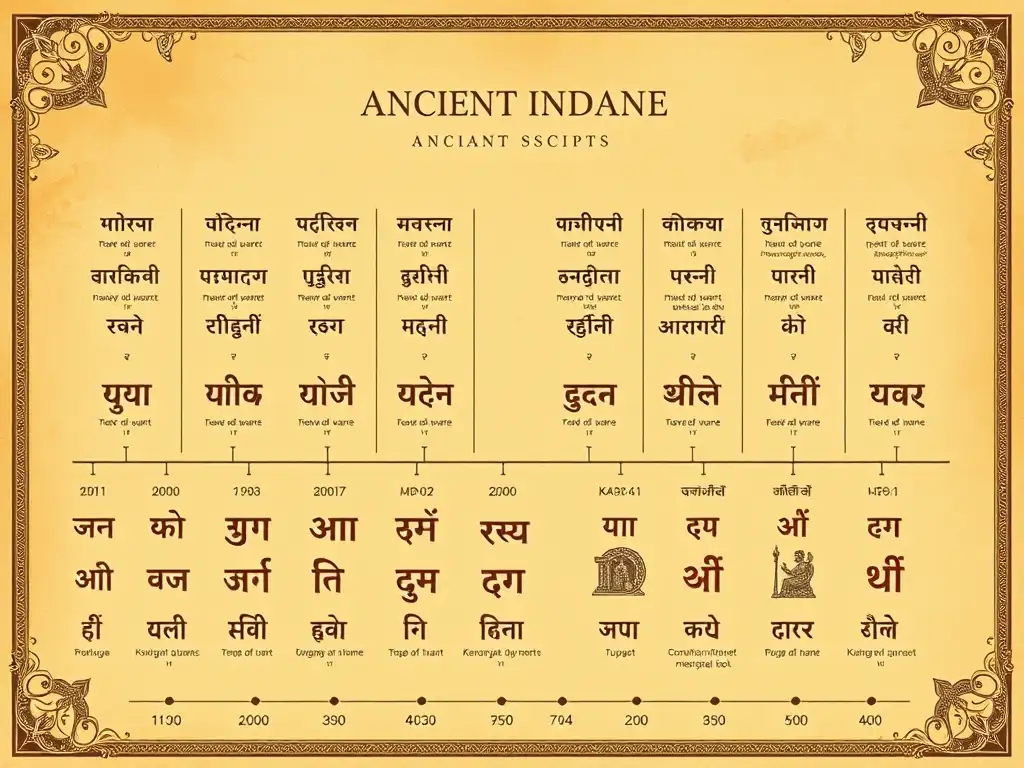
The evolution of ancient Indian scripts is a fascinating journey that reflects the socio-cultural dynamics of the subcontinent. These scripts not only served as a means of communication but also provided insight into the societal changes that occurred over millennia. From the undeciphered symbols of the Indus Valley Civilization to the more structured forms of writing like Brahmi, each script marks a significant development in the history of ancient Indian society.
From Indus Valley Script to Brahmi
The Indus Valley Script, dating back to approximately 2600-1900 BCE, is among the earliest forms of writing found in ancient India. Comprising about 400 distinct signs, this script was inscribed on seals, pottery, and other artifacts. Its undeciphered nature has led to extensive speculation about the language and society of the Indus Valley people, but it remains a crucial point of study for understanding early urbanization and trade networks.
Transitioning from the Indus Valley Script, we see the emergence of the Brahmi script around the 3rd century BCE. Brahmi is often regarded as one of the first true alphasyllabaries in the world, as it combines elements of both syllabic and alphabetic writing. This script became the foundation for many subsequent scripts in India and Southeast Asia, such as Devanagari, Tamil, and Tibetan.
The shift from the Indus Valley Script to Brahmi reflects not only advancements in writing techniques but also significant sociopolitical changes. The rise of centralized kingdoms, as seen in the Maurya Empire, necessitated more efficient methods of record-keeping and governance.
| Script | Time Period | Key Features | Societal Implications |
|---|---|---|---|
| Indus Valley Script | 2600-1900 BCE | Undeciphered, logographic symbols | Early trade and urbanization |
| Brahmi | 3rd century BCE | Alphasyllabary, phonetic representation | Centralized governance, cultural expansion |
Key Characteristics of Early Indian Writing
Early Indian writing is characterized by several unique features that reveal insights into the society of the time.
- Materiality and Medium:
- Initially, scripts were inscribed on seals, pottery, and metal. These materials reflect the technological capabilities of the time and indicate the importance of trade and communication in ancient Indian society.
- Later, the use of palm leaves and birch bark for manuscripts became prevalent, showcasing a shift towards more portable forms of documentation.
- Symbolism and Language:
- The symbols used in early scripts often had significant cultural and religious connotations, indicating the values and beliefs of the society. For instance, the intricate designs on seals often depicted deities or animals, suggesting a society deeply connected to spiritual practices.
- The transition from symbols to phonetic writing in Brahmi also underscores a shift towards more complex forms of communication, allowing for the expression of abstract ideas and concepts.
- Diversity and Regional Variations:
- As different regions developed their own scripts influenced by Brahmi, such as Kharosthi and Tamil Brahmi, this diversity reflects the varying sociocultural contexts across India. The adaptations of these scripts highlight the interactions between different communities and the exchange of ideas.
- Administrative and Religious Functions:
- Writing became essential for administrative purposes, such as tax records and legal documents, indicating a more organized societal structure. Additionally, religious texts began to be recorded, preserving spiritual and philosophical ideas for future generations.
The study of ancient Indian scripts offers a window into the evolving complexities of society, shedding light on the interconnections between language, culture, and governance. The journey from the Indus Valley Script to Brahmi not only illustrates advancements in writing but also reflects the broader historical narratives of ancient Indian civilization.
Ancient Indian scripts serve as vital artifacts that reveal much about the social hierarchies prevalent in various civilizations. From the Indus Valley Civilization (c. 2500–1900 BCE) onwards, scripts like Brahmi and Kharosthi not only facilitated communication but also reflected the stratified nature of society.
For example, the use of seals in the Indus Valley, inscribed with undeciphered symbols, indicates a complex social structure where trade and administrative functions were critical. The presence of specific symbols on seals associated with trade suggests that certain groups may have held economic power, which was an essential aspect of the social hierarchy.
Additionally, the Brahmi script, used extensively during the Maurya Empire (c. 322–185 BCE), reveals insights into the administrative and bureaucratic systems of the time. The inscriptions found on pillars and edicts, such as those of Emperor Ashoka, indicate a centralized authority that governed a diverse population. These inscriptions often addressed multiple groups, suggesting a consciousness of different social classes within the empire.
Ancient Indian scripts not only facilitated the recording of languages and transactions but also acted as indicators of the social structures, power dynamics, and hierarchies that defined ancient Indian society.
The Role of Language in Caste Systems
Language played a crucial role in the establishment and perpetuation of the caste system in ancient India. The Sanskrit language, with its rich literary tradition, was primarily used by the higher castes, including priests (Brahmins) and warriors (Kshatriyas). This linguistic division effectively marginalized the lower castes (Shudras) and those outside the caste system, reinforcing social boundaries.
The use of Sanskrit in religious texts such as the Vedas and Upanishads not only elevated the status of those who mastered it but also entrenched the caste system within the cultural and spiritual fabric of society. The ability to read and interpret these texts was largely restricted to the upper castes, thereby limiting access to knowledge and power for lower castes.
Moreover, inscriptions from the Gupta period (c. 320–550 CE) show a growing influence of regional languages, which began to emerge alongside Sanskrit. This linguistic evolution indicates a gradual shift in social dynamics, where vernacular languages started to provide a voice to the lower castes and regional populations.
The interplay between ancient Indian scripts and language significantly contributed to the formation and evolution of social hierarchies, particularly the caste system, illustrating how language can both empower and marginalize groups within society.
Insights from Major Inscriptions
The ancient Indian scripts and inscriptions serve as vital sources for understanding the social changes that took place across various epochs of Indian history. Analyzing major inscriptions reveals the evolution of governance, morality, culture, and economy throughout ancient India. This section delves into key inscriptions, particularly focusing on Ashoka's Edicts and those from the Gupta Period, to illustrate how these texts reflect societal transformations.
Ashoka's Edicts: A Reflection of Governance and Morality
Ashoka the Great (268-232 BCE), the third Mauryan emperor, is renowned for his commitment to Dharma (righteousness) after his conversion to Buddhism. His edicts, inscribed on rocks and pillars across the Indian subcontinent, provide profound insights into the governance and moral ethos of his reign.
-
Themes of Governance:
The Edicts emphasize the principles of ethical governance, highlighting the emperor's role as a protector of his subjects. For instance, the Rock Edict I states, "All men are my children," indicating a paternalistic approach to rulership. This is significant as it reflects a shift from autocratic rule to a more benevolent form of governance that prioritizes the welfare of the populace.
-
Moral Teachings:
The edicts encompass moral teachings that advocate for compassion, non-violence, and respect for all living beings. Rock Edict II mentions, "One should not kill or cause to kill." This focus on morality indicates a societal shift towards ethical considerations in governance, influenced heavily by Buddhist philosophy.
-
Social Reforms:
Ashoka's edicts also address social issues such as animal welfare and the promotion of healthcare. His efforts to establish hospitals and rest houses along trade routes reveal a broader understanding of public health and social responsibility, illustrating a progressive approach to societal welfare during his reign.
Through these inscriptions, we comprehend how Ashoka's policies not only transformed governance but also encouraged a moral framework that significantly influenced ancient Indian society.
Inscriptions of the Gupta Period: Cultural and Economic Insights
The Gupta Empire (circa 320-550 CE) is often referred to as the "Golden Age" of India due to its remarkable advancements in art, science, and culture. Inscriptions from this period provide valuable insights into the cultural and economic dimensions of society.
-
Cultural Flourishing:
Gupta inscriptions often celebrate artistic achievements and religious devotion, reflecting a rich cultural landscape. For example, the Sanchi inscriptions reveal the importance of Buddhism and the patronage of art during this period. The intricate carvings and stupas symbolize a flourishing artistic culture, indicating that societal values were deeply intertwined with religious beliefs and artistic expression.
-
Economic Developments:
Inscriptions such as the Prayag Prashasti showcase the economic prosperity of the Gupta period. They detail the efficient administration of trade and agriculture, emphasizing the role of urban centers as hubs of commerce. This is evident in the mention of guilds and trade associations, which played a crucial role in the economic fabric of society.
-
Social Stratification:
The inscriptions also indicate a complex social hierarchy, including references to various castes and occupations. The Gwalior inscription illustrates the status of different communities, reflecting the evolving social structure of the time. This stratification suggests that while economic prosperity was widespread, social divisions were also becoming more pronounced.
The inscriptions from the Gupta period not only highlight the cultural achievements but also shed light on the economic dynamics and social stratification of ancient Indian society. Together with Ashoka's Edicts, they provide a comprehensive understanding of how ancient Indian scripts serve as a lens through which we can examine societal changes over time.
The Influence of Religion on Ancient Indian Scripts
The evolution of ancient Indian scripts cannot be disentangled from the religious beliefs and practices that permeated society. Religion served as a catalyst for the development and dissemination of various scripts, shaping not only communication but also cultural identity and social organization. The scripts emerged as a means to document religious texts, rituals, and philosophy, which profoundly influenced the social fabric of ancient India.
Sanskrit and Its Impact on Society
Sanskrit, often regarded as the liturgical language of Hinduism, plays a pivotal role in understanding ancient Indian society. Dating back to at least 1500 BCE, Sanskrit was first recorded in the Vedas, which are among the oldest religious texts in the world. This language became the medium through which philosophical ideas, religious doctrines, and cultural narratives were transmitted.
-
Preservation of Knowledge
Sanskrit scripts, such as Brahmi and Devanagari, were essential in documenting vast bodies of knowledge, including mathematics, astronomy, and medicine. Texts like the Aryabhatiya by Aryabhata and Sushruta Samhita laid the groundwork for future advancements, showcasing how religious patronage led to the preservation and expansion of knowledge.
-
Cultural Unity and Identity
The use of Sanskrit transcended regional dialects and fostered a sense of unity among diverse communities. The spread of this language was facilitated by religious institutions, which helped integrate various social groups under a common cultural umbrella. This unification was crucial during times of political upheaval and fragmentation.
-
Influence on Literature
The vast corpus of Sanskrit literature, including epics like the Mahabharata and the Ramayana, reveals the societal values and norms of ancient India. These texts not only served religious purposes but also acted as mirrors reflecting the social structure, ethics, and aspirations of the time.
The Role of Prakrit in Everyday Life
While Sanskrit dominated the religious and scholarly domains, Prakrit languages emerged as the vernaculars spoken by the common people. This divergence illustrates the social stratification that existed in ancient Indian society, where access to knowledge was often reserved for the elite.
-
Accessibility and Communication
Prakrit languages, including Pali and Apabhramsa, were instrumental in making religious teachings accessible to the masses. The Tipitaka, a collection of scriptures in Pali, exemplifies how the language adapted to communal needs, facilitating the spread of Buddhism and its teachings across regions.
-
Cultural Expressions
The use of Prakrit in poetry, drama, and folk traditions allowed for the expression of everyday experiences and emotions. Works like Gatha Saptashati reflect the societal values and lived realities of common folk, contrasting sharply with the elevated themes found in Sanskrit literature.
-
Social Mobility
As Prakrit became more prominent, it empowered various social groups to participate in cultural and religious dialogues. This shift indicates a gradual change in societal dynamics, where voices from diverse backgrounds began to emerge, challenging the rigidity of the Sanskrit elite.
Ancient Indian scripts are not merely historical artifacts; they are vital keys to understanding the social changes that occurred over time. The interplay between religion, language, and society highlights the rich tapestry of ancient Indian civilization, where scripts served as both instruments of communication and reflections of cultural evolution.
The Decline of Ancient Scripts and Its Societal Implications
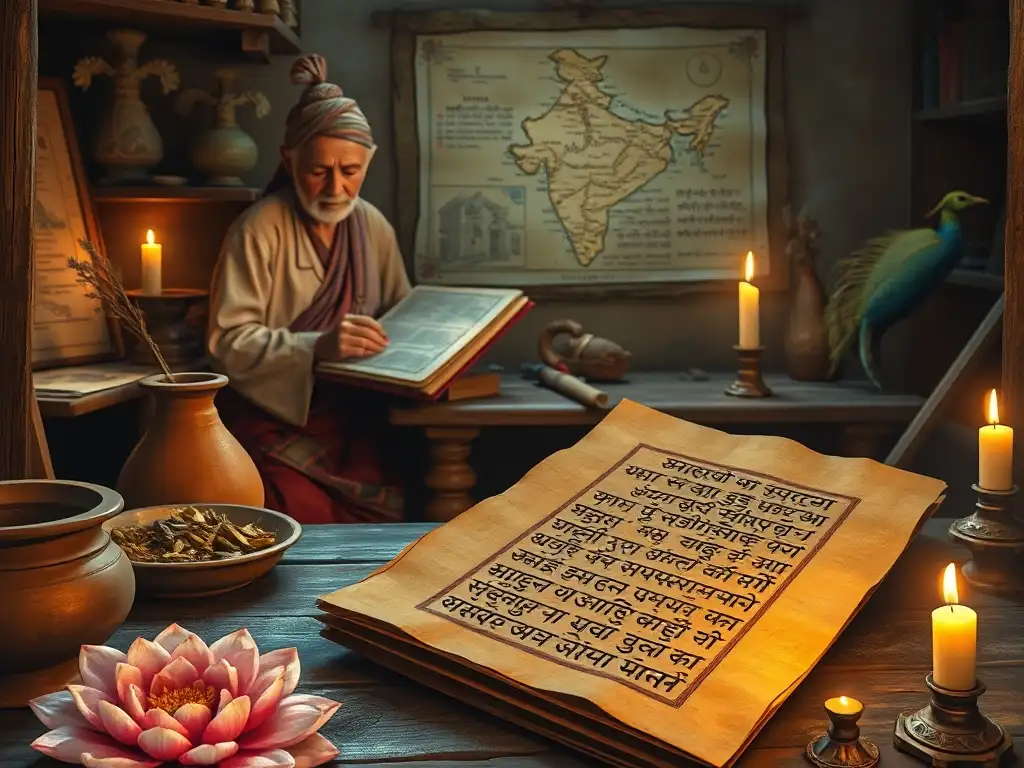
The decline of ancient Indian scripts marks a significant turning point in the history of Indian civilization. As these scripts began to fade, they were not only reflections of linguistic evolution but also indicators of profound societal shifts. The scripts themselves served as vessels of culture, knowledge, and identity. Their decline can be traced to various factors, each intertwining with the social fabric of ancient India.
Factors Leading to the Disappearance of Scripts
Several factors contributed to the decline of ancient Indian scripts, including:
-
Political Changes
The rise and fall of empires, such as the Maurya and Gupta empires, led to shifts in administrative languages and scripts. As new powers emerged, they often imposed their preferred writing systems, relegating older scripts to obscurity.
-
Cultural Assimilation
The influence of foreign cultures, particularly during invasions or trade interactions, introduced new languages and scripts. This cultural assimilation often marginalized indigenous scripts, leading to their gradual abandonment.
-
Technological Advancements
The advent of new writing materials and techniques, such as paper, altered the landscape of written communication. As more accessible and efficient systems emerged, older scripts became less relevant.
-
Religious Transformations
The spread of religions such as Buddhism and Jainism brought with them their own scripts and writing practices, which often supplanted existing traditions. The transition to these new religious texts further catalyzed the decline of earlier scripts.
-
Linguistic Evolution
Changes in spoken language naturally influenced the scripts used for writing. As dialects evolved, the need for a script that accurately represented contemporary speech became apparent, leading to the adoption of newer writing systems.
Consequences of Script Decline on Cultural Continuity
The decline of ancient Indian scripts had profound implications for cultural continuity, including:
-
Loss of Historical Records
As scripts fell out of use, a significant portion of historical documentation was lost. This loss hindered the understanding of ancient societal structures, governance, and daily life.
-
Erosion of Cultural Identity
Scripts are closely tied to cultural identity. The decline of ancient scripts led to a diminishing sense of connection to historical narratives, which impacted the cultural cohesion of communities.
-
Disruption of Knowledge Transmission
Ancient scripts served as conduits for knowledge, encompassing literature, science, and philosophy. Their decline disrupted the transmission of this knowledge, resulting in a gap in scholarly and intellectual continuity.
-
Shift in Artistic Expression
The aesthetic forms associated with ancient scripts—such as inscriptions and manuscripts—also declined. This shift affected artistic expression, as new forms of art emerged that did not draw from the rich heritage of the past.
-
Challenging Archaeological Research
The loss of scripts complicates archaeological efforts to reconstruct ancient societies. Without written records, understanding the nuances of social changes becomes a formidable challenge, leading to gaps in historical knowledge.
The decline of ancient Indian scripts is a multifaceted phenomenon that mirrors significant societal changes. Understanding these dynamics provides valuable insight into the evolution of ancient Indian society and its rich cultural tapestry.
Case Studies: Specific Inscriptions and Their Societal Contexts
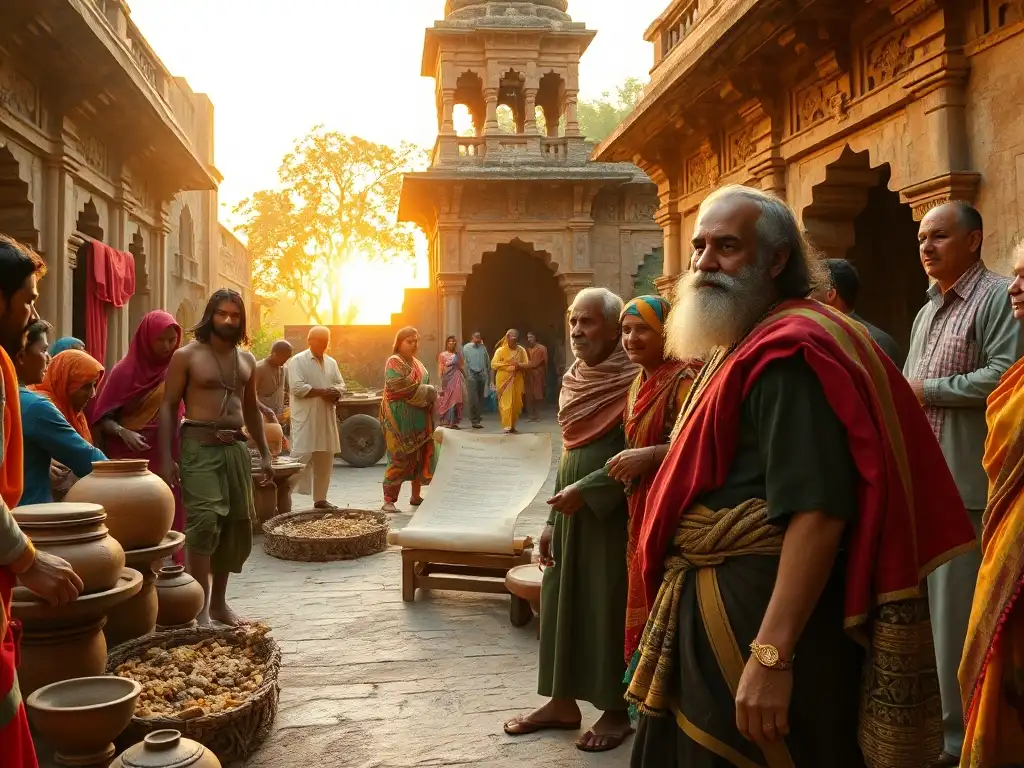
Examining specific inscriptions throughout the history of ancient India reveals profound insights into the social changes that occurred over time. These inscriptions not only serve as historical records but also reflect the evolving values, beliefs, and structures of society. Below are two significant case studies that highlight the relationship between ancient Indian scripts and society.
The Rock Edicts of Ashoka, inscribed during the reign of Emperor Ashoka (circa 268-232 BCE), are among the most crucial inscriptions for understanding the transformation of Indian society during and after the spread of Buddhism. These edicts, carved on rocks and pillars throughout the Indian subcontinent, serve as a testament to Ashoka's commitment to the principles of Dharma (moral law) and his efforts to promote Buddhist values.
-
Content and Themes:
The edicts address various social issues, including:
- Ahimsa (non-violence): A core principle of Buddhism, Ashoka emphasized the importance of compassion towards all living beings.
- Social Welfare: The edicts outline initiatives for public welfare, such as the establishment of hospitals for humans and animals, and the digging of wells.
- Moral Conduct: They encourage ethical behavior, tolerance towards different faiths, and respect for elders.
-
Impact on Society:
The dissemination of these edicts across diverse regions marked a significant shift in societal norms. They:
- Encouraged the spread of Buddhism beyond its origins, influencing social hierarchies and interactions.
- Fostered a sense of unity among diverse populations under a common moral framework.
- Contributed to the decline of ritualistic practices that were prevalent in earlier Vedic traditions, promoting a more ethical and compassionate societal structure.
-
Linguistic Significance:
The Rock Edicts were primarily inscribed in Brahmi and Kharosthi scripts, showcasing the literacy and administrative sophistication of the Mauryan Empire. This linguistic diversity reflects the multi-ethnic nature of the empire and its efforts to communicate effectively with various communities.
The period spanning from the Mauryan to the Gupta Empire (circa 322 BCE to 550 CE) is characterized by dynamic social changes, many of which are documented through inscriptions. These inscriptions provide a detailed social chronicle, highlighting various aspects of life, governance, and cultural shifts.
- Royal Edicts and Inscriptions:
- The inscriptions of the Mauryan period, including those from Ashoka, laid the groundwork for subsequent rulers.
- Gupta inscriptions, such as those from Chandragupta II and Samudragupta, not only celebrated military conquests but also emphasized the importance of patronage to arts and education.
- Cultural and Religious Developments:
- Inscriptions from this era reflect the growing influence of Hinduism alongside Buddhism. For instance, the emergence of temple inscriptions showcases the rise of a more structured religious and social order.
- The Varna system (social stratification) became more pronounced, as seen in inscriptions that delineate roles and responsibilities within society.
- Economic and Administrative Insights:
- Inscriptions also provide evidence of economic activities, trade routes, and administrative practices. They detail land grants, taxation policies, and trade agreements that illustrate the complexities of ancient Indian economy and governance.
- Notable inscriptions, such as those from the Ujjain region, reveal insights into urban development and the significance of commerce in fostering societal growth.
By examining these inscriptions, we gain a clearer understanding of how ancient Indian scripts not only recorded historical events but also played a crucial role in shaping and reflecting the societal norms and transformations of ancient Indian civilization. The interplay between ancient Indian scripts and society provides a rich tapestry of cultural evolution, illustrating the profound impact of written language on social dynamics.
Conclusion: The Legacy of Ancient Indian Scripts and Society
The study of ancient Indian scripts reveals not only the linguistic richness of the subcontinent but also provides profound insights into the social dynamics of ancient societies. From the intricate symbols of the Indus Valley Civilization to the elegant characters of Brahmi and Kharosthi, these scripts document the evolution of communication and administration, reflecting the complexities of social hierarchies, trade relationships, and cultural exchanges.
Modern Implications of Ancient Scripts in Understanding History
Ancient Indian scripts serve as crucial artifacts for historians, linguists, and archaeologists alike. They offer a window into the socio-political structures and daily life of ancient civilizations. For example, the inscriptions found on stone edicts of Emperor Ashoka reveal not only royal decrees but also moral philosophies that aimed to govern society with compassion and ethical standards.
Here are some key aspects of how ancient scripts inform our understanding of history:
- Deciphering Cultural Practices: The inscriptions often include references to rituals, festivals, and social norms, providing insights into the cultural fabric of the time.
- Understanding Language Evolution: The transition from scripts like Brahmi to more modern forms demonstrates the linguistic evolution influenced by societal changes, migrations, and invasions.
- Social Structure Documentation: Many ancient texts delineate the roles and responsibilities of different societal classes, from rulers to artisans, highlighting the complexity of their interactions.
| Aspect | Example | Insight Gained |
|---|---|---|
| Cultural Practices | Stone edicts of Ashoka | Insights into governance and ethical standards |
| Language Evolution | Transition from Brahmi to Devanagari | Understanding of linguistic changes over time |
| Social Structure | Manuscripts detailing trade regulations | Documentation of economic interactions and hierarchy |
Continuing Influence of Ancient Scripts on Contemporary Indian Society
The legacy of ancient Indian scripts continues to resonate in modern society, influencing not only linguistic practices but also cultural identity. The revival of interest in these scripts promotes a sense of pride and connection to heritage.
- Educational Relevance: Schools and universities are increasingly incorporating ancient scripts into their curricula, fostering a deeper appreciation of India's linguistic diversity.
- Cultural Identity: Many regional languages still draw from ancient scripts, reinforcing cultural connections and identities among various communities.
- Artistic Inspirations: Calligraphy and traditional art forms often incorporate ancient scripts, demonstrating their continued aesthetic appeal and relevance in contemporary art.
In essence, the study of ancient Indian scripts and society is not merely an academic pursuit; it is a living dialogue between the past and present. By understanding these scripts, we gain valuable insights into the complexities of ancient Indian civilization, enriching our comprehension of how historical narratives shape modern identities and cultural expressions.
As we move forward, embracing the legacy of these scripts will be crucial in preserving the rich tapestry of India's history for future generations.
Frequently Asked Questions
What are ancient Indian scripts?
Ancient Indian scripts refer to the various writing systems used in India, such as Brahmi and Kharosthi, which provide insight into the linguistic and cultural evolution of the region.
The evolution of ancient Indian scripts reveals shifts in administration, literature, and religion, showcasing how society adapted and transformed over time.
What role did the Indus Valley Civilization play in script development?
The Indus Valley Civilization is noted for its early use of symbols, which are considered precursors to later scripts, highlighting the importance of written communication in ancient Indian society.
How did the Gupta Empire influence ancient Indian scripts?
During the Gupta Empire, there was a significant standardization and development of scripts that facilitated the spread of knowledge, literature, and administration, marking a high point in cultural achievements.
Why is studying ancient Indian scripts important today?
Studying ancient Indian scripts helps modern scholars understand the historical and cultural dynamics of ancient societies, providing valuable insights into social structures and interactions over time.
Final Reflection: The Enduring Legacy of Ancient Indian Scripts in Understanding Society
The exploration of ancient Indian scripts reveals profound insights into the evolution of society, emphasizing that our understanding of history is not merely a collection of dates and events, but a tapestry woven from the narratives of those who lived it. Today, as we navigate a world increasingly defined by rapid change and cultural shifts, the lessons embedded in these scripts serve as a reminder of the continuity and transformation inherent in human society.
The stories etched in stone and palm leaves are not just relics of the past; they are vital keys to understanding our present and shaping our future.
Cultural narratives captured in ancient Indian scripts continue to resonate, influencing contemporary discussions about identity, community, and social structures. The wisdom contained within these texts offers a mirror reflecting our values, aspirations, and conflicts. As the renowned historian Romila Thapar once said, History is not just about the past; it is about the present and the future.
This perspective underscores the importance of engaging with our historical texts, as they provide context for the social dynamics we experience today, allowing us to learn from the successes and failures of our predecessors.
As you reflect on the insights gained from ancient Indian scripts, consider how these lessons can inspire your own journey. Embrace the opportunity to engage with history, not just as a passive observer, but as an active participant in the ongoing narrative of society. Let the stories of the past guide your understanding of the present and motivate you to contribute positively to the future. In doing so, you become a part of the continuum, ensuring that the wisdom of ancient civilizations informs the choices we make today and the legacy we leave for tomorrow.
Unlock the Secrets of Ancient Scripts!
Thank you for diving into the fascinating world of ancient Indian scripts with us! You've uncovered invaluable insights these writings offer into the evolution of society throughout history. Now, it's time to put that knowledge into action!
Here are a few ways you can explore further and engage with this rich heritage:
- Dive Deeper: Research a specific ancient script mentioned in this article. Visit your local library or explore online databases to uncover more about its historical significance.
- Join the Conversation: Share your thoughts on the social transformations in ancient India by commenting below. Your experiences and insights can spark meaningful discussions!
- Spread the Knowledge: Share this article with friends or on social media to inspire curiosity about ancient history among your peers.
What social change do you think had the most profound impact on ancient Indian society? Let's discuss!