
Bridging the Past: The Relevance of Ancient Indian Scripts in Today’s World

Welcome to Ancient India History, where we embark on a journey through the mesmerizing tapestry of ancient Indian civilizations. As we delve into the significance of ancient Indian scripts today, you'll uncover how these timeless writings have shaped not only our past but also our present and future. What secrets do these scripts hold, and how do they continue to influence modern languages and cultures?
Join us as we bridge the past with the present, igniting your curiosity and deepening your appreciation for the profound contributions of ancient India. Explore further to discover the layers of meaning embedded in these historical treasures!
Ancient Indian scripts are not merely relics of the past; they are crucial threads in the rich tapestry of India’s cultural and historical identity. From the intricate symbols of the Indus Valley Civilization to the more sophisticated scripts of later empires, these writings have documented the evolution of thought, governance, and societal norms across millennia.
Today, the significance of ancient Indian scripts extends far beyond academic interest; they offer insights into the philosophical, religious, and artistic expressions of early civilizations, influencing modern literature, linguistics, and cultural studies. As we delve into the relevance of these scripts in today's world, we uncover their enduring impact on contemporary society and the ways they continue to shape our understanding of heritage and identity.
The Historical Context of Ancient Indian Scripts
The history of ancient Indian scripts is as diverse as the civilizations that produced them.
- Indus Valley Civilization: The earliest known script, often referred to as the Indus script, remains largely undeciphered but holds clues to understanding the socio-economic structures of the time.
- Brahmi and Kharosthi: These scripts emerged around the 3rd century BCE and laid the foundation for many modern Indian languages. Brahmi, in particular, is considered the ancestor of most Indian scripts today.
These scripts not only served practical purposes—recording trade transactions and royal decrees—but also encapsulated the philosophical and religious thoughts of their time, providing a window into the beliefs and values that shaped ancient Indian civilization.
The Significance of Ancient Indian Scripts in Modern Times
The relevance of ancient Indian scripts today can be observed in various dimensions:
- Cultural Identity:
- Ancient scripts play a vital role in preserving and promoting cultural heritage. They are a source of pride and identity for many communities, fostering a connection to their historical roots.
- Linguistic Studies:
- Researchers and linguists study these scripts to trace the evolution of languages and their interconnections. This helps in understanding the development of linguistic diversity in India.
- Philosophical Insights:
- Texts inscribed in ancient scripts often explore profound philosophical ideas that continue to resonate today. Concepts of dharma, karma, and moksha, as expressed in ancient writings, inform modern discussions in ethics and spirituality.
- Art and Aesthetics:
- The artistic expression found in ancient scripts, such as calligraphy and decorative inscriptions, has influenced contemporary art forms. Artists today draw inspiration from these ancient styles, merging tradition with modernity.
Challenges in Understanding Ancient Indian Scripts
Despite their significance, several challenges hinder the comprehensive understanding of ancient Indian scripts:
- Decipherment Issues: Many scripts, such as the Indus script, remain undeciphered, leaving gaps in our knowledge of early Indian civilizations.
- Preservation: The physical degradation of ancient inscriptions poses a risk to their study and appreciation. Efforts are needed to preserve these invaluable historical artifacts for future generations.
Conclusion
The exploration of ancient Indian scripts reveals their profound significance in today’s world. They act as bridges connecting us to our past, enriching our cultural identity and understanding of human thought. By appreciating and studying these scripts, we not only honor our history but also gain valuable insights that can guide future generations in navigating the complexities of modern life.
- The Historical Context of Ancient Indian Scripts
- The Significance of Ancient Indian Scripts in Modern Times
- Challenges in Understanding Ancient Indian Scripts
- Conclusion
Introduction to Ancient Indian Scripts

Ancient Indian scripts serve as a vital link to understanding the rich tapestry of India's cultural and historical heritage. These scripts, which developed over millennia, not only reflect the linguistic diversity of the subcontinent but also encapsulate the philosophical, religious, and artistic expressions of various ancient civilizations. Through the study of these scripts, we gain insights into the socio-political dynamics, trade practices, and daily lives of people from different eras, from the sophisticated urban planning of the Indus Valley Civilization to the intellectual advancements during the Gupta Empire.
Overview of Ancient Indian Scripts
Ancient India was home to a multitude of scripts, each associated with distinct regions, languages, and cultures. Some of the most significant scripts include:
- Brahmi: Often considered the mother of most Indian scripts, Brahmi dates back to the 3rd century BCE. It was used for writing numerous languages, including Sanskrit and Prakrit. Its influence extends to scripts used in various Asian countries, such as the Sinhalese and Tibetan scripts.
- Kharosthi: This script was primarily used in the northwest regions of India and is significant for its association with the early Buddhist texts. Kharosthi is written from right to left, setting it apart from most other Indian scripts.
- Devanagari: Emerging from the Brahmi script, Devanagari is used to write several languages today, including Hindi, Sanskrit, and Marathi. Its development reflects the linguistic evolution in ancient India.
- Tamil Script: With roots in the ancient Tamil language, this script is one of the oldest writing systems still in use. It highlights the rich literary tradition of the Tamil-speaking regions.
- Grantha: Used primarily in South India, Grantha was developed for writing Sanskrit and has influenced modern scripts in the region.
Understanding these scripts provides a glimpse into the linguistic evolution and cultural exchanges that have shaped Indian civilization.
Importance of Scripts in Understanding Ancient Civilizations
The study of ancient Indian scripts is crucial for several reasons:
- Cultural Identity: Scripts are carriers of cultural identity. They help preserve the languages, literature, and traditions of various communities. For instance, the preservation of Tamil literature through the Tamil script showcases the continuity of cultural practices over centuries.
- Historical Records: Inscriptions found on pillars, stones, and seals provide invaluable historical records. For example, the Edicts of Ashoka, inscribed in Brahmi, offer insights into the governance and moral philosophies of one of India’s greatest emperors.
- Linguistic Diversity: Ancient scripts reflect the linguistic diversity of the Indian subcontinent. By studying these scripts, linguists can trace the development and interaction of languages, contributing to our understanding of how languages evolved over time.
- Art and Aesthetics: The decorative aspects of scripts, such as calligraphy and artistic inscriptions, highlight the aesthetic values of ancient societies. This artistic expression can be seen in temple carvings and manuscripts, revealing the integration of art and writing in cultural practices.
- Religious Texts: Many ancient Indian scripts were used to transcribe religious texts, which play a critical role in understanding the spiritual and philosophical underpinnings of ancient Indian societies. Texts written in Brahmi, for example, provide insights into early Buddhist teachings.
The significance of ancient Indian scripts today extends beyond mere historical curiosity; they are essential for comprehending the intricate web of languages, cultures, and ideologies that have shaped India over the centuries. By bridging the past through these scripts, we can appreciate the continuity and evolution of Indian civilization, ensuring that this rich heritage remains relevant in the contemporary world.
Historical Context of Ancient Indian Scripts
The Evolution of Written Language in Ancient India
The evolution of written language in ancient India marks a significant milestone in the development of communication and culture. The earliest evidence of written scripts in the Indian subcontinent dates back to the Indus Valley Civilization (approximately 3300–1300 BCE), where symbols carved on seals and pottery suggest a form of written communication. However, the specific nature and language of these symbols remain undeciphered, leaving scholars with a tantalizing glimpse into a sophisticated society.
As time progressed, the need for effective communication in administration, trade, and cultural expression led to the emergence of more structured scripts. By the 3rd century BCE, significant developments in written language occurred, particularly with the introduction of Brahmi and Kharosthi scripts. These scripts were pivotal in documenting various languages, including Sanskrit and Prakrit, thus facilitating the flourishing of literature, philosophy, and record-keeping in ancient India.
Key Scripts and Their Origins
The significance of ancient Indian scripts extends beyond mere communication; they represent a cultural heritage that has influenced various languages and scripts across Asia. Below are some of the key scripts and their origins that played a vital role in shaping written expression in ancient India.
Brahmi Script
Brahmi script is considered one of the most ancient writing systems in India, believed to have originated around the 3rd century BCE. It is characterized by its unique characters, which are thought to be derived from the earlier Indus script. Brahmi was used to write several languages, including Sanskrit, Pali, and Prakrit, and it paved the way for numerous other scripts across Asia, including Devanagari and Tamil.
Key features of Brahmi include:
- Phonetic structure: Each character represents a consonant or vowel sound, allowing for a more flexible representation of language.
- Influence on other scripts: Brahmi served as a foundation for numerous scripts across South and Southeast Asia, highlighting its widespread importance.
Kharosthi Script
Kharosthi script, contemporary with Brahmi, was primarily used in the northwestern regions of ancient India, notably in present-day Pakistan and Afghanistan. It is unique in its right-to-left writing direction, contrasting with Brahmi's left-to-right orientation. Kharosthi was primarily utilized to write the Gandhari language, a Prakrit used by Buddhist communities.
Notable aspects of Kharosthi include:
- Cultural significance: It played an essential role in the spread of Buddhism across Central Asia, as many Buddhist texts were inscribed in this script.
- Decline: The use of Kharosthi declined by the 5th century CE, largely replaced by Brahmi-derived scripts.
Other Notable Scripts
In addition to Brahmi and Kharosthi, several other scripts emerged in ancient India, each contributing to the rich tapestry of linguistic expression:
- Tamil Script: Originating around the 3rd century BCE, it is still in use today and has evolved over centuries. The script is known for its unique rounded shape and is used for the Tamil language.
- Siddham Script: Used primarily for writing Sanskrit, this script emerged around the 7th century CE and is closely associated with Buddhist texts in East Asia.
- Nagari Script: Evolving from Brahmi, Nagari script became the precursor to many modern Indian scripts, including Devanagari, which is still in use today for Hindi and several other languages.
These ancient scripts not only facilitated communication but also played a crucial role in the preservation and transmission of knowledge, culture, and religion throughout ancient Indian civilization. Their significance continues to resonate in today's world, illustrating the enduring legacy of ancient Indian scripts.
Ancient Indian Scripts Significance Today
Cultural Relevance of Ancient Indian Scripts
Ancient Indian scripts hold immense cultural significance, serving as a bridge between the past and present. They not only reflect the linguistic diversity of ancient civilizations but also encapsulate the philosophies, traditions, and worldviews of those times. For instance, scripts like Brahmi and Kharosthi were pivotal in disseminating knowledge across regions, influencing cultural practices and religious beliefs.
Preservation of Heritage and Identity
The preservation of ancient scripts is crucial for maintaining cultural identity among communities. These scripts, often inscribed on temple walls, manuscripts, and coins, tell stories of ancestry and heritage. The resurgence of interest in ancient Indian scripts has led to grassroots movements aimed at reviving traditional practices, such as the use of Devanagari in modern education, which helps in fostering a sense of belonging and continuity among younger generations.
- Key Aspects of Preservation:
- Cultural Festivals: Events that celebrate ancient scripts and literature.
- Community Workshops: Local initiatives to teach ancient writing styles.
- Digital Archives: Online platforms dedicated to preserving ancient manuscripts and inscriptions.
Influence on Modern Languages and Scripts
Ancient Indian scripts have significantly influenced modern languages and scripts, particularly in South Asia. For example, the evolution of scripts like Devanagari can be traced back to Brahmi, which was used extensively in ancient texts. This lineage showcases the adaptability and transformation of language over centuries.
- Examples of Influence:
- Devanagari: The script used for Hindi and Sanskrit, rooted in Brahmi.
- Gujarati and Bengali Scripts: Show similarities with ancient scripts, highlighting linguistic evolution.
Educational Importance of Ancient Indian Scripts
Understanding ancient Indian scripts is crucial for educational purposes, enabling scholars and students to engage with historical texts. The study of these scripts fosters a deeper appreciation of ancient literature and philosophy, offering insights into the socio-political landscape of the time.
Role in Linguistic Studies
Ancient Indian scripts provide valuable data for linguistic studies, including phonetics, syntax, and semantics. Researchers analyze inscriptions to understand the evolution of language, dialects, and regional variations. This analysis contributes to the broader field of historical linguistics, shedding light on how languages develop and change over time.
- Key Areas of Study:
- Comparative Linguistics: Examining similarities between ancient and modern languages.
- Phonetic Studies: Analyzing sound systems of ancient scripts.
Contribution to Archaeology and Anthropology
The significance of ancient Indian scripts extends to archaeology and anthropology, as they provide context for excavation findings. Inscriptions found on pottery, seals, and monuments help archaeologists decipher the cultural, economic, and social practices of ancient civilizations.
- Impact on Research:
- Dating Artifacts: Inscriptions can help establish timelines for archaeological finds.
- Cultural Insights: Scripts reveal trade relationships and interactions between different cultures.
The significance of ancient Indian scripts today is multifaceted, encompassing cultural relevance, educational importance, and contributions to various academic fields. Their study not only enriches our understanding of history but also strengthens the connections between past and present.
The Impact of Ancient Indian Scripts on Modern Society
Applications in Contemporary Research
Ancient Indian scripts, such as Brahmi and Kharosthi, play a crucial role in various fields of contemporary research. Their significance is not limited to linguistic studies but extends into areas such as archaeology, anthropology, and cultural studies. By analyzing inscriptions and manuscripts, researchers are able to gain insights into the socio-political dynamics, trade practices, and cultural exchanges of ancient civilizations.
Linguistic Analysis
The study of ancient Indian scripts has provided linguists with a wealth of information about the evolution of languages in the Indian subcontinent. For instance, Brahmi script is considered the progenitor of many modern scripts, including Devanagari, which is used for Hindi and Sanskrit.
- Phonetic Structures: Linguists have identified the phonetic structures encoded in these scripts, enabling them to trace the development of sounds and vocabulary over centuries.
- Language Families: By examining inscriptions, researchers can categorize languages into families, such as Indo-Aryan and Dravidian, revealing how they have influenced each other over time.
The significance of linguistic analysis extends to the preservation of endangered languages, as ancient scripts provide a blueprint for understanding linguistic evolution and revitalization.
Historical Documentation
Ancient Indian scripts serve as vital historical documents that chronicle the lives, beliefs, and practices of past civilizations. These inscriptions, found on stone, metal, and pottery, offer a glimpse into the administration, law, and religion of ancient societies.
- Royal Edicts: Many inscriptions, such as the Edicts of Ashoka, communicate the moral and ethical frameworks of rulers, highlighting the governance philosophies of ancient India.
- Cultural Practices: Inscriptions also document cultural rituals, trade routes, and societal hierarchies, thus enriching our understanding of daily life and customs.
The historical documentation found in ancient scripts is indispensable for historians seeking to reconstruct the past accurately.
Revitalization Efforts for Ancient Scripts
In recent years, there has been a growing interest in the revitalization of ancient Indian scripts, driven by a desire to reconnect with cultural heritage and promote linguistic diversity. Various initiatives are being undertaken to ensure that these scripts remain relevant in today's world.
Initiatives for Teaching Ancient Scripts
Educational programs aimed at teaching ancient Indian scripts have gained traction in both academic and community settings.
- Curricular Integration: Universities are increasingly incorporating ancient scripts into their language and cultural studies programs, providing students with a comprehensive understanding of their significance.
- Workshops and Seminars: Community workshops aim to engage individuals of all ages, using interactive methods to teach the basics of reading and writing in scripts like Brahmi and Kharosthi.
These initiatives not only educate but also foster a sense of identity and pride in cultural heritage.
Digital Archives and Resources
With the advent of technology, digital archives have become essential in preserving ancient Indian scripts and making them accessible to a broader audience.
- Online Platforms: Several universities and research institutions have established online repositories that house digitized manuscripts and inscriptions, allowing scholars and enthusiasts to explore these resources remotely.
- Interactive Tools: Digital tools facilitate learning and analysis, enabling users to engage with ancient scripts through interactive tutorials, virtual inscriptions, and linguistic databases.
These digital resources are pivotal in promoting the study of ancient Indian scripts, ensuring that their significance is recognized and appreciated in contemporary society.
Challenges and Opportunities
Challenges in Studying Ancient Indian Scripts
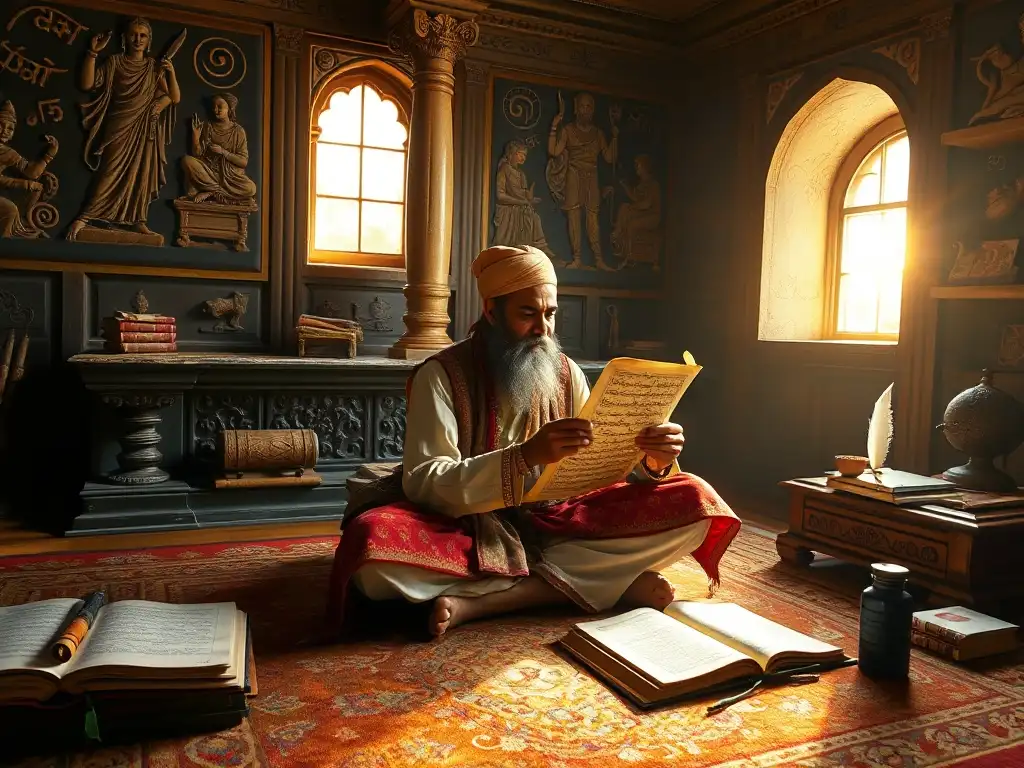
The study of ancient Indian scripts presents several challenges that scholars and researchers must navigate to unlock the rich history embedded in these texts. Understanding these challenges is essential for anyone interested in the significance of ancient Indian scripts today.
Lack of Resources and Accessibility
One of the primary challenges faced by researchers is the lack of resources. Many ancient inscriptions and manuscripts are housed in remote locations, often in private collections or poorly maintained archives. This results in limited access to crucial texts that could provide insights into ancient Indian civilization. Furthermore, many texts remain untranslated or are available only in limited editions, hindering broader study and understanding.
- Examples of inaccessible texts:
- Brahmi inscriptions: Found in various archaeological sites, many remain partially excavated or are located in areas with restricted access.
- Palm leaf manuscripts: These fragile texts, often stored in humid environments, are at risk of deterioration, limiting their availability for study.
Additionally, the digitalization of ancient scripts has not progressed uniformly across institutions, leading to disparities in access. While some universities and libraries have invested in digitizing their collections, others lack the funding or expertise to do so, further complicating the research landscape.
Misinterpretation and Translation Issues
Misinterpretation is another significant barrier in the study of ancient Indian scripts. The complexity of these scripts, coupled with changes in language over centuries, can lead to errors in translation. Scholars may face difficulties due to:
- Contextual nuances: Words may have different meanings based on their historical and cultural context, making accurate translation challenging.
- Multiple scripts: The coexistence of various scripts, such as Devanagari, Brahmi, and Kharosthi, adds layers of complexity to understanding written texts.
Moreover, there is often a reliance on outdated translations that may not reflect contemporary understanding, further complicating the interpretation of these ancient writings. Collaborative efforts among linguists, historians, and archaeologists are crucial to minimize these misinterpretations and provide a more accurate representation of ancient texts.
Opportunities for Future Research
Despite the challenges, there are significant opportunities for future research in the field of ancient Indian scripts. By embracing innovative methodologies and interdisciplinary collaborations, scholars can uncover new insights into this rich heritage.
Interdisciplinary Approaches
Embracing interdisciplinary approaches can enhance our understanding of ancient Indian scripts. By integrating insights from various fields, researchers can develop a more comprehensive perspective. Some potential interdisciplinary areas include:
- Linguistics and Anthropology: Studying the social and cultural contexts of language use can illuminate how ancient scripts were employed in daily life.
- History and Archaeology: Combining archaeological findings with textual analysis can provide a richer narrative of ancient civilizations.
Such collaborations can help researchers address gaps in knowledge, leading to more nuanced interpretations of ancient texts. For instance, understanding the societal structure of the time can provide clues about the intended audience and purpose of specific inscriptions.
Collaborations with Technology
Advancements in technology offer exciting opportunities for researching ancient Indian scripts. Innovative tools and methodologies can help overcome some of the challenges previously mentioned:
- Digital Humanities: The application of digital tools in humanities research allows for the analysis of large corpora of ancient texts. Text mining and data visualization can reveal patterns that may not be apparent through traditional methods.
- Machine Learning and AI: These technologies can help in deciphering and translating ancient scripts more efficiently. By training algorithms on existing texts, researchers can develop models that assist in the interpretation of incomplete or damaged inscriptions.
The future of studying ancient Indian scripts lies in the ability to harness these technological advancements while fostering interdisciplinary collaborations. This synergy can enhance the significance of ancient Indian scripts today, ensuring that their rich legacy continues to inform our understanding of history and culture.
Conclusion
Summary of Ancient Indian Scripts Importance Today
The significance of ancient Indian scripts extends far beyond mere historical interest; they serve as vital keys to understanding the socio-cultural fabric of ancient Indian civilizations. From the Indus Valley Civilization's enigmatic seals to the Brahmi and Kharosthi scripts that paved the way for linguistic development, these scripts encapsulate the thoughts, beliefs, and administrative practices of their time.
- Linguistic Heritage: Ancient Indian scripts are foundational to many modern languages in the Indian subcontinent. For instance, the evolution of scripts such as Devanagari has influenced numerous languages, including Hindi, Marathi, and Sanskrit. The preservation and study of these scripts provide insights into etymology, phonetics, and grammatical structures that are crucial for linguistic scholars.
- Cultural Insights: The inscriptions found on temples, monuments, and manuscripts reveal the religious beliefs, governance, and daily life of ancient societies. For example, the Ashoka Edicts, inscribed in Brahmi, illustrate the moral and ethical frameworks of the Mauryan Empire, emphasizing the values of justice and non-violence. Understanding these texts enriches our comprehension of cultural evolution and societal values that continue to resonate today.
- Artistic Expression: Ancient scripts were not merely functional; they were also a form of artistic expression. The calligraphy of these scripts often reflects the aesthetics of the time, merging art and language. This interplay between art and script is seen in the intricate carvings of Sanskrit verses on temple walls, which continue to inspire contemporary artists and scholars.
- Identity and Nationalism: In modern India, the revival and study of ancient scripts have become symbols of cultural pride and identity. The resurgence of interest in scripts like Tamil and Sanskrit fosters a sense of belonging and continuity among communities, linking them to their ancient roots.
Final Thoughts on Bridging the Past with the Present
The study and appreciation of ancient Indian scripts hold profound relevance in today's world, acting as a bridge that connects us with our heritage. As we delve into these scripts, we uncover not only the linguistic and artistic achievements of our ancestors but also the philosophical and ethical principles that shaped their societies.
In an age where globalization often overshadows local cultures, the significance of ancient Indian scripts reminds us of the importance of preserving our unique identities. By engaging with these scripts, we can foster a deeper understanding of our past, which can guide us in addressing contemporary issues.
Ultimately, the legacy of ancient Indian scripts serves as a testament to human creativity and resilience. Their study encourages interdisciplinary exploration, merging history, linguistics, art, and cultural studies, offering a holistic perspective on our shared human experience. As we continue to explore and celebrate these ancient scripts, we not only honor our ancestors but also enrich our present and future.
Call to Action
As we delve into the significance of ancient Indian scripts today, it becomes imperative to recognize their enduring legacy and the wealth of knowledge they impart. These scripts, ranging from Brahmi to Kharosthi, not only encapsulate historical narratives but also reflect the cultural ethos of their times. Understanding their relevance in contemporary society can foster greater appreciation and inspire further exploration.
Encouragement to Explore Ancient Scripts Further
The exploration of ancient Indian scripts offers a fascinating journey into the rich tapestry of India's past. By engaging with these scripts, individuals can unlock insights into ancient philosophies, literary works, and administrative practices that shaped civilizations. Here are some steps to encourage deeper exploration:
- Visit Museums and Exhibitions: Many museums host exhibits dedicated to ancient Indian scripts and inscriptions. Engaging with these artifacts can provide context and enhance understanding.
- Participate in Workshops: Various cultural organizations offer workshops on deciphering ancient scripts. Participating in these can provide practical skills and connect you with like-minded enthusiasts.
- Read Scholarly Works: Numerous publications delve into the study of ancient Indian scripts, analyzing their historical significance and evolution. Engaging with these resources can enrich your knowledge base.
- Join Online Communities: There are active online forums and social media groups dedicated to the study of ancient Indian scripts. Joining these communities can facilitate discussions and the sharing of resources among enthusiasts.
By embarking on this journey, you can contribute to the broader understanding of how ancient Indian scripts continue to influence modern language and culture.
Invitation to Support Preservation Efforts
Preserving ancient Indian scripts is crucial for maintaining the cultural and historical heritage they represent. Various organizations and initiatives focus on the conservation of inscriptions and manuscripts, and your support can make a significant difference. Here’s how you can contribute:
- Donate to Cultural Heritage Organizations: Many non-profits work tirelessly to preserve ancient scripts and promote awareness. Donations can help fund restoration projects and educational programs.
- Volunteer for Preservation Projects: If you're passionate about history and culture, consider volunteering with organizations focused on the preservation of ancient texts. Your time and skills can greatly aid their efforts.
- Advocate for Educational Programs: Support initiatives that integrate the study of ancient Indian scripts into educational curricula, promoting awareness among younger generations.
- Share Knowledge: Utilize social media platforms to share information about ancient scripts and the importance of their preservation. Awareness can lead to greater support and funding for preservation efforts.
By taking these steps, you can play a vital role in ensuring that ancient Indian scripts continue to be recognized and valued in today's world. Together, we can bridge the past with the present, fostering a deeper understanding of our shared cultural heritage.
Frequently Asked Questions
What are ancient Indian scripts?
Ancient Indian scripts, such as Brahmi and Kharosthi, were used to write various languages in ancient India. They are significant for understanding the linguistic and cultural evolution of the region.
Why is the study of ancient Indian scripts important today?
Studying ancient Indian scripts helps us comprehend the historical context of literature, administration, and trade in ancient civilizations, providing insights into their social structures and cultural practices.
How do ancient Indian scripts influence modern languages?
Many modern Indian languages have evolved from ancient scripts, with Brahmi being a precursor. Understanding these scripts can enhance our understanding of linguistic heritage and the evolution of regional dialects.
What contributions did ancient Indian scripts make to world history?
Ancient Indian scripts played a crucial role in the dissemination of knowledge, including philosophy, mathematics, and science, influencing not just India but also neighboring civilizations and contributing to global intellectual traditions.
How can ancient Indian scripts be preserved for future generations?
Efforts to digitize ancient manuscripts, promote educational programs, and support archaeological research are vital in preserving these scripts and ensuring their significance is recognized in today's world.
Final Reflection: Embracing the Wisdom of Ancient Indian Scripts Today
The significance of ancient Indian scripts in today's world is more profound than ever, as they serve as a bridge connecting us to our rich heritage and cultural identity. In an age dominated by rapid technological advancements and globalization, the wisdom encapsulated in these scripts offers timeless insights that can guide our modern lives. The relevance of these ancient writings is not merely historical; it is a call to understand our roots and the values that have shaped our civilization.
The influence of ancient Indian scripts extends beyond mere academic interest; they are a vital part of our cultural fabric and identity. These scripts, such as Sanskrit and Brahmi, have inspired countless literary works, philosophies, and spiritual teachings that continue to resonate today.
Their significance is echoed in the words of Mahatma Gandhi, who said, "> A nation's greatness is measured by how it treats its weakest members." This quote reminds us that the teachings found within these ancient texts can guide us toward a more compassionate and equitable society, encouraging us to reflect on our responsibilities toward one another.
As we contemplate the lessons of ancient Indian scripts, I invite you to explore how these teachings can be woven into your daily life. Consider how the values of wisdom, compassion, and resilience found in these texts can inspire your actions and decisions. Let us not only appreciate the beauty of these ancient writings but also actively incorporate their lessons into our modern existence. By doing so, we honor our past while paving the way for a more enlightened future.
Thank you for taking the time to explore the fascinating world of ancient Indian scripts with us! Your journey into the past has unveiled their incredible relevance today. Now, it's time to embrace this heritage and make it a living part of your life.
Here are some actions you can take to connect with and celebrate these ancient wonders:
- Delve deeper: Read literature or watch documentaries about ancient Indian scripts to enhance your understanding.
- Join a community: Engage with online groups or local gatherings dedicated to the study of ancient Indian languages and culture.
- Share your newfound knowledge: Start conversations with friends or family about what you learned to inspire them to explore as well!
What aspect of ancient Indian scripts do you find most captivating, and how do you believe they can influence our modern world?