
Ancient Scripts in the Context of Global Writing Systems

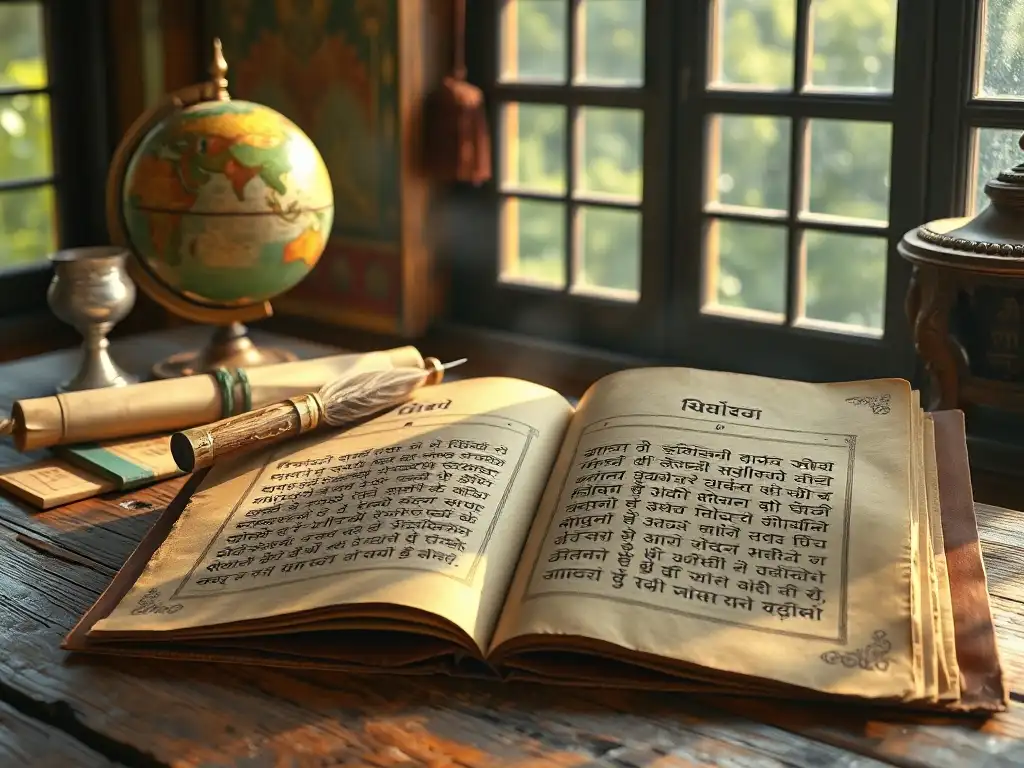
Welcome to Ancient India History, where we embark on a fascinating journey through time to uncover the rich tapestry of ancient Indian civilizations. From the intricate designs of the Indus Valley to the intellectual flourishing of the Gupta Empire, every corner of this vibrant history is a testament to remarkable achievements. In today's exploration, we delve into Ancient Indian writing systems, a captivating aspect that not only reflects the linguistic diversity of the era but also connects with global writing traditions.
Join us as we unravel the stories behind these scripts and discover how they shaped communication and culture across centuries. Prepare to be intrigued and inspired as we open the door to a world of ancient wisdom!
- Introduction to Ancient Indian Writing Systems
- Historical Context of Ancient Indian Writing Systems
- Major Ancient Indian Writing Systems
- Comparison of Ancient Indian Writing Systems with Global Writing Systems
- The Role of Scripts in Ancient Indian Society
- Preservation and Study of Ancient Indian Writing Systems
- Conclusion: The Legacy of Ancient Indian Writing Systems
- References and Further Reading
- Frequently Asked Questions
- Final Reflection: The Enduring Legacy of Ancient Indian Writing Systems
- Unveil the Mysteries of Ancient Scripts!
Introduction to Ancient Indian Writing Systems
The exploration of ancient Indian writing systems reveals a significant aspect of the subcontinent's illustrious history and cultural evolution. From the intricate symbols of the Indus Valley Civilization to the sophisticated scripts of later empires, such as the Gupta, ancient Indian writing systems offer profound insights into the societal, religious, and economic frameworks of their time.
These scripts not only serve as a means of communication but also act as vessels of knowledge, culture, and identity, reflecting the rich tapestry of human civilization in ancient India. Understanding these writing systems is crucial for appreciating the broader context of global writing systems and how they have influenced one another throughout history.
Overview of Ancient Indian Scripts
Ancient Indian scripts can be broadly categorized into several major writing systems that evolved over millennia. Each script represents a unique linguistic and cultural identity, reflecting the diversity of languages spoken across the subcontinent. Here are some of the most notable scripts:
- Indus Script:
- The earliest known script in India, used by the Indus Valley Civilization (c. 3300–1300 BCE).
- Comprises around 400 distinct symbols, primarily used for seals and pottery.
- Remains undeciphered, leaving many questions about the language and culture of its users.
- Brahmi Script:
- Emerged around the 3rd century BCE, widely used for writing various languages in ancient India.
- Considered the ancestor of many modern scripts in South and Southeast Asia.
- Important for inscriptions found on pillars, edicts, and manuscripts.
- Kharosthi Script:
- Used primarily in the northwest regions of ancient India, this script dates back to the 3rd century BCE.
- Associated with the Gandhara region and used for writing Gandhari, a Prakrit language.
- Consists of an alphabet that is written from right to left.
- Devanagari Script:
- A later development, emerging around the 7th century CE, it is the script used for several languages, including Hindi and Sanskrit.
- Features a distinctive horizontal line running across the top of the letters.
- Still used in modern times and has evolved into various regional scripts.
These scripts not only highlight the linguistic diversity of ancient India but also illustrate the region's historical connections with other cultures through trade and conquest.
Importance of Writing in Ancient Civilizations
Writing served as a cornerstone for the development of ancient civilizations, including those in India. Its significance can be encapsulated in several key aspects:
-
Record Keeping:
Writing enabled the documentation of transactions, laws, and treaties, facilitating governance and trade.
-
Cultural Preservation:
Texts written in ancient scripts preserved religious texts, literature, and historical accounts, enabling the transmission of knowledge across generations.
-
Communication:
Writing systems fostered communication over vast distances, connecting various regions and cultures within India and beyond.
-
Identity and Power:
The use of specific scripts often denoted cultural and political authority, as seen in the inscriptions of emperors who sought to legitimize their rule through written proclamations.
The interplay between these elements underscores the pivotal role of writing in shaping the civilizations of ancient India and their contributions to the broader narrative of human history. The legacy of these ancient Indian writing systems continues to resonate, influencing modern languages and scripts around the world.
Historical Context of Ancient Indian Writing Systems
The study of ancient Indian writing systems is essential for understanding the linguistic and cultural evolution of the subcontinent. These scripts not only served as a means of communication but also played a pivotal role in the documentation of religious texts, administrative records, and literary works. The origins of these scripts can be traced back to the earliest civilizations in India, particularly the Indus Valley Civilization, and continued to evolve through various historical periods, culminating in the sophisticated scripts of the Gupta Empire.
The Indus Valley Civilization and Early Scripts
The Indus Valley Civilization (circa 3300–1300 BCE) is one of the earliest known urban cultures in South Asia. Archaeological excavations at sites like Harappa and Mohenjo-Daro have revealed a series of inscribed seals, pottery, and other artifacts featuring a distinct script often referred to as the Indus script.
- Characteristics of the Indus Script:
- Composed of symbols that appear to be logographic, where each symbol likely represents a word or concept.
- The script remains undeciphered, leading to ongoing debates among scholars regarding its linguistic nature.
- Contains around 400 distinct symbols, often arranged in horizontal and vertical lines.
The Indus script’s significance lies in its potential to provide insights into the socio-economic and religious aspects of the civilization. Despite extensive research, the inability to decipher this script has left many questions unanswered about the culture that produced it.
“The Indus script may hold keys to understanding one of the world's earliest urban societies, yet its mysteries continue to elude us.”
Evolution of Scripts from the Vedic Period to the Gupta Empire
Following the decline of the Indus Valley Civilization, the Vedic period emerged (circa 1500–500 BCE), marked by the composition of the Vedas. While the Vedas were primarily transmitted orally, the need for written records grew as societies became more complex. This led to the development of several important scripts:
- Brahmi Script:
- Emerged around the 3rd century BCE and is considered one of the earliest writing systems in India.
- It is the ancestor of many modern Indian scripts, including Devanagari, Bengali, and Tamil.
- Brahmi consists of a syllabic structure, allowing for the representation of both consonants and vowels.
- Kharosthi Script:
- Used primarily in the northwest regions of India and is an abugida, where consonants carry an inherent vowel sound.
- Kharosthi was utilized for writing the languages of the region, including Gandhari and other Prakrits.
The Gupta Empire (c. 240–550 CE) marked a significant peak in cultural and intellectual advancements, leading to further refinements in writing systems. The Gupta script, which evolved from Brahmi, showcased greater stylistic sophistication and was used extensively for inscriptions, religious texts, and literature.
| Script | Era | Characteristics |
|---|---|---|
| Indus Script | Indus Valley | Logographic symbols, undeciphered |
| Brahmi | 3rd century BCE | Syllabic system, ancestor of modern scripts |
| Kharosthi | 3rd century BCE | Abugida, used in northwest India |
| Gupta Script | Gupta Empire | Refined Brahmi, used in inscriptions and literature |
As these scripts evolved, they not only reflected the linguistic diversity of ancient India but also influenced writing systems across Asia through trade and cultural exchanges. The legacy of ancient Indian writing systems continues to be studied, providing valuable insights into the historical and cultural tapestry of the region.
Major Ancient Indian Writing Systems

Brahmi Script: Origins and Development
The Brahmi script is one of the oldest writing systems in the Indian subcontinent, dating back to around the 3rd century BCE. It is considered the progenitor of many modern scripts in South Asia, including Devanagari, Bengali, and Tamil. The script is characterized by its distinctive style of writing, which consists of a combination of straight lines and circular shapes.
Origins
The origins of Brahmi are somewhat obscure, but it is believed to have evolved from earlier scripts, possibly influenced by the Phoenician alphabet. Archaeological evidence shows that Brahmi was used extensively during the reign of Emperor Ashoka, who inscribed edicts on rocks and pillars across his empire. These inscriptions were pivotal in spreading Buddhism and its principles.
Development
Over the centuries, Brahmi underwent several transformations, leading to the emergence of various regional scripts. This script featured both consonants and vowels, allowing for a more expressive representation of the Sanskrit language. The structure of Brahmi is syllabic, where each character typically represents a consonant followed by an inherent vowel, which can be modified with diacritics.
Key Features of Brahmi:
- Syllabic Nature: Each character represents a consonant with an inherent vowel sound.
- Diacritical Marks: Used to denote different vowel sounds.
- Historical Significance: Key in understanding ancient Indian linguistics and literature.
Kharosthi Script: Characteristics and Usage
The Kharosthi script, another significant ancient Indian writing system, was used primarily in the northwestern regions of the Indian subcontinent, including present-day Pakistan and Afghanistan. It is believed to have emerged around the same time as Brahmi but bears distinct characteristics.
Characteristics
Kharosthi is written from right to left, unlike most other scripts in the region. It consists of a series of letters that represent both consonants and vowels, though the system is less systematic in its representation compared to Brahmi. The characters often have a more ornate and curved appearance, which sets them apart visually.
Key Characteristics of Kharosthi:
- Direction: Written from right to left.
- Character Structure: Less uniform compared to Brahmi, with more ornamental forms.
- Usage: Primarily used for administrative and Buddhist texts, including the translation of the Tripitaka in the 3rd century BCE.
Usage
Kharosthi was predominantly used for administrative purposes and in Buddhist scriptures, often found in Gandhara art and inscriptions. The script played a crucial role in the dissemination of Buddhist teachings in Central Asia and beyond. Its decline began around the 4th century CE, coinciding with the rise of Brahmi-based scripts.
Other Scripts: Regional Variations and Influences
In addition to Brahmi and Kharosthi, ancient India saw the development of several other writing systems, influenced by regional languages and cultures. These scripts reflect the diversity of linguistic expression in ancient India.
Regional Variations
- Tamil Script: Evolving from Brahmi, the Tamil script is used to write the Tamil language and has a unique identity characterized by its round shapes. It can be traced back to the 3rd century BCE and has remained largely unchanged over centuries.
- Grantha Script: This script was primarily used in the Tamil Nadu region for writing Sanskrit. It features a combination of Brahmi characters and unique modifications to accommodate Sanskrit phonetics.
- Sharda Script: Originating in Kashmir, Sharda was used for writing Sanskrit and later evolved into the script used for Kashmiri language texts. It reflects the cultural exchanges in the region.
Influences
The ancient Indian writing systems influenced and were influenced by neighboring cultures, leading to a rich tapestry of scripts across Asia. For example:
- Southeast Asian Scripts: Brahmi’s influence extended to Southeast Asia, where it played a foundational role in the development of scripts in countries like Thailand and Indonesia.
- Persian Influence: In regions where Persian was spoken, especially during the Mughal era, various scripts adapted features from Persian calligraphy.
The evolution of these ancient Indian writing systems illustrates the dynamic interplay of culture, language, and communication in shaping the historical narrative of the Indian subcontinent. As we explore these scripts, we gain a deeper understanding of the linguistic heritage that has influenced modern languages and scripts in the region.
Comparison of Ancient Indian Writing Systems with Global Writing Systems

Similarities between Ancient Indian Scripts and Other Writing Systems
Ancient Indian writing systems, primarily represented by Brahmi and Kharosthi, exhibit several similarities with other global writing systems, reflecting a shared human endeavor to communicate through written language. One of the most notable similarities is the use of phonetic representation, where characters correspond to sounds. This approach is evident in various scripts, such as:
- Phoenician Script: The Phoenician alphabet also established a phonetic basis for writing, influencing many subsequent alphabets, including Greek and Latin.
- Chinese Characters: While fundamentally different in structure, both Chinese characters and ancient Indian scripts serve to convey both meaning and sound, although the Chinese system is logographic.
Another commonality lies in the adaptation and evolution of scripts. Just as the Brahmi script evolved into various regional scripts across India, many global writing systems, such as the Latin or Cyrillic alphabets, have branched out from their origins to adapt to different languages and cultures. Furthermore, both ancient Indian scripts and other writing systems often reflect the sociopolitical contexts of their times, showcasing the cultural narratives of the societies that produced them.
Differences in Structure and Syntax
While ancient Indian writing systems share similarities with global scripts, they also present distinct structural and syntactic features. One major difference is the syllabic nature of Brahmi and its derivatives. Unlike alphabetic systems, which typically represent individual phonemes, Brahmi is more syllabic, where each character often represents a consonant combined with an inherent vowel sound. This results in a unique grapheme-to-phoneme mapping, distinct from:
- Alphabetic Systems: Such as Latin, where each letter typically represents a single sound, allowing for a more flexible arrangement of words.
- Abjad Systems: Like Arabic and Hebrew, which primarily represent consonants and require additional notations for vowels.
Moreover, ancient Indian scripts often include diacritics to modify consonants and vowels, adding layers of complexity not seen in some other writing systems. For instance, the use of matras in Brahmi, which indicate vowel sounds attached to consonants, provides a level of detail that enhances the phonetic reading but may complicate comprehension for new learners.
Influence of Ancient Indian Writing on Neighboring Cultures
The impact of ancient Indian writing systems extends beyond its geographical boundaries, influencing neighboring cultures significantly. For instance, the Brahmi script served as a foundational script for many Southeast Asian scripts, including:
- Thai and Khmer Scripts: These scripts evolved from Brahmi through the intermediary of the Pallava script, showcasing the adaptability of Indian writing systems in new linguistic contexts.
- Tibetan Script: Developed from the Brahmi lineage, the Tibetan script reflects the integration of Indian linguistic elements into Tibetan culture.
Additionally, the spread of Buddhism played a crucial role in disseminating ancient Indian writing systems across Asia. Buddhist texts, originally written in Brahmi, were translated into various languages, leading to the adaptation of Indian scripts in regions such as:
- China: Where Indian characters influenced the development of certain writing styles, particularly in Buddhist texts.
- Central Asia: The transmission of Indian scripts along trade routes facilitated cultural exchanges that enriched the local writing systems.
Ancient Indian writing systems not only contributed to the linguistic landscape of the Indian subcontinent but also left an indelible mark on the writing practices of neighboring cultures, highlighting the interconnectedness of human civilizations through their written heritage.
The Role of Scripts in Ancient Indian Society
Writing as a Tool for Administration and Governance
The ancient Indian writing systems served as crucial tools for administration and governance, allowing for the management of vast empires and territories. Record-keeping became essential for taxation, land ownership, and legal matters. The major scripts used during this period included Brahmi and Kharosthi, which were instrumental in documenting state affairs and facilitating communication between different regions.
- Brahmi Script:
- Originated around the 3rd century BCE, it became the foundation for many South Asian scripts.
- Used primarily in inscriptions and official documents, it was pivotal for maintaining records of royal edicts and administrative orders.
- Kharosthi Script:
- Predominantly used in the northwest of the Indian subcontinent, it was often found on coins and inscriptions.
- Facilitated trade and governance in regions influenced by the Mauryan Empire.
The ability to write and read these scripts was not just limited to the elite; there was a gradual increase in literacy among merchants and local administrators, fostering a more interconnected society. This accessibility empowered local governance, allowing for efficient management of resources and people.
The Impact of Scripts on Religion and Philosophy
Scripts in ancient India deeply influenced religious practices and philosophical thought. The ability to document religious texts allowed for the preservation and dissemination of spiritual ideas across generations. Various ancient Indian writing systems played a significant role in this process:
- Sanskrit:
- The language of many religious texts, including the Vedas and Upanishads, which were foundational to Hindu philosophy.
- Its script, often written in Devanagari, became a medium for philosophical discourse and spiritual teachings.
- Pali:
- Used for documenting the teachings of Buddhism, it allowed for the spread of Buddhist philosophy beyond India.
- The Pali Canon, written in this script, became central to Buddhist teachings and practices.
The scripts not only facilitated the documentation of religious doctrines but also encouraged the evolution of philosophical thought, allowing thinkers from various traditions to engage with each other’s ideas. The cultural exchange that arose from the use of these writing systems enriched the spiritual landscape of ancient India.
Scripts and Their Role in Literature and Art
Ancient Indian scripts were vital in the creation and preservation of literature and art, reflecting the rich cultural tapestry of the time. They enabled authors and artists to communicate complex ideas and emotions effectively. The relationship between scripts and artistic expression can be observed in several ways:
- Literature:
- The emergence of classical literature, including epic poems like the Mahabharata and Ramayana, was significantly influenced by the development of writing systems. These texts were often inscribed on palm leaves and later stone tablets.
- The use of Sanskrit and regional languages allowed for a diverse literary tradition that captured the essence of ancient Indian life.
- Art:
- Inscriptions on temples and sculptures often utilized ancient scripts to convey religious messages and historical narratives.
- The intricate calligraphy found in manuscripts and temple carvings showcases the aesthetic dimensions of these writing systems, blending artistry with functionality.
The integration of scripts into literature and art not only preserved knowledge but also enriched cultural identity, allowing future generations to connect with their heritage. The artistic representation of scripts continues to inspire modern interpretations and revivals of ancient Indian culture.
Preservation and Study of Ancient Indian Writing Systems
Archaeological Discoveries and Their Significance
The preservation of ancient Indian writing systems is deeply intertwined with the archaeological discoveries that have emerged from various sites across the Indian subcontinent. The most notable of these is the Indus Valley Civilization, which dates back to approximately 2500 BCE. Archaeologists have unearthed numerous seals and inscriptions featuring a script that remains undeciphered. These artifacts provide crucial insights into the socio-economic and cultural dynamics of early urban centers such as Harappa and Mohenjo-Daro.
One significant find is the Harappan Seals, which exhibit a unique script composed of pictograms and symbols. The existence of these seals suggests the use of writing for administrative and commercial purposes. As researchers continue to excavate sites, the number of inscribed artifacts increases, allowing for comparative studies that might unlock the meanings behind these symbols.
Moreover, sites like Taxila and Nalanda reveal the evolution of writing through time, showcasing later scripts such as Brahmi and Kharosthi. The inscriptions on stone and metal objects from these sites are invaluable for understanding the historical context and the spread of literacy in ancient India. The findings not only highlight the diversity of writing systems but also reflect the cultural exchanges that occurred through trade and conquest.
Modern Linguistic Studies and Interpretations
Modern linguistic studies have played a pivotal role in the analysis and interpretation of ancient Indian writing systems. Scholars employ various methodologies, including comparative linguistics and epigraphy, to decode and understand the scripts that have shaped Indian language history. One prominent example is the study of Brahmi, which is believed to be the progenitor of many modern scripts in India and Southeast Asia.
Recent advancements in technology, such as imaging techniques and computer-assisted analysis, have greatly enhanced the ability to study inscriptions. For instance, researchers can now utilize 3D imaging to analyze faint inscriptions that were previously too difficult to read. This technology has led to new interpretations of ancient texts, shedding light on linguistic features and grammatical structures of early Indian languages.
Additionally, interdisciplinary approaches that combine archaeology, linguistics, and history provide a holistic view of how these writing systems influenced and interacted with various cultures. The study of ancient Indian writing systems has not only revealed the linguistic heritage but has also contributed to understanding the socio-political landscapes of ancient civilizations.
Challenges in Deciphering Ancient Scripts
Despite the advancements in research, deciphering ancient Indian writing systems presents numerous challenges. One major hurdle is the lack of bilingual inscriptions, which are often critical for understanding a new script. The absence of texts that can be cross-referenced with known languages makes it difficult to establish meanings and sounds associated with symbols.
Moreover, many scripts, particularly those from the Indus Valley, consist of a limited number of symbols that appear in various combinations. This variability complicates attempts to create a phonetic or semantic understanding of the script. The ephemeral nature of some materials, such as clay tablets or wooden inscriptions, also poses preservation issues, making the study of these artifacts even more challenging.
Another challenge lies in the cultural context of the writing systems. Understanding the social and religious frameworks within which these scripts operated is crucial for accurate interpretation. Scholars must navigate the complexities of ancient belief systems, trade practices, and governance structures to fully appreciate the significance of these inscriptions.
The preservation and study of ancient Indian writing systems are vital for reconstructing the linguistic landscape of the subcontinent. Through ongoing archaeological efforts and modern linguistic analyses, the mysteries of these ancient scripts continue to be unveiled, offering a deeper understanding of India's rich historical narrative.
Conclusion: The Legacy of Ancient Indian Writing Systems
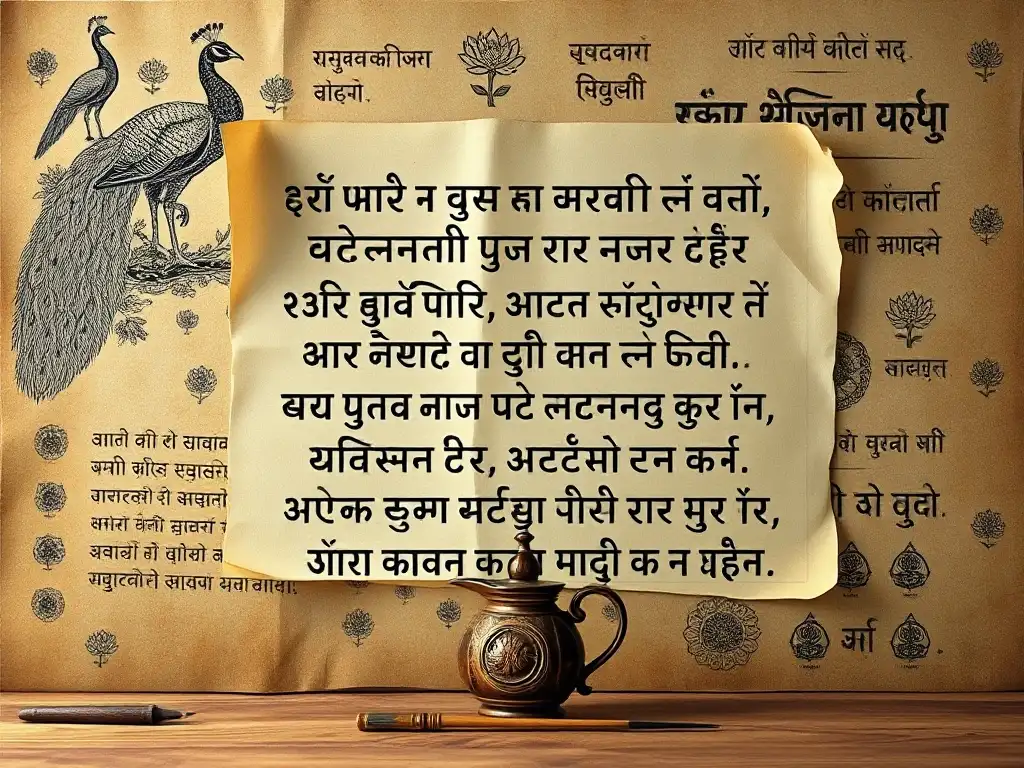
The legacy of ancient Indian writing systems is profound, showcasing a remarkable evolution that reflects the rich tapestry of India's historical and cultural journey. The earliest forms of writing in India, such as the Indus script, laid the groundwork for subsequent scripts, including Brahmi and Kharosthi. These scripts not only served practical purposes—such as record-keeping and communication—but also acted as vehicles for the expression of philosophical and religious ideas.
Ancient Indian writing systems significantly influenced various aspects of life, including trade, governance, and scholarship. They facilitated the dissemination of knowledge across regions and cultures, promoting literacy and education. The inscriptions found on pillars, rocks, and manuscripts reveal insights into the socio-political landscape of ancient India, showcasing the administrative sophistication and cultural richness of its civilizations.
The Influence of Ancient Scripts on Modern Languages
The impact of ancient Indian writing systems extends into the modern linguistic landscape. For instance, the Brahmi script is considered the progenitor of many contemporary Indian scripts, such as Devanagari, Bengali, and Tamil. This lineage illustrates how ancient practices of writing have shaped the phonetic and grammatical structures of modern languages in the Indian subcontinent.
- Brahmi Script:
- Root of numerous scripts in South and Southeast Asia.
- Influenced the development of scripts like Gupta, which subsequently evolved into modern scripts.
- Kharosthi Script:
- Primarily used in the northwest regions of India and parts of Central Asia.
- Its influence can still be seen in certain regional languages and scripts.
The enduring legacy of these ancient scripts is also reflected in the modern use of Sanskrit, which, while primarily a liturgical language today, continues to influence many modern Indian languages. Moreover, the study of ancient scripts has provided linguists and historians with critical tools for understanding the phonological and morphological developments in modern languages, facilitating deeper insights into their origins and transformations.
Future Directions in the Study of Ancient Indian Scripts
As we look toward future research into ancient Indian writing systems, several exciting avenues emerge that promise to deepen our understanding of their significance and evolution:
- Interdisciplinary Approaches:
- Combining insights from archaeology, linguistics, and anthropology can yield new perspectives on the socio-cultural contexts in which these scripts developed.
- Digital Humanities:
- The application of digital tools for the preservation and analysis of ancient manuscripts can enhance accessibility for researchers worldwide. Technologies such as machine learning can assist in deciphering undeciphered scripts or texts.
- Comparative Studies:
- Engaging in comparative analyses between ancient Indian scripts and other global writing systems could uncover patterns of influence and exchange, enriching our comprehension of cross-cultural interactions throughout history.
- Public Engagement:
- Promoting awareness and education about ancient Indian scripts through workshops, exhibitions, and online platforms can foster greater appreciation for this aspect of heritage. Such initiatives can also encourage younger generations to explore the historical significance of their linguistic roots.
The study of ancient Indian writing systems remains a vibrant field, filled with potential for new discoveries and insights that can illuminate the complexities of ancient civilizations and their lasting impact on modern society.
References and Further Reading
Suggested Books and Articles on Ancient Indian Writing Systems
To gain a deeper understanding of ancient Indian writing systems, several scholarly books and articles provide invaluable insights. Here are some recommended resources:
- "The Indus Script: A Historical and Linguistic Perspective" by Asko Parpola
- This book delves into the elusive Indus script, examining its historical context and potential linguistic connections.
- "The Script of the Indus Valley Civilization" by David F. Elsworth
- An essential read for those interested in the scripts of the Indus Valley, this work discusses the intricacies of the symbols and their significance.
- "Brahmi and the Origins of Indian Writing" by Michael Witzel
- Witzel explores the origins and development of Brahmi, one of the most significant ancient Indian scripts, providing a comprehensive history and analysis.
- "The History of Writing in India" by Prakash Chandra
- This book provides an extensive overview of various writing systems in India, tracing their evolution and cultural implications.
- "Scripts of Ancient India: A Comparative Study" by R. K. Sharma
- A comparative approach to understanding different scripts used in ancient India, including their similarities and differences with other global writing systems.
- Articles from the Journal of Ancient Indian History
- This journal frequently publishes articles on topics related to ancient Indian writing systems, offering scholarly discussions and findings.
Online Resources for Exploring Ancient Scripts
The digital age has made it easier than ever to access resources related to ancient Indian writing systems. Here are some online platforms that can enhance your exploration:
- Digital South Asia Library (DSAL)
- A comprehensive online resource offering a wealth of information about South Asian history, including ancient scripts. You can explore digitized manuscripts, maps, and other archival materials.
- The British Library - Indian Manuscripts Collection
- This collection features a vast array of ancient Indian manuscripts, providing insights into various scripts and their historical contexts. The website allows for detailed searches and viewing of original documents.
- Indus Script Web
- A dedicated platform for the Indus script, offering analyses, research papers, and a database of symbols. This resource is invaluable for those focusing on the Indus Valley Civilization.
- Sanskrit Documents
- A repository of texts and inscriptions in Sanskrit, including ancient manuscripts that showcase the evolution of writing in India. This site serves as a treasure trove for researchers and enthusiasts alike.
- Ancient Scripts - The Writing Systems of the World
- This website provides a broader context by exploring various global writing systems, including detailed sections on ancient Indian scripts. It serves as a comparative resource for understanding the uniqueness of Indian writing.
These resources are essential for anyone looking to delve into the rich tapestry of ancient Indian writing systems, offering both scholarly analysis and primary materials for research.
Frequently Asked Questions
What are some ancient Indian writing systems?
Ancient Indian civilizations utilized several writing systems, including Brahmi and Kharosthi, which were instrumental in documenting religious texts and administrative records.
How did ancient Indian writing systems influence global writing systems?
The Brahmi script, in particular, served as a foundation for many writing systems across Asia, influencing scripts in countries like Southeast Asia and even contributing to the development of the Latin alphabet.
What materials were used for writing in ancient India?
Ancient Indians primarily used palm leaves, bark, and metal plates for inscribing texts, showcasing their innovative use of natural resources for documentation.
How did the Indus Valley Civilization contribute to ancient writing?
The Indus Valley Civilization is known for its indecipherable script, which consists of symbols and seals. Though not fully understood, it indicates an early form of written communication.
What role did writing play in the Gupta Empire?
During the Gupta Empire, writing flourished, with notable advancements in literature and science. The period is marked by the creation of classic texts in Sanskrit, highlighting the cultural richness of ancient India.
Final Reflection: The Enduring Legacy of Ancient Indian Writing Systems
The exploration of ancient Indian writing systems reveals not only their historical significance but also their profound impact on contemporary communication. In an era where globalization often overshadows local cultures, understanding the roots of our writing systems allows us to appreciate the diversity and richness of human expression. The intricate scripts of ancient India, such as Brahmi and Devanagari, serve as a testament to the ingenuity of our ancestors and their ability to convey complex ideas through symbols.
The influence of these ancient scripts extends far beyond their geographical origins, shaping the cultural and social landscapes of countless societies. As we navigate a world increasingly dominated by digital communication, it is essential to recognize the foundational role that these writing systems play in our understanding of language and literature. The written word is the foundation of civilization, a bridge between the past and the future.
This quote encapsulates the essence of how ancient Indian writing systems continue to resonate in modern times, reminding us that every letter and character carries the weight of history and tradition.
As we reflect on the lessons drawn from ancient Indian writing systems, I invite you to consider how these insights can be applied in your own life. Embrace the diversity of languages and scripts around you; they are not merely tools for communication but vessels of culture and identity. Take a moment to explore the stories behind the words you use daily, and let the legacy of these ancient scripts inspire you to foster a deeper appreciation for the art of writing and the myriad ways it connects us all.
Unveil the Mysteries of Ancient Scripts!
Thank you for exploring the fascinating world of ancient scripts with us! Your interest in global writing systems enriches our understanding of history and culture. Let’s take a step further together to deepen your knowledge and engagement with these incredible legacies.
Here are some exciting actions you can take right now:
- Dive deeper: Visit the Ancient India History archives to explore a variety of articles on writing systems from different cultures. Each script reveals a unique story!
- Share your findings: Discuss the significance of these ancient scripts with friends or on social media. Your insights could inspire others to appreciate history and writing!
- Join the conversation: Participate in online forums or local discussion groups focused on ancient languages and scripts. Engaging with fellow enthusiasts can unveil new perspectives.
Which ancient script fascinates you the most, and in what ways do you think it influences modern writing today? We invite you to share your thoughts in the comments!