
Language of the Gods: The Role of Sanskrit in Ancient Indian Culture

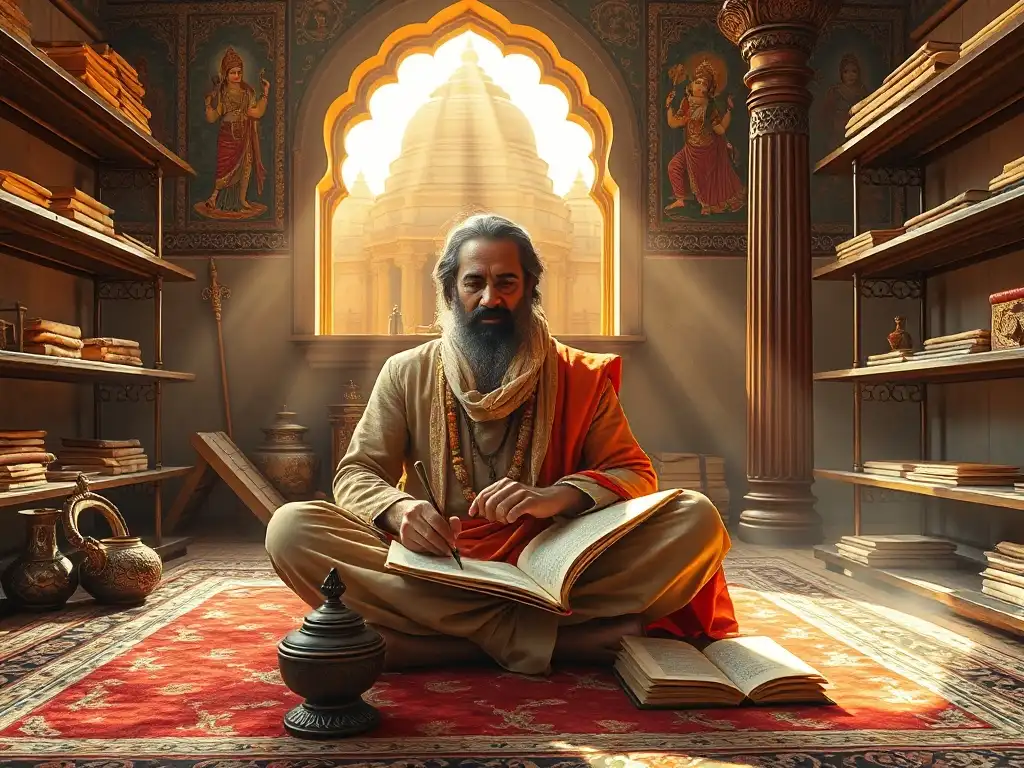
Welcome to Ancient India History, where we embark on an enlightening journey through the captivating tapestry of ancient Indian civilizations. Here, we delve into the profound influence of Sanskrit on Indian culture, exploring how this ancient language shaped the very foundations of art, philosophy, and society. In our featured article, "Language of the Gods: The Role of Sanskrit in Ancient Indian Culture," we invite you to uncover the secrets of a language that has transcended time and continues to resonate in modern India.
Are you ready to unlock the mysteries of a culture that has contributed so much to the world? Dive in and let your curiosity guide you!

Introduction to Sanskrit and Its Significance
Sanskrit, often referred to as the "Language of the Gods," holds a preeminent place in the tapestry of ancient Indian culture. As one of the oldest languages in the world, Sanskrit is not merely a means of communication but a rich repository of knowledge, philosophy, and spirituality that has shaped various aspects of Indian civilization.
From its roots in the sacred texts of the Vedas to its influence on modern languages and literature, Sanskrit's contributions to Indian culture are profound and far-reaching. This article delves into the Sanskrit influence on Indian culture, exploring its historical significance, its evolution, and its enduring legacy.
Overview of Sanskrit as a Classical Language
Sanskrit is classified as a classical language, distinguished by its extensive literary tradition and intricate grammatical structure. It is characterized by a highly systematic phonetic system and a rich vocabulary that allows for precise expression of ideas. The literary corpus of Sanskrit includes ancient scriptures, philosophical treatises, poetry, and drama, which reflect the philosophical depth and cultural richness of ancient Indian thought.
- Key Features of Sanskrit:
- Phonetics: Rigorous sound system with precise articulation.
- Grammar: Complex grammatical rules, including a system of declensions and conjugations.
- Literary Forms: Diverse genres, such as epics (Mahabharata, Ramayana), poetry (Sanskrit Kavya), and philosophical texts (Upanishads).
Importance of Sanskrit in Ancient Indian Culture
Sanskrit served as the lingua franca of intellectual discourse in ancient India, facilitating communication among scholars across various regions and cultures. Its role transcended mere language; it was a vehicle for transmitting spiritual and philosophical ideas.
- Cultural Significance:
- Religious Texts: The Vedas, Upanishads, and Puranas, which form the foundation of Hindu spirituality, were composed in Sanskrit.
- Philosophy and Science: Sanskrit texts contributed to fields such as astronomy, mathematics, medicine (Ayurveda), and linguistics.
- Art and Literature: The influence of Sanskrit extends to classical dance, music, and visual arts, which often draw upon themes from Sanskrit literature.
Historical Context of Sanskrit
To fully appreciate the influence of Sanskrit, it is essential to understand its historical context, including its origins and the evolution it underwent through centuries.
Origins of Sanskrit in Ancient India
The origins of Sanskrit can be traced back to the early Indo-Aryan period, around 1500 BCE. It emerged as a spoken language among the Indo-Aryan tribes, gradually developing into a sophisticated literary language. The earliest Sanskrit texts, the Vedas, were composed around this time, marking the beginning of a new cultural and linguistic era in ancient India.
- Key Highlights:
- Indo-Aryan Migration: The migration of Indo-Aryans into the Indian subcontinent led to the evolution of early Sanskrit.
- Vedic Literature: The composition of the Rigveda, among other texts, established Sanskrit as the sacred language.
Evolution of Sanskrit Through the Ages
As centuries passed, Sanskrit continued to evolve, adapting to the changing cultural and historical landscapes of India. The grammar of Sanskrit was codified by Panini in the 4th century BCE, further solidifying its status as a classical language. Over time, various dialects and regional languages emerged, influenced by Sanskrit, yet the classical form remained a vital part of religious and scholarly traditions.
- Stages of Evolution:
- Vedic Sanskrit: The language of the Vedas, characterized by its archaic grammar and vocabulary.
- Classical Sanskrit: The refined form that emerged post-Vedic period, standardized by grammarians like Panini.
- Modern Influence: Sanskrit's impact on contemporary languages, enriching the lexicon of Hindi, Bengali, and others.
Through this exploration of Sanskrit's historical context, we can better understand its profound and lasting influence on Indian culture and civilization. The legacy of Sanskrit not only endures in literature and religion but also in the very identity of India itself.
Sanskrit Influence on Indian Culture
Sanskrit, often referred to as the "Language of the Gods," holds a foundational role in shaping various aspects of Indian culture. Its profound influence extends beyond mere vocabulary and grammar; it permeates religious practices, literature, philosophy, and the very fabric of Indian identity. As the ancient medium of communication, Sanskrit has been instrumental in preserving and transmitting knowledge, culture, and traditions throughout Indian history. The continuous reverence for this language underscores its significance in the evolution of Indian civilization.
Role of Sanskrit in Religion and Spirituality
Sanskrit serves as the liturgical language for Hinduism, Buddhism, and Jainism, embodying the spiritual essence of these religions. Sacred texts such as the Vedas, Upanishads, and Bhagavad Gita, composed in Sanskrit, outline rituals, philosophies, and moral principles that guide millions. The chanting of mantras in Sanskrit during religious ceremonies is believed to invoke divine energies, connecting practitioners with the spiritual realm.
Moreover, many ritualistic practices and spiritual philosophies are conveyed through this ancient language, reinforcing its central role in religious life. The use of Sanskrit in temple architecture and sculptures also reflects its religious significance, as inscriptions often convey mantras, prayers, and the names of deities, thus integrating language with spirituality at a fundamental level.
Contribution of Sanskrit to Indian Literature
Sanskrit has a rich literary tradition that spans over thousands of years, contributing significantly to the cultural heritage of India. Classical works like the Mahabharata and Ramayana, along with numerous Puranas, provide not only epic narratives but also moral, ethical, and philosophical reflections that have shaped societal values.
In addition to epics, Sanskrit literature encompasses poetry, drama, and prose, showcasing the artistic expressions of ancient Indian thinkers and poets. Renowned authors like Kalidasa and Bhasa have left an indelible mark on Indian literature, and their works continue to be studied and performed today. The intricate use of meter, rhyme, and rhetoric in Sanskrit literature exemplifies the language's literary sophistication, influencing countless writers across generations.
Sanskrit’s Impact on Philosophy and Science
Sanskrit is not only a repository of religious texts but also a medium through which Indian philosophy and scientific thought have been articulated. Philosophers like Adi Shankaracharya and Gautama Buddha utilized Sanskrit to express complex ideas about existence, consciousness, and ethics, laying the groundwork for various philosophical schools.
In the realm of science, Sanskrit texts such as the Aryabhatiya and Siddhanta Shiromani document astronomical theories and mathematical concepts, illustrating the advanced understanding of science in ancient India. The precision of Sanskrit grammar, as codified by Panini, has also influenced linguistic studies and has been appreciated for its analytical rigor. This intersection of language, philosophy, and science highlights Sanskrit's multifaceted role in shaping intellectual thought in ancient India.
Linguistic Legacy of Sanskrit
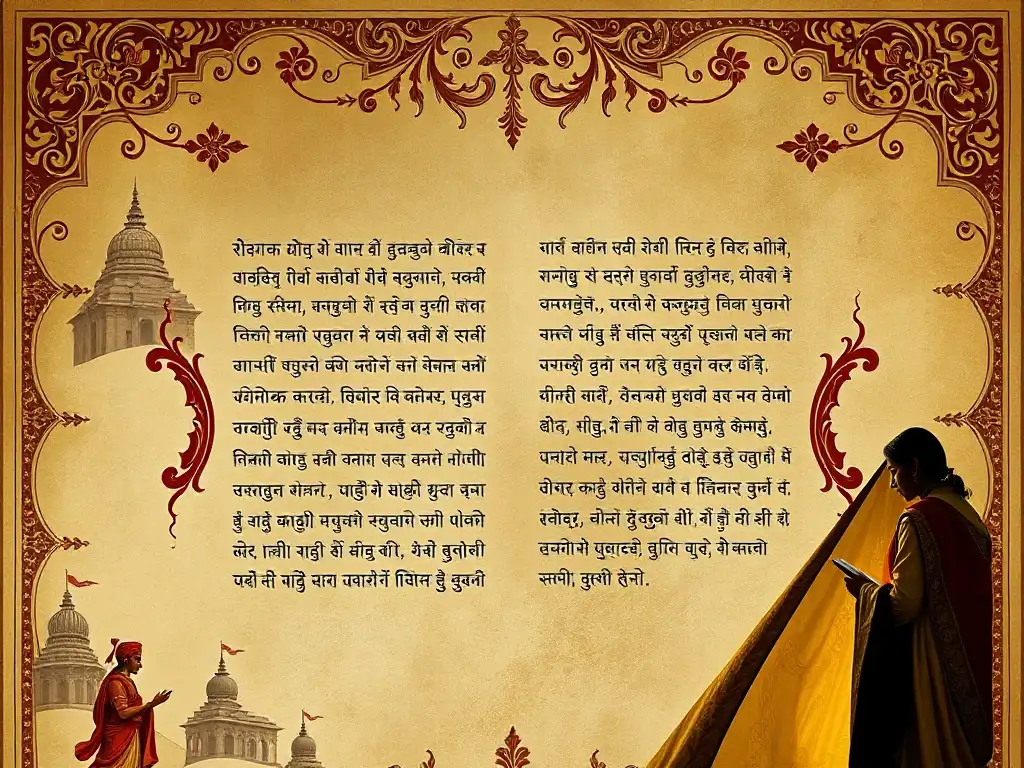
Sanskrit's influence extends beyond its own literary and religious contributions; it has significantly impacted the linguistic landscape of India. The language's structure and vocabulary have laid the foundation for many modern Indian languages, enriching the linguistic diversity of the subcontinent.
Sanskrit as the Mother of Many Indian Languages
Often regarded as the mother of many Indian languages, Sanskrit has given rise to several vernacular languages, particularly those in the Indo-Aryan family. Languages such as Hindi, Bengali, Marathi, and Punjabi, among others, have borrowed extensively from Sanskrit, incorporating its vocabulary and grammatical structures.
This linguistic lineage is evident in the shared lexicon across these languages, which often includes words derived from Sanskrit roots. Consequently, the cultural and literary traditions of these languages are deeply intertwined with Sanskrit, making it a pivotal element in understanding their development and evolution.
The Influence of Sanskrit on Regional Dialects
The regional dialects of India, while distinct, have also been shaped by Sanskrit through historical interactions and cultural exchanges. Many dialects exhibit Sanskrit influences in terms of vocabulary, idiomatic expressions, and phonetics.
For example, languages like Malayalam and Kannada have preserved a significant amount of Sanskrit vocabulary, reflecting their historical ties to the ancient language. This influence is not merely lexical; it also extends to literary forms and stylistic elements, showcasing the deep-rooted connections between Sanskrit and regional dialects. The adaptability and resilience of Sanskrit in influencing local languages demonstrate its enduring legacy within the Indian linguistic tapestry.
Preservation and Revival of Sanskrit
Sanskrit, often referred to as the "Language of the Gods," has a profound legacy in ancient Indian culture, influencing various aspects of literature, philosophy, and spirituality. Over the centuries, efforts have been made to preserve and revive this classical language, ensuring its relevance in contemporary society. This section explores the historical efforts to maintain Sanskrit's status and the modern movements aimed at revitalizing its use.
Historical Efforts to Preserve Sanskrit
Historically, the preservation of Sanskrit can be traced back to several key initiatives. After the decline of the ancient Indian empires, Sanskrit faced challenges due to the rise of regional languages. However, various scholars and monastic communities took it upon themselves to safeguard this linguistic heritage.
- The Role of Scholars: Renowned scholars like Panini, who codified the grammar of Sanskrit in his work "Ashtadhyayi," played a crucial role in documenting and preserving the language. His systematic approach laid the foundation for future generations to study and understand Sanskrit.
- Buddhist and Jain Texts: Important scriptures from Buddhist and Jain traditions, which were written in Sanskrit, also contributed to its endurance. Manuscripts such as the "Mahāyāna Sūtras" have been vital in keeping the language alive through philosophical discourse.
- Royal Patronage: Various kings and dynasties, including the Mauryas and Guptas, patronized scholars who composed texts in Sanskrit. This royal support not only fostered a rich literary environment but also emphasized the significance of Sanskrit in governance and administration.
Through these efforts, Sanskrit was able to retain its status as a scholarly and liturgical language for centuries, despite facing competition from vernacular languages.
Contemporary Movements for Sanskrit Revival
In the modern era, there has been a notable resurgence of interest in Sanskrit, spurred by cultural movements and educational initiatives.
- Educational Institutions: Many universities and colleges in India now offer specialized courses in Sanskrit, aiming to educate new generations about its literature, grammar, and philosophy. Institutions like the Rashtriya Sanskrit Sansthan have been pivotal in promoting Sanskrit education across the country.
- Cultural Organizations: Various cultural and religious organizations have launched campaigns and programs to promote the use of Sanskrit in daily life. For instance, events like "Sanskrit Week" encourage people to use the language through competitions, workshops, and public discourse.
- Digital Initiatives: The advent of technology has facilitated the creation of online platforms and resources dedicated to Sanskrit learning. Websites and mobile applications now offer courses, dictionaries, and literature, making it easier for individuals to engage with the language.
These contemporary movements underscore a collective effort to not only revive Sanskrit but also reintegrate it into the cultural mainstream of India.
Conclusion: The Lasting Influence of Sanskrit on Indian Culture
The influence of Sanskrit on Indian culture is profound and enduring, shaping the intellectual and spiritual landscape of the subcontinent. Its rich literary tradition and philosophical depth continue to resonate within various aspects of Indian society.
Reflection on Sanskrit’s Role in Shaping Indian Identity
Sanskrit has significantly contributed to the formation of Indian identity, serving as a unifying force amidst the diversity of languages and cultures.
- Cultural Heritage: The vast corpus of texts, including Vedas, Upanishads, and epics like the Mahabharata and Ramayana, not only reflect the ancient wisdom of India but also embody the ethos of its civilization. These texts have shaped religious practices, rituals, and moral values that are integral to Indian culture.
- Philosophical Contributions: The philosophical schools that emerged from Sanskrit literature, such as Vedanta and Samkhya, have profoundly influenced Indian thought and spirituality, fostering a sense of continuity and connection to the past.
This deep-rooted connection highlights Sanskrit's role not just as a language, but as a vital component of Indian heritage and identity.
Future Prospects of Sanskrit in Modern India
Looking ahead, the future of Sanskrit in modern India appears promising, albeit with challenges that need addressing.
- Integration into Education: The continued integration of Sanskrit into educational curricula at various levels can foster greater appreciation and understanding among young people. Efforts to make learning Sanskrit more interactive and relevant will be crucial.
- Global Awareness: With increasing interest in Indian spirituality and philosophy worldwide, there is potential for Sanskrit to gain recognition beyond India. Promoting its study in international universities could enhance its global presence.
- Cultural Relevance: As India navigates the complexities of modernization, maintaining the cultural relevance of Sanskrit will be essential. This can be achieved through its incorporation into contemporary art, literature, and media.
While the journey of Sanskrit preservation and revival continues, its intrinsic value in shaping Indian culture and identity remains undeniable, ensuring that it will always hold a special place in the hearts of those who cherish the rich legacy of ancient India.
- Introduction to Sanskrit and Its Significance
- Historical Context of Sanskrit
- Sanskrit Influence on Indian Culture
- Linguistic Legacy of Sanskrit
- Preservation and Revival of Sanskrit
- Conclusion: The Lasting Influence of Sanskrit on Indian Culture
Frequently Asked Questions
What is the significance of Sanskrit in ancient Indian culture?
Sanskrit is considered the "language of the Gods" and played a crucial role in literature, philosophy, and spirituality in ancient India, influencing various cultural aspects.
How did Sanskrit influence Indian literature?
Sanskrit served as the foundation for many classical texts, including epics like the Mahabharata and Ramayana, which shaped the moral and ethical fabric of Indian society.
In what ways did Sanskrit contribute to Indian philosophy?
Sanskrit enabled the expression of complex philosophical ideas, facilitating the development of various schools of thought, such as Vedanta and Nyaya, which are integral to Indian philosophy.
How has the influence of Sanskrit persisted in modern India?
The linguistic legacy of Sanskrit continues in many modern Indian languages, with a significant impact on vocabulary, grammar, and cultural expressions, showcasing its enduring relevance.
What role did Sanskrit play in ancient Indian education?
Sanskrit was the medium of instruction in ancient Indian universities, such as Nalanda and Takshashila, fostering the growth of knowledge in various disciplines, including science, mathematics, and arts.
Final Reflection: The Enduring Legacy of Sanskrit in Indian Culture
The profound influence of Sanskrit on Indian culture remains as relevant today as it was in ancient times. This classical language, often referred to as the "language of the gods," has shaped not only the spiritual and philosophical frameworks of India but has also permeated its art, literature, and social practices.
The intricate connections between Sanskrit and the cultural identity of India highlight the importance of preserving and understanding this linguistic heritage. As we navigate a rapidly changing world, the wisdom embedded in Sanskrit continues to resonate, reminding us of our roots and the timeless values that have guided generations.
Cultural narratives and social practices are deeply intertwined with the language that conveys them. The ongoing influence of Sanskrit can be observed in various aspects of contemporary Indian life, from rituals and festivals to the resurgence of interest in ancient texts. As we engage with these traditions, we find ourselves connected to a rich tapestry of history and philosophy that transcends time. Language is the road map of a culture. It tells you where its people come from and where they are going.
This quote encapsulates the essence of how Sanskrit serves as a vital link to our past and a guiding force for our future.
As we reflect on the lessons imparted by Sanskrit and its role in shaping Indian culture, I invite you to explore your own relationship with language and heritage. Consider how the values and philosophies embedded in ancient texts can inform your daily life and interactions.
Whether through learning Sanskrit, engaging with its literature, or simply appreciating its influence on modern culture, each of us has the opportunity to honor this legacy. Let us embrace the wisdom of the past as we forge our paths forward, ensuring that the language of the gods continues to inspire and guide us in our journey.
Unlock the Secrets of Sanskrit Today!
Thank you for diving into the rich tapestry of Sanskrit and its profound impact on ancient Indian culture. Your curiosity opens the door to understanding a language that has shaped philosophies, arts, and sciences through the centuries.
Now, take the next step to deepen your connection with this fascinating subject:
- Explore a Sanskrit text or mantra—spend a few moments reciting a simple verse and notice how it resonates with you.
- Share your newfound insights with friends or in online communities! Discuss how the heritage of Sanskrit influences modern culture and language.
- Join a local workshop or online course focused on learning the basics of Sanskrit—experience firsthand its beauty and intricacies.
What aspect of Sanskrit or ancient Indian culture intrigues you the most, and how do you see it influencing today’s world? Let's spark a conversation!