
Prakrit: The Language of the Common People in Ancient India

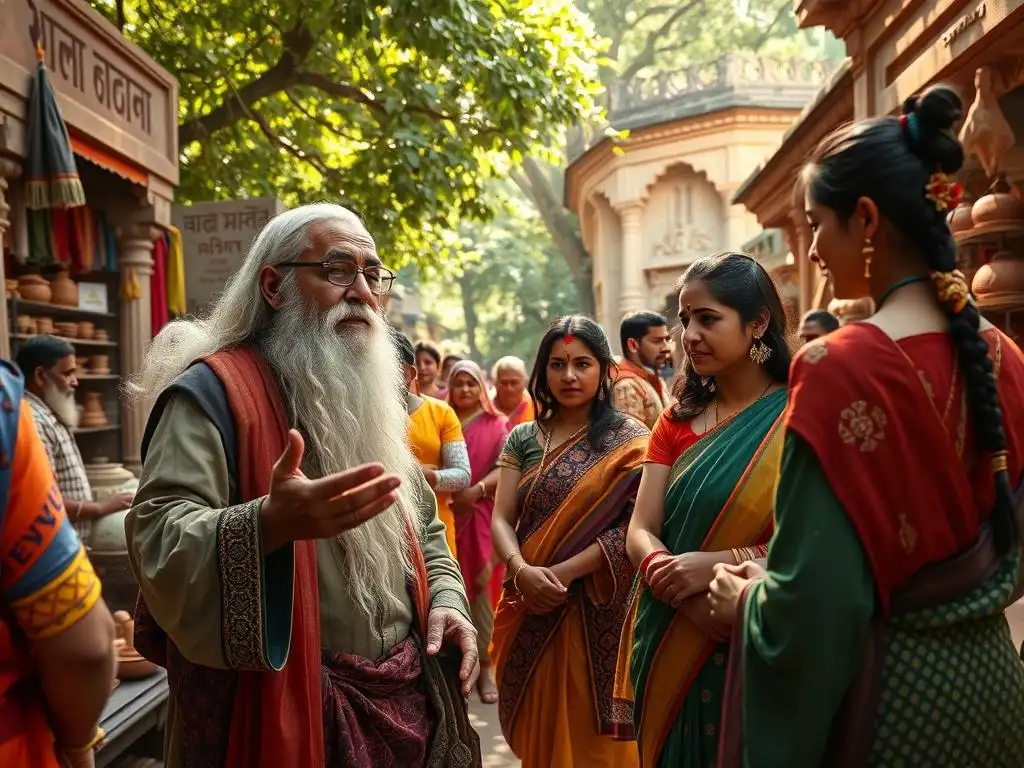
Welcome to Ancient India History, where we embark on a fascinating journey through the rich tapestry of India's past. In this exploration, we delve into the Prakrit language in ancient India, a medium that gave voice to the common people and shaped the cultural landscape of the time. What secrets does this language hold about the daily lives, thoughts, and artistic expressions of ancient civilizations?
Join us as we unravel the story of Prakrit and discover its pivotal role in bridging the gap between the elite and the masses in an era filled with remarkable achievements and profound insights. Dive in to learn more about this intriguing aspect of our shared heritage!
- Introduction to Prakrit Language in Ancient India
- Origins of the Prakrit Language
- Characteristics of Prakrit Language
- Prakrit in Literature and Communication
- Cultural Significance of Prakrit Language
- Decline of Prakrit Language
- Conclusion: The Legacy of the Prakrit Language in Ancient India
- Frequently Asked Questions
- Final Reflection: The Enduring Legacy of Prakrit Language in Ancient India
- Embrace the Richness of Prakrit Today!
Introduction to Prakrit Language in Ancient India
The Prakrit language holds a significant place in the tapestry of ancient Indian history, serving as a bridge between the elite literary traditions and the everyday lives of the common people. Emerging around the 6th century BCE, Prakrit is not just a singular language; rather, it encompasses a variety of vernacular dialects that were spoken across different regions of India.
This linguistic diversity reflects the rich cultural and social fabric of ancient Indian society, marking a departure from the more formalized and classical Sanskrit. Understanding the Prakrit language is crucial for grasping the nuances of historical texts, literature, and inscriptions that shape our knowledge of ancient Indian civilizations.
In this article, we will explore the Prakrit language in ancient India, delving into its historical significance, societal impact, and the role it played in the evolution of Indian languages and scripts. By examining the intricacies of Prakrit, we aim to highlight its contributions to the cultural and linguistic heritage of India.
Overview of Prakrit as a Historical Language
Prakrit is often characterized as the language of the masses, contrasting sharply with the scholarly Sanskrit, which was primarily reserved for religious and literary texts. The term "Prakrit" itself is derived from the Sanskrit word "Prakṛta," meaning "natural" or "original," indicating its organic development as a spoken language.
- Historical Context:
- Prakrit began to flourish during the rise of several regional kingdoms in ancient India, particularly during the Maurya Empire (322–185 BCE) and later in the Gupta Empire (c. 320–550 CE).
- The language was used in various forms of literature, including dramas, poetry, and prose, showcasing the vibrancy of everyday life and the socio-political context of the time.
- Dialects of Prakrit:
- Prakrit encompasses several dialects such as Ardhamagadhi, Maharashtri, and Shauraseni. These dialects were spoken in various regions and served different purposes in literature and communication.
- Each dialect had its unique characteristics and was used by different communities, reflecting the linguistic diversity of ancient India.
- Literary Contributions:
- Prominent texts in Prakrit include Jain scriptures and the works of playwrights like Bhasa and Kalidasa, who utilized Prakrit to make their characters relatable to the common people.
- The use of Prakrit in literature allowed for a broader audience and facilitated the transmission of cultural narratives across different strata of society.
Importance of Prakrit in Ancient Indian Society
The significance of Prakrit extends beyond its role as a spoken language; it was a crucial component of social identity and cultural expression in ancient India.
- Cultural Accessibility:
- Prakrit served as a means of communication among the common people, allowing them to engage with cultural narratives, religious teachings, and social philosophies that were otherwise inaccessible in Sanskrit.
- This accessibility helped foster a sense of community and continuity among diverse populations.
- Religious Influence:
- The Jain and Buddhist traditions made extensive use of Prakrit in their teachings, promoting the language as a vehicle for spiritual discourse and ethical living.
- Texts such as the Pali Canon, which is closely related to Prakrit, illustrate the importance of these languages in disseminating religious thought and philosophy.
- Language Evolution:
- The influence of Prakrit is evident in the evolution of many modern Indian languages, including Hindi, Marathi, and Gujarati.
- Its role as a precursor to these languages highlights its lasting legacy in shaping linguistic development in India.
The Prakrit language in ancient India not only reflects the linguistic diversity of the time but also underscores its importance in the cultural, religious, and social landscapes of ancient Indian civilization. Through a deeper understanding of Prakrit, we gain insights into the everyday lives of the people, their beliefs, and their contributions to the rich historical narrative of India.
Origins of the Prakrit Language
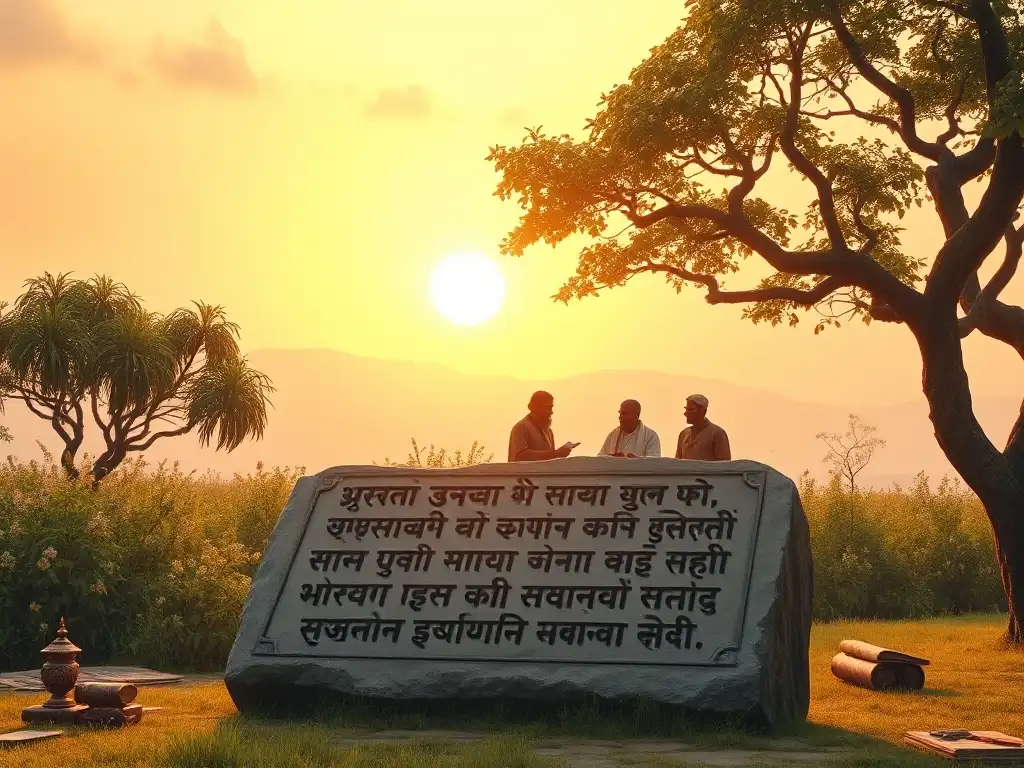
The Prakrit language, often referred to as the vernacular language of ancient India, has its roots deeply embedded in the socio-cultural fabric of the time. Emerging around the 6th century BCE, Prakrit served as the common tongue for the masses, contrasting with the more scholarly and religious usage of Sanskrit. It is essential to understand how Prakrit developed in the context of ancient Indian society, and its significance as a medium of communication and expression for the common people.
Historical Context of Prakrit in Ancient India
Prakrit arose during a period marked by significant social and political changes in ancient India. The rise of urban centers and the growth of trade led to a more diverse population, necessitating a language that could be easily understood by people from varying backgrounds. The use of Sanskrit was largely confined to the elites, priests, and scholars, creating a linguistic divide.
- Regional Variants: Prakrit is not a monolithic language; it encompasses several regional dialects that reflect the geographical and cultural diversity of ancient India. Some notable variants include:
- Ardha Magadhi: Predominantly used in the eastern regions.
- Shauraseni: Common in the western parts, particularly around Mathura.
- Maharashtri: Spoken in the western regions, particularly in modern-day Maharashtra.
- Literary Contributions: The Prakrit language became an essential vehicle for literature, particularly in the form of plays, poetry, and prose. Notable works include the Natyashastra by Bharata Muni, which utilized Prakrit for dialogue and character representation, allowing for a richer and more relatable narrative.
- Religious Texts: The Jain and Buddhist traditions adopted Prakrit to convey their teachings to the masses. The Jain Agamas and Buddhist scriptures often employed Prakrit, making religious texts accessible to a broader audience.
Evolution of Prakrit from Sanskrit and Other Languages
The evolution of the Prakrit language is closely tied to its relationship with Sanskrit and other contemporary languages. While Prakrit shares many linguistic features with Sanskrit, it transformed significantly to adapt to the vernacular needs of the people.
- Linguistic Features:
- Simplification: Prakrit simplified many complex grammatical structures found in Sanskrit, making it easier to learn and use. For example, the case system in Prakrit is less intricate, allowing for a more straightforward expression of ideas.
- Phonetic Changes: Prakrit underwent notable phonetic changes, reflecting the spoken language of the time. For instance, the transformation of sounds from Sanskrit to Prakrit can be seen in the conversion of s to h and the dropping of certain final consonants.
- Cultural Exchange: The interaction between different linguistic communities and cultures in ancient India fostered the evolution of Prakrit. This exchange is evident in the incorporation of vocabulary and expressions from regional languages and dialects, enriching Prakrit further.
- Decline and Legacy: While Prakrit saw a decline with the resurgence of Sanskrit in later periods, its legacy endures in modern languages like Hindi, Marathi, and Gujarati. The influence of Prakrit can also be observed in the development of various dialects across India, showcasing its importance in the linguistic evolution of the region.
The Prakrit language in ancient India is a testament to the rich and diverse linguistic heritage of the subcontinent. Its origins, shaped by historical contexts and cultural exchanges, highlight its role as the voice of the common people, bridging the gap between the elite and the masses.
Characteristics of Prakrit Language
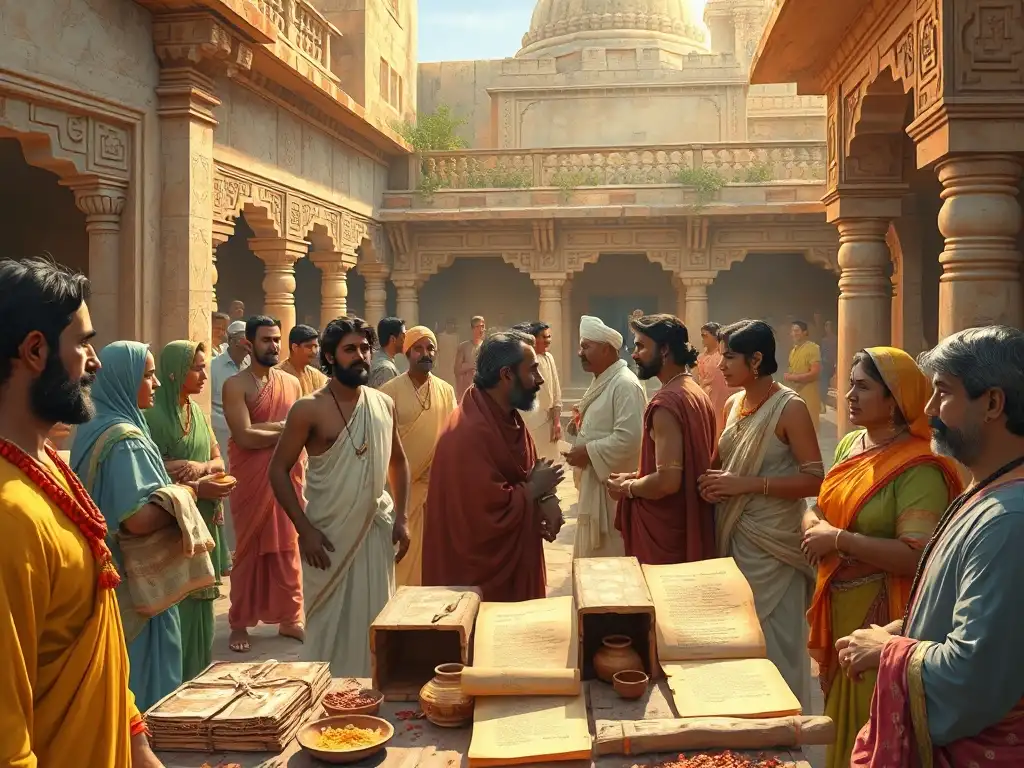
The Prakrit language, often regarded as the vernacular counterpart to the more formal Sanskrit, played a crucial role in ancient Indian society. It is a collection of Middle Indo-Aryan languages that emerged around the 3rd century BCE and was predominantly spoken by the common people.
Phonetic Features of Prakrit
Prakrit is notable for its distinct phonetic characteristics, which set it apart from Sanskrit. Here are some key features:
- Vowel System: Prakrit languages typically contain a simpler vowel system compared to Sanskrit. For example, the presence of short and long vowels is less rigidly distinguished.
- Consonantal Reductions: In Prakrit, certain consonantal clusters found in Sanskrit are often simplified. For instance, the Sanskrit word "kṣa" (क्ष) may be pronounced as "kha" (ख).
- Assimilation: Prakrit demonstrates a significant degree of assimilation, where adjacent sounds influence each other, making pronunciation smoother and more fluid.
- Intonation and Stress: Unlike the fixed stress patterns in Sanskrit, Prakrit exhibits a more variable intonation, often reflecting regional accents and dialects.
These phonetic features made Prakrit more accessible to the average person, facilitating its use in daily communication, literature, and religious texts.
Grammatical Structure of Prakrit
The grammar of Prakrit is characterized by its simplicity compared to Sanskrit. Some notable aspects include:
- Simplified Morphology: Prakrit typically employs fewer grammatical endings than its Sanskrit counterpart. This reduction makes it easier for speakers to conjugate verbs and decline nouns.
- Word Order: While Sanskrit often follows a Subject-Object-Verb (SOV) order, Prakrit allows for more flexibility in sentence construction. This flexibility can lead to varied word order, which can convey nuances in meaning.
- Pronouns and Articles: Prakrit uses a more straightforward approach to pronouns, often omitting them when the subject is clear from context. Additionally, it lacks the complex system of articles found in many modern languages.
- Tense and Aspect: Prakrit employs a less intricate system for expressing tense and aspect. While tense distinctions exist, they are often indicated through context rather than strict grammatical rules.
These grammatical characteristics contributed to the widespread adoption of Prakrit in various forms of literature, including poetry, drama, and religious texts.
Dialects of Prakrit: An Overview
Prakrit encompasses several dialects that evolved over time and across regions. Each dialect reflects the unique cultural and linguistic influences of its area. Key dialects include:
- Ardhamagadhi: Primarily associated with Jain texts, Ardhamagadhi was spoken in regions of modern-day Rajasthan and Gujarat. It significantly influenced the development of Jain literature.
- Maharashtri: This dialect flourished in the western regions of India, particularly Maharashtra. It is known for its melodic qualities and was utilized in various forms of poetry and drama.
- Shauraseni: Spoken in the region around present-day Uttar Pradesh, Shauraseni served as a literary language for many playwrights, including the renowned Kalidasa.
- Magadhi: Originating from the ancient kingdom of Magadha, this dialect is crucial in understanding the linguistic transition from Prakrit to the modern languages of India.
The diversity of Prakrit dialects illustrates the rich tapestry of linguistic development in ancient India, reflecting the cultural and social dynamics of the time.
The Prakrit language in ancient India was a vital medium of communication that bridged the gap between the elite and the common people. Its phonetic simplicity, grammatical accessibility, and regional dialects played a significant role in shaping the literary and cultural landscape of ancient Indian civilization.
Prakrit in Literature and Communication
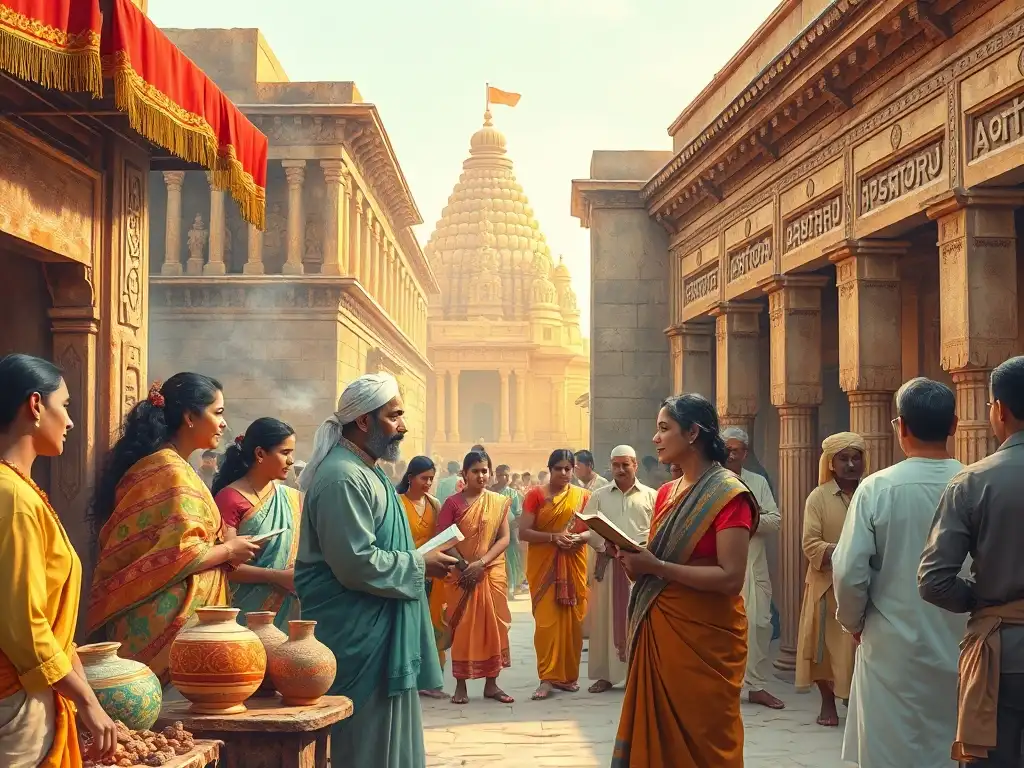
Prakrit language in ancient India played a crucial role in the literary landscape, serving as a medium for expressing diverse thoughts, emotions, and cultural narratives. This vernacular language was primarily spoken by the common people, which allowed it to flourish in various literary forms, including poetry, drama, and prose.
Some of the key texts in Prakrit literature include:
- Panchatantra: A famed collection of fables that imparts moral lessons through engaging stories, originally composed in Sanskrit but later translated into Prakrit.
- Ashvaghosha's "Buddhacharita": Although primarily in Sanskrit, portions are believed to be influenced by Prakrit, showcasing the intertwining of the two languages.
- "Gatha Saptashati": A significant anthology of verses attributed to the poet Hala, consisting of 700 verses that reflect the social and cultural milieu of the time.
Notable authors who contributed to Prakrit literature include:
- Kalidasa: While primarily known for his works in Sanskrit, his influence on Prakrit poetry is evident in the themes and styles he employed.
- Bhasa: A playwright whose works, like "Svapnavasavadatta," are written in a mix of Sanskrit and Prakrit, highlighting the language's dramatic potential.
These texts not only reflect the linguistic richness of Prakrit but also provide insight into the societal values and cultural practices of ancient Indian civilizations.
Role of Prakrit in Everyday Communication among Common People
The Prakrit language served as a vital means of communication among the common people in ancient India. Unlike Sanskrit, which was predominantly the language of the elite and scholarly circles, Prakrit was accessible to a broader demographic, facilitating everyday interactions.
Key characteristics of Prakrit's role in communication include:
- Vernacular Nature: Prakrit was characterized by its simplicity and relatability, making it an ideal medium for expressing the daily lives, experiences, and emotions of the masses.
- Regional Variations: Different dialects of Prakrit emerged across various regions, reflecting local cultures and traditions. This diversity enriched the language and allowed it to resonate with distinct communities.
- Cultural Transmission: Prakrit facilitated the transmission of oral traditions, folklore, and local narratives, preserving the cultural heritage of various groups within ancient India.
The widespread use of Prakrit in communication underscores its significance as a unifying force among the diverse populations of ancient India, fostering a sense of community and shared identity.
Influence of Prakrit on Other Languages in Ancient India
The impact of the Prakrit language in ancient India extends beyond its immediate use; it played a pivotal role in shaping other languages that emerged in the region. Its influence can be observed in several ways:
- Language Evolution: As a vernacular language, Prakrit served as a foundation for the development of several modern Indian languages, such as Hindi, Marathi, and Gujarati. Its phonetic and grammatical features can still be traced in these languages today.
- Literary Styles: The narrative techniques, themes, and poetic forms found in Prakrit literature influenced the evolution of literary styles in contemporary languages. The storytelling methods employed in Prakrit texts often set the stage for subsequent literary movements.
- Cultural Exchange: Prakrit acted as a bridge between Sanskrit and regional languages, facilitating cultural exchange and interaction among different linguistic communities. This exchange enriched the lexicon and stylistic approaches of emerging languages.
The Prakrit language in ancient India not only served the communicative needs of the common people but also left a lasting legacy that shaped the linguistic and literary landscape of the subcontinent. Its contributions to literature, everyday communication, and linguistic evolution underscore its significance in the tapestry of ancient Indian civilization.
Cultural Significance of Prakrit Language
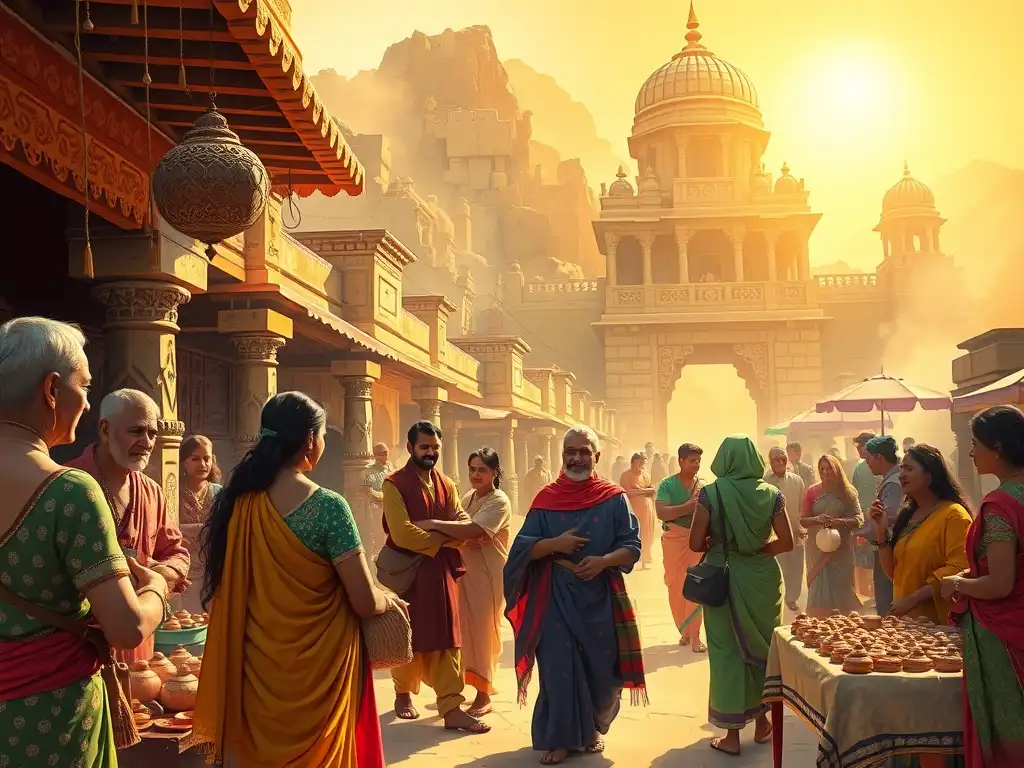
The Prakrit language in ancient India holds a profound cultural significance, acting as a bridge between the elite Sanskrit language and the vernacular languages spoken by the common people. Emerging around the 6th century BCE, Prakrit was not merely a linguistic medium; it was a vehicle through which the cultural, social, and religious narratives of ancient Indian societies were conveyed.
Prakrit served as a means of communication that made literature, philosophy, and religious teachings more accessible to the masses. This democratization of language allowed for the flourishing of various forms of artistic expression, including poetry, drama, and storytelling. The use of Prakrit in everyday life reflects the cultural ethos of ancient India, where regional dialects were celebrated and local identities were formed.
Prakrit in Religious Texts and Practices
Prakrit played a pivotal role in the religious landscape of ancient India, particularly within Buddhism and Jainism.
- Buddhism: The Pali Canon, an important collection of scriptures in the Theravada Buddhist tradition, is essentially a form of Prakrit. It contains the teachings of the Buddha, making them accessible to followers who may not have been proficient in Sanskrit. The use of Prakrit in these texts helped spread Buddhist philosophy across the Indian subcontinent and beyond, as it resonated with the common populace.
- Jainism: Jain texts, such as the Tattvartha Sutra, were also composed in Prakrit. The language's simplicity and clarity allowed for intricate philosophical concepts to be expressed in a manner that was understandable to the layperson.
- Ritual Practices: In addition to textual usage, Prakrit was employed in various religious rituals and chants, facilitating a deeper connection between the practitioners and their spiritual beliefs. The incorporation of Prakrit into religious practices illustrates its integral role in shaping the spiritual life of ancient Indian communities.
The prominence of Prakrit in these religious contexts highlights its importance as a language of devotion and philosophical inquiry, fostering inclusivity and engagement among diverse social strata.
Impact of Prakrit on Art and Culture in Ancient India
The influence of the Prakrit language in ancient India extended beyond religious texts into the realms of art and culture, significantly shaping the creative landscape of the time.
- Literature: Prakrit was the medium for many literary works, including plays and poetry. Notable playwrights like Kalidasa and Bhasa employed Prakrit in their dramas, showcasing its versatility and emotional depth. The use of Prakrit in literature enabled the expression of everyday experiences and emotions, making these works relatable to a broader audience.
- Folk Traditions: The oral traditions of ancient India heavily featured Prakrit, with folk tales, songs, and proverbs being passed down through generations. This oral literature preserved local dialects and cultural nuances, enriching the cultural tapestry of ancient societies.
- Visual Arts: The influence of Prakrit can also be seen in ancient Indian visual arts. Inscriptions in Prakrit found on sculptures and monuments indicate that the language was used to convey messages and stories that complemented the visual narratives. For instance, the Ashoka Edicts, inscribed in various Prakrit scripts, reflect the emperor's commitment to spreading Buddhist principles through art and architecture.
- Cultural Identity: The adoption of Prakrit by different regions and communities contributed to a sense of cultural identity and pride. It fostered local dialects and variations, leading to the rich linguistic diversity that characterizes India today.
The Prakrit language in ancient India was a significant cultural force, facilitating religious expression, artistic innovation, and social cohesion. Its impact on literature, rituals, and everyday communication underscores its vital role in shaping the cultural heritage of ancient Indian civilizations.
Decline of Prakrit Language
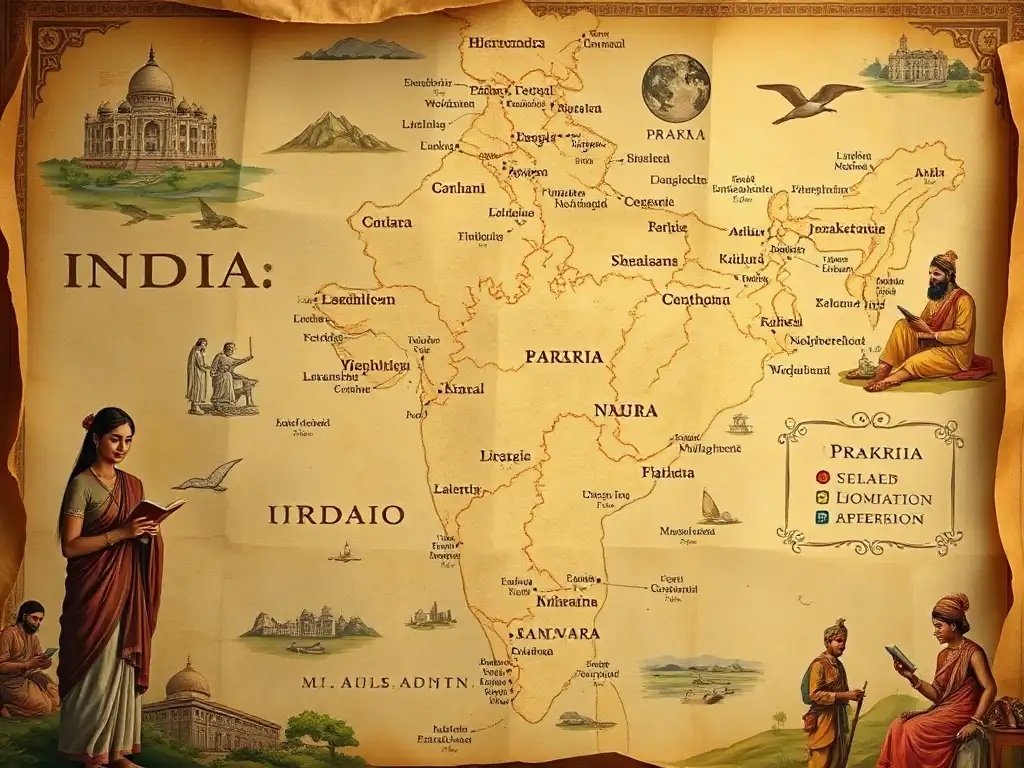
The Prakrit language, once the vibrant mode of expression for the common people of ancient India, experienced a gradual decline that marked a significant shift in the linguistic landscape of the region. Understanding this decline involves examining the various factors that contributed to its diminishing use and the subsequent rise of other languages.
Factors Leading to the Decline of Prakrit in Ancient India
Several interrelated factors contributed to the decline of the Prakrit language:
-
Sanskritization:
The process of Sanskritization, whereby non-Sanskrit languages and dialects adopted features of Sanskrit, significantly impacted Prakrit. As Sanskrit gained prestige, particularly among the educated and elite classes, Prakrit began to be viewed as less refined.
-
Political Changes:
The rise of various empires in ancient India, such as the Maurya and Gupta Empires, further marginalized Prakrit. With the establishment of these empires, administrative and literary discourse increasingly relied on Sanskrit, which was perceived as the language of governance and scholarship.
-
Cultural Shifts:
The cultural shifts during the early centuries CE, including the patronage of Sanskrit literature and philosophy, led to a decline in the production of literature in Prakrit. This shift diminished the language’s presence in literary and intellectual circles.
-
Religious Influences:
The influence of major religions, particularly Hinduism and Buddhism, played a crucial role. While Prakrit was used in Buddhist texts, the rise of Pali as the language of Theravada Buddhism marginalized Prakrit further. In Hinduism, the revival of Sanskrit texts and the prominence of Sanskrit in rituals contributed to this decline.
-
Social Dynamics:
The social dynamics of the time also favored the spread of Sanskrit and regional languages. As different regions developed their own dialects and languages influenced by Sanskrit, Prakrit was gradually replaced in everyday communication.
Transition to Other Languages: The Rise of Sanskrit and Regional Languages
As Prakrit receded, the stage was set for the rise of both Sanskrit and various regional languages:
-
Sanskrit:
Sanskrit solidified its role as the language of the elite, philosophy, and classical literature. Its formal structure and rich vocabulary made it suitable for scholarly pursuits and religious texts. The revival of Sanskrit literature, particularly during the Gupta period, ensured its dominance in literary and intellectual circles.
-
Regional Languages:
As the influence of regional kingdoms expanded, local dialects began to flourish. These languages emerged as vernaculars among the common people, often influenced by both Prakrit and Sanskrit. For example, languages such as Gujarati, Marathi, and Bengali began to develop unique identities, drawing from the linguistic heritage of Prakrit while also incorporating elements of Sanskrit.
-
Impact on Literature:
The transition from Prakrit to these languages marked a significant shift in literary production. While Prakrit literature was rich in folk narratives and dramas, the new regional languages began to produce their own forms of poetry, prose, and religious texts, reflecting the diverse cultural tapestry of ancient India.
The decline of the Prakrit language in ancient India was influenced by a complex interplay of social, political, and cultural factors, leading to the rise of Sanskrit and regional languages that shaped the linguistic heritage of the subcontinent. Understanding this transition is essential for appreciating the evolution of languages and their impact on Indian civilization.
Conclusion: The Legacy of the Prakrit Language in Ancient India
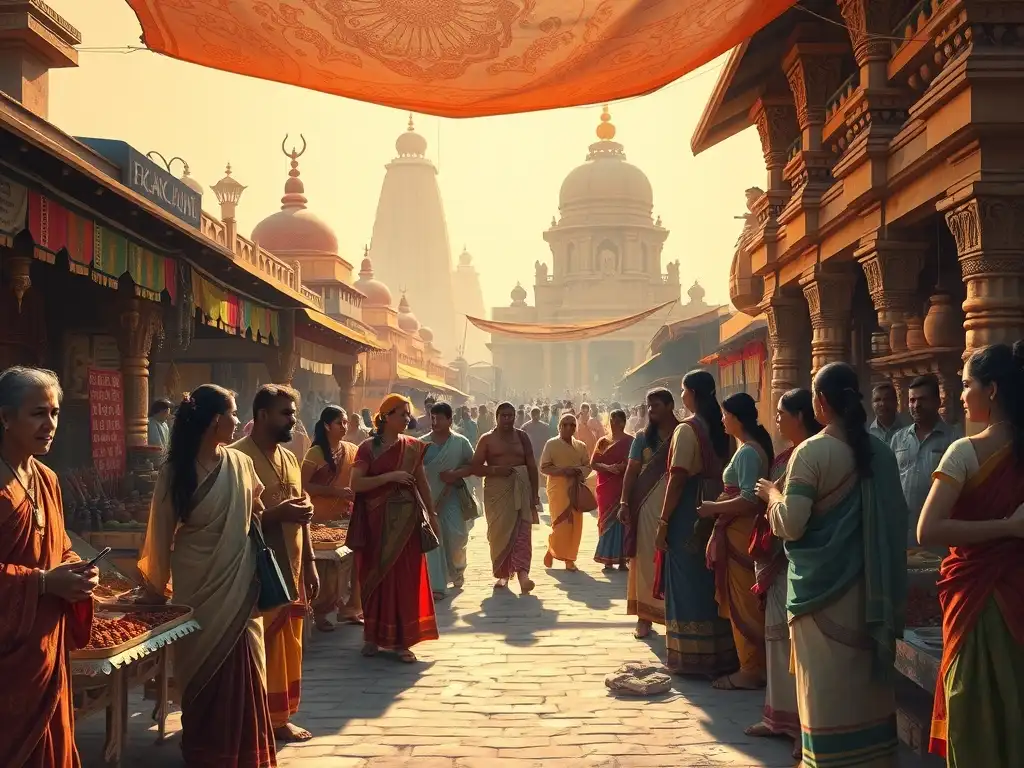
The Prakrit language holds a significant place in the tapestry of ancient Indian history, serving as a bridge between the elite Sanskrit and the vernacular spoken by the common people. Its evolution and usage reveal much about the social dynamics, cultural exchanges, and literary developments of the time. As we conclude our exploration of Prakrit, it's essential to reflect on its contributions and consider the future directions for research in this fascinating field.
Reflection on Prakrit’s Contribution to Indian Linguistic Heritage
Prakrit languages, which flourished alongside Sanskrit, played a crucial role in the linguistic diversity of ancient India. They were not merely dialects but a rich collection of languages that reflected the day-to-day life, culture, and beliefs of the masses. Some key contributions include:
- Accessibility of Literature: Prakrit was the language of numerous literary works, including plays, poetry, and philosophical texts. Notably, texts such as the Ashtavakra Gita and Prakrit plays by Bhasa made profound philosophical ideas accessible to a broader audience.
- Cultural Expression: Through Prakrit, various regional dialects emerged, allowing local traditions, folklore, and oral histories to be preserved. This cultural expression laid the foundation for a diverse linguistic landscape that continues to influence modern languages in India.
- Influence on Modern Languages: The structure and vocabulary of modern Indian languages can be traced back to Prakrit. Languages such as Hindi, Gujarati, and Marathi exhibit significant Prakrit influence, showcasing its lasting impact on the Indian linguistic heritage.
- Philosophical and Religious Texts: Prakrit was also employed in the composition of important Jain and Buddhist texts, which played a critical role in the spread of these religions. The use of Prakrit in such contexts facilitated broader comprehension and adherence among the populace.
Future Research Directions on Prakrit Language in Ancient India
The study of the Prakrit language in ancient India is still relatively nascent, and several avenues remain unexplored. Future research directions could include:
- Comparative Linguistic Studies: Analyzing the relationship between Prakrit and contemporary languages can yield insights into the evolution of regional dialects. Comparative studies may also shed light on the linguistic features unique to Prakrit.
- Archaeological Correlations: Investigating archaeological findings, such as inscriptions and artifacts, where Prakrit was used can provide context to its historical significance and socio-cultural implications.
- Digital Humanities: Utilizing technology to document and analyze Prakrit texts could revolutionize our understanding. Digital archives and tools for analyzing linguistic patterns can help preserve endangered texts and promote wider accessibility.
- Cultural and Social Contexts: Researching the socio-political contexts in which Prakrit was spoken, including its role in trade, governance, and community life, could enrich our understanding of ancient Indian society.
- Interdisciplinary Approaches: Collaborations between linguists, historians, archaeologists, and cultural scholars can foster a holistic understanding of Prakrit's role in ancient India. Such interdisciplinary studies may result in more comprehensive narratives about its significance.
The legacy of the Prakrit language in ancient India is profound and multifaceted. As we reflect on its contributions and explore future research directions, it becomes evident that Prakrit is not just a historical artifact but a vital part of the linguistic and cultural identity of India. The exploration of this language opens doors to deeper understanding and appreciation of ancient Indian civilization, inviting scholars and enthusiasts alike to delve into its rich heritage.
Frequently Asked Questions
What is the Prakrit language?
Prakrit was a group of Middle Indo-Aryan languages used in ancient India, primarily by the common people. It served as a contrast to Sanskrit, which was used by the elite and in religious texts.
How did Prakrit influence literature in ancient India?
Prakrit played a significant role in literature, especially in the drama and poetry of ancient India. Many classical texts, including plays by Kalidasa, were written in Prakrit to reach a broader audience.
What are the main dialects of Prakrit?
There are several dialects of Prakrit, including Magadhi, Ardhamagadhi, and Shauraseni. Each dialect was associated with different regions and communities, reflecting the linguistic diversity of ancient India.
How did Prakrit coexist with Sanskrit?
Prakrit and Sanskrit often coexisted, with Sanskrit being the language of the elite and religious texts, while Prakrit represented the vernacular of the common people, facilitating communication across different social strata.
What contributions did Prakrit make to modern languages?
Prakrit has significantly contributed to the development of several modern languages in India, particularly Hindi, Bengali, and Gujarati. Many words and grammatical structures in these languages can be traced back to Prakrit origins.
Final Reflection: The Enduring Legacy of Prakrit Language in Ancient India
The Prakrit language in ancient India serves as a profound reminder of the voices of the common people, emphasizing the importance of accessibility in communication and culture. In a world increasingly dominated by elite languages and dialects, the relevance of Prakrit resonates today as we strive for inclusivity and representation in our own societies. The acknowledgment of Prakrit as a vehicle for the thoughts, beliefs, and stories of the masses is a striking testament to the power of language in shaping identity and community.
The influence of the Prakrit language extends beyond its historical context, continuing to shape our understanding of cultural and social dynamics. As we explore the rich tapestry of ancient Indian literature and philosophy, we find that Prakrit was not merely a means of communication but a bridge connecting diverse communities. This connection reminds us of the importance of embracing our roots and recognizing the voices that have shaped our heritage. Language is the road map of a culture. It tells you where its people come from and where they are going.
– Rita Mae Brown.
As we reflect on the lessons from the Prakrit language, let us consider how we can apply its principles of inclusivity and representation in our lives today. Take a moment to reflect on the languages and dialects that surround you, and think about how you can uplift and honor the voices of those who may be overlooked. By embracing the spirit of Prakrit, we can foster a more inclusive society that values the contributions of all individuals, paving the way for a future where every voice is heard and celebrated.
Embrace the Richness of Prakrit Today!
Thank you for exploring the fascinating world of Prakrit—the language that captured the essence of everyday life in ancient India. We hope you’ve gained insight into its significance and the vibrant stories it carries. Now, let’s take your newfound knowledge to the next level!
Here are some steps you can take to deepen your engagement with Prakrit:
- Dive Deeper: Explore various online resources and local libraries to find texts or scholarly articles written in or about Prakrit. This journey can reveal more about the culture and history intertwined with the language.
- Join a Community: Connect with forums or groups that celebrate ancient languages. Engaging with like-minded individuals can enhance your understanding and appreciation of Prakrit.
- Share the Knowledge: Discuss your findings with friends or on social media! Start conversations about the impact of everyday languages in ancient societies to inspire others.
How does understanding a language like Prakrit reshape your perspective on historical narratives?