
The Influence of Ancient Indian Languages on Modern Linguistics

Welcome to Ancient India History, where we embark on a captivating journey through time to uncover the rich tapestry of India's ancient civilizations. From the sophisticated urban centers of the Indus Valley to the intellectual achievements of the Gupta Empire, this site reveals the profound influence these cultures have had on the world.
In our featured article, we delve into the intriguing impact of ancient Indian languages on modern linguistics, exploring how the echoes of these ancient tongues continue to shape contemporary languages. Prepare to ignite your curiosity and deepen your understanding as you explore the remarkable legacy of ancient India!

Introduction to Ancient Indian Languages Influence
The influence of ancient Indian languages on modern linguistics is profound and multifaceted, encompassing a rich tapestry of linguistic development that dates back thousands of years. Ancient Indian languages, especially Sanskrit, Prakrit, and Pali, have not only shaped the linguistic landscape of the Indian subcontinent but have also made significant contributions to the evolution of languages across Asia and beyond.
Understanding the intricacies of these languages allows us to appreciate their impact on modern linguistic theories, phonetics, and the formation of grammatical structures. As we delve into this topic, we will explore how ancient Indian languages have influenced contemporary linguistic practices and the study of language itself.
Overview of Ancient Indian Languages
Ancient Indian languages represent a critical aspect of the cultural and intellectual heritage of India. The primary languages include:
- Sanskrit: Often regarded as the mother of many modern Indian languages, Sanskrit is a classical language that has played a pivotal role in the religious, philosophical, and literary traditions of India.
- Prakrit: A group of Middle Indo-Aryan languages that emerged from Sanskrit, Prakrit served as the vernacular of the people and was used in various forms of literature and drama.
- Pali: Closely related to Prakrit, Pali is notable for its use in the scriptures of Theravada Buddhism and has significantly influenced the linguistic landscape in Southeast Asia.
The interrelationships among these languages have led to a diverse linguistic heritage, reflecting the social, religious, and cultural dynamics of ancient Indian civilizations.
Significance of Ancient Indian Languages in Linguistics
The significance of ancient Indian languages in the field of linguistics cannot be overstated. Key contributions include:
- Grammatical Frameworks: The grammatical work of Panini on Sanskrit introduced systematic rules and frameworks that laid the groundwork for modern linguistic analysis.
- Phonetics and Phonology: Ancient texts on phonetics provide insights into the sound systems of languages, influencing contemporary studies in phonology.
- Influence on Other Languages: The spread of ancient Indian languages has played a vital role in shaping various languages across Asia, including Tibetan, Burmese, and even some influences in Western languages.
By examining the intricate structures and philosophies embedded in ancient Indian languages, linguists gain a broader understanding of language development and evolution.
Historical Context of Ancient Indian Languages
To appreciate the influence of ancient Indian languages on modern linguistics, it is essential to explore their historical context. This includes a timeline detailing the evolution of these languages and their socio-cultural significance throughout history.
Timeline of Ancient Indian Languages Development
| Period | Language | Key Developments |
|---|---|---|
| c. 1500 BCE | Vedic Sanskrit | Composition of the Vedas; foundational texts of Hindu philosophy. |
| c. 500 BCE | Classical Sanskrit | Codification of grammar by Panini; emergence of classical literature. |
| c. 300 BCE | Pali | Development of Buddhist scriptures; spread through Asia. |
| c. 200 BCE | Prakrit | Use in dramas and poetry; vernacular literature flourishes. |
This timeline highlights the enduring legacy of ancient Indian languages throughout various eras, showcasing their adaptability and relevance in both historical and modern contexts.
Key Ancient Indian Languages: Sanskrit, Prakrit, and Pali
The trio of Sanskrit, Prakrit, and Pali represents the cornerstone of ancient Indian linguistic heritage. Each language has its unique characteristics and has played distinct roles in shaping the cultural and linguistic landscape of ancient India:
- Sanskrit: Known for its complexity and richness, Sanskrit is the language of ancient scriptures and philosophical texts, serving as a linguistic bridge between various Indian languages.
- Prakrit: As a more accessible form of language, Prakrit allowed for greater public engagement with literature and drama, serving as a medium for expressing everyday life.
- Pali: The language of the Buddhist canon, Pali has been instrumental in the spread of Buddhist teachings and has influenced many languages in Southeast Asia.
Together, these languages illustrate the depth and diversity of ancient Indian linguistic traditions, underscoring their significant influence on modern linguistics and cultural identity.
Linguistic Features of Ancient Indian Languages
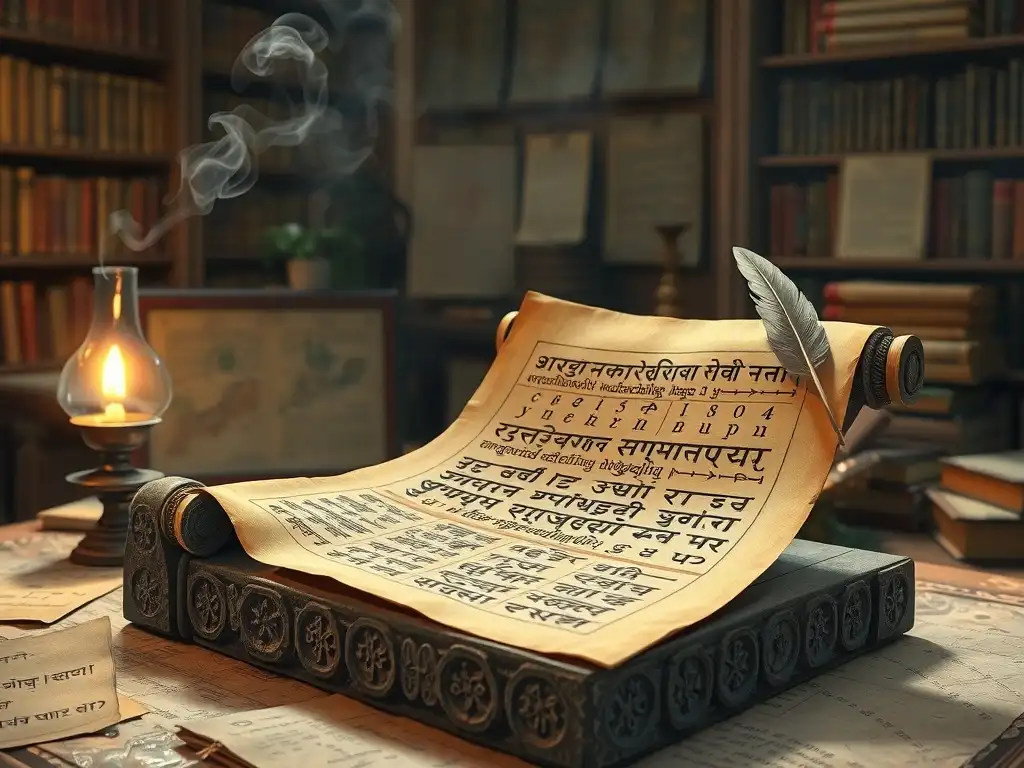
Ancient Indian languages, particularly Sanskrit, Prakrit, and Pali, exhibit a rich tapestry of linguistic features that have significantly influenced modern linguistics. These languages are characterized by their complex phonetic systems, intricate morphological structures, and a plethora of syntactic patterns. The linguistic features of ancient Indian languages have provided a foundation for the development of various modern languages in the Indian subcontinent and beyond.
One of the most notable aspects is their systematic approach to phonetics and phonology, which includes a precise articulation of sounds that continues to inform phonetic studies today. Additionally, their morphological richness, with extensive inflectional forms, has contributed to the understanding of word formation and grammatical relationships. The syntactic structures observed in these languages have also offered insights into sentence construction and the relationships between sentence elements.
Phonetics and Phonology in Ancient Indian Languages
Phonetics and phonology in ancient Indian languages are distinguished by a highly developed system of sound classification and articulation. Sanskrit, for instance, includes a comprehensive range of phonemes, featuring both vowels and consonants that are articulated with precision. The presence of aspirated and unaspirated sounds, along with nasalized vowels, showcases a nuanced understanding of phonetics that has been influential in phonological studies.
The Ashtadhyayi, an ancient Sanskrit grammar text by Panini, outlines rigorous phonetic rules that govern sound changes and interactions. This grammatical framework not only reflects the linguistic sophistication of the time but also serves as a precursor to modern phonological theories. The study of these phonetic features has aided linguists in understanding sound patterns across languages, contributing to theories of phonetic change and sound systems in contemporary linguistics.
Morphology and Syntax: Structure of Ancient Indian Languages
The morphology and syntax of ancient Indian languages are marked by their complexity and richness. In Sanskrit, morphology is characterized by a system of inflections that convey grammatical relations such as tense, number, and case. This inflectional morphology allows for a high degree of syntactic freedom, as the relationship between words can be understood through their endings rather than their order in a sentence.
Prakrit and Pali, while simpler than Sanskrit, maintain a robust morphological system that reflects regional linguistic diversity. They exhibit variations in declensions and conjugations, which highlight the evolution of language in response to sociolinguistic factors. The syntactic structures in these languages, including the use of compounds and intricate clauses, have influenced subsequent languages in the region, providing a template for sentence construction.
The study of these morphological and syntactic features has led to significant advancements in understanding typological classifications and the evolution of language structures in modern linguistics.
Semantics and Pragmatics in Ancient Indian Languages
The semantics and pragmatics of ancient Indian languages delve into the meaning and context of language use. Sanskrit, with its extensive vocabulary and rich literary tradition, offers a profound exploration of semantics. The language encompasses various registers of meaning, including philosophical, poetic, and everyday discourse. This depth allows for nuanced interpretations that are critical for understanding ancient texts and their implications.
Pragmatics in ancient Indian languages is equally significant, as it encompasses the contextual aspects of language use. The emphasis on context in Sanskrit literature, such as the epics and philosophical treatises, illustrates how meaning is shaped by situational factors. The interplay between semantics and pragmatics in these languages has influenced modern linguistic theories, particularly in the areas of meaning construction and context-driven interpretation.
Influence of Ancient Indian Languages on Modern Linguistics
The influence of ancient Indian languages on modern linguistics is profound and multifaceted. These languages have shaped linguistic theory, contributed to the understanding of language structure, and informed the evolution of modern languages. The foundational concepts established in ancient texts continue to resonate within contemporary linguistic studies, highlighting the enduring legacy of these languages.
The Role of Sanskrit in Linguistic Theory
Sanskrit holds a pivotal role in the development of linguistic theory, often regarded as one of the most systematic languages in the world. The grammatical insights provided by Panini have laid the groundwork for modern linguistic analysis, especially in the fields of syntax and morphology. His work introduced concepts such as rules of transformation and derivation, which are integral to contemporary linguistic models.
Moreover, Sanskrit's phonetic precision and morphological richness have inspired linguistic scholars to explore universal grammar and the nature of language itself. The study of Sanskrit has also facilitated cross-linguistic comparisons, enriching the understanding of language families and their historical connections. The influence of Sanskrit on linguistic theory underscores its significance beyond its historical context.
Prakrit and Pali: Contributions to Linguistic Diversity
Prakrit and Pali languages have made substantial contributions to linguistic diversity, particularly in the context of regional languages in India. These languages reflect the vernacular speech of their time, serving as linguistic bridges between Sanskrit and various modern languages. Their simplified grammatical structures and vocabulary have influenced the development of numerous Indo-Aryan languages, showcasing the dynamic nature of language evolution.
The presence of Prakrit and Pali in ancient literature, such as the Jataka tales and the works of early Buddhist texts, demonstrates their role in shaping literary and cultural narratives. This linguistic influence has extended to the lexicon and syntax of modern languages, making Prakrit and Pali essential components in the study of linguistic heritage in South Asia.
Borrowed Concepts: How Modern Languages Integrate Ancient Indian Linguistic Features
Modern languages in the Indian subcontinent exhibit a rich tapestry of linguistic features borrowed from ancient Indian languages. The integration of Sanskrit, Prakrit, and Pali elements into regional languages like Hindi, Bengali, and Tamil highlights the historical continuity and adaptation of language over time. This borrowing occurs at various levels, including phonetics, morphology, and vocabulary.
For example, many modern Indian languages have adopted Sanskrit-derived terms, especially in fields such as philosophy, science, and literature. The influence of ancient syntactic constructions can also be observed, as many modern languages reflect similar patterns of sentence structure. This linguistic integration not only enriches the modern lexicon but also preserves the historical and cultural identity of the languages.
The influence of ancient Indian languages on modern linguistics is a testament to their enduring legacy, shaping both the theoretical frameworks and practical applications of language study today.
Case Studies of Ancient Indian Languages Influence
The influence of ancient Indian languages, particularly Sanskrit, Prakrit, and Pali, extends far beyond their geographical origins. These languages have shaped modern linguistics, providing a foundation for numerous languages, scripts, and literary traditions across Asia and beyond. By examining specific case studies, we can better understand how these ancient languages continue to resonate in contemporary linguistic systems.
Sanskrit's Influence on Indo-European Languages
Sanskrit, often regarded as the mother of many languages in the Indo-European family, has significantly influenced the development of several modern languages, including Hindi, Bengali, and even some European languages. Linguists have identified a wealth of cognates—words that have a common etymological origin—between Sanskrit and various Indo-European languages.
- Cognate Examples:
- The Sanskrit word "pitar" (father) parallels the Latin "pater" and the Greek "patēr."
- The term "deva" in Sanskrit, meaning god, corresponds to the Latin "deus" and the Old Persian "daiva."
These connections illustrate not only the linguistic ties but also the cultural exchanges that occurred over millennia. The systematic study of these relationships has enriched our understanding of historical linguistics and the migration of peoples.
Furthermore, the grammatical structure of Sanskrit, which is highly systematic and elaborate, has influenced the way languages are analyzed. The concepts of morphology and syntax derived from Sanskrit have been pivotal in shaping modern linguistic theories.
Prakrit and Pali's Impact on Regional Languages
Prakrit and Pali, as vernacular languages that emerged from Sanskrit, have also played a crucial role in the linguistic landscape of South Asia. These languages served as mediums for some of the earliest literary and religious texts, including Buddhist scriptures and Jain literature, thereby allowing for a wider dissemination of ideas across different regions.
- Regional Influence:
- Bengali: Influenced by both Prakrit and Pali, Bengali retains many vocabulary items and stylistic elements derived from these ancient tongues.
- Hindi: The development of Hindi involved significant input from Prakrit, resulting in a linguistically rich tapestry that incorporates elements from both Sanskrit and the vernacular.
The simplicity and accessibility of Prakrit and Pali allowed them to flourish among the general populace, contrasting with the more rigid and formal structure of Sanskrit. This accessibility contributed to the evolution of various regional dialects and languages, fostering a rich linguistic diversity in India.
Conclusion: The Lasting Impact of Ancient Indian Languages
The influence of ancient Indian languages on modern linguistics is profound and multifaceted. From shaping regional dialects to providing a foundational structure for modern languages, these ancient tongues have left an indelible mark on the linguistic heritage of South Asia and beyond.
Reflections on the Importance of Studying Ancient Indian Languages
Studying ancient Indian languages is crucial not only for understanding linguistic evolution but also for appreciating the cultural and philosophical ideas that these languages encapsulate. They provide insights into the social structures, religious beliefs, and artistic expressions of ancient civilizations, which continue to inform contemporary thought and practice.
The preservation and study of these languages also offer a window into the historical interactions between different cultures, highlighting the shared heritage of humanity and the common threads that bind us together.
Future Research Directions on Ancient Indian Languages Influence
Future research on the influence of ancient Indian languages should focus on several key areas:
- Comparative Linguistics: Further studies could explore lesser-known dialects and their relationships to ancient languages, providing a more comprehensive understanding of linguistic evolution.
- Digital Humanities: The use of technology in the preservation and analysis of ancient texts can unveil new connections and insights into the evolution of languages.
- Interdisciplinary Approaches: Collaborations between linguists, historians, and cultural anthropologists could yield richer interpretations of the impact of these languages on modern societies.
By pursuing these avenues, researchers can continue to uncover the vast influence of ancient Indian languages, ensuring that their legacy is recognized and celebrated in the field of modern linguistics.
- Introduction to Ancient Indian Languages Influence
- Overview of Ancient Indian Languages
- Significance of Ancient Indian Languages in Linguistics
- Historical Context of Ancient Indian Languages
- Linguistic Features of Ancient Indian Languages
- Influence of Ancient Indian Languages on Modern Linguistics
- Case Studies of Ancient Indian Languages Influence
- Conclusion: The Lasting Impact of Ancient Indian Languages
- What are the ancient Indian languages discussed in the article?
- How did ancient Indian languages influence modern linguistics?
- What is the significance of Sanskrit in today's context?
- How did the Indus Valley Civilization contribute to language development?
- What role did the Gupta Empire play in the evolution of ancient Indian languages?
Frequently Asked Questions
What are the ancient Indian languages discussed in the article?
The article focuses on several ancient Indian languages like Sanskrit, Prakrit, and Pali, which have played a significant role in shaping modern languages.
How did ancient Indian languages influence modern linguistics?
Ancient Indian languages contributed to the development of grammar, phonetics, and syntax, influencing linguistic theories and methodologies used in modern linguistics.
What is the significance of Sanskrit in today's context?
Sanskrit is considered the root of many modern languages in India and has influenced various linguistic frameworks, making it essential for understanding the evolution of language.
How did the Indus Valley Civilization contribute to language development?
The Indus Valley Civilization showcased early forms of writing and communication, which laid the groundwork for the development of ancient Indian languages and their subsequent influence.
What role did the Gupta Empire play in the evolution of ancient Indian languages?
During the Gupta Empire, there was a significant cultural renaissance that promoted Sanskrit literature and education, greatly impacting the linguistic landscape of the region.
Final Reflection: The Enduring Legacy of Ancient Indian Languages
The influence of ancient Indian languages on modern linguistics is not merely a historical footnote; it is a vibrant thread woven into the fabric of contemporary language studies. As we delve into the intricacies of linguistic evolution, we uncover how these ancient tongues have shaped not only the languages we speak today but also the frameworks through which we understand communication itself. The profound insights derived from ancient Indian languages continue to resonate, reminding us that the past is a powerful catalyst for the present.
Culturally, the impact of ancient Indian languages is palpable, as they have enriched our understanding of language structure, semantics, and phonetics. The philosophies embedded within these languages have influenced not just linguists but also poets, philosophers, and educators across the globe. As we reflect on this ongoing influence, we are reminded of the words of the renowned linguist Noam Chomsky: Language is a mirror of the mind.
This statement underscores the idea that the study of ancient languages provides us with a deeper insight into human cognition and cultural identity, bridging the gap between past and present.
As we move forward, let us take a moment to reflect on our own linguistic journeys and the rich tapestry of influences that shape our communication. I invite you to explore the ancient roots of your own language, to appreciate the depth and complexity that these influences bring to your daily interactions. By recognizing and embracing the legacy of ancient Indian languages, we can foster a greater appreciation for the diversity of human expression and the interconnectedness of our global community.
Uncover the Linguistic Legacy of Ancient India!
Thank you for diving into the fascinating world of ancient Indian languages! You've explored how these rich linguistic traditions continue to shape modern linguistics. Now, it's time to put that knowledge into action!
Here are some exciting ways you can further engage with this remarkable topic:
- Dive Deeper: Read a book or watch a documentary about the connection between ancient Indian languages and contemporary dialects—discover how everyday words have their roots in history!
- Start a Conversation: Share your thoughts on social media or with friends about the significance of language evolution. What surprises you most about the influence of ancient languages?
- Join a Community: Participate in online forums or local groups dedicated to linguistics, where you can connect with others who are just as passionate about language as you are!
What new insights about language and culture will you uncover as you explore the connections between the past and the present?