
The Connection Between Sanskrit and Music: A Cultural Harmony

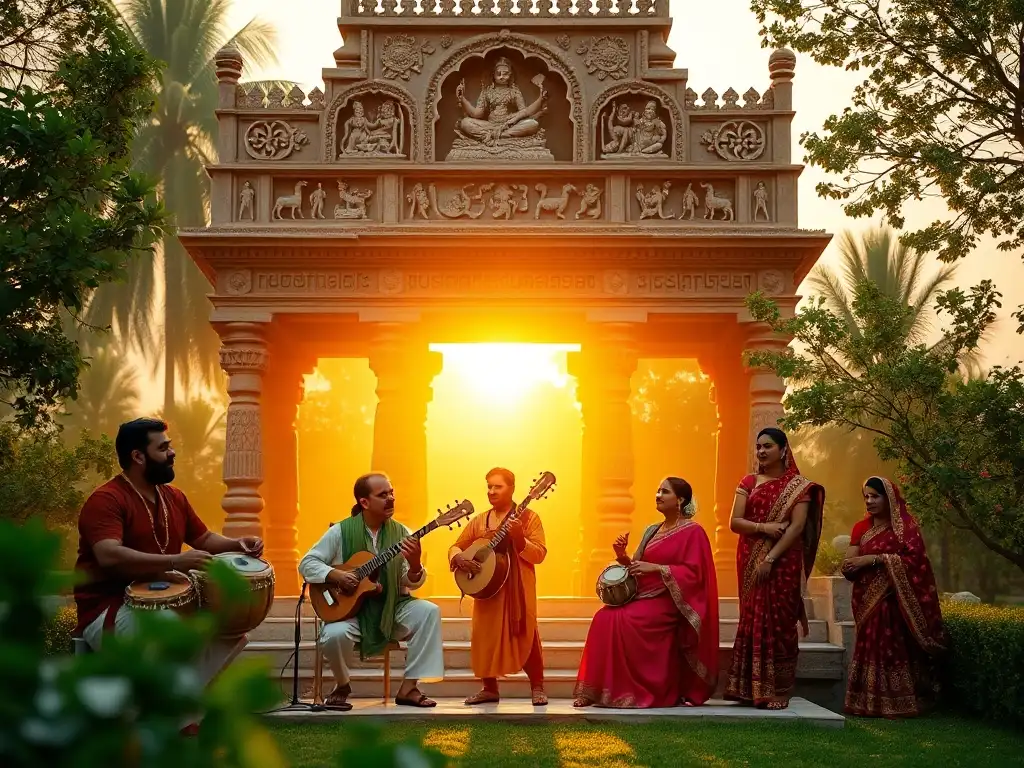
Welcome to Ancient India History, where the echoes of the past resonate through the vibrant tapestry of our civilization! Here, we invite you to delve into the cultural significance of Sanskrit music, a fascinating exploration that unveils the deep connections between language and melody in ancient Indian society.
As you journey through our articles, you’ll discover how the rhythms of Sanskrit not only shaped musical traditions but also influenced the very essence of cultural expression. Join us as we uncover the harmonious blend of language and sound that has enriched Indian heritage for millennia—your adventure into the depths of history begins now!

Introduction to Sanskrit Music Cultural Significance
The intricate relationship between Sanskrit and music reflects a profound cultural heritage that has shaped the identity of ancient India. Sanskrit, one of the oldest languages in the world, serves not only as a medium of communication but also as a vessel for artistic expression, particularly through music.
This article delves into the cultural significance of Sanskrit music, exploring how the language has influenced musical traditions and vice versa, fostering a unique harmony that resonates through centuries. Understanding this connection provides valuable insights into the spiritual and intellectual currents that flowed through ancient Indian civilizations, highlighting the role of music as a vital component of cultural identity and social life.
Historical Roots of Sanskrit and Music
The historical intertwining of Sanskrit and music can be traced back to ancient texts and traditions that illustrate their symbiotic relationship. As we explore this connection, we can observe the evolution of Sanskrit as a language and the inherent role of music in ancient Indian society.
Evolution of Sanskrit as a Language
Sanskrit's journey began over three thousand years ago, rooting itself in the Indo-Aryan culture. The earliest references to Sanskrit can be found in the Vedic texts, where it was used not only for philosophical and religious discourse but also in the context of musical chants and hymns. The Rigveda, one of the oldest sacred texts, contains numerous verses that highlight the significance of sound and rhythm, establishing a foundation for the poetic and musical traditions that would follow.
- Key Phases in Sanskrit Development:
- Vedic Period: Emergence of hymns that combined poetic and musical elements.
- Classical Sanskrit: Formalization of grammar by Panini, enhancing the language's structure for literary and musical expression.
- Medieval Period: Flourishing of musical forms, including Nāṭyaśāstra, which integrated drama and dance with music, influenced by Sanskrit literature.
The evolution of Sanskrit not only enriched its literary corpus but also laid the groundwork for musicological studies, as scholars began to document the rules of rhythm and melody in conjunction with linguistic analysis.
The Role of Music in Ancient Indian Society
Music in ancient India was deeply intertwined with religious, social, and cultural practices. It served as a medium for both entertainment and spiritual expression, playing a crucial role in rituals, festivals, and communal gatherings. The significance of music can be summarized in the following aspects:
- Spiritual Connection: Music was often used in religious ceremonies to invoke the divine, with sanskrit verses sung as hymns to connect worshippers with the spiritual realm.
- Cultural Transmission: Through oral traditions, music facilitated the transmission of Sanskrit literature and teachings, ensuring the preservation of cultural values across generations.
- Social Cohesion: Musical performances were communal activities that fostered unity and identity within various societal groups, reinforcing shared values and traditions.
In essence, the intertwining of Sanskrit and music underscores a rich tapestry of cultural significance, where language and melody coalesce to create a profound legacy that continues to resonate today. Through this exploration, we will further uncover the nuances and implications of this cultural harmony, revealing its lasting impact on modern Indian music and society.
The Interplay Between Sanskrit and Music
The relationship between Sanskrit and music is deeply rooted in the cultural and spiritual traditions of ancient India. Sanskrit, known for its rich vocabulary and grammatical precision, has been used extensively in the context of music, particularly in the composition of lyrics and the establishment of musical theory. The rhythmic patterns of Sanskrit poetry often align with musical compositions, creating a unique synergy that enhances the emotional and aesthetic experience of music. This interplay has played a crucial role in the development of various musical forms, where the beauty of sound intertwines with the elegance of language.
Sanskrit Texts and Musical Notation
Sanskrit texts have been instrumental in documenting the theoretical aspects of music. Ancient scriptures like the Natya Shastra and Sangeet Ratnakara outline the principles of music, including the use of ragas (melodic frameworks) and talas (rhythmic cycles). These texts not only describe musical practices but also incorporate philosophical ideas, emphasizing the significance of sound in connecting with the divine.
The notation systems evolved alongside these texts, enabling musicians to preserve and transmit musical knowledge across generations. The legacy of Sanskrit musical notation is evident in the way it shaped the structure and performance of classical Indian music, ensuring that the teachings of the past resonate with present and future musicians.
The Influence of Sanskrit on Indian Classical Music
Sanskrit has profoundly influenced the development of Indian classical music, serving as a language for composing lyrics and formulating musical theory. Many classical compositions, such as dhrupad and khayal, are set to verses written in Sanskrit or derived languages, which articulate themes of devotion, nature, and love. The intricate relationship between the lyrical content and the musical form enriches the listening experience, allowing for a deeper emotional connection. Moreover, the terminology used in musical theory, including concepts like raga and swar, stems from Sanskrit, reflecting the language's integral role in shaping the identity of Indian classical music.
Cultural Significance of Sanskrit Music
The cultural significance of Sanskrit music extends beyond mere entertainment; it serves as a conduit for expressing the values, beliefs, and traditions of ancient Indian civilization. As a form of artistic expression, Sanskrit music has been a powerful vehicle for storytelling, allowing the transmission of cultural narratives across generations. The profound connection between the lyrical content and the musical form fosters a sense of community and belonging, as individuals engage with the rich tapestry of their heritage through music.
Music as a Medium for Spiritual Expression
In ancient India, music was often regarded as a divine art form, closely linked to spiritual practices. Sanskrit hymns and chants, recited in melodious forms, were believed to facilitate communication with the divine and promote spiritual elevation. This sacred aspect of music is evident in various rituals and ceremonies, where music serves as a medium for devotion and introspection. The use of specific ragas associated with different deities and occasions further underscores the spiritual significance of Sanskrit music, transforming it into a profound experience that transcends the physical realm.
Preservation of Cultural Identity through Music
Sanskrit music plays a pivotal role in preserving the cultural identity of Indian society. As a repository of ancient traditions, it aids in maintaining a connection to the past while adapting to contemporary influences. The practice of performing Sanskrit compositions in various regional languages fosters a sense of belonging and pride among communities.
Moreover, music festivals and educational institutions dedicated to classical music serve as platforms for nurturing this cultural heritage, ensuring that the legacy of Sanskrit music continues to thrive. Through its enduring presence, Sanskrit music remains a testament to the rich cultural tapestry of India, celebrating its diversity and unity.
Modern Interpretations of Sanskrit Music
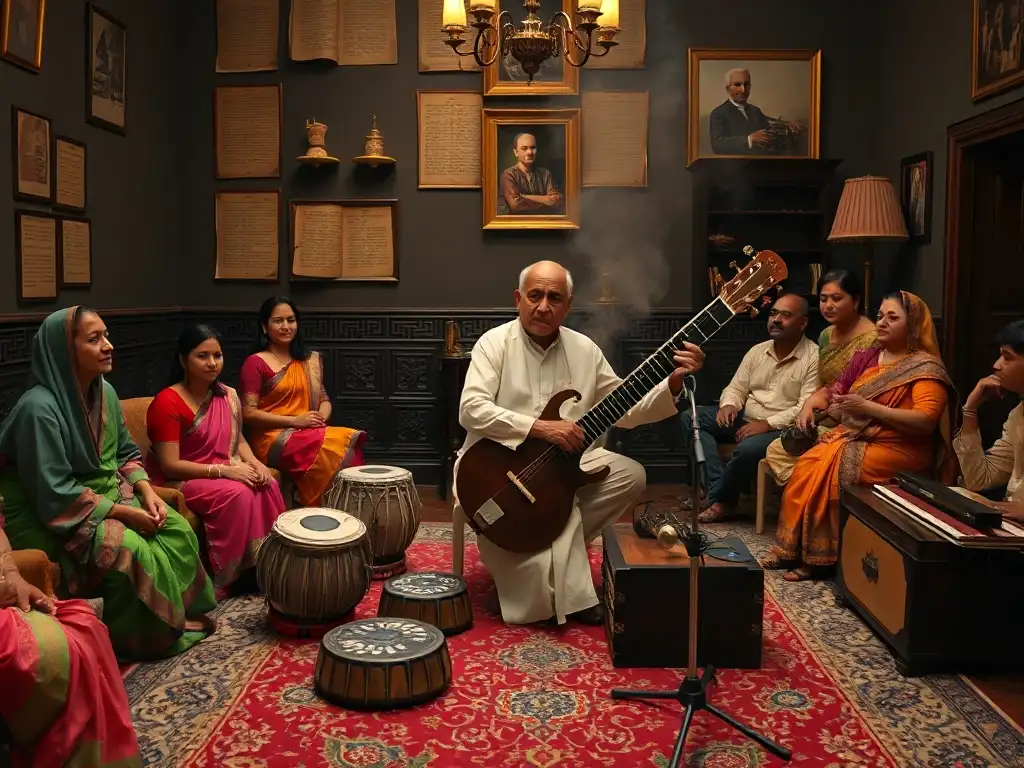
The rich tapestry of Sanskrit music has evolved significantly over the centuries, adapting to contemporary sensibilities while retaining its traditional roots. Modern interpretations of Sanskrit music often blend classical elements with various musical genres, creating a unique fusion that resonates with today's audiences. Artists and composers are increasingly experimenting with traditional ragas and rhythms, integrating them into modern musical forms like pop, fusion, and even electronic music. This evolution not only preserves the essence of Sanskrit music but also makes it accessible to a broader audience.
Today, you can find Sanskrit verses being sung in new arrangements that highlight their lyrical beauty and rhythmic patterns. Music festivals and cultural events frequently showcase these modern interpretations, emphasizing the cultural significance of Sanskrit within contemporary contexts. As a result, younger generations are discovering the beauty of Sanskrit music, often participating in workshops and performances that celebrate this ancient art form.
Contemporary Artists and Their Contribution
Several contemporary artists have played a pivotal role in the revitalization and popularization of Sanskrit music. Notable musicians include:
- Raghavendra Rao: Known for his innovative compositions that incorporate classical Sanskrit verses into modern musical frameworks. His work often involves collaborations with artists from different genres, bridging cultural gaps.
- Chitra: A celebrated playback singer, Chitra has incorporated Sanskrit lyrics into her performances, showcasing the adaptability of ancient texts in modern music.
- Anoushka Shankar: The renowned sitar player and composer has explored themes from Sanskrit literature in her music, blending traditional Indian classical sounds with global influences.
These artists have contributed to a renaissance in Sanskrit music, demonstrating its relevance and appeal in contemporary culture. Their efforts help in disseminating the beauty and philosophical depth of Sanskrit to diverse audiences, proving that this ancient language and its musical traditions continue to inspire and connect people across generations.
The Global Influence of Sanskrit and Music
The influence of Sanskrit music extends beyond the borders of India, impacting global music scenes in various ways. As the interest in world music grows, many international musicians have begun to incorporate Sanskrit chants and lyrics into their compositions. This cross-cultural exchange has led to a greater appreciation for the spiritual and philosophical dimensions of Sanskrit music.
For instance, the use of Sanskrit mantras in yoga and meditation music has gained popularity worldwide, with many Western artists producing albums that feature these ancient texts. This trend highlights the health and wellness aspects tied to Sanskrit's musicality, as the rhythmic and melodic qualities of the language are believed to enhance mindfulness and spiritual practice.
Moreover, the integration of Sanskrit music into film scores and theatrical productions has furthered its reach, allowing audiences unfamiliar with Indian culture to experience its beauty. The global appreciation for Sanskrit music demonstrates its enduring relevance and adaptability, showcasing how ancient traditions can enrich modern artistic expressions.
Conclusion: The Enduring Legacy of Sanskrit Music
The connection between Sanskrit and music is a testament to the enduring legacy of ancient Indian civilization. As we explore the cultural significance of Sanskrit music, it becomes clear that its influence transcends time and geography. From classical forms to contemporary interpretations, the rhythmic and lyrical beauty of Sanskrit continues to inspire artists and audiences alike.
The preservation and evolution of Sanskrit music highlight the importance of cultural heritage in a rapidly changing world. By embracing modern interpretations while honoring traditional roots, contemporary artists ensure that Sanskrit music remains a vital part of the global cultural landscape. This harmonious blend of past and present not only enriches our musical experiences but also reinforces the profound impact of Sanskrit on humanity's artistic and spiritual journey.
References
-
Sanskrit Texts and Musicology
The relationship between Sanskrit and music has been documented in various ancient texts, including the "Natya Shastra" by Bharata Muni, which outlines the principles of drama and music in ancient India. This foundational text emphasizes the importance of sound and rhythm in storytelling, establishing a strong link between linguistic expression and musical composition.
-
Theoretical Frameworks
Scholars such as S. K. Srikrishna have analyzed the theoretical frameworks of music within the context of Sanskrit literature. Their research highlights how the phonetic qualities of Sanskrit contribute to musicality, making it a language that naturally aligns with melodic structures.
-
Cultural Significance
The cultural significance of Sanskrit music is illustrated in various traditional practices, particularly in devotional music (bhajans) and classical forms such as Dhrupad and Khayal. These forms often incorporate Sanskrit verses, showcasing the language’s ability to convey deep spiritual meanings through melody.
-
Ethnomusicology Studies
Ethnomusicologists have explored the intersections of Sanskrit and regional musical forms, revealing how local traditions have absorbed and transformed Sanskrit influences. This cross-cultural exchange is vital in understanding the broader impact of Sanskrit music on Indian classical traditions.
-
Modern Interpretations
Contemporary musicians and scholars continue to explore the connection between Sanskrit and music, demonstrating its ongoing relevance. Festivals celebrating both Sanskrit literature and music, such as the Sharad Utsav, promote the appreciation of this cultural harmony in modern settings.
-
Comparative Analysis
Comparative studies often draw parallels between Sanskrit music and the musical traditions of other cultures, highlighting universal themes in the expression of human emotion and spirituality through sound. This analysis enriches the understanding of Sanskrit music's cultural significance on a global scale.
-
Audio-Visual Documentation
Various documentaries and recordings have been produced to preserve and promote the traditional forms of Sanskrit music. These resources serve as vital references for both scholars and enthusiasts interested in exploring the dynamic interplay between language and music.
These references collectively emphasize the profound cultural significance of Sanskrit music, illustrating how it serves as a bridge connecting ancient traditions with contemporary expressions.
- Introduction to Sanskrit Music Cultural Significance
- Historical Roots of Sanskrit and Music
- The Interplay Between Sanskrit and Music
- Cultural Significance of Sanskrit Music
- Modern Interpretations of Sanskrit Music
- Conclusion: The Enduring Legacy of Sanskrit Music
- References
Frequently Asked Questions
What is the relationship between Sanskrit and music?
The relationship between Sanskrit and music lies in the linguistic and cultural heritage of ancient India, where Sanskrit texts often describe musical theory and practice.
How did Sanskrit influence ancient Indian music?
Sanskrit significantly influenced ancient Indian music by providing a framework for musical notations and terminology, which shaped the development of diverse musical styles.
Why is Sanskrit music considered culturally significant?
Sanskrit music is considered culturally significant because it reflects the spiritual and philosophical aspects of ancient Indian civilization, contributing to the rich tapestry of heritage and identity.
Examples include the Natyashastra by Bharata Muni, which discusses dramatic arts, including musical elements, and the Sangeeta Ratnakara, which covers musical theory and practice.
How does understanding Sanskrit music enhance our appreciation of Indian culture?
Understanding Sanskrit music enhances appreciation by revealing the historical context and cultural values embedded in the musical traditions, showcasing the interconnectedness of art and life in ancient India.
Final Reflection: The Cultural Symphony of Sanskrit and Music
The intricate relationship between Sanskrit and music is not merely a historical curiosity; it is a vibrant testament to how language and sound intertwine to shape cultural identity. In today's world, where globalization often dilutes local traditions, the enduring significance of Sanskrit music reminds us of the power of cultural heritage to foster unity and understanding. This connection serves as a striking reminder that our roots can provide a rich foundation for contemporary expression and creativity.
The influence of Sanskrit music transcends mere auditory experience; it resonates deeply within the cultural and social fabric of communities. From ancient rituals to modern interpretations, the rhythms and melodies derived from Sanskrit texts continue to inspire artists and listeners alike. As we navigate the complexities of modern life, we find solace and connection in these timeless traditions. Music is the shorthand of emotion.
— Leo Tolstoy. This quote encapsulates how Sanskrit music, with its profound emotional depth, fosters a sense of belonging and continuity in an ever-changing world.
As you reflect on the themes presented in this article, consider how you can incorporate the lessons of Sanskrit music into your own life. Embrace the cultural significance of music as a means of connection and expression. Whether through listening, learning, or creating, allow the harmonious blend of language and sound to inspire your journey. Let this exploration ignite a passion for preserving and celebrating cultural heritage, reminding us that every note carries a story worth sharing.
Unveil the Symphony of Sanskrit and Music!
Thank you for joining us on this enlightening journey through the fascinating relationship between Sanskrit and music. We hope you’ve gained a deeper appreciation for how these ancient elements harmonize to enrich our cultural heritage. Now, let’s take that passion further!
Here’s what you can do next:
- Dive deeper into the world of Sanskrit by exploring its musical compositions. Listening to traditional Sanskrit mantras and chants can help you experience their profound power.
- Participate in an online workshop or class that focuses on the intersection of music and language to expand your understanding and skills.
- Share your newfound knowledge with friends! Discuss how musical elements influence your perception of language and culture.
What piece of music, enriched with Sanskrit elements, has resonated with you the most, and why? Let’s explore this connection together in the comments!