
The Role of Sanskrit in the Preservation of Oral Traditions

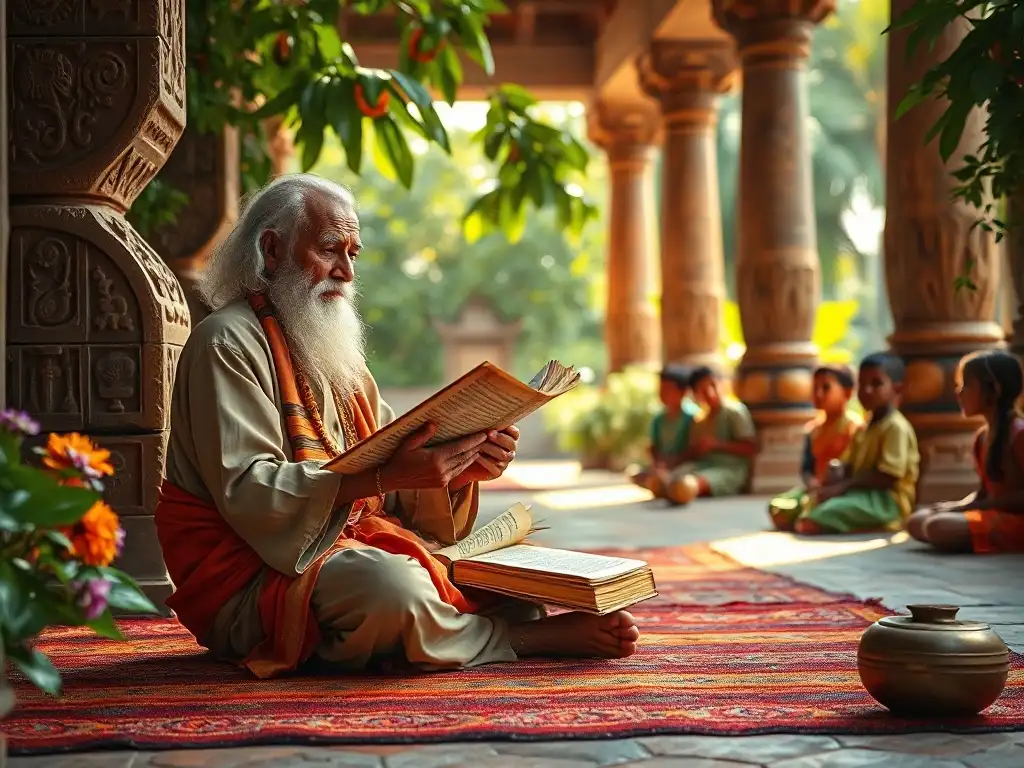
Welcome to Ancient India History, where we invite you to embark on an enlightening journey through the captivating tapestry of India's past. In this exploration, we delve into the profound role of Sanskrit in the preservation of oral traditions, unveiling how this ancient language has served as a vital vessel for cultural heritage and knowledge. What secrets do the Sanskrit oral traditions hold, and how have they shaped the narrative of ancient Indian civilizations?
Join us as we unlock the mysteries and rich contributions of a time that continues to inspire and intrigue. Your adventure into the depths of history begins here!
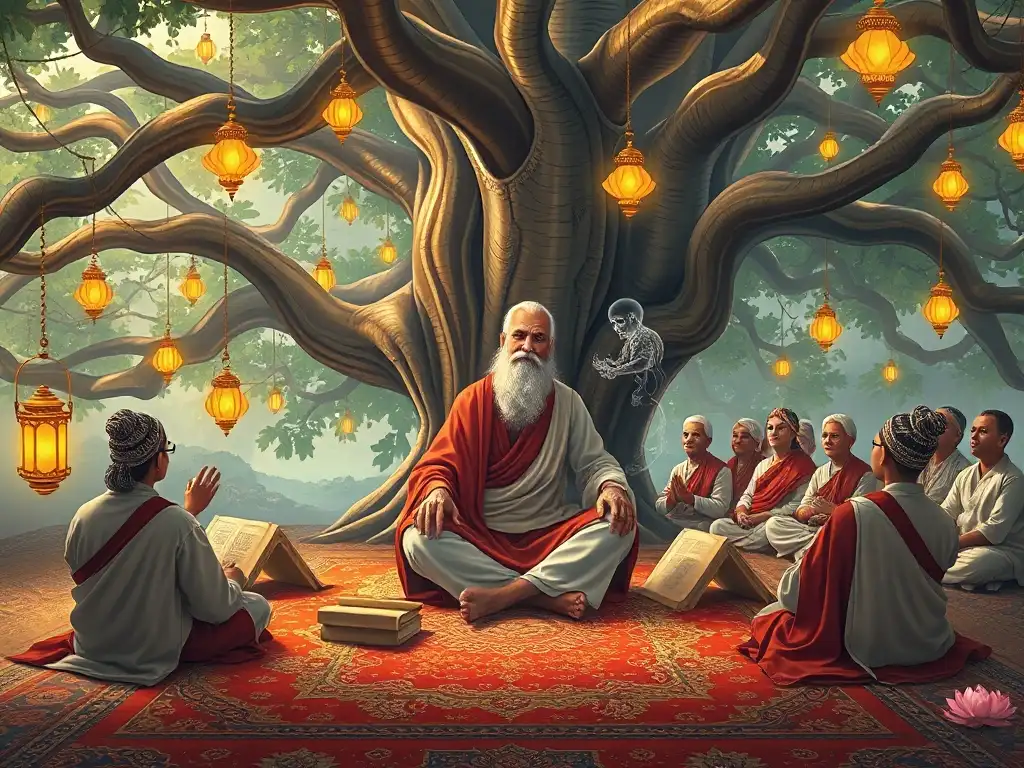
Exploring the rich tapestry of ancient Indian civilizations reveals the profound impact of the Sanskrit language on the preservation of oral traditions. Sanskrit, one of the oldest languages in the world, has played a pivotal role in shaping the cultural and historical landscape of India.
This article delves into the intricate relationship between Sanskrit and oral traditions, highlighting how this classical language not only facilitated storytelling but also served as a vital tool in documenting and preserving the vast array of knowledge, philosophy, and cultural heritage that has been passed down through generations. By understanding the historical context of Sanskrit, we can better appreciate its significance in the realm of oral traditions and its lasting influence on Indian civilization.
Understanding Sanskrit and Its Historical Context
What is Sanskrit?
Sanskrit is an ancient Indo-European language that dates back to at least 1500 BCE. It is characterized by its rich vocabulary and complex grammatical structure, making it a highly expressive medium for literature, philosophy, and religious texts. Often referred to as the "language of the gods," Sanskrit has been the medium through which many of the foundational texts of Hinduism, Buddhism, and Jainism have been composed.
- Key features of Sanskrit:
- Phonetics: Its precise sounds allow for nuanced expression.
- Grammar: A highly systematic and structured language.
- Literature: Home to epic narratives like the Mahabharata and Ramayana.
The Historical Significance of Sanskrit in Ancient India
The historical relevance of Sanskrit extends beyond its linguistic properties; it has been a cornerstone in the development of Indian culture and philosophy. From the Vedic texts to the classical works during the Gupta Empire, Sanskrit has served as a unifying force for the diverse cultures of ancient India.
- Timeline Highlights:
- Vedic Period (1500-500 BCE): Sanskrit emerges as the language of religious rituals and hymns.
- Classical Period (200 BCE - 500 CE): Flourishing of literature and philosophy; establishment of grammar by Panini.
- Post-Gupta Era: Continued influence on regional languages and scripts.
The Connection Between Sanskrit and Oral Traditions
Sanskrit's relationship with oral traditions is deeply intertwined. Before written texts became the norm, oral storytelling was the primary means of transmitting knowledge and culture. The rhythmic and metrical structure of Sanskrit made it particularly suited for oral recitation, allowing for easier memorization and transmission.
- Oral Tradition Characteristics:
- Repetition: Key phrases and verses were repeated for emphasis.
- Performance: Storytelling often involved dramatic recitations, enhancing engagement.
- Community Involvement: Oral traditions fostered communal participation and collective memory.
The Influence of Sanskrit on Oral Traditions
How Sanskrit Facilitated Oral Storytelling
Sanskrit enabled the preservation of oral narratives through its phonetic richness and rhythmic patterns. This allowed storytellers to craft engaging tales that could be easily remembered and recited. The use of alliteration, meter, and rhyme contributed to the aesthetic quality of these stories, making them compelling for audiences.
- Examples of Storytelling Techniques:
- Chants and Mantras: Used in rituals and prayers to evoke spiritual experiences.
- Epic Narratives: The Mahabharata and Ramayana served as templates for oral storytelling.
The Role of Sanskrit in Preserving Ancient Texts
The transition from oral to written forms of communication did not diminish the importance of oral traditions. Instead, Sanskrit texts codified these stories and philosophies, ensuring their survival for future generations. Key texts were meticulously transcribed, often accompanied by commentaries that provided context for their oral origins.
- Preservation Methods:
- Manuscript Culture: The creation of manuscripts in monasteries and temples.
- Scholarly Transmission: Learned individuals dedicated to studying and preserving Sanskrit literature.
Differences Between Oral Traditions and Written Sanskrit
While oral traditions rely on memory and performance, written Sanskrit provides a permanent record of knowledge. This distinction highlights the dynamic interplay between these two forms of communication. Oral traditions often evolve, adapting to the needs of the community, whereas written texts serve as fixed references.
- Key Differences:
- Flexibility vs. Fixity: Oral narratives can change, while written texts remain constant.
- Accessibility: Oral traditions are accessible to wider audiences, while written texts may require literacy.
Through this exploration, we can see how Sanskrit not only played a crucial role in documenting oral traditions but also shaped the very nature of storytelling in ancient India. Understanding these dynamics enriches our appreciation of India's cultural heritage and its linguistic evolution.
Types of Oral Traditions Preserved in Sanskrit
Sanskrit has played a crucial role in preserving various forms of oral traditions that are an integral part of India's cultural heritage. These traditions encompass a wide array of literary genres and are reflective of the socio-religious fabric of ancient India. The preservation of these oral traditions has been facilitated by the rich linguistic structure of Sanskrit, allowing for complex ideas and narratives to be communicated effectively.
Vedic Literature and Its Oral Transmission
Vedic literature represents one of the earliest forms of Sanskrit oral traditions, comprising hymns, rituals, and philosophical texts. This literature was originally transmitted orally, a practice that dates back to the early Vedic period (circa 1500 BCE). The Vedas, consisting of four major texts—Rigveda, Samaveda, Yajurveda, and Atharvaveda—were composed in a metrical form that facilitated memorization and recitation.
The oral transmission of Vedic texts relied heavily on mnemonic techniques, ensuring accuracy and fidelity over generations. The Shiksha, a branch of Vedic studies, provided specific rules for pronunciation, intonation, and the rhythmic patterns essential for recitation. This meticulous approach to oral tradition not only preserved the texts but also established a profound spiritual and cultural connection among practitioners.
Epic Narratives: The Mahabharata and Ramayana
The Mahabharata and Ramayana are two monumental epics that showcase the power of oral traditions in Sanskrit. These epics, attributed to the sage Vyasa and the poet Valmiki respectively, were initially composed in verse and transmitted orally before being written down in the later centuries.
The Mahabharata, with its intricate plot and philosophical discourses, serves as a repository of moral lessons, societal norms, and historical narratives. Similarly, the Ramayana, through the adventures of Lord Rama, embodies ideals of dharma (righteousness) and duty. The oral performance of these stories, often accompanied by music and dance, played a pivotal role in their dissemination and preservation, allowing them to resonate across diverse cultures in India.
Folklore and Regional Stories in Sanskrit
In addition to the grand narratives of the Vedas and epics, Sanskrit has also been instrumental in preserving folklore and regional stories. These narratives often encapsulate local customs, beliefs, and the everyday lives of people, serving as a bridge between the ancient and contemporary worlds.
Sanskrit versions of folk tales, such as those found in the Panchatantra and Hitopadesha, illustrate moral lessons through animal fables and human interactions. These stories were traditionally recited by storytellers in villages, maintaining their relevance and appeal through oral transmission. The adaptability of these tales in various dialects further underscores the role of Sanskrit in fostering a rich tapestry of cultural narratives.
The Mechanism of Preservation Through Oral Traditions
The preservation of oral traditions in Sanskrit is a multifaceted process that has evolved through various techniques and cultural practices. This mechanism not only emphasizes the linguistic aspects of Sanskrit but also highlights the communal and ritualistic dimensions of oral transmission.
Techniques of Oral Recitation in Sanskrit
Oral recitation in Sanskrit is characterized by specific techniques designed to enhance memorization and accuracy. These include:
- Metrical Patterns: The use of specific meters, such as Anushtubh, facilitates rhythmic recitation, making it easier for practitioners to memorize large texts.
- Repetitive Structures: Repetition of phrases and verses reinforces memory and aids in the retention of complex ideas.
- Intonational Variations: The application of different tones and pitches during recitation not only adds expressiveness but also aids in distinguishing between different meanings and contexts.
These techniques have been passed down through generations, ensuring that the essence of the original texts remains intact.
The Role of Gurus and Tradition Bearers
In the preservation of Sanskrit oral traditions, the role of gurus (teachers) and tradition bearers is paramount. These individuals serve as custodians of knowledge, imparting teachings through direct instruction and practice.
Gurus utilize a hands-on approach to ensure that students grasp the nuances of pronunciation, intonation, and the cultural significance of the texts. This one-on-one interaction fosters a deep understanding and appreciation of the oral tradition, allowing for the cultivation of a community based on shared knowledge and values.
Cultural Practices Surrounding Oral Transmission
Cultural practices surrounding oral transmission in Sanskrit are deeply rooted in rituals, festivals, and communal gatherings. Events such as Sanskrit recitation competitions, religious ceremonies, and storytelling evenings provide platforms for the performance and practice of oral traditions.
These gatherings not only celebrate the artistic aspects of oral recitation but also reinforce community bonds and cultural identity. The dynamic interplay between oral traditions and cultural practices demonstrates the enduring significance of Sanskrit in the preservation of India's rich heritage, ensuring that these traditions continue to thrive in contemporary society.
The Impact of Sanskrit on Modern Understanding of Oral Traditions
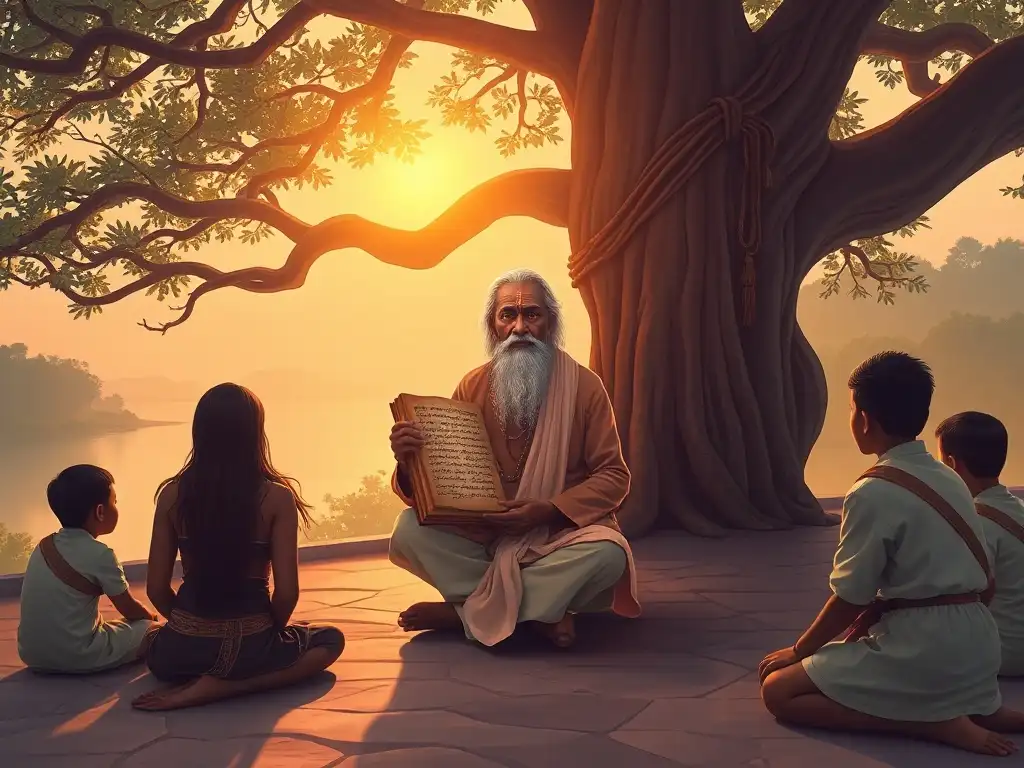
Sanskrit, one of the oldest languages in the world, has played a pivotal role in shaping the understanding of oral traditions, particularly within the Indian subcontinent. Its extensive body of literature, encompassing religious texts, poetry, and philosophical treatises, provides a rich context for studying oral histories and traditions.
The meticulous preservation of Sanskrit texts has allowed researchers to trace the evolution of oral narratives, revealing how they have been influenced by cultural, social, and historical changes over centuries. By examining classical Sanskrit literature, scholars can decode the nuances of oral traditions, understanding not only the stories themselves but also the values and beliefs embedded within them.
Moreover, the grammar and structure of Sanskrit, articulated by ancient scholars like Panini, offer insights into the linguistic features of oral traditions. For instance, the use of meter and rhyme in Sanskrit poetry reflects practices that were likely prevalent in oral storytelling. This connection underscores the importance of Sanskrit in documenting and analyzing the complexities of oral tradition, ultimately enriching our comprehension of how these narratives have been communicated and preserved through generations.
Revival of Interest in Sanskrit Oral Traditions
In recent years, there has been a notable resurgence in interest surrounding Sanskrit oral traditions. This revival can be attributed to several factors, including a growing recognition of the value of indigenous knowledge systems and the cultural heritage encapsulated in these traditions. Educational institutions and cultural organizations are increasingly emphasizing the importance of Sanskrit studies, prompting scholars and students alike to explore the oral narratives that have been passed down through generations.
Events such as storytelling festivals, workshops, and seminars focusing on Sanskrit oral traditions are gaining popularity. These initiatives not only educate participants about the richness of Sanskrit literature but also encourage the performance and sharing of oral narratives, thereby keeping these traditions alive. Furthermore, the integration of modern technology, such as digital archiving and online platforms, has made it easier to access and disseminate knowledge about Sanskrit oral traditions, fostering a broader appreciation of their significance in contemporary society.
Contributions of Sanskrit Studies to Oral History Research
Sanskrit studies have significantly contributed to the field of oral history research by providing a framework for understanding how oral traditions are formed, transmitted, and transformed. The rich corpus of Sanskrit texts serves as a primary source for researchers seeking to document oral histories, allowing them to contextualize narratives within broader historical narratives.
For example, the epic poems like the Mahabharata and Ramayana not only offer stories of heroism and morality but also reflect the socio-political realities of the times in which they were composed. Researchers utilize these texts to draw parallels with contemporary oral traditions, examining how themes of identity, community, and spirituality persist over time. Additionally, the methodologies developed within Sanskrit studies, such as textual analysis and comparative literature, enhance the rigor of oral history research, fostering deeper insights into the dynamics of storytelling practices.
Case Studies: Successful Preservation of Oral Traditions
There are numerous case studies that highlight the successful preservation of oral traditions through the lens of Sanskrit. One prominent example is the ongoing efforts in regions like Uttarakhand and Himachal Pradesh, where local communities have been revitalizing their oral narratives in Sanskrit.
These efforts often involve collaboration between local storytellers, scholars, and cultural organizations, aimed at documenting and performing traditional stories that have been passed down orally. Additionally, initiatives such as the "Sanskrit Saptah" in various Indian universities have facilitated the collection and dissemination of oral narratives, ensuring they are not lost to time.
Another noteworthy case is the use of the Mahabharata and Ramayana in contemporary theater, where traditional performances incorporate Sanskrit verses, merging ancient oral traditions with modern artistic expressions. These case studies illustrate not only the resilience of oral traditions but also the dynamic interactions between past and present that enrich cultural heritage.
Challenges and Future of Sanskrit Oral Traditions
Modernization and Its Effects on Traditional Practices
As societies evolve, the impact of modernization poses significant challenges to the preservation of Sanskrit oral traditions. Rapid urbanization, changing lifestyles, and the influence of technology have led to a decline in traditional storytelling practices. Younger generations, often engrossed in modern media, may find it difficult to connect with the oral narratives that once formed the backbone of community life.
Moreover, the transition from oral to written forms has altered the way stories are shared and experienced. While written texts provide permanence, they may inadvertently diminish the communal aspect of oral storytelling, which thrives on performance and interaction. This shift necessitates a reevaluation of how Sanskrit oral traditions are taught and appreciated, emphasizing their relevance in a modern context.
Efforts to Preserve Sanskrit Oral Traditions Today
Despite the challenges posed by modernization, various initiatives are underway to preserve and promote Sanskrit oral traditions. Educational programs focused on Sanskrit language and literature are being introduced in schools and universities, fostering a new generation of scholars and practitioners.
Community-driven efforts, such as local storytelling circles and cultural festivals, encourage the sharing of oral narratives, creating a space for intergenerational dialogue. Furthermore, the advent of digital media has opened new avenues for preservation, allowing oral traditions to be recorded and shared globally. Online platforms enable storytellers to reach wider audiences, bridging the gap between tradition and modernity.
The Importance of Continuing Oral Traditions in Contemporary Culture
Continuing oral traditions in contemporary culture is crucial for several reasons. Firstly, they serve as a repository of knowledge, encapsulating the values, beliefs, and experiences of communities. As societies face rapid changes, these narratives provide a sense of identity and continuity, reminding individuals of their heritage.
Additionally, oral traditions foster community cohesion by encouraging participation and engagement. Storytelling events bring people together, creating bonds and reinforcing cultural ties. In an era of globalization, where cultural homogenization is prevalent, preserving and promoting Sanskrit oral traditions allows for the celebration of diversity and the affirmation of local identities.
The role of Sanskrit in the preservation of oral traditions is paramount. By recognizing the historical significance of these traditions and actively engaging in their preservation, contemporary society can ensure that the rich tapestry of oral narratives continues to thrive for future generations.
Conclusion
The role of Sanskrit in the preservation of oral traditions is both profound and multifaceted, deeply intertwined with the cultural and historical fabric of ancient India. As a classical language, Sanskrit served not only as a medium of communication but also as a vessel for transmitting wisdom, stories, and rituals across generations. This linguistic heritage has enabled the continuity of various oral traditions, allowing them to thrive despite the passage of time and the evolution of languages.
Summary of Sanskrit's Role in Oral Traditions
Sanskrit's significance in oral traditions is highlighted by several key aspects:
- Textual Foundation: Many of the oldest texts, such as the Vedas and Upanishads, were composed in Sanskrit and have been preserved through oral recitation. This practice ensured that the philosophical and spiritual teachings contained within these texts remained intact for millennia.
- Ritual and Ceremony: Sanskrit is often used in religious rituals and ceremonies, reinforcing its role in cultural practices. Chanting in Sanskrit not only enhances the sanctity of these events but also connects practitioners to their ancestral heritage.
- Literary Tradition: The rich literary tradition in Sanskrit, encompassing poetry, drama, and storytelling, has significantly contributed to the oral narrative practices. Works by poets and playwrights like Kalidasa and Bhasa have been recited and performed, sustaining these narratives within the collective memory of society.
- Linguistic Structure: The phonetic and grammatical structure of Sanskrit aids in memorization and oral transmission. Its systematic nature makes it easier for practitioners to learn and recite lengthy texts accurately, thereby ensuring fidelity to the original content.
Through these facets, Sanskrit has played an indispensable role in maintaining the continuity of oral traditions, bridging the past with the present.
The Ongoing Relevance of Sanskrit in Cultural Preservation
In contemporary society, the relevance of Sanskrit extends beyond its historical context. It remains a vital component of cultural preservation efforts in several ways:
- Revival Movements: There is a growing interest in reviving Sanskrit through educational programs, workshops, and online courses. These movements aim to not only teach the language but also to foster an appreciation for the rich oral traditions it encapsulates.
- Integration in Modern Media: Sanskrit is finding its place in modern media, with initiatives to incorporate it into films, literature, and digital content. This exposure helps reach broader audiences and ignites interest in ancient narratives that might otherwise fade from collective consciousness.
- Cultural Identity: For many, Sanskrit serves as a symbol of cultural identity and pride. The language is often seen as a link to India's rich philosophical and spiritual heritage, contributing to a sense of belonging and continuity in an increasingly globalized world.
- Academic Research: Ongoing academic research into Sanskrit and its literature continues to uncover new insights into ancient oral traditions. This scholarly work ensures that the significance of these traditions is recognized and preserved for future generations.
Sanskrit's enduring legacy as a guardian of oral traditions underscores its importance in the cultural landscape of India. As efforts to revive and promote the language continue, Sanskrit stands poised to play an even more significant role in the preservation and celebration of India's rich heritage.
- Understanding Sanskrit and Its Historical Context
- The Influence of Sanskrit on Oral Traditions
- Types of Oral Traditions Preserved in Sanskrit
- The Mechanism of Preservation Through Oral Traditions
- The Impact of Sanskrit on Modern Understanding of Oral Traditions
- Challenges and Future of Sanskrit Oral Traditions
- Conclusion
- What is the significance of Sanskrit in ancient Indian history?
- How did oral traditions contribute to the preservation of Sanskrit literature?
- What are some key features of Sanskrit oral traditions?
- How did the Indus Valley Civilization use Sanskrit in its oral practices?
- What impact did the Gupta Empire have on Sanskrit literature and oral traditions?
Frequently Asked Questions
What is the significance of Sanskrit in ancient Indian history?
Sanskrit is a classical language of India that has been pivotal in the preservation of ancient texts, literature, and oral traditions that reflect the rich heritage of Indian civilization.
How did oral traditions contribute to the preservation of Sanskrit literature?
Oral traditions allowed the transmission of Sanskrit texts through generations, ensuring the continuity of cultural and historical narratives before they were eventually written down.
What are some key features of Sanskrit oral traditions?
Sanskrit oral traditions often include epic poetry, hymns, and philosophical discourses that were recited and memorized, emphasizing rhythm and meter to aid memorization.
How did the Indus Valley Civilization use Sanskrit in its oral practices?
While the Indus Valley Civilization predates Sanskrit, the subsequent Vedic period saw the emergence of Sanskrit as a language that encapsulated the spiritual and cultural expressions of the time.
What impact did the Gupta Empire have on Sanskrit literature and oral traditions?
During the Gupta Empire, Sanskrit literature flourished, with significant contributions to poetry, drama, and philosophy, solidifying its role in oral traditions and cultural identity.
Final Reflection: The Enduring Legacy of Sanskrit in Oral Traditions
The preservation of oral traditions through Sanskrit is not just a historical curiosity; it is a vital thread in the fabric of cultural identity that continues to resonate today. As we navigate an increasingly digital world, the significance of these ancient practices becomes ever more pronounced. The ability of Sanskrit to encapsulate and transmit wisdom across generations serves as a reminder of the power of language in shaping our collective memory and identity.
Sanskrit's role in the preservation of oral traditions has profoundly influenced not only cultural practices but also the way we understand our heritage. The echoes of ancient chants and stories remind us of our roots and the wisdom that has been passed down through the ages. As noted by linguist and historian Dr. Robert Goldman, Sanskrit is not merely a language; it is a vessel of culture, philosophy, and spirituality that transcends time.
This ongoing influence encourages us to cherish and uphold these traditions, ensuring that they remain vibrant in our contemporary society.
As we reflect on the lessons embedded in the history of Sanskrit and its oral traditions, let us commit to honoring and preserving these invaluable legacies in our own lives. Take a moment to consider how you can engage with your cultural heritage, whether through storytelling, learning a language, or participating in community traditions. In doing so, we not only celebrate our past but also enrich our present and future, fostering a deeper connection to the world around us.
Embrace the Wisdom of Sanskrit – Ignite Your Journey!
Thank you for diving into the fascinating world of Sanskrit and its role in preserving oral traditions! Your interest is crucial for understanding not only the language itself but also the **cultural richness** it embodies. Now, it’s time to transform that knowledge into meaningful action!
- Explore various resources on Sanskrit to enhance your understanding—consider reading insightful books, watching engaging documentaries, or enrolling in online courses as your next steps.
- Share your newfound knowledge with friends or participate in community discussions to inspire others about the importance of preserving culture through language.
- Join a local or online study group focused on Sanskrit to connect with fellow enthusiasts—collaboration often leads to profound discoveries!
What insights from your journey with Sanskrit can you share that demonstrate its impact on preserving cultural heritage?