
The Connection Between Prakrit and Regional Indian Folk Traditions

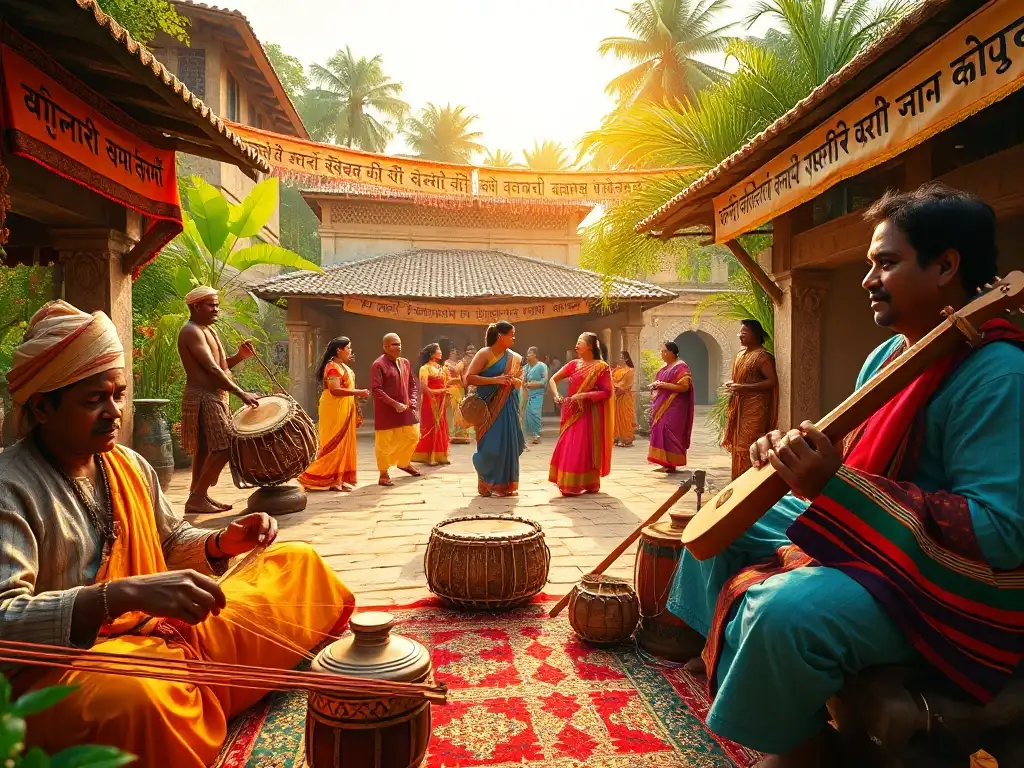
Welcome to Ancient India History, where we embark on an exciting journey through the tapestry of India's past! Here, we delve into the rich and diverse history, culture, and contributions of ancient Indian civilizations, from the remarkable Indus Valley to the illustrious Gupta Empire. In our featured article, we explore the fascinating connection between Prakrit and regional Indian folk traditions, revealing how this ancient language has shaped the cultural landscape of India.
Dive in to discover the profound influence of Prakrit on Indian culture and uncover the stories that have woven the fabric of our heritage. Your adventure into the depths of history awaits!
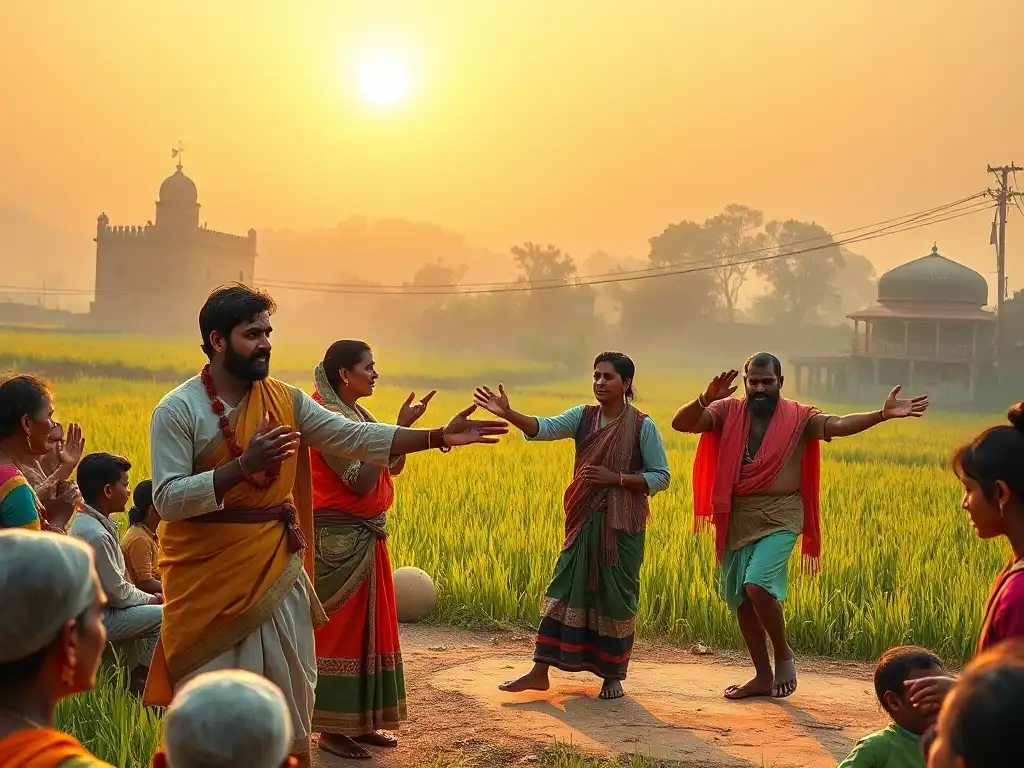
Introduction to Prakrit and Its Cultural Significance
The Prakrit languages represent a fascinating chapter in the tapestry of Indian linguistic heritage. Emerging around the 6th century BCE, Prakrit served as a bridge between the ancient Sanskrit literary tradition and the vernacular languages that evolved in the Indian subcontinent. As the languages spoken by the masses, Prakrits were instrumental in shaping regional dialects and folk traditions, thus playing a pivotal role in the cultural landscape of India. The exploration of Prakrit and its nuances reveals how this ancient language has left an indelible mark on Indian culture, inspiring countless narratives, performances, and artistic expressions across generations.
Overview of Prakrit Languages
Prakrit is not a singular language but rather a group of Middle Indic languages that flourished in ancient India. These languages include:
- Pali: Known primarily for its association with Theravada Buddhism.
- Ardhamagadhi: Utilized in Jain scriptures.
- Shauraseni: Spoken in the region of present-day Madhya Pradesh and Rajasthan.
Each of these languages has its unique characteristics and historical significance, contributing to the rich linguistic diversity of India. The Prakrit languages are characterized by their simpler grammar and phonetics compared to Sanskrit, making them more accessible to the common people.
Historical Context of Prakrit in India
The rise of Prakrit languages coincided with significant sociopolitical changes in ancient India. The decline of the Vedic age and the emergence of urban centers during the Mahajanapada period facilitated the spread of Prakrit.
- Cultural Shifts: As trade flourished and diverse communities interacted, Prakrit became a medium of communication among different strata of society.
- Religious Influence: The spread of Buddhism and Jainism further popularized Prakrit, as religious texts were composed in these languages to reach a broader audience.
This historical backdrop highlights how Prakrit served as a vessel for cultural exchange and social interaction, establishing itself as a vital part of India's linguistic heritage.
The Role of Prakrit in Ancient Indian Literature
Prakrit's contribution to ancient Indian literature is profound. Many literary works, including plays, poems, and philosophical texts, were composed in Prakrit, reflecting the everyday life and struggles of the people. Notable works include:
- The Sanskrit play "Mrichchhakatika" by Shudraka, featuring dialogues in both Sanskrit and Prakrit, showcasing the coexistence of these languages.
- Jain literature, which extensively utilized Prakrit to convey its teachings and stories.
Through these works, Prakrit not only enriched the literary landscape but also preserved the oral traditions and folk narratives that are integral to understanding the culture of ancient India.
Prakrit Influence on Indian Culture
The influence of Prakrit on Indian culture is multifaceted and continues to resonate through various aspects of society. This section explores the linguistic contributions of Prakrit to regional dialects, its impact on folk traditions, and the cultural exchange that occurred through local narratives.
Linguistic Contributions of Prakrit to Regional Dialects
Prakrit languages have significantly influenced the development of several regional dialects across India. As they evolved, they contributed to:
- Bhojpuri: Derived from the influence of Shauraseni Prakrit.
- Rajasthani: Shaped by various Prakrit languages leading to its unique dialects.
- Gujarati: Exhibiting features that trace back to ancient Prakrit.
This linguistic heritage showcases how Prakrit served as a foundational element for the emergence of modern Indian languages, enriching them with vocabulary and phonetic patterns.
Prakrit's Impact on Folk Traditions and Oral History
The oral traditions of India are steeped in narratives that have been passed down through generations, many of which are rooted in Prakrit. These traditions include:
- Folk Songs: Often composed in regional dialects influenced by Prakrit, these songs narrate tales of love, valor, and everyday life.
- Performance Arts: Theatrical forms such as "Nautanki" and "Tamasha" incorporate dialogues and themes derived from Prakrit literature, reflecting cultural nuances.
Prakrit not only facilitated the transmission of these stories but also helped preserve the rich tapestry of Indian folklore, which continues to thrive today.
Cultural Exchange: Prakrit and Local Folk Narratives
The intersection of Prakrit with local folk narratives highlights a dynamic cultural exchange that has shaped Indian identity. Through storytelling, local performers have interwoven elements of Prakrit literature with regional myths and legends, resulting in:
- Adaptations of Classical Tales: Many folk narratives draw upon themes and characters from Prakrit literature, reinterpreting them within local contexts.
- Fusion of Artistic Expressions: The blend of Prakrit with local dialects has resulted in unique art forms, including dance and music that celebrate regional cultures.
This cultural exchange underscores the enduring legacy of Prakrit in fostering a diverse yet interconnected Indian cultural identity, making it a cornerstone of the nation's rich heritage.
Regional Indian Folk Traditions Shaped by Prakrit
Prakrit languages have played a pivotal role in shaping various regional Indian folk traditions. These languages, primarily spoken in ancient India, served as a linguistic bridge between the elite Sanskrit tradition and the vernacular languages of the common people. As a result, Prakrit became a medium through which local culture, folklore, and traditions were expressed and preserved.
In many regions, folk songs, dance, and storytelling often showcase elements of Prakrit. The use of Prakrit in these traditions allowed for the expression of local dialects and cultural nuances. This not only enriched the folk traditions but also ensured that they resonated with the everyday lives of the people. The integration of Prakrit into regional narratives facilitated a deeper connection between the language and the cultural practices of the communities, reflecting their unique identities and social structures.
Moreover, Prakrit's influence can be seen in various art forms, including drama and poetry, illustrating how this ancient language has transcended its initial confines to inspire and shape modern expressions of regional identity. The relationship between Prakrit and regional folk traditions continues to be a rich field of study, as it reveals the dynamics of cultural exchange and linguistic evolution in ancient and contemporary India.
Case Study: Prakrit in Rajasthani Folk Traditions
Rajasthani folk traditions are deeply intertwined with the legacy of Prakrit. The region's rich tapestry of music, dance, and storytelling often features dialects that trace their roots back to Prakrit. A notable example is the folk genre of "Ghoomar," where the lyrics and performances reflect the linguistic nuances of Prakrit, showcasing themes of love, valor, and nature.
Additionally, the "Bhavai" dance form incorporates Prakrit elements in its storytelling, often depicting local legends and historical narratives. The use of Prakrit in these performances not only preserves the linguistic heritage but also highlights the cultural significance of the themes being portrayed.
Rajasthani ballads, known as "Maalhar," also utilize Prakrit phrases and expressions, emphasizing the language's role in conveying emotions and connecting with the audience. This interplay between Prakrit and Rajasthani folk traditions demonstrates the enduring impact of ancient linguistic practices on contemporary cultural expressions.
Exploring Prakrit Influence in Bengali Folk Culture
Bengali folk culture exhibits a remarkable blend of influences, with Prakrit playing a significant role in shaping its literary and artistic landscape. The traditional Bengali ballads, known as "Baul," often incorporate Prakrit elements in their lyrics, reflecting themes of love, mysticism, and the search for spiritual truth. This integration highlights the historical significance of Prakrit in influencing the evolution of Bengali dialects and folk expressions.
The use of Prakrit in the narratives and songs of the Baul tradition illustrates a continuity of linguistic heritage that connects modern Bengali culture to its ancient roots. Additionally, folk theater forms such as "Jatra" often draw upon Prakrit narratives, showcasing how ancient language continues to resonate within contemporary performance arts.
Through these artistic expressions, Bengali folk culture not only preserves its historical ties to Prakrit but also emphasizes the importance of regional identity in the broader tapestry of Indian culture. The influence of Prakrit thus serves as a testament to the rich interconnections between language and cultural expression.
The Role of Prakrit in Maharashtra's Folk Art
Maharashtra's folk art is significantly influenced by Prakrit, particularly in its diverse forms of music, dance, and storytelling. The "Tamasha," a traditional folk theater form, often incorporates Prakrit language elements, which are used to narrate stories that resonate with the cultural and social experiences of the people. The use of Prakrit enriches the theatrical performances, making them relatable and accessible to local audiences.
Additionally, the "Lavani" dance, known for its vibrant expressions and lyrical beauty, frequently features themes and narratives that draw from Prakrit literature. The language serves as a vessel for conveying emotions and cultural values, thereby reinforcing the connection between language and identity in Maharashtra's folk traditions.
The influence of Prakrit in Maharashtra's folk art also extends to the realm of literature. Many folk tales and poems reflect the linguistic heritage of Prakrit, showcasing how this ancient language continues to inspire and shape the narratives of contemporary Maharashtra. The enduring presence of Prakrit in these art forms highlights the vital role it plays in preserving the region's cultural heritage.
The Interplay Between Prakrit and Other Languages
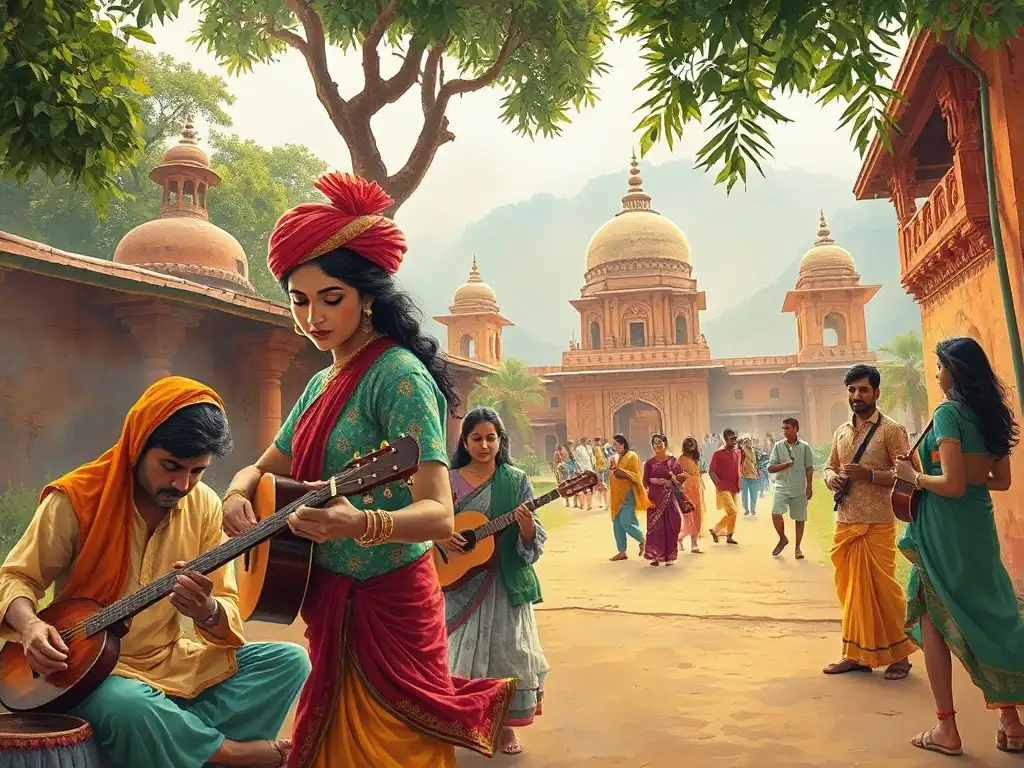
The interplay between Prakrit and other languages in India is a testament to the dynamic linguistic landscape of the subcontinent. Prakrit, with its diverse dialects, has not only influenced regional languages but has also shared a reciprocal relationship with them, enriching the cultural tapestry of India.
Prakrit and Its Relationship with Sanskrit
Prakrit is often regarded as a derivative of Sanskrit, yet it also represents a distinct linguistic identity. The relationship between the two is characterized by a fascinating interplay where Prakrit emerged as a spoken language, accessible to the masses, while Sanskrit remained the language of scholarship and elite discourse.
This duality allowed Prakrit to serve as a vehicle for the dissemination of religious and philosophical ideas, especially during the rise of Jainism and Buddhism. Many ancient texts, including the "Jain Agamas" and Buddhist scriptures, were composed in Prakrit, facilitating their reach among a broader audience. Through these texts, Prakrit not only preserved but also reshaped the narratives of Indian spiritual traditions, reflecting a symbiotic relationship with Sanskrit.
The Influence of Prakrit on Modern Indian Languages
The influence of Prakrit extends into the fabric of modern Indian languages, particularly in the development of regional dialects. Languages such as Hindi, Marathi, Gujarati, and Bengali have absorbed numerous elements from Prakrit, including vocabulary, phonetics, and grammatical structures.
For instance, many Hindi words trace their origins to Prakrit, and certain dialects of Hindi reflect phonetic features reminiscent of ancient Prakrit. Similarly, Marathi literature often incorporates Prakrit influences, particularly in poetic forms and folk narratives. This linguistic evolution underscores the enduring legacy of Prakrit as a foundational element in the development of contemporary Indian languages.
Comparative Analysis: Prakrit and Regional Languages
A comparative analysis of Prakrit and regional languages reveals fascinating insights into the linguistic diversity of India. Prakrit's influence can be observed in various regional languages, where it has contributed to the phonetic and lexical richness of these languages.
For example, the relationship between Prakrit and Tamil showcases how Prakrit elements have permeated the Dravidian languages, particularly in vocabulary related to trade, religion, and governance. Similarly, in languages like Kannada and Telugu, certain Prakrit-derived words and expressions can be found, reflecting historical interactions and cultural exchanges.
Through this comparative lens, it becomes evident that Prakrit not only influenced the evolution of regional languages but also played a crucial role in fostering cultural connections across different linguistic communities. This intricate web of linguistic influence highlights the importance of Prakrit as a key player in the rich mosaic of Indian languages and cultures.
Preservation of Prakrit Influence in Contemporary Culture
The influence of Prakrit on Indian culture continues to resonate in contemporary society, showcasing the richness of ancient traditions through various forms of artistic expression. Despite the evolution of languages over centuries, elements of Prakrit can still be found in modern dialects and folk traditions across different regions of India. The preservation of this linguistic heritage is crucial, as it serves as a bridge connecting the past to the present.
Community events, local festivals, and folk performances often incorporate Prakrit phrases or verses, allowing the language to thrive in everyday life. Additionally, the narratives and storytelling techniques rooted in Prakrit literature still inspire various cultural expressions, highlighting their relevance and significance in contemporary India.
Reviving Folk Traditions: The Role of Prakrit
Reviving folk traditions has become a vital aspect of maintaining cultural identity in various Indian regions. Prakrit, with its historical significance, plays a pivotal role in this revival. Folk artists and performers often draw upon the themes and narratives found in ancient Prakrit texts, reinterpreting them in a manner that resonates with modern audiences.
For instance, traditional storytelling, known as "katha," frequently features tales derived from Prakrit literature, fostering a sense of continuity. Through workshops, cultural festivals, and community gatherings, folk traditions are being revitalized, ensuring that the essence of Prakrit continues to enrich the cultural tapestry of Indian society.
Modern Adaptations of Prakrit in Arts and Literature
The modern adaptation of Prakrit in arts and literature showcases its enduring relevance in expressing contemporary themes and ideas. Authors, poets, and playwrights are increasingly incorporating Prakrit elements into their works, melding ancient language with modern narratives. This fusion not only honors the linguistic heritage but also makes it accessible to newer generations.
Art forms such as theatre and dance often reflect this adaptation, where Prakrit dialogues and themes are interwoven into performances. The use of Prakrit in contemporary literature serves to evoke nostalgia while simultaneously addressing current socio-political issues, demonstrating its versatility and capacity to engage with modern audiences.
Educational Initiatives to Promote Prakrit Heritage
Educational initiatives play a crucial role in promoting Prakrit heritage and ensuring that future generations appreciate its cultural significance. Various institutions and cultural organizations have launched programs aimed at educating students about Prakrit language, literature, and its impact on regional folk traditions.
Workshops, seminars, and courses are designed to teach Prakrit language and its literary forms, enhancing students' understanding of their cultural roots. Additionally, collaborative projects between universities and local communities help to document and archive folk traditions, ensuring that the influence of Prakrit is preserved for future study and appreciation.
Conclusion: The Lasting Legacy of Prakrit in Indian Culture
The legacy of Prakrit in Indian culture is profound and multifaceted, influencing various aspects of life, from literature to performing arts. Its historical significance and continued relevance highlight the interconnectedness of language, culture, and identity in India. As efforts to preserve and promote Prakrit continue, its impact remains a vital part of the cultural narrative.
Summary of Prakrit's Cultural Impact
Prakrit has left an indelible mark on Indian culture, shaping regional folk traditions and inspiring artistic expressions. Its influence can be seen in the language used in folk narratives, the themes explored in contemporary literature, and the revival of traditional art forms. The enduring presence of Prakrit serves as a testament to its cultural significance and its role in fostering a sense of belonging among communities.
Future Perspectives on Prakrit and Indian Folk Traditions
Looking ahead, the future of Prakrit and its connection to Indian folk traditions appears promising. With increasing interest in cultural heritage and the arts, there is potential for further exploration and innovation in the use of Prakrit. Collaborations between cultural organizations, educational institutions, and local communities will be crucial in fostering a deeper appreciation for Prakrit and its contributions to the richness of Indian culture. As efforts to revive and adapt Prakrit continue, its legacy will undoubtedly evolve, maintaining its relevance in a rapidly changing world.
- Introduction to Prakrit and Its Cultural Significance
- Prakrit Influence on Indian Culture
- Regional Indian Folk Traditions Shaped by Prakrit
- The Interplay Between Prakrit and Other Languages
- Preservation of Prakrit Influence in Contemporary Culture
- Conclusion: The Lasting Legacy of Prakrit in Indian Culture
Frequently Asked Questions
What is Prakrit and its significance in Indian history?
Prakrit refers to a group of Middle Indo-Aryan languages that played a crucial role in shaping various regional dialects in India, influencing literature and communication.
How did Prakrit contribute to Indian culture?
The use of Prakrit in ancient texts and performances helped to preserve and promote folk traditions, making them accessible to a wider audience and enriching cultural diversity.
What are some examples of folk traditions influenced by Prakrit?
Many regional folk plays, poetry, and songs have roots in Prakrit, showcasing the connection between this language and local customs, beliefs, and storytelling techniques.
How did the Gupta Empire influence the use of Prakrit?
During the Gupta Empire, Prakrit was widely used in art and literature, leading to a flourishing of cultural expressions that blended religious themes with everyday life.
What role does Prakrit play in modern Indian languages?
Prakrit has left a lasting legacy on many modern Indian languages, with its influence evident in vocabulary, syntax, and the evolution of regional dialects across the subcontinent.
Final Reflection: Embracing the Legacy of Prakrit in Indian Culture
The connection between Prakrit and regional Indian folk traditions is not just a historical curiosity; it is a vibrant thread that weaves through the fabric of contemporary Indian culture. As we explore the rich tapestry of Indian heritage, it becomes evident that the influence of Prakrit is not confined to ancient texts but resonates deeply in the folk traditions that continue to thrive today. This enduring legacy serves as a powerful reminder of how language and culture are intertwined, shaping identities and communities across generations.
Cultural expressions rooted in Prakrit have significantly influenced the social landscape of India, fostering a sense of belonging and continuity among diverse groups. The folk traditions that emerge from this linguistic heritage reflect the values, stories, and experiences of the people, creating a rich dialogue between the past and the present. As noted by the renowned scholar, Language is the most powerful tool for preserving culture and identity.
This observation underscores the importance of recognizing and celebrating the Prakrit influence, as it not only enriches our understanding of Indian culture but also reinforces our connection to it.
As we move forward, I invite you to reflect on your own relationship with the cultural traditions around you. Consider how the echoes of Prakrit and its folk expressions shape your identity and community. Embrace the opportunity to engage with these traditions, whether through storytelling, music, or dance, and recognize the role they play in preserving our shared heritage. By doing so, we honor the past while nurturing a vibrant cultural future that celebrates the profound influence of Prakrit on Indian culture.
Thank you for exploring the profound connection between Prakrit and the vibrant folk traditions of India. Your interest helps keep our heritage alive and fosters a deeper understanding of our cultural roots! Now, it’s time to take steps that not only celebrate this knowledge but also actively engage with it.
- Explore local folk traditions—attend performances, festivals, or workshops that highlight the richness of your cultural legacy.
- Share your findings! Write about your experiences or insights on social media or join forums to exchange ideas with fellow enthusiasts.
- Dive deeper: Consider reading literature or taking courses that delve into the Prakrit language and its influence on regional expressions.
What unique folk tradition from your region resonates the most with you, and why do you think it’s essential to preserve it? Let's spark a conversation!