
The Concept of Land Ownership: A Historical Perspective from Ancient India

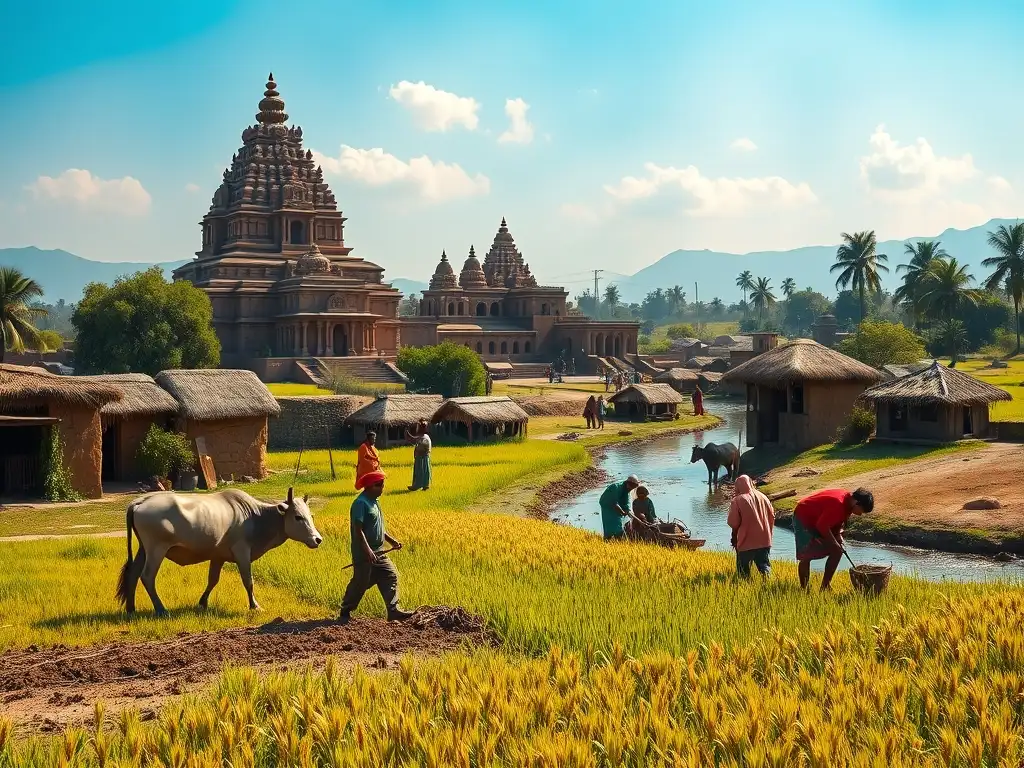
Welcome to Ancient India History, where we embark on a fascinating journey through the tapestry of one of the world's oldest civilizations. As we delve into the intricate concept of land ownership in ancient India, you’ll uncover the profound legal frameworks and cultural significance that shaped the very foundation of society from the Indus Valley to the Gupta Empire. What did land truly represent in the lives of our ancestors?
Join us as we explore the evolution of land rights and their societal impact, igniting your curiosity to learn more about this pivotal aspect of ancient Indian life. Dive deeper to discover how these ancient practices continue to resonate in our modern world!
- The Concept of Land Ownership in Ancient India: A Historical Perspective
- Historical Overview of Land Ownership in Ancient India
- Types of Land Ownership in Ancient India
- The Evolution of Property Laws in Ancient India
- Socio-Economic Implications of Land Ownership in Ancient India
- Challenges and Conflicts Related to Land Ownership
- Conclusion: The Legacy of Land Ownership in Ancient India
-
Frequently Asked Questions
- What was the significance of land ownership in ancient India?
- How did land ownership influence the caste system in ancient India?
- What were the primary forms of land ownership in ancient Indian civilizations?
- How did the Gupta Empire impact land ownership practices?
- Were there any laws regulating land ownership in ancient India?
- Final Reflection: Understanding Land Ownership in Ancient India and Its Lasting Legacy
- Unlock the Secrets of Land Ownership in Ancient India!
The Concept of Land Ownership in Ancient India: A Historical Perspective
Introduction to Land Ownership in Ancient India
The concept of land ownership in ancient India is a multifaceted subject that reflects the complexities of social, economic, and legal frameworks of various civilizations. From the early agrarian societies of the Indus Valley to the sophisticated governance of the Gupta Empire, land ownership has played a pivotal role in shaping the lives and livelihoods of individuals and communities.
It is essential to understand how different cultures viewed land, the rights associated with it, and the evolution of property laws over centuries. This exploration not only unveils the historical significance of land ownership but also provides insights into the cultural values and socio-economic structures that defined ancient Indian civilizations.
As we delve deeper, we will uncover the various forms of land tenure, the impact of religious beliefs on land ownership, and the legal codes that governed property rights. This historical perspective serves as a foundational understanding of how land ownership in ancient India laid the groundwork for contemporary legal systems and social norms.
Importance of Land Ownership in Ancient Indian Society
Land ownership was not merely a legal concept in ancient India; it was a cornerstone of wealth, power, and social status. The significance of land can be delineated through the following key aspects:
- Economic Stability: Land was the primary source of agricultural production, which formed the backbone of the economy. Ownership of land meant access to resources that ensured food security and economic sustenance for families and communities.
- Social Hierarchy: Ownership of land was closely linked to social status. Those who owned substantial tracts of land often held significant influence within their communities and were integral to the socio-political fabric. This led to the emergence of distinct classes based on land ownership.
- Cultural Significance: In many ancient texts, land is often depicted as a symbol of prosperity and stability. The concept of land was intertwined with cultural and spiritual beliefs, where it was seen as a gift from the divine, further adding layers to its importance in society.
- Legal Framework: The existence of various laws and codes related to land ownership, such as the Manusmriti, highlights the organized nature of property rights in ancient India. These laws not only governed ownership but also inheritance, transfer, and dispute resolution, reflecting a sophisticated understanding of property rights.
Land ownership in ancient Indian society was not just a matter of legal entitlement but a crucial element that influenced economic systems, social structures, and cultural values, offering a rich tapestry from which we can draw lessons for contemporary discussions on property and inheritance laws.
Historical Overview of Land Ownership in Ancient India

Land ownership in ancient India was a complex and evolving concept, deeply intertwined with the socio-economic and legal frameworks of various civilizations. From the agrarian practices of the Indus Valley Civilization to the sophisticated land management systems of the Gupta Empire, the evolution of land ownership reflects the cultural and political dynamics of the time. Understanding this historical context is essential for grasping the foundational principles of property and inheritance laws that have persisted in various forms throughout Indian history.
Early Land Ownership Practices in the Indus Valley Civilization
The Indus Valley Civilization (circa 2500-1900 BCE) offers intriguing insights into early land ownership practices. Evidence from archaeological sites such as Harappa and Mohenjo-Daro suggests that land was primarily communal, with agricultural practices centered around shared resources.
- Agriculture and Irrigation: The inhabitants practiced advanced agriculture, utilizing irrigation systems to cultivate crops like wheat, barley, and cotton. This communal approach to farming led to a sense of shared ownership rather than individual claims.
- Settlement Patterns: The urban planning evident in the Indus Valley cities indicates a structured society where land was likely allocated based on communal needs rather than personal ownership. The existence of granaries and public baths further suggests a collective management of resources.
- Socio-economic Structure: It is believed that land was controlled by a ruling elite or priestly class, which influenced how land was utilized and distributed among the population. However, precise details on land ownership titles remain elusive due to the undeciphered script of the civilization.
The concept of land ownership during this period laid the groundwork for future developments in property rights, as the communal practices gradually evolved into more recognized forms of individual ownership.
Land Ownership During the Vedic Period
The Vedic Period (circa 1500-500 BCE) marked a significant shift in the understanding of land ownership in ancient India. The transition from communal to individual ownership became more pronounced, influenced by the socio-political changes of the time.
- Textual References: Vedic texts, including the Rigveda and later the Brahmanas, provide evidence of land being treated as a valuable asset. The emergence of terms like "ksetra" (field) and "ksetrajna" (knower of the field) indicates a growing recognition of individual ownership.
- Agrarian Society: As agricultural practices advanced, the concept of individual land ownership became essential for sustaining economic stability. Wealth accumulation and land as a source of power began to take root, leading to a stratified society where landowners held significant influence.
- Legal Framework: The introduction of concepts such as "dharma" began to govern land transactions and inheritance. Land ownership was often tied to familial lineage, where property passed down through generations, establishing a framework for inheritance laws.
The Vedic Period thus marked a critical juncture in the evolution of land ownership in ancient India, transitioning from communal practices to more individualized systems that would shape future legal structures.
The Role of Land in the Mauryan Empire
The Mauryan Empire (circa 322-185 BCE) represented a peak in the formalization of land ownership and governance in ancient India. Under the rule of Chandragupta Maurya and later Ashoka, land ownership was intricately linked with state control and economic prosperity.
- Centralized Administration: The Mauryan Empire introduced a centralized system that regulated land ownership through state laws. Land surveys and taxation systems were implemented to assess and manage land use efficiently.
- Land Grants and Donations: The practice of land grants became prominent during this period, where rulers would grant land to religious institutions, military leaders, and loyal subjects. These grants not only consolidated power but also shaped the socio-economic landscape of the empire.
- Legal Codes: The Arthashastra, attributed to Kautilya, provided insights into property rights and land management. It discussed various aspects of land ownership, including taxation, land disputes, and inheritance, highlighting the importance of land as a resource for both the state and its subjects.
The Mauryan Empire's approach to land ownership significantly influenced subsequent Indian legal systems, establishing precedents that would echo throughout history. The intertwining of land with power, religion, and governance during this period laid the foundation for future property and inheritance laws in ancient India.
Types of Land Ownership in Ancient India

Individual Land Ownership: Rights and Responsibilities
In ancient India, individual land ownership was characterized by distinct rights and responsibilities that shaped the socio-economic landscape. Land was primarily owned by individuals, who were recognized as the rightful possessors according to various legal texts. The concept of individual land ownership in ancient India was grounded in several key principles:
- Right to Cultivate: Landowners had the right to cultivate their land, which was vital for subsistence and economic stability. This right was often linked to the social status of the landowner, with higher castes typically having greater access to fertile lands.
- Transfer and Inheritance: Land could be sold, gifted, or inherited, reflecting a system where property rights were transmissible. The Manusmriti, an ancient legal text, outlines the rules governing inheritance, emphasizing the importance of lineage and maintaining family estates.
- Tax Obligations: Landowners were responsible for paying taxes to the ruling authority. These taxes were often a percentage of the agricultural yield, creating a direct link between land ownership and state revenue.
- Social Responsibilities: Ownership also came with social obligations, such as providing for the welfare of laborers and ensuring fair treatment of those who worked the land. This reflects a blend of economic autonomy and social duty prevalent among ancient Indian landowners.
Community Land Ownership: Collective Agricultural Practices
Community land ownership represented a collective approach to land management that was prevalent in many regions of ancient India. This model was particularly significant in agrarian societies where cooperation was essential for survival. Key aspects of community land ownership include:
- Shared Resources: Communities often managed land collectively, sharing resources such as water and irrigation systems. This cooperative management facilitated sustainable agricultural practices and supported larger populations.
- Collective Responsibility: In a communal setting, the responsibilities for maintenance, cultivation, and harvest were shared among community members. This model fostered a sense of unity and interdependence, as decisions about land use were made collectively.
- Traditions and Customs: Local customs and traditions played a significant role in governing community land ownership. These customs dictated how land was allocated, who could use it, and how profits from agricultural activities were distributed among community members.
- Conflict Resolution: Disputes over land use or boundaries were often resolved through communal meetings or the intervention of village elders, demonstrating a system of governance that emphasized local participation and consensus.
Royal Land Ownership: The Role of Kings and Rulers
Royal land ownership in ancient India was a powerful aspect of governance, influencing both the economy and social structure. The kings and rulers held significant authority over land and its distribution, which can be summarized through the following points:
- Divine Right and Legitimacy: Kings were often viewed as the divine custodians of land, with their rule legitimized by religious beliefs. This divine right to rule extended to ownership of lands, which were considered a reflection of their power and responsibility.
- Land Grants and Taxation: Rulers granted land to nobles, priests, and military leaders as rewards for loyalty and service. These grants came with tax obligations, which were crucial for maintaining the royal treasury and funding administrative functions.
- Surveillance and Control: The monarchy exercised control over land through a system of surveillance, ensuring that land was used productively. This included appointing officials to oversee agricultural production and tax collection, reinforcing the king's authority over land ownership.
- Cultural Patronage: Royal land ownership also facilitated cultural and religious patronage. Temples and educational institutions were often established on royal lands, contributing to the cultural development of ancient Indian civilization and reinforcing the king’s role as a benefactor of society.
The various types of land ownership in ancient India—individual, community, and royal—played a crucial role in shaping the socio-economic and cultural fabric of the civilization. Understanding these dynamics is vital for comprehending the complex history of land tenure and its implications for property and inheritance laws in ancient India.
The Evolution of Property Laws in Ancient India
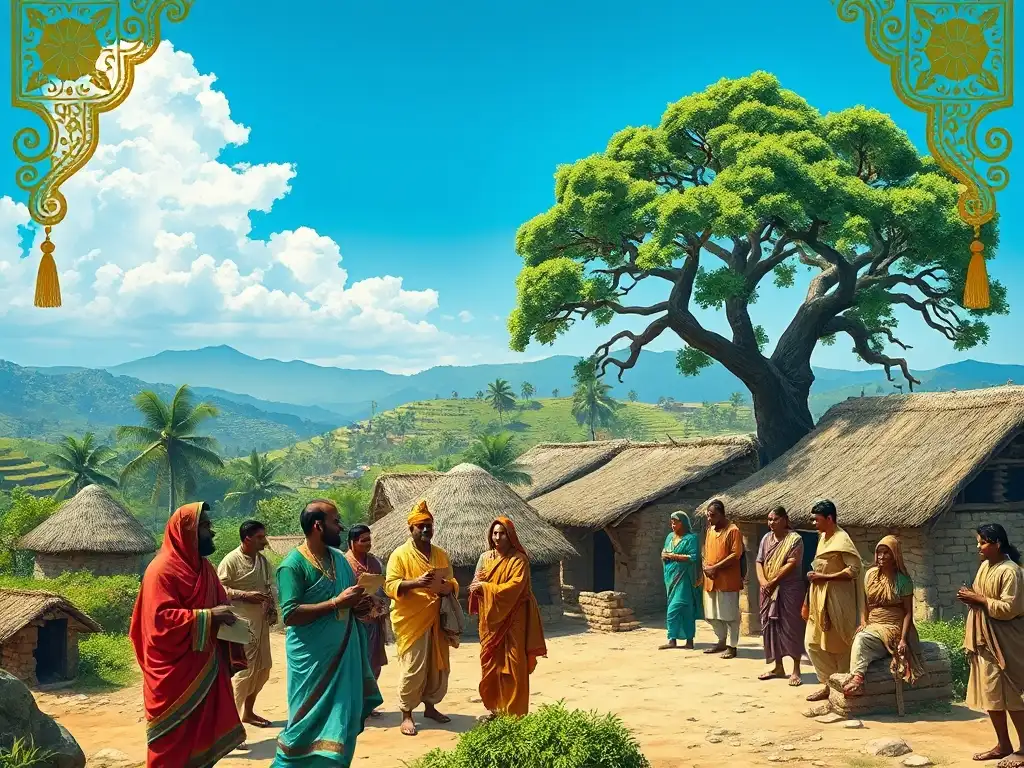
Ancient Texts and Their Influence on Land Ownership
The concept of land ownership in ancient India is deeply rooted in its historical texts, which provide significant insights into the legal and social frameworks that governed property rights. Prominent among these texts are the Vedas, Upanishads, and Dharmashastras.
- Vedic Literature:
- The Rigveda, one of the oldest known texts, alludes to land as a sacred entity, often referencing the importance of agriculture and pastoral activities. It reflects a nascent understanding of land as a resource crucial for survival and sustenance.
- Land was primarily viewed through the lens of communal ownership, where the collective rights of clans and tribes oversaw its use and distribution.
- Dharmashastras:
- Texts like the Manusmriti delineate specific rights regarding land and property ownership. They detail the roles of different social classes (varnas) in landholding and outline the obligations tied to land ownership, including maintenance of the land and duty to society.
- These texts suggest a gradual shift towards individualistic property rights, emphasizing the notion of private ownership while still maintaining a connection to the community.
- Religious Influence:
- The concept of Dharma (moral order) also played a vital role, as land ownership was often intertwined with ethical responsibilities. For instance, the obligation to perform rituals and support the community was emphasized, reflecting a balance between individual ownership and social duty.
Key Legal Codes: Manusmriti and Arthashastra
Two of the most influential texts regarding land ownership and property laws in ancient India are the Manusmriti and the Arthashastra, each presenting distinct perspectives on legal frameworks.
- Manusmriti:
- Composed around 200 BCE to 200 CE, the Manusmriti is a foundational text that outlines laws pertaining to various aspects of life, including land ownership. It codifies rules for different social classes and stipulates the rights and responsibilities of landholders.
- The text asserts that land grants can be made to Brahmins and temples, thus intertwining land ownership with religious and social obligations. It also discusses inheritance laws, emphasizing male primacy in inheritance, which solidified patriarchal structures.
- Arthashastra:
- Attributed to Kautilya (Chanakya), the Arthashastra serves as a manual on statecraft and economic policy, providing a pragmatic approach to land ownership and management. Written in the 4th century BCE, it addresses land revenue, taxation, and agrarian laws.
- This text recognizes the economic value of land, advocating for state control over land to maximize revenue while also ensuring the welfare of farmers. It presents a legal framework that encourages agricultural development and efficient land use.
Changes in Land Ownership Laws Over Time
The evolution of land ownership laws in ancient India reflects the dynamic interplay of social, economic, and political changes throughout various periods.
- Pre-Mauryan Period:
- During this time, land ownership was predominantly communal, with tribal leaders or chiefs overseeing land allocation. The agrarian economy was largely subsistence-based, with little formal recognition of individual land rights.
- Mauryan Period:
- The Mauryan Empire (322-185 BCE) marked a significant shift in land ownership. The state began to assert greater control over land, implementing systematic taxation and land revenue systems. This centralization led to a more structured approach to property laws.
- The introduction of land grants to officials and religious institutions further diversified land ownership, creating a class of landowners who held power and influence.
- Post-Mauryan Developments:
- As dynasties like the Gupta Empire emerged (c. 320-550 CE), land ownership laws continued to evolve. The Gupta period saw a rise in agricultural productivity and land cultivation, leading to increased wealth for landowners.
- The legal frameworks began to accommodate various land rights, including tenant rights, reflecting a growing complexity in land relations. The concept of subinfeudation (where landowners could lease portions of their land) emerged, further diversifying land ownership structures.
The historical perspective on land ownership in ancient India reveals a complex tapestry of legal principles influenced by religious texts, economic necessities, and socio-political dynamics, laying the groundwork for contemporary property laws in the region.
Socio-Economic Implications of Land Ownership in Ancient India
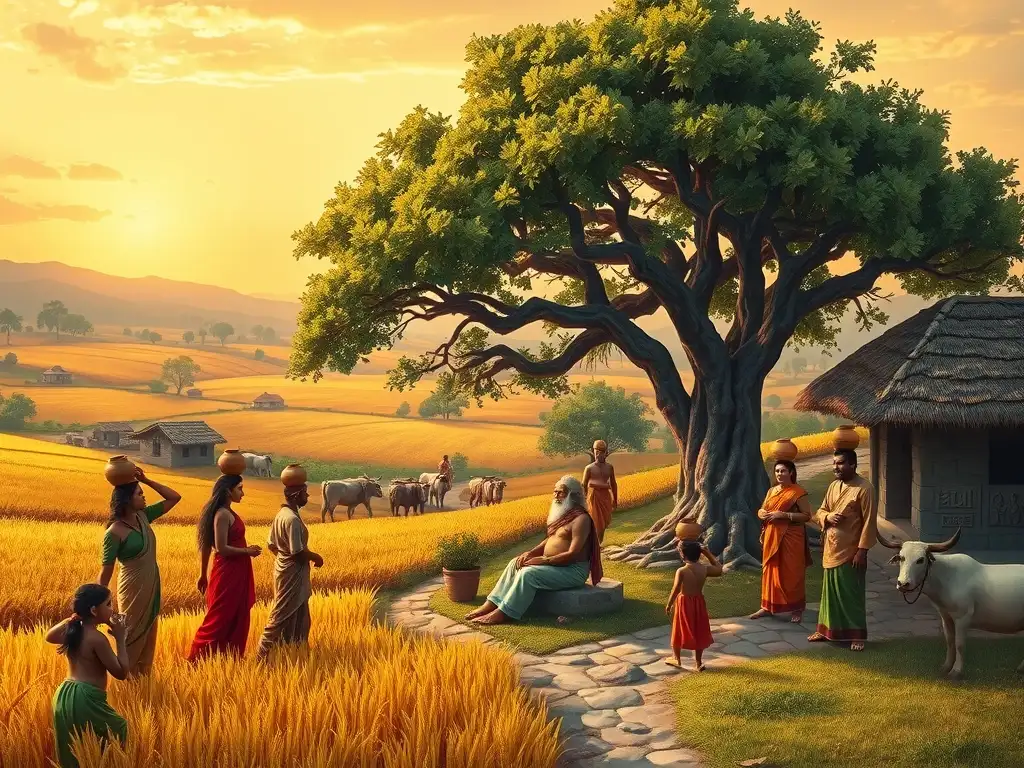
In ancient India, land ownership was intricately linked to social hierarchy and status. The caste system played a significant role in determining land ownership, which was often concentrated among the higher castes, particularly the Kshatriyas (warriors) and Brahmins (priests). These groups not only owned vast tracts of land but also wielded considerable power over the agrarian economy.
- Brahmins: Often appointed as landowners, they managed agricultural lands that were offered to them as grants for performing religious duties.
- Kshatriyas: As rulers and warriors, they maintained control over extensive lands, which were essential for sustaining their military campaigns and administrative functions.
- Vaishyas: In certain contexts, this merchant class also acquired land, particularly for agricultural purposes, contributing to trade and economic prosperity.
Land ownership conferred not just economic benefits but also social prestige. The ability to own and manage land was a marker of wealth, and those without land were often relegated to the lower strata of society, such as the Shudras, who primarily served the landowners. Thus, land ownership in ancient India was a critical factor in shaping the socio-economic landscape, reinforcing existing social stratifications.
Economic Impact of Land Ownership on Ancient Indian Civilizations
The economic impact of land ownership in ancient Indian civilizations was profound, influencing agricultural practices, trade, and overall economic growth. The agrarian economy relied heavily on land, making ownership a pivotal element in the sustenance and development of various communities.
- Agricultural Production:
- The majority of the population engaged in agriculture, which was the backbone of the economy. Owners of fertile land could produce surplus crops, leading to increased food security and the ability to support larger populations.
- Advanced agricultural techniques, such as irrigation and crop rotation, were often employed by landowners to maximize yields, which in turn stimulated local economies.
- Taxation and Revenue:
- Landowners were typically subject to taxation by the ruling authorities, which became a primary source of revenue for the state. The revenue collected from land taxes was crucial for funding public projects, maintaining armies, and supporting the administrative apparatus.
- In many cases, land was also used as a currency for transactions, allowing landowners to engage in trade and commerce effectively.
- Trade Networks:
- The surplus generated from land ownership fostered trade networks both within and beyond ancient Indian borders. Wealthy landowners often acted as patrons for artisans and traders, facilitating the growth of urban centers.
- Notable trade routes developed as a result of agricultural prosperity, connecting various regions and promoting cultural exchange.
- Cultural and Religious Contributions:
- The wealth accumulated from land ownership enabled individuals to contribute to religious and cultural institutions, leading to the construction of temples and the sponsorship of cultural activities.
- This patronage not only reinforced the socio-economic status of landowners but also enriched the cultural fabric of ancient Indian civilization.
Land ownership in ancient India not only shaped the social hierarchy but also had significant economic implications, underpinning the agricultural foundation of society and facilitating trade and cultural development. The legacy of these practices continues to influence discussions around property and inheritance laws in contemporary India.

Throughout ancient India, the concept of land ownership was not merely a matter of individual property rights; it was deeply intertwined with social hierarchy, economic stability, and cultural significance. However, this intricate web of land ownership led to numerous challenges and conflicts.
Land disputes were common, often arising from unclear ownership claims, inheritance issues, and changing socio-political landscapes. The agrarian nature of ancient Indian society meant that land was a critical resource, and conflicts over it could significantly impact local economies and social structures.
Disputes Over Land Ownership in Ancient India
Disputes concerning land ownership in ancient India were prevalent and stemmed from various factors:
- Inheritance Conflicts:
- Land was typically passed down through generations, leading to potential disputes among heirs.
- The Mitakshara and Dayabhaga school of thought influenced inheritance laws, resulting in differing practices across regions, which sometimes exacerbated disputes.
- Boundary Disputes:
- Ambiguous land boundaries were a frequent source of contention, especially in agrarian communities where land was essential for sustenance.
- Local customs and oral traditions often guided boundary demarcations, leading to misunderstandings and conflicts.
- State Interventions:
- The changing authority of local rulers and the central government could lead to confusion regarding land ownership rights.
- The imposition of new tax systems or land surveys could disrupt traditional claims and lead to grievances.
- Caste and Class Influences:
- The caste system played a role in land ownership dynamics, with certain castes having preferential rights to land ownership.
- Disputes could arise when lower castes claimed land traditionally held by higher castes, challenging social norms.
- Religious and Cultural Claims:
- Land often held religious significance, leading to disputes between different religious communities over sacred sites.
- The intertwining of religious and economic aspects of land ownership complicated conflict resolution.
These disputes often required formal resolutions, highlighting the need for established legal mechanisms.
The Role of Local Governance in Resolving Land Conflicts
Local governance played a crucial role in addressing land ownership conflicts in ancient India. The administration of land disputes was typically managed by village councils, known as panchayats, which operated based on local customs and laws.
- Panchayat System:
- The panchayat acted as a local judiciary, where elders or respected leaders would mediate disputes.
- Decisions made by the panchayat were often binding, relying on community consensus and traditional norms.
- Legal Texts and Codes:
- Ancient legal texts, such as the Manusmriti, provided guidance on land ownership and inheritance, influencing local governance.
- These texts outlined duties and rights, helping local authorities navigate complex disputes.
- Mediation and Community Involvement:
- Community involvement was essential; often, disputes were resolved through mediation, with the goal of restoring harmony rather than punitive measures.
- The emphasis on maintaining social order meant that resolutions often favored compromise over confrontation.
- Role of Local Rulers:
- Local rulers or chieftains sometimes intervened in land disputes, especially when they involved significant land holdings.
- Their authority could lend weight to resolutions, although such interventions could also lead to favoritism and further disputes.
- Evolution of Legal Frameworks:
- Over time, the legal frameworks governing land ownership became more structured, reflecting the complexities of land rights.
- This evolution was influenced by economic changes, such as increased trade and agricultural practices, necessitating clearer land ownership laws.
The challenges and conflicts related to land ownership in ancient India were multifaceted, reflecting the intricate social, economic, and legal systems of the time. Local governance mechanisms, particularly the panchayat system, played a significant role in resolving these disputes, showcasing the community's involvement in maintaining social order.
Conclusion: The Legacy of Land Ownership in Ancient India

The concept of land ownership in ancient India laid a foundational framework that influenced subsequent legal systems and property rights. Ancient texts, such as the Arthashastra by Kautilya and the Manusmriti, highlight the importance of land as a source of wealth and social status. These texts detail various forms of land ownership, including private, communal, and state ownership, showcasing a complex understanding of land rights.
Land ownership in ancient India was not merely a legal concept; it was deeply intertwined with cultural and social dynamics. For instance, the notion of “kingship” was often equated with land ownership, where rulers were viewed as the ultimate proprietors of all land within their realm. This relationship established a hierarchical structure that dictated land distribution and usage, reinforcing the power dynamics in society.
Moreover, various land grants, such as the agrahara (land grants to Brahmins for educational purposes) and miras (inheritance rights), were critical in shaping land tenure systems. These practices reflected the significance of land as a means of sustenance and identity, further solidifying its role in community life and governance.
Reflections on Modern Land Ownership Laws in India
In contemporary India, land ownership laws have evolved significantly, yet echoes of ancient practices remain. Modern property rights are governed by a mix of statutory laws and customary practices, often reflecting historical precedents. For example, the Land Acquisition Act of 2013 and the Transfer of Property Act of 1882 illustrate how historical concepts of land ownership still influence current legal frameworks.
One notable aspect is the continued recognition of joint family systems, which can be traced back to ancient practices of communal land ownership. Such systems allow for collective decision-making regarding land use and inheritance, emphasizing the importance of familial ties in property rights.
Furthermore, issues surrounding land disputes often arise due to historical claims and traditional practices that have not been adequately addressed in modern legal contexts. This highlights the necessity for a nuanced understanding of land ownership that considers historical legacies while navigating contemporary legal challenges.
The Continuing Influence of Ancient Practices on Contemporary Society
The influence of ancient land ownership practices is not limited to legal systems but extends to societal norms and values. The reverence for land as a vital resource and a symbol of prosperity persists in modern Indian culture. Festivals, rituals, and agricultural practices continue to honor the connection between people and land, reflecting a deep-seated legacy.
Additionally, the concept of land stewardship is prevalent in many communities, emphasizing the responsibility of landowners to care for the land and utilize it sustainably. This idea resonates with ancient philosophies that viewed land as a shared resource, vital for community well-being.
The legacy of land ownership in ancient India is evident in both the legal frameworks and cultural practices of contemporary society. Understanding this historical perspective is essential for addressing current land ownership issues and fostering a more equitable and sustainable future.
Frequently Asked Questions
What was the significance of land ownership in ancient India?
Land ownership in ancient India played a crucial role in the social and economic structure, often determining wealth, status, and power within communities.
How did land ownership influence the caste system in ancient India?
The caste system was heavily influenced by land ownership, as landowners were often from higher castes, which reinforced social hierarchies and economic disparities.
What were the primary forms of land ownership in ancient Indian civilizations?
In ancient India, land ownership varied, including king-owned land, community-held land, and personal ownership by farmers or landholders, each with specific rights and responsibilities.
How did the Gupta Empire impact land ownership practices?
During the Gupta Empire, land ownership saw more formalization, with the introduction of land grants and a system that encouraged agricultural productivity and taxation.
Were there any laws regulating land ownership in ancient India?
Yes, ancient texts like the Manusmriti outlined laws regarding land ownership, rights of landholders, and responsibilities, reflecting the importance of land management in society.
Final Reflection: Understanding Land Ownership in Ancient India and Its Lasting Legacy
The concept of land ownership in ancient India is not merely a historical curiosity; it is a lens through which we can examine the evolution of societal structures and values that resonate even today. As we navigate contemporary discussions around land rights, property laws, and social equity, the lessons gleaned from ancient practices remind us of the intricate relationship between land, identity, and community. The historical frameworks established in ancient India continue to shape our understanding of ownership and stewardship, underscoring the importance of context in our modern discourse.
The influence of land ownership in ancient India extends far beyond its historical confines, permeating our cultural and social landscapes in profound ways. The traditional views on land as a communal resource rather than merely a commodity challenge us to reconsider our contemporary attitudes toward property and sustainability. Land is not merely a resource; it is the foundation of our existence, shaping our identities and communities.
This perspective invites us to reflect on how our current practices can either honor or undermine the legacies of those who came before us, urging us to seek a balance between individual rights and collective responsibility.
As we conclude this exploration of land ownership in ancient India, I invite you to reflect on your own relationship with land and resources. Consider how the principles of stewardship, community, and respect for the environment can inform your actions today. Whether you are a landowner, a policymaker, or simply a member of a community, your engagement with these concepts can contribute to a more equitable and sustainable future. Let us carry forward the lessons of the past as we forge a path that honors both our heritage and the land we inhabit.
Unlock the Secrets of Land Ownership in Ancient India!
Thank you for diving into the intriguing history of land ownership in ancient India! Your curiosity about how these concepts shaped society is invaluable. Now, it's time to take the next step in your journey of discovery.
Here are some exciting actions you can take:
- Explore further: Research local historical sites or museums that showcase artifacts related to land ownership in ancient civilizations. You may find surprising connections to your community!
- Get involved: Join an online forum or local history group focused on ancient Indian history to share insights and learn from others who are passionate about the subject.
- Share your findings: Write a blog post or social media update about what you learned from this article. Your thoughts could inspire others to delve into this fascinating topic.
What unique perspectives did you uncover about land ownership, and how do you think they influence our understanding of property today?