
The Connection Between Sangam Literature and Other Ancient Literary Traditions

Welcome to Ancient India History, where we embark on a captivating journey through the rich tapestry of India's storied past. Here, we delve into the remarkable legacies of ancient civilizations, showcasing their profound contributions to culture and society.
Our featured article, "The Connection Between Sangam Literature and Other Ancient Literary Traditions," invites you to explore the intricate web of Sangam literature's ancient connections—a treasure trove of poetic expression that resonates far beyond its time. Join us as we uncover the enduring influence of these literary masterpieces and their place in the broader narrative of history, sparking your curiosity to learn more about the vibrant cultures that shaped them.
Introduction to Sangam Literature
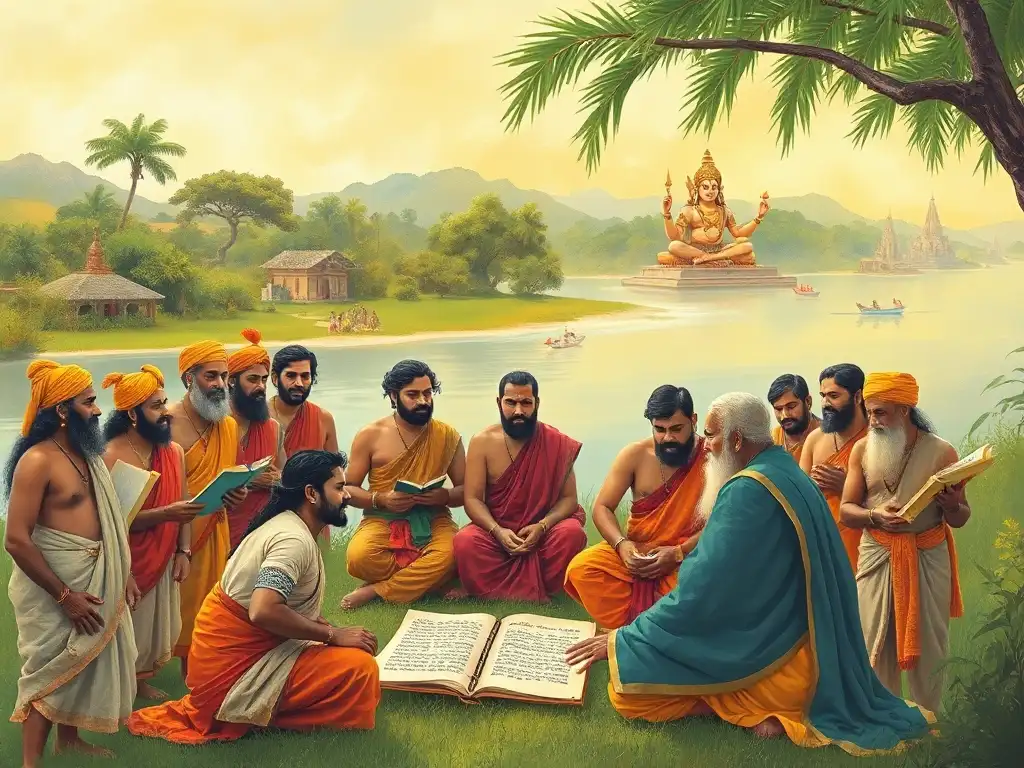
Sangam literature represents a pivotal chapter in the literary history of ancient India, particularly in the Tamil-speaking regions. Encompassing a vibrant collection of poems and songs composed between approximately 300 BCE and 300 CE, Sangam literature not only reflects the cultural ethos of its time but also showcases the rich linguistic heritage of Tamil.
This body of work serves as a testament to the sophisticated social structures, philosophical thoughts, and artistic expressions of ancient Tamil civilization. Understanding the connections between Sangam literature and other ancient literary traditions provides invaluable insights into the cross-cultural exchanges and influences that shaped these early narratives.
Definition of Sangam Literature
Sangam literature is defined as the corpus of Tamil poetry created during the Sangam period, which is divided into three distinct Sangams: the First Sangam (mythical), the Second Sangam (historical), and the Third Sangam (well-documented). The poems of this era, primarily composed in Tamil, cover a wide range of themes including love (akam), valor (puram), and the beauty of nature. The literature is characterized by its rich imagery, emotional depth, and profound philosophical reflections, making it a cornerstone of Tamil literary heritage.
Historical Context of Sangam Literature
The historical backdrop of Sangam literature is marked by the emergence of the Tamil kingdoms in South India, such as the Chola, Chera, and Pandya dynasties. This period witnessed significant advancements in trade, agriculture, and art, which fostered a conducive environment for literary creation. The Sangam poets, often patrons of the ruling elite, utilized their works to express societal values, heroic exploits, and the complexities of human relationships. The intermingling of various cultural influences, including those from neighboring regions, enriched the literary tapestry of this era.
Importance of Sangam Literature in Ancient Indian History
Sangam literature holds a crucial place in ancient Indian history for several reasons. It serves as one of the earliest records of Tamil culture, language, and social customs. The insights derived from these texts provide historians and scholars with essential perspectives on the socio-political dynamics, trade relations, and cultural exchanges of ancient India. Furthermore, Sangam literature has profoundly influenced subsequent Tamil literature and the broader Indian literary landscape, establishing a legacy that continues to resonate in contemporary times.
Overview of Ancient Literary Traditions
The study of ancient literary traditions encompasses a vast array of works that span different regions and cultures, each contributing unique elements to the literary heritage of humanity. By examining these traditions, we can uncover the interconnectedness between various literary forms and the shared human experiences they articulate.
Key Features of Ancient Literary Traditions
Ancient literary traditions often exhibit key features that define their uniqueness while also highlighting their commonalities. Some of these features include:
- Oral Tradition: Many ancient texts were passed down orally before being transcribed, emphasizing the importance of performance and memory.
- Cultural Reflection: Literature often mirrored the values, beliefs, and social structures of the societies from which they emerged.
- Diverse Themes: Common themes include heroism, morality, nature, and spirituality, reflecting universal human concerns.
- Symbolism and Metaphor: Rich use of symbolism and metaphor to convey deeper meanings and connect with audiences.
Major Ancient Literary Traditions in India
India's ancient literary traditions are diverse and multifaceted. Some of the major traditions include:
- Vedic Literature: Comprising the Rigveda, Samaveda, Yajurveda, and Atharvaveda, these texts form the foundation of Hindu philosophy and spirituality.
- Epic Literature: The Mahabharata and Ramayana are monumental epics that explore complex narratives of duty, righteousness, and morality.
- Sanskrit Drama: Dramatic works by playwrights like Kalidasa showcase the richness of Sanskrit literature and its theatrical heritage.
- Tamil Literature: In addition to Sangam literature, the later Tamil texts continue to influence the literary landscape in South India.
Global Ancient Literary Traditions: A Brief Comparison
When examining ancient literary traditions worldwide, several parallels and distinctions emerge. For instance:
- Mesopotamian Epics: The Epic of Gilgamesh shares thematic connections with Indian epics regarding heroism and the quest for immortality.
- Greek Tragedies: The exploration of human emotions and moral dilemmas in Greek tragedies resonates with the emotional depth found in Tamil Sangam poetry.
- Chinese Classics: Works such as the Book of Songs reflect the significance of nature and human relationships, akin to the themes in Sangam literature.
By delving into these comparisons, we can better appreciate the interconnectedness of literary traditions and the shared narratives that transcend geographical boundaries.
Exploring the Connections Between Sangam Literature and Other Traditions
Sangam literature, a treasure trove of ancient Tamil poetry and prose, showcases an intricate tapestry of cultural and literary connections that extend beyond the boundaries of the Tamil region. This literature, composed from approximately 300 BCE to 300 CE, reflects not only the unique ethos of the Tamils but also their interactions with various literary traditions across ancient India and beyond. By examining the connections between Sangam literature and other literary forms, one can gain insight into the broader cultural and intellectual milieu of the time.
The thematic richness of Sangam literature, characterized by its exploration of love, valor, and the beauty of nature, resonates with similar motifs found in other ancient literary works. Scholars have long debated the influences and exchanges that shaped Sangam texts, making it essential to explore these connections to fully appreciate their significance within the ancient literary landscape.
Similarities with Vedic Literature
Sangam literature exhibits notable similarities with Vedic literature, particularly in thematic elements and poetic forms. Both literary traditions share a reverence for nature, with vivid descriptions of landscapes, flora, and fauna. Vedic texts often invoke natural elements in their hymns and rituals, paralleling the Sangam poets' celebrations of the Tamil landscape.
Additionally, both traditions employ a rich use of metaphors and similes, enhancing the emotional and aesthetic quality of their verses. The concept of bhakti (devotion) present in Vedic literature can also be observed in Sangam poetry, where passionate expressions of love and devotion to deities and beloveds are prevalent. This thematic overlap suggests a mutual influence, highlighting the shared cultural and spiritual values across these literary traditions.
Influence of Sanskrit Literature on Sangam Texts
The influence of Sanskrit literature on Sangam texts is another area of significant interest. During the period when Sangam literature flourished, there was a burgeoning exchange between Tamil and Sanskrit-speaking regions, particularly through trade and cultural interactions. This exchange is reflected in the adoption of certain poetic forms and motifs found in Sanskrit literature.
For instance, the kāvya style of Sanskrit poetry, which emphasizes ornate language and complex metaphors, has parallels in the intricate poetic structures of Sangam literature. Additionally, themes of heroism and morality found in the epics like the Mahabharata and Ramayana resonate within Sangam poetry, suggesting that the narratives and ethical dilemmas faced by characters in these texts influenced Tamil poets.
Parallels with Greek and Roman Literary Traditions
The connections between Sangam literature and Greek and Roman literary traditions are particularly fascinating, revealing a broader scope of cultural exchange. The Hellenistic influence in the Indian subcontinent, especially during the period of Alexander the Great, opened avenues for interaction between the Greek world and the Tamil regions.
Sangam literature's lyrical quality and the use of dramatic elements have parallels with Greek tragedies and epics. The themes of love, conflict, and the human experience are universal, and similar expressions can be found in works like the Iliad and Odyssey. Additionally, the Roman appreciation for poetry and rhetoric may have played a role in shaping the Tamil literary landscape, further enriching the Sangam tradition.
The Impact of Geography on Literary Connections
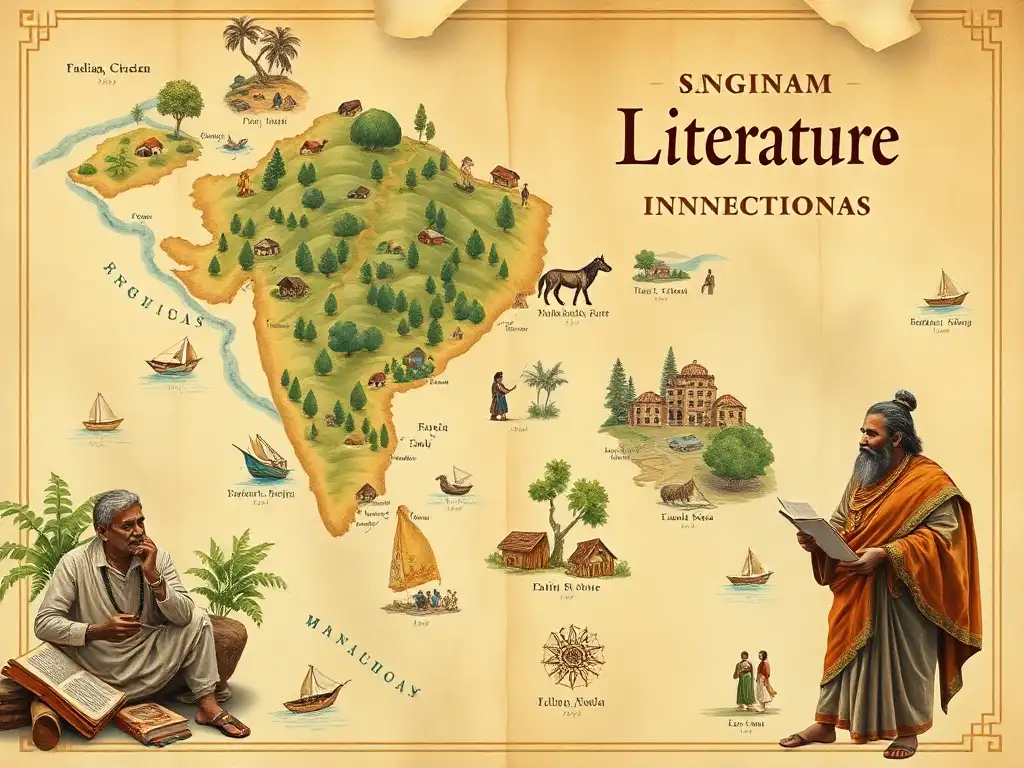
Geography played a crucial role in facilitating the literary connections between Sangam literature and other ancient literary traditions. The strategic location of the Tamil Nadu region, with its access to trade routes and cultural exchanges, allowed for a vibrant interaction between different civilizations and their literary outputs.
The topographical diversity of the region, encompassing coastal areas, forests, and fertile plains, provided a rich backdrop for the themes explored in Sangam literature. This geographical context not only influenced the content of the literary works but also determined the extent of their connections with other literary traditions.
Trade Routes and Literary Exchanges
The ancient trade routes that linked Tamil Nadu with various regions, including Southeast Asia, the Arabian Peninsula, and beyond, were instrumental in fostering literary exchanges. Merchants and travelers who traversed these routes often carried with them cultural artifacts, including texts, ideas, and literary styles.
As a result, Sangam literature absorbed diverse influences, leading to a synthesis of local and foreign literary traditions. This cross-pollination of ideas is evident in the thematic and stylistic elements found in Sangam texts, which reflect a rich interplay of cultural traditions.
Socio-Political Factors Influencing Literary Interactions
The socio-political landscape of ancient India also contributed significantly to the literary connections observed in Sangam literature. The patronage of local kings and chieftains created an environment conducive to literary production and cultural flourishing. These rulers often sought to commemorate their valor and achievements through poetry, leading to a vibrant literary culture.
Furthermore, the political alliances and conflicts between different kingdoms facilitated cultural exchanges, allowing for the sharing of literary forms and themes. The interactions between Tamil rulers and their counterparts in other regions, such as the Cheras, Cholas, and Pandyas, fostered a dynamic literary environment that enriched Sangam literature and its connections to other ancient literary traditions.
The exploration of Sangam literature's connections with other ancient literary traditions reveals a complex web of cultural exchanges that shaped its development. From similarities with Vedic texts to influences from Sanskrit and interactions with Greek and Roman literature, these connections underscore the richness of ancient Tamil literary heritage and its significance within the broader context of global literary history.
Conclusion: The Significance of Sangam Literature's Ancient Connections
Sangam literature holds a vital place in the tapestry of ancient literary traditions, not only within India but also in the broader context of world literature. Its intricate interplay with other ancient texts, such as those from the Vedic tradition and the works of classical Greek and Roman authors, highlights a rich exchange of ideas and cultural practices. This literature, dating back to the early centuries of the Common Era, serves as a lens through which we can explore the social, political, and economic landscapes of ancient South India.
The connections established through Sangam literature are significant for several reasons. Firstly, they showcase the linguistic diversity and complexity of early Indian languages, particularly Tamil, which has ancient roots and a long-standing literary tradition. Secondly, these connections illustrate how Sangam poetry reflects universal themes of love, valor, and nature that resonate with other ancient literary forms. Ultimately, understanding these ancient connections not only enriches our appreciation of Sangam literature but also enhances our grasp of the shared human experience across different cultures and epochs.
Summary of Key Points on Sangam Literature and Its Connections
- Cultural Exchange: Sangam literature exemplifies the cultural interactions between different regions and civilizations, showcasing influences from Vedic texts and Greco-Roman literature.
- Linguistic Richness: The Tamil language, as depicted in Sangam works, possesses a unique grammatical and phonetic structure that reflects its ancient roots and contributes to its literary merit.
- Universal Themes: The themes of love, heroism, and nature found in Sangam poetry resonate with similar motifs in other ancient literary traditions, underscoring common human emotions and experiences.
- Historical Context: Sangam literature provides invaluable insights into the socio-political landscape of ancient South India, including governance, trade, and societal norms.
- Influence on Later Literatures: The stylistic and thematic elements of Sangam literature have influenced subsequent literary traditions in India and beyond, contributing to the evolution of regional and national literatures.
The Legacy of Sangam Literature in Understanding Ancient Literary Traditions
The legacy of Sangam literature extends far beyond its immediate geographical and temporal confines. As one of the earliest known literatures in the Tamil language, it forms a cornerstone for understanding the progression of literary forms in South Asia. Its rich poetic techniques and profound thematic explorations set a precedent for later Tamil literature and influenced many Indian literary traditions.
Moreover, Sangam literature has become a vital source for historians and scholars studying ancient Indian society, offering insights into the lives of individuals and communities during the Sangam period (approximately 300 BCE to 300 CE). The preservation of these texts in their original form allows for a more nuanced understanding of the historical context in which they were created.
In a broader literary context, the connections between Sangam literature and other ancient works underscore the universality of human expression and the interconnectedness of civilizations. The themes and stylistic elements of Sangam poetry continue to resonate, making it a significant area of study for anyone interested in the foundations of literary traditions across cultures.
Further Reading and Resources on Sangam Literature and Ancient Literary Traditions
To delve deeper into the world of Sangam literature and its connections with other ancient literary traditions, a variety of resources are available. These encompass scholarly texts, articles, and online platforms that provide comprehensive insights into the subject.
Recommended Books and Articles
- "The Tamil Epics: An anthology": by A. K. Ramanujan - This book offers an overview of Tamil epics, including works stemming from the Sangam period.
- "Sangam Literature: A Historical Perspective": by R. S. Iyer - A detailed exploration of the historical context and significance of Sangam texts.
- "The Cultural History of Tamil Nadu" by V. S. S. Raghavan - This work places Sangam literature within the broader cultural history of the Tamil region.
- "Poetics of the Tamil Sangam" by K. K. Narayanasamy - A study of the poetic forms and themes prevalent in Sangam literature.
Online Resources for In-Depth Exploration of Sangam Literature
- Digital Library of India: A treasure trove of literary works, including translations and interpretations of Sangam texts.
- Tamil Virtual Academy: Offers courses and resources on Tamil literature, including Sangam poetry, for learners of all levels.
- Sangam Literature Project: An initiative dedicated to the study and promotion of Sangam literature, featuring articles, research papers, and discussions.
- The Internet Archive: Contains digitized versions of many historical texts and scholarly works related to Sangam literature and its ancient connections.
These resources serve as a gateway for further exploration and understanding of the rich legacy of Sangam literature and its significant role in the broader landscape of ancient literary traditions.
- Introduction to Sangam Literature
- Overview of Ancient Literary Traditions
- Exploring the Connections Between Sangam Literature and Other Traditions
- The Impact of Geography on Literary Connections
- Conclusion: The Significance of Sangam Literature's Ancient Connections
- Further Reading and Resources on Sangam Literature and Ancient Literary Traditions
Frequently Asked Questions
What is Sangam literature?
Sangam literature refers to a collection of ancient Tamil texts produced between 300 BCE and 300 CE, which includes poetry and prose, reflecting the culture, philosophy, and society of ancient Tamil Nadu.
How does Sangam literature connect to other ancient literary traditions?
Sangam literature shares thematic and stylistic elements with other ancient literary traditions, notably through its exploration of love, valor, and nature, creating a rich intertextual dialogue with texts from other cultures.
What are some key themes found in Sangam literature?
Key themes in Sangam literature include love (akam), war (puram), and the natural world, which together depict the complexities of human emotions and societal values in ancient Tamil culture.
Why is Sangam literature significant in the study of ancient India?
Sangam literature is significant because it provides insight into the social, political, and economic life of the time, highlighting the diversity and richness of ancient Indian civilization beyond the more commonly studied regions.
How does the Gupta Empire relate to Sangam literature?
While the Gupta Empire primarily thrived in northern India, its cultural exchanges with southern regions, including Tamil Nadu, led to similarities in literary forms and themes, illustrating a broader cultural network in ancient India.
Final Reflection: The Timeless Tapestry of Sangam Literature and Ancient Connections
The exploration of Sangam literature reveals its profound connections to other ancient literary traditions, highlighting the enduring nature of human expression and cultural exchange. In a world increasingly defined by globalization, understanding these connections not only enriches our appreciation of literature but also underscores the shared narratives that bind us across time and space.
The influence of Sangam literature extends far beyond its historical context; it continues to shape contemporary cultural identities and artistic expressions. As we delve into the intricate web of relationships between Sangam texts and other ancient literary works, we uncover a rich dialogue that transcends geographical boundaries. Literature is the most agreeable way of ignoring life.
– Fernando Pessoa. This quote resonates deeply as it reminds us that literature, in all its forms, serves as a bridge to understanding our shared humanity, allowing us to reflect on our experiences and emotions through the lens of diverse cultures.
As we conclude this exploration, I invite you to reflect on the lessons embedded in the connections between Sangam literature and other ancient traditions. Consider how these narratives can inspire your own journey, urging you to seek out the threads that link your life to the broader tapestry of human experience. Embrace the richness of cultural exchange and let it guide you in your quest for understanding and connection in an ever-evolving world.
Unveil the Rich Tapestry of Literary Connections!
Thank you for taking the time to explore the fascinating connections between Sangam literature and other ancient literary traditions. You've gained insights into the vibrant cultural exchange that has shaped our world. Now, let’s bring these themes of connection and discovery into your own life!
Here are some actionable steps you can take:
- Dive Deeper: Read a piece of Sangam poetry or another ancient literary work that interests you today. Take a moment to reflect on the themes and cultural contexts presented.
- Share Your Insights: Engage in discussions about this article with friends or join an online community dedicated to ancient literature to expand your understanding and connect with fellow enthusiasts.
- Explore Further: Visit your local library or cultural center to discover resources or events highlighting ancient literary traditions. You may uncover some hidden gems!
What connections do you see between Sangam literature and the literary traditions you’re familiar with? We encourage you to share your thoughts with us!