
The Impact of Itihasas on Indian Philosophy and Ethics

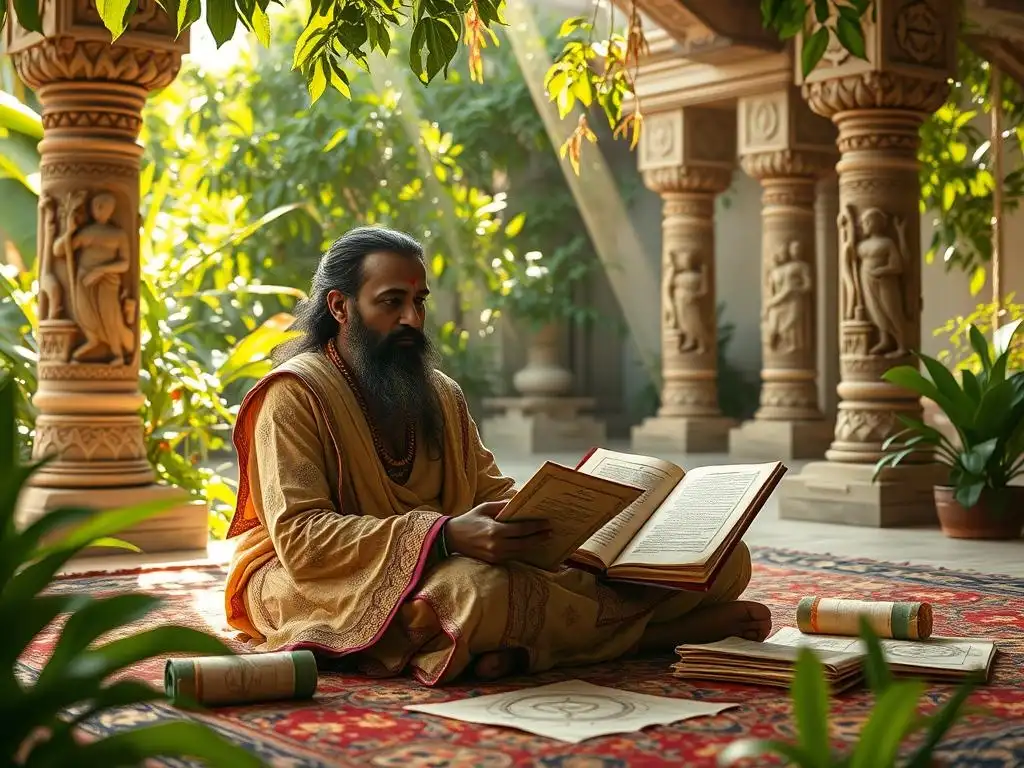
Welcome to Ancient India History, where we embark on a captivating journey through the rich tapestry of India's past. Here, we explore the profound influence of Itihasas on Indian philosophy, unveiling how these ancient texts shaped ethical frameworks and cultural beliefs that continue to resonate today. As you delve into our featured article, "The Impact of Itihasas on Indian Philosophy and Ethics," prepare to uncover the intricate connections between storytelling and moral thought in ancient civilizations. Join us as we unravel the layers of history that define India’s vibrant heritage and inspire a deeper understanding of its timeless philosophies.

The Itihasas, comprising the epic narratives of the Mahabharata and Ramayana, play a pivotal role in shaping the philosophical and ethical landscape of ancient India. These texts are not merely stories of heroism and divine intervention; they encapsulate profound moral dilemmas, ethical discussions, and philosophical inquiries that resonate deeply within Indian thought.
Through their rich narratives, the Itihasas offer insights into the human condition, the nature of dharma (duty/righteousness), and the complexities of life that continue to influence contemporary discussions on ethics and philosophy. This article will explore the significance of Itihasas as foundational texts that have significantly impacted Indian philosophy, as well as the key philosophical concepts and thinkers drawn from these ancient scriptures.
Introduction to Itihasas and Their Significance
Definition of Itihasas in Indian Literature
The term Itihasa literally translates to "thus it was" in Sanskrit, indicating the historical and narrative essence of these texts. Itihasas are revered in Indian literature as both historical chronicles and spiritual guides, weaving together mythology, history, and moral philosophy. Unlike other literary forms, Itihasas are characterized by their narrative style, which combines storytelling with philosophical discourse, making them accessible and engaging for a wide audience.
Overview of Key Texts: Mahabharata and Ramayana
The two principal Itihasas, the Mahabharata and the Ramayana, serve as monumental texts in Indian culture and philosophy:
- Mahabharata: This epic, attributed to sage Vyasa, is one of the longest literary works in the world, encompassing over 100,000 shlokas (verses). It explores the Kurukshetra War and the moral, ethical, and philosophical dilemmas faced by its characters, including the iconic Bhagavad Gita, which encapsulates essential teachings on duty, righteousness, and devotion.
- Ramayana: Written by sage Valmiki, the Ramayana narrates the life of Lord Rama, his quest to rescue his wife Sita, and his embodiment of virtue. The text delves into themes of loyalty, honor, and the righteousness of action, presenting an idealized model for personal and social conduct.
Importance of Itihasas in Cultural Context
The Itihasas have transcended mere literature to become a cultural cornerstone in India. They are not only recited during festivals and religious observances but also serve as ethical guides in everyday life. Their characters and narratives are deeply embedded in the collective consciousness of Indian society, influencing art, dance, drama, and even political ideology. The moral lessons derived from these texts continue to shape personal ethics and societal norms, underscoring their enduring relevance.
The Influence of Itihasas on Indian Philosophy
Philosophical Concepts Derived from Itihasas
The Itihasas are rich in philosophical concepts that have significantly influenced Indian philosophy. Key ideas include:
- Dharma: The concept of duty and righteousness is central to both texts, emphasizing the importance of fulfilling one's responsibilities in accordance with moral and ethical principles.
- Karma: The law of cause and effect is illustrated through various narratives, teaching that actions have consequences that extend beyond the individual.
- Moksha: The ultimate goal of liberation from the cycle of rebirth is explored through characters' journeys and their spiritual quests.
These concepts have laid the groundwork for various schools of Indian philosophy, including Vedanta and Samkhya, and continue to inform ethical discussions in contemporary society.
Key Philosophers and Thinkers Inspired by Itihasas
Throughout history, numerous Indian philosophers and thinkers have drawn inspiration from the Itihasas. For instance:
- Adi Shankaracharya: The revered philosopher and theologian integrated teachings from the Mahabharata into his interpretation of Advaita Vedanta, emphasizing the non-dual nature of reality.
- Mahatma Gandhi: He often referenced the ethical principles found in the Ramayana and Mahabharata to illustrate his philosophy of non-violence (ahimsa) and truth (satya).
These examples highlight how the Itihasas have not only influenced individual thinkers but have also contributed to the broader discourse on Indian philosophy and ethics, reinforcing their significance in the cultural and intellectual heritage of India.
Ethical Teachings in Itihasas
The Itihasas, primarily represented by the Mahabharata and Ramayana, serve as crucial texts that encapsulate ethical teachings and moral dilemmas faced by individuals and society. These ancient epics not only narrate heroic tales but also delve into the intricacies of human behavior, righteousness, and the pursuit of dharma (duty). Through various characters and their decisions, the Itihasas provide readers with profound insights into ethical conduct and the challenges of upholding moral values in complex situations.
The ethical teachings found within the Itihasas are applicable to various facets of life, including personal conduct, social responsibilities, and governance. The narratives often illustrate the consequences of moral choices, highlighting both virtuous and flawed behavior, thus encouraging readers to reflect on their own lives. Overall, the Itihasas play a pivotal role in shaping the ethical landscape of Indian philosophy, offering timeless wisdom that resonates even in contemporary times.
Moral Lessons from Mahabharata
The Mahabharata is a treasure trove of moral lessons, with its intricate storytelling presenting numerous ethical dilemmas. One of the most prominent lessons is the concept of dharma, which emphasizes the importance of duty and righteousness over personal desires. Characters such as Yudhishthira exemplify the struggle to adhere to dharma, even in the face of overwhelming challenges.
The epic also explores themes of justice, loyalty, and the consequences of one's actions. For instance, the infamous game of dice serves as a pivotal moment that leads to the downfall of the Kauravas and Pandavas, illustrating the destructive nature of greed and betrayal. Additionally, the teachings of Krishna to Arjuna in the Bhagavad Gita encapsulate the necessity of performing one's duty without attachment to the results, thereby offering profound insights into the nature of ethical action.
Through these moral lessons, the Mahabharata encourages individuals to navigate the complexities of life with integrity and mindfulness, fostering an understanding of the broader implications of one’s actions within the social fabric.
Ethical Principles Illustrated in Ramayana
The Ramayana is another seminal Itihasa that conveys essential ethical principles through its narrative. Central to the text is the character of Lord Rama, who epitomizes the ideal of dharma in all aspects of life. His adherence to righteousness, even when faced with personal loss and trials, sets a standard for ethical conduct.
Key ethical principles illustrated in the Ramayana include the significance of loyalty, respect for elders, and the importance of self-sacrifice for the greater good. The character of Sita exemplifies steadfastness and virtue, while the relationships between characters, such as Rama and his brothers, highlight the value of familial bonds and duty.
The Ramayana also addresses the consequences of unethical behavior, as seen in the actions of Ravana, whose abduction of Sita leads to his ultimate downfall. This narrative reinforces the idea that ethical choices shape one's destiny, serving as a guide for individuals to strive for righteousness and justice in their lives.
Comparing Itihasas with Other Indian Philosophical Texts
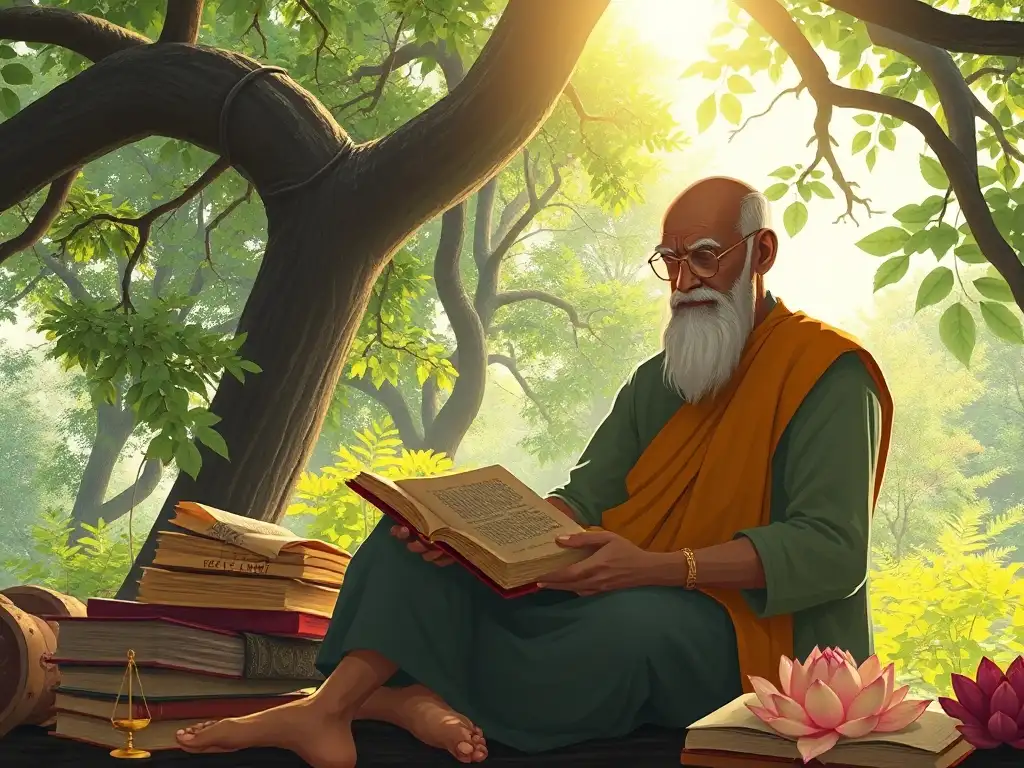
The Itihasas, while unique in their narrative style and storytelling approach, share significant philosophical ground with other ancient Indian texts. Their exploration of ethics, morality, and human behavior offers a complementary perspective to various schools of Indian philosophy, enriching the broader philosophical discourse.
Relationship Between Itihasas and Upanishads
The Itihasas and Upanishads are both foundational to Indian philosophy, yet they serve different purposes. While the Upanishads focus on metaphysical inquiries and the nature of the self (Atman) and ultimate reality (Brahman), the Itihasas provide practical examples of how these concepts manifest in daily life and ethical behavior.
In the Itihasas, the philosophical teachings often find expression through the characters' struggles and decisions. The interplay between ethical dilemmas in the Itihasas and the metaphysical discussions in the Upanishads creates a holistic understanding of dharma and the moral fabric of existence. This relationship underscores the notion that philosophy is not merely theoretical but must also be applied in real-life scenarios, thus bridging the gap between thought and action.
Contrasts with Buddhist Ethical Teachings
While the Itihasas emphasize the significance of dharma and duty, Buddhist ethical teachings often prioritize the concepts of non-attachment, compassion, and the Four Noble Truths. In Buddhism, the path to ethical living is primarily through the cessation of suffering and the cultivation of mindfulness, contrasting with the Itihasas' focus on the responsibilities tied to one's social roles.
The Mahabharata and Ramayana present extensive narratives around duty and righteousness, which can sometimes lead to conflict and suffering, as seen in the epic battles. In contrast, Buddhist ethics advocate for a more individual-centered approach to morality, where the emphasis is on personal liberation and the alleviation of suffering for all sentient beings. This divergence highlights the rich tapestry of Indian philosophical thought, where various traditions provide distinct pathways to understanding ethics and morality.
Itihasas vs. Sutras: Different Approaches to Ethics
The Itihasas and Sutras represent two different genres of ancient Indian literature, each with its own approach to ethics. The Sutras, which include texts like the Yoga Sutras of Patanjali and the Brahma Sutras, often present concise aphorisms that outline philosophical principles and ethical guidelines. These texts are more prescriptive in nature, providing clear frameworks for ethical conduct.
In contrast, the Itihasas employ narrative storytelling to convey ethical lessons, often through complex characters and situations. This narrative approach allows for a more nuanced exploration of ethical dilemmas, showcasing the intricacies of human emotion and decision-making.
While the Sutras offer structured ethical frameworks, the Itihasas provide rich, contextual examples of how these principles play out in real life. This complementary relationship between the two genres enriches the understanding of ethics in ancient Indian philosophy, allowing readers to engage with ethical teachings both theoretically and practically.
The Legacy of Itihasas in Contemporary Indian Thought
The Itihasas, comprising texts like the Mahabharata and Ramayana, have left an indelible mark on contemporary Indian thought. These ancient texts not only narrate historical events but also encapsulate profound philosophical concepts and ethical frameworks that continue to resonate in modern Indian society. Their narratives, rich with moral dilemmas and philosophical inquiries, serve as a foundation for understanding justice, duty (dharma), and the human condition.
In contemporary discourse, the teachings of the Itihasas are often invoked to address current societal issues. For instance, discussions on morality, governance, and individual responsibility frequently reference characters and events from these texts. Figures like Lord Rama and Arjuna are seen as archetypes of virtue and conflict, providing frameworks through which individuals and leaders navigate ethical complexities today. This ongoing relevance underscores the timeless nature of the wisdom embedded in the Itihasas.
Modern Interpretations of Itihasas' Philosophical Teachings
Modern interpretations of Itihasas' philosophical teachings have led to a resurgence of interest in their applications to contemporary issues. Scholars and philosophers have delved into the texts to extract lessons on ethics, leadership, and personal conduct. For example, the concept of dharma is frequently analyzed in modern contexts, emphasizing its adaptability to various situations rather than a rigid set of rules. This interpretation allows for a flexible approach to ethics that is sensitive to the complexities of modern life.
Moreover, the narratives of the Itihasas are often discussed in relation to existential themes, such as the nature of duty, the pursuit of truth, and the quest for meaning. The dialogues within these texts are re-examined for their insights into human psychology and social dynamics, making them relevant to fields such as psychology, sociology, and political science. Modern thinkers are increasingly drawing upon these ancient teachings to propose solutions to contemporary moral dilemmas, demonstrating the enduring impact of Itihasas on philosophical discourse.
Influence on Indian Ethics in the 21st Century
In the 21st century, the ethical frameworks derived from the Itihasas are influential in shaping discussions around governance, social justice, and personal morality in India. The principles of dharma and righteousness are invoked in political rhetoric and public policy, guiding decisions that affect millions. Leaders often reference the ethical dilemmas faced by characters like Arjuna in the Mahabharata to justify their actions or policies, positioning themselves as morally aligned with these revered figures.
Additionally, the rise of social movements emphasizing justice and equality often draws upon the narratives of the Itihasas. Activists cite examples of righteousness and moral courage from these texts to inspire collective action and advocate for ethical governance. This integration of Itihasas into contemporary ethical discussions illustrates their continued relevance and ability to inform and challenge prevailing moral paradigms.
Itihasas in Global Philosophical Discourse
The Itihasas have also begun to occupy a significant place in global philosophical discourse, as scholars from various backgrounds explore their teachings. Cross-cultural studies have emerged, comparing the ethical frameworks of the Itihasas with those of Western philosophical traditions. This comparative analysis enriches both fields, offering insights into universal themes of morality, duty, and the human experience.
Furthermore, the global interest in Eastern philosophies has prompted scholars and practitioners worldwide to incorporate the teachings of the Itihasas into their own frameworks. Workshops, seminars, and academic courses now include discussions on the philosophical implications of the Itihasas, fostering a dialogue between Eastern and Western thought. This integration highlights the texts' potential to contribute to a more holistic understanding of ethics and philosophy in a globalized world.
Conclusion: The Enduring Impact of Itihasas on Indian Philosophy and Ethics
The Itihasas continue to be a cornerstone of Indian philosophy and ethics, influencing thought and behavior across generations. Their narratives provide a rich tapestry of human experience, grappling with questions of morality, duty, and the complexities of life. This enduring legacy ensures that the teachings of the Itihasas remain relevant, allowing individuals and societies to navigate the challenges of contemporary existence with wisdom drawn from the past.
Summary of Key Insights
The Itihasas' influence on Indian philosophy is profound and multifaceted. Their teachings inspire contemporary ethical frameworks, serve as a basis for modern interpretations of philosophy, and contribute to global dialogues on morality. The texts provide not only historical narratives but also timeless lessons that continue to shape ethical conduct and philosophical inquiry today.
Future Directions for Research on Itihasas and Philosophy
Looking ahead, future research on the Itihasas and their philosophical implications should focus on several key areas. First, there is a need for deeper exploration of how these texts can inform contemporary ethical issues, particularly in the context of globalization and multiculturalism. Second, interdisciplinary studies that bridge literature, philosophy, and social sciences could yield new insights into the practical applications of Itihasa teachings.
Finally, comparative studies with other philosophical traditions can enhance understanding of the universal themes present in the Itihasas, fostering a richer dialogue in the field of ethics and philosophy. By pursuing these avenues, scholars can continue to uncover the vast potential of Itihasas in shaping both Indian and global philosophical landscapes.
- Introduction to Itihasas and Their Significance
- The Influence of Itihasas on Indian Philosophy
- Ethical Teachings in Itihasas
- Comparing Itihasas with Other Indian Philosophical Texts
- The Legacy of Itihasas in Contemporary Indian Thought
- Conclusion: The Enduring Impact of Itihasas on Indian Philosophy and Ethics
Frequently Asked Questions
What are Itihasas in the context of Indian history?
Itihasas are ancient Indian texts that include epic narratives, particularly the Mahabharata and Ramayana, which serve as historical and cultural records of ancient India.
How do Itihasas influence Indian philosophy?
Itihasas profoundly shape Indian philosophy by imparting ethical lessons, moral dilemmas, and insights into human behavior, which are pivotal in the development of Indian thought.
What role do Itihasas play in Indian ethics?
Itihasas provide a framework for ethical principles, illustrating concepts such as dharma (duty/righteousness) through relatable characters and situations, thereby influencing moral decision-making.
Can you name some philosophical themes found in Itihasas?
Key philosophical themes include dharma, karma, and moksha, which are explored through narratives that address the complexities of life choices and moral responsibilities.
How are Itihasas relevant today in understanding Indian culture?
Itihasas remain relevant as they continue to inform cultural practices, social norms, and philosophical discourses, acting as a bridge between ancient wisdom and contemporary Indian identity.
Final Reflection: The Enduring Influence of Itihasas on Indian Philosophy
The Itihasas, as foundational texts of Indian culture, continue to shape contemporary thought and ethical frameworks, highlighting their timeless relevance. In an age where philosophical discourse often grapples with moral ambiguity, the narratives and teachings embedded within these ancient texts provide a compass for navigating the complexities of modern life. The profound insights drawn from the Itihasas remind us that the quest for truth and righteousness is as pertinent today as it was centuries ago.
Culturally and socially, the Itihasas have woven themselves into the very fabric of Indian identity, influencing everything from literature to politics. Their stories resonate with the struggles and triumphs of humanity, serving as a mirror reflecting our own dilemmas and aspirations. As Mahatma Gandhi once said, The best way to find yourself is to lose yourself in the service of others.
This sentiment echoes the ethical teachings found within the Itihasas, urging us to engage with the world around us and to act with integrity and compassion.
As we reflect on the lessons imparted by the Itihasas, let us invite ourselves to engage deeply with these narratives in our own lives. Consider how the principles of duty, righteousness, and selflessness can guide your actions and decisions. By embodying the wisdom of these texts, we can contribute to a more ethical and harmonious society, ensuring that the influence of the Itihasas continues to illuminate the path for future generations.
Unveil the Wisdom of Itihasas Today!
Thank you for diving deep into the profound influence of Itihasas on Indian philosophy and ethics. We hope you’ve gained valuable insights that inspire thoughtful reflection and meaningful action. Now, it’s time to take what you’ve learned and apply it to your own journey!
Here’s how you can continue exploring the depths of this rich heritage:
- Dive deeper into the Itihasas: Read a chapter from the Ramayana or Mahabharata and reflect on its moral teachings.
- Join a discussion group: Share your thoughts and insights with like-minded individuals interested in Indian philosophy. This can be through local meetups or online forums.
- Explore related texts: Look into commentaries or analyses on Itihasas to understand their implications for contemporary ethics.
Which aspects of the Itihasas resonate most with you, and how do you envision incorporating their teachings into your daily life? Let's spark a conversation in the comments!