
The Interplay of History and Myth in Itihasas

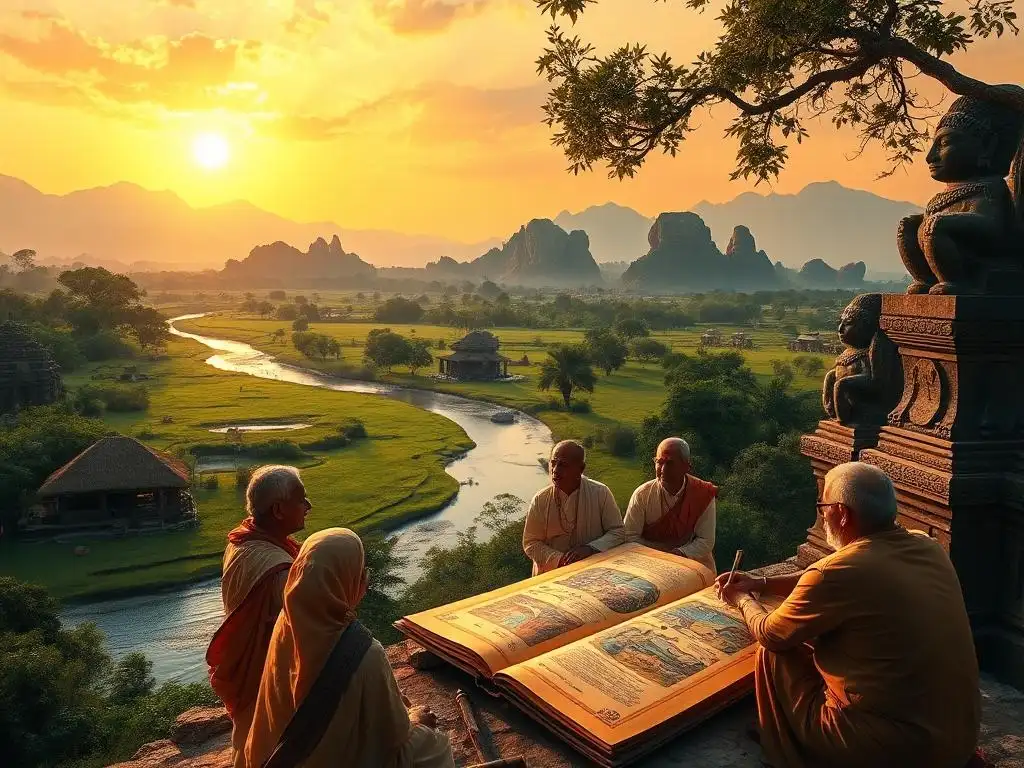
Welcome to Ancient India History, where we embark on a journey through the vibrant tapestry of India’s past, unraveling the intricate threads of culture, civilization, and legacy that have shaped this remarkable land. In our featured article, "The Interplay of History and Myth in Itihasas," we delve into the fascinating relationship between historical truths and mythical narratives found in ancient texts. What secrets do these age-old stories hold, and how do they reflect the values and beliefs of their time?
Join us as we explore this captivating intersection, opening the door to deeper understanding and appreciation of the literature that transcends mere epics. Your adventure into the heart of ancient Indian history begins here!
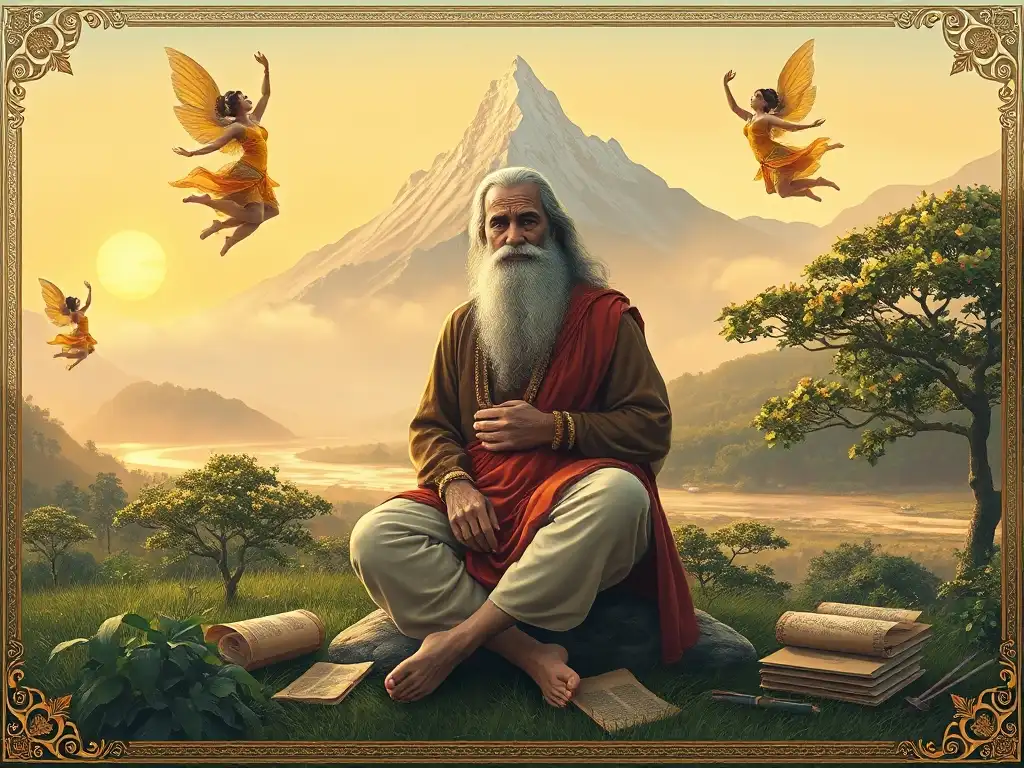
The Itihasas, a term that encompasses the ancient Indian epics, serve as a crucial bridge between the realms of history and myth. Comprising texts such as the Mahabharata and the Ramayana, these narratives not only recount the deeds of legendary heroes but also embed profound philosophical and ethical teachings within their stories. As we explore the interplay of history and myth in Itihasas, we delve into how these texts reflect the historical context of their time while simultaneously weaving in mythical elements that enrich their narratives.
This duality invites readers to consider the broader implications of these stories on ancient Indian culture, societal norms, and collective memory. In this article, we will analyze the significance of Itihasas, the historical periods they reflect, and how socio-political dynamics influenced their content, ultimately shedding light on the enduring legacy of these texts in shaping ancient Indian civilization.
Understanding Itihasas: Definition and Significance
What Are Itihasas?
The term "Itihasa" literally translates to "thus it was" in Sanskrit, indicating a recounting of historical events intertwined with mythological elements. Itihasas primarily refer to the two great epics, the Mahabharata and the Ramayana, which have been pivotal in shaping the cultural and spiritual landscape of India. These texts are not merely stories; they are repositories of moral principles, legal codes, and philosophical inquiries. As literary works, they blend narrative with poetry, philosophy, and theology, making them essential for understanding the complexities of ancient Indian thought.
The Role of Itihasas in Ancient Indian Literature
In the vast canon of ancient Indian literature, Itihasas hold a unique position. They serve as historical chronicles that offer insights into the socio-political and cultural milieu of their time. Beyond their literary merit, these texts have functioned as a means of preserving oral traditions, imparting moral lessons, and providing guidelines for righteous living (Dharma). Through the characters and events depicted, readers can glean the values and struggles of ancient Indian society, making Itihasas an invaluable resource for historians and scholars alike.
The Importance of Myth and History in Itihasas
The interplay of myth and history in Itihasas is a defining characteristic that sets them apart from other literary forms. Myths provide a framework for understanding the divine and the extraordinary, while historical narratives root these stories in tangible experiences and events. This fusion allows for a deeper exploration of human nature, ethics, and the cosmos.
For instance, the moral dilemmas faced by characters like Yudhishthira and Rama resonate with universal themes, prompting readers to reflect on their own lives. Therefore, the significance of Itihasas extends beyond mere storytelling; they are vital for comprehending the philosophical underpinnings of ancient Indian civilization.
Historical Context of Itihasas
Historical Periods Reflected in Itihasas
Itihasas span several historical periods, from the Vedic era through the early medieval period. The narratives encapsulated within these texts provide glimpses into the transition of society from tribal confederations to more structured kingdoms. The Mahabharata, for instance, reflects the complexities of governance, warfare, and kinship during the time of the Kuru dynasty, while the Ramayana sheds light on the socio-political dynamics of ancient Ayodhya. These texts are thus invaluable for studying the evolution of political systems and social hierarchies in ancient India.
Key Historical Events and Figures in Itihasas
The Itihasas are rich with historical events and figures that have left a lasting impact on Indian culture. Characters like Arjuna, Draupadi, Rama, and Sita are not only central to the narratives but also symbolize various virtues and challenges faced by individuals in society. Major events such as the Kurukshetra war and the exile of Rama serve as critical touchpoints for understanding conflict, justice, and moral dilemmas in ancient India. Analyzing these events provides insights into the collective psyche of the civilization and the lessons derived from them.
The Influence of Socio-Political Factors on Itihasas
The socio-political landscape of ancient India greatly influenced the narratives of Itihasas. The rise and fall of dynasties, the interactions between different cultures, and the evolution of religious thought are all mirrored in these texts. Additionally, the patronage of kings and the inclusion of various local traditions into the Itihasas reflect the dynamic interplay between politics and literature. By examining these influences, we can better appreciate how Itihasas served as a means of cultural expression and social commentary during their time.
Through this exploration, we will uncover the intricate layers that make the Itihasas a cornerstone of ancient Indian literature and a testament to the civilization's rich historical and mythical heritage.
Mythological Elements in Itihasas
Mythological elements are foundational to understanding the Itihasas, which include the Ramayana and Mahabharata. These texts are not merely historical chronicles but are steeped in rich mythological narratives that intertwine with historical events, creating a complex tapestry of human experience. Myths serve multiple purposes: they offer moral lessons, explain natural phenomena, and provide a cultural identity. In this context, the Itihasas act as vessels that carry these myths forward, preserving them for future generations while simultaneously influencing the historical consciousness of society.
Overview of Mythology in Ancient Indian Culture
In ancient Indian culture, mythology was integral to both religious and social life. It served as a means of explaining the universe's creation, human existence, and the moral order of the world. Texts like the Vedas and Puranas laid the groundwork for mythological narratives, establishing a rich tradition of storytelling that informed daily life and spiritual practices. Myths were not confined to sacred texts; they permeated art, folklore, and rituals, reinforcing community values and beliefs. This interconnectedness of mythology and culture fostered a profound collective memory that shaped identity and continuity across generations.
Major Myths and Their Significance in Itihasas
The Itihasas are replete with significant myths that reveal profound truths about human nature, ethics, and the universe. Major stories, such as the divine birth of Lord Rama and the Kurukshetra War in the Mahabharata, are not just tales of heroism and moral dilemmas but also reflect deeper philosophical questions about duty (dharma), righteousness, and the consequences of human actions.
The myth of Vishnu's avatars, for instance, illustrates the cyclical nature of time and change, emphasizing the idea that divine intervention occurs when dharma is threatened. Through these narratives, the Itihasas convey timeless wisdom while simultaneously reflecting the historical and cultural milieu of their time.
The Symbolism of Myths in Reflecting Historical Truths
The myths embedded within the Itihasas often symbolize historical truths and societal values, serving as allegories for real-life events and moral struggles. For instance, the character of Arjuna in the Mahabharata embodies human dilemmas faced in warfare and governance, mirroring the historical conflicts of the time.
The trials faced by heroes can be interpreted as reflections of the ethical and social challenges that ancient Indian society grappled with. By examining these myths, scholars can glean insights into the values, fears, and aspirations of the people, allowing for a deeper understanding of the historical context in which these narratives were created.
The Interrelationship Between History and Myth
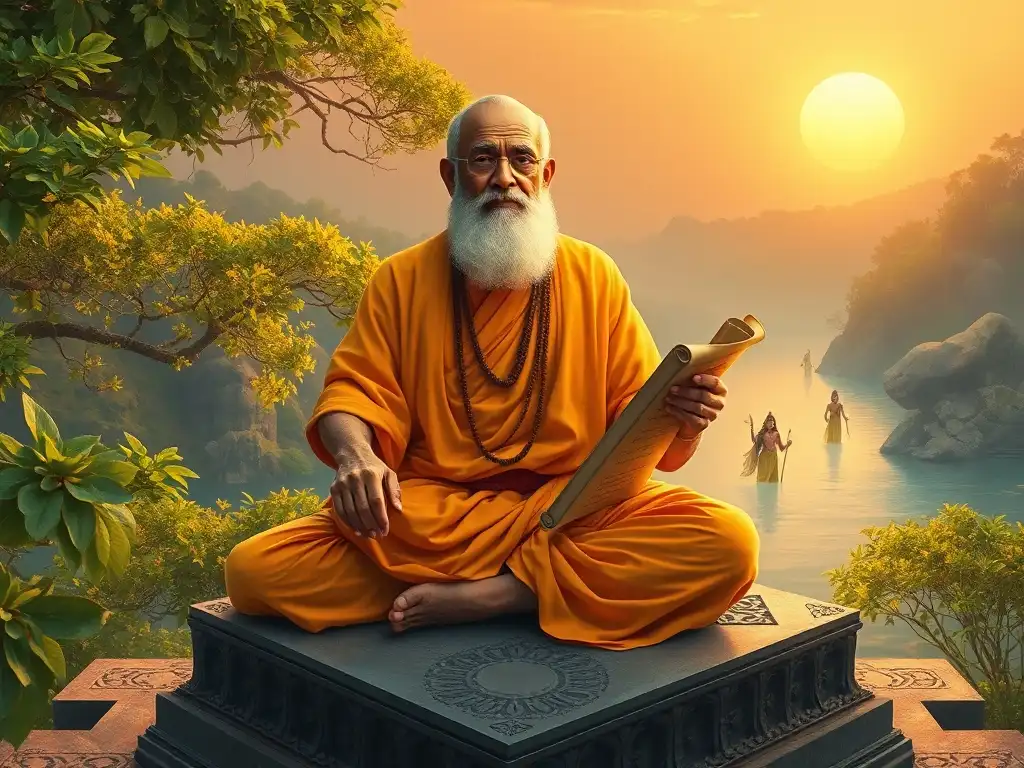
The interplay between history and myth in the Itihasas is complex and multifaceted. Myths are often employed to contextualize historical events, providing a moral framework that shapes the understanding of those events. Conversely, historical events can also reinforce and validate mythological narratives, creating a dynamic relationship that influences cultural memory. This interplay signifies that history is not merely a chronological account of events but is deeply infused with the values and beliefs of the society from which it emerges.
How Myths Shape Historical Narratives in Itihasas
Myths play a crucial role in shaping the historical narratives found within the Itihasas. They provide a lens through which historical events are interpreted, often imbuing them with greater significance than mere facts and figures could convey. For example, the Mahabharata’s portrayal of the great war can be seen not just as a historical conflict but as a metaphor for the eternal struggle between good and evil.
This mythic framing elevates the narrative, allowing it to resonate with audiences on both emotional and philosophical levels. By using myth to contextualize history, the Itihasas create a narrative framework that reflects the complexities of human experience.
The Role of Oral Traditions in Blending Myth and History
Oral traditions have played an essential role in the blending of myth and history in the Itihasas. Before the advent of written texts, stories were passed down orally, often morphing over generations. This oral transmission allowed for the incorporation of local myths, legends, and historical facts, resulting in a rich tapestry that reflects the diverse cultures of ancient India.
The iterative nature of storytelling meant that historical events could be embellished with mythological elements, creating a narrative that was both engaging and meaningful. This dynamic process ensured that the Itihasas remained relevant, adapting to the changing needs and values of society.
Case Studies of Specific Itihasas: The Ramayana and Mahabharata
The Ramayana and Mahabharata serve as primary case studies for understanding the interplay of history and myth in Itihasas. The Ramayana narrates the life of Lord Rama, an incarnation of Vishnu, emphasizing themes of dharma, loyalty, and the ideal of kingship. While it recounts events that are rooted in history, the narrative is interwoven with mythological significance, illustrating the divine role in human affairs.
In contrast, the Mahabharata is a more extensive and complex narrative that encompasses a multitude of characters and moral dilemmas. The epic not only details the great Kurukshetra War but also presents philosophical discourses, such as the Bhagavad Gita, which addresses the ethical implications of war and duty.
Both texts exemplify how myth and history coalesce, allowing readers to explore profound truths about life, morality, and the human condition within a historical framework. Through these case studies, one can appreciate how the Itihasas serve as a bridge connecting the mythic and the historical, enriching our understanding of ancient Indian civilization.
The Impact of Itihasas on Modern Understanding of History
The Itihasas, particularly the Mahabharata and Ramayana, play a pivotal role in shaping the modern understanding of ancient Indian history. These texts are not mere literary works; they serve as historical documents that encapsulate the social, political, and cultural ethos of the times in which they were composed. Scholars have long debated the extent to which these narratives can be considered factual accounts versus mythological embellishments. Nonetheless, the influence of Itihasas on contemporary historiography is undeniable.
The narratives within the Itihasas provide insights into the socio-political structures, religious beliefs, and ethical values of ancient Indian societies. They offer a glimpse into the lives of individuals in different strata of society, thereby allowing historians to reconstruct a more nuanced picture of the past. Furthermore, the Itihasas have inspired a plethora of interpretations, which have contributed to the ongoing dialogue about the nature of history itself, blurring the lines between historical fact and mythological narrative.
Reinterpretation of Historical Events through Myths
One of the most significant aspects of the Itihasas is their capability to reinterpret historical events through mythological lenses. Events such as the Kurukshetra War in the Mahabharata are not simply historical battles; they are imbued with moral dilemmas and cosmic significance, reflecting the complexities of dharma (righteousness) and adharma (unrighteousness). This reinterpretation serves to elevate the historical narrative beyond mere dates and events, turning it into a moral and philosophical discourse.
Moreover, figures like Rama and Krishna are portrayed not just as heroes but as embodiments of divine qualities, allowing readers to explore the human condition through the prism of myth. This interplay encourages a deeper understanding of historical events, inviting readers to engage with the text on both an emotional and intellectual level. As a result, modern historians often find themselves reassessing the implications of these narratives, recognizing that the myths embedded in the Itihasas can offer profound insights into the motivations and cultural contexts of the time.
The Role of Itihasas in Shaping Cultural Identity
The Itihasas have significantly shaped cultural identity in India and among Indian communities worldwide. They are not only narratives of the past but also serve as foundational texts that inform values, traditions, and social norms within various cultures. The stories resonate with themes of duty, loyalty, sacrifice, and the struggle between good and evil, which continue to be relevant in contemporary society.
Celebrations like Diwali and Dussehra, rooted in the tales of Rama and the Ramayana, reflect the enduring legacy of these texts in the cultural fabric of India. The values illustrated in the Itihasas influence moral education and ethical conduct, making them essential for understanding Indian identity. In this way, the Itihasas transcend mere historical accounts, becoming living traditions that continue to evolve while retaining their core messages.
Contemporary Perspectives on History and Myth in Itihasas
In recent years, there has been a growing interest in exploring the intersections of history and myth within the Itihasas from contemporary perspectives. Scholars and researchers are increasingly recognizing that the Itihasas can be seen through various lenses, including feminism, post-colonialism, and psychoanalysis. These approaches open up new avenues for understanding the texts, allowing for critiques of traditional interpretations while also considering the socio-political implications of the narratives.
For instance, feminist interpretations of the Mahabharata challenge the patriarchal narratives by highlighting the agency of female characters like Draupadi and Sita. Similarly, post-colonial critiques explore how these texts can be viewed as frameworks for resistance against colonial narratives and as expressions of indigenous identity. This multifaceted engagement with the Itihasas encourages a dynamic discourse that acknowledges both historical realities and mythological constructs.
Conclusion: The Legacy of Itihasas in Historical Discourse
The legacy of the Itihasas in historical discourse is profound and multifaceted. These texts have not only contributed to our understanding of ancient Indian history but have also shaped the very fabric of Indian culture, philosophy, and spirituality. The enduring narratives and characters continue to inspire and provoke thought, making the Itihasas a vital component of both historical scholarship and cultural identity.
The Continued Relevance of Itihasas Today
Today, the Itihasas remain relevant as they provide ethical guidance and reflect contemporary societal issues. The themes of justice, righteousness, and the human struggle resonate with modern audiences, offering frameworks for understanding current dilemmas. The narratives have also found new expressions in popular culture, including films, television, and literature, ensuring that their messages reach broader audiences. In this digital age, the reinterpretation of these texts through various mediums reinforces their relevance and accessibility.
Future Research Directions in the Study of History and Myth in Itihasas
As the study of history and myth in the Itihasas continues to evolve, future research directions may involve interdisciplinary approaches that combine literary analysis, anthropology, and archaeology. Scholars might explore the archaeological evidence that corroborates events narrated in the Itihasas, or engage with comparative studies that examine similar themes in other cultures' mythologies. Furthermore, there is a need for more inclusive narratives that reflect the diverse interpretations of the Itihasas across different communities and regions.
The potential for renewed scholarship in this area is vast, promising to deepen our understanding of how these ancient texts continue to influence contemporary thought and cultural practices. In doing so, researchers can contribute to a richer, more nuanced appreciation of the interplay between history and myth in the Itihasas.
- Understanding Itihasas: Definition and Significance
- Historical Context of Itihasas
- Mythological Elements in Itihasas
- The Interrelationship Between History and Myth
- The Impact of Itihasas on Modern Understanding of History
- Conclusion: The Legacy of Itihasas in Historical Discourse
- What are Itihasas in the context of ancient Indian literature?
- How do Itihasas contribute to our understanding of ancient Indian history?
- What is the significance of the interplay between history and myth in Itihasas?
- How do historians differentiate between historical facts and mythological elements in Itihasas?
- Why is it important to study the Itihasas in the context of ancient Indian civilization?
Frequently Asked Questions
What are Itihasas in the context of ancient Indian literature?
Itihasas are ancient Indian epics that blend historical narratives with mythological elements. They primarily include the Mahabharata and the Ramayana, serving as both cultural texts and historical accounts.
How do Itihasas contribute to our understanding of ancient Indian history?
The Itihasas provide insights into the sociopolitical landscape, cultural practices, and values of ancient civilizations. They serve as a bridge between history and myth, offering valuable context to historical events and figures.
What is the significance of the interplay between history and myth in Itihasas?
The interplay between history and myth in Itihasas reflects the belief systems and worldviews of ancient Indian societies. This blend helps to convey moral lessons and cultural traditions while preserving historical narratives.
How do historians differentiate between historical facts and mythological elements in Itihasas?
Historians analyze archaeological evidence, linguistic studies, and comparative mythology to discern historical facts from mythological embellishments. This process involves critical examination of the texts alongside external sources.
Why is it important to study the Itihasas in the context of ancient Indian civilization?
Studying Itihasas is crucial for understanding the cultural identity, religious beliefs, and historical developments of ancient India. They encapsulate the rich diversity of Indian civilization and its evolution over centuries.
Final Reflection: The Enduring Dance of History and Myth in Itihasas
The interplay of history and myth in Itihasas remains profoundly relevant today, as it invites us to explore the intricate tapestry of our cultural narratives. In a world increasingly driven by data and empirical evidence, the stories we tell—rooted in both historical events and mythological interpretations—continue to shape our identities and values. The Itihasas serve as a reminder that history is not merely a record of facts; it is a living narrative that evolves through the lens of culture and belief, influencing generations to come.
The influence of Itihasas on our cultural and social landscape is undeniable, as they provide a framework for understanding morality, duty, and the human experience. These texts resonate deeply within the collective consciousness, guiding individuals in their personal journeys and societal roles. As Mahatma Gandhi once said, "> The greatness of a nation and its moral progress can be judged by the way its animals are treated." This quote encapsulates the essence of how the lessons derived from Itihasas extend beyond mere storytelling; they challenge us to reflect on our actions and their impact on the world around us.
As you ponder the themes of history and myth in Itihasas, I invite you to reflect on your own narratives and the stories that shape your life. Consider how these tales influence your understanding of identity, morality, and community. Embrace the lessons embedded within these ancient texts and allow them to inspire you to weave your own narrative, one that honors the past while forging a path toward a more compassionate and enlightened future.
Unveil the Truth: Explore the Interplay of History and Myth!
Thank you for diving into the fascinating world of ancient narratives! Your interest not only highlights the rich tapestry of history and mythology but also opens the door to deeper understanding. Now, it’s time to take your exploration further. Here are some exciting next steps:
- Engage with a Community: Join online forums or local history groups where you can discuss and debate the narratives of ancient texts with fellow enthusiasts.
- Dive Into a New Read: Choose a book that delves into the intersection of history and mythology, enriching your perspective on these timeless stories.
- Share Your Insights: Connect with your social circle by sharing this article and your thoughts on social media—let's start the conversation!
What stories from ancient narratives resonate with you the most, and how do you think they shape our understanding of history today?