
The Modern Reinterpretation of Itihasas: A New Perspective

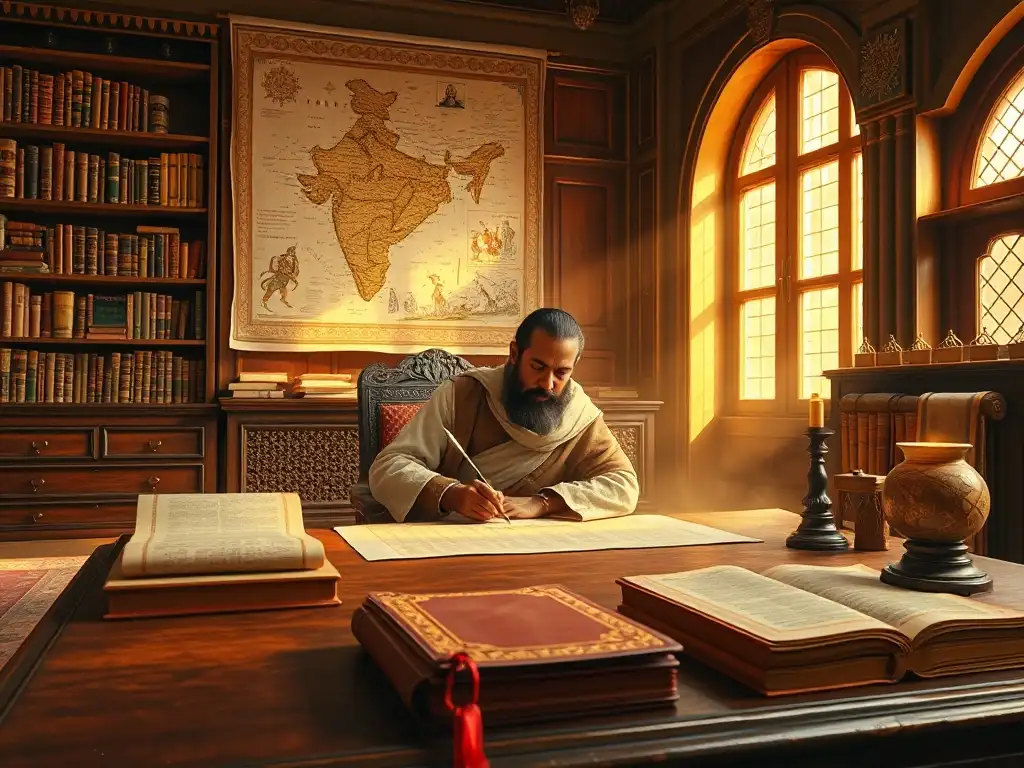
Welcome to Ancient India History, where we embark on a fascinating journey through the rich tapestry of ancient Indian civilizations. From the enigmatic Indus Valley to the illustrious Gupta Empire, our exploration reveals the profound cultural contributions that have shaped our world. In our featured article, “The Modern Reinterpretation of Itihasas: A New Perspective,” we delve into the intriguing ways contemporary thinkers are redefining these ancient texts, offering fresh insights that connect the past with the present.
Prepare to uncover layers of meaning that will ignite your curiosity and deepen your understanding of India's historical legacy. Join us as we explore the literature beyond epics and discover the timeless relevance of the Itihasas!
Introduction to Itihasas and Their Significance
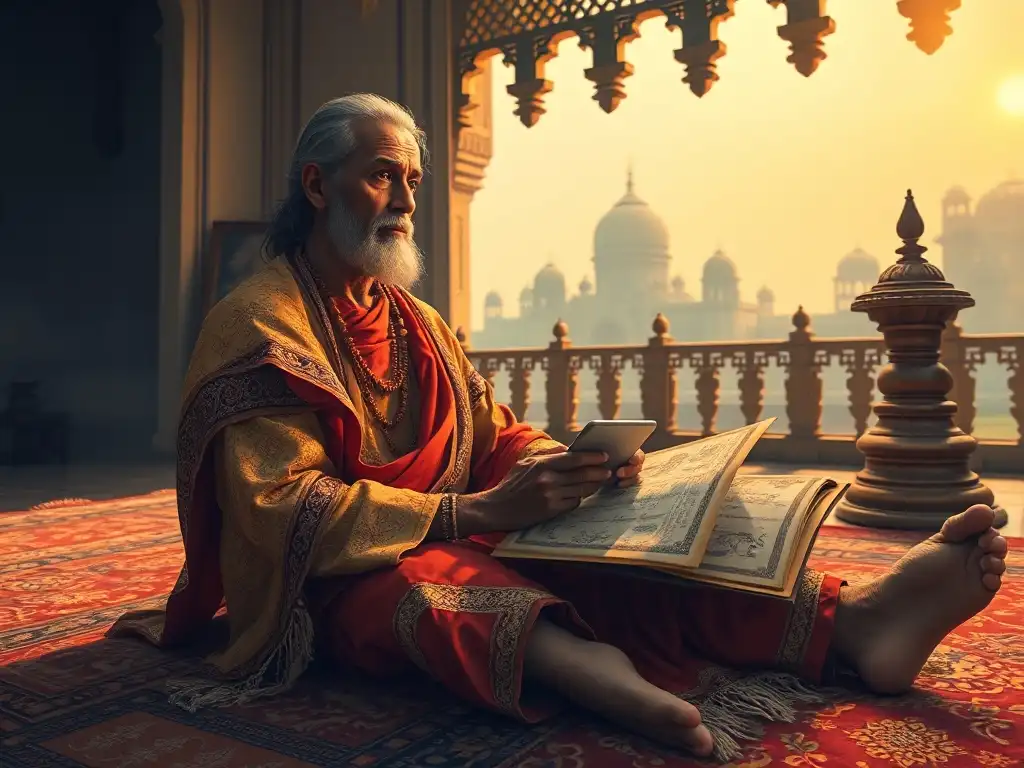
The term Itihasas refers to a specific category of ancient Indian literature that encompasses epic narratives, historical accounts, and legendary stories deeply rooted in the cultural and religious fabric of India. These texts, primarily the Mahabharata and the Ramayana, not only serve as spiritual guides but also reflect the moral, ethical, and philosophical ethos of ancient Indian society.
Understanding the Itihasas is crucial for grasping the complexities of ancient Indian civilization, as they encapsulate the values, struggles, and triumphs of the time. In contemporary discourse, there is a growing interest in the modern interpretation of Itihasas, which seeks to reinterpret these ancient texts through a contemporary lens, unraveling their relevance and implications in today’s world.
Definition of Itihasas in Ancient Indian Literature
Itihasas are defined as historical narratives that recount significant events and figures in a manner that blends mythology and reality. The term itself derives from the Sanskrit words "iti" (thus) and "ha" (happened), suggesting that these are accounts of events that transpired in the past. In essence, Itihasas are not merely stories; they are repositories of wisdom and cultural heritage, providing insights into the moral dilemmas and existential queries faced by humanity.
Historical Context of Itihasas in Indian Culture
The Itihasas emerged during a time when oral traditions were predominant, and storytelling played a vital role in preserving history and culture. As societies transitioned to written forms, these narratives took on new dimensions, becoming integral to the social and religious landscapes of ancient India. The Mahabharata, for instance, is not just an epic war story; it encompasses discussions on dharma (duty/righteousness), governance, and the human condition, reflecting the socio-political milieu of its time.
Importance of Itihasas in Understanding Ancient Indian Civilization
The significance of Itihasas extends beyond mere storytelling. They are crucial for understanding the philosophical and ethical frameworks that governed ancient Indian civilization. The moral lessons embedded within these texts have shaped cultural practices, influenced governance, and guided personal conduct across generations. By studying Itihasas, one gains insight into the collective consciousness of ancient India, revealing the values that have endured and evolved over centuries.
Understanding Modern Interpretation of Itihasas
The modern interpretation of Itihasas seeks to bridge the gap between ancient texts and contemporary society, revealing new dimensions of meaning and relevance. This reinterpretation is not merely academic; it reflects a broader cultural renaissance that aims to reclaim and redefine ancient wisdom in light of modern challenges.
Definition of Modern Interpretation of Itihasas
The modern interpretation of Itihasas involves analyzing these texts through various lenses, including historical, literary, psychological, and sociocultural perspectives. This approach allows scholars and enthusiasts alike to uncover layers of meaning that resonate with contemporary issues, such as identity, morality, and the human experience.
Evolution of Interpretations Over Time
The interpretations of Itihasas have evolved significantly over the centuries. From ancient commentaries by scholars like Valmiki and Vyasa to contemporary analyses by literary critics and historians, each era has contributed unique insights. Modern technology and methodologies, such as comparative literature and interdisciplinary studies, have further enriched this discourse, allowing for a more nuanced understanding of these texts.
Key Scholars and Their Contributions to Modern Interpretations
Numerous scholars have played pivotal roles in shaping the modern interpretation of Itihasas. Figures such as R.K. Narayan, whose retellings of the Ramayana and Mahabharata brought these ancient stories to a global audience, and Wendy Doniger, whose analyses have prompted critical discussions on mythology and sexuality, have significantly influenced contemporary thought. Their contributions illustrate the dynamic nature of Itihasas as living texts that continue to inspire and challenge readers across the world.
Thematic Elements in the Modern Interpretation of Itihasas
The modern interpretation of Itihasas, which includes texts like the Mahabharata and Ramayana, has evolved significantly, reflecting contemporary values and societal concerns. This reinterpretation often emphasizes themes that resonate with modern audiences, such as morality, identity, and social justice, while also addressing historical narratives from fresh perspectives. By doing so, these interpretations not only preserve the essence of ancient wisdom but also engage with current issues, making the Itihasas relevant in today's context.
Exploration of Moral and Ethical Themes
In the traditional context, Itihasas often present moral dilemmas faced by their characters, showcasing the complexities of dharma (duty/righteousness) and its multifaceted nature. Modern interpretations frequently delve deeper into these ethical themes, exploring the implications of choices made by characters like Arjuna and Rama. Contemporary authors and scholars analyze these decisions through the lens of modern ethical frameworks, asking questions such as:
- What does it mean to uphold dharma in today's society?
- How can ancient moral teachings be applied to contemporary ethical dilemmas?
This exploration encourages readers to reflect on their values and the moral implications of their actions in a rapidly changing world.
Cultural and Social Reflections in Modern Context
The Itihasas provide a rich tapestry of cultural and social norms from ancient India, and modern reinterpretations often reflect the shifts in societal structures and values. For instance, scholars and writers might examine how the caste system portrayed in these texts can be understood in the light of ongoing social justice movements.
Moreover, contemporary versions may highlight:
- Inclusivity: Emphasizing the voices of marginalized communities that were historically underrepresented.
- Environmental Issues: Drawing parallels between ancient ecological wisdom and modern environmental challenges.
By framing these texts within the context of current cultural issues, modern interpretations invite readers to re-evaluate their relationship with their heritage.
Gender Roles and Representation in Itihasas
Gender roles in the Itihasas have been a subject of extensive analysis, particularly in modern interpretations that seek to challenge traditional views. Characters such as Draupadi and Sita are often re-examined, focusing on their agency, strength, and the constraints placed upon them by patriarchal structures.
Modern interpretations may address:
- Feminist Perspectives: Highlighting the resilience and complexity of female characters, showcasing their roles as more than mere supporting figures in male-centric narratives.
- Intersectionality: Understanding how gender intersects with other identities, such as class and caste, in shaping the experiences of women in these texts.
This critical approach not only enriches the understanding of gender dynamics in ancient narratives but also resonates with contemporary discourses on gender equality.
Comparative Analysis of Traditional vs Modern Interpretations
The juxtaposition of traditional and modern interpretations of Itihasas reveals significant insights into narrative style, character development, and thematic focus. While traditional versions often adhere closely to the original texts, modern interpretations embrace innovative storytelling techniques that cater to contemporary audiences.
Differences in Narrative Techniques
Traditional Itihasas are characterized by their epic storytelling style, rich in symbolism and oral tradition. In contrast, modern interpretations may adopt various narrative techniques, such as:
- Non-linear storytelling: Allowing for a more fragmented and multifaceted understanding of the narrative.
- Intertextuality: Incorporating elements from various cultural and literary sources to enrich the narrative.
These techniques not only appeal to the modern reader's sensibilities but also encourage a deeper engagement with the text, revealing layers of meaning that may have been overlooked in traditional readings.
Variations in Character Development
Character development in traditional Itihasas often follows archetypal patterns, where characters embody specific virtues or flaws. Modern interpretations, however, tend to present characters with greater psychological depth and complexity. This shift can lead to:
- Nuanced portrayals: Characters are depicted with moral ambiguities, making them relatable to a contemporary audience.
- Exploration of motives: A focus on the inner conflicts and motivations of characters, such as the dilemmas faced by Arjuna or the struggles of Sita, enriches the understanding of their actions.
Such variations in character development contribute to a more dynamic and engaging narrative that resonates with modern readers.
Impact of Contemporary Issues on Interpretation
Contemporary societal issues significantly influence the modern interpretation of Itihasas. Themes such as globalization, identity crises, and environmental sustainability often shape the way these ancient texts are understood and retold.
For instance:
- Globalization: The increasing interconnectedness of cultures prompts reinterpretations that explore the relevance of ancient wisdom in a global context.
- Social Movements: Modern interpretations may align the teachings of Itihasas with contemporary social justice movements, drawing parallels that inspire activism and change.
This responsiveness to contemporary issues not only revitalizes the Itihasas but also ensures their continued relevance in a rapidly evolving world.
Case Studies of Modern Interpretations of Itihasas
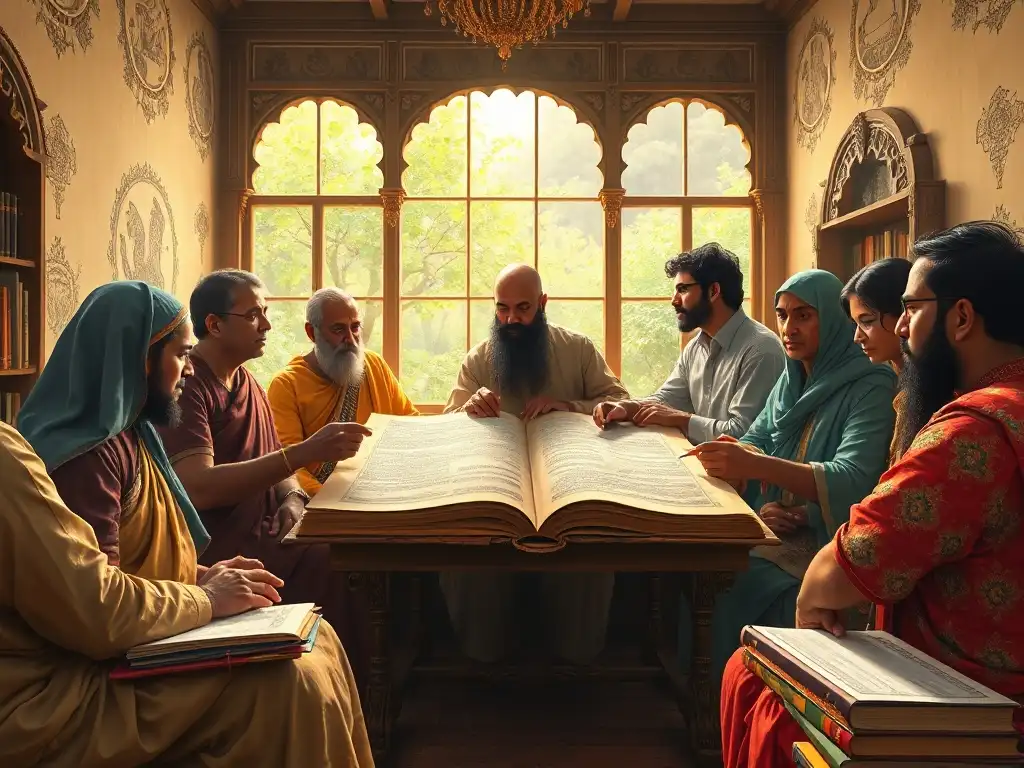
The modern reinterpretation of Itihasas, which includes the Ramayana and Mahabharata, has gained traction through various mediums, leading to diverse perspectives that resonate with contemporary audiences. These reinterpretations often emphasize themes such as morality, justice, and human relationships, inviting readers and viewers to engage with ancient texts in innovative ways. Notable case studies showcase how artists, writers, and scholars have reimagined these narratives, reflecting current societal values and concerns.
Analysis of "Raavan Leela" and Its Modern Reinterpretation
"Raavan Leela" presents a compelling modern interpretation of the Ramayana, focusing on the character of Ravana, traditionally viewed as the antagonist. In contemporary adaptations, Ravana is portrayed with complexity, exploring his motivations and the socio-political context of his actions. This shift allows for a more nuanced discussion about good versus evil, suggesting that morality is not always black and white. The portrayal of Ravana as a ruler with admirable qualities challenges long-held perceptions, prompting audiences to reconsider the implications of their judgments about historical figures. Such reinterpretations underscore the importance of empathy and understanding in historical narratives.
Influence of Devdutt Pattanaik on Modern Understanding
Devdutt Pattanaik, a prominent mythologist and author, has significantly impacted modern interpretations of Itihasas through his works that blend mythology with contemporary insights. His books and talks often deconstruct traditional narratives, emphasizing the underlying philosophical and psychological themes present in these ancient texts. By utilizing a narrative style that is accessible and engaging, Pattanaik has opened up discussions around gender roles, morality, and the relevance of these stories in today's world. His interpretations encourage a re-evaluation of the characters and events within the Itihasas, allowing readers to draw parallels between ancient wisdom and modern life.
Reception of Modern Interpretations in Academic Circles
The reception of modern interpretations of Itihasas in academic circles has been mixed. While some scholars appreciate the innovative approaches that make these texts relevant to contemporary audiences, others argue that certain adaptations may oversimplify or misinterpret the original narratives. Academic discussions often revolve around the balance between preserving the integrity of ancient texts and the need to adapt them for modern sensibilities. Interdisciplinary research bridging literature, theology, and cultural studies has emerged, illustrating the dynamic dialogue between traditional scholarship and contemporary reinterpretation. As these discussions continue, the boundaries of what constitutes legitimate interpretation are being continually redefined.
The Role of Media in Shaping Modern Interpretations
Media plays a crucial role in shaping modern interpretations of Itihasas, providing a platform for the dissemination of these reimagined narratives to a broader audience. Through various forms of media, the complexities of ancient stories are unpacked and presented in relatable formats, engaging with themes that resonate with today's viewers and readers. This section examines how different media forms contribute to the reinterpretation of Itihasas.
Influence of Cinema and Television on Itihasas
Cinema and television have significantly influenced the modern interpretation of Itihasas by bringing these ancient stories to life through visual storytelling. Films and television series often take creative liberties, adapting characters and plots to reflect contemporary societal issues. For instance, recent adaptations of the Ramayana and Mahabharata have incorporated modern themes of feminism, justice, and moral dilemmas, making them accessible to younger generations. This visual representation not only revitalizes interest in these texts but also prompts discussions about their relevance in current times.
Representation of Itihasas in Literature and Art
The representation of Itihasas in literature and art has evolved, with contemporary authors and artists reinterpreting these ancient texts through fresh lenses. Literature, ranging from novels to graphic novels, often blends traditional narratives with modern themes, exploring ideas such as identity, power dynamics, and cultural conflict. Artists, too, have used their mediums to critique and celebrate these texts, creating works that invite viewers to reflect on the timelessness of the stories. This artistic engagement fosters a deeper understanding of the complexities inherent in these narratives and stimulates ongoing dialogue about their significance.
Social Media's Role in Discussing Itihasas
Social media has emerged as a powerful platform for discussions surrounding Itihasas, allowing individuals to share perspectives, analyses, and interpretations in real-time. Hashtags and online forums enable debates about the characters, morals, and lessons derived from these ancient texts, fostering a community of learners and enthusiasts. Social media discussions often highlight the relevance of Itihasas in addressing contemporary issues such as social justice, gender equality, and ethical dilemmas. This democratization of discourse around ancient narratives not only enriches the understanding of Itihasas but also encourages a diverse range of interpretations and viewpoints.
Challenges and Critiques of Modern Interpretations
The modern interpretation of Itihasas, while providing fresh perspectives and insights, faces several challenges and critiques. Scholars and practitioners often point to issues surrounding the accuracy and authenticity of contemporary readings. Critics argue that these modern interpretations can sometimes overlook the original context, cultural nuances, and layered meanings embedded within these ancient texts. This disconnection can lead to a skewed understanding that may misrepresent the values and philosophies that Itihasas sought to convey.
Another significant challenge is the tendency to sensationalize or oversimplify complex narratives for contemporary audiences. The rich tapestry of characters, events, and moral dilemmas depicted in the Itihasas can be reduced to mere entertainment or superficial lessons, losing the depth that has been revered through ages. As debates continue, the need for a balanced approach that honors both the historical significance and modern relevance of Itihasas becomes increasingly vital.
Misinterpretations and Misrepresentations of Itihasas
One of the core issues with modern interpretations is the risk of misinterpretation and misrepresentation. This often arises from reading Itihasas through a contemporary lens without a thorough understanding of the socio-cultural backdrop of the time. For instance, characters like Rama and Krishna are sometimes portrayed in ways that contradict their deeper philosophical underpinnings. Such portrayals can lead to a one-dimensional view that neglects the profound moral and ethical dilemmas they faced.
Additionally, the narrative structure of Itihasas—marked by its allegorical and metaphorical layers—may be inadequately addressed in modern interpretations. Simplifying these narratives can strip away their richness, resulting in a loss of critical insights about human nature and societal dynamics. As a result, audiences may receive a diluted version of the original texts, which can affect their understanding and appreciation of these ancient works.
Balancing Tradition with Contemporary Relevance
Striking a balance between tradition and contemporary relevance is essential for the responsible reinterpretation of Itihasas. While it is crucial to respect the traditional narratives and their cultural significance, it is equally important to explore their relevance in the modern world. This involves delving into themes such as morality, duty, and the human condition—elements that remain pertinent across ages.
Modern interpretations should aim to create dialogues that connect ancient wisdom with contemporary issues, such as ethical dilemmas in politics, personal relationships, and social justice. This approach not only honors the original texts but also invites new audiences to engage with them meaningfully. By fostering such connections, scholars and practitioners can ensure that the Itihasas resonate with and enrich modern society while preserving their foundational values.
Responses from Traditional Scholars
Traditional scholars often express concern regarding the modern reinterpretation of Itihasas, emphasizing the need for fidelity to the original texts. They argue that while contemporary perspectives can provide valuable insights, they should not overshadow the time-honored interpretations that have been passed down through generations. Many traditionalists advocate for a rigorous academic approach that combines philological analysis with an understanding of historical context, ensuring that reinterpretations remain grounded in the original intentions of the texts.
Moreover, some scholars argue for the importance of preserving the oral traditions associated with Itihasas. These oral traditions, which include storytelling practices, rituals, and performances, are integral to the cultural fabric of the narratives. They convey meanings and values that might be lost in purely textual interpretations. Traditional scholars call for a more inclusive approach that acknowledges both written and oral traditions, allowing for a richer understanding of these ancient texts.
Conclusion: The Future of Itihasas in Modern Discourse
Summary of Key Insights on Modern Interpretation of Itihasas
The modern interpretation of Itihasas is a complex and evolving discourse that reflects both the challenges and opportunities of engaging with ancient texts. Key insights highlight the necessity of maintaining fidelity to the traditional narratives while also exploring their relevance in contemporary contexts. As scholars continue to navigate these waters, it is essential to foster dialogues that honor the cultural significance of Itihasas while inviting new interpretations that resonate with today’s audiences.
The Importance of Continued Exploration and Dialogue
Continued exploration and dialogue about Itihasas are crucial for their preservation and evolution. Engaging with these texts in modern contexts allows for a dynamic exchange of ideas that can enrich both academic scholarship and public understanding. As society grapples with complex moral and ethical issues, the timeless lessons found in Itihasas can provide valuable guidance, reinforcing the importance of these narratives in contemporary discourse.
Encouraging interdisciplinary approaches that combine literature, philosophy, history, and cultural studies can further enhance the understanding of Itihasas. By fostering collaboration among scholars from diverse backgrounds, the discourse surrounding these texts can become more comprehensive and inclusive, ultimately benefiting all who seek to explore their wisdom.
Final Thoughts on the Relevance of Itihasas Today
The relevance of Itihasas today cannot be overstated. As we navigate an increasingly complex world, the moral and philosophical teachings embedded within these ancient texts offer timeless insights into human behavior, societal values, and ethical decision-making. Their narratives provide a framework for understanding the challenges we face and encourage reflection on our responsibilities to ourselves and to others.
The modern reinterpretation of Itihasas presents both opportunities and challenges. By maintaining a commitment to authenticity and embracing a dialogue that honors tradition while exploring contemporary relevance, we can ensure that these ancient texts continue to inspire and inform future generations. The journey of understanding Itihasas is ongoing, and their wisdom remains a vital part of our cultural heritage.
- Introduction to Itihasas and Their Significance
- Understanding Modern Interpretation of Itihasas
- Thematic Elements in the Modern Interpretation of Itihasas
- Comparative Analysis of Traditional vs Modern Interpretations
- Case Studies of Modern Interpretations of Itihasas
- The Role of Media in Shaping Modern Interpretations
- Challenges and Critiques of Modern Interpretations
- Conclusion: The Future of Itihasas in Modern Discourse
Frequently Asked Questions
What are Itihasas?
Itihasas are ancient Indian texts that include epic narratives like the Mahabharata and Ramayana, serving as both historical accounts and moral teachings.
How have Itihasas been reinterpreted in modern times?
The modern reinterpretation of Itihasas involves viewing these texts through contemporary lenses, such as sociopolitical analysis and psychological exploration, which helps in understanding their relevance today.
Why are Itihasas important in Indian culture?
Itihasas hold significant cultural value as they encapsulate the traditions, values, and philosophies of ancient Indian civilizations, influencing modern Indian identity.
How do scholars approach the study of Itihasas today?
Scholars often engage in interdisciplinary studies, combining insights from history, literature, and anthropology to gain a comprehensive understanding of the textual narratives and their implications.
What role does the reinterpretation of Itihasas play in education?
The reinterpretation of Itihasas enriches educational curricula by promoting critical thinking and encouraging students to explore the historical, cultural, and philosophical dimensions of these texts.
Final Reflection: Embracing the Modern Interpretation of Itihasas
In an era where ancient texts often feel distant and disconnected from our daily lives, the modern interpretation of Itihasas serves as a bridge that connects timeless wisdom with contemporary relevance. As we navigate the complexities of our fast-paced world, these narratives remind us of the enduring human experiences of love, conflict, and morality. The reinterpretation of these texts is not merely an academic exercise; it is a vital process that breathes new life into stories that have shaped cultures for centuries, encouraging us to reflect on our own journeys.
The impact of reinterpreting Itihasas is profound, influencing not only literature and art but also our collective consciousness. These stories resonate deeply within us, offering insights into our struggles and triumphs. They challenge us to confront our values and beliefs in a rapidly changing society. As Mahatma Gandhi once said, “You must be the change you wish to see in the world.” This sentiment encapsulates the essence of engaging with Itihasas today; by understanding and embracing their lessons, we can foster a more compassionate and thoughtful world.
As we move forward, I invite you to take a moment to reflect on how the themes and teachings of Itihasas resonate in your own life. Consider how these ancient narratives can inspire you to navigate your personal challenges and contribute positively to your community. Let the wisdom of the past guide your actions in the present, and remember that the stories we tell and reinterpret today will shape the future for generations to come. Embrace the journey of exploration and understanding, for in doing so, you become a part of the ongoing legacy of these remarkable texts.
Embrace the Wisdom of Itihasas Today!
Thank you for exploring the modern reinterpretation of Itihasas with us! By delving into these ancient texts, you've taken a step toward a richer understanding of their relevance in our lives today. Now, it's time to put that insight into action!
Here’s how you can continue your journey:
- Read a modern adaptation of an Itihasa and reflect on its lessons in the context of today’s challenges.
- Join a local or online discussion group focused on ancient texts to share insights and explore diverse perspectives.
- Share your newfound knowledge with friends — host a small gathering to discuss how Itihasas influence your life and choices.
Which aspects of the Itihasas resonate most with your current experiences? Let’s spark a conversation!