
The Journey of the Soul: Spiritual Themes in Itihasas


Welcome to Ancient India History, where we embark on a fascinating journey through the rich tapestry of ancient Indian civilizations. Dive deep into the spiritual themes in Itihasas, as we uncover how these timeless narratives not only shaped the cultural landscape but also reflected the profound philosophical inquiries of their time. What secrets do these ancient texts hold about the human experience and the quest for enlightenment? Join us as we explore the intricate layers of meaning within these literary treasures and inspire your curiosity to learn more about this captivating era.
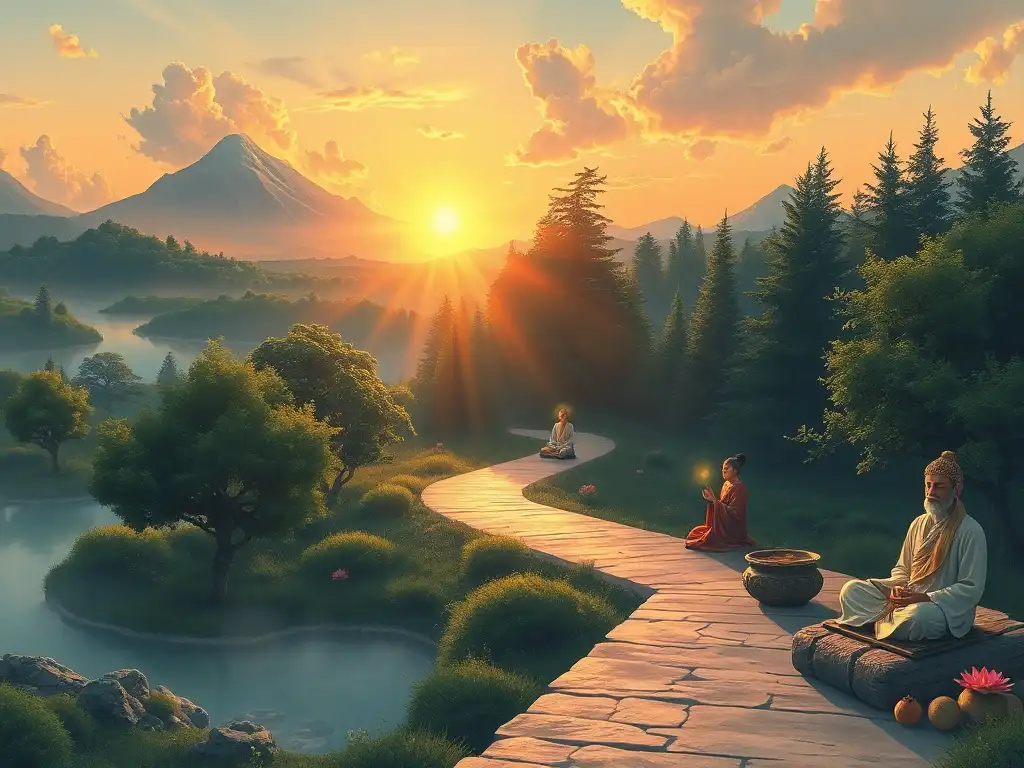
The exploration of spiritual themes in Itihasas reveals profound insights into the metaphysical aspects of life and existence as understood by ancient Indian civilizations. The Itihasas, primarily consisting of the Mahabharata and the Ramayana, serve not only as epic narratives but also as moral and philosophical guides that reflect the rich spiritual tapestry of ancient India.
By delving into these texts, we uncover the intricate relationship between humanity, the divine, and the cosmos, as well as the myriad ways in which these themes have influenced the spiritual journeys of individuals throughout history. This article aims to navigate the depths of these spiritual themes, particularly focusing on the concept of the soul and the moral imperatives that guide its journey.
Introduction to Itihasas and Their Significance
Definition of Itihasas in Ancient Indian Literature
Itihasas, derived from the Sanskrit words "iti" (thus) and "ha" (happened), literally means "that which happened." They are a category of ancient Indian literature that encompasses epic narratives, primarily the Mahabharata and Ramayana. These texts blend mythology, history, and philosophy, providing not only entertaining tales but also moral and ethical lessons.
- Mahabharata: An extensive epic that narrates the struggle for power between the Pandavas and the Kauravas, incorporating various philosophical discourses, including the Bhagavad Gita.
- Ramayana: A tale of Lord Rama's journey to rescue his wife, Sita, which emphasizes the ideals of dharma (duty) and righteousness.
These texts are significant as they encapsulate the cultural, spiritual, and ethical frameworks of ancient Indian society, serving as a repository of knowledge and wisdom.
Overview of Spiritual Themes in Itihasas
The spiritual themes in Itihasas are vast and multifaceted, addressing fundamental questions about existence, morality, and the nature of the soul. Key themes include:
- The Journey of the Soul: The narratives often depict the soul's quest for liberation (moksha) and the trials it faces.
- Dharma and Duty: The concept of dharma plays a crucial role, guiding characters in their decisions and actions, reflecting the moral complexities of life.
- Divine Intervention: The presence of deities and their roles in human affairs highlight the interconnectedness of the divine and the mortal realms.
- Redemptive Suffering: Characters often endure suffering as a path to spiritual awakening, demonstrating resilience and the possibility of transformation.
Through these themes, Itihasas provide profound insights into the spiritual journey of the soul, emphasizing the importance of ethical living and the pursuit of higher truths.
The Concept of the Soul in Ancient Indian Philosophy
Understanding the Atman: The Essence of Self
Atman, a central concept in ancient Indian philosophy, refers to the true self or soul. It embodies the essence of an individual, transcending the physical body and mind. Understanding Atman involves recognizing that:
- Unity with Brahman: Atman is considered to be one with Brahman, the ultimate reality or cosmic spirit. This realization is a key aspect of spiritual enlightenment.
- Immortality of the Soul: The belief in Atman underscores the notion of the soul's immortality, emphasizing that while the body may perish, the soul continues its journey through cycles of birth and rebirth (samsara).
- Self-Realization: The quest for self-realization, or understanding one's true nature, is depicted throughout the Itihasas, encouraging individuals to seek deeper truths beyond the material world.
The Role of Dharma in Shaping Spiritual Journeys
Dharma, or righteous duty, significantly influences the spiritual journeys depicted in Itihasas. It serves as a moral compass guiding individuals in their actions and decisions. Key points include:
- Moral Framework: Dharma provides a framework for ethical conduct, ensuring that individuals act in accordance with universal principles of justice and righteousness.
- Conflict and Resolution: The narratives often explore conflicts arising from dharma, showcasing the complexities of moral choices and their consequences.
- Spiritual Growth: Adhering to one's dharma is portrayed as essential for spiritual growth and ultimately achieving moksha, or liberation from the cycle of rebirth.
The Itihasas not only narrate epic tales but also weave intricate spiritual themes that resonate with the quest for the divine and the understanding of the soul's journey in the vast tapestry of existence.
Major Itihasas and Their Spiritual Messages
The Itihasas, primarily the Ramayana and the Mahabharata, serve as significant texts that encapsulate the spiritual ethos of ancient India. These epics are not merely narratives of historical events but are profound explorations of moral and ethical dilemmas, emphasizing the journey of the soul through various life stages. They reflect on themes such as duty (dharma), righteousness, love, sacrifice, and the ultimate quest for truth. Through their characters and plots, the Itihasas convey essential spiritual messages that resonate with the human experience, guiding individuals toward self-realization and understanding of their place in the cosmos.
The Ramayana: A Journey of Duty and Devotion
The Ramayana, attributed to the sage Valmiki, is a tale that intertwines duty (dharma) and devotion (bhakti). The protagonist, Lord Rama, epitomizes the ideal man, adhering to his dharma despite facing numerous trials and tribulations. His unwavering commitment to righteousness, even in the face of personal loss and hardship, serves as a spiritual guide for devotees.
The journey of Sita, Rama's wife, also illustrates the theme of devotion, showcasing her loyalty and strength. Her abduction by Ravana and subsequent trials reflect the soul's struggle against external forces that threaten purity and virtue. The Ramayana teaches that one's spiritual journey is often fraught with challenges, yet perseverance and adherence to dharma can lead to ultimate liberation (moksha). It encourages individuals to cultivate qualities like compassion, fidelity, and humility in their own lives.
The Mahabharata: The Complexity of Human Nature
The Mahabharata, the longest epic in world literature, delves into the intricate tapestry of human emotions, conflicts, and moral dilemmas. Central to its narrative is the Kurukshetra War, which symbolizes the eternal battle between good and evil within the human soul. The characters in the Mahabharata, such as Arjuna, Yudhishthira, and Krishna, embody various facets of human nature, representing the complexities of duty, justice, and personal desires.
Arjuna's internal conflict on the battlefield serves as a profound metaphor for the spiritual struggles individuals face in discerning right from wrong. The teachings of Lord Krishna in the Bhagavad Gita, a pivotal portion of the Mahabharata, emphasize the importance of selflessness, the pursuit of knowledge, and the need for detachment from the fruits of actions. These teachings offer invaluable insights into the nature of existence, encouraging individuals to transcend their ego and align their actions with the greater good.
Symbolism and Allegory in Itihasas
The Itihasas utilize rich symbolism and allegory to convey deeper spiritual truths. Every character, event, and setting is imbued with layers of meaning that invite readers to reflect on their spiritual journeys. The narratives are not just historical accounts; they are allegorical representations of universal spiritual principles that transcend time and culture.
Understanding Symbolic Representations of Spirituality
Symbolism in the Itihasas plays a critical role in conveying abstract spiritual concepts. For instance, the forest represents the wilderness of life, where one confronts inner demons and undergoes transformation. The characters often symbolize various virtues and vices, acting as mirrors for the reader's soul.
In the Ramayana, the bridge built by Rama’s army to reach Lanka symbolizes the connection between the material and spiritual worlds, illustrating that devotion and effort can help overcome obstacles. Similarly, in the Mahabharata, the chariot symbolizes the human body, with Krishna (the divine) guiding Arjuna (the soul) through the challenges of life, indicating that spiritual guidance is essential in navigating life's complexities.
Key Allegories and Their Spiritual Interpretations
The Itihasas are rich with allegorical tales that provide profound spiritual interpretations. For example, the story of the Pandavas and Kauravas represents the duality of human nature, where the Pandavas symbolize righteousness and the Kauravas embody unrighteousness. Their conflict serves as a reminder of the constant struggle between good and evil within oneself.
Another significant allegory is the game of dice in the Mahabharata, which reflects the unpredictability of fate and the consequences of attachment to material possessions. It teaches that while external circumstances may be beyond control, one's response and adherence to dharma remain paramount.
Through these allegories, the Itihasas encourage readers to introspect and recognize the spiritual lessons embedded within their narratives, urging them to embark on their own journeys of self-discovery and moral integrity.
The Influence of Spiritual Themes on Indian Culture
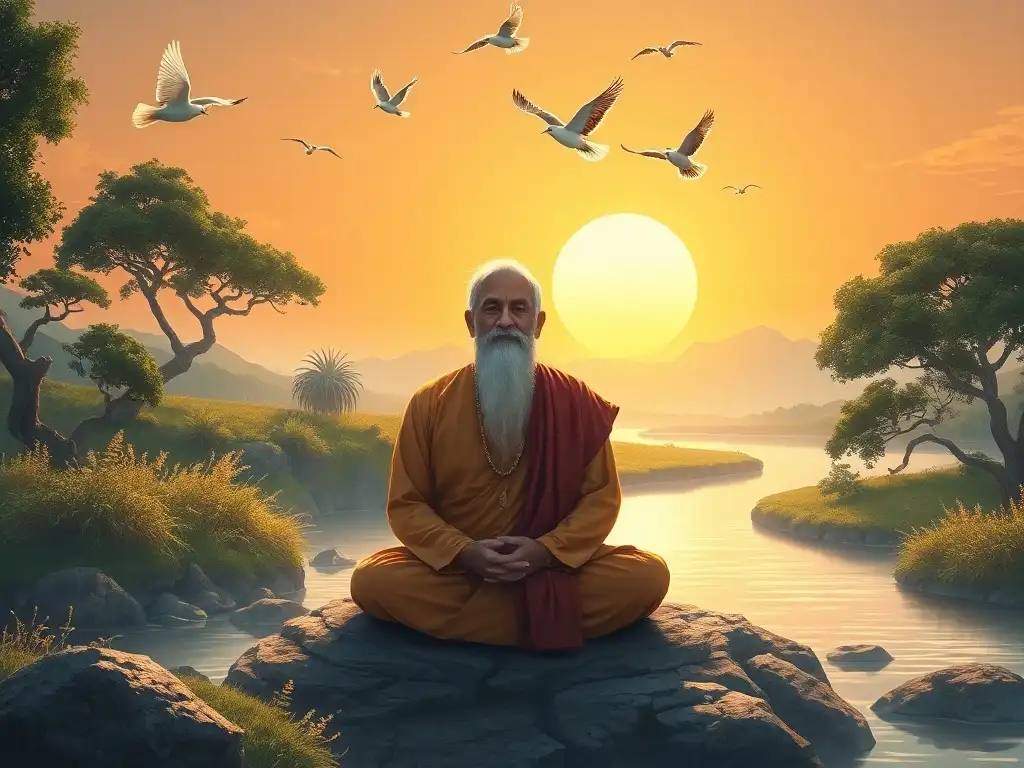
The spiritual themes present in Itihasas, such as the Mahabharata and Ramayana, have deeply influenced the cultural fabric of India. These ancient texts not only recount legendary tales but also encapsulate the philosophical and moral dilemmas that resonate with the human experience. This blend of narrative and spirituality has shaped various aspects of Indian culture, from religious practices and beliefs to the arts.
The teachings derived from the Itihasas are often integrated into daily life, guiding ethical conduct and social responsibilities. Concepts such as Dharma (duty), Karma (action and its consequences), and Moksha (liberation) are woven into the societal fabric, influencing the way individuals perceive their roles within the community and their relationship with the divine. The narratives serve as instructive guides, illustrating the importance of virtue and righteousness, which remains relevant even in contemporary society.
Impact on Religious Practices and Beliefs
The spiritual themes in Itihasas have significantly impacted religious practices and beliefs throughout India. They serve as foundational texts for various Hindu sects, shaping rituals, festivals, and worship. For instance, the principles outlined in the Bhagavad Gita, part of the Mahabharata, inform the understanding of duty and righteousness, guiding followers in their spiritual and ethical lives.
Moreover, the stories of deities and legendary heroes have inspired numerous festivals, such as Diwali, which celebrates Lord Rama's return to Ayodhya, and Janmashtami, commemorating Lord Krishna's birth. These celebrations are steeped in the rich narratives of the Itihasas, fostering a collective spiritual identity among practitioners.
The ethical dilemmas depicted in these texts encourage followers to reflect on their actions and choices, promoting a culture that values introspection and moral accountability. As a result, the spiritual themes in Itihasas continue to shape and evolve contemporary religious practices, ensuring their relevance across generations.
Reflection of Spiritual Themes in Art and Music
The influence of spiritual themes in Itihasas is also vividly reflected in Indian art and music. Artists throughout history have drawn inspiration from the rich narratives, creating intricate sculptures, paintings, and performances that depict the lives of legendary figures and their spiritual journeys.
For example, the portrayal of scenes from the Ramayana and Mahabharata in traditional Indian art forms, such as Madhubani and Pattachitra, showcases the profound impact of these texts on visual culture. These artworks often convey moral lessons and spiritual insights, inviting viewers to engage with the themes of love, sacrifice, and righteousness.
In music, classical compositions often incorporate stories and themes from the Itihasas, with ragas and lyrics designed to evoke specific emotions and spiritual states. Bhajans and kirtans, devotional songs, frequently recount the exploits of deities like Rama and Krishna, reinforcing the spiritual teachings embedded in these narratives. This interplay between spirituality and artistic expression highlights the enduring influence of Itihasas on India's cultural landscape.
Conclusion: The Enduring Legacy of Spiritual Themes in Itihasas
The spiritual themes found within the Itihasas have established a lasting legacy that continues to shape Indian culture and spirituality. These texts serve not only as historical narratives but also as profound philosophical explorations of the human condition, morality, and the divine.
Summary of Key Insights on Spiritual Themes
The spiritual themes in Itihasas resonate through various dimensions of Indian life. They influence religious practices and beliefs, guiding followers in their moral and ethical decisions. The narratives inspire artistic expressions that further embed these themes into the cultural consciousness. The emphasis on concepts such as Dharma and Karma continues to provide a framework for understanding one's purpose and responsibilities in life.
Relevance of Itihasas in Contemporary Spiritual Discourse
In contemporary spiritual discourse, Itihasas remain relevant as they address timeless questions about existence, purpose, and the nature of the soul. Their teachings encourage individuals to seek wisdom and understanding in their spiritual journeys, fostering a dialogue that bridges ancient wisdom with modern existential inquiries. As society continues to evolve, the spiritual themes in Itihasas offer valuable insights that resonate with the quest for meaning and connection in today's world.
Further Reading: Exploring Spirituality in Ancient Texts
The exploration of spiritual themes within the Itihasas offers a profound understanding of ancient Indian philosophy and cultural practices. To further delve into this rich tapestry of spirituality, various texts and resources can provide deeper insights and contextual understanding. Engaging with these works can enhance one’s appreciation of the spiritual narratives and teachings embedded in the Itihasas.
Suggested Texts and Resources for Deeper Understanding
- The Bhagavad Gita: Often considered a spiritual and philosophical guide, this text is a part of the Mahabharata. It addresses the moral and ethical dilemmas faced by Arjuna and presents themes of duty, righteousness, and devotion.
- The Ramayana: This epic not only narrates the story of Lord Rama but also explores themes of dharma (duty), devotion, and the ideal qualities of a king, husband, and warrior. Reading various retellings and commentaries can provide diverse perspectives on these themes.
- Puranas: These ancient texts, such as the Vishnu Purana and Shiva Purana, offer rich narratives that complement the teachings of the Itihasas. They cover creation myths, cosmology, and stories of gods and goddesses, which deepen the understanding of spiritual beliefs in ancient India.
- Commentaries by Scholars: Works by scholars like Swami Vivekananda, Eknath Easwaran, and A.C. Bhaktivedanta Swami Prabhupada provide interpretations and insights into the spiritual teachings within the Itihasas, making them more accessible to modern readers.
- Research Articles and Journals: Academic research focusing on the spiritual themes in Itihasas can provide critical analyses and interpretations. Journals like the Journal of Indian Philosophy often publish articles that explore these themes in depth.
Connecting Itihasas with Other Spiritual Literature
The Itihasas are not isolated texts; they resonate with a broad spectrum of spiritual literature across cultures and time periods. Here are some notable connections:
- Upanishads: These ancient Indian texts focus on meditation, philosophy, and spiritual knowledge, paralleling the introspective themes found in the Itihasas. Both bodies of work explore the nature of the self and the universe.
- Buddhist Scriptures: Texts such as the Dhammapada and the Pali Canon share ethical and moral teachings that echo the spiritual lessons found in the Itihasas. The concepts of karma and rebirth are prevalent in both traditions.
- Greek Philosophical Texts: Works by philosophers like Plato and Aristotle also grapple with themes of the soul, ethics, and the nature of existence. These philosophical inquiries can be juxtaposed with the moral dilemmas presented in the Itihasas.
- Comparative Mythology: Studying myths from various cultures reveals common spiritual themes, such as the hero's journey, the battle between good and evil, and the quest for enlightenment. This comparative approach can enrich the understanding of the Itihasas within a global context.
The spiritual themes in Itihasas are not only pivotal in understanding ancient Indian philosophy but also connect to a wider array of spiritual literature, offering a rich field for exploration and study.
- Introduction to Itihasas and Their Significance
- The Concept of the Soul in Ancient Indian Philosophy
- Major Itihasas and Their Spiritual Messages
- Symbolism and Allegory in Itihasas
- The Influence of Spiritual Themes on Indian Culture
- Conclusion: The Enduring Legacy of Spiritual Themes in Itihasas
- Further Reading: Exploring Spirituality in Ancient Texts
Frequently Asked Questions
What are Itihasas in ancient Indian literature?
Itihasas are ancient texts that narrate the history and mythology of India, primarily represented by the Mahabharata and Ramayana. They are considered significant in understanding cultural narratives and spiritual themes.
How do Itihasas reflect spiritual themes?
The spiritual themes in Itihasas often explore concepts such as dharma (duty), karma (action), and the soul's journey. These narratives serve as moral guides and philosophical reflections on human existence.
What is the significance of the soul's journey in Itihasas?
The soul's journey is a central motif in Itihasas that illustrates the transformation and evolution of characters through life experiences. It emphasizes the importance of spiritual growth and the quest for ultimate truth.
How do Itihasas influence modern spiritual practices in India?
Itihasas continue to shape modern spiritual practices in India by providing frameworks for understanding ethical living, meditation, and the pursuit of enlightenment. Their teachings resonate in contemporary philosophical discourses.
Can you name a few spiritual themes prominent in the Mahabharata?
Prominent spiritual themes in the Mahabharata include selflessness, the struggle between good and evil, and the concept of divine intervention. These themes underline the complexities of human relationships and the quest for truth.
Final Reflection: Embracing the Spiritual Odyssey in Itihasas
The exploration of spiritual themes in Itihasas remains profoundly relevant today, as it invites us to reflect on our own journeys of the soul. In a world often dominated by material pursuits and fleeting distractions, the timeless narratives found within these ancient texts remind us of the deeper truths that connect us all. They encourage us to seek meaning beyond the surface, illuminating the path toward self-discovery and spiritual fulfillment.
The influence of Itihasas on our cultural and social landscape is undeniable, as their teachings continue to resonate across generations. These texts serve as a mirror, reflecting our struggles, aspirations, and the universal quest for purpose. As we navigate our own lives, we can draw inspiration from the profound wisdom embedded in these stories. The soul's journey is not just a tale of the past; it is a living narrative that unfolds within each of us.
As you ponder the spiritual themes in Itihasas, I invite you to embark on your own journey of introspection and growth. Consider how the lessons from these ancient texts can guide you in your daily life, helping you to cultivate a deeper connection with yourself and the world around you. Let the wisdom of the Itihasas inspire you to embrace your spiritual path, fostering a sense of purpose and unity in your life.
Unveil Your Spiritual Journey Today!
Thank you for exploring the rich spiritual themes woven through the ancient texts with us! Your curiosity not only deepens your understanding but also enhances your personal growth. Now, it’s time to take those insights and transform them into action.
Here are some ways you can continue your quest for spiritual understanding:
- Reflect on your own journey: Set aside some quiet time today to meditate on the teachings from these texts. What resonates with you?
- Join a community: Connect with others who share your interests by participating in local or online discussions about spirituality.
- Explore further: Choose a specific theme from the ancient texts that intrigued you and dive deeper—read related literature, attend workshops, or commit to daily practices inspired by your discoveries.
What will you do today to bring the wisdom of these teachings into your life?