
The Relevance of Itihasas in Contemporary Indian Society

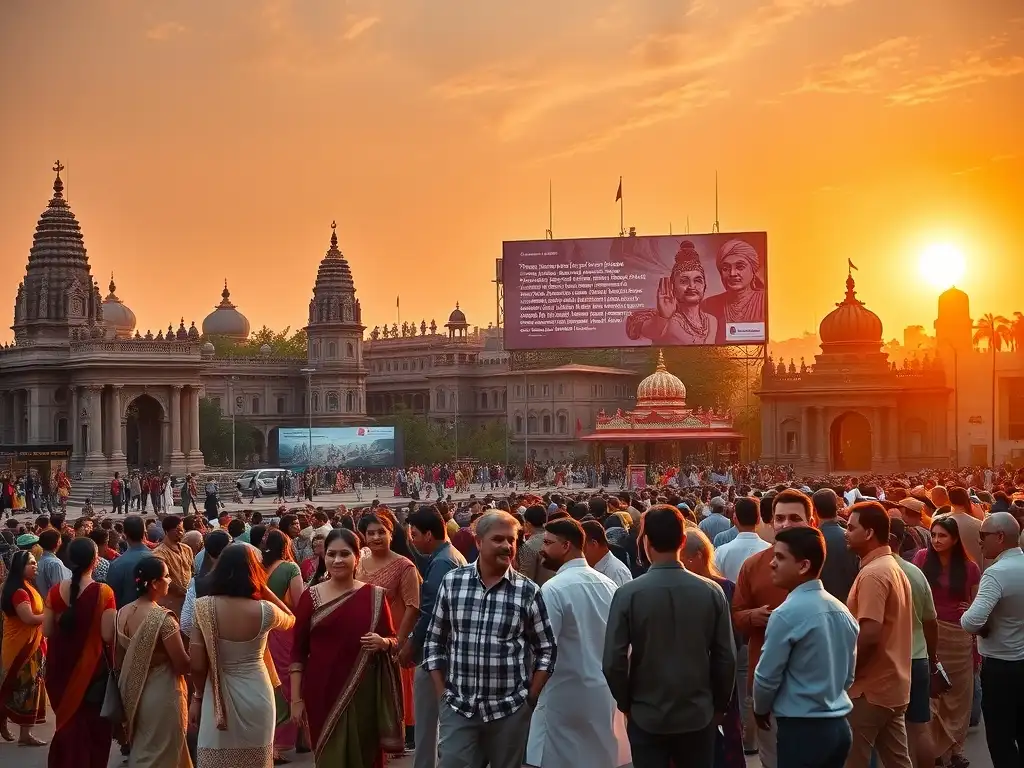
Welcome to Ancient India History, where we embark on a captivating journey through the rich tapestry of India's past! As we delve into the relevance of Itihasas in contemporary Indian society, you'll discover how these ancient narratives continue to shape cultural identities and influence modern discourse. What hidden gems of wisdom and inspiration do these texts hold for today's world? Join us as we explore the profound connections between the age-old stories of our ancestors and the vibrant society we live in now. Prepare to uncover insights that resonate far beyond the pages of history!
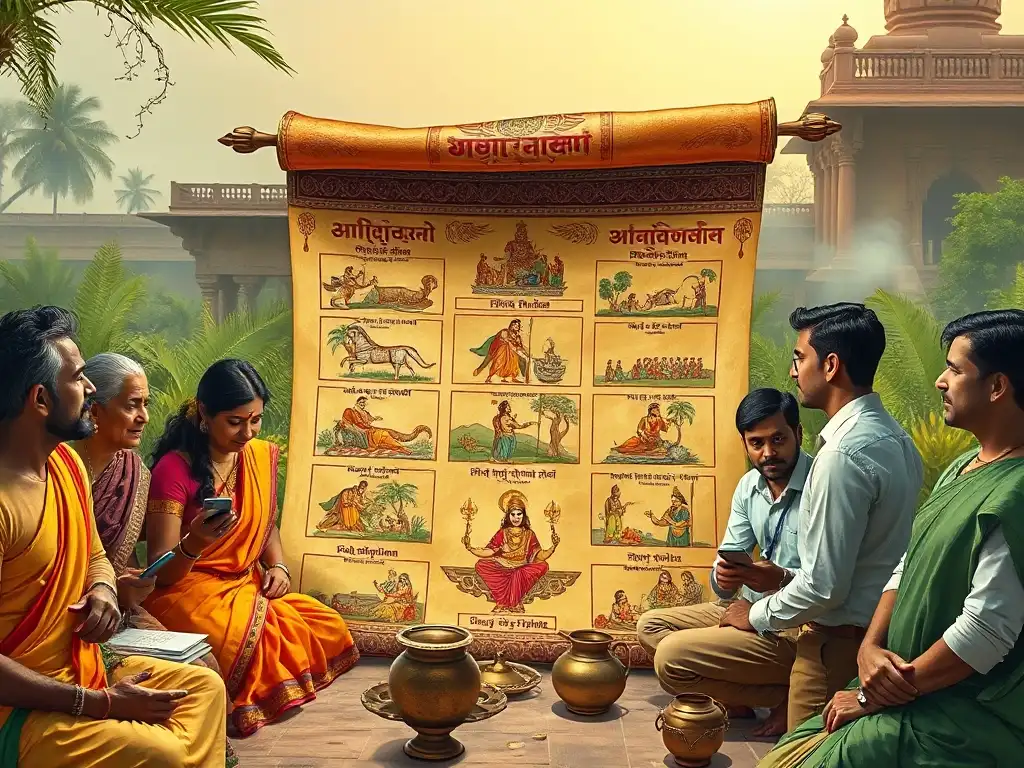
The relevance of Itihasas in modern India is profound, reflecting the enduring legacy of ancient narratives that continue to shape the cultural and ethical framework of contemporary society. Itihasas, which encompass the epics like the Ramayana and Mahabharata, along with various historical texts, serve as a bridge connecting the rich traditions of ancient civilizations to the present day.
As we delve into the intricate layers of these texts, it becomes evident that they offer not only historical insights but also moral guidance and cultural identity, making them pertinent to discussions surrounding modern Indian society. This article will explore the multifaceted significance of Itihasas, illuminating their impact on contemporary culture, ethics, and values.
Introduction to Itihasas
Definition of Itihasas
Itihasas are ancient Indian texts that narrate historical events, legendary tales, and moral teachings. The term itself derives from the Sanskrit word "iti," meaning "thus," and "has," which translates to "happened." Together, they denote a narrative that recounts what has transpired in the past, often blending mythological elements with historical facts. Key examples include the Mahabharata and the Ramayana, which not only serve as literary masterpieces but also encapsulate the spiritual and ethical values of ancient Indian society.
Historical Significance of Itihasas in Ancient India
Historically, Itihasas played a crucial role in shaping the socio-political landscape of ancient India. They documented significant events, such as battles, treaties, and the lives of notable figures, while simultaneously conveying the philosophical and moral lessons embedded within these narratives. Through vivid storytelling, Itihasas preserved the ideals of dharma (righteousness) and karma (action), which guided the behavior and decisions of individuals and communities. This historical context provides a foundation for understanding how these texts have been revered and studied over centuries.
The Role of Itihasas in Modern Indian Culture
Cultural Influence of Itihasas in Contemporary Society
In modern India, the influence of Itihasas is omnipresent, from literature and performing arts to festivals and rituals. They inspire various forms of artistic expression, including dance, theater, and cinema, where adaptations of these stories continue to captivate audiences. For instance, the annual celebration of Ram Navami and Diwali is rooted in the narratives of the Ramayana, showcasing how these stories permeate everyday life and cultural practices. Furthermore, the themes of loyalty, valor, and righteousness resonate with the values upheld in contemporary society, fostering a sense of unity and shared identity among diverse communities.
Itihasas as a Source of Moral and Ethical Guidance
Itihasas serve as a reservoir of moral and ethical teachings that remain relevant in contemporary discourse. The dilemmas faced by characters in these narratives—such as Arjuna's conflict in the Bhagavad Gita—offer profound insights into human nature and the complexities of life. These lessons in duty, sacrifice, and righteousness provide a framework for ethical living that many individuals turn to in navigating modern challenges. By revisiting these ancient teachings, contemporary society can draw parallels and gain wisdom that aids in personal development and communal harmony.
Itihasas in Modern India: Relevance and Interpretation
The Itihasas, including the Mahabharata and Ramayana, hold a significant place in modern Indian society, transcending mere historical narratives to embody cultural values, ethical lessons, and social norms. Their relevance today is manifested in various forms, from literature and education to political discourse and social movements. The interpretations of these texts have evolved, reflecting contemporary issues while maintaining their foundational roles in Indian culture. As society grapples with modern challenges, the Itihasas provide a lens through which individuals can explore moral dilemmas, personal conduct, and community values.
In recent years, scholars and educators have reexamined these texts to extract relevant themes that resonate with today’s youth. By contextualizing ancient stories within modern frameworks, the Itihasas continue to inspire and guide new generations, reinforcing their enduring significance.
Current Interpretations of Itihasas in Education
The role of Itihasas in the educational landscape of modern India is pivotal. Many institutions have integrated these texts into their curricula, recognizing their potential to impart life lessons and foster critical thinking. Educators emphasize themes such as Dharma (duty/righteousness), Karma (action), and ethical conduct, encouraging students to engage with these ancient narratives in a way that is relevant to contemporary societal values.
Moreover, innovative teaching methodologies, such as storytelling and dramatization, have emerged, making the learning experience more engaging and relatable. Workshops, seminars, and discussion forums centered around Itihasas promote dialogue on their implications in modern society, enabling students to draw parallels with current events and personal experiences.
The Impact of Itihasas on Indian Arts and Literature
The influence of Itihasas on Indian arts and literature is profound and multifaceted. These texts have inspired countless forms of artistic expression, including classical dance, music, theater, and visual arts. For instance, dance forms like Bharatanatyam and Kathak often depict stories from the Ramayana and Mahabharata, bringing ancient narratives to life and ensuring their continued relevance in contemporary performance arts.
In literature, modern authors often draw from the rich tapestry of Itihasas, reinterpreting characters and events to reflect current societal issues. For example, contemporary novels and poems frequently explore themes of heroism, sacrifice, and moral dilemmas derived from these ancient texts, thereby weaving them into the fabric of modern storytelling. This artistic dialogue ensures that the essence of Itihasas continues to resonate with audiences today, enriching the cultural landscape of India.
Itihasas and National Identity
The Itihasas play a crucial role in shaping the national identity of India. As repositories of cultural narratives, they serve as a foundation for understanding the collective ethos of the Indian people. These texts not only recount historical events but also embody the values, beliefs, and aspirations of various communities across the subcontinent, thus fostering a sense of unity in diversity.
In contemporary discourse, references to Itihasas often emerge in discussions about national pride and cultural heritage, reinforcing their importance in the construction of a national identity that is both inclusive and representative of India's myriad traditions.
How Itihasas Shape Indian Nationalism
Itihasas have significantly influenced the development of Indian nationalism. During the freedom struggle, leaders invoked the stories and characters from these texts to inspire resistance against colonial rule, framing the struggle for independence as a moral and historical imperative. Figures like Bhagat Singh and Mahatma Gandhi often referenced the values exhibited by characters such as Rama and Arjuna, drawing parallels between their struggles and those depicted in the Itihasas.
In contemporary India, political leaders and movements continue to leverage the narratives of Itihasas to evoke a sense of national pride and identity. By promoting a narrative that emphasizes the heroism and righteousness of ancient figures, they seek to inspire a collective consciousness that aligns with the ideals of progress, unity, and cultural heritage.
The Connection Between Itihasas and Indian Heritage
The Itihasas are intrinsically linked to Indian heritage, encapsulating the philosophical, spiritual, and ethical dimensions of the culture. They serve as a bridge between the past and the present, providing insights into the ancient wisdom that continues to guide contemporary society. Festivals, rituals, and cultural practices often draw upon the teachings and narratives found in these texts, ensuring their continued relevance in everyday life.
Moreover, the preservation and promotion of Itihasas contribute to the broader understanding of India’s diverse cultural landscape. As modern society evolves, the Itihasas remain a touchstone for exploring identity, ethics, and community values, reinforcing the importance of heritage in fostering a cohesive and vibrant society. Through this enduring connection, the Itihasas not only enrich the cultural fabric of India but also serve as a reminder of the shared narratives that bind the nation together.
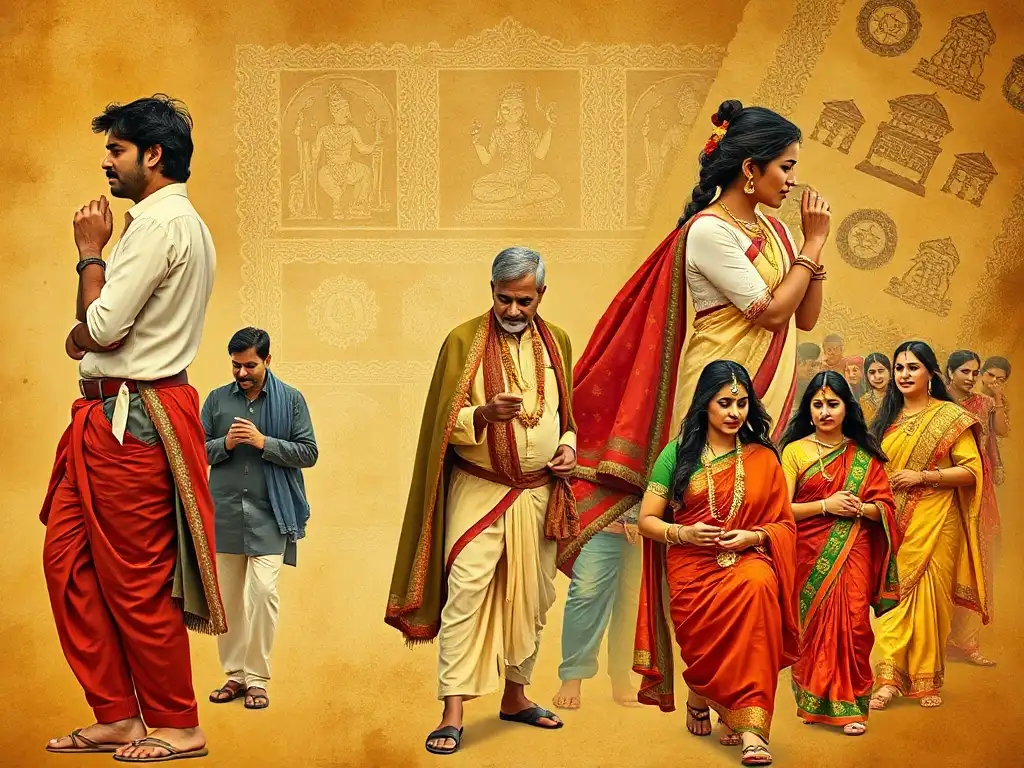
The Itihasas, encompassing texts such as the Ramayana and Mahabharata, hold profound significance in shaping various social practices in contemporary Indian society. These texts provide a rich tapestry of moral lessons, ethical dilemmas, and cultural narratives that continue to resonate with modern values and social norms. They serve as a guide for individuals and communities, offering insights into righteousness (dharma), duty, and the complexities of human relationships.
In various regions of India, the teachings and stories from the Itihasas are interwoven into everyday practices, influencing everything from governance and justice to personal conduct and community interactions. For instance, the concept of Dharma derived from these texts is pivotal in Indian philosophy and ethics, guiding individuals in their roles as family members, citizens, and spiritual seekers. The values articulated in these ancient narratives are instrumental in fostering social cohesion and collective identity among diverse groups.
Moreover, the interpretative flexibility of these ancient texts allows them to adapt to contemporary issues. This adaptability has led to the revitalization of certain moral teachings and the promotion of virtues such as compassion, truthfulness, and resilience in facing modern challenges. Overall, the Itihasas continue to function as a moral compass, influencing social practices and enriching the cultural fabric of modern India.
Itihasas in Festivals and Celebrations
Festivals and celebrations in India are often deeply rooted in the narratives found within the Itihasas. Major festivals such as Diwali and Dussehra celebrate events depicted in these texts, reinforcing their relevance in contemporary society. Diwali, for example, commemorates the return of Lord Rama to Ayodhya after his exile, symbolizing the victory of light over darkness and good over evil. This festival not only highlights the cultural significance of the Ramayana but also emphasizes values such as hope, renewal, and community bonding.
Similarly, Dussehra celebrates the triumph of Lord Rama over the demon king Ravana, serving as a reminder of the importance of righteousness and moral choices. The enactment of these stories through traditional performances, such as Ramlila, fosters a sense of communal participation and cultural identity, allowing people to connect with their heritage.
These festivals also provide opportunities for individuals to reflect on the moral teachings embedded within the Itihasas, encouraging them to embody these values in their daily lives. Thus, the celebration of festivals rooted in Itihasas not only preserves cultural traditions but also reinforces the ethical frameworks that guide contemporary Indian society.
The Role of Itihasas in Family Traditions
Family traditions in India are often enriched by the teachings and stories from the Itihasas. Many households incorporate readings from these texts during significant family gatherings, such as weddings, festivals, and religious ceremonies, thereby instilling a sense of cultural continuity and shared values across generations.
The narratives within the Itihasas often serve as moral lessons for families, emphasizing the importance of duty, loyalty, and compassion. For instance, the relationships depicted in the Mahabharata, such as those between Pandavas and Kauravas, offer profound lessons on family dynamics, conflict resolution, and the consequences of choices. These stories are utilized by parents and elders to impart wisdom to younger generations, ensuring that the values championed in ancient texts remain relevant.
Additionally, many family traditions include rituals and practices that are inspired by events from the Itihasas, further embedding these narratives into the fabric of everyday life. For example, the concept of Shraddha, a ritual honoring ancestors, draws inspiration from the respect and duty portrayed in these texts. Thus, Itihasas play a crucial role in shaping family traditions, providing a moral framework that guides interpersonal relationships within the family unit.
Challenges in the Contemporary Understanding of Itihasas
While the Itihasas continue to influence contemporary society, there are significant challenges in their understanding and interpretation. The complexity of these texts, combined with diverse cultural contexts, can lead to varying interpretations that may not align with their original intent. This divergence often results in misconceptions that can dilute the intended messages and ethical teachings.
Misinterpretations and Misrepresentations
In the age of information, the Itihasas are often subject to misinterpretation and misrepresentation, especially in popular media and educational contexts. Simplistic or sensationalized portrayals can lead to a skewed understanding of the themes and characters in these texts. For instance, the character arcs in the Mahabharata are often oversimplified, reducing complex moral dilemmas to binary choices of good versus evil.
Such representations can distort the richness of the narratives, leading to societal misunderstandings about the values they promote. Furthermore, selective quoting or decontextualizing passages from the Itihasas can foster divisive interpretations that do not reflect the inclusive and nuanced nature of these texts. This challenge underscores the need for critical engagement with the original texts to appreciate their depth and relevance accurately.
The Need for Scholarly Engagement with Itihasas
To address the challenges of misinterpretation, there is a pressing need for scholarly engagement with the Itihasas. Academics, historians, and cultural scholars play a vital role in analyzing and contextualizing these texts, offering interpretations that honor their complexity and richness. This engagement can facilitate a deeper understanding of the ethical and philosophical teachings contained within the Itihasas, allowing them to be appreciated in their historical and cultural contexts.
Moreover, educational institutions can contribute by incorporating a more comprehensive curriculum that emphasizes critical thinking and textual analysis of the Itihasas. By fostering a scholarly approach to these texts, contemporary society can cultivate a more informed and nuanced understanding of their relevance today. This engagement not only enriches cultural literacy but also ensures that the ethical lessons from the Itihasas continue to guide individuals in modern India, promoting values that are essential for harmonious coexistence in a diverse society.
Conclusion: The Lasting Impact of Itihasas in Modern India
The Itihasas, comprising the epic narratives of the Ramayana and Mahabharata, have transcended their historical and literary origins to become integral to contemporary Indian society. Their significance extends far beyond mere storytelling, influencing various facets of culture, ethics, and social identity. As modern India grapples with its multicultural fabric, the teachings and values embedded within these texts continue to resonate, providing a moral compass and a sense of continuity with the past.
Furthermore, Itihasas serve as a bridge connecting diverse communities, allowing for a shared cultural heritage that fosters unity amidst diversity. Through various media, including literature, cinema, and digital platforms, these ancient texts are revitalized, making them accessible to younger generations. The adaptability of the Itihasas in interpreting current societal challenges demonstrates their enduring relevance and ability to inspire dialogue around contemporary issues such as justice, duty, and righteousness.
Summary of the Importance of Itihasas
The Itihasas are pivotal not only as historical texts but as living documents that shape the ethos of Indian society. They encapsulate the essence of dharma (duty/righteousness), which remains a cornerstone of social conduct and ethical frameworks in modern India. The narratives illustrate complex human emotions and moral dilemmas, fostering empathy and introspection among readers.
Additionally, Itihasas contribute to cultural practices, festivals, and rituals, reinforcing community bonds and collective identity. They are instrumental in the arts, influencing traditional music, dance, and theater forms. In educational contexts, the teachings of the Itihasas provide valuable lessons in leadership, conflict resolution, and morality, making them relevant for character-building in contemporary society.
Future Prospects for Itihasas in Indian Society
As India continues to evolve in the 21st century, the future of Itihasas appears promising. With advancements in technology and the rise of digital media, there is an increasing opportunity to reinterpret and disseminate these texts in innovative formats. Animated adaptations, graphic novels, and interactive online platforms can engage younger audiences, ensuring that the core messages of the Itihasas are not lost but rather revitalized.
Moreover, the growing interest in heritage conservation and cultural education suggests that Itihasas will play a critical role in promoting awareness and appreciation of India's rich historical narratives. Institutions may increasingly incorporate Itihasas into curricula, fostering a deeper understanding of Indian philosophy and ethics among students.
As modern society encounters new challenges, the timeless wisdom of the Itihasas will likely continue to inspire discussions on morality, community, and identity, reaffirming their place in contemporary discourse. The adaptability of these texts to current contexts ensures that they will remain a vital part of the fabric of Indian life, influencing future generations.
- Introduction to Itihasas
- The Role of Itihasas in Modern Indian Culture
- Itihasas in Modern India: Relevance and Interpretation
- Itihasas and National Identity
- The Influence of Itihasas on Social Practices
- Challenges in the Contemporary Understanding of Itihasas
- Conclusion: The Lasting Impact of Itihasas in Modern India
Frequently Asked Questions
What are Itihasas in the context of Indian history?
Itihasas are ancient Indian texts that include epic narratives such as the Mahabharata and Ramayana, documenting the mythological and historical aspects of Indian culture.
How do Itihasas influence modern Indian culture?
Itihasas profoundly shape values, traditions, and social norms in contemporary India, providing a foundation for cultural identity and influencing various forms of artistic expression.
What role do Itihasas play in education today?
In modern education, Itihasas are often included in the curriculum to teach students about historical events and moral lessons, fostering a connection to India’s rich heritage.
Yes, Itihasas offer insights into ethical dilemmas and conflict resolution, which can be applied to address various social issues faced in today's India.
How can one explore Itihasas further?
To delve deeper into Itihasas, one can read the original texts, attend lectures, or participate in discussions that focus on their interpretations and implications in modern society.
Final Reflection: The Enduring Legacy of Itihasas in Modern India
In an age where rapid technological advancements and globalization often overshadow traditional narratives, the relevance of Itihasas in contemporary Indian society remains a beacon of cultural identity and moral guidance. These ancient texts not only encapsulate the rich history of India but also provide timeless lessons that resonate with the challenges we face today. As we navigate the complexities of modern life, the wisdom embedded in these epics serves as a reminder of our roots and the values that have shaped our civilization.
The influence of Itihasas extends far beyond their historical context; they are woven into the very fabric of our cultural and social landscape. Their stories inspire generations, fostering a sense of belonging and continuity in an ever-changing world. The narratives of valor, duty, and righteousness found in these texts continue to guide individuals and communities alike. The epics are not just stories; they are the soul of our civilization.
This ongoing relevance underscores the importance of preserving and engaging with these narratives, as they offer insights into our identity and collective consciousness.
As we reflect on the lessons of Itihasas, I invite you to consider how these ancient teachings can be applied in your own life. Embrace the values of courage, compassion, and integrity that these stories embody, and let them guide your actions in a world that often feels disconnected from its roots. By doing so, we not only honor our heritage but also contribute to a more harmonious and understanding society. Let the wisdom of the Itihasas inspire you to forge a path that honors the past while shaping a brighter future.
Embrace the Wisdom of Itihasas Today!
Thank you for taking the time to explore the profound relevance of Itihasas in our contemporary world! By delving into these ancient texts, you’ve uncovered insights that can enrich your understanding of culture, values, and ethics in modern Indian society. Now, it’s time to take that knowledge and put it into action!
Here are some practical steps you can take to deepen your connection with Itihasas:
- Start a reading group with friends or family to discuss the themes and lessons from the Itihasas that resonate with you— sharing knowledge and perspectives can lead to enriching conversations.
- Reflect on how the values of Itihasas can be incorporated into your daily life— consider keeping a journal to note down instances where you apply these teachings.
- Engage with online forums or local community groups focused on Indian mythology and history to share insights and learn from others— expand your horizons by connecting with like-minded enthusiasts.
As you embark on this journey of exploration and implementation, remember that the wisdom of Itihasas can inspire both personal growth and a stronger community connection.
Which specific teaching from the Itihasas resonates with you the most, and how do you plan to apply it in your life today?